

As an Axomiya, I feel appalled by the statement by @KapilSibal on #Axom. What he said is as true as Bharat being a part of Iran after Nadir Shah invaded Delhi. Samudragupta's pillar inscription mentions Axom as a frontier kingdom. Ahoms never fell to the Mughals!
Thread:
Thread:
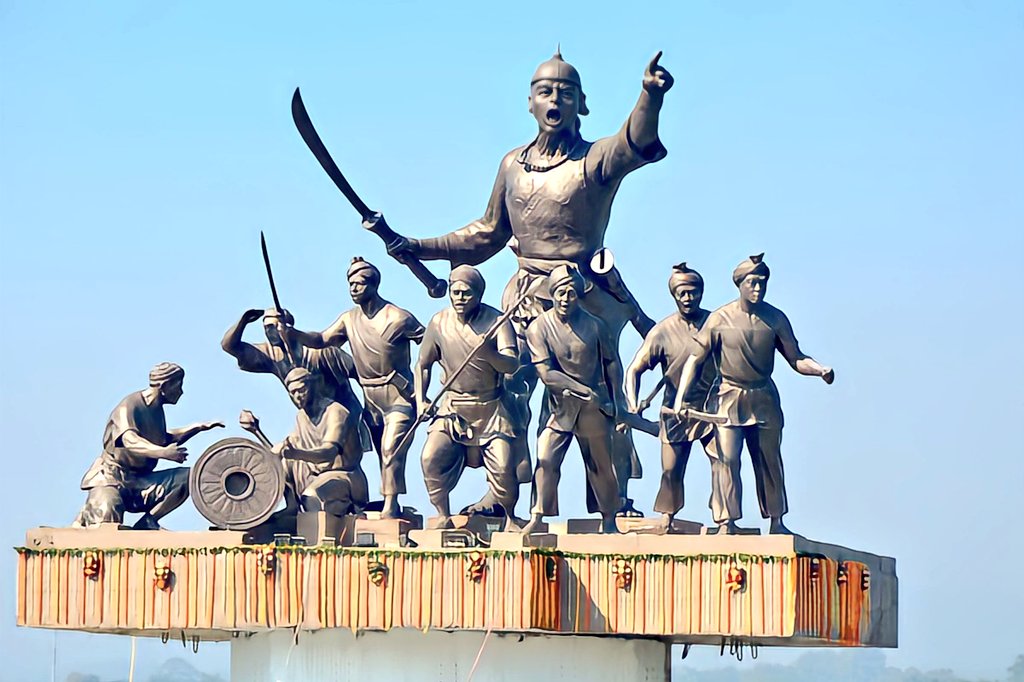
1/ The early 19th century witnessed a tumultuous period in Assam with three Burmese invasions between 1817 and 1826. Known locally as "ম্যানর দিন - Myanor Din," these events left the Kingdom of Axom devastated and under Burmese control in the early 1820s.
2/ Prior to these invasions, Axom faced internal challenges, including rebellions like the Moamoria and Dundiya rebellions. Premier Purnananda Burhagohain managed to suppress these rebellions but faced opposition from Badan Chandra Borphukan (chief of Ahom forces in lower Axom).
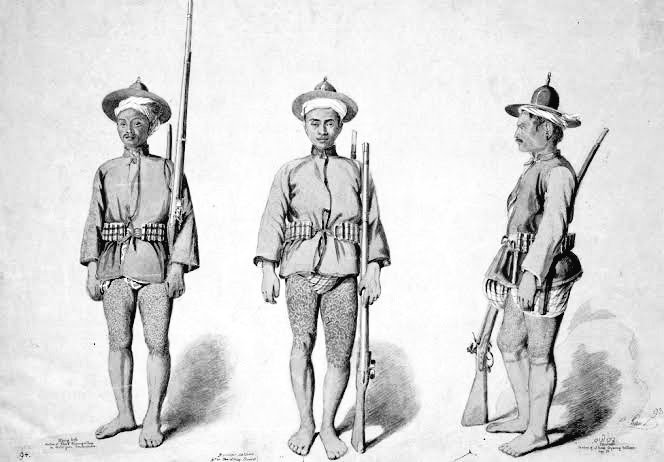
3/ In 1816, Badan Chandra sought Burmese assistance against Purnananda. This led to the Burmese expedition with 16,000 troops under General Maha Minhla Minkhaung in 1816. Purnananda's death by natural causes and subsequent fall of resistance led to Axom's temporary subjugation.
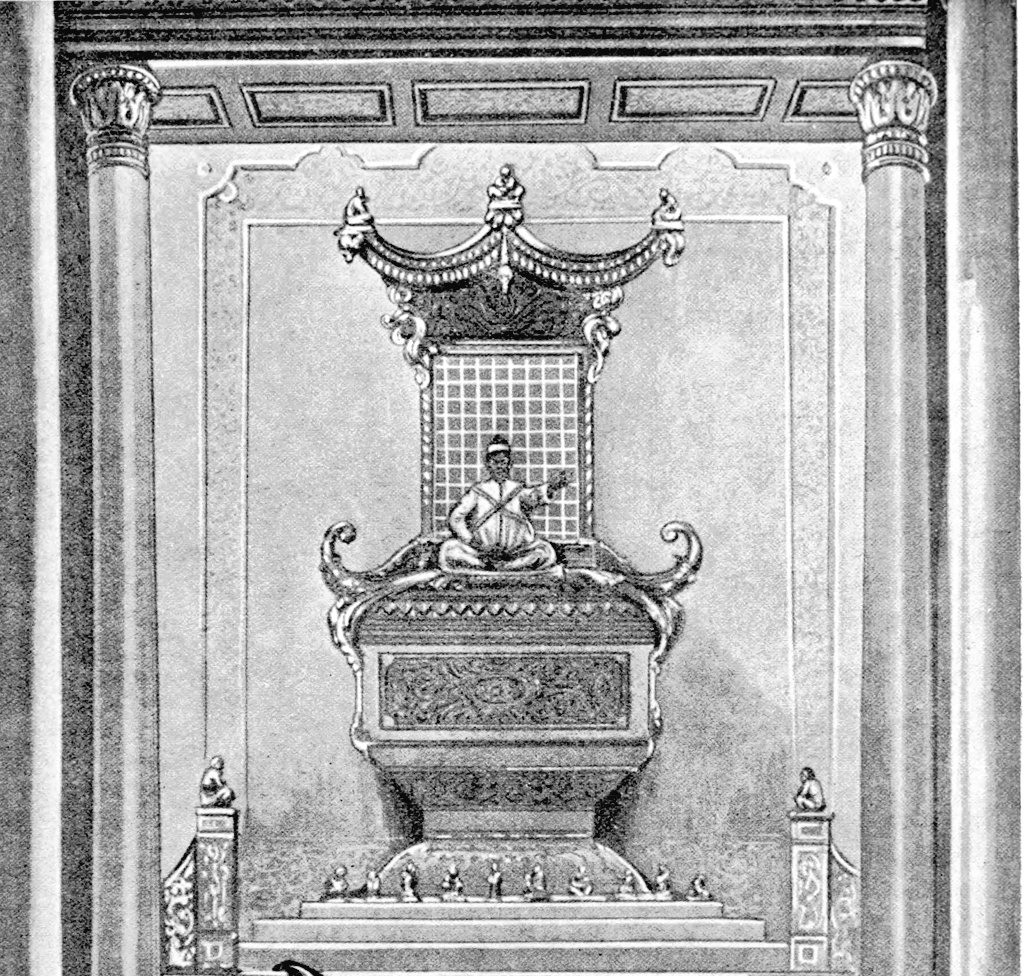
4/ Ahom King Chandrakanta Singha's attempts to regain control, particularly with a force of ~2000 men from British-Bengal, initially had success in taking back Guwahati. Thereafter, the Burmese under general Mingi Maha Bandula reclaimed Axom with ~20,000 soldiers.
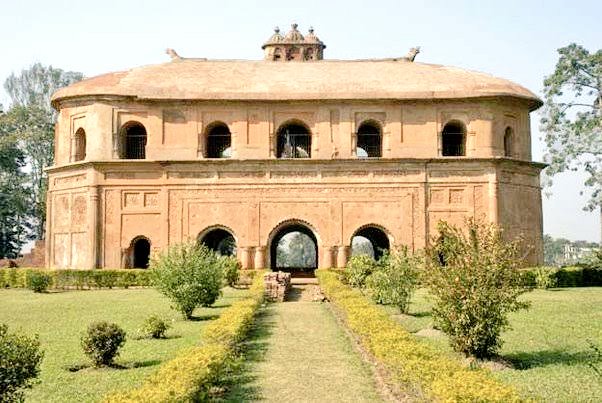
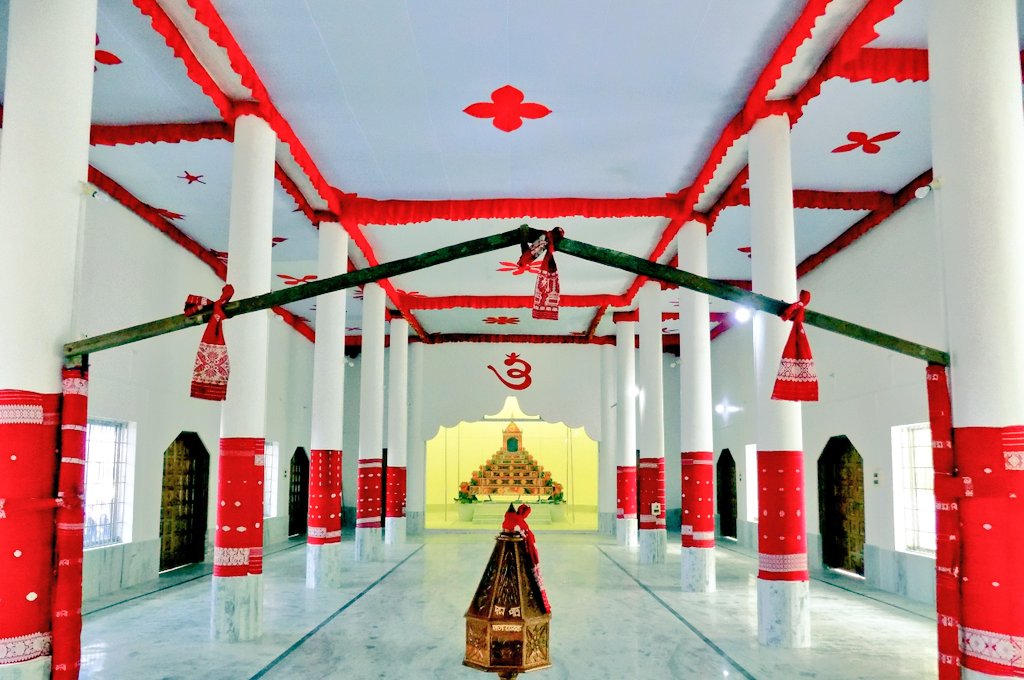
5/ Chandrakanta's shifting alliances and surrender at one point to the Burmese complicated the narrative. The atrocities committed by the Burmese during their rule left Assam in a state of widespread misery, depopulation and arson, even of Naamghars (prayer-houses).
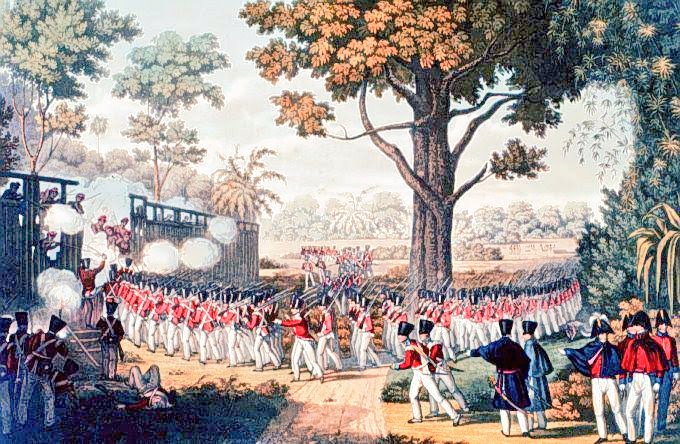
6/ The Burmese occupation of Assam triggered interactions with the British, eventually culminating in the First Anglo-Burmese War and the Treaty of Yandabo in 1826, marking the end of Burmese rule and the beginning of British rule in Assam.
7/ The Burmese reign of terror is still remembered today. Major John Butler recounted tales of carnage and even cannibalism. The Burmese also devised the "Jaki-Dia," when people were lured onto large bamboo platforms with promises of gifts before being mass-immolated!
8/8 The Weissalisa chronicles, by Burmese scribes accompanying the invading armies, acknowledged the tremendous bloodshed that their compatriots had unleashed in this land of ‘‘golden Weissali.’ The royal chronicle "Cheitharol Kumbaba" speaks of depopulation of Manipur.
Loading suggestions...