
Few people realize how close Europe was to a second Dark Age in the 9th century. The world that emerged from that chaos created the Medieval World far more than the Age of Charlemagne, a glorious & ephemeral vision of European unity not unlike Napoleon.

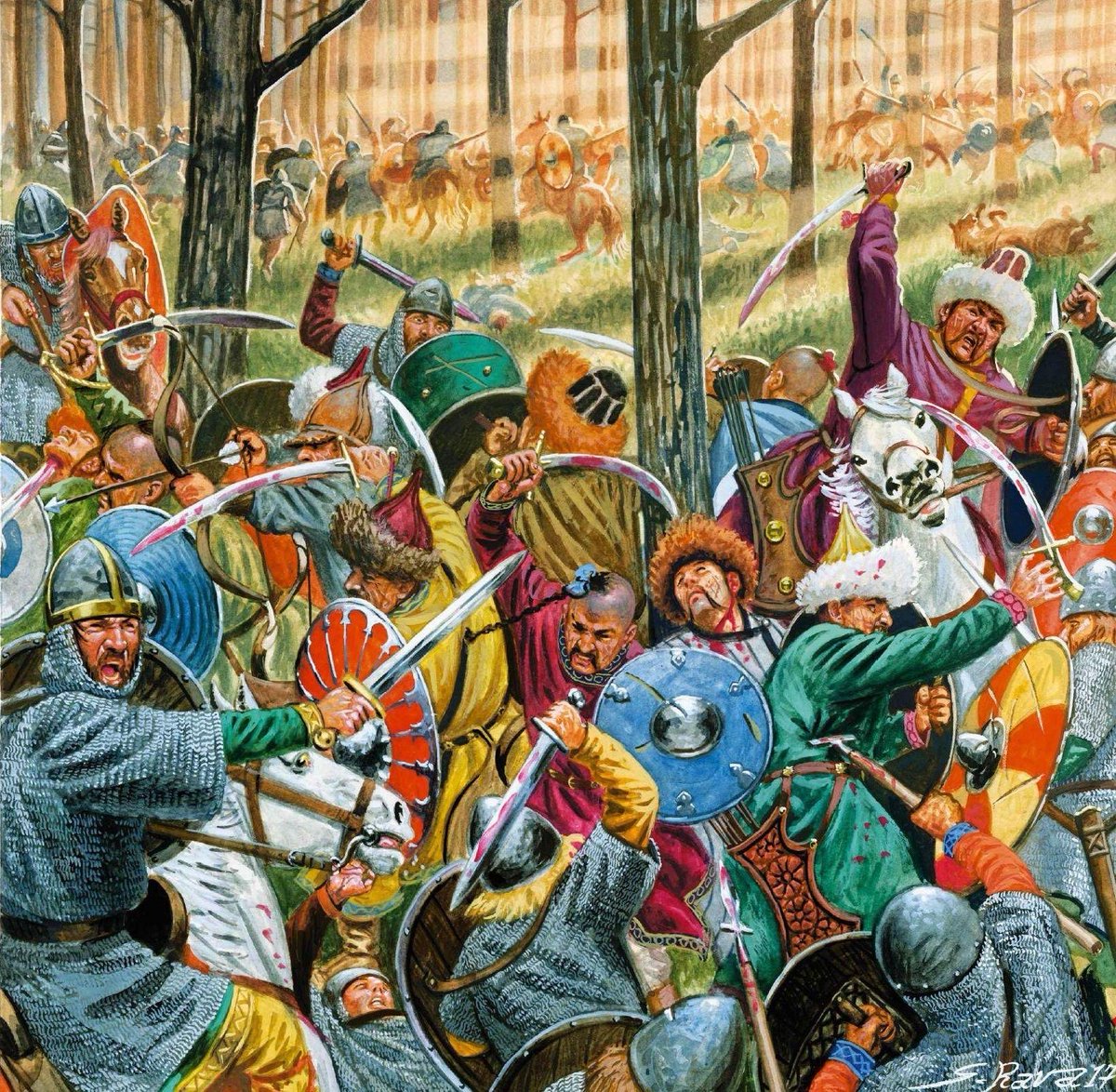
By the end of the 800s AD Charlemagne’s Empire had collapsed into a mess of squabbling warlords. Vikings overran England, besieged Paris. Magyars trampled over the fertile interior. Muslim raiders reached the walls of Rome itself. These attacks degraded central control further

Even the Papacy descended into chaos; the plaything of cynical nobles, scandalized continuously. Popes debauched and blood feuds worked their way all the way to his throne. Assassinations, hedonism, and even the trial of an exhumed Pope blackened the Papal reputation.

Only through serious reorganization did Western Christendom revive. England centralized under Wessex and threw back the Vikings. The Ottonians crushed the Magyars and reclaimed the title of Holy Roman Emperor.
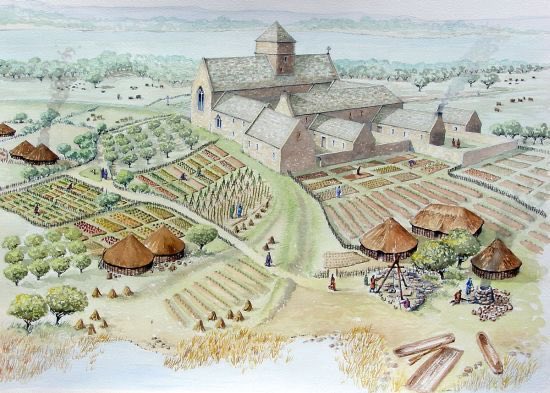
The Papacy & church underwent serious reforms under the direction of pious leadership, the Gregorian Reforms laid the foundation for a more unified church in the West.
As the Holy Roman Empire and Papacy both recovered they clashed over matters of spiritual & temporal authority. During the chaos of the 9th century they had grown accustomed to controlling both in their respective power bases.
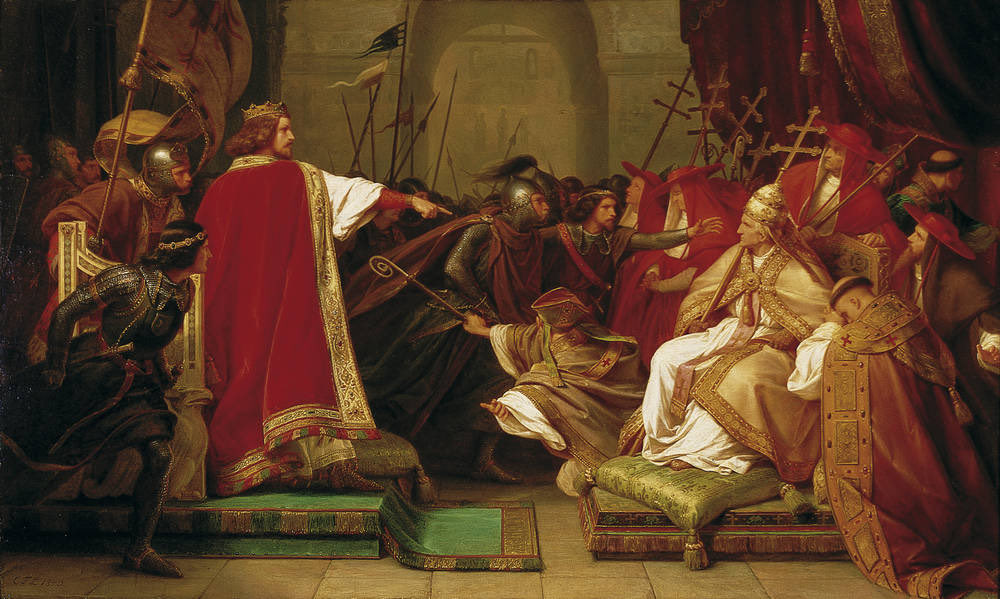
Although the Ottonians succeeded in strong-arming Papal politics during the 10th century, this was short-lived. Tensions boiled over in the Investiture Controversy as Pope Gregory drove further toward Papal supremacy & the HRE devolved.
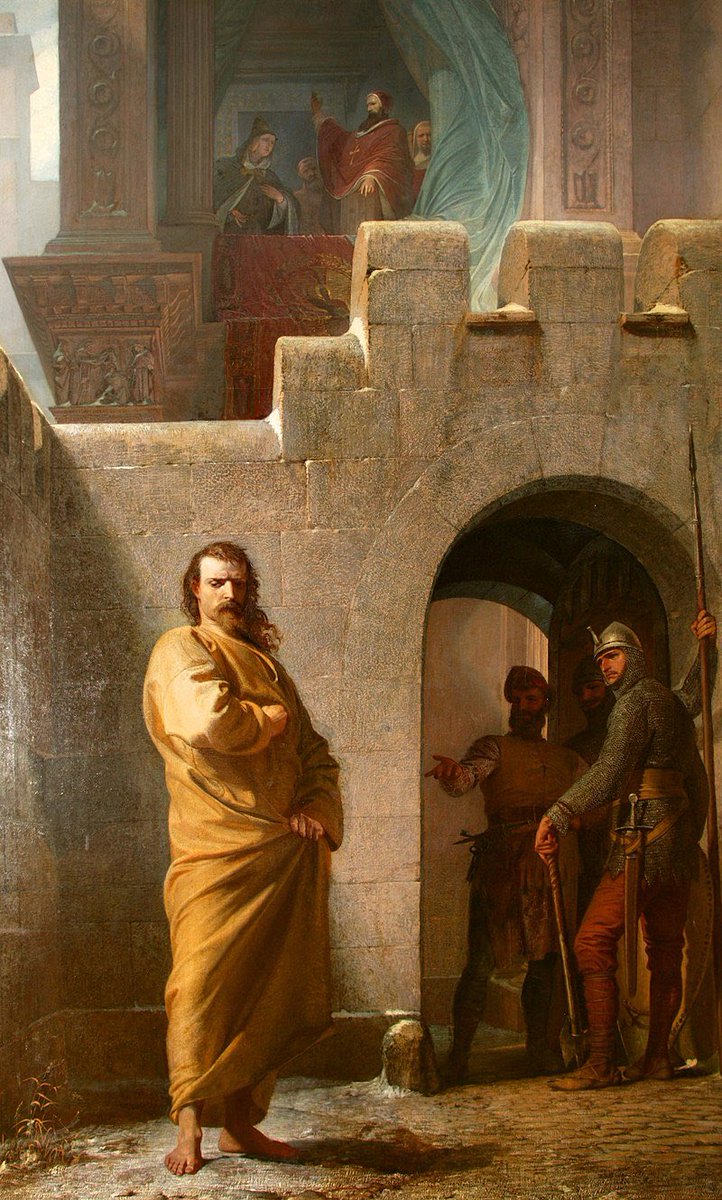
Since the Holy Roman Emperor’s position was more precarious in Europe’s feudal political landscape he was forced to acquiesce, and the Pope solidified his control over the church in the West.

The vacuum caused by this chaos also meant much proselytization & influence in Central & Eastern Europe originated in the Byzantine Empire. Byzantine churchmen created a Slavic script and preached from Czechia to Russia, some later working their way to Scandinavia.

The Byzantine Church was more accommodating of quasi-national churches, a developing norm in the Early Medieval World. This appealed to the chiefs & kings of the area, wary of Roman & German influence. The use of vernacular also helped.
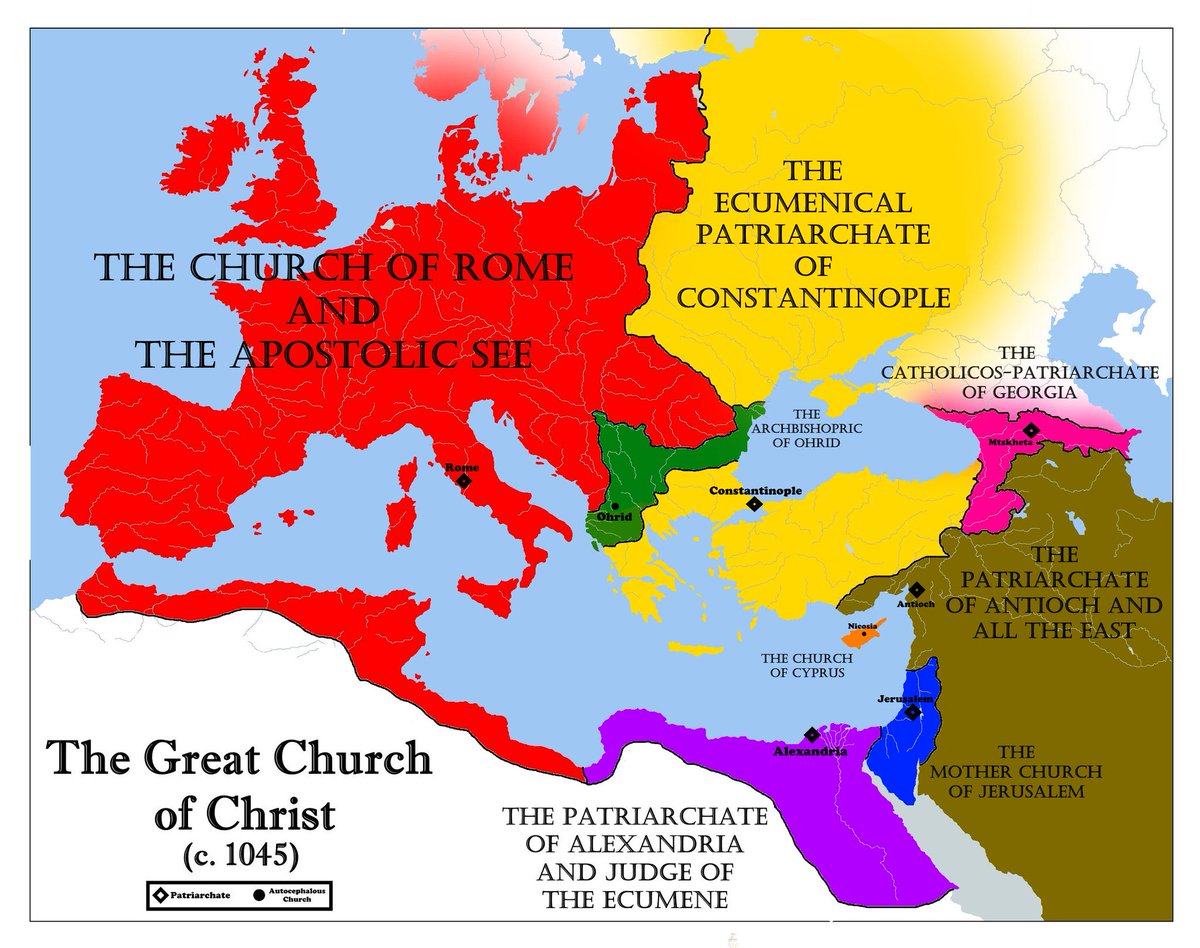
However, the strengthening of Papal power & increasing centralization in European states meant many of these nations acquiesced to Papal authority to enjoy the social, religious, and foreign policy benefits of joining the emerging Latin Christendom.
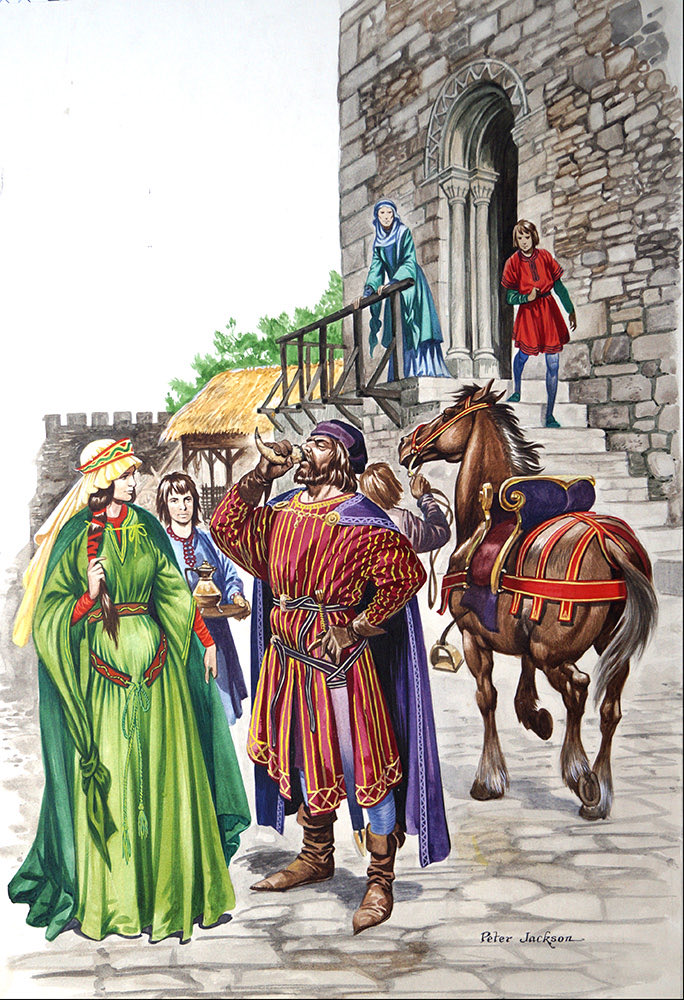
These innovations that led to a church apart from a state weren’t experienced by the Byzantines. Unlike the interruption of the Holy Roman Empire, the continuity of Byzantine rule & power meant the Ecumenical Patriarch never seriously contested the Emperor’s temporal power

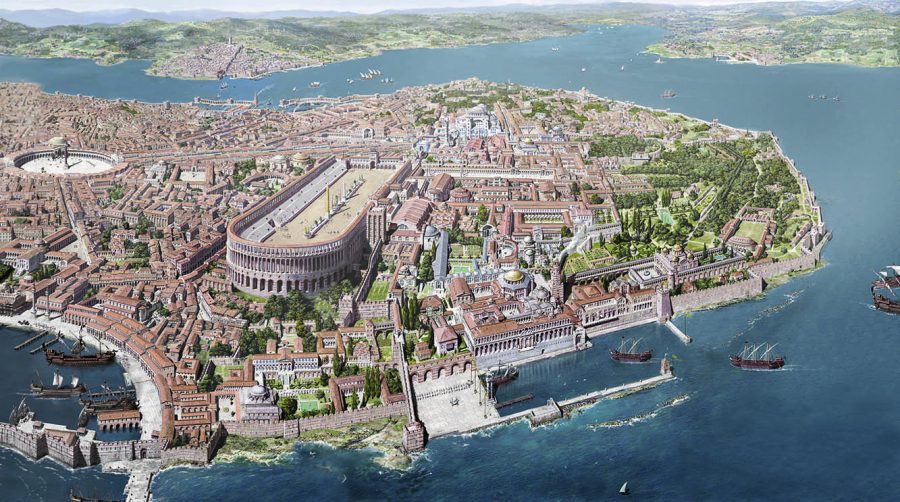
Constantinople’s role as the indisputable center of gravity in the Empire meant that it the Emperor & Patriarch both based themselves there. This prevented a rift like that between Rome & Germany. Otto III’s attempt to make Rome the capital of the HRE was doomed to fail, so far from his feudal German power-base.
Had Charlemagne’s imperial project succeeded and developed the administrative capacities necessary for true empire, undoing the feudal landscape of Germanic Europe, the world would be very different.
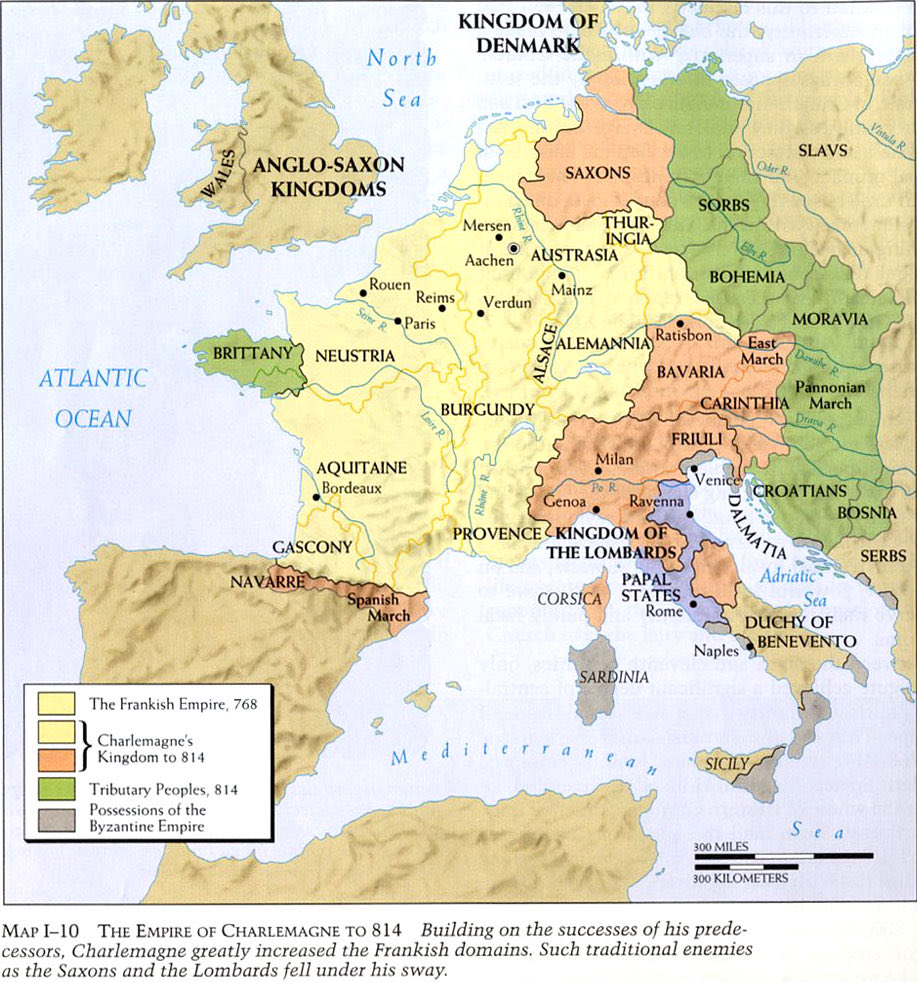
This is, of course, an unlikely accomplishment. The restructuring would take lifetimes of focused work & solid succession. But, if anyone had the chance it was Charlemagne & his son.
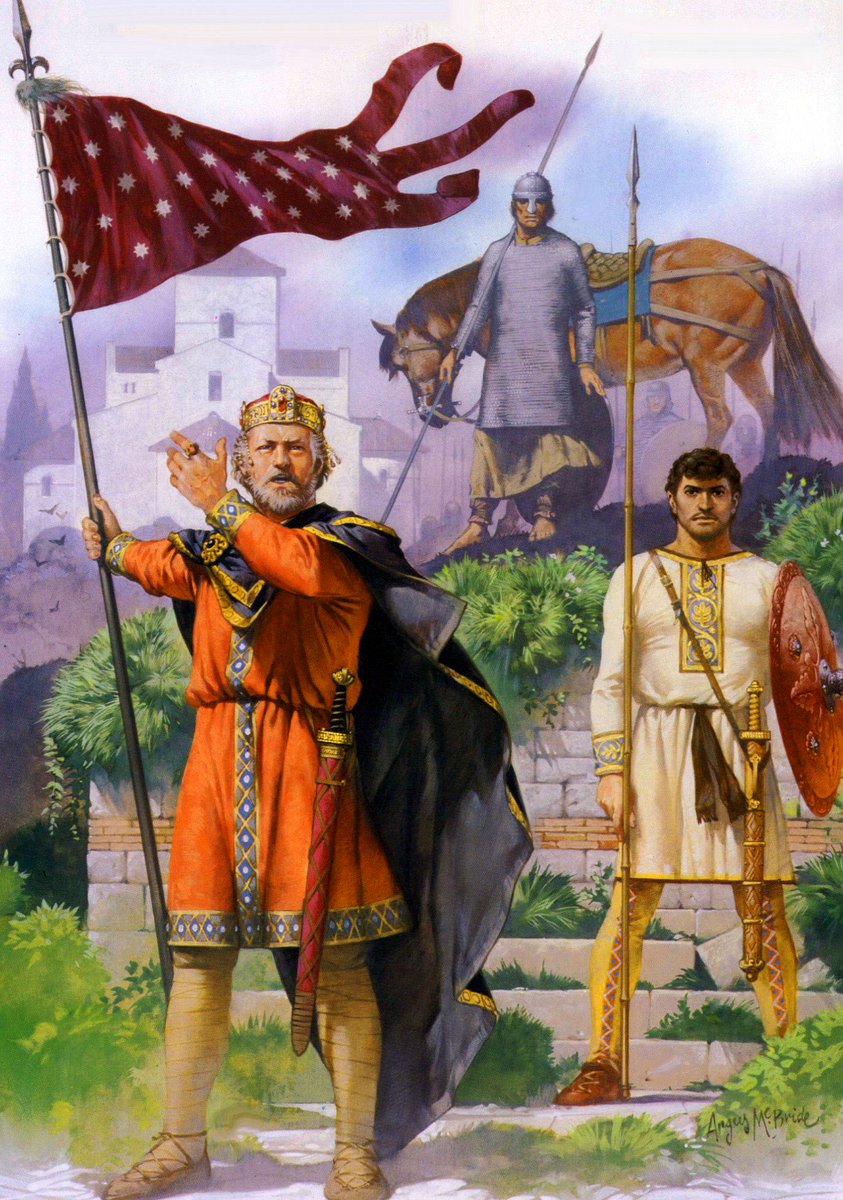
A Holy Roman Empire based in Rome or a Papacy in Aachen would in many ways resemble a truly revived Western Roman Empire should it fully embrace Roman political norms rather than Germanic.
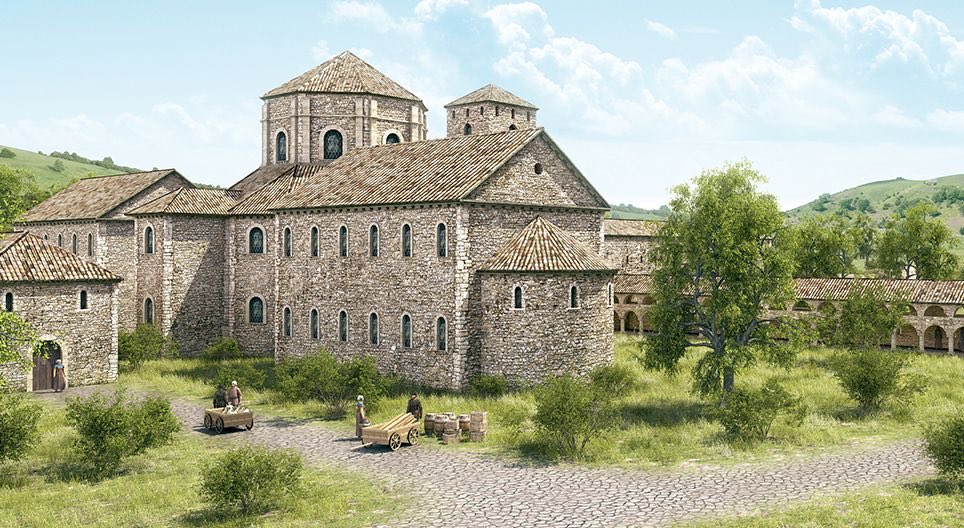
However, the chaotic collapse of the first Holy Roman Empire & new external threats meant Western Europe fully embraced a feudal system & Papal innovations to preserve themselves. More than anything these experiences widened the gulf between them and the Christian East.

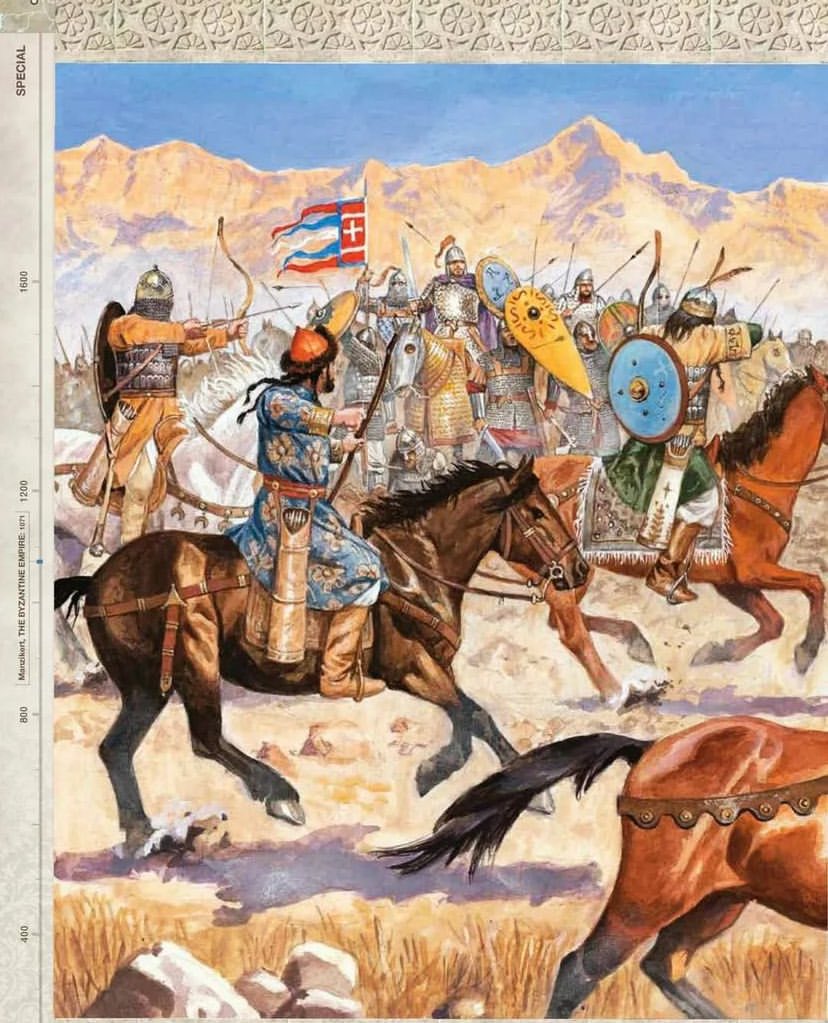
Manzikert in 1071 & Jerusalem in 1099 served as an inflection point. Western Europe was entering the 12th century as an ascendant and self-assured civilization, just as the Christian East entered its own centuries of chaos that would transform it.
Loading suggestions...