
CASABLANCA was released 81 years ago this week. One of the biggest and most iconic films to ever come out of Hollywood, the story behind the scenes is like the beginning of a beautiful friendship…
1/53
1/53

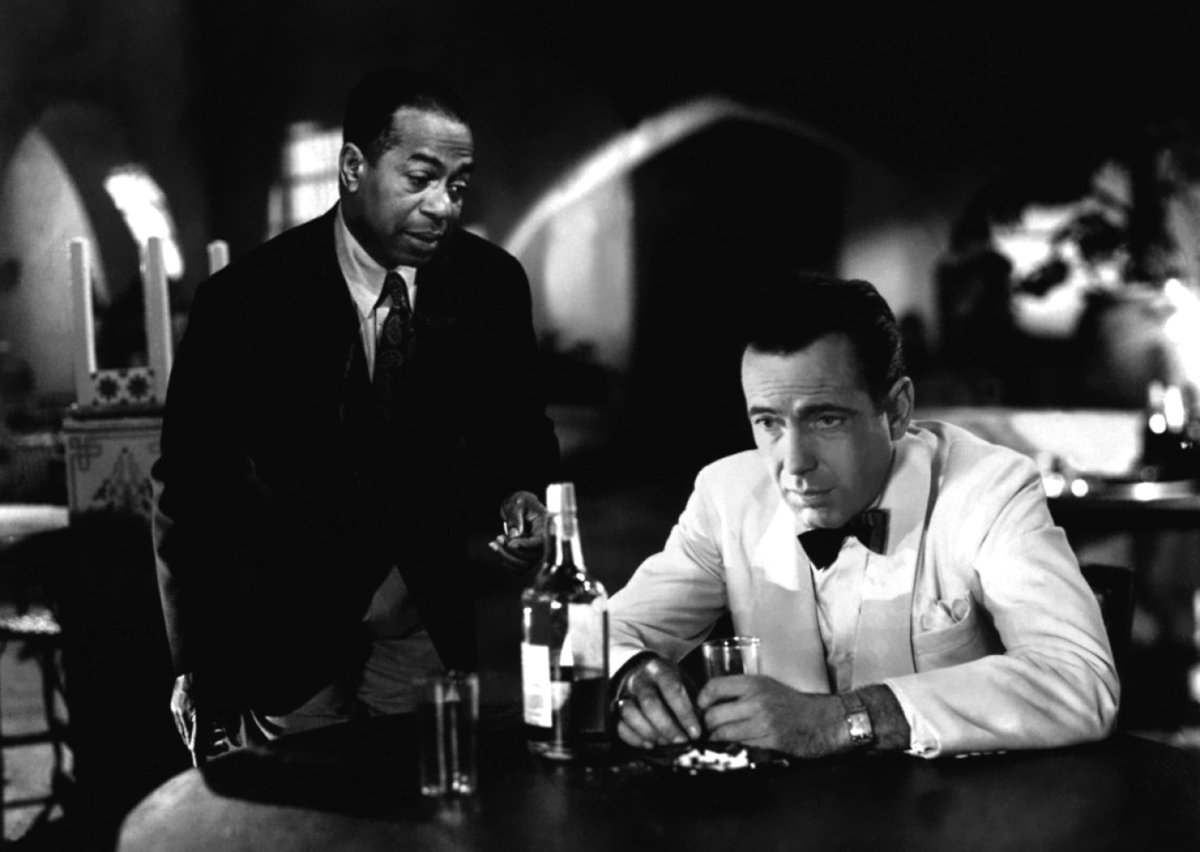
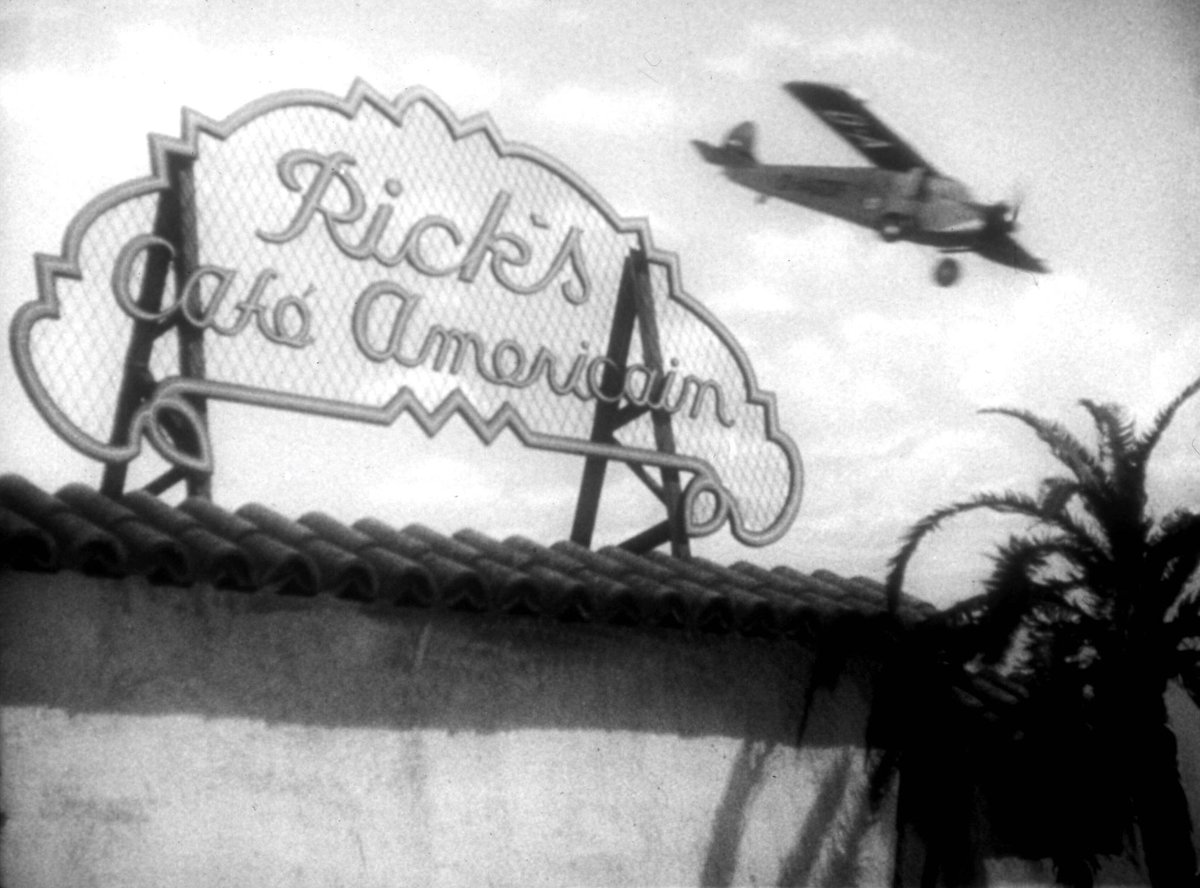
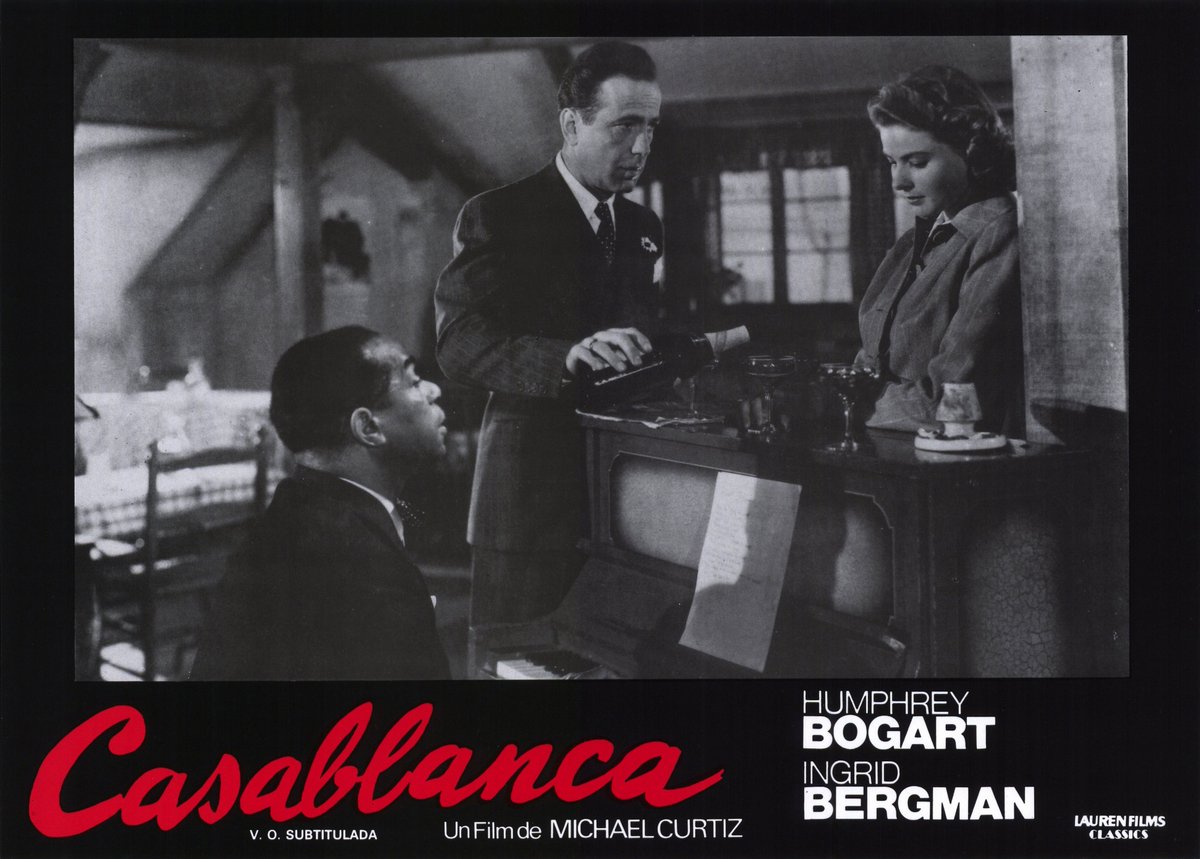
In 1938, playwright Murray Burnett and his wife visited Nazi-controlled Europe. In a small French town they went to a nightclub overlooking the Mediterranean. A black pianist played jazz for a mix of French, Nazis, and refugees. It was an image Burnett never forgot.
2/53
2/53


Returning to the US, Burnett and writing partner Joan Alison wrote a script and called it Everybody Comes To Rick’s. They wrote it as a Broadway play, but found producers hard to come by - many were reportedly put off by what they saw of the low morals of the female lead.
3/53
3/53


In 1941 (reportedly the day after the Pearl Harbour attack), talent scout Irene Diamond read the manuscript. Calling it “sophisticated hokum”, she recommended it to Warner Bros producer Hal B. Wallis and he bought the rights for $20k - a record then for an unproduced play.
4/53
4/53
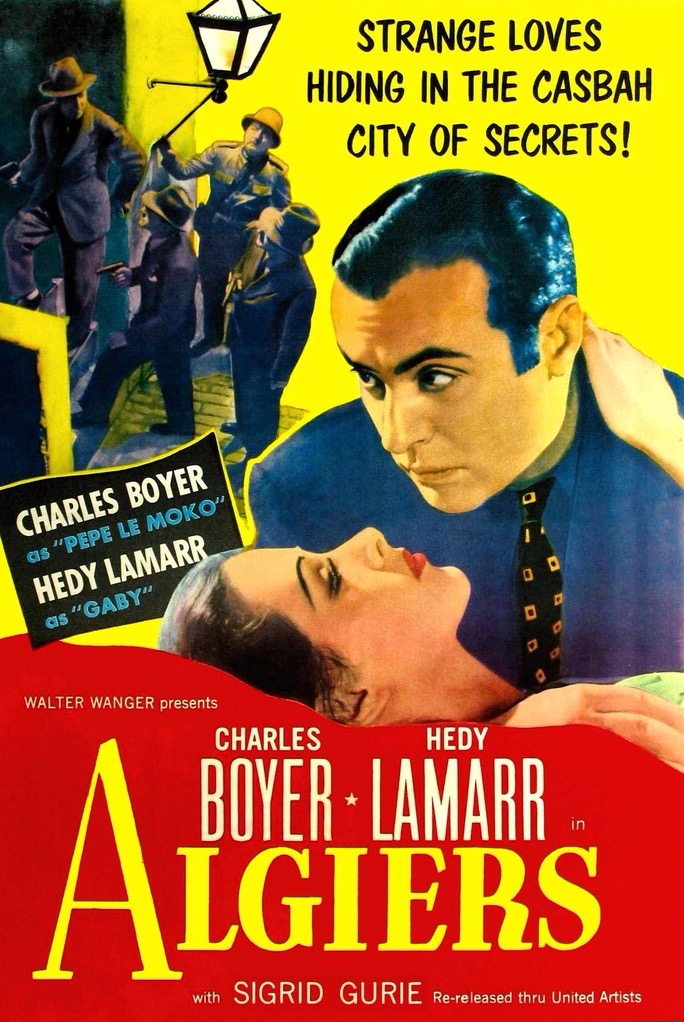
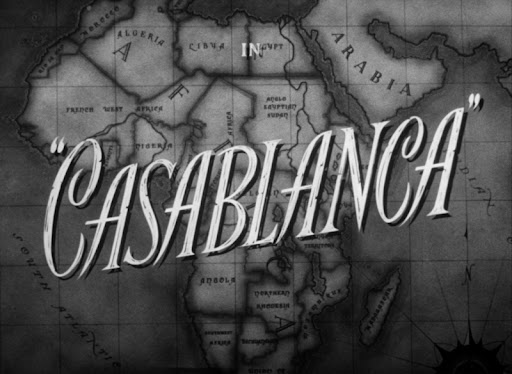
In 1938, UA had released a thematically-similar movie called Algiers. That had been a huge hit, so Wallis followed suit and changed the title of Burnett and Alison’s script to Casablanca.
5/53
5/53
The first writers brought in to adapt the manuscript to a screenplay were Aeneas MacKenzie and Wally Kline. Their work went unused when they left the project after 6 weeks and were replaced with identical twin screenwriting duo Julius and Philip Epstein.
6/53
6/53
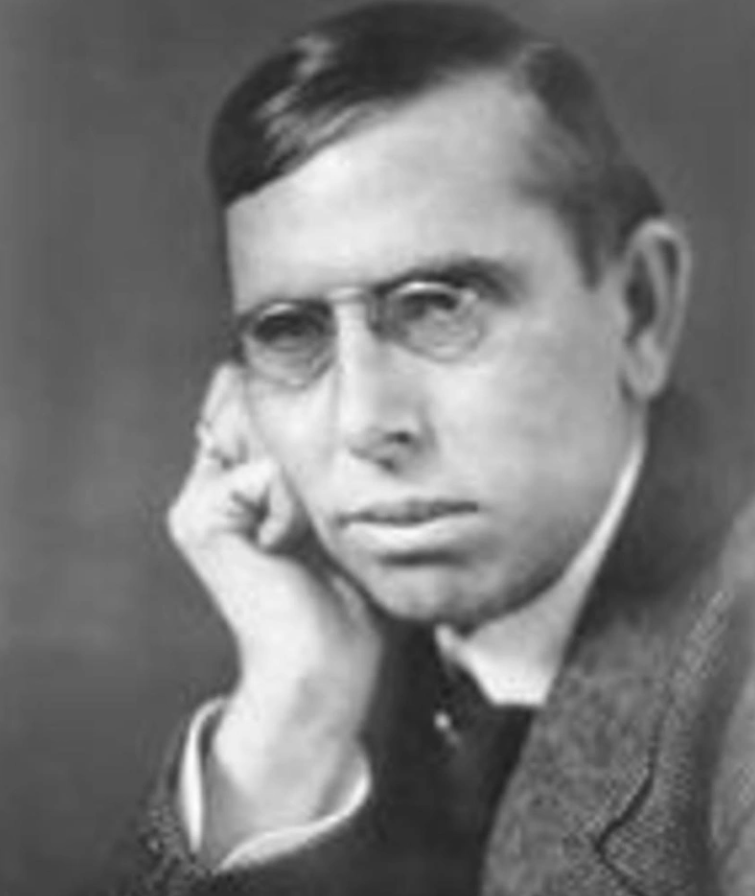
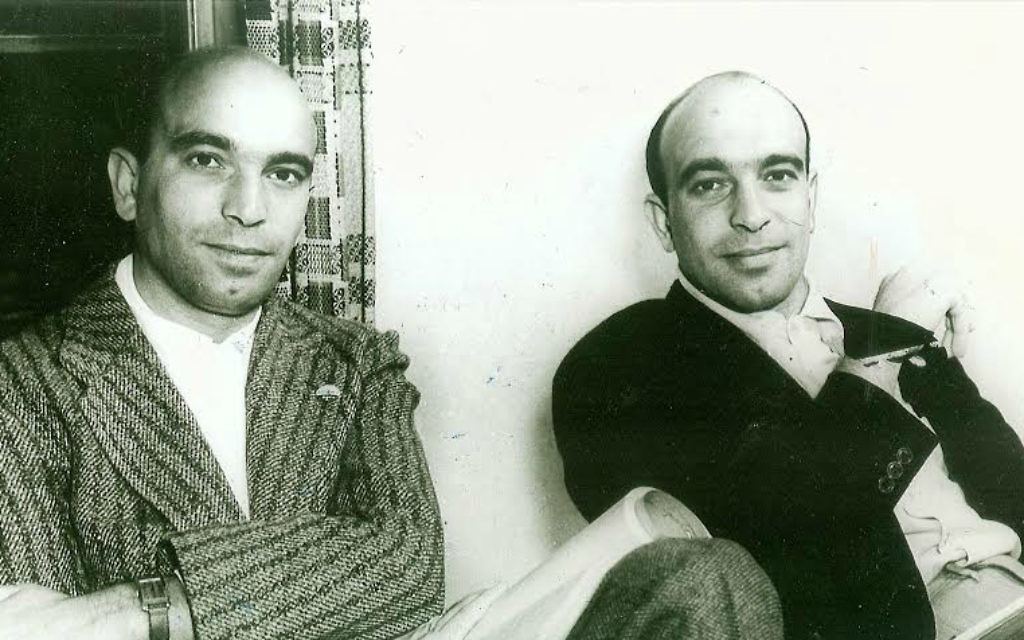
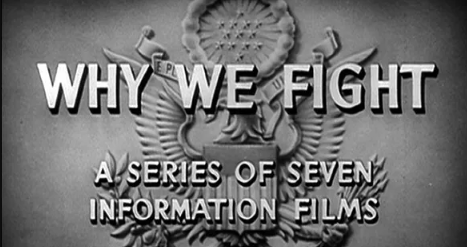
In early 1942, the Epsteins were headhunted by Hollywood director Frank Capra who wanted them to help out on his series of World War II US propaganda films, Why We Fight. They left Casablanca and were replaced by Howard Koch, given the task of finishing the script.
7/53
7/53
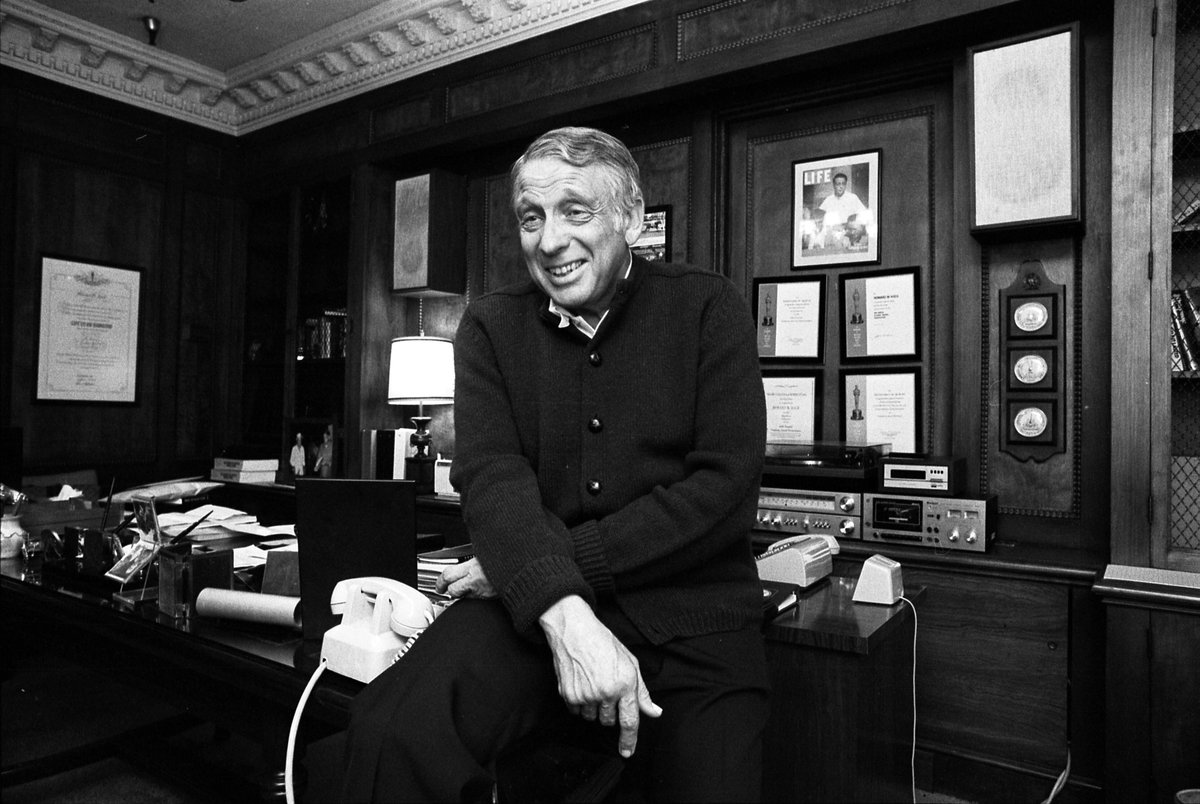
A month later the Epstein’s were available again and rehired to finish the script (which was written throughout filming). The Epsteins and Koch are credited as screenwriters, but reports differ on which writers were responsible for which elements. The Epsteins were paid $30k, and Koch $4k.
8/53
8/53
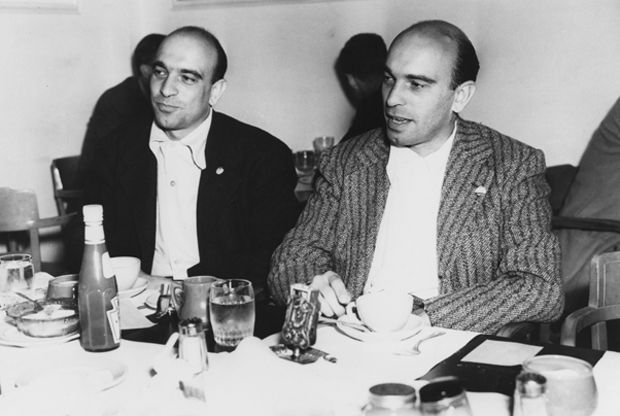
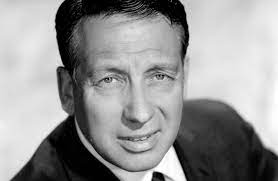
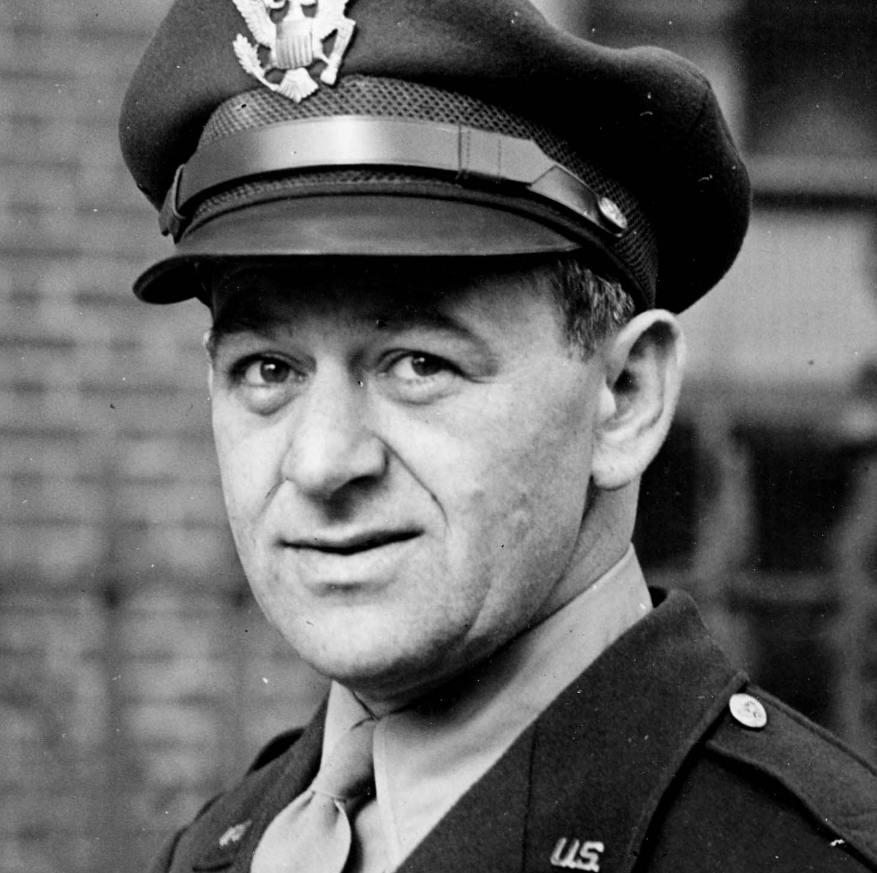
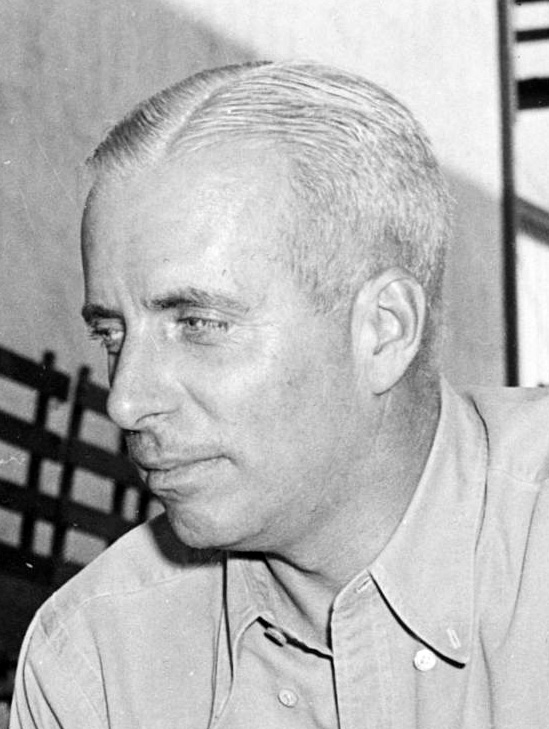
Wallis’ first consideration to direct was William Wyler, and Howard Hawks reportedly turned the gig down. After having huge success working with Michael Curtiz on The Adventures Of Robin Hood, though, Wallis brought him in to helm Casablanca.
9/53
9/53
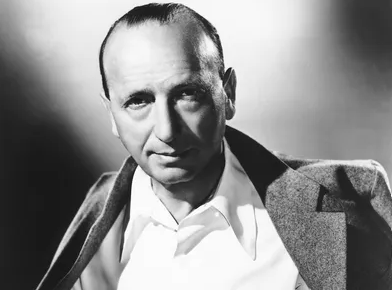
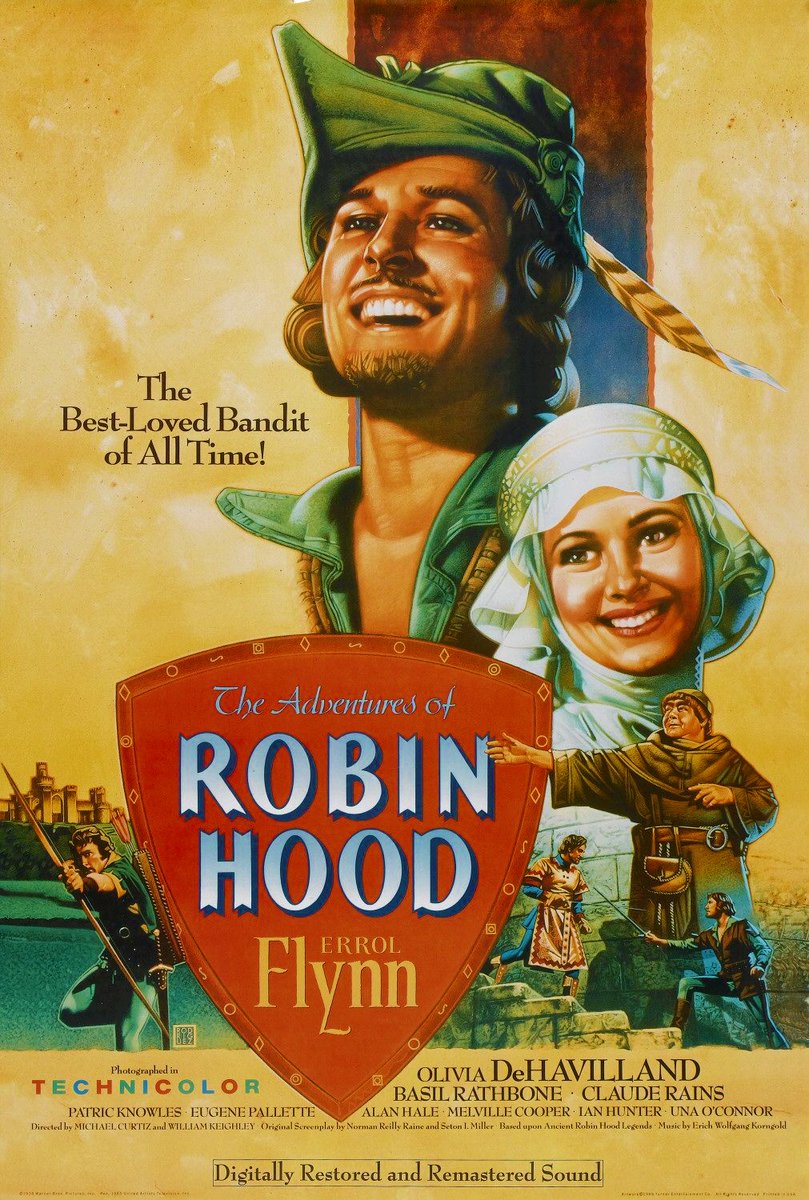
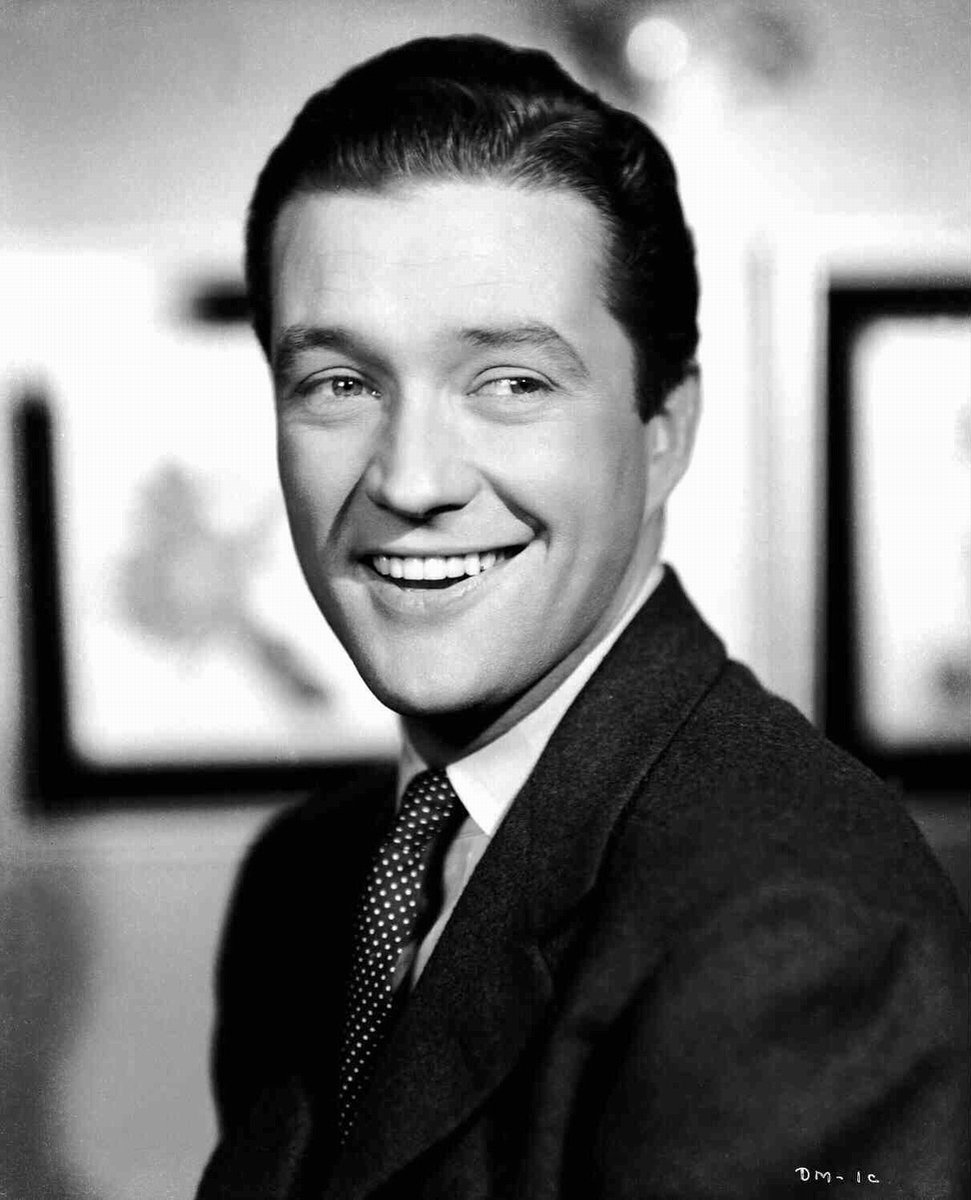
Reports appeared in the press in 1941 that the three leads in the film had been cast as Ronald Reagan, Ann Sheridan, and Dennis Morgan. This was never the case, and it’s believed the story was planted by a publicist for one of those three actors.
10/53
10/53
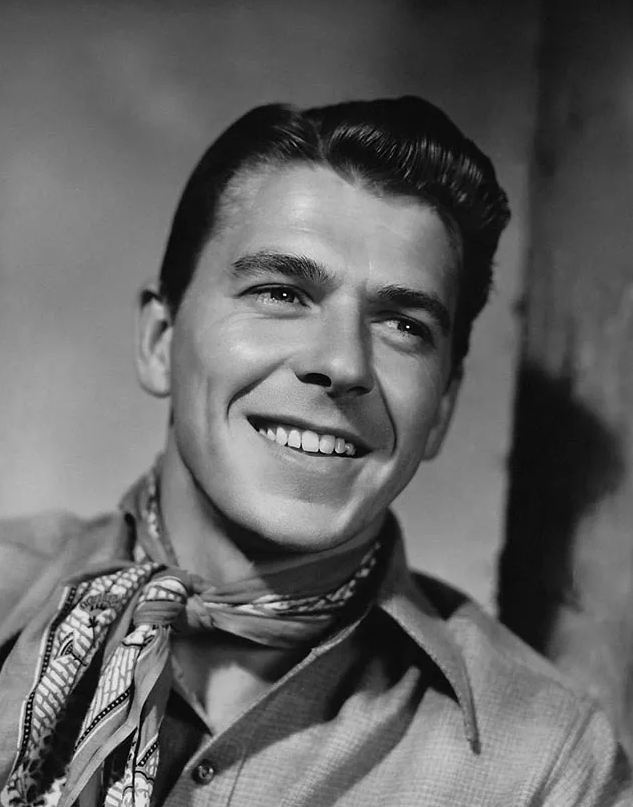
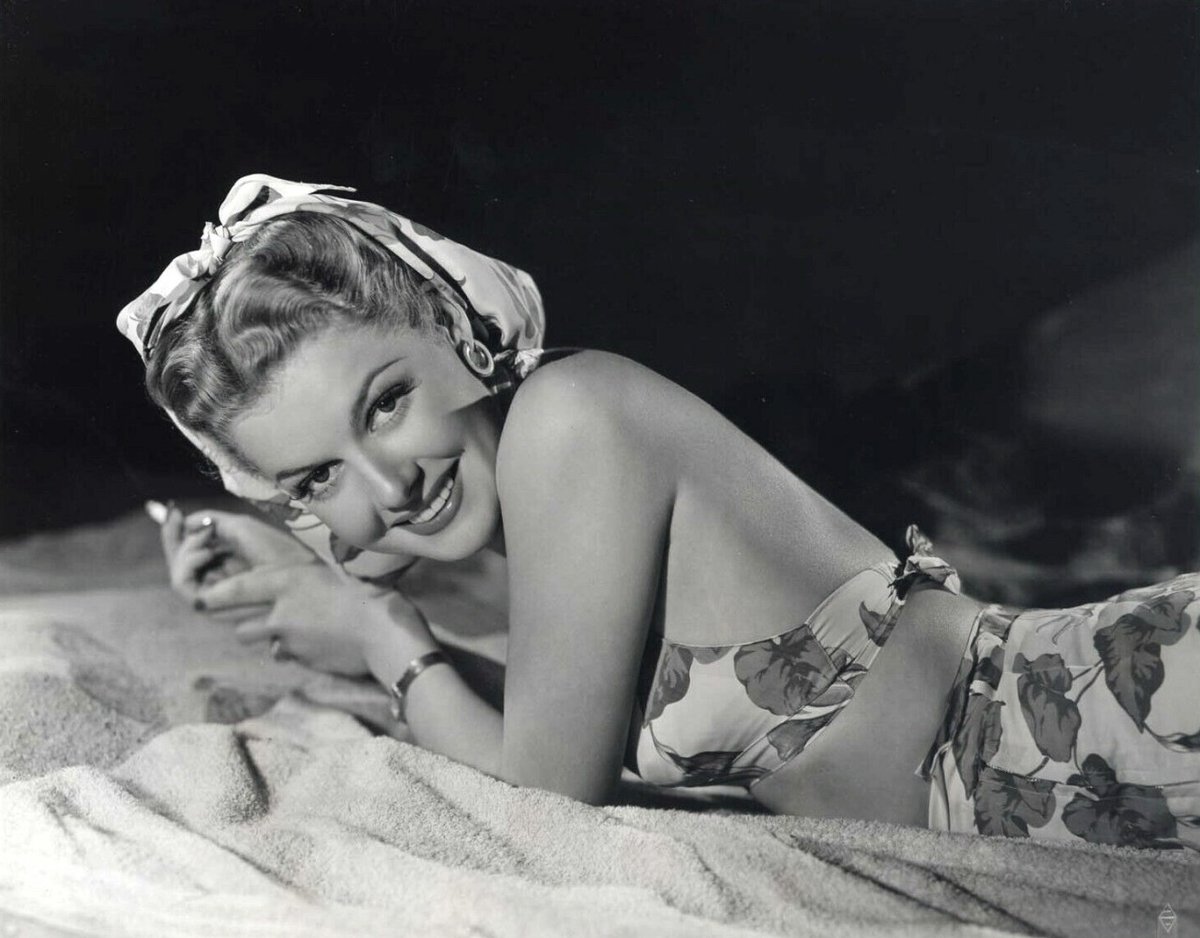
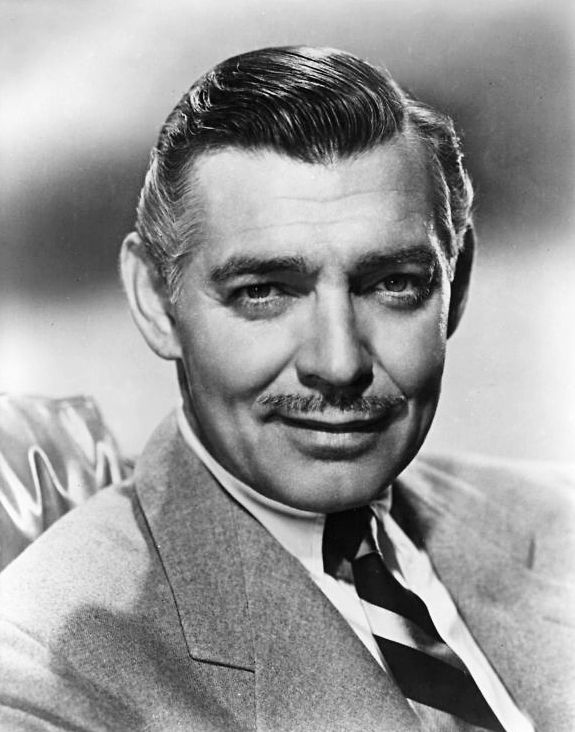
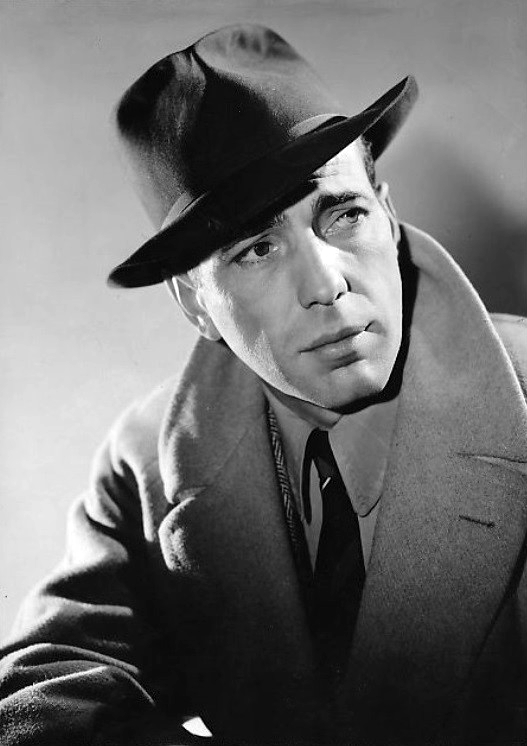
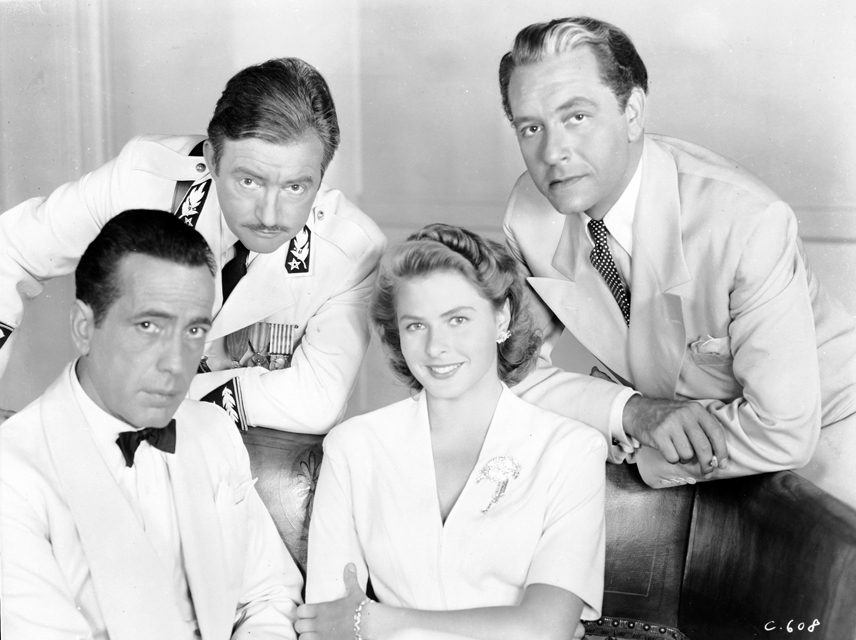
Joan Alison said that when she was co-writing the script, the person she pictured in the lead role of Rick Blaine was Clark Gable. Curtiz only ever wanted Humphrey Bogart though, and he was quickly cast. Alison later said she had thought of Bogart as “a common drunk.”
11/53
11/53
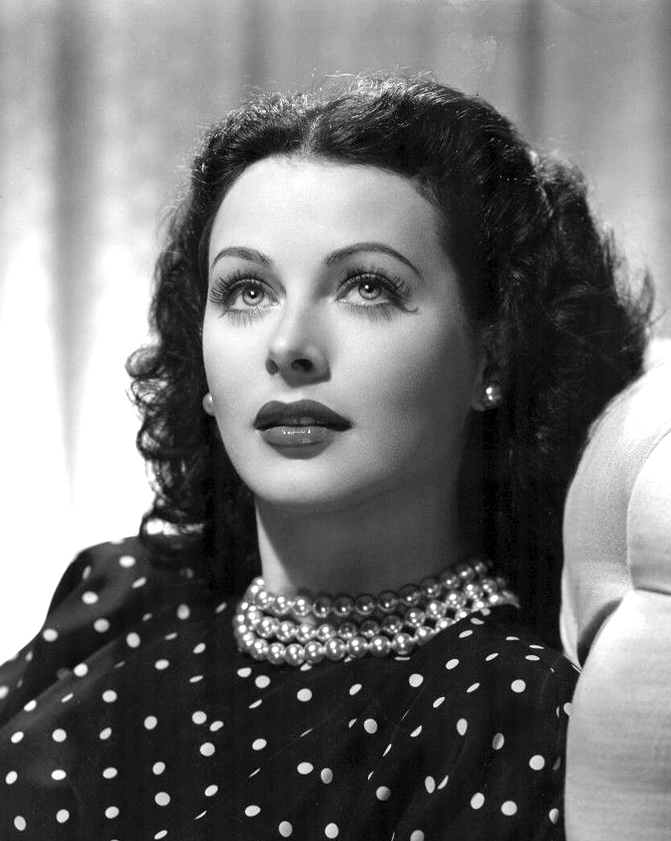
Some huge names were approached to play Ilsa Lund. MGM refused to release Hedy Lamarr from her contract, and Columbia and Gainsborough did the same with Rita Hayworth and Margaret Lockwood. Michele Morgan was offered the part but her asking price of $55k was too high.
12/53
12/53
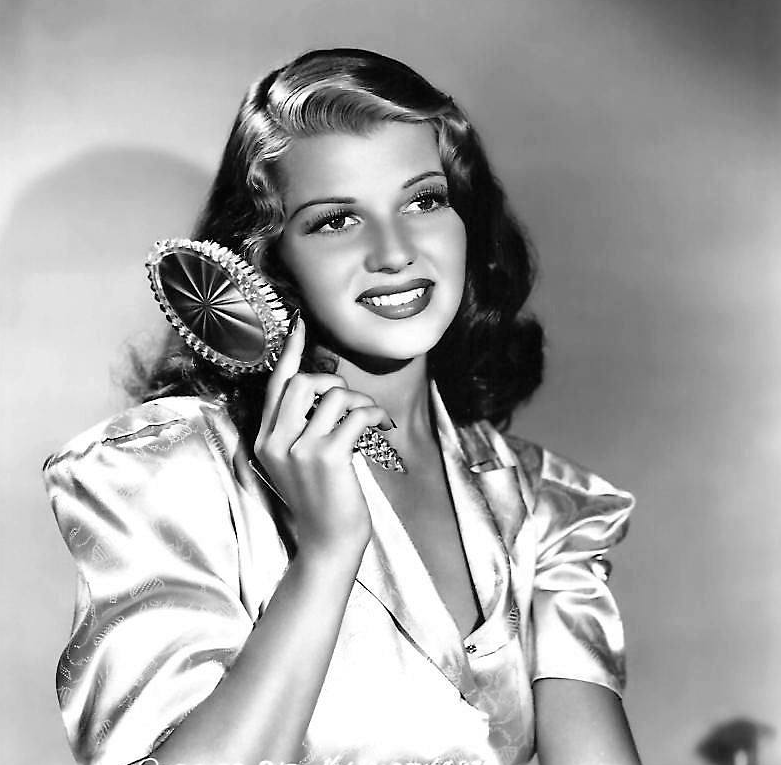
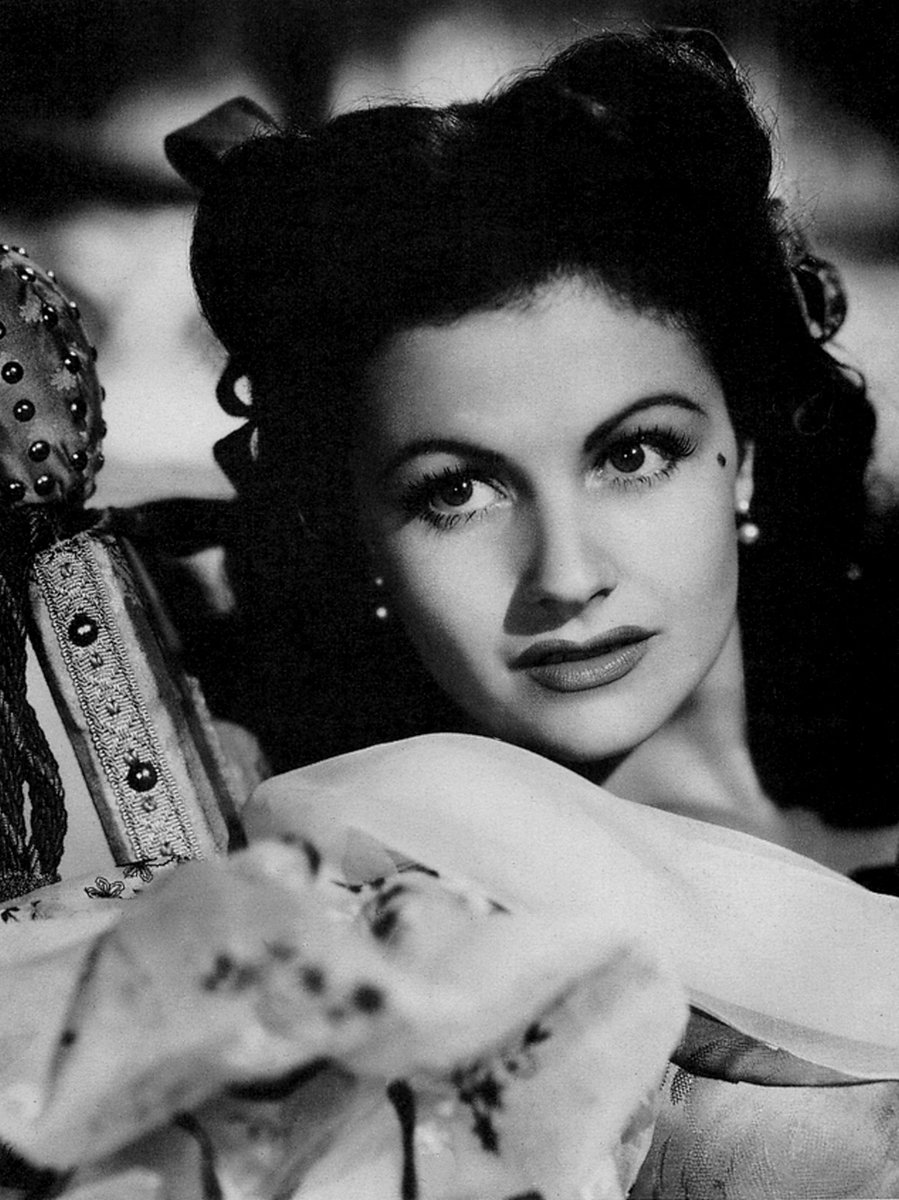
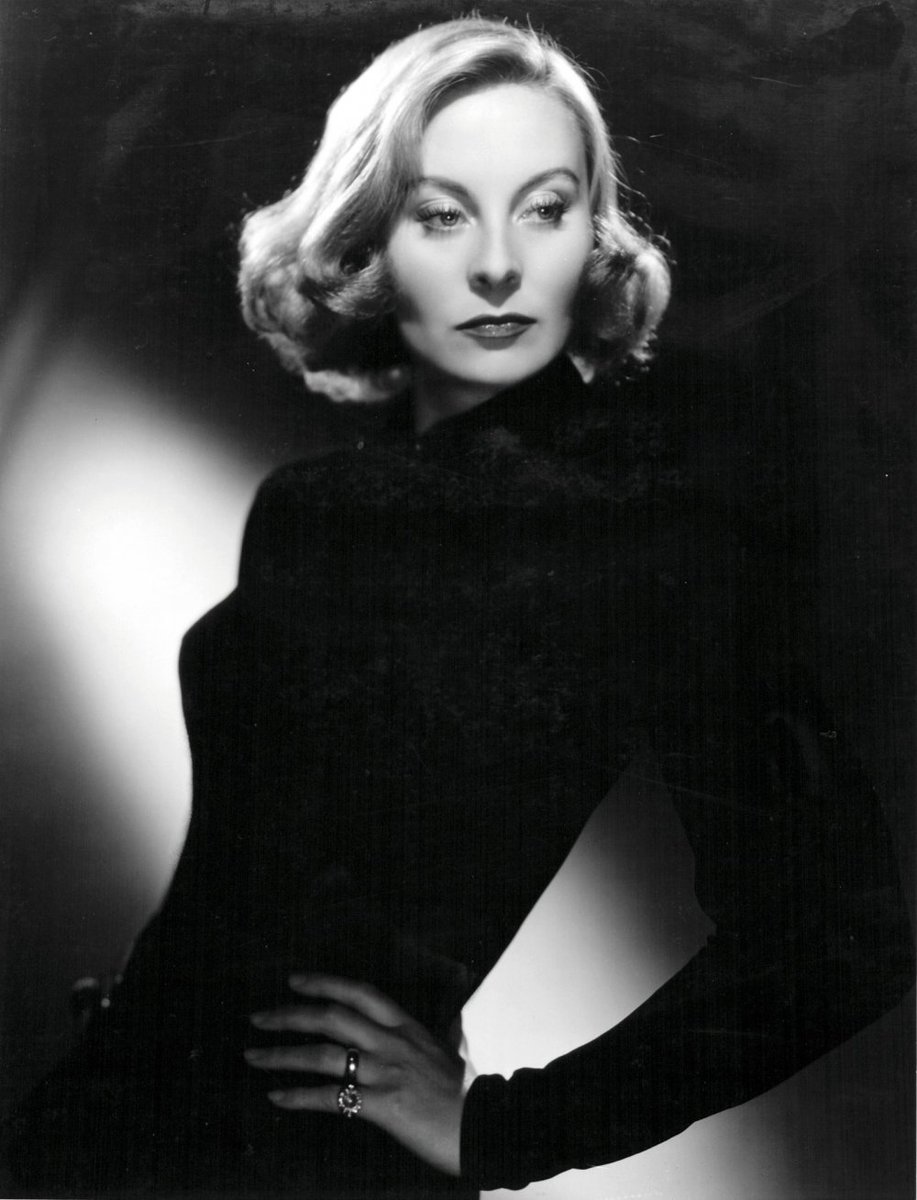
Ingrid Bergman was under contract to the huge producer David O. Selznick. The Epstein twins were sent to negotiate and apparently said of their script "It's a lot of shit like Algiers!" Selznick agreed to loan Bergman to WB if Olivia De Havilland could be loaned in return.
13/53
13/53
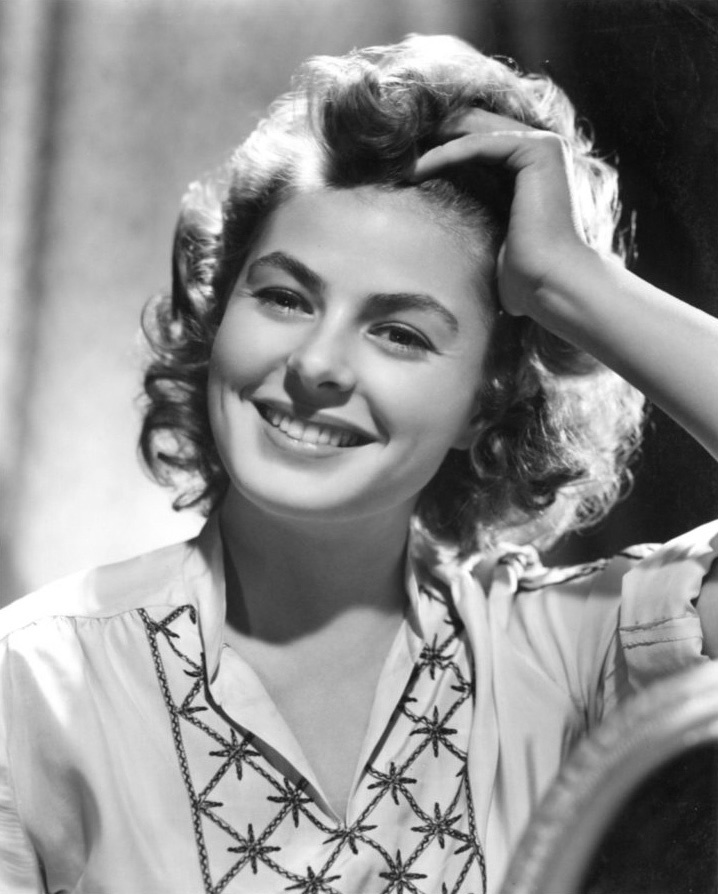
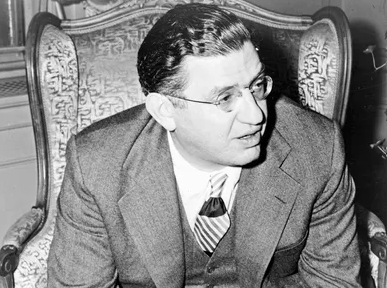
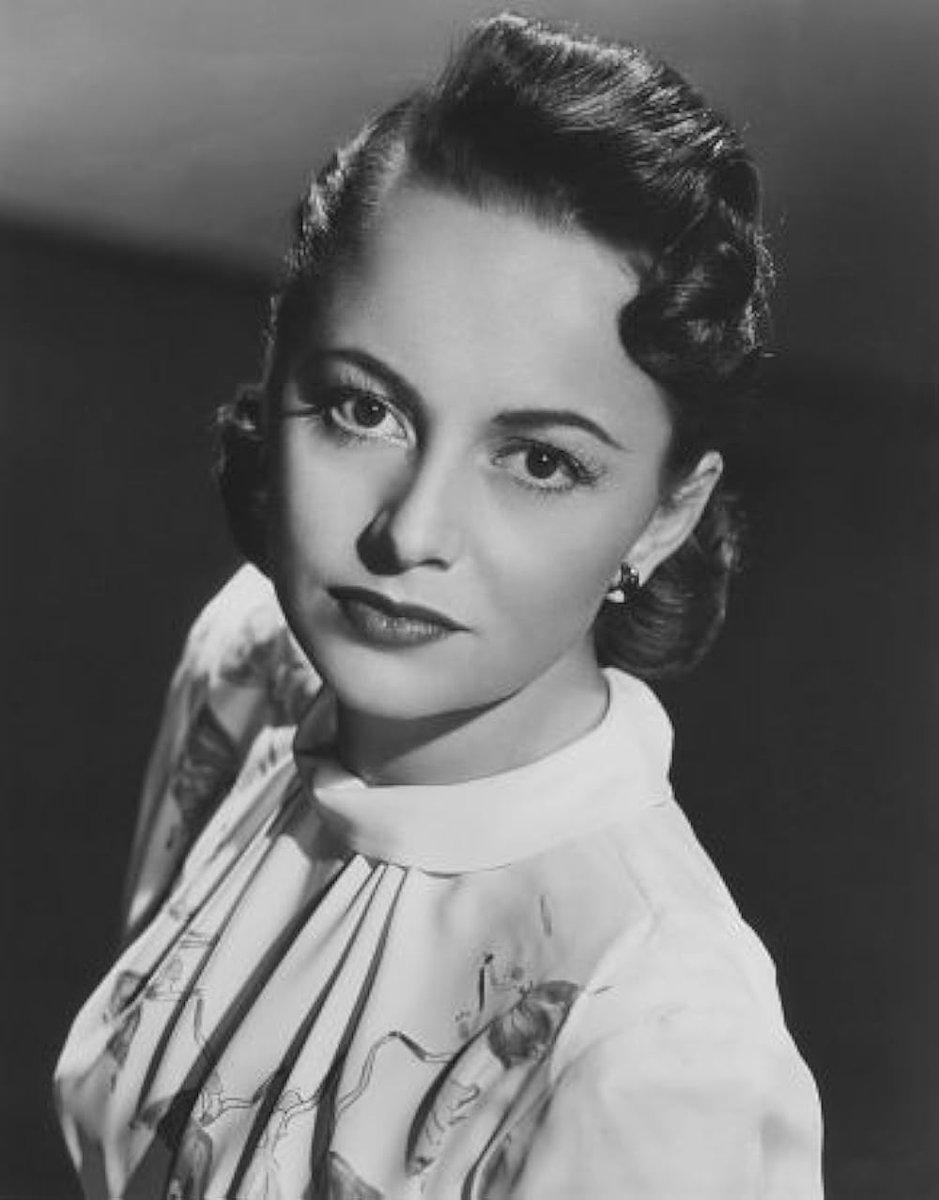
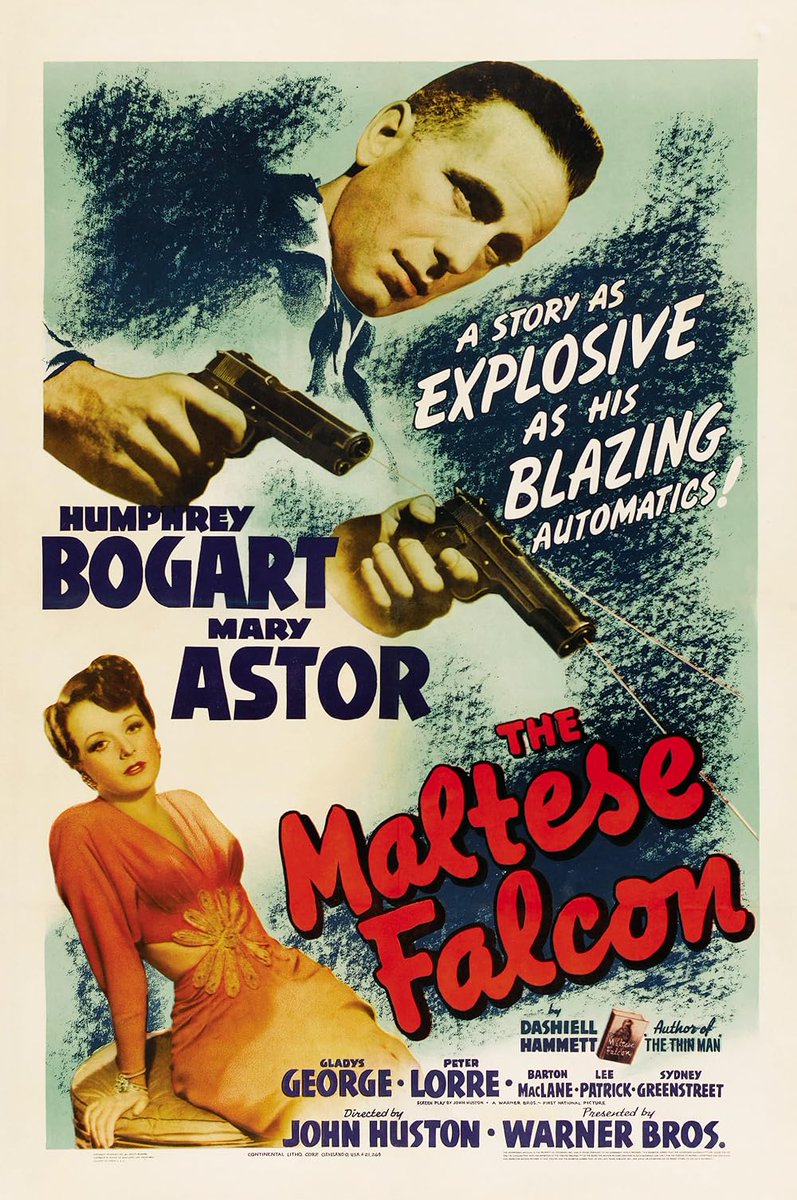
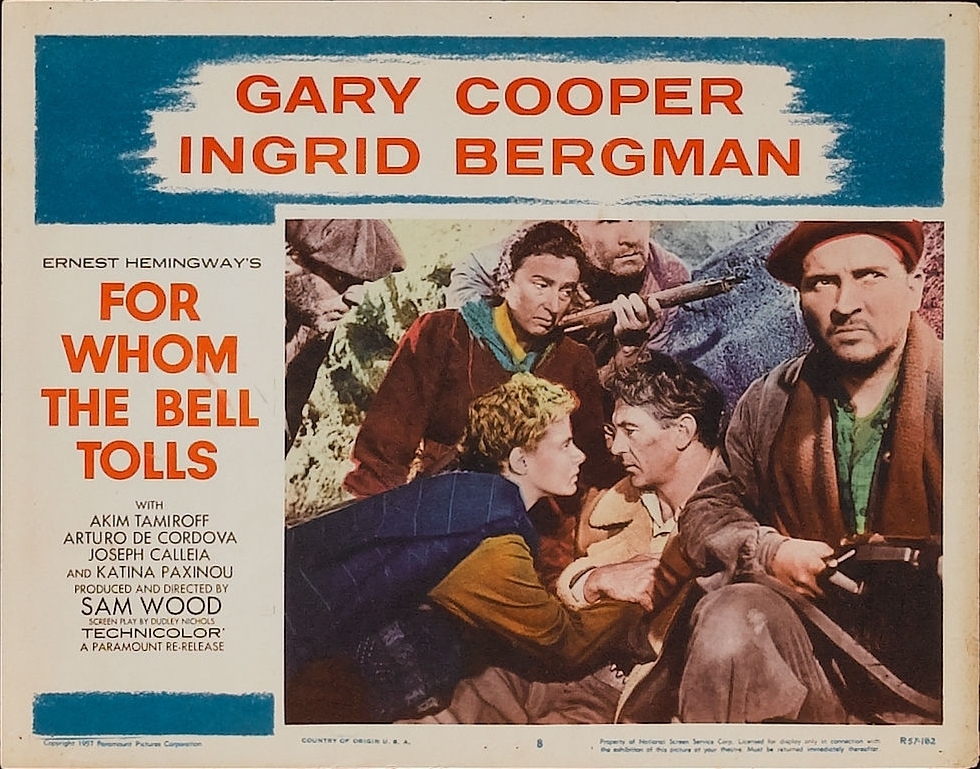
Bergman would later say she wasn't keen on being in the film at first, and was more concerned with getting Casablanca finished in time to star in For Whom The Bell Tolls a year later. To prepare for starring opposite Bogart, she watched The Maltese Falcon on repeat.
14/53
14/53
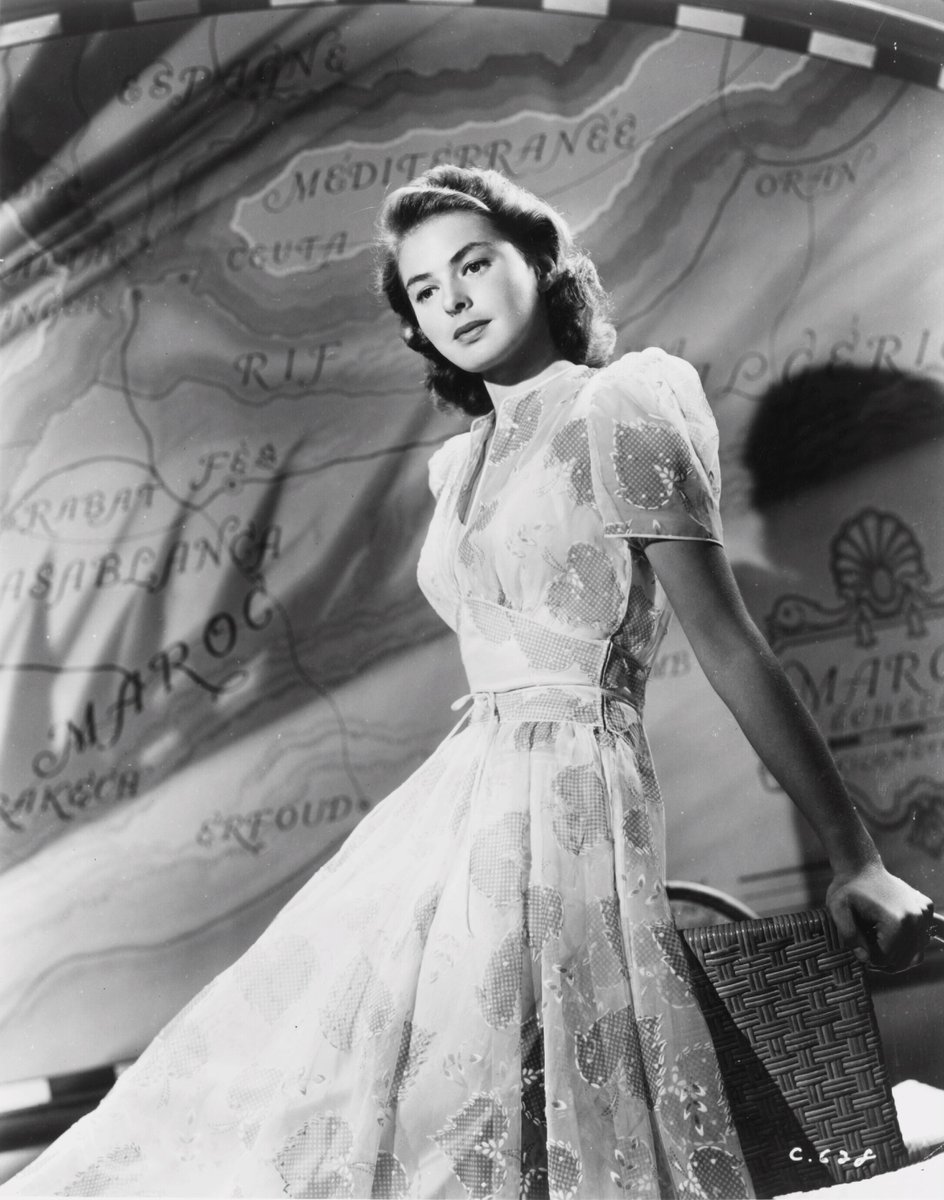
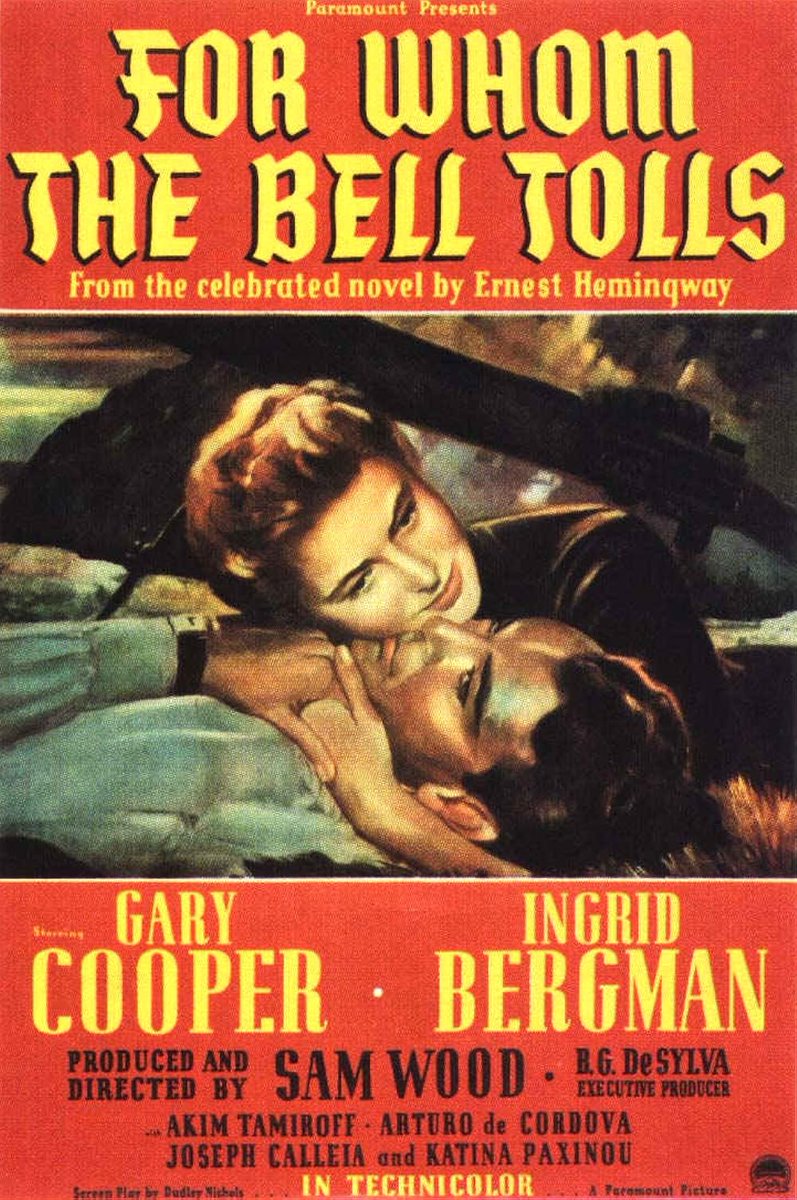
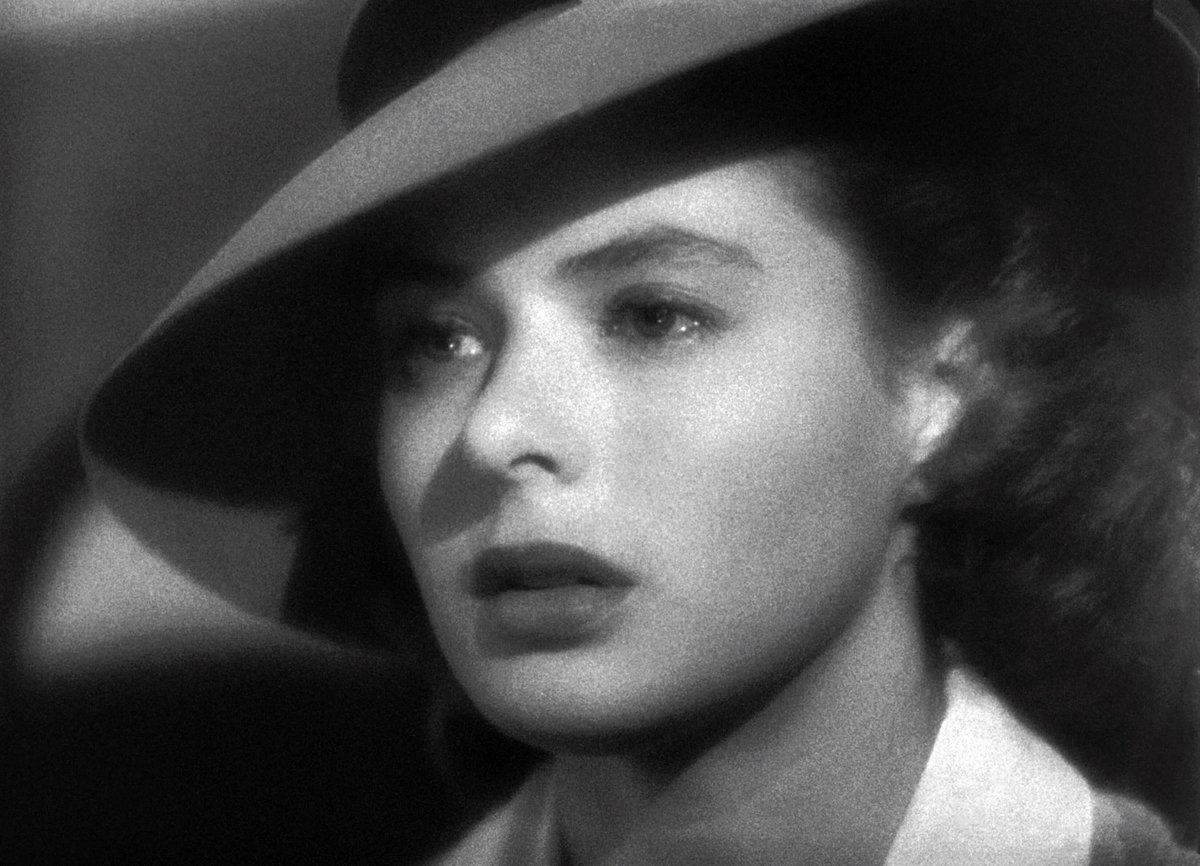
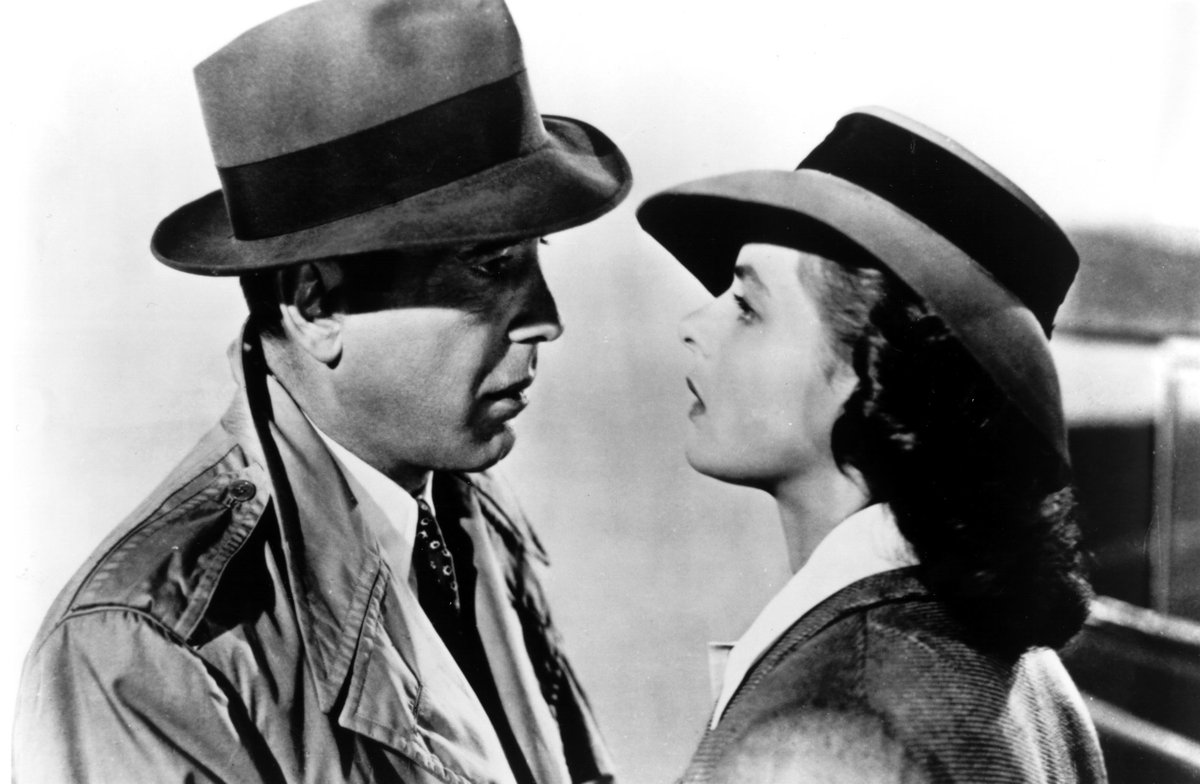
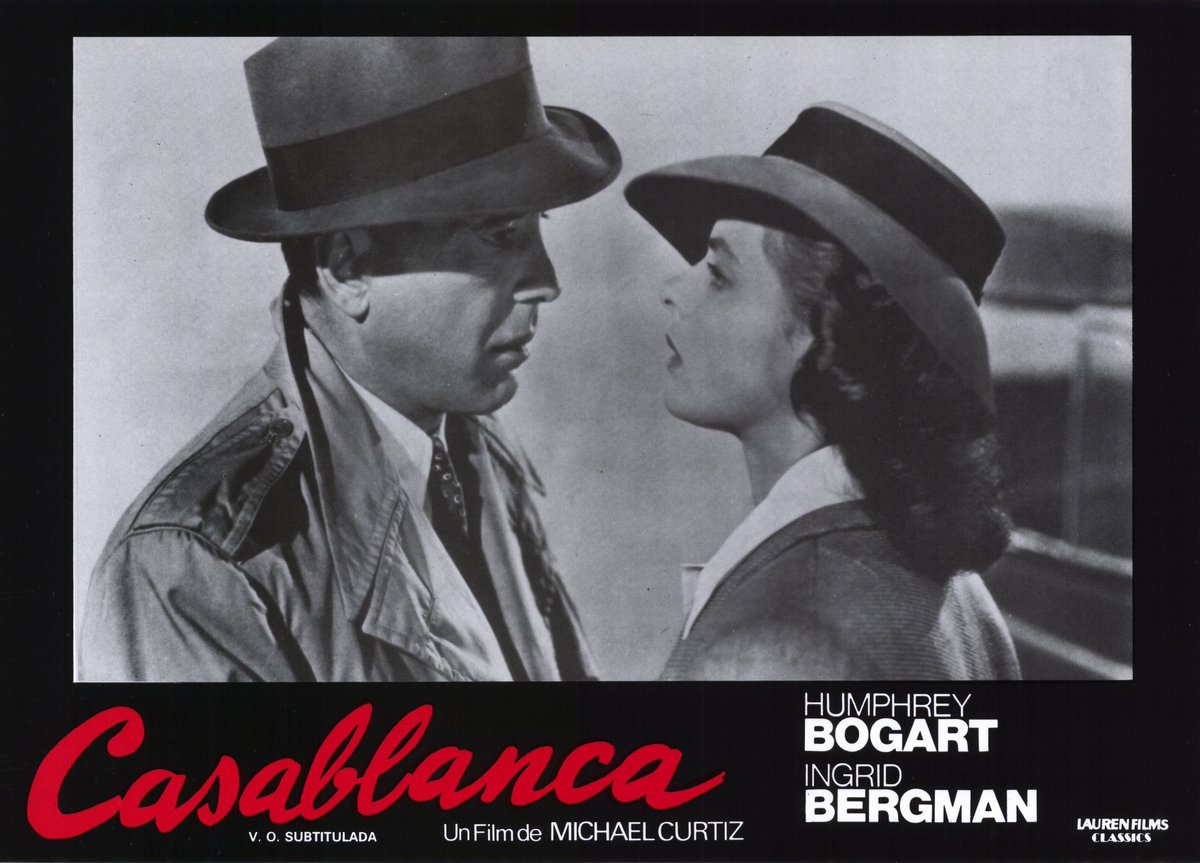
Bergman considered her left side as her best, and told Curtiz as much. This is why she is almost always on the right side of the screen looking towards the left, no matter who she is in shot with.
15/53
15/53
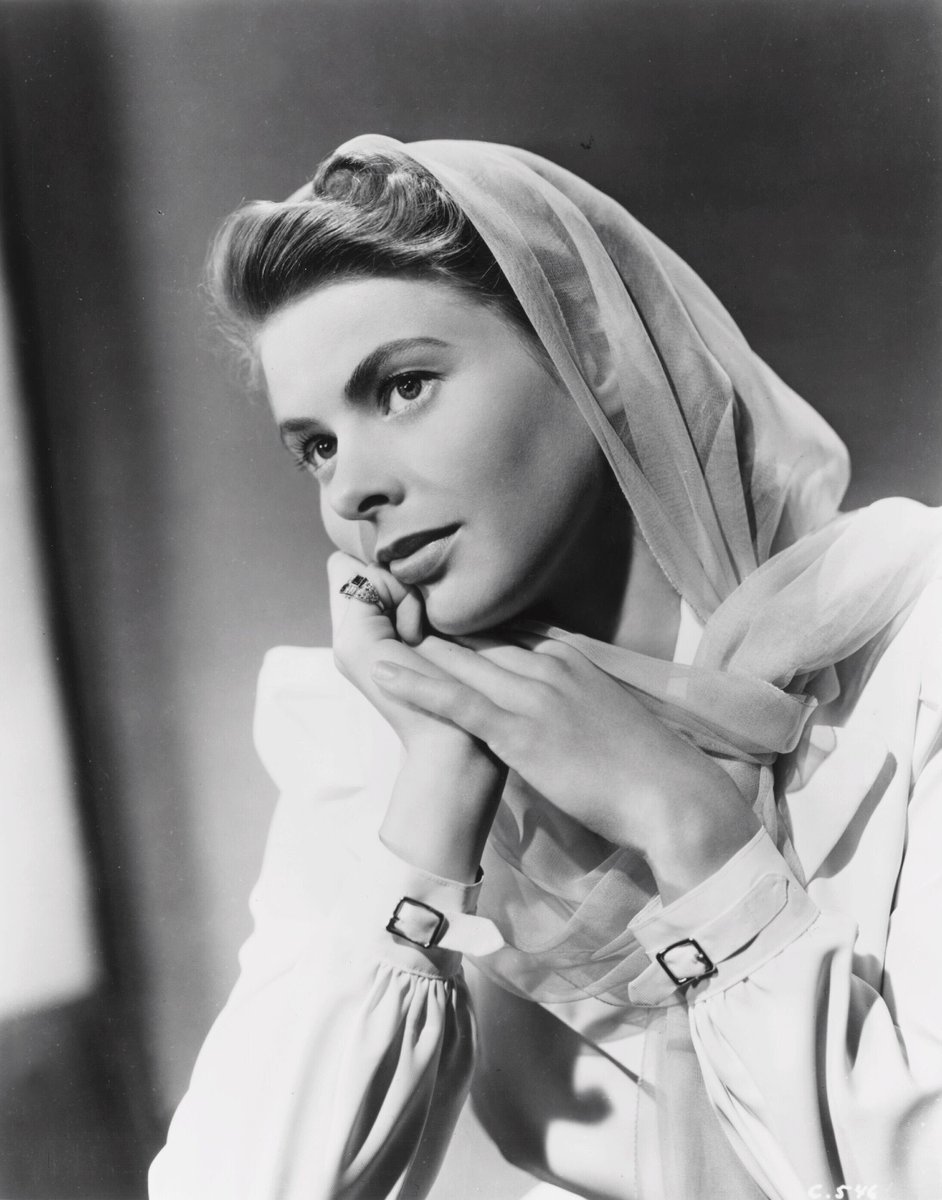
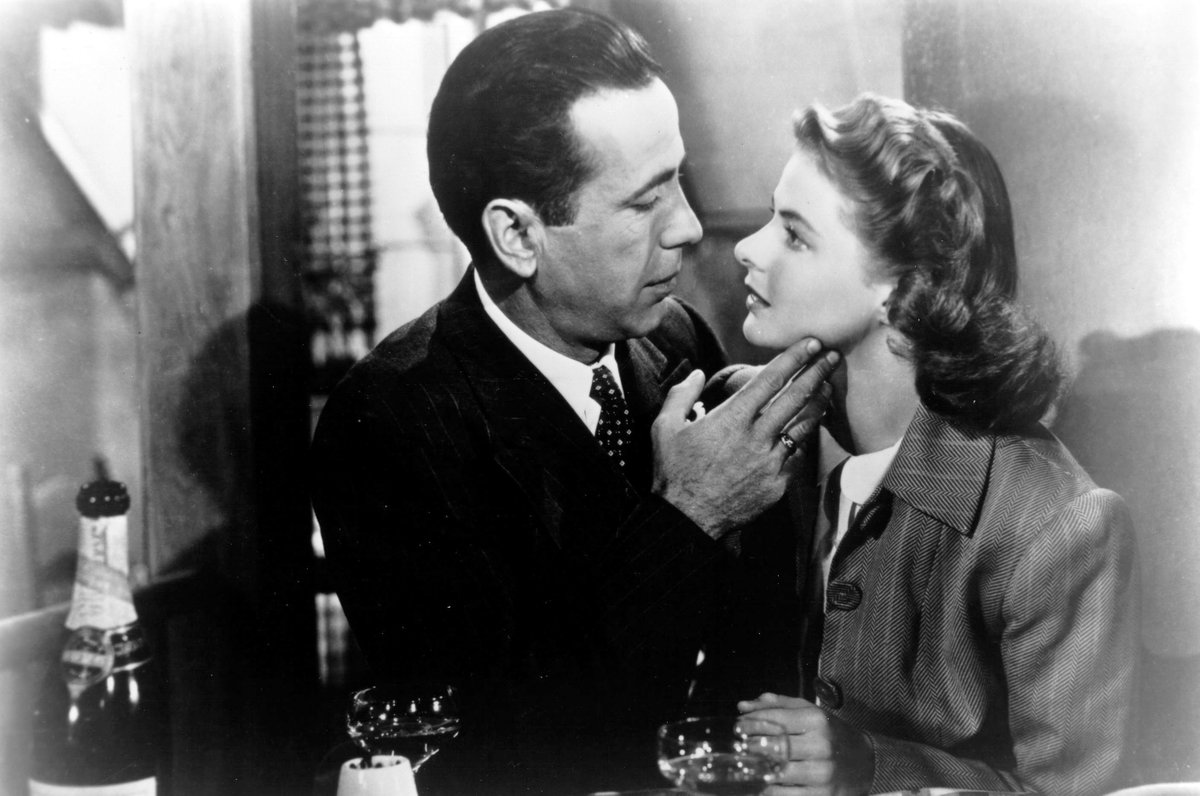
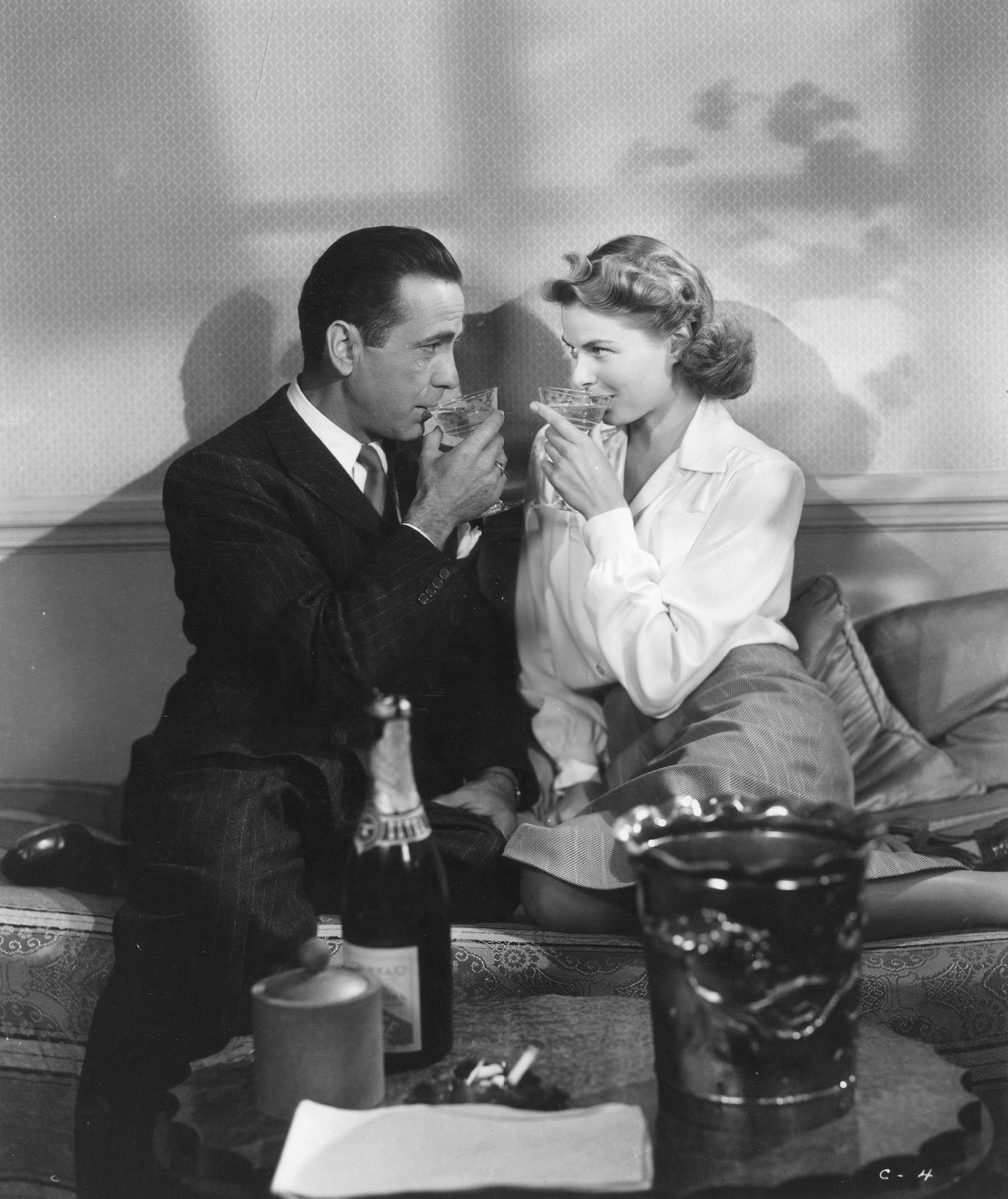
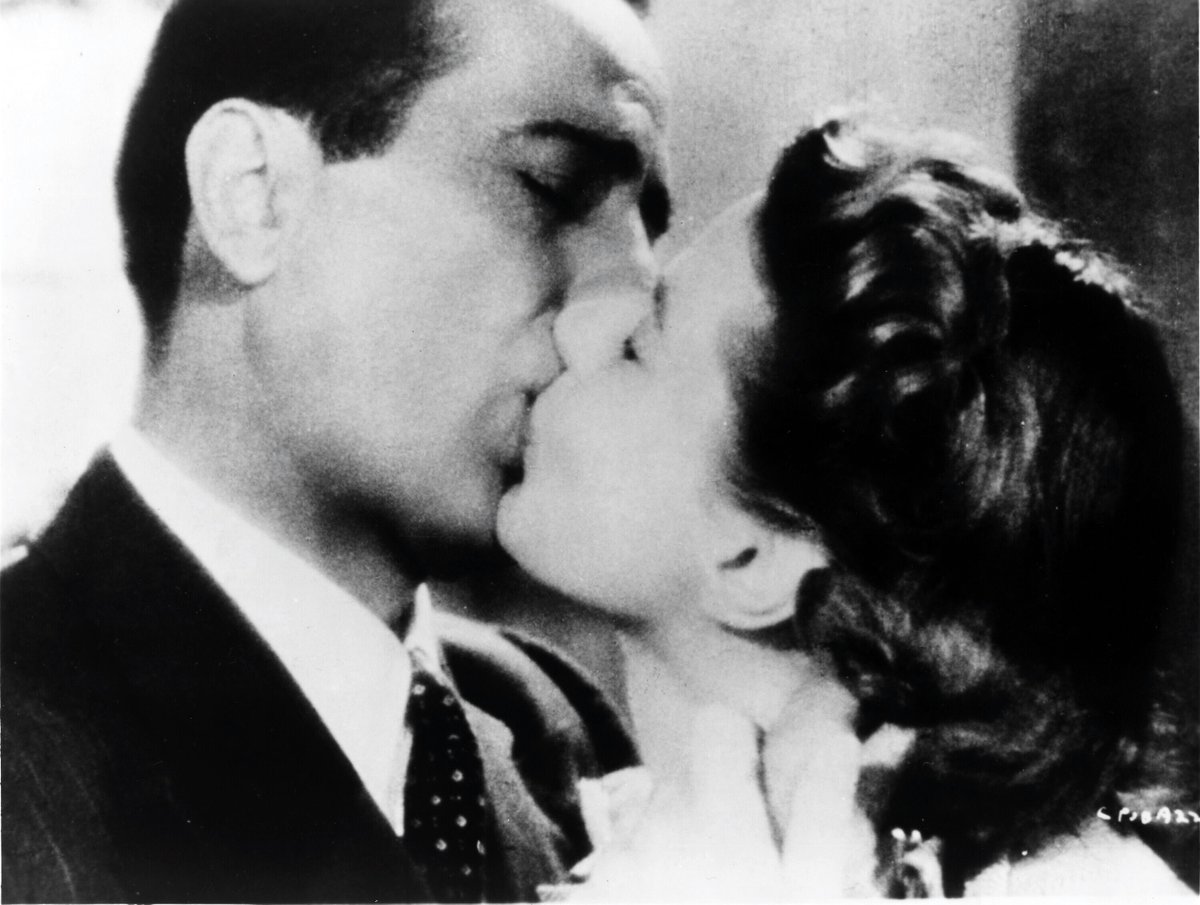
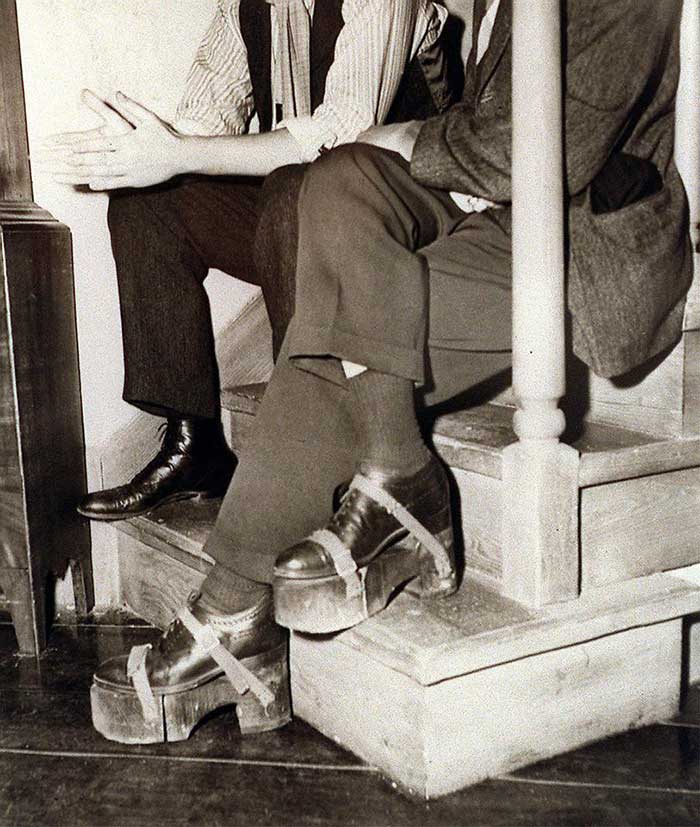
Bergman was tall at 5’8”, and Bogart one inch shorter. As such, Curtiz had Bogart wear lifts on his shoes or ask Bergman to crouch or kneel in the shot.
16/53
16/53
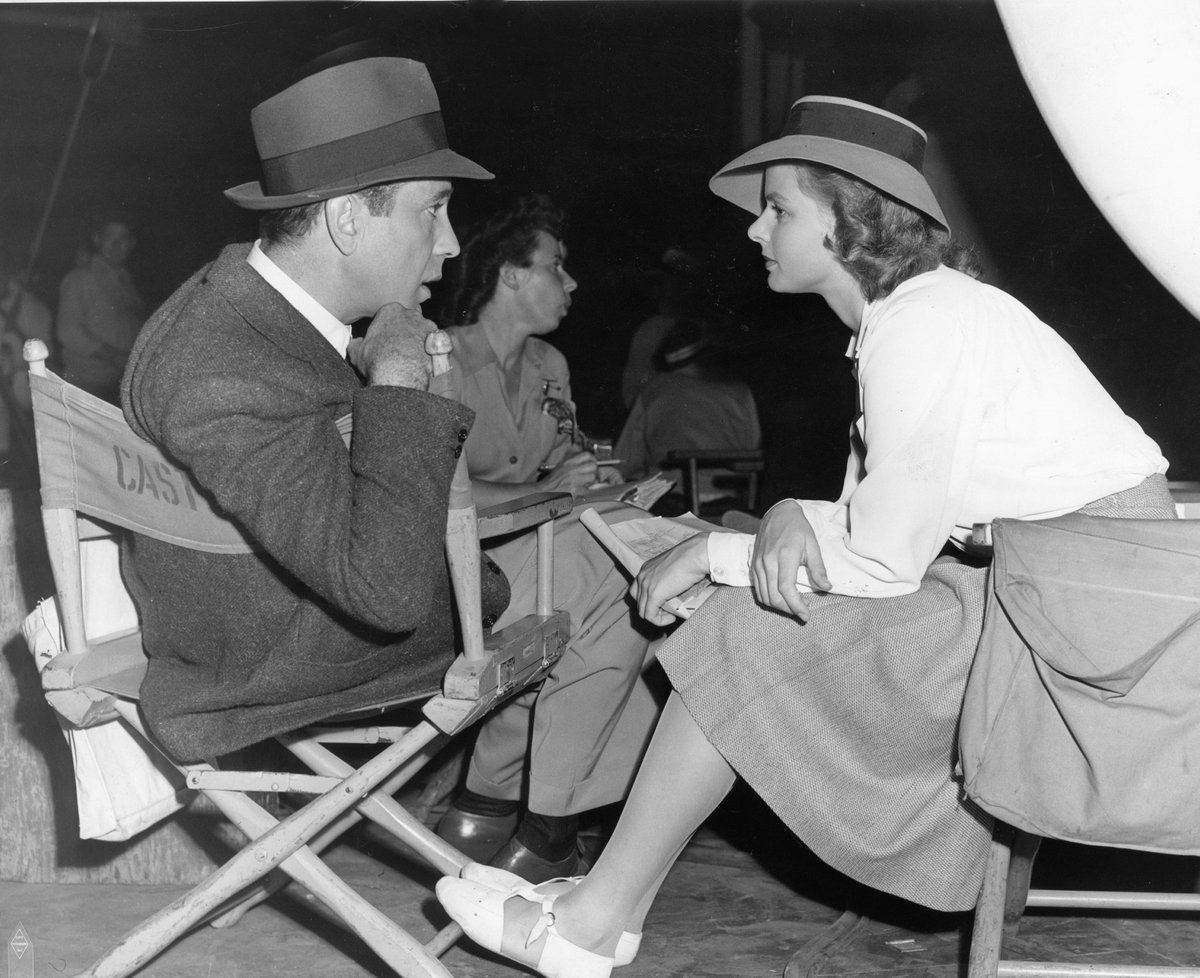
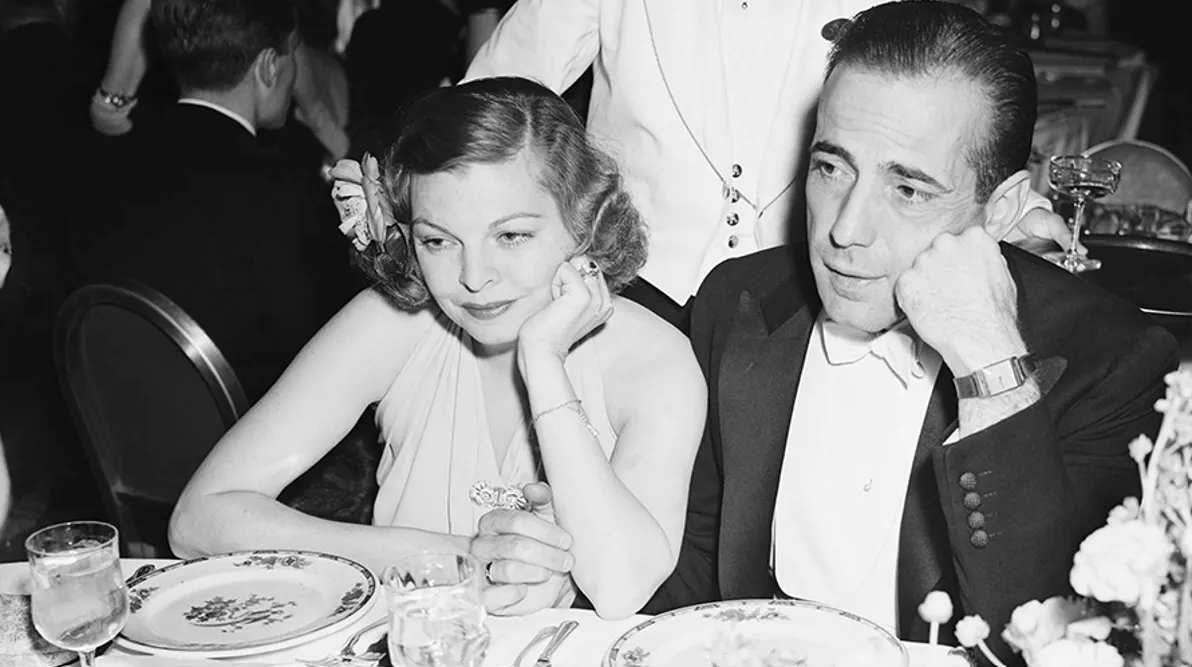
Through filming, Bogart's then-wife, actress Mayo Methot, reportedly accused him of having an affair with Bergman. Actress Geraldine Fitzgerald was friendly with both and said that in truth they barely spoke to one another, except to discuss ”how they could get out of that movie.”
17/53
17/53
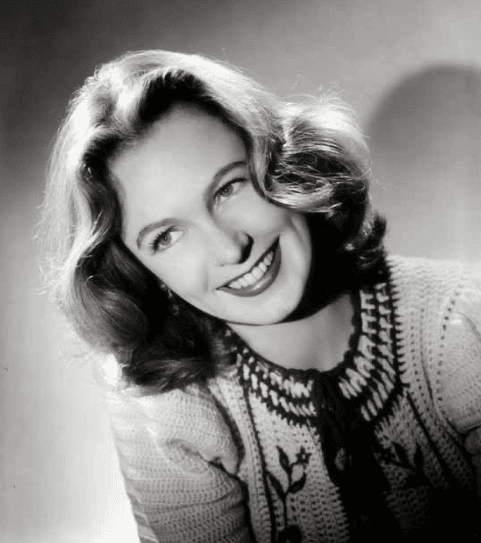
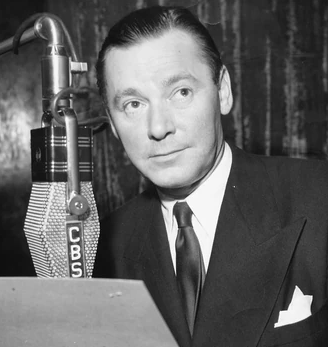
Wallis originally wanted Philip Dorn as rebel leader Victor Laszlo. When he was unavailable, Herbert Marshall, and Joseph Cotten were considered before Wallis convinced Selznick to lend him another actor, Austrian-American Paul Henreid.
18/53
18/53
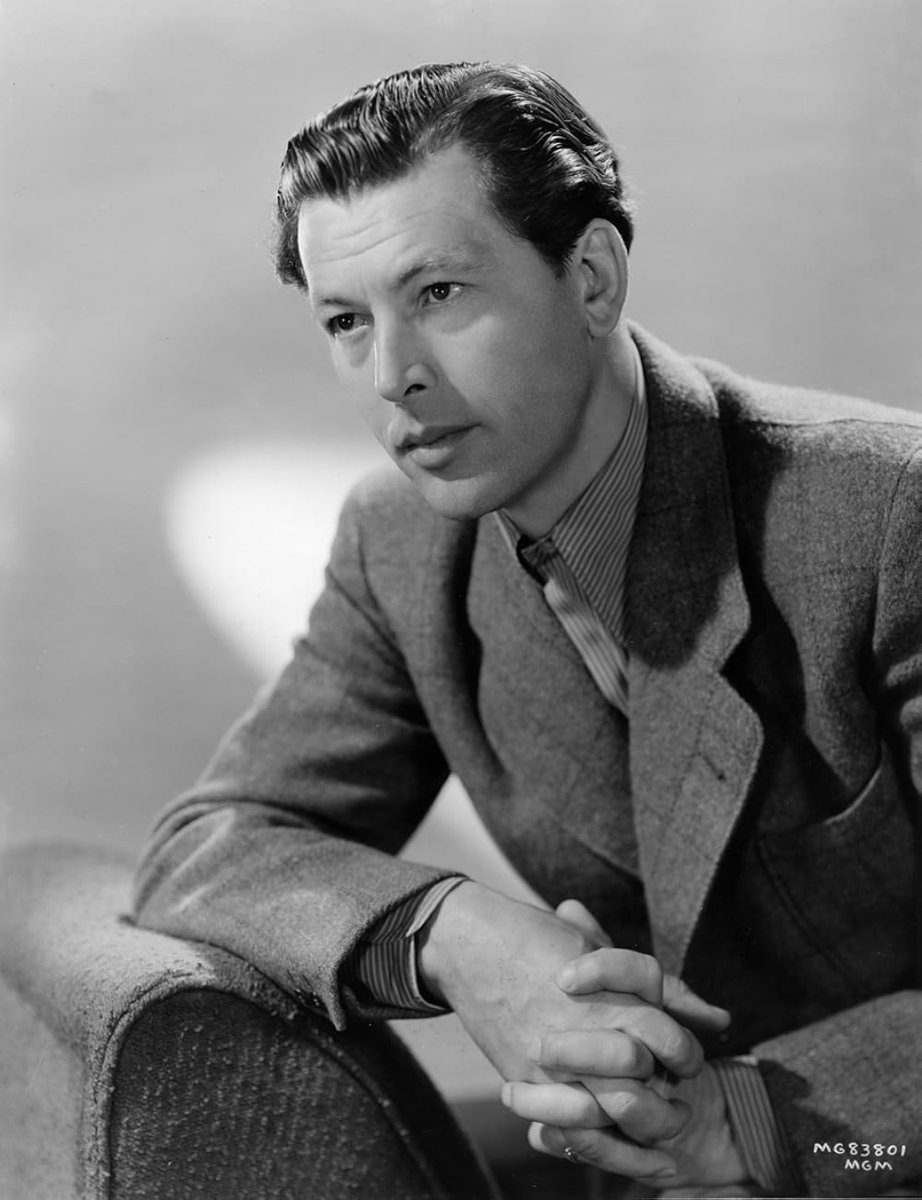
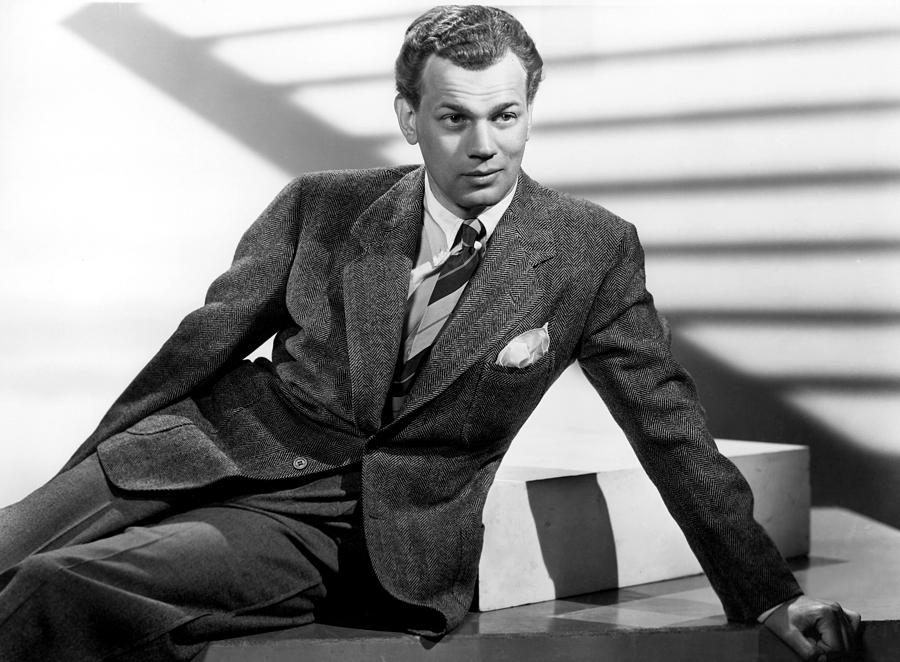

Henreid was reportedly not happy about the loan, worried it would tarnish his image as a leading man. He also did not get on great with his co-stars. He called Bogart “a mediocre actor” while Bergman later called Henreid “a prima donna.”
19/53
19/53

The Epstein bros were initially fervently against the casting of Claude Rains as one of the antagonists, Captain Louis Renault. They said he was only cast as he was already under contract, though Julius later admitted "We were wrong. Rains was great!"
20/53
20/53
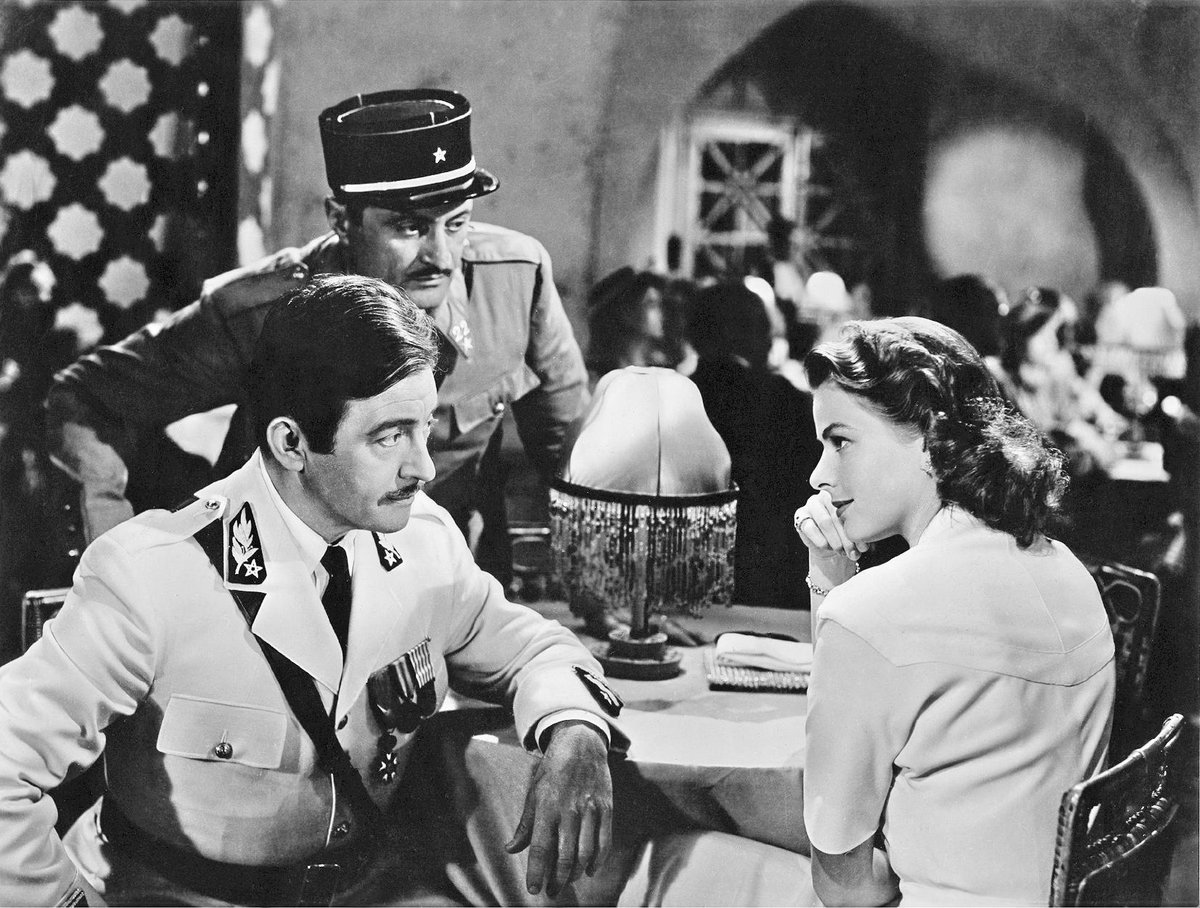
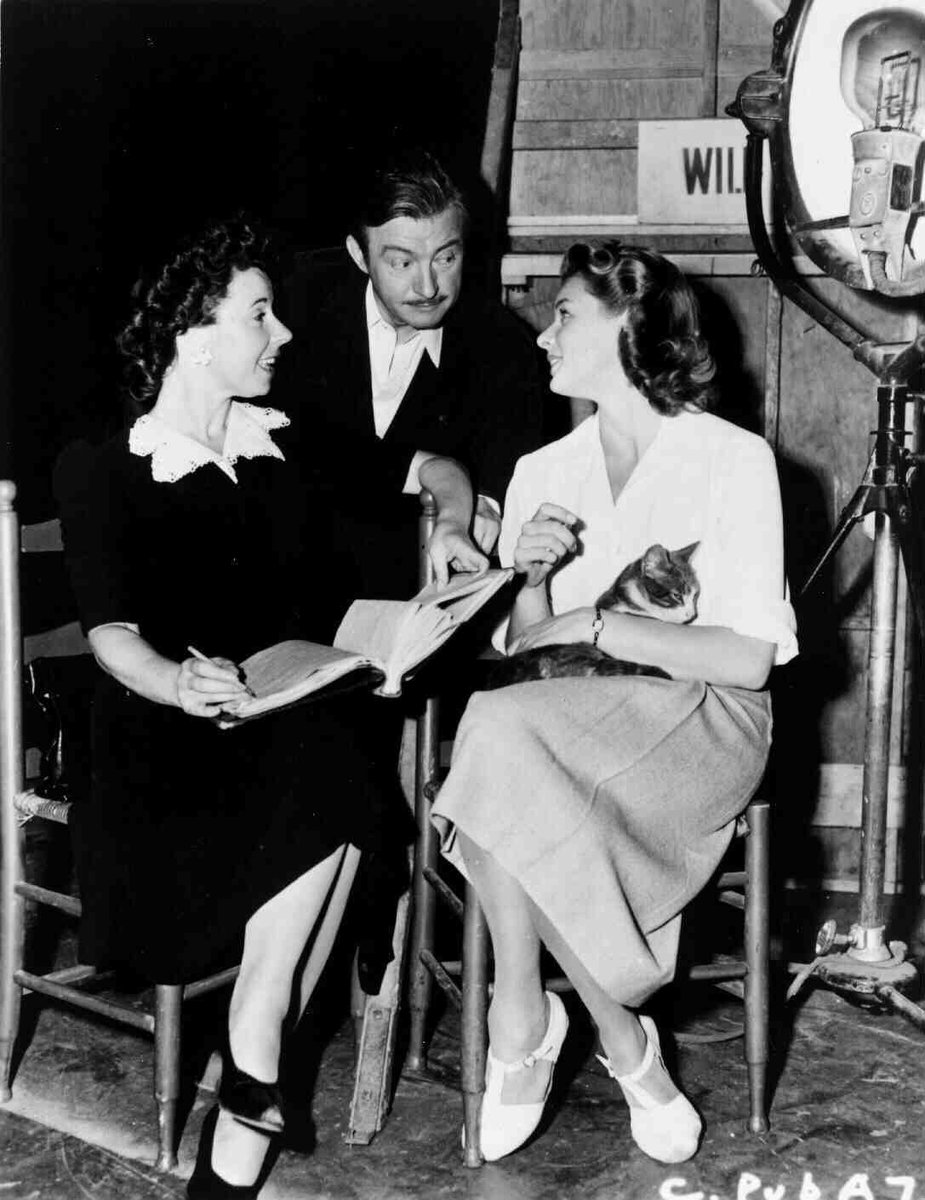
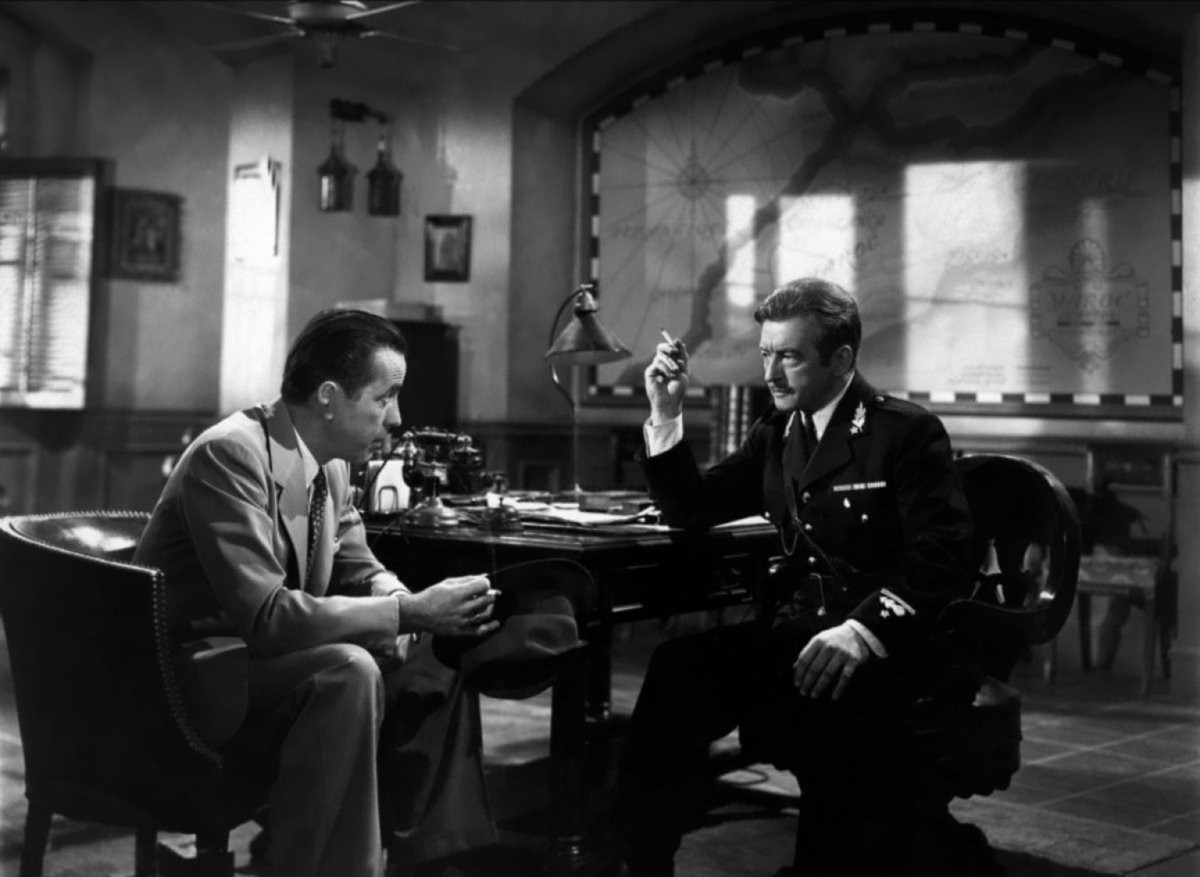
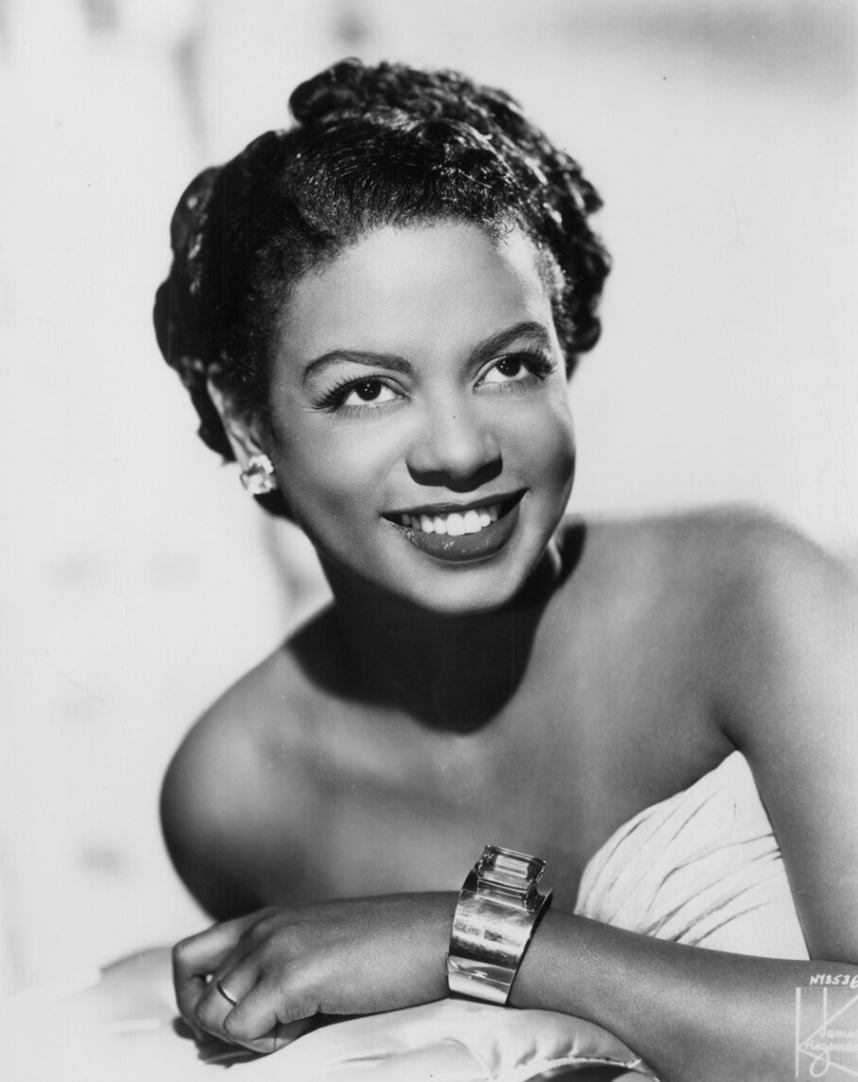
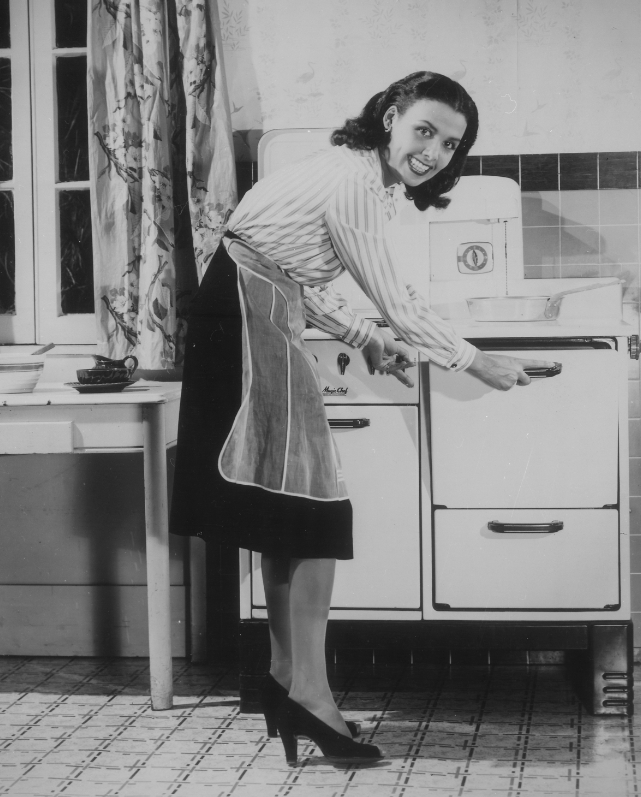
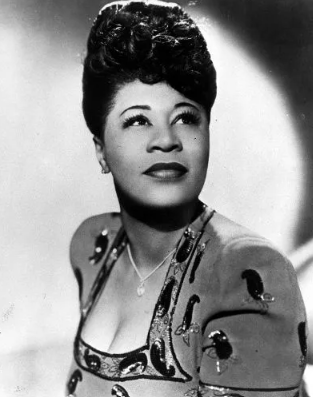
At one point, it was decided that bar musician Sam would be a woman. Hazel Scott, Lena Horne and Ella Fitzgerald were all considered before the part was changed back to a man and Dooley Wilson was cast.
21/53
21/53

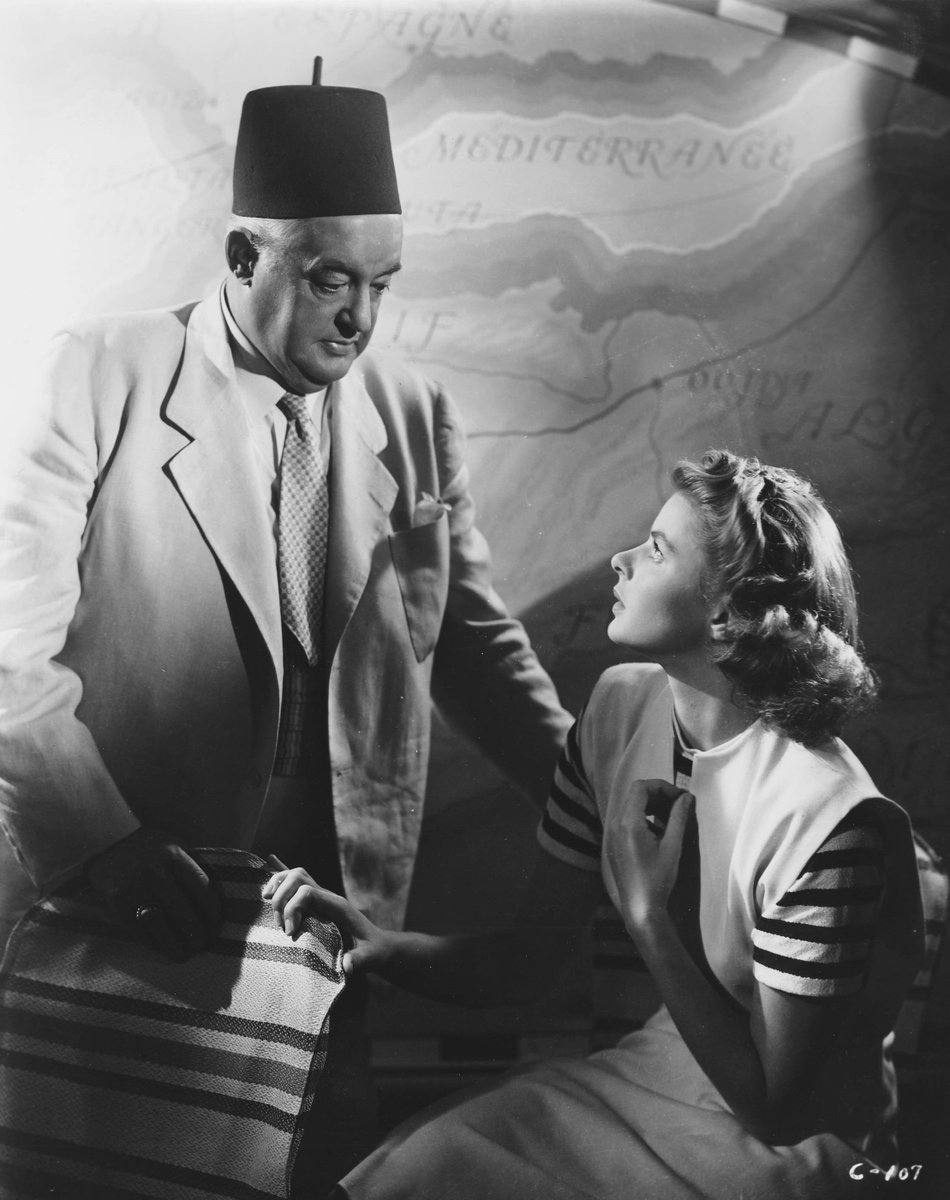
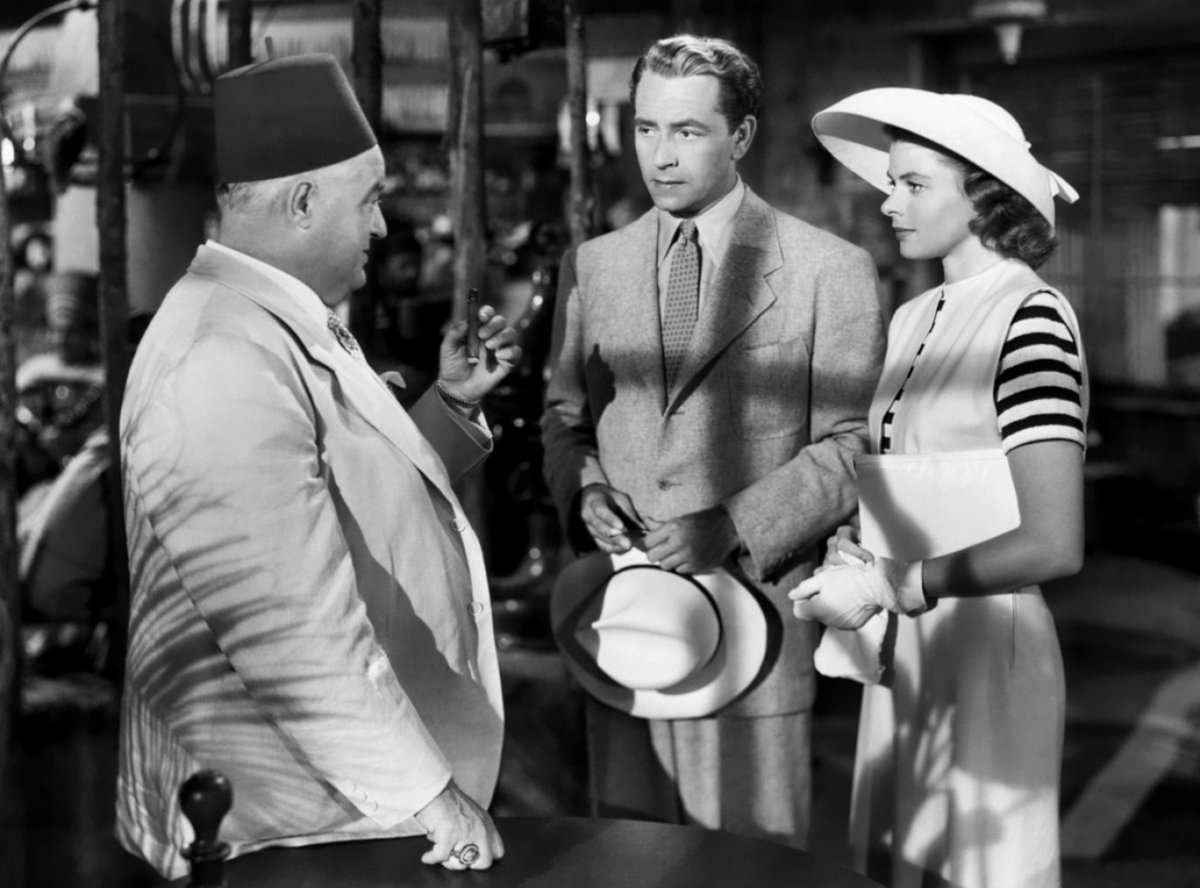
Sydney Greenstreet, who plays Signor Ferrari, wanted to dress ethnically to show his character had assimilated into Moroccan culture. Wallis said he could wear a fez, as long as he wore a white suit like the one he had worn 1 year previously in The Maltese Falcon.
22/53
22/53
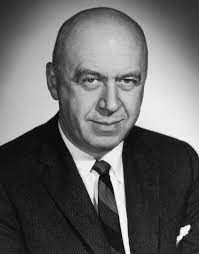
Casting Nazi villain Major Strasser, Wallis wanted Otto Preminger. He was under contract to 20th Century Fox and Darryl Zanuck said he wanted $7k per week to release him. Wallis called it “outrageous” and hired Conrad Veidt instead.
23/53
23/53
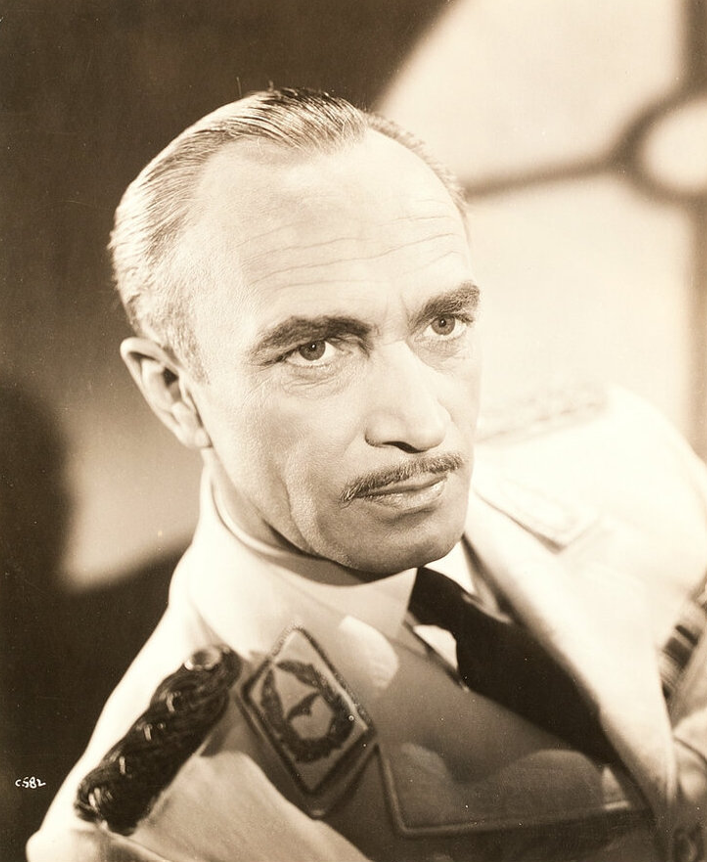
Veidt had a Jewish wife and they had to flee Germany prior to moving to Hollywood. Veidt reportedly had it written in his contract he only would play a Nazi if the character was a villain with no redeeming qualities - hence Strasser.
24/53
24/53
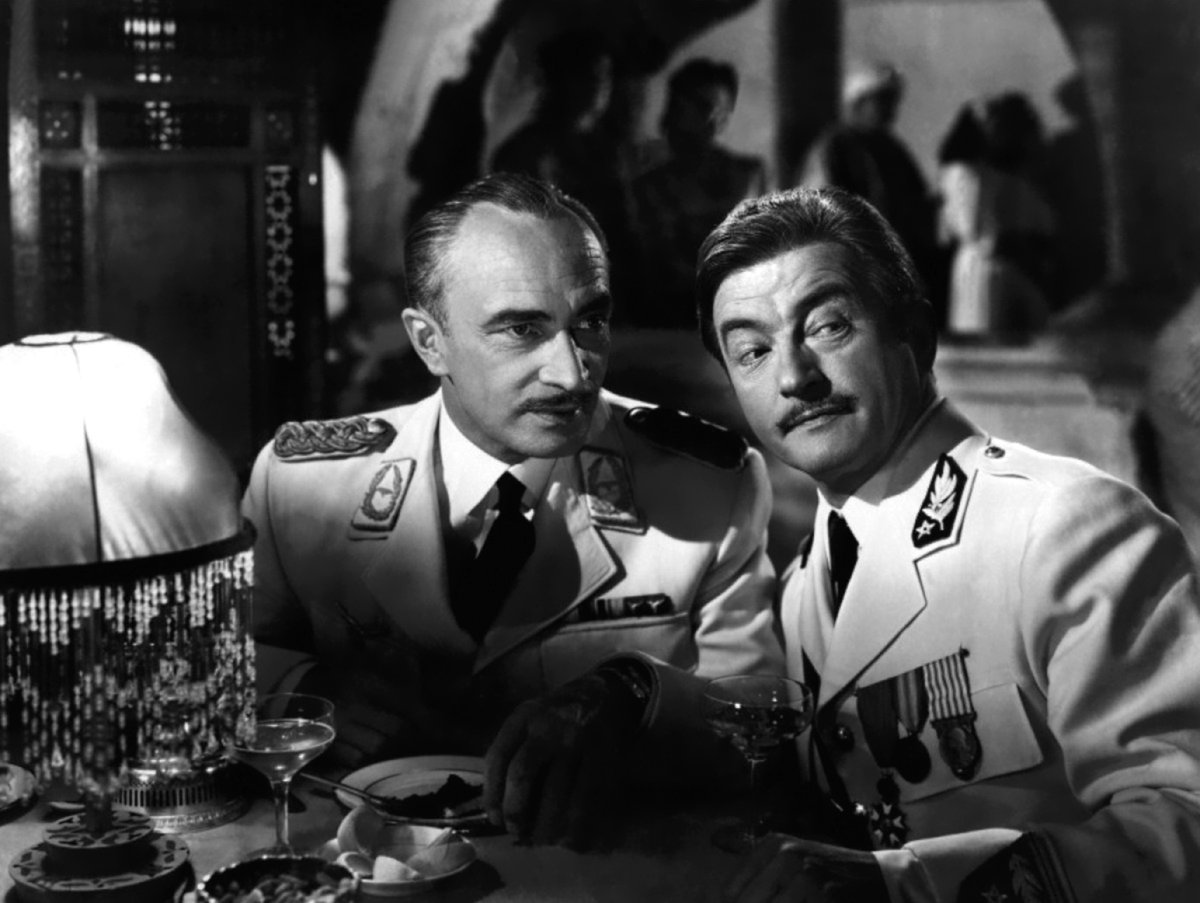
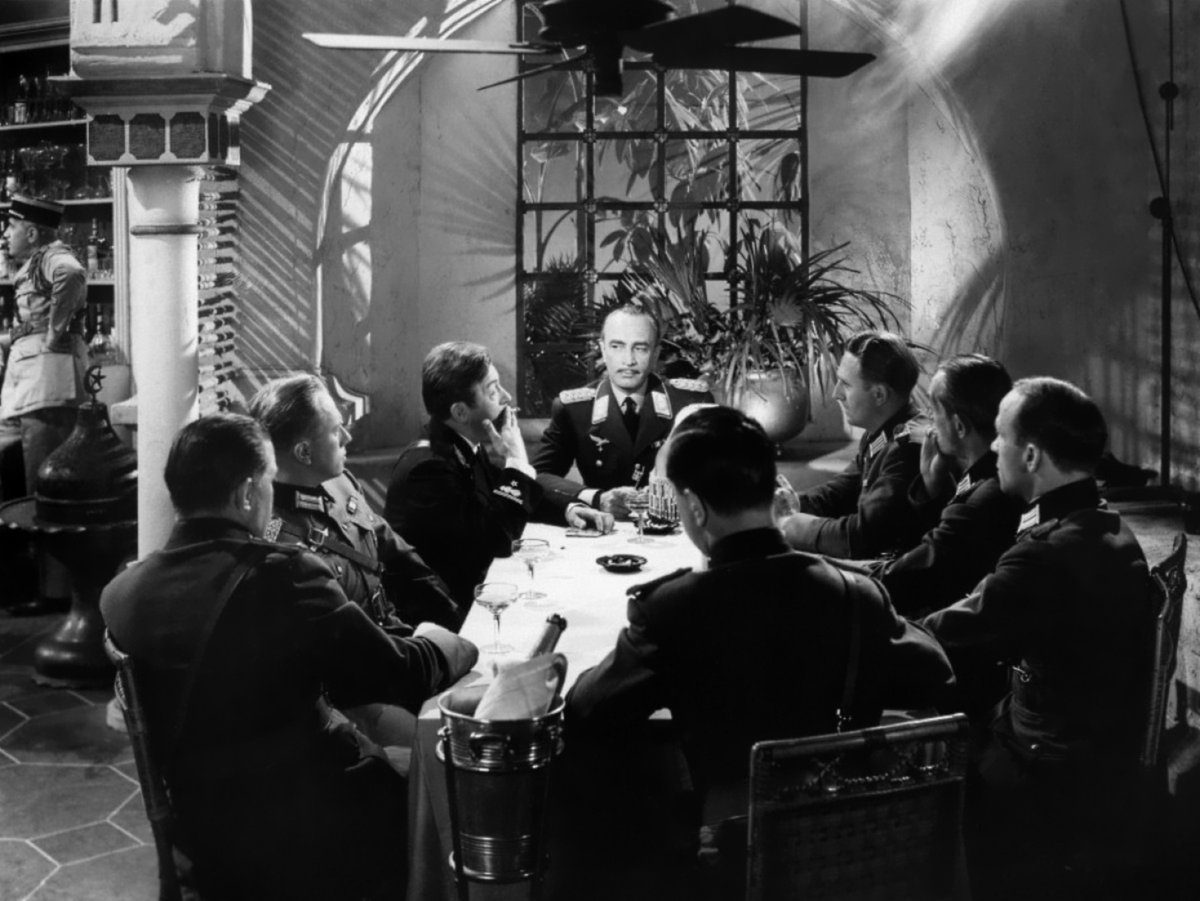
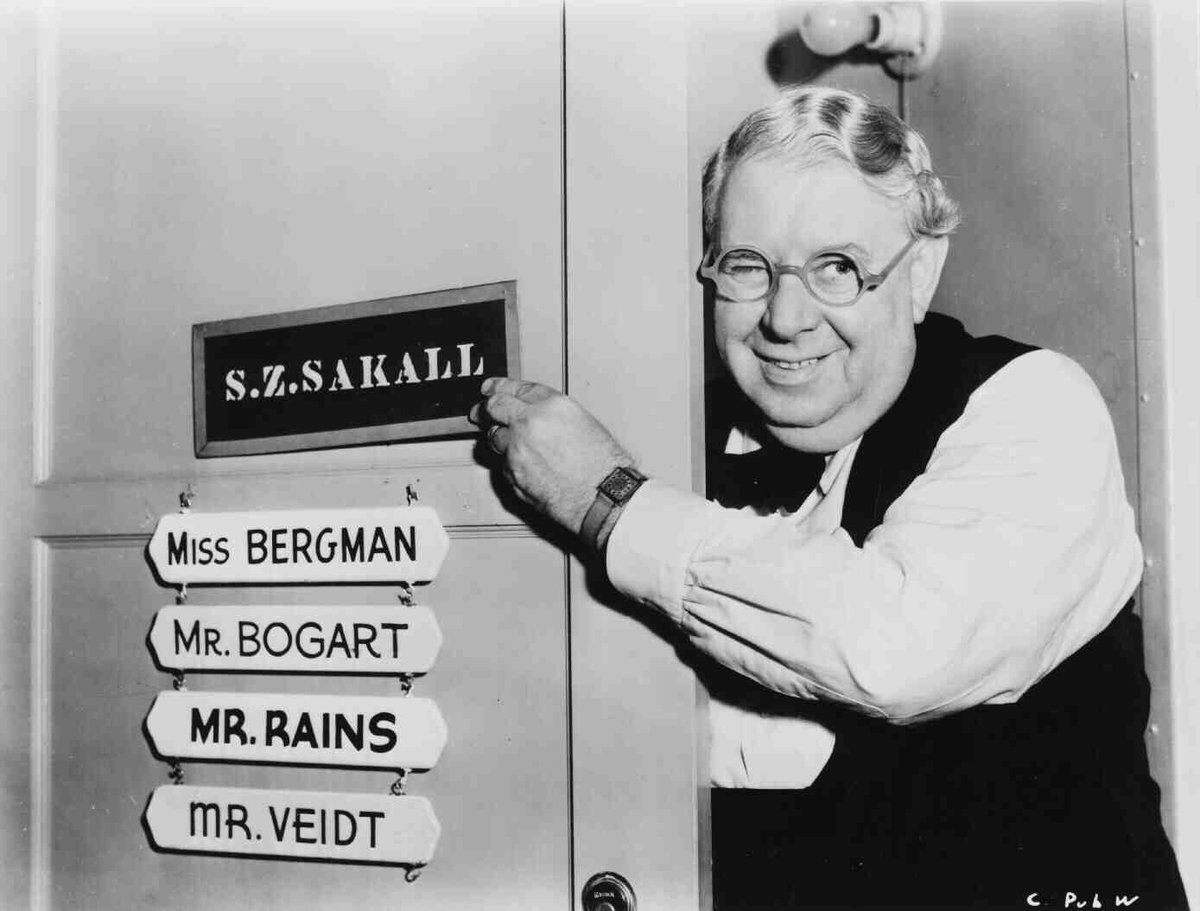
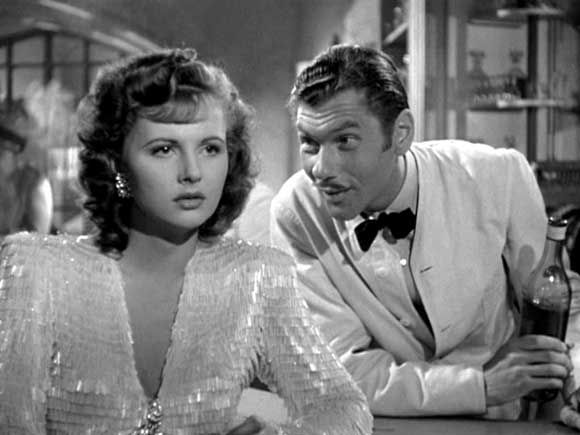
Many of the cast had first-hand experience of Nazi cruelty. S. Z. Sakall, who played waiter Carl, had fled Germany and lost three sisters to a concentration camp. And Madeleine Lebeau (Yvonne) and Marcel Dalio (Emil) were married and fled France to escape the Nazis.
25/53
25/53
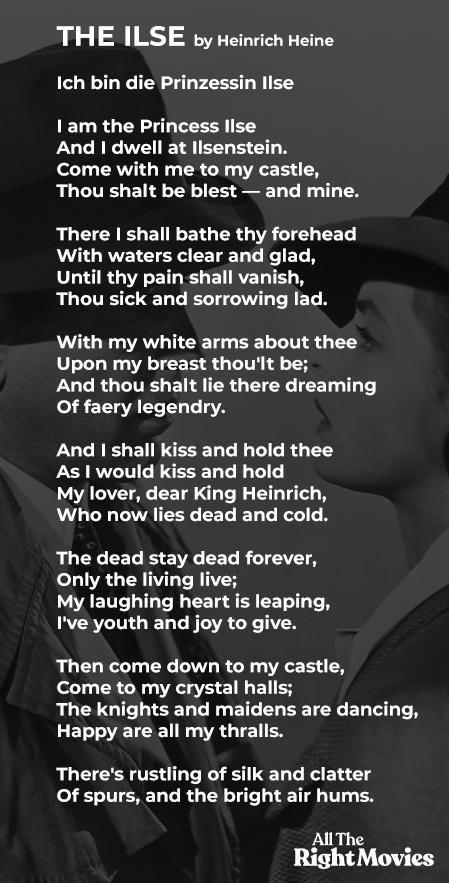
There were some changes from play to screen. In the play, Ilsa is an American called Lois Meredith. Curtiz changed it to Ilsa, a name he took from The Ilsa, a poem by Heinrich Heine.
26/53
26/53
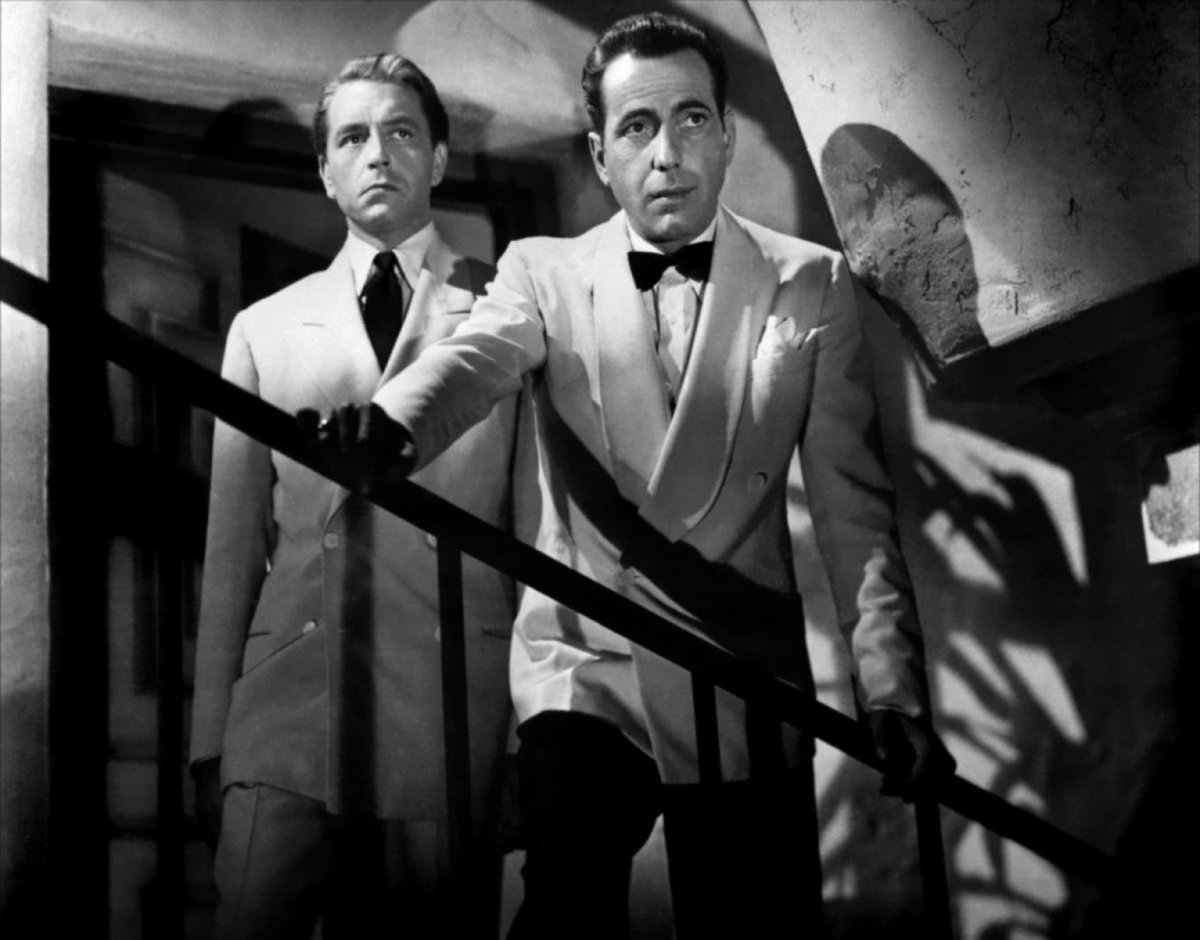
It is never revealed in the film why Rick cannot return to America. Julius Epstein later said "my brother and I tried very hard to come up with a reason why Rick couldn't return to America. But nothing seemed right. We finally decided not to give a reason at all."
27/53
27/53
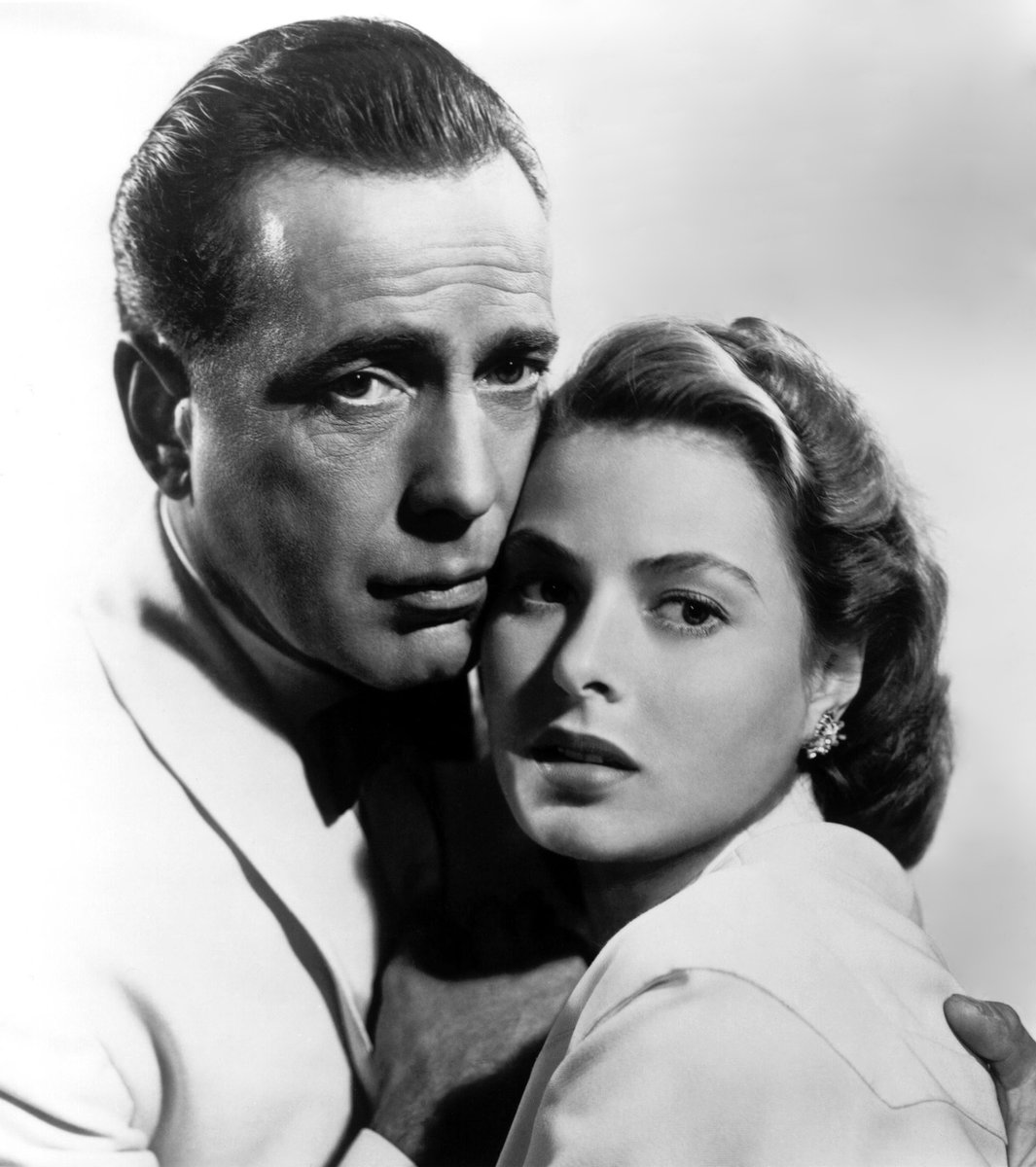
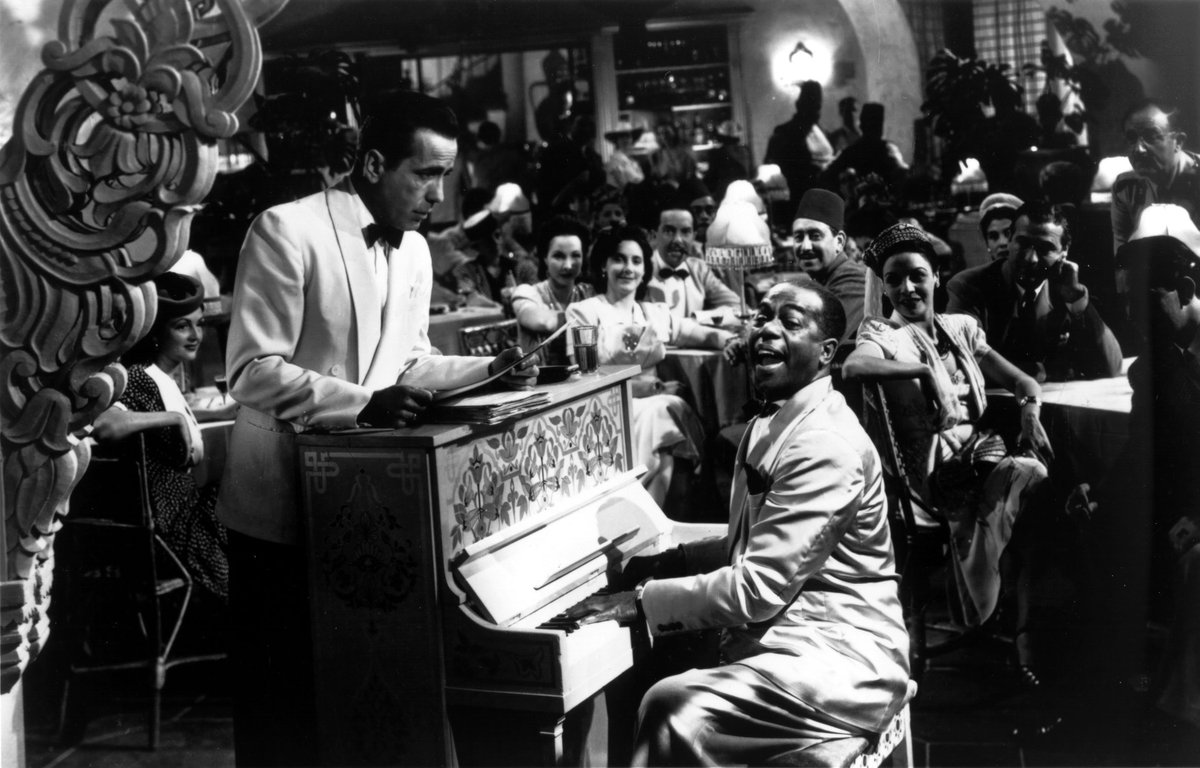
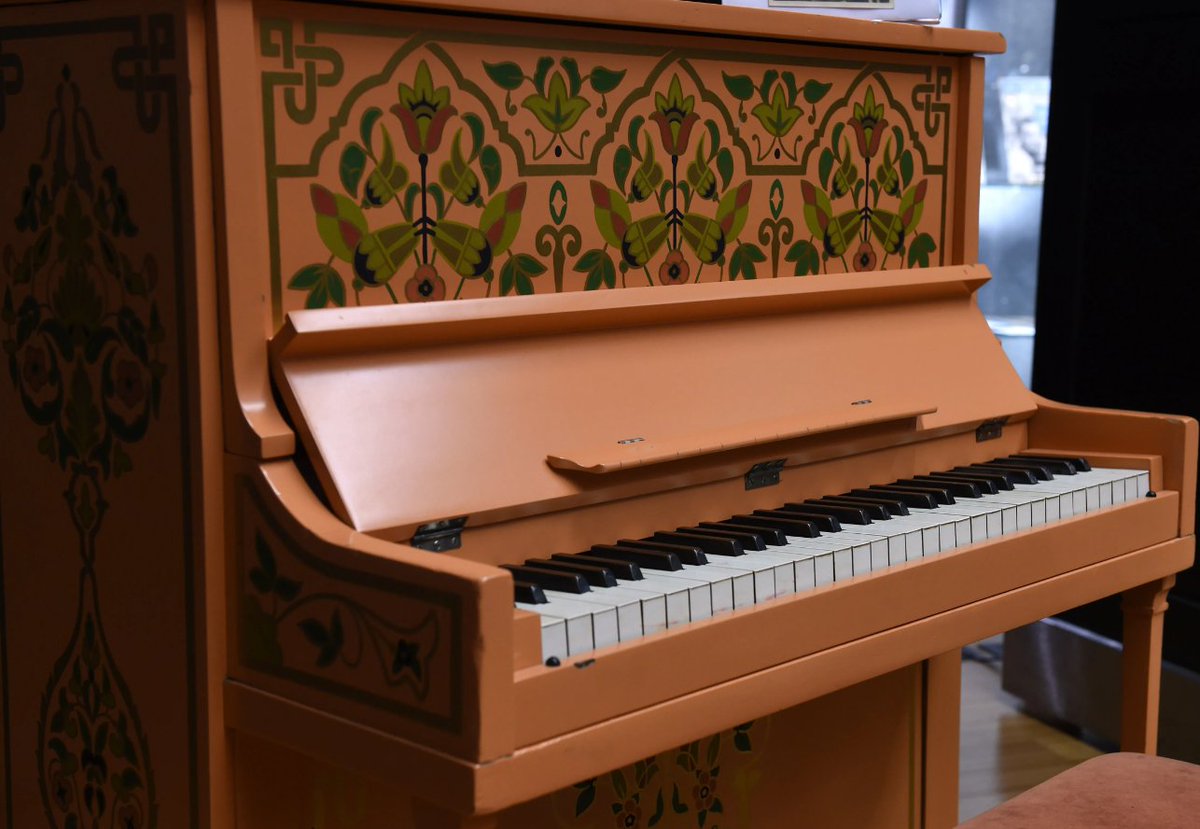
One of the most famous lines is when Rick says “Play it again, Sam.” The thing is, that’s not the line. He actually says " If she can stand it, I can. Play it!" As a result of the famous scene, the piano Dooley Wilson played sold for $600k at auction in 2012.
28/53
28/53
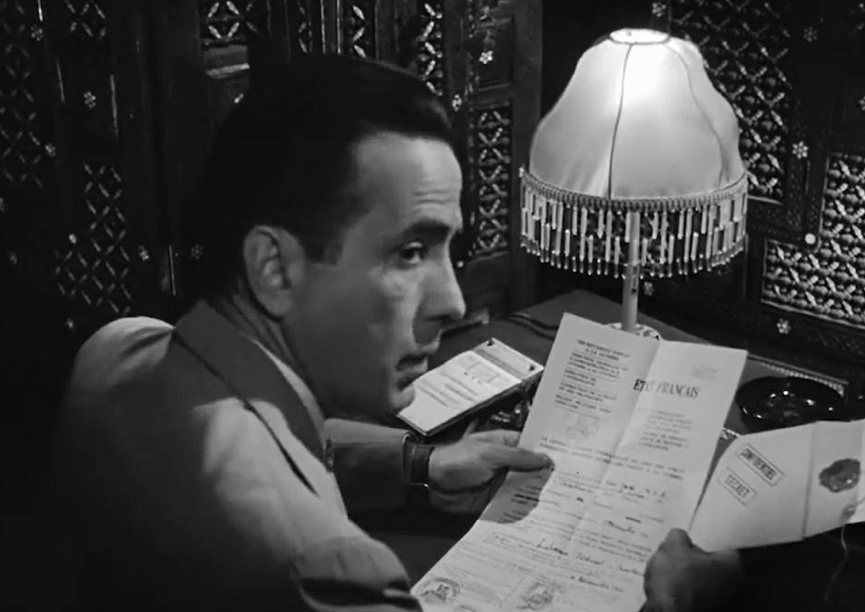
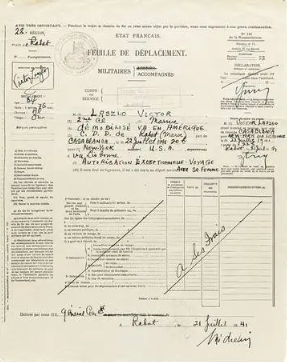
The letters of transit that play such a key role in plot points throughout the film did not actually exist in Vichy-controlled France - they were invented by the writers. Joan Alison would always say she’d expected somebody to pick her up on it, but nobody ever did.
29/53
29/53
In pre-production, writer Casey Robinson had been hired for edits, including some of the now-iconic romantic scenes between Rick and Ilsa. He was offered credit but said because at the time he was only taking credit for scripts he wrote himself. He did himself out of an Oscar.
30/53
30/53
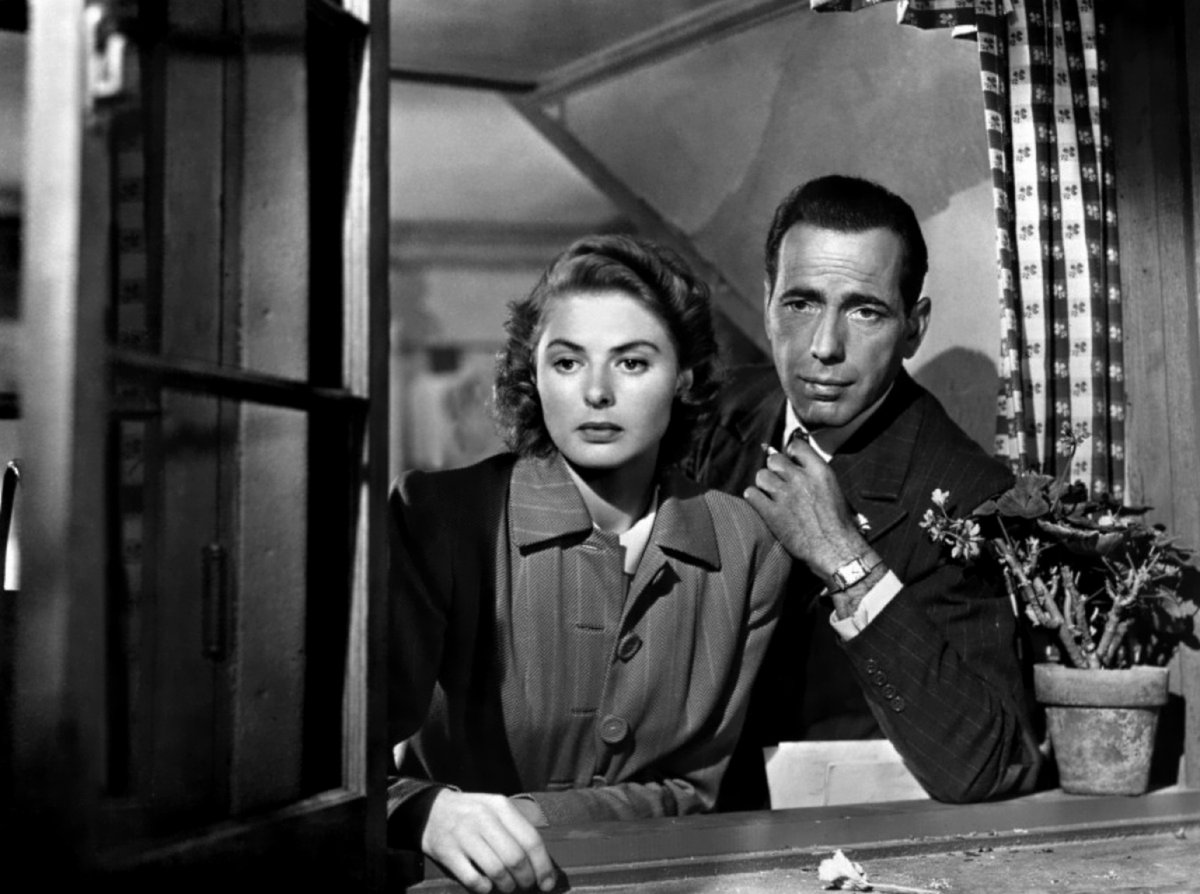
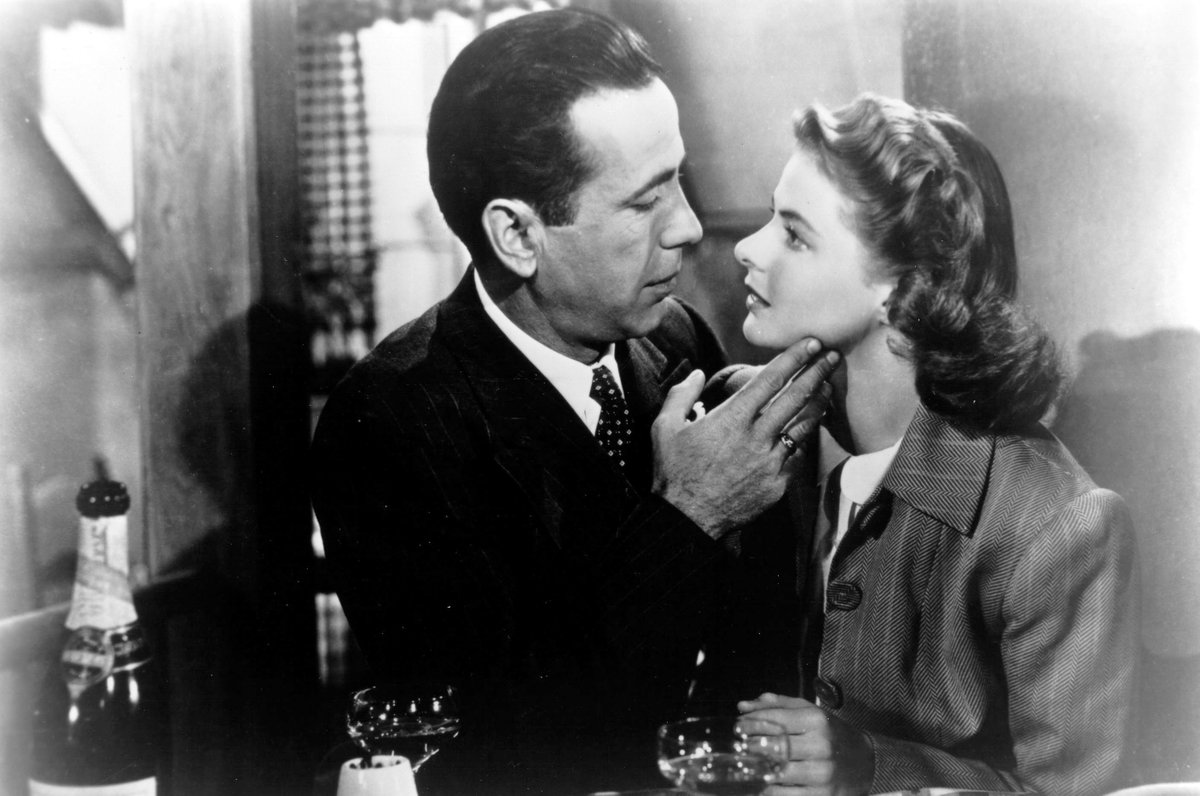
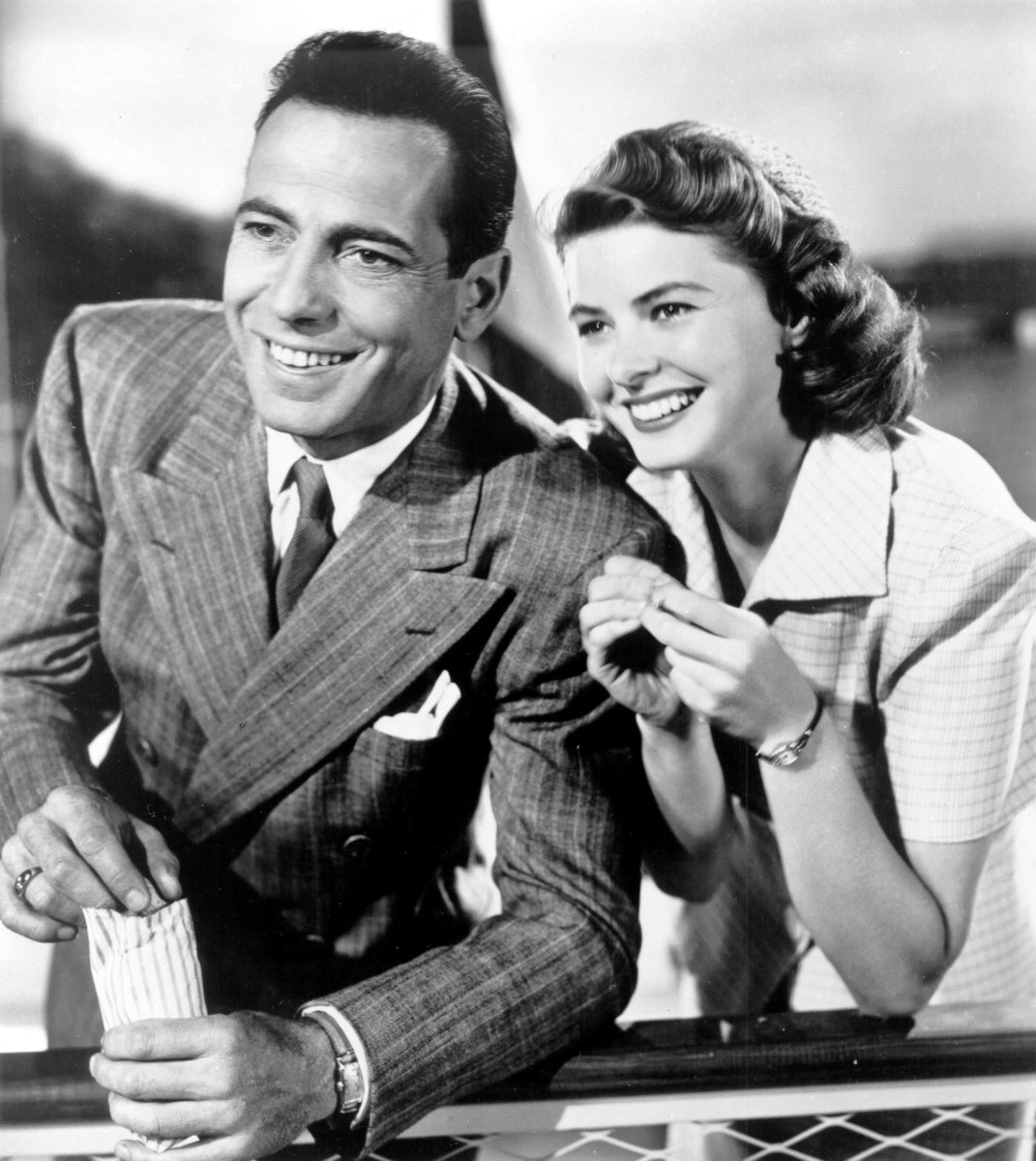
Mentioned above, Broadway producers passed on the script as, originally, Ilsa was not a ‘virtuous’ woman. She was living with a married man and when she and Victor came to Casablanca, they weren’t married. This had to change as film censorship of the time didn’t allow it.
31/53
31/53
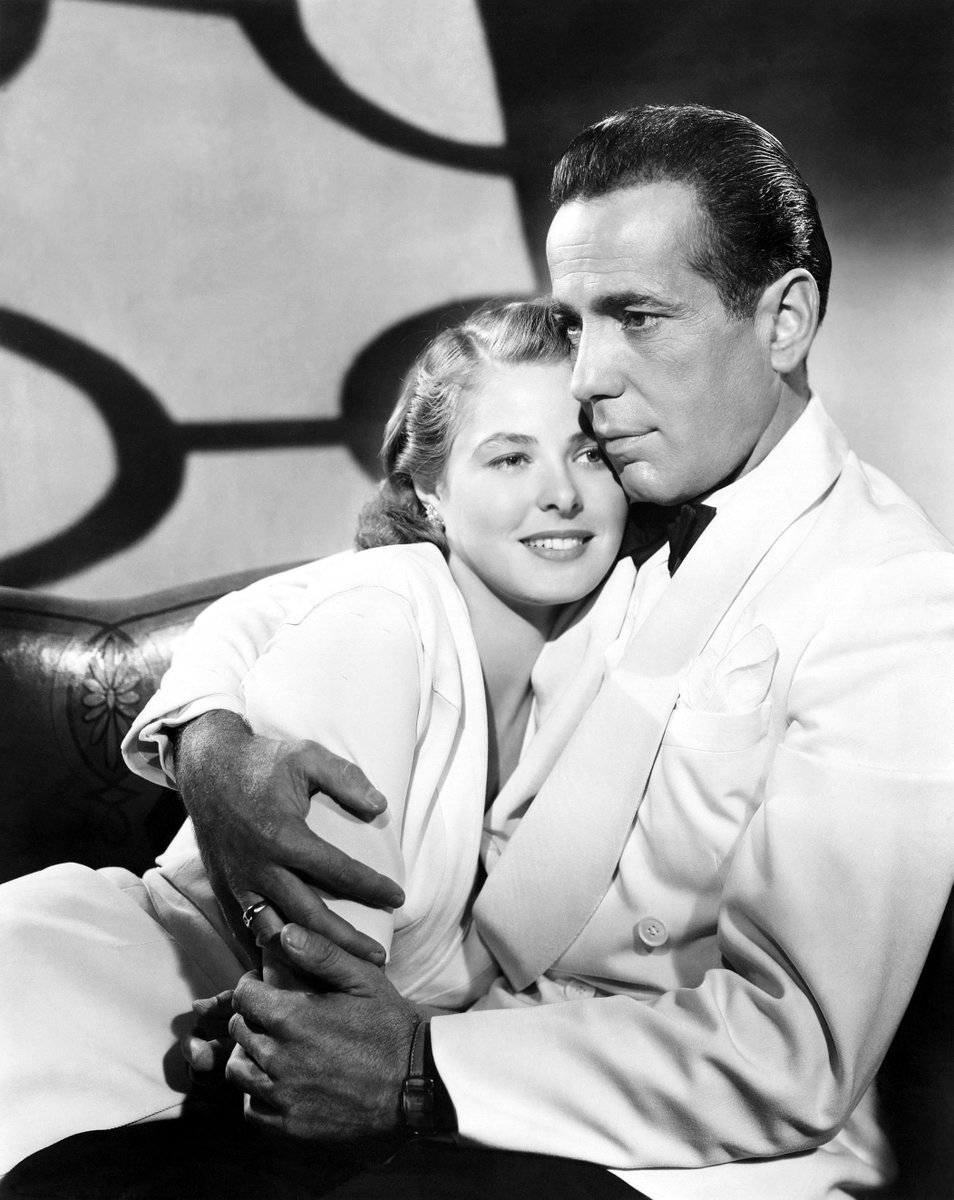
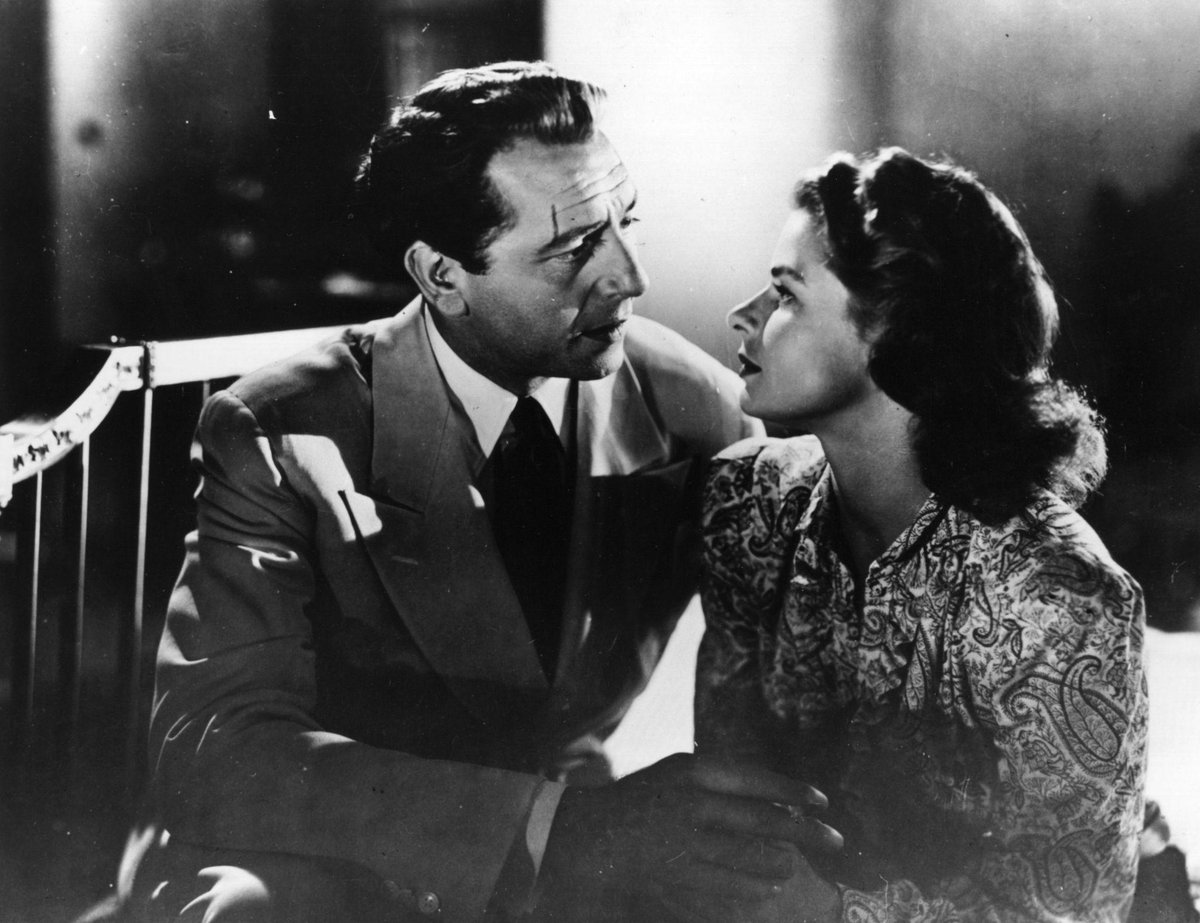
Similarly, Captain Renault's line "You like war. I like women" was changed from "You enjoy war. I enjoy women.” This was at the demand of censors from the Production Code's Office.
32/53
32/53
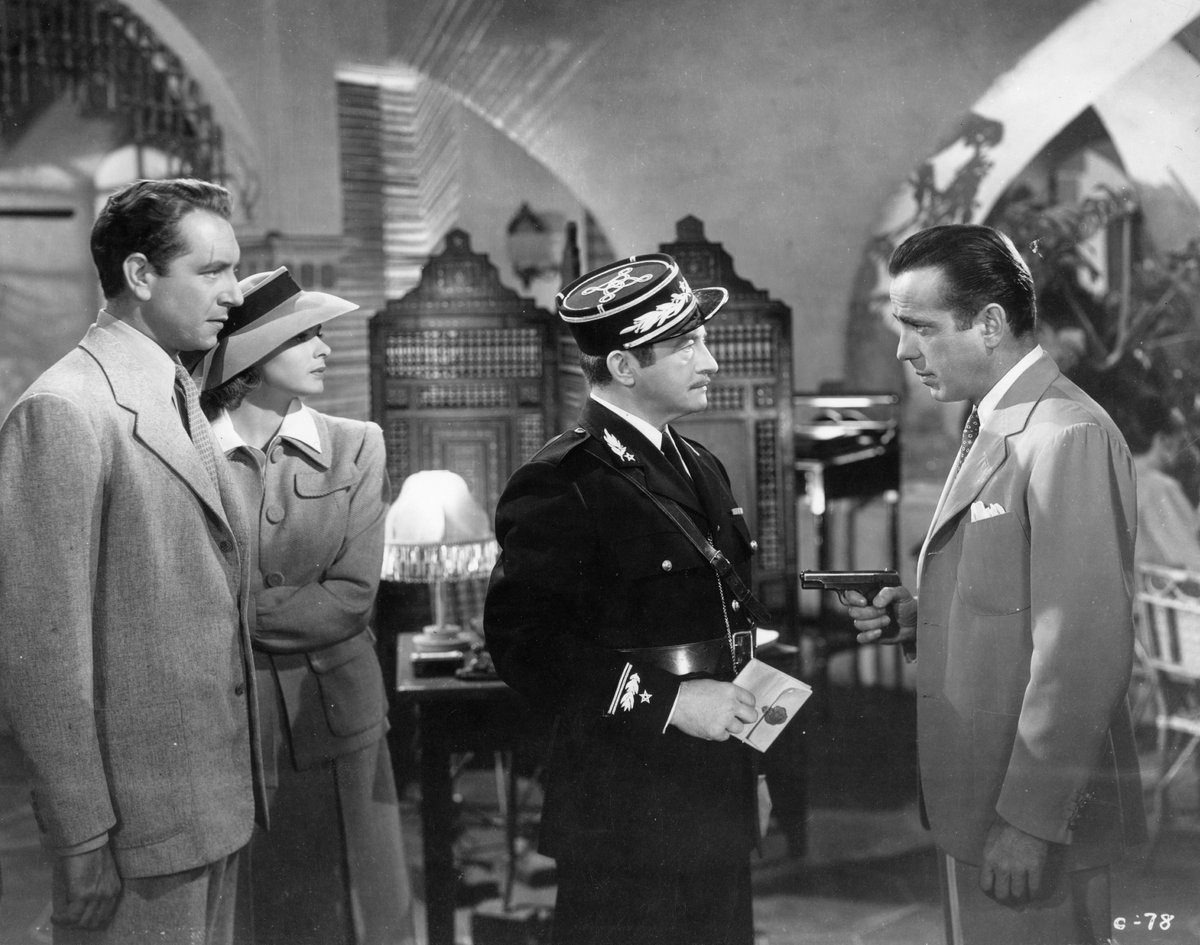
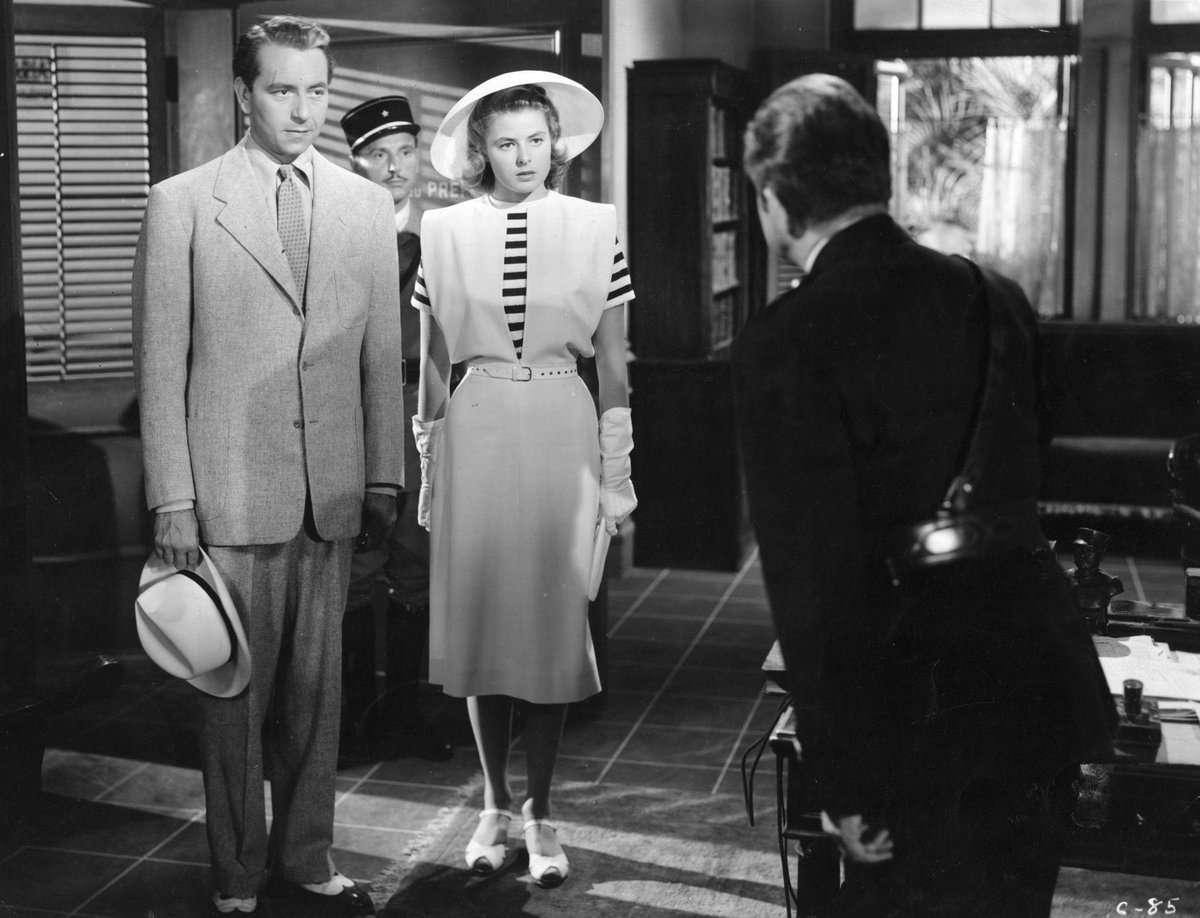
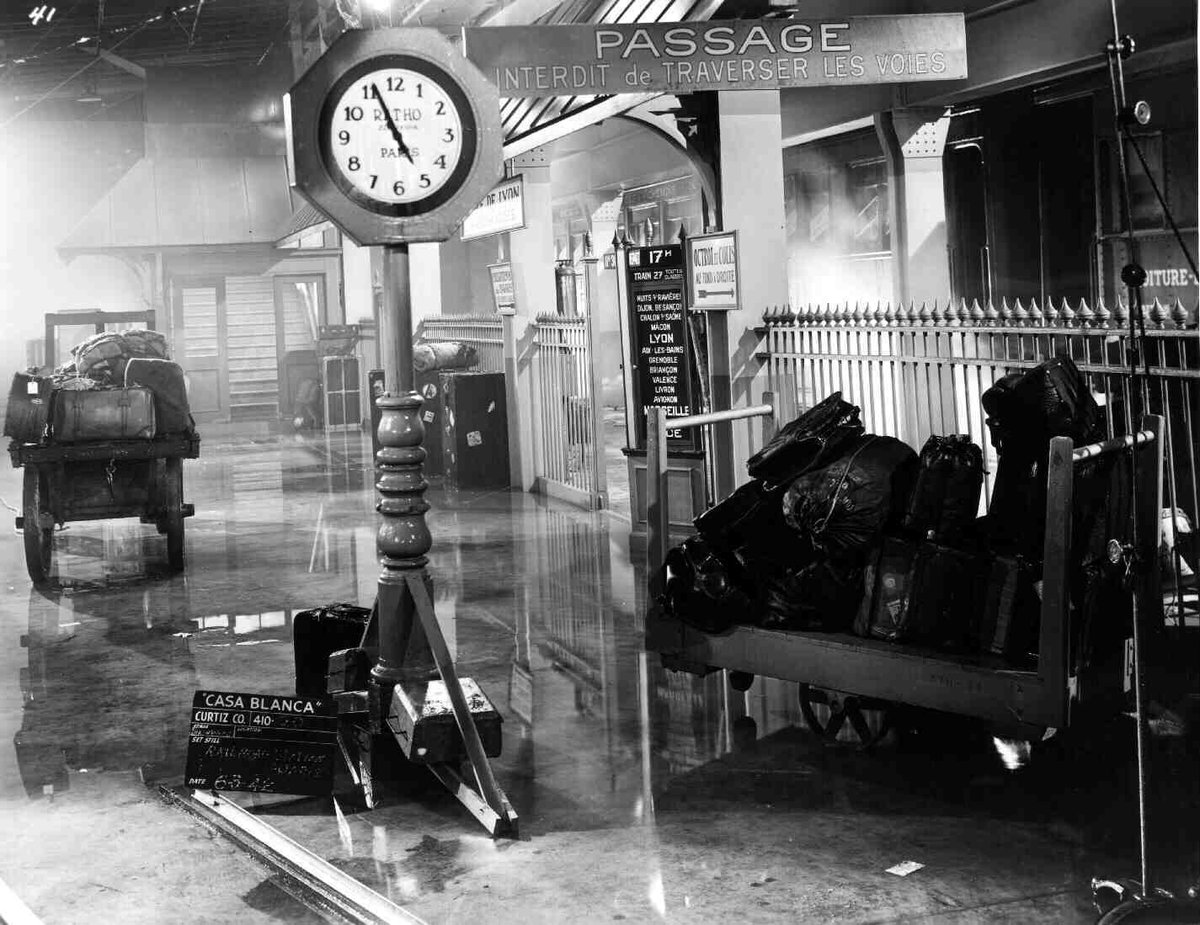
Due to wartime restriction, the majority of sets were recycled from old Warner Bros productions. One of the few original sets was Rick’s Cafe. It was based on the Cinema Vox in Tangier, Morocco, the biggest theater in Africa at the time.
33/53
33/53
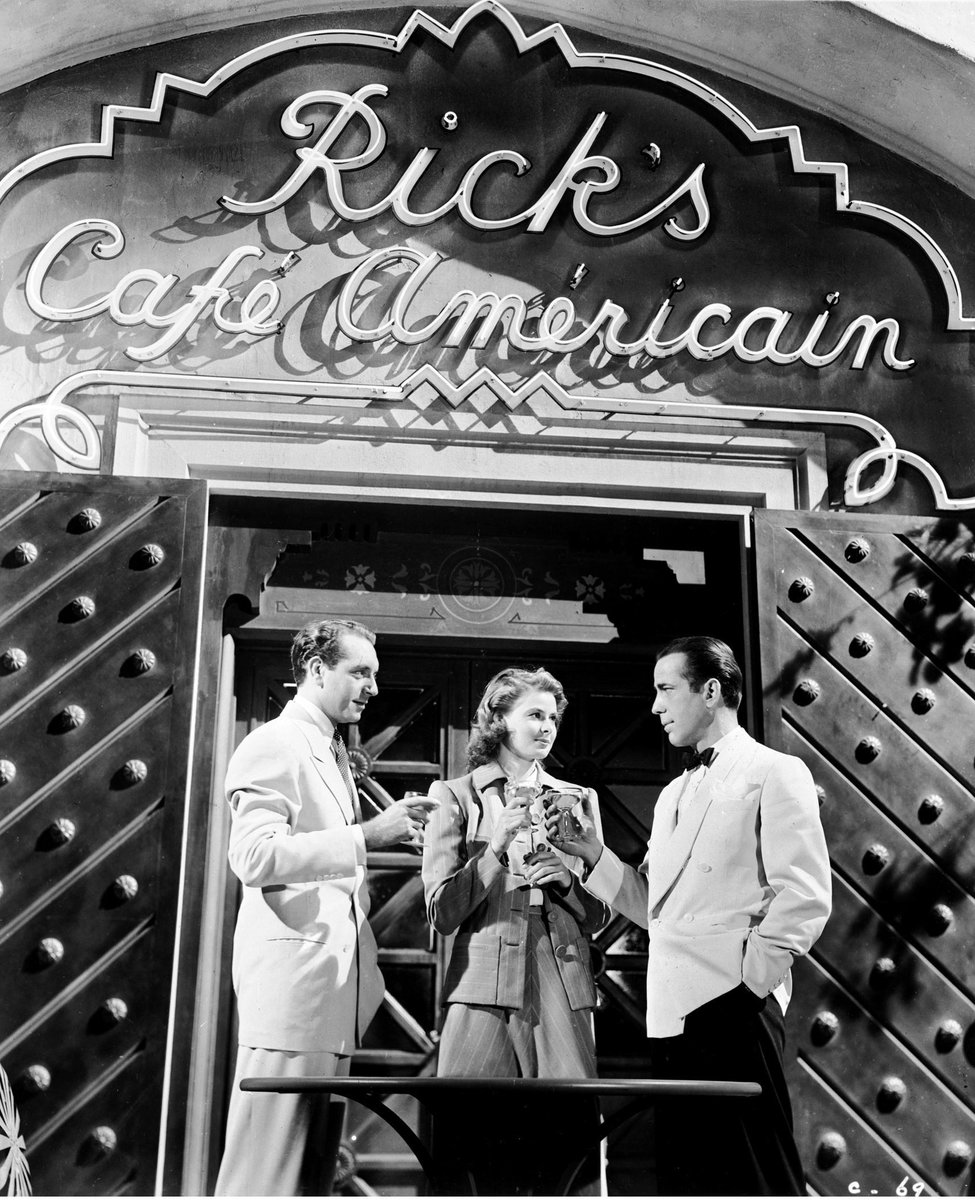
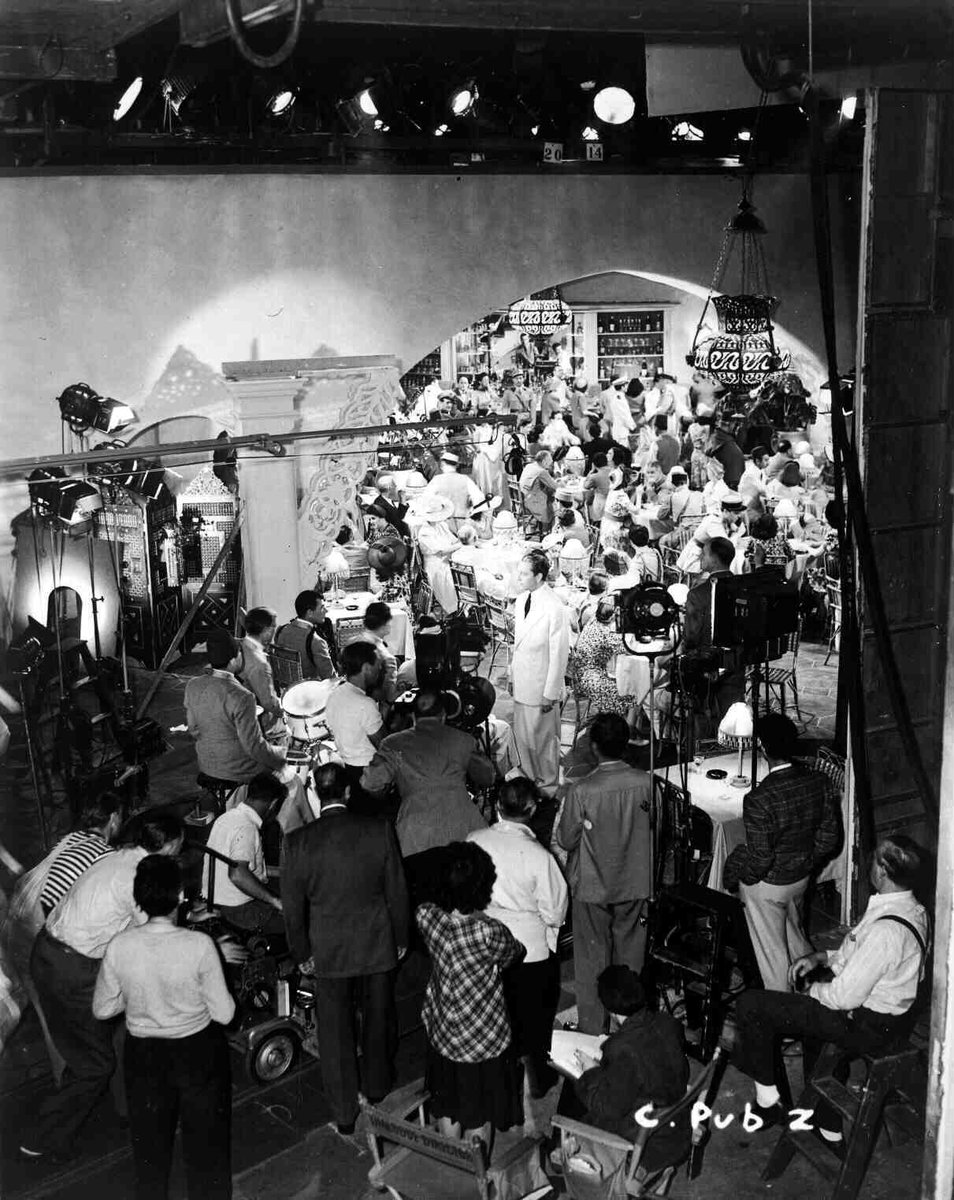
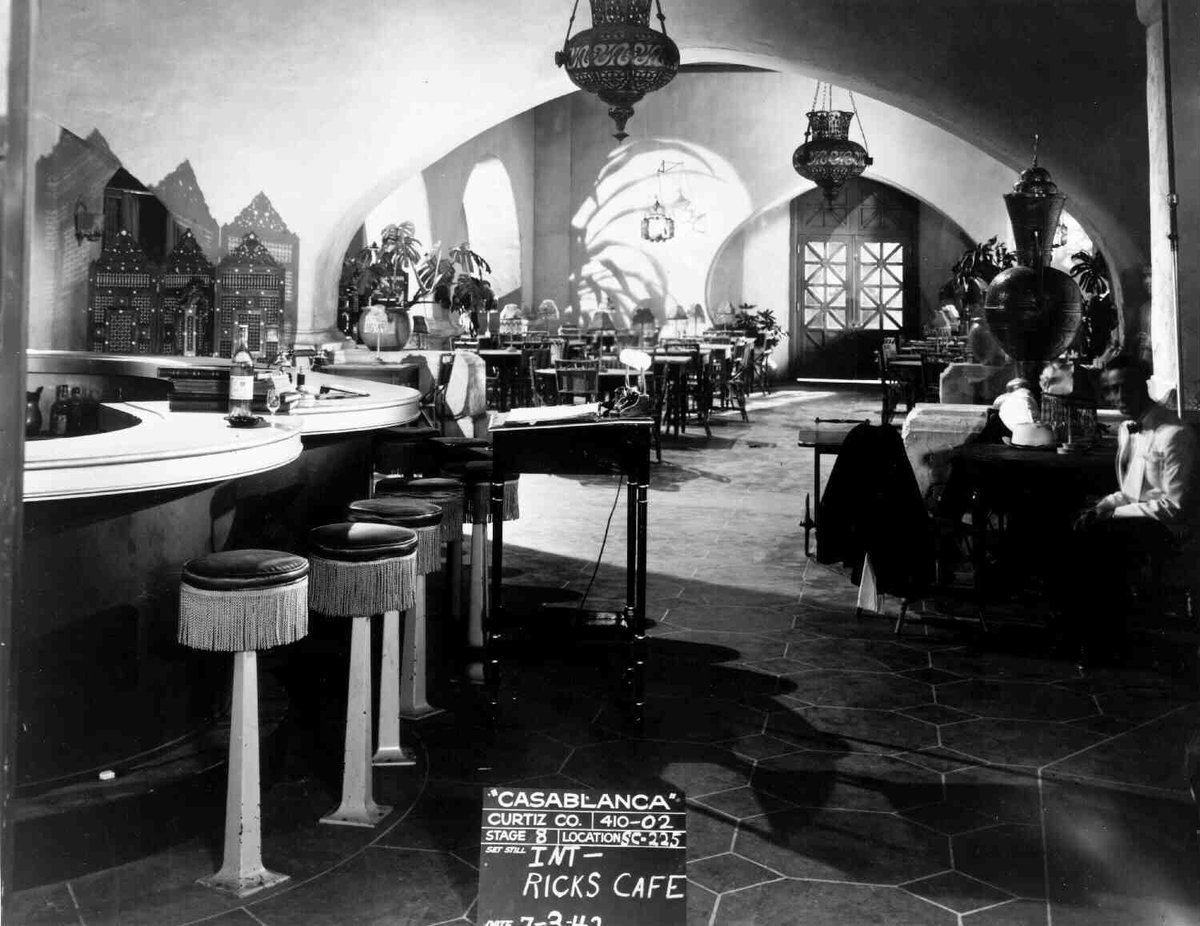
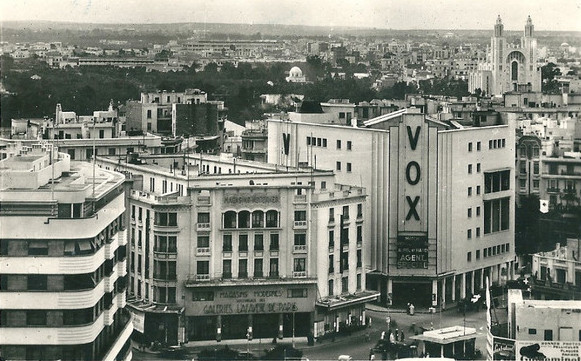
The music was composed by Max Steiner. The piece heard over the opening credits wasn’t an original composition - Steiner had written and used the theme for The Lost Patrol in 1934. He altered the tempo, key, and arrangement, and re-recorded it for Casablanca.
34/53
34/53
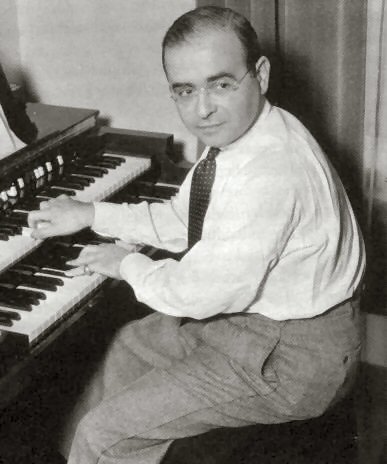
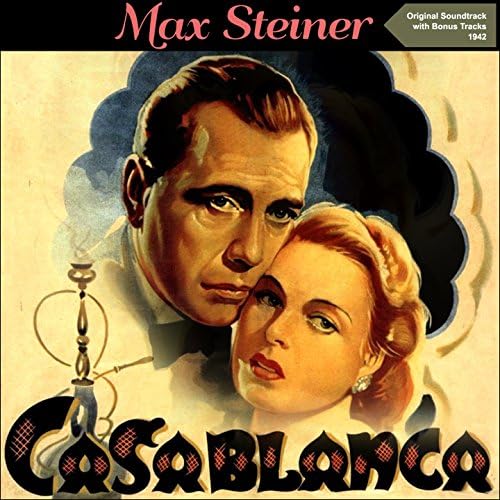
As Time Goes By was written by Herman Hupfeld for the Broadway musical, Everybody's Welcome. Hupfield had been a college roommate of Murray Burnett and the song was written into the play. After the film was released, the song stayed on the US Hit Parade for 21 weeks.
35/53
35/53
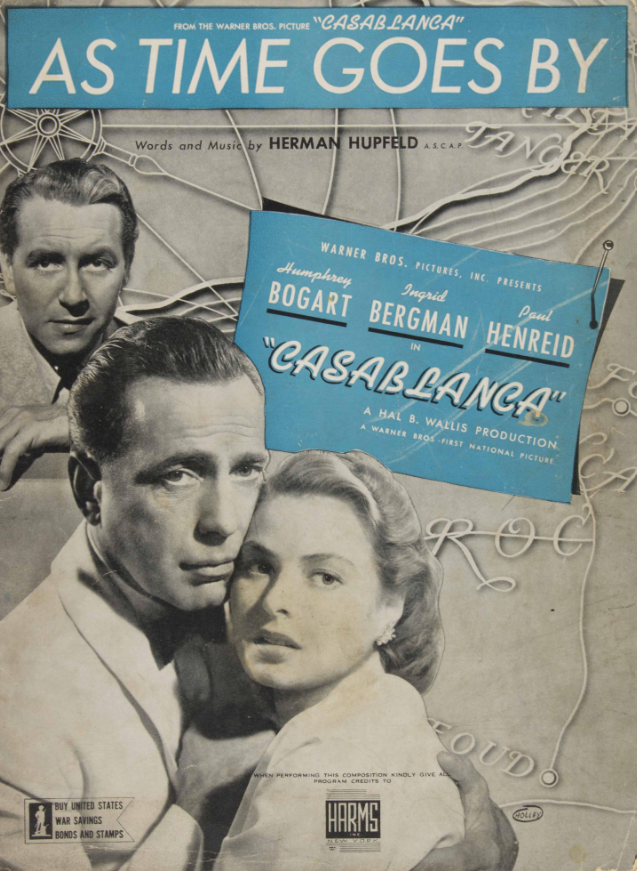
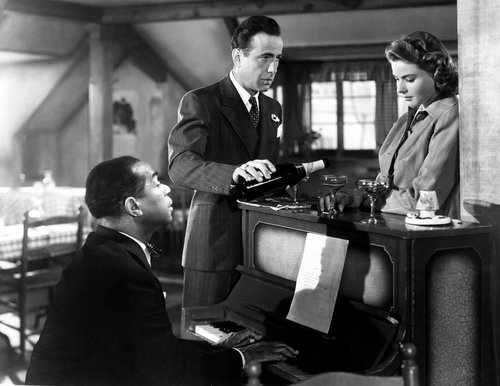
After filming wrapped, Max Steiner tried to have As Time Goes By removed from the film as it wasn't his. He said he’d rather write something original (and receive royalties). However, since filming, Bergman had cut her hair short for For Whom the Bell Tolls so reshoots weren’t possible.
36/53
36/53
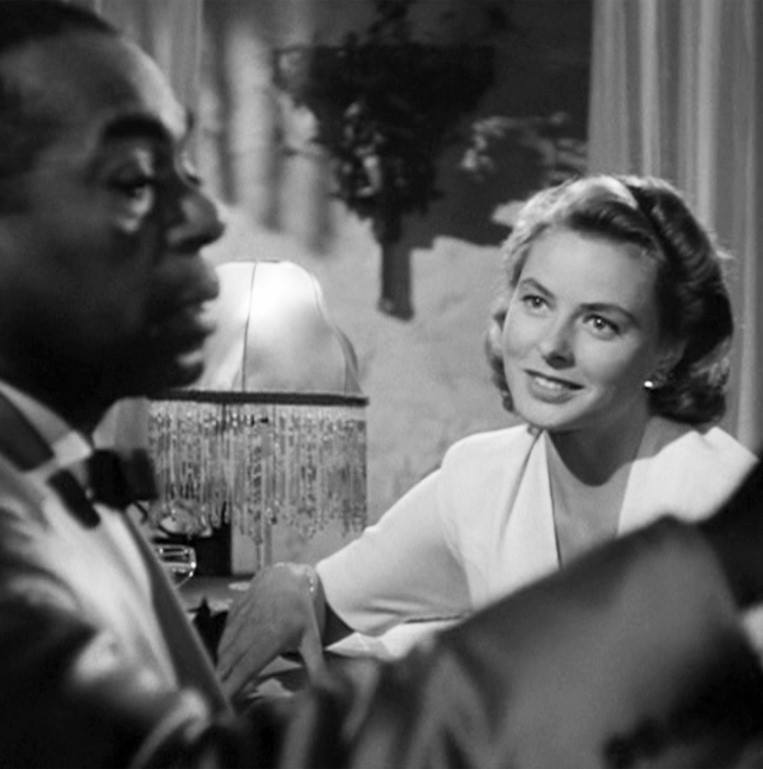
Two other composers - M.K. Jerome and Jack Scholl are listed in the opening titles with a credit for "Songs." They actually have just the one son in the film, called Knock On Wood. ("Knock on Wood"). The other song they wrote, Dat's What Noah Done, was cut late in the edit.
37/53
37/53
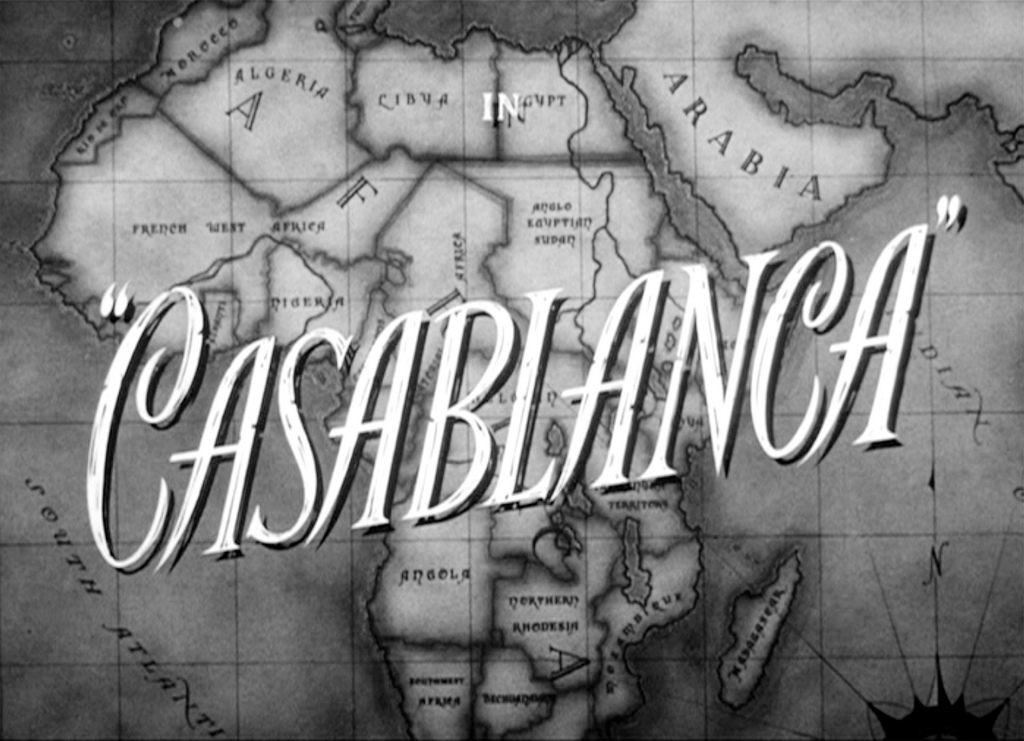
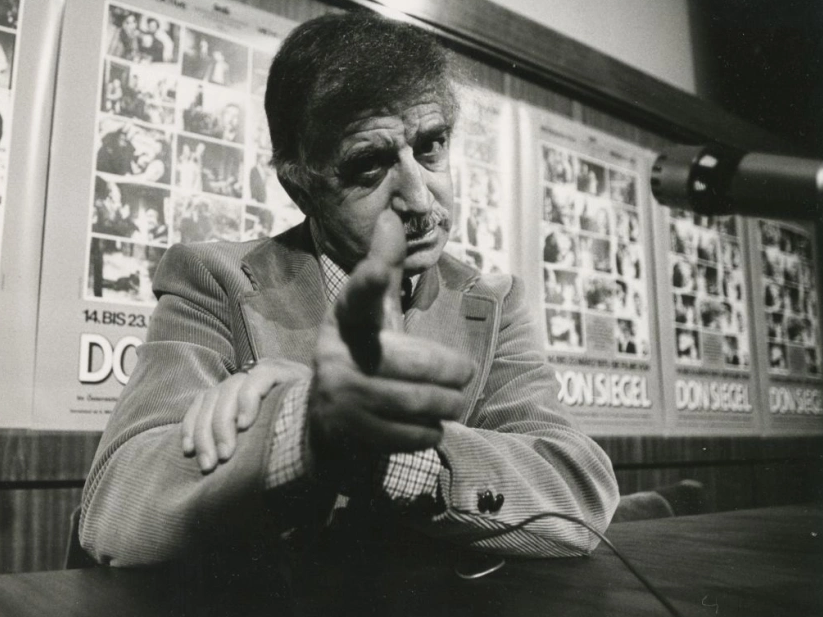
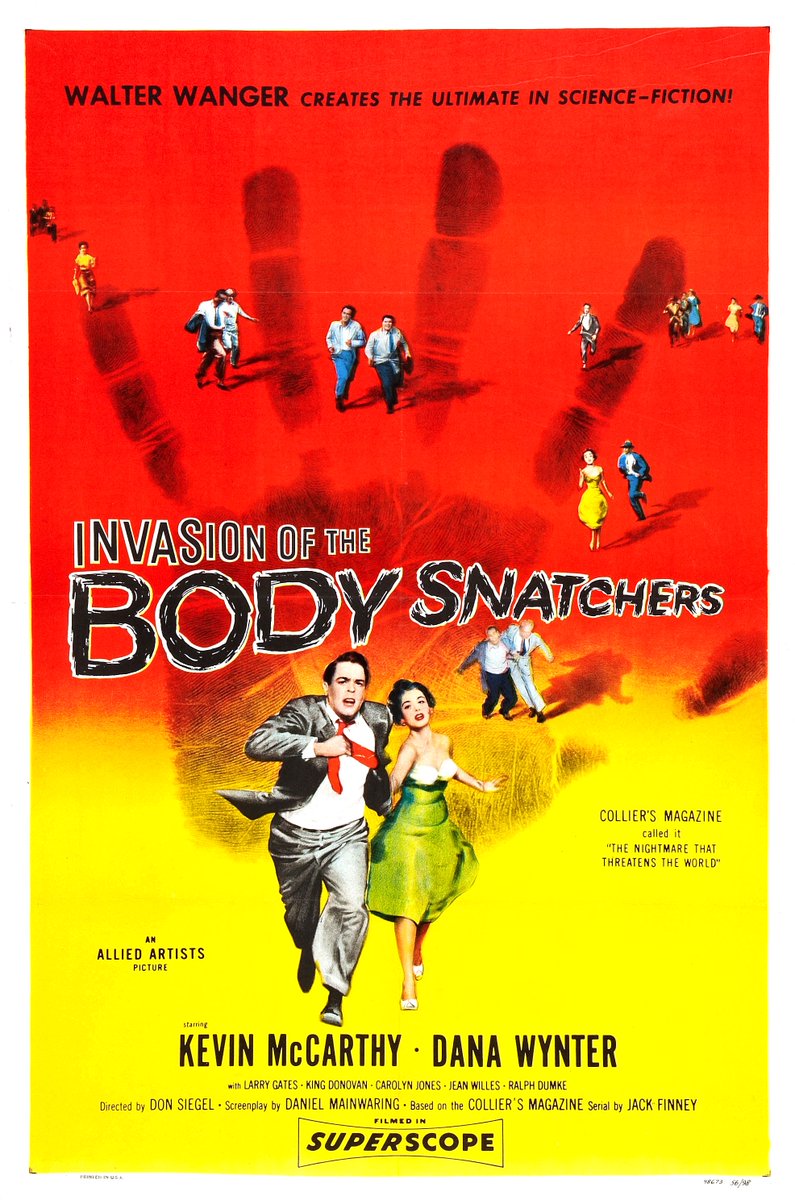
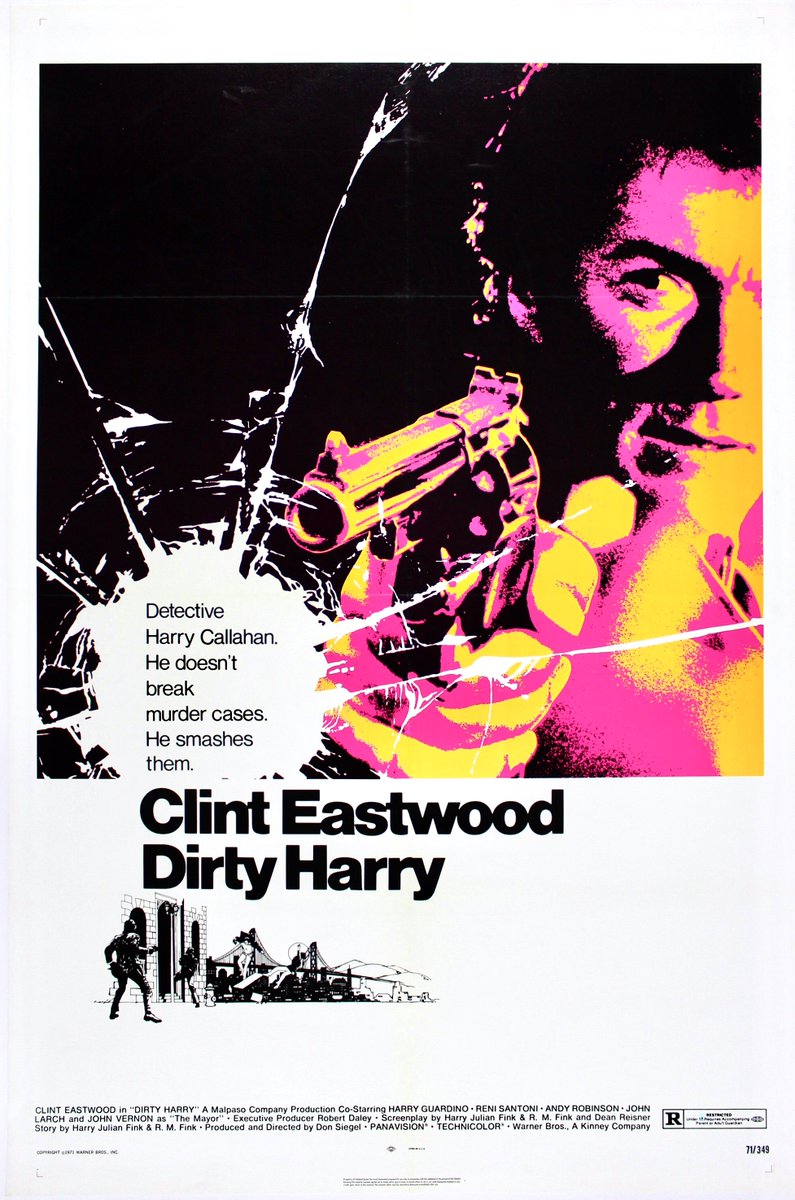
The opening scene is the famous map sequence with narration that explains how WWII refugees ended up in Casablanca. The sequence was actually created by a young Don Siegel, who would go on to direct Invasion Of The Body Snatchers and Dirty Harry.
38/53
38/53
The first time we see Rick is a shot of him playing chess - Bogart’s own favourite pastime. The position of the pieces was from a game of Bogart's that he was playing via mail correspondence.
39/53
39/53
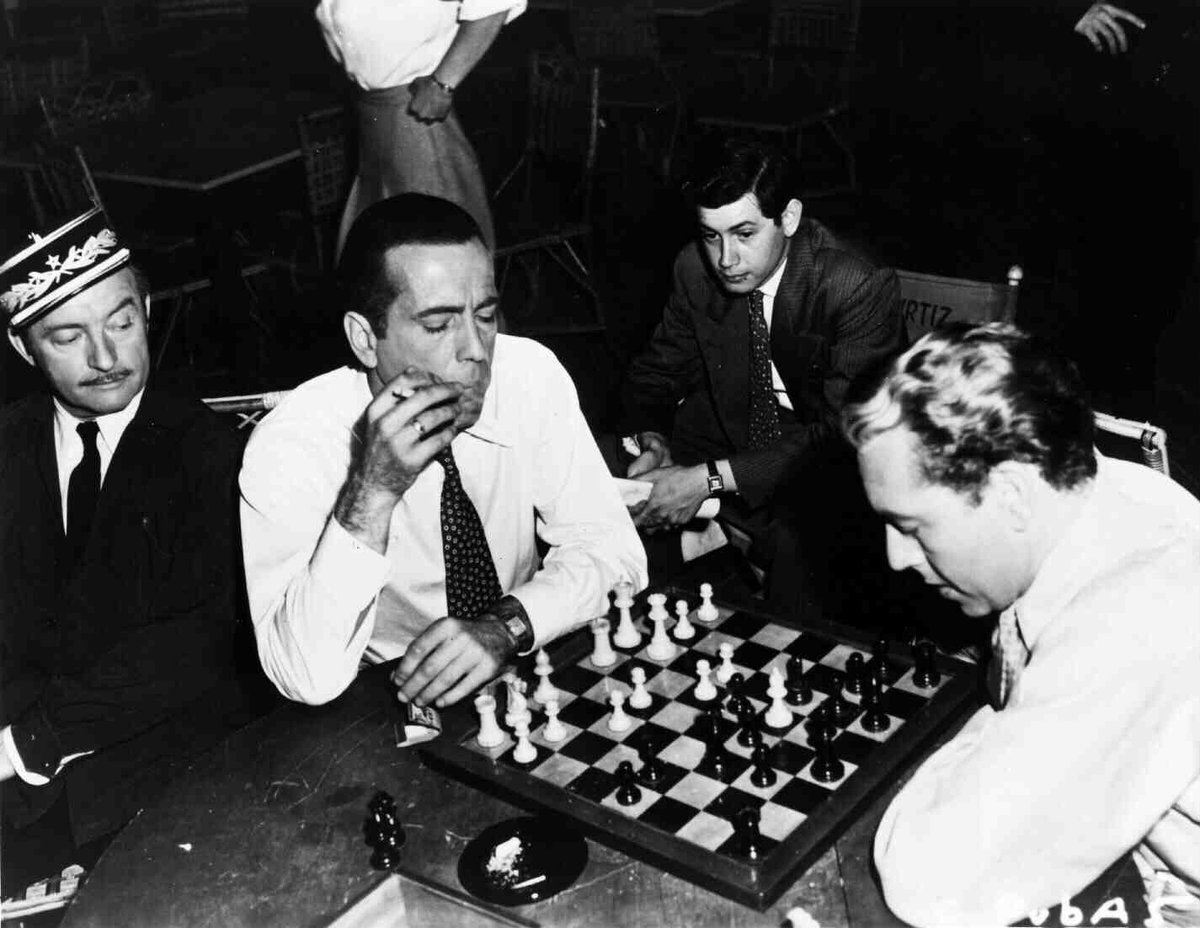
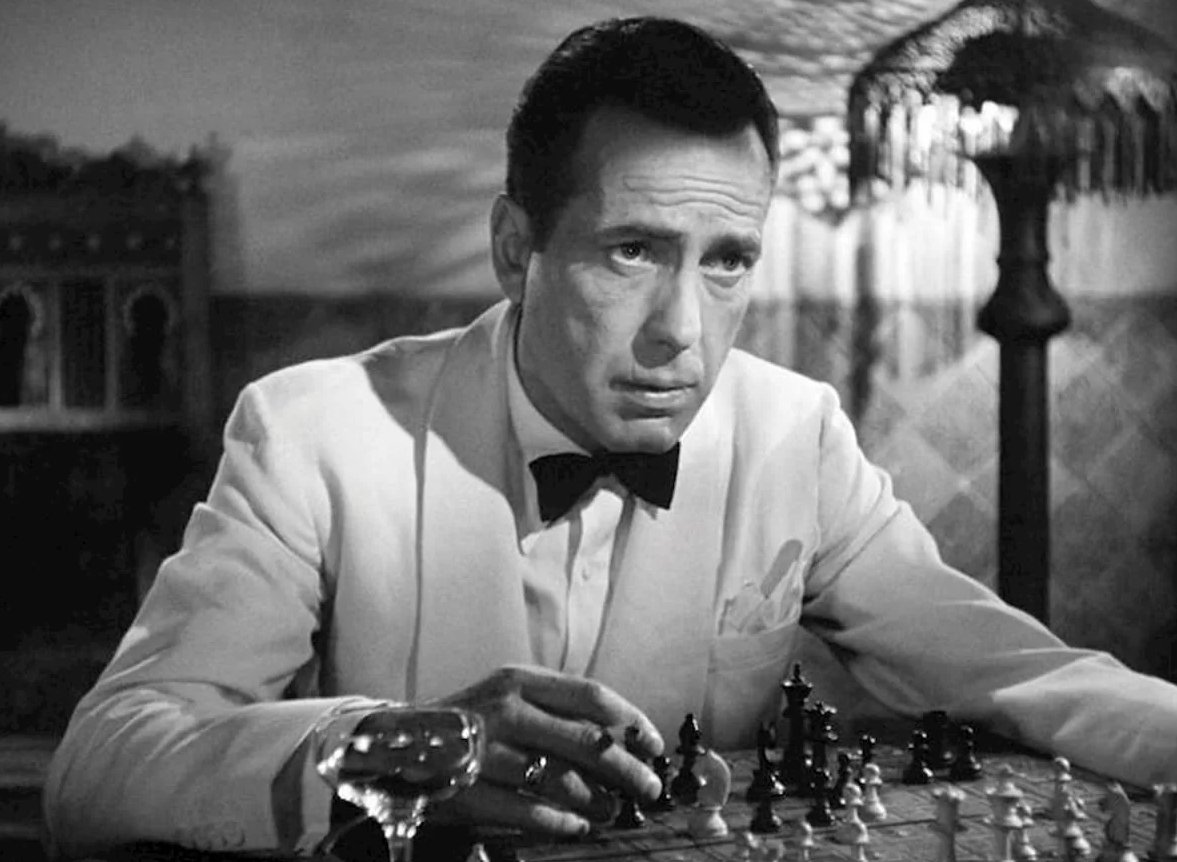
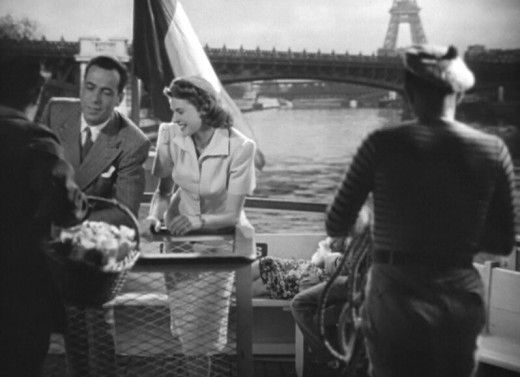
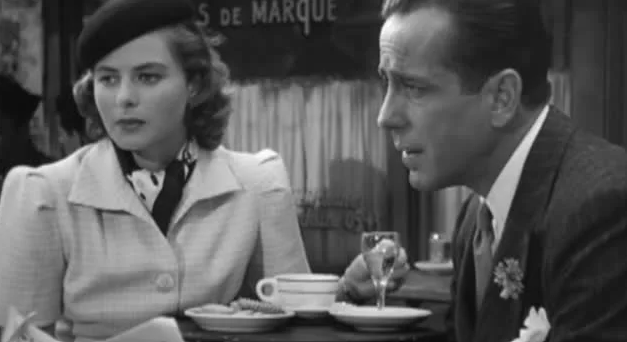
The first scene was one of the Paris flashbacks. Bogart apparently said "I'm not up on this love stuff and don't know what to do". Because the script wasn’t yet finished, Bergman didn't know whether Ilsa was supposed to be in love with Rick or Victor. Curtiz said “play it in between."
40/53
40/53
Dooley Wilson was a professional drummer, not pianist, so had to fake his playing as Sam. The music was recorded live on the set by session musician Jean Vincent Plummer, who was sat behind a curtain so Dooley could watch and copy his hand movements.
41/53
41/53
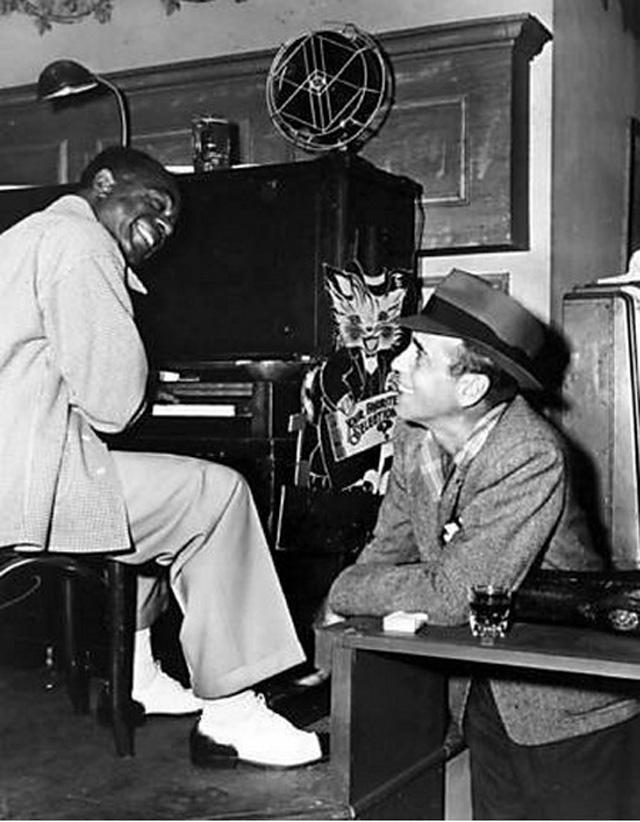
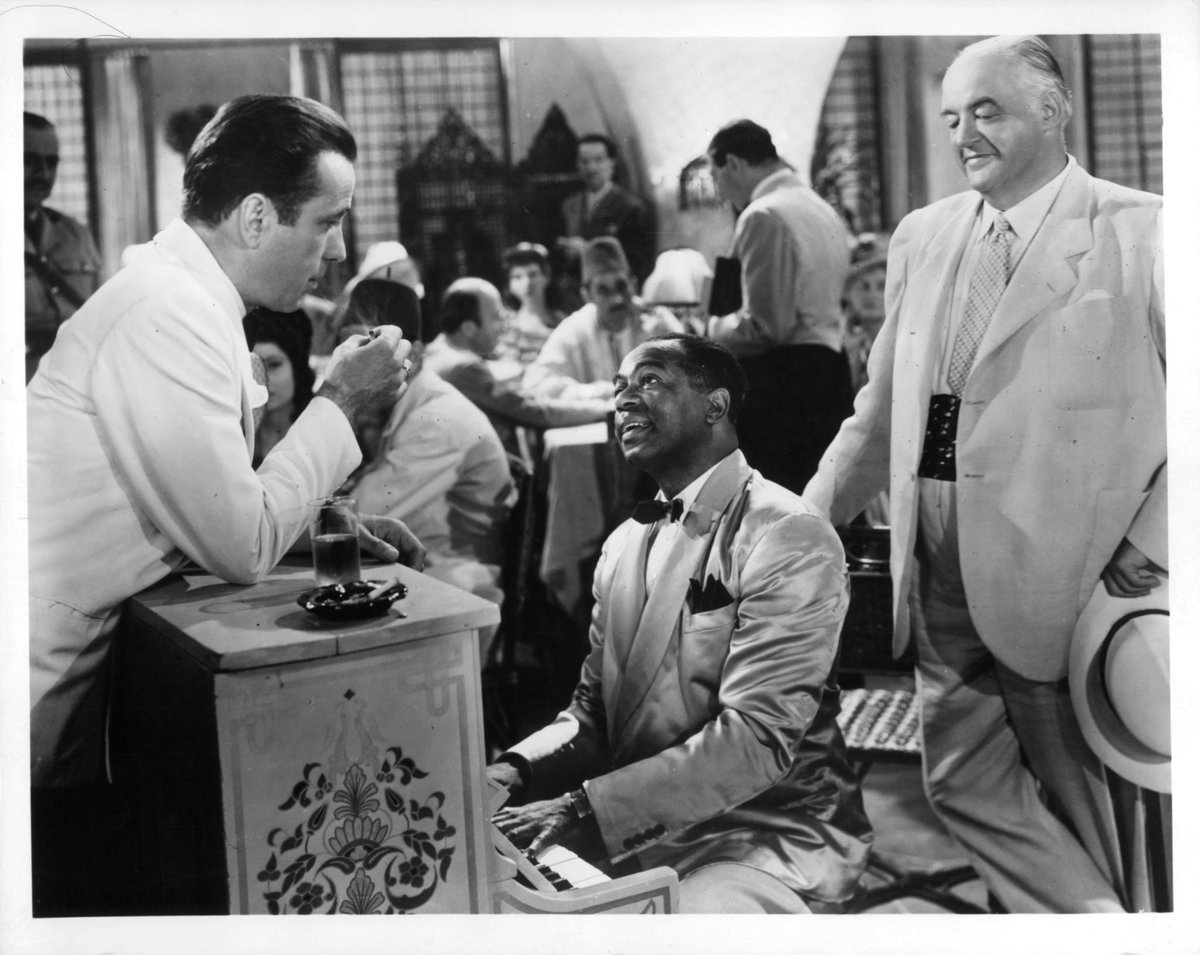
Curtiz himself was a Jewish-Hungarian immigrant, and his accent caused some confusion on set. One time, he reportedly asked a prop man for a "poodle". When the prop man found one and brought it to set, Curtiz yelled: "A poodle! A poodle of water!"
42/53
42/53
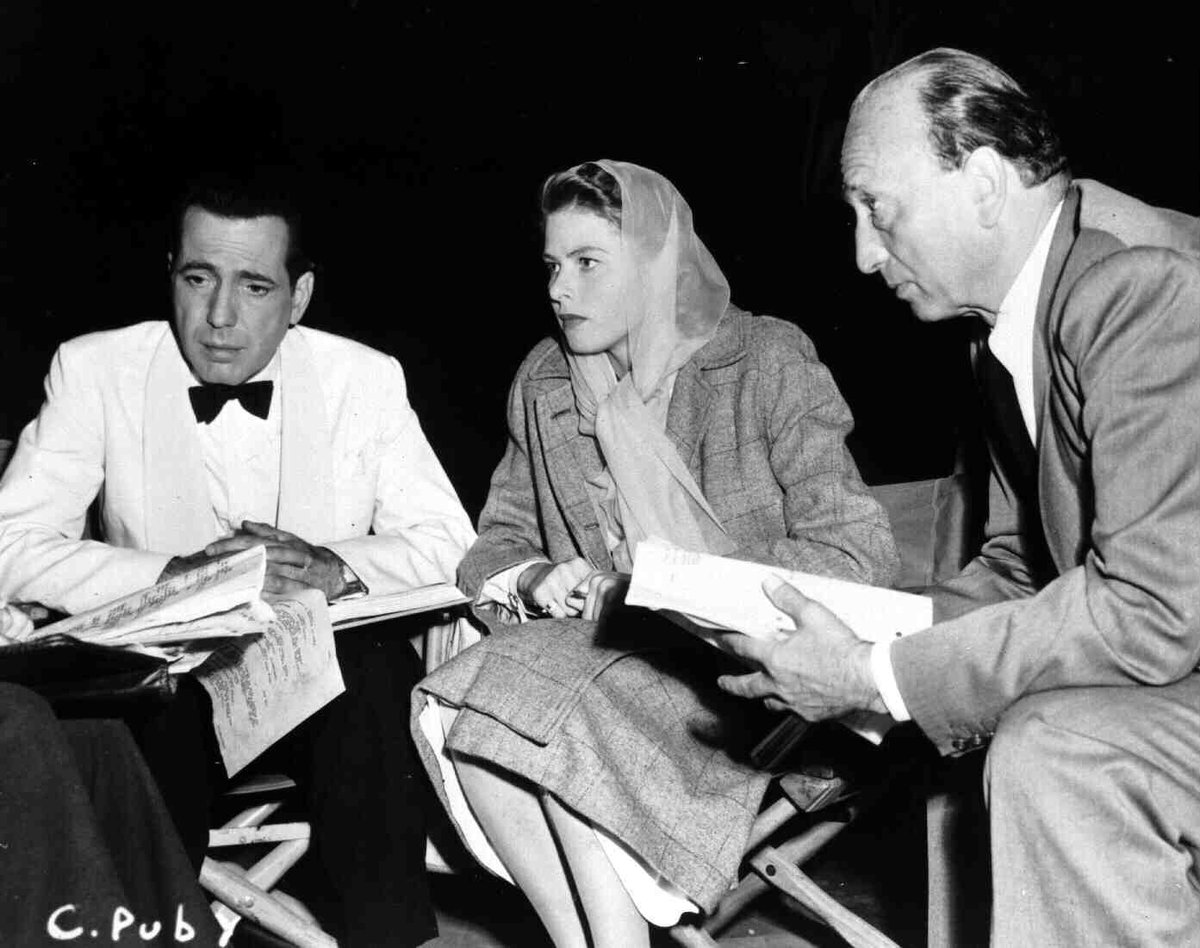
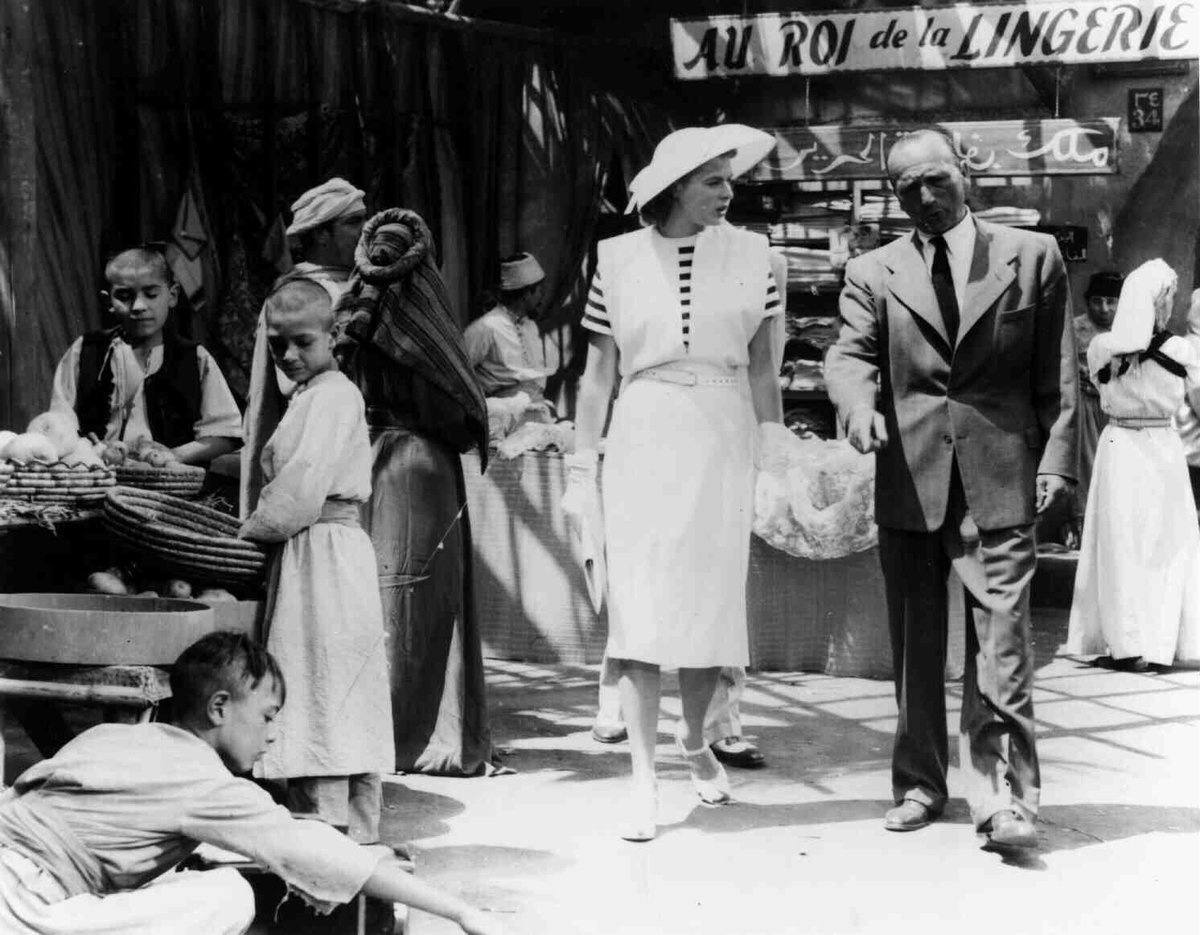
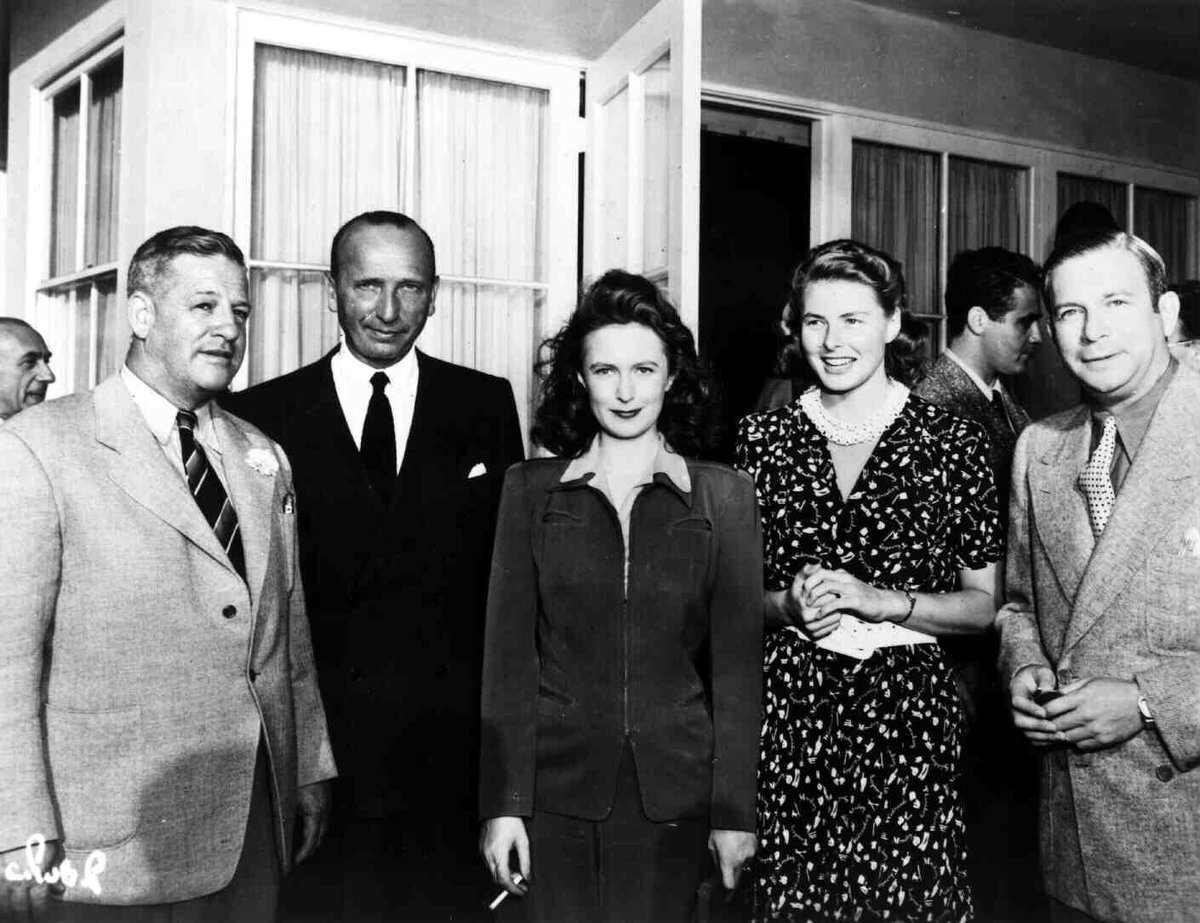
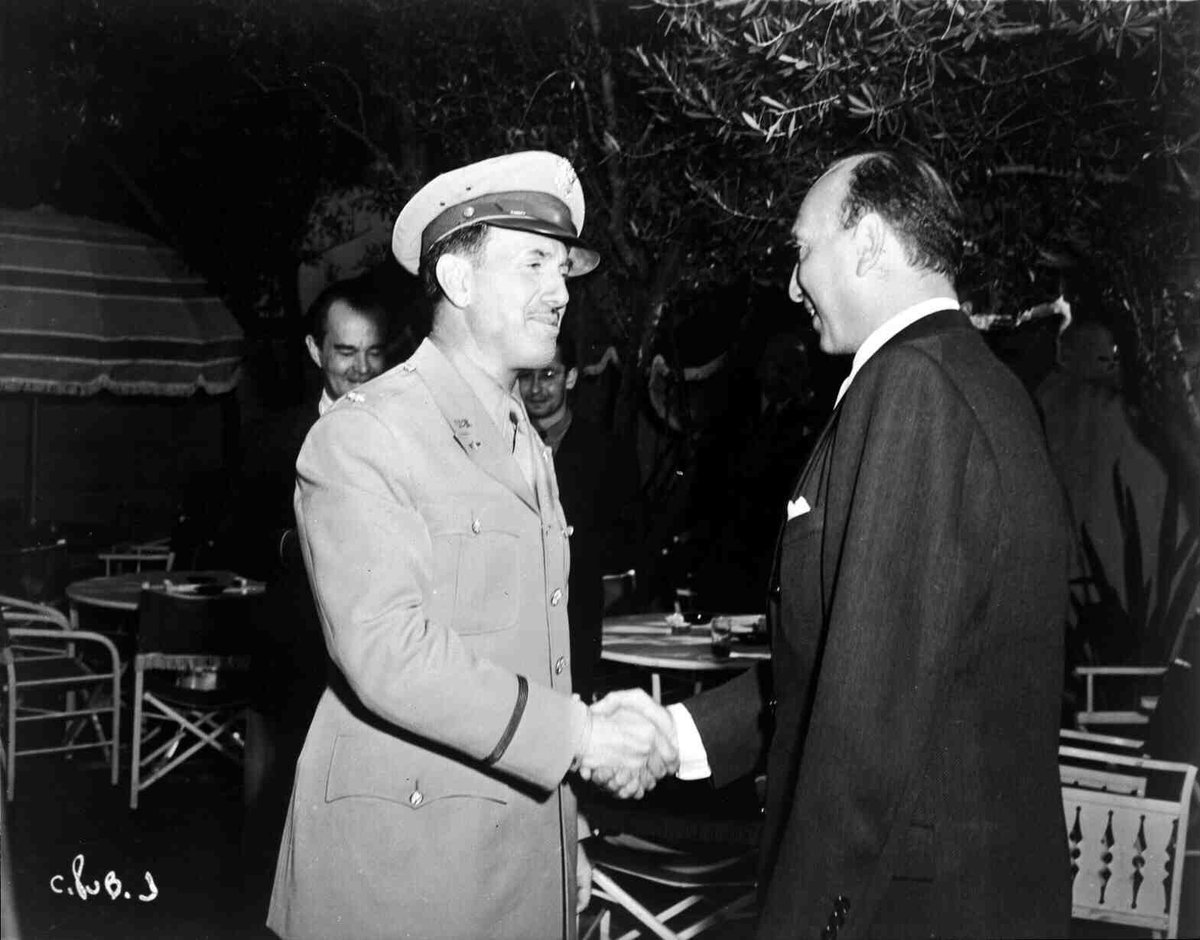
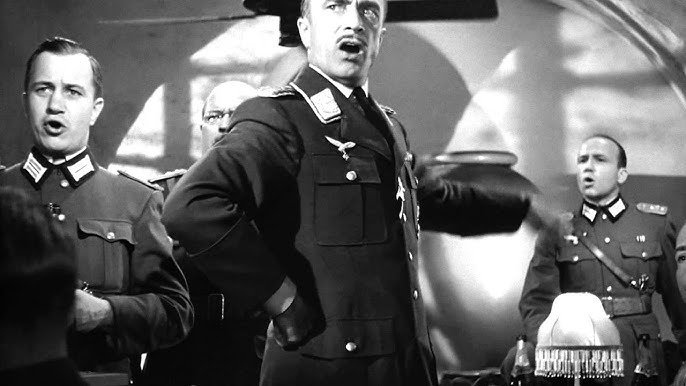
Filming the famous scene in which La Marseillaise is sung to drown out Die Wacht am Rhein, many extras were real refugees and cried on the set. The scene was inspired by La Grande Illusion from 1937, where French soldiers in a POW camp sing the song as an act of defiance.
43/53
43/53
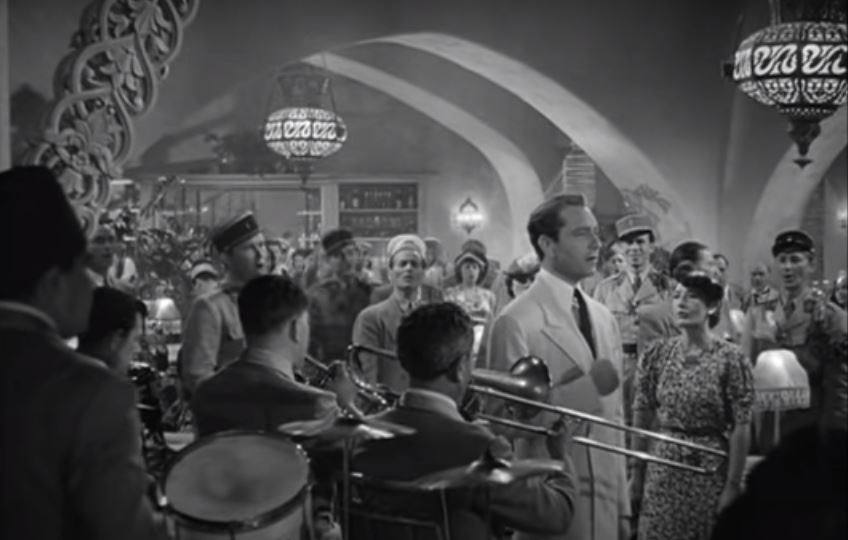
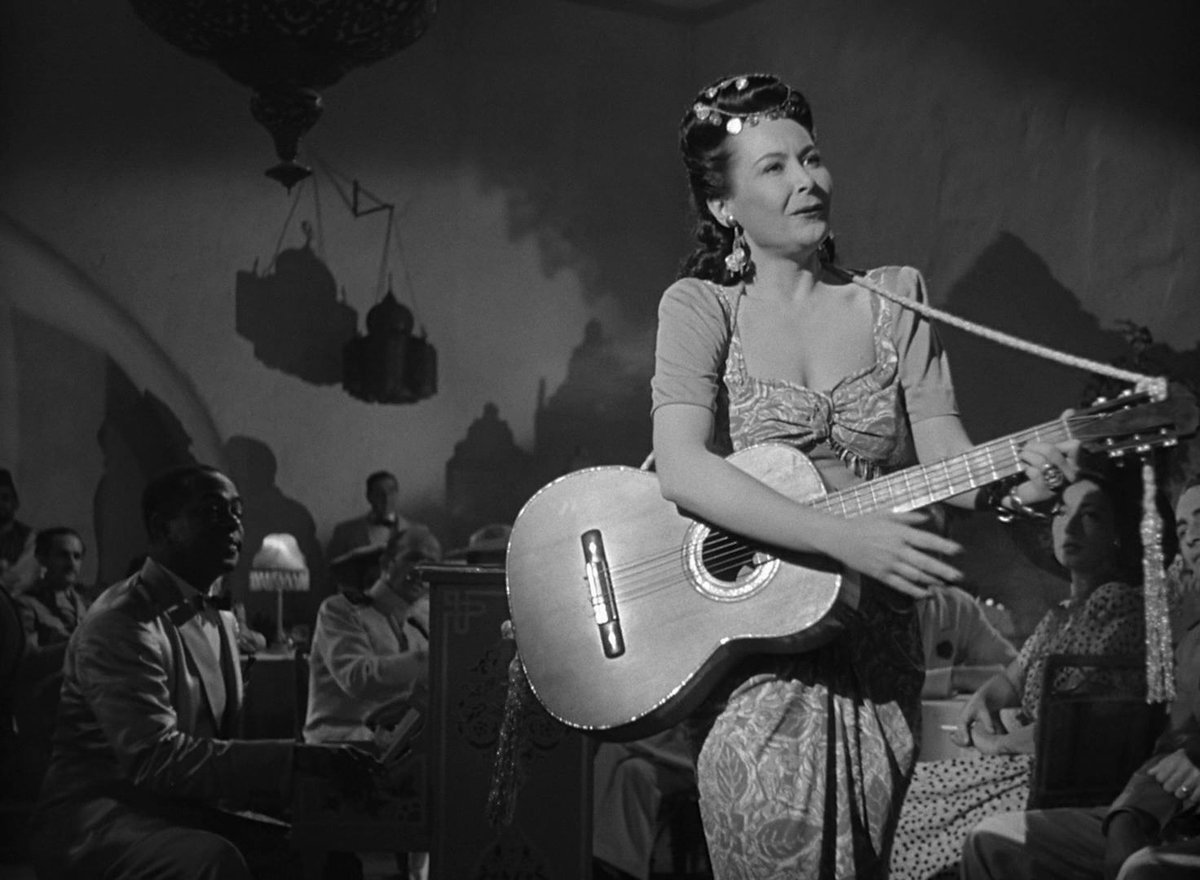
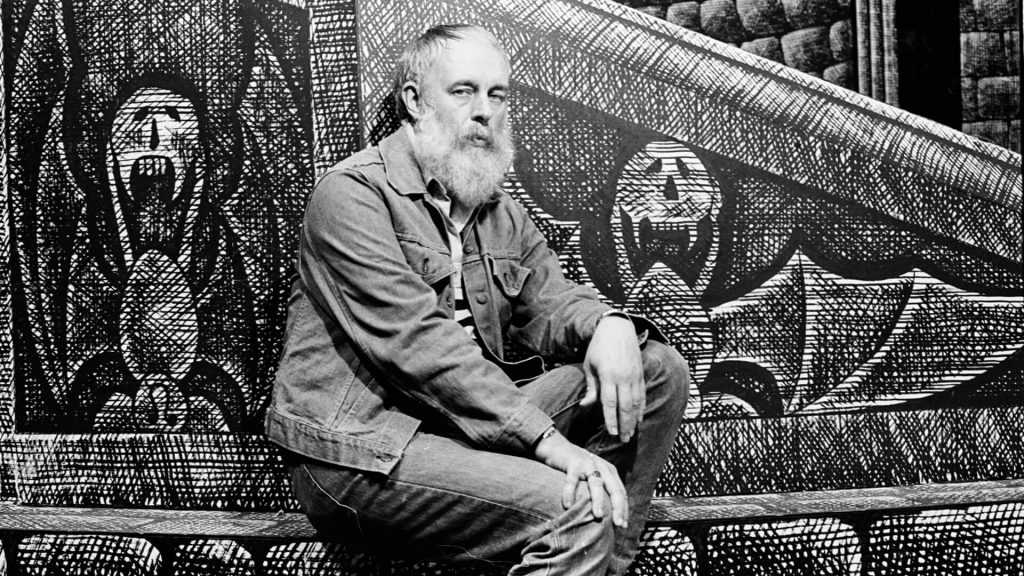
The Rick’s Cafe singer seen sitting on a guitar in the La Marseillaise is Corinna Mura. She was a cabaret actress and singer, and stepmother of Tony Award-winning artist Edward Gorey.
44/53
44/53
Because filming took place after Pearl Harbour, when airports couldn’t be lit after dark for fear of making it a bombing target, the famous finale was shot on a sound stage with a cardboard cutout airplane. To give the illusion the plane was huge, little people played the crew.
45/53
45/53
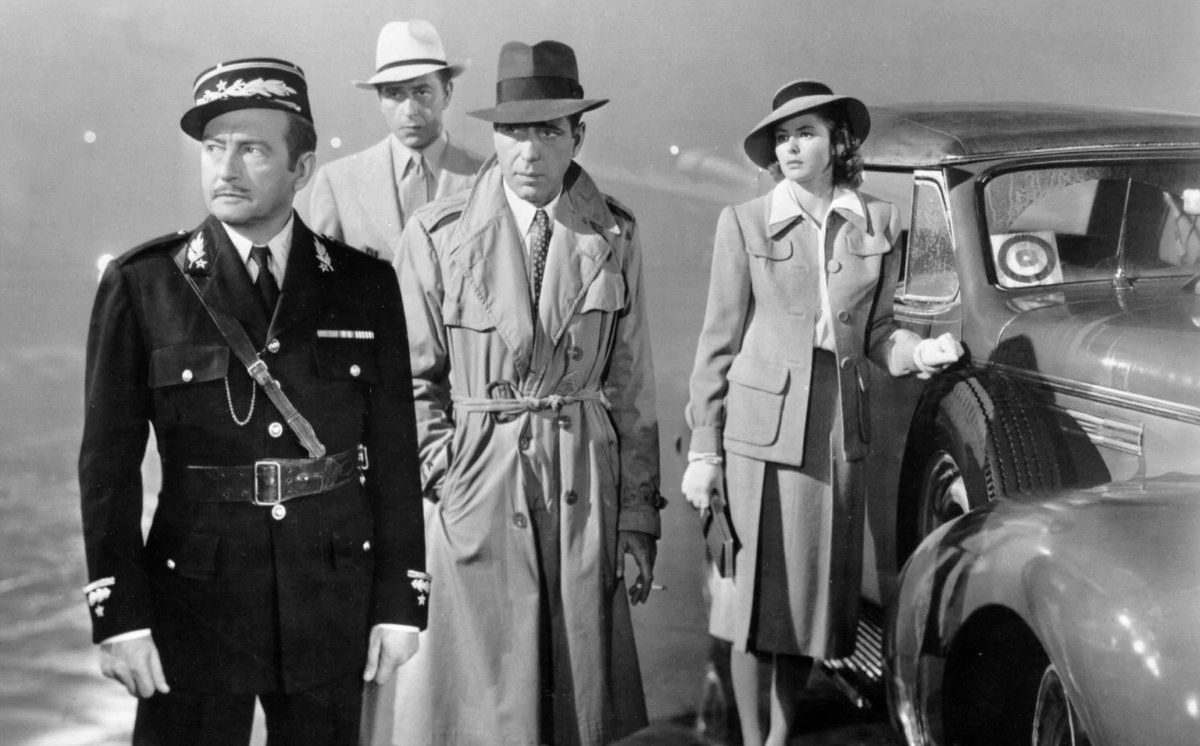
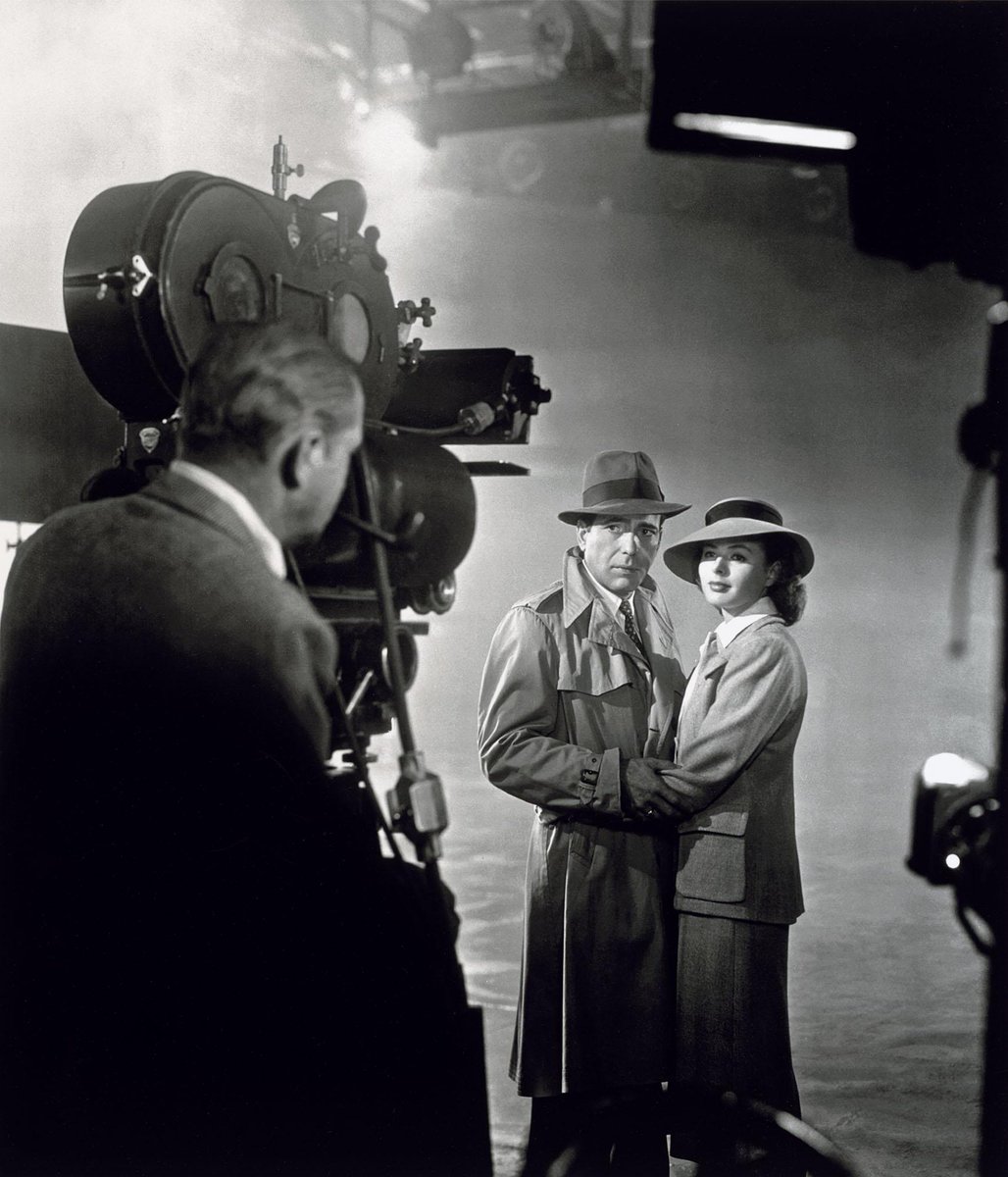
Originally, there were plans for a final scene. We saw Rick, Renault and a group of French soldiers on a ship. The idea was to incorporate the Allies' real 1942 invasion of North Africa. It was scrapped however when Wallis said "it would be a terrible mistake to change the ending."
46/53
46/53
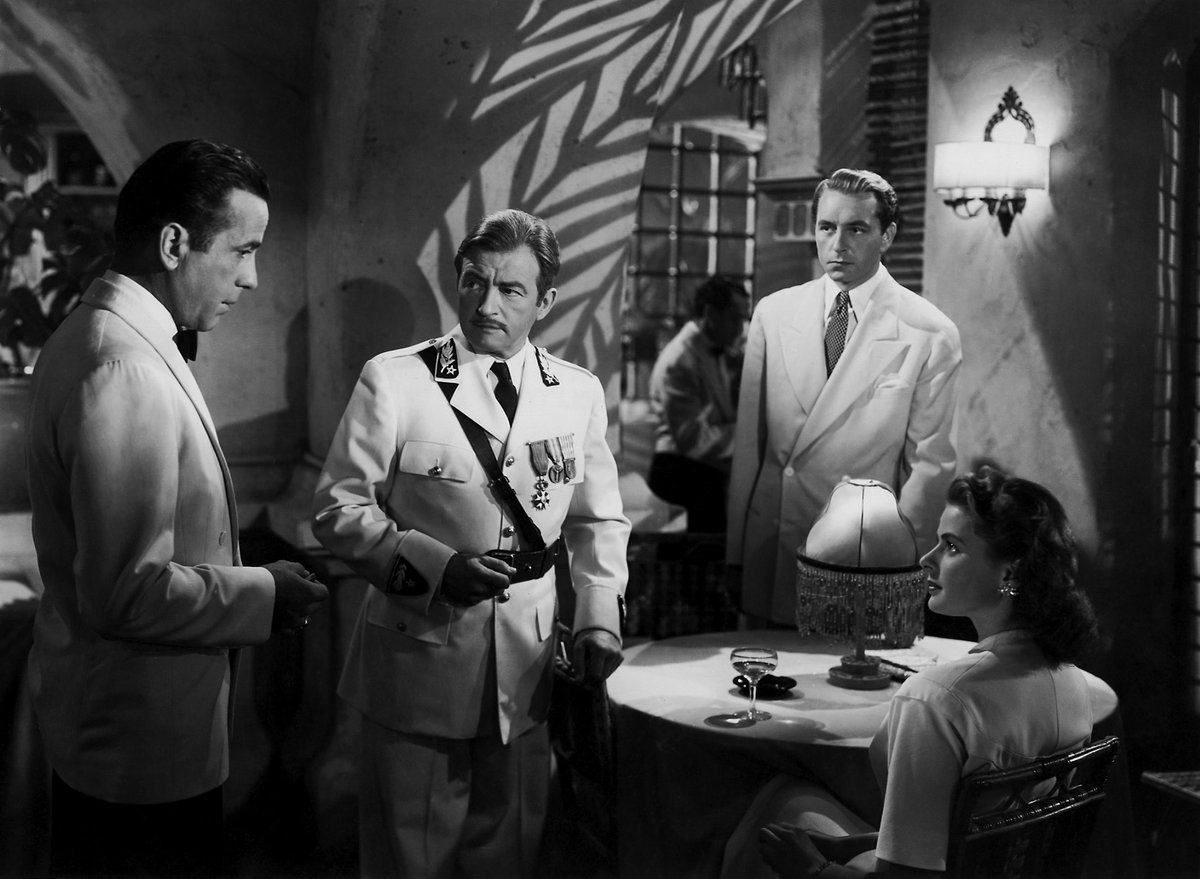
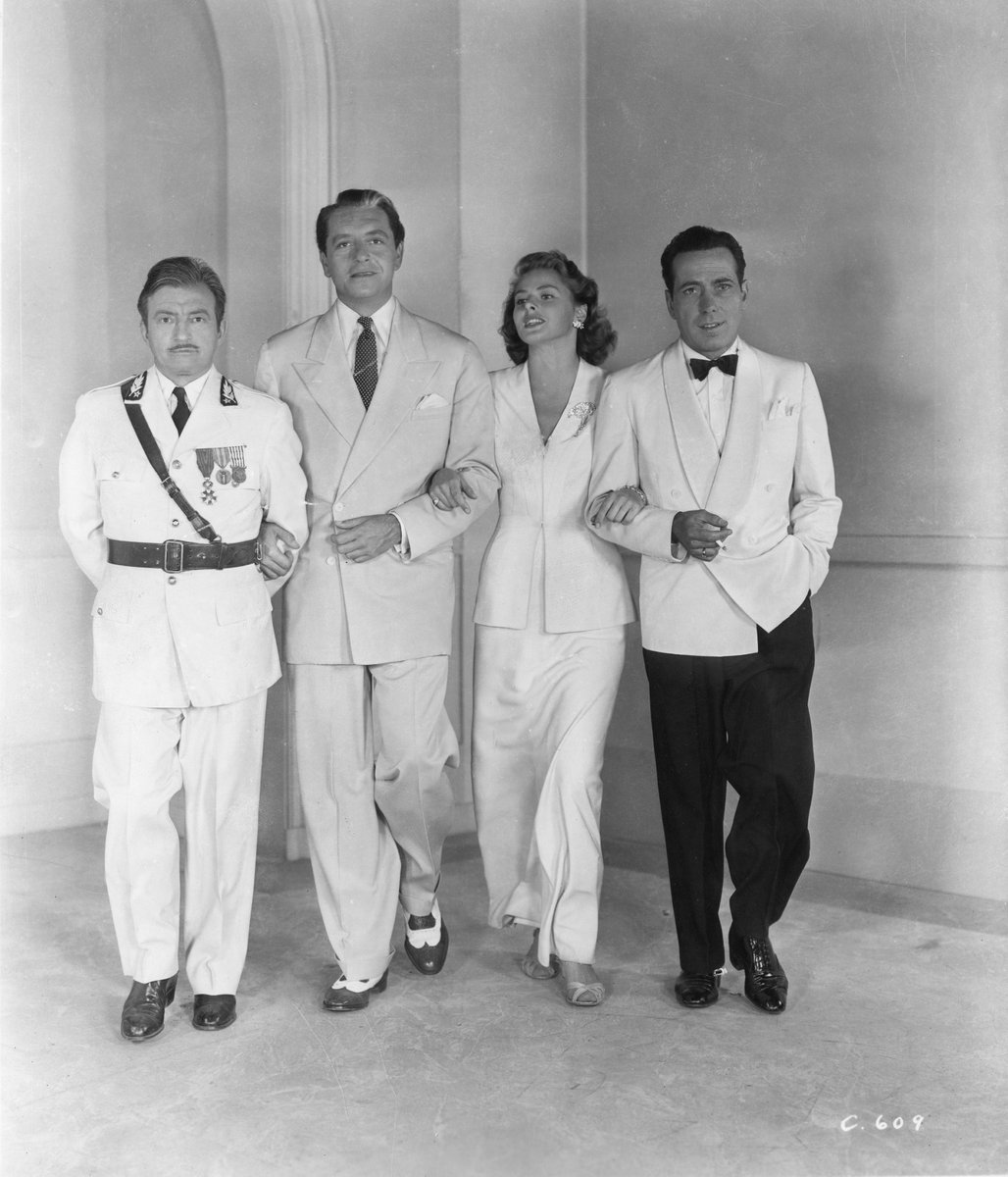
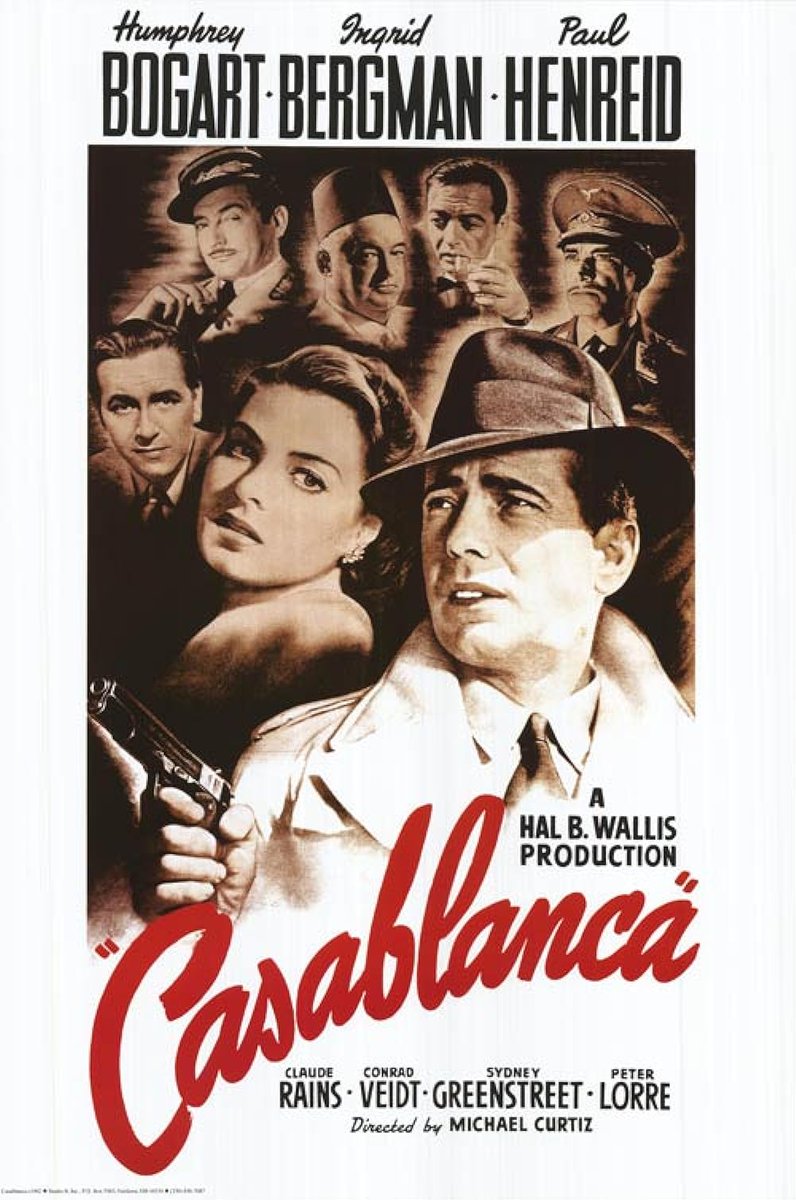
The famous poster features an illustration of Bogart as Rick wielding a gun and wearing a fedora. It was copied almost exactly from a shot from the Bogart-starring Across The Pacific. Artist Bill Gold repainted it to be photorealistic.
47/53
47/53
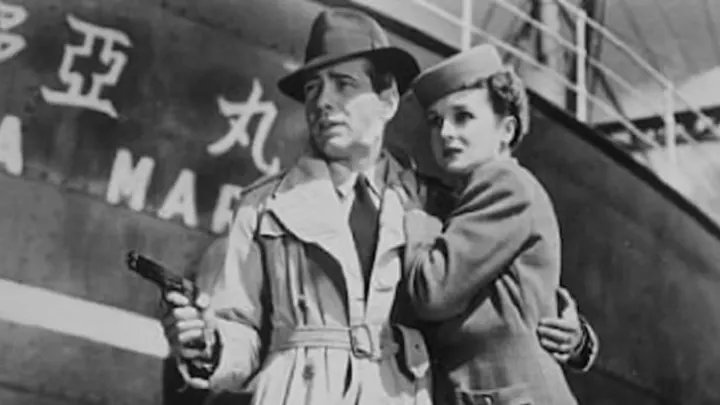
Due to its anti-Nazi theme, the film was not released in Germany until 1952. Even then, it was shown heavily censored with all references to Nazism removed. Resistance fighter Laszlo became a Norwegian atomic physicist and the La Marseillaise sequence was deleted.
48/53
48/53
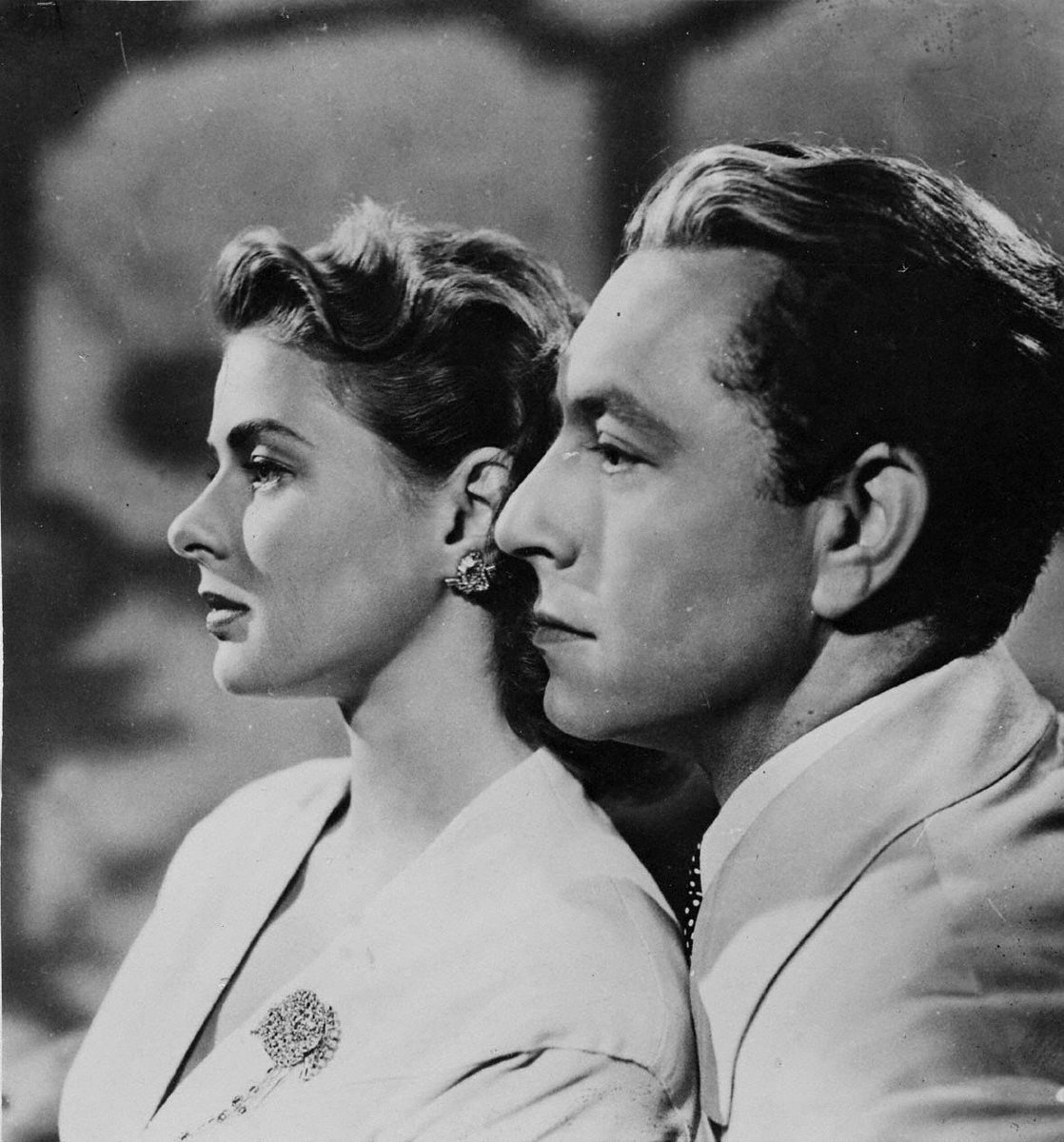
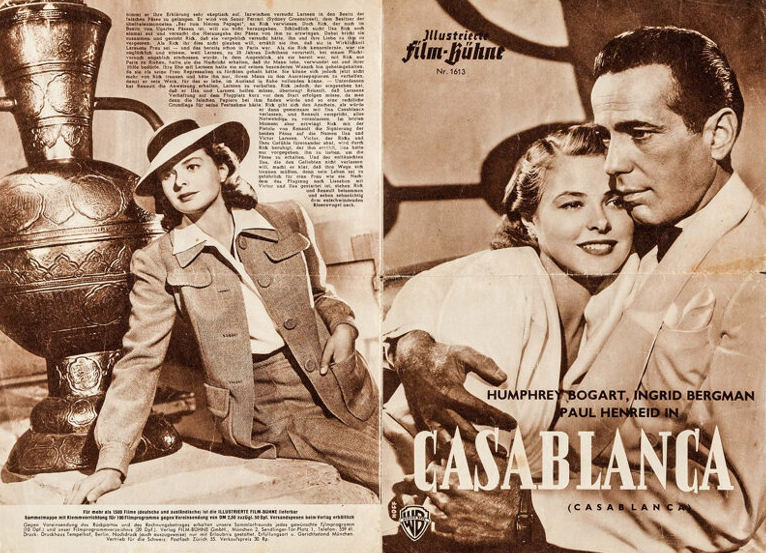
At the Oscars, Casablanca won Best Director for Michael Curtiz. And when it won Best Picture, WB head Jack Warner went up before producer Hal Willis, who was enraged, and left WB shortly after. Academy rules were later changed so producers, not studio heads, get the award.
49/53
49/53
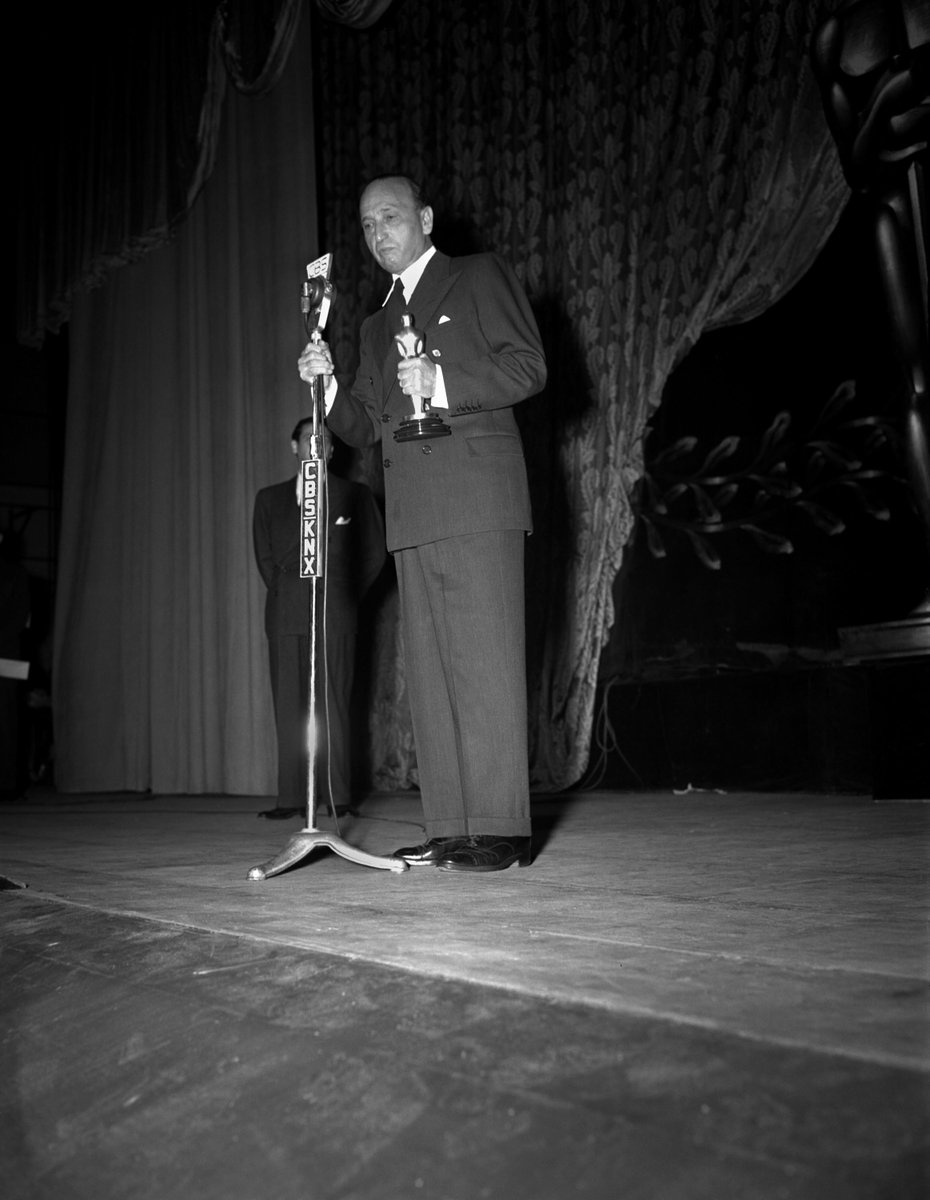
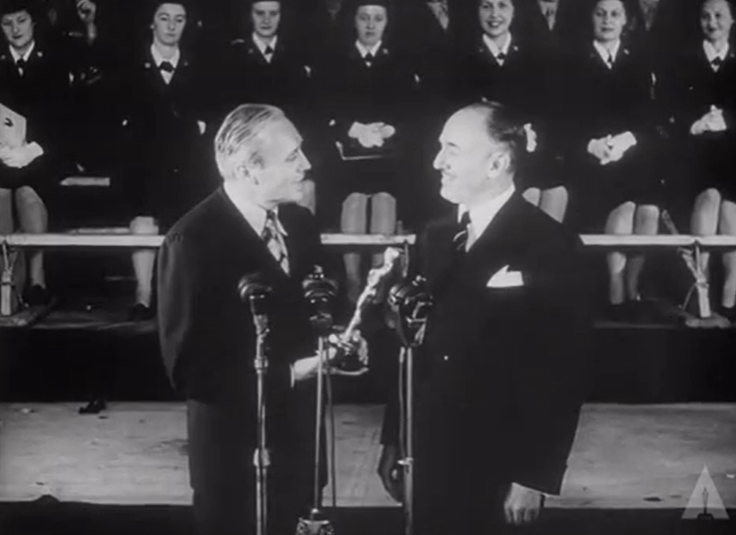
The film also won Best Screenplay, making Julius and Philip Epstein the first Oscar-winning twins in history.
50/53
50/53
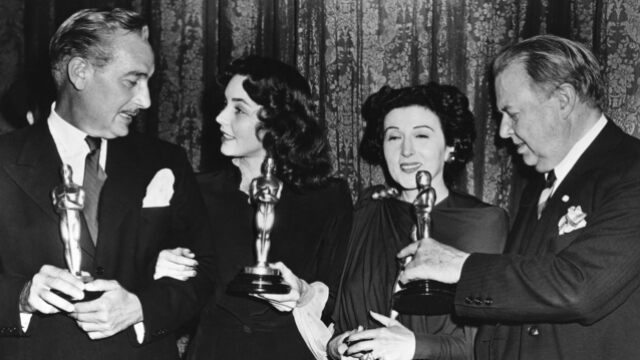
On a budget of approx $900k, it took $6.9m at the box office, making it a huge hit. And today, Casablanca is widely regarded as one of the greatest and most influential films to come out of Hollywood.
51/53
51/53


Because of the huge success of the film, Warners had plans for a sequel, to be called Brazzaville. Bergman wasn’t available, so Geraldine Fitzgerald was lined up to play Ilsa. It was rumoured to follow Rick on the trail of Nazi agents in Tangier, but the project was scrapped.
52/53
52/53

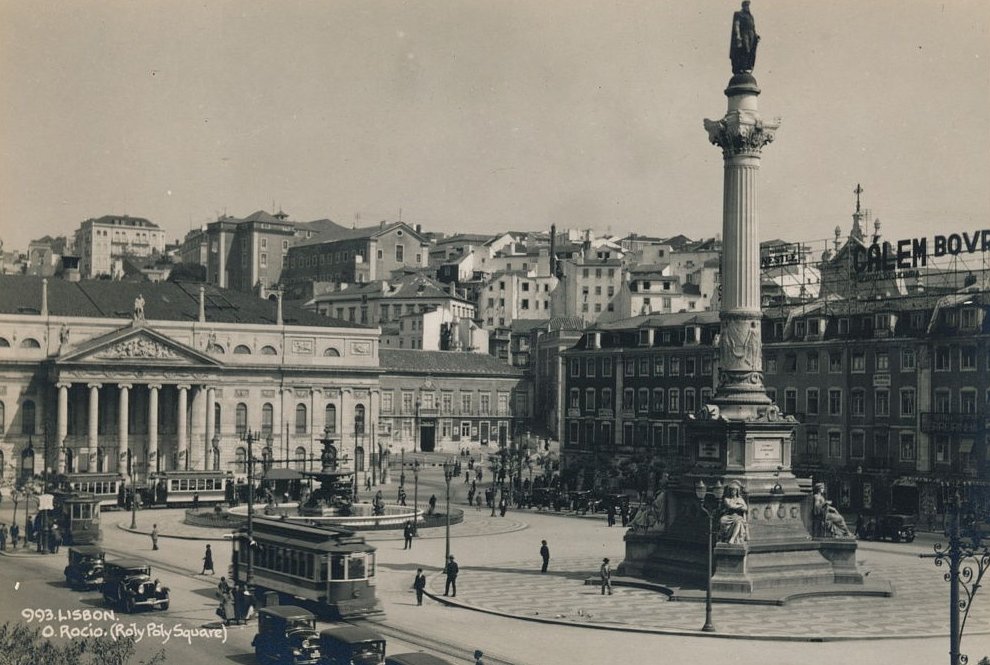
Finally… things could have been oh so different. Casablanca was chosen as the setting for the play (then film) as it was one of the major stops for refugees fleeing Nazi-occupied Europe. Originally, though, it was going to be set in Lisbon.
53/53
53/53

If you liked our story on the making of CASABLANCA, please share the opening post 😃
x.com
x.com
Loading suggestions...