

By 1942, Germany had lost 2 devastating World Wars
Everyone thought that it would never be able to economically recover from that low
But to everyone’s SHOCK, Germany has now become the 3rd largest economy in the world
THREAD: How Germany came out of shadow to substance🧵
Everyone thought that it would never be able to economically recover from that low
But to everyone’s SHOCK, Germany has now become the 3rd largest economy in the world
THREAD: How Germany came out of shadow to substance🧵
“If your country needs rebuilding, go to war with the US and lose.”
This means that if and when a country gets defeated in war, especially by major powers like the US, it receives significant aid for post-war reconstruction.
This assistance includes:
This means that if and when a country gets defeated in war, especially by major powers like the US, it receives significant aid for post-war reconstruction.
This assistance includes:
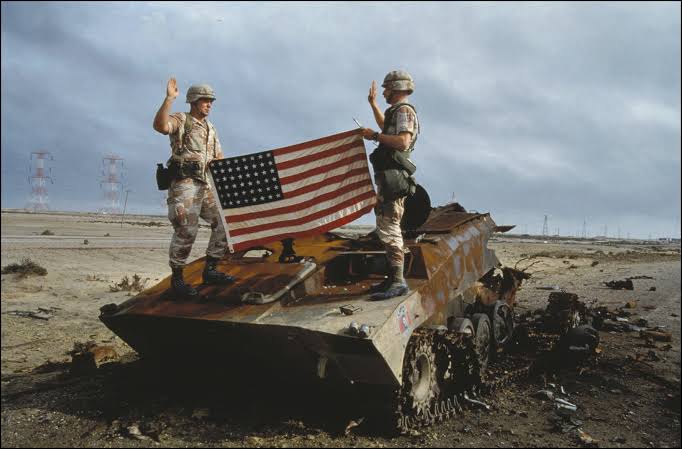
— financial aid & infrastructure support, which helps in rebuilding the economy.
While the idea of intentionally losing a war for these benefits may seem morally questionable,
it underscores the potential advantages of receiving international support during times of crisis.
While the idea of intentionally losing a war for these benefits may seem morally questionable,
it underscores the potential advantages of receiving international support during times of crisis.
This is exactly what happened in the case of Germany.
After the war, the US & UK advocated strongly for a self-sufficient Germany
— while some countries, like France, proposed stripping it of its economic infrastructure & resources as compensation for the war damages.
After the war, the US & UK advocated strongly for a self-sufficient Germany
— while some countries, like France, proposed stripping it of its economic infrastructure & resources as compensation for the war damages.
But then why did the US decide to aid in rebuilding Germany after WWII?
See, after the World War II, the Western Allies and Eastern Bloc emerged as fierce ideological rivals and started fighting for influence over the rest of the world.
And Germany had many valuable resource
See, after the World War II, the Western Allies and Eastern Bloc emerged as fierce ideological rivals and started fighting for influence over the rest of the world.
And Germany had many valuable resource
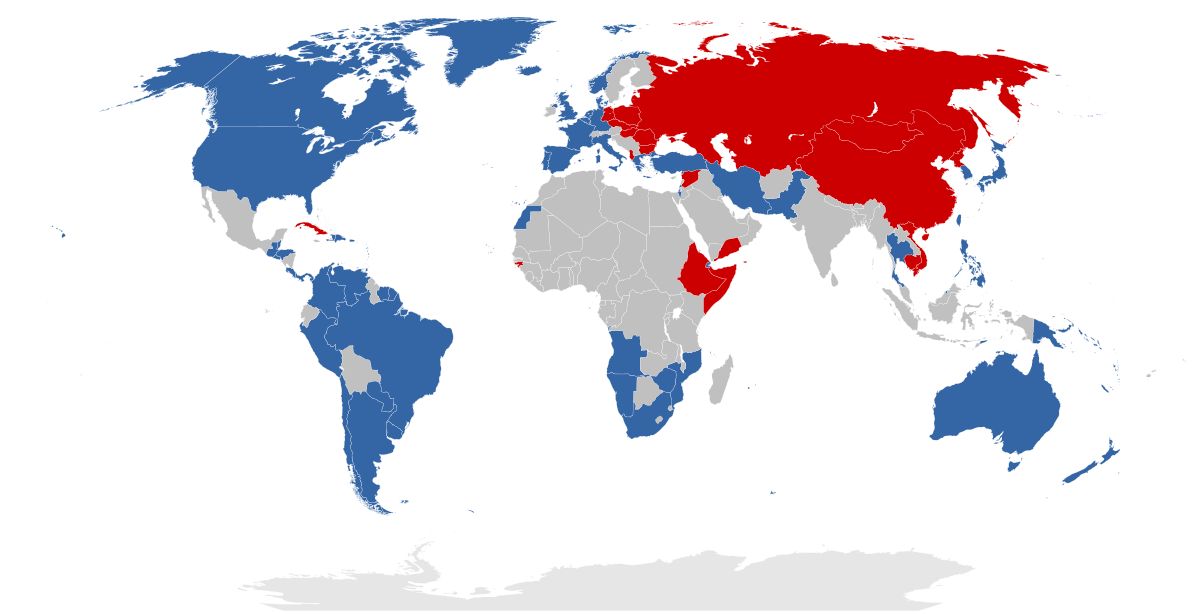
— crucial for potential conflict, including skilled scientists, advanced arms technology, and a sizeable population.
That’s why the US cling to the concerns about West Germany, potentially adopting a more neutral stance or worse, moving closer to the USSR.
That’s why the US cling to the concerns about West Germany, potentially adopting a more neutral stance or worse, moving closer to the USSR.
And hence, despite the lingering public resentment against fascist Germany, political leaders reconciled with the country, recognizing the need for unity against the Soviet threat.
Now, how did the US pursue this discreet objective through its initiatives?
Now, how did the US pursue this discreet objective through its initiatives?
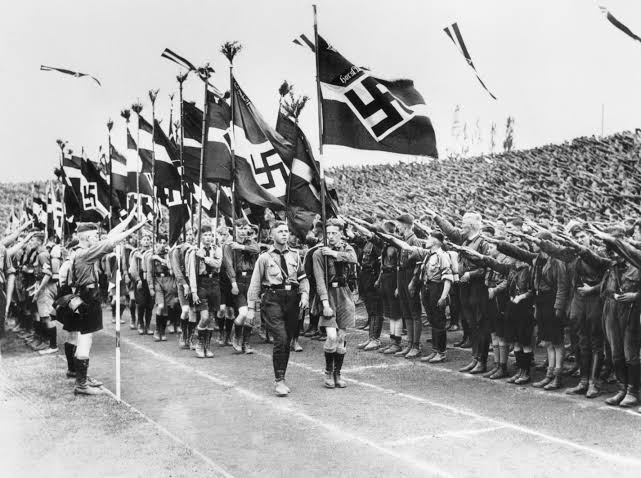
For starters, it devised the plan of plans- “the Marshall Plan” in 1948 to send an aid to European nations so that they can get back on their feet.
The Marshall Plan provided a total of approx $13 billion as an economic assistance to Western European countries.
The Marshall Plan provided a total of approx $13 billion as an economic assistance to Western European countries.
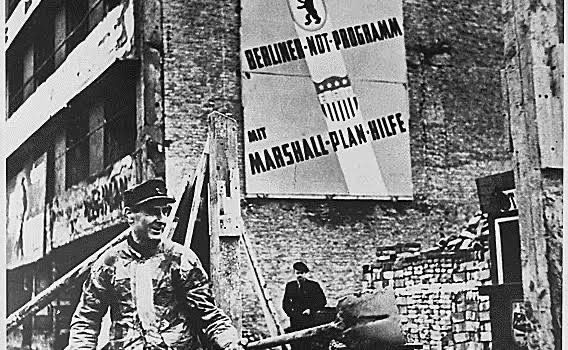
Germany received the 4th largest share of the aid of around $1.4 B. It helped the country to rebuild its industrial capacity, generate new employment and re-establish trade relations.
Now see, every country relies on 2 factors for its development — human resources and capital.
Now see, every country relies on 2 factors for its development — human resources and capital.
Germany already had a population of approx. 70M people who had a conscience-stricken mindset.
The defeat and admission of past horrors isolated Germans for years. Yet, they didn’t succumb to self-pity.
To rebuild and reintegrate into the global community as evolved individuals
The defeat and admission of past horrors isolated Germans for years. Yet, they didn’t succumb to self-pity.
To rebuild and reintegrate into the global community as evolved individuals

— Germany focused on promoting technical education, which resulted in highly skilled workforce.
Now, apart from a billion dollar financial aid as capital and ample human resources, there are some other factors that contributed to Germany’s development:
Now, apart from a billion dollar financial aid as capital and ample human resources, there are some other factors that contributed to Germany’s development:
1️⃣ Boom in Civilian Industry
During both world wars, Germany made significant tech advancements in various fields such as aerospace technology and manufacturing processes.
Post-war, Germany was facing severe restrictions on building weapons and armies.
During both world wars, Germany made significant tech advancements in various fields such as aerospace technology and manufacturing processes.
Post-war, Germany was facing severe restrictions on building weapons and armies.
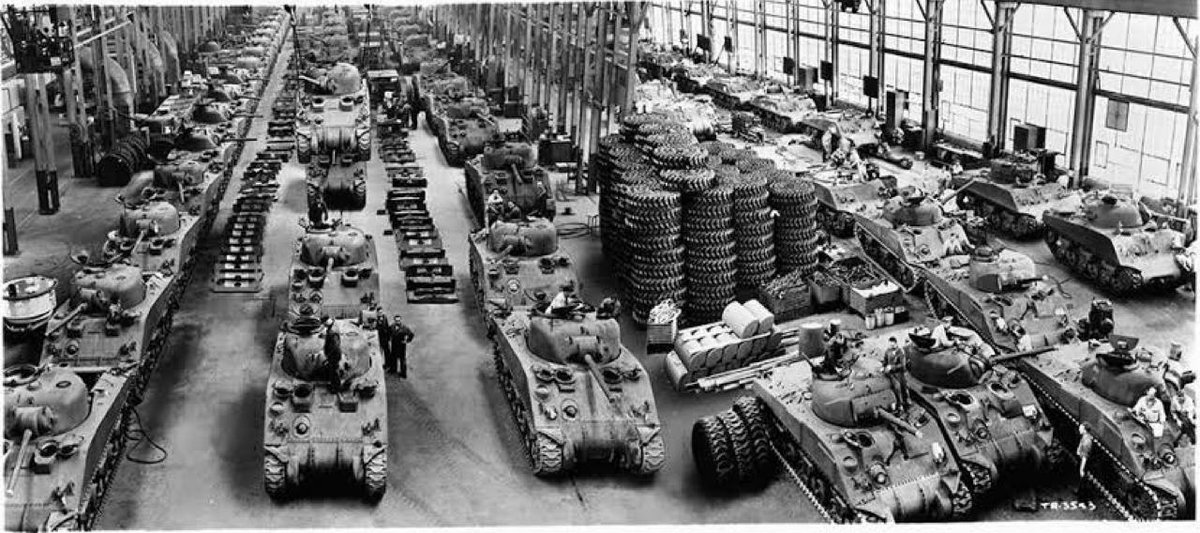
Consequently, their talented minds redirected their efforts towards non-military technologies.
Meanwhile, the US and USSR allocated 20-40% of their GDP to military spending during the Cold War, diverting resources from business and commercial sectors.
Meanwhile, the US and USSR allocated 20-40% of their GDP to military spending during the Cold War, diverting resources from business and commercial sectors.
This led Germany to capitalize on the opportunity by focusing on civilian industries and innovation.
As a result, it excelled in automobile, electronics, chemicals and pharmaceuticals manufacturing.
Co.s like Mercedes-Benz, BMW, Volkswagen capitalized on these wartime strengths
As a result, it excelled in automobile, electronics, chemicals and pharmaceuticals manufacturing.
Co.s like Mercedes-Benz, BMW, Volkswagen capitalized on these wartime strengths
— to produce high-quality goods for the consumer market.
This helped Germany to establish itself as a global leader in automotive manufacturing.
2️⃣ Trade Surplus
Trade expansion played a crucial role in the post-war growth of Europe, especially in the case of Germany.
This helped Germany to establish itself as a global leader in automotive manufacturing.
2️⃣ Trade Surplus
Trade expansion played a crucial role in the post-war growth of Europe, especially in the case of Germany.
Germany has always been reputed for its high-quality manufacturing and tech innovation and
— making its products cost-effective in the long run and hence, sought after on the global market.
On the back of this reputation, it had already regained 80% of its pre-war trade.
— making its products cost-effective in the long run and hence, sought after on the global market.
On the back of this reputation, it had already regained 80% of its pre-war trade.
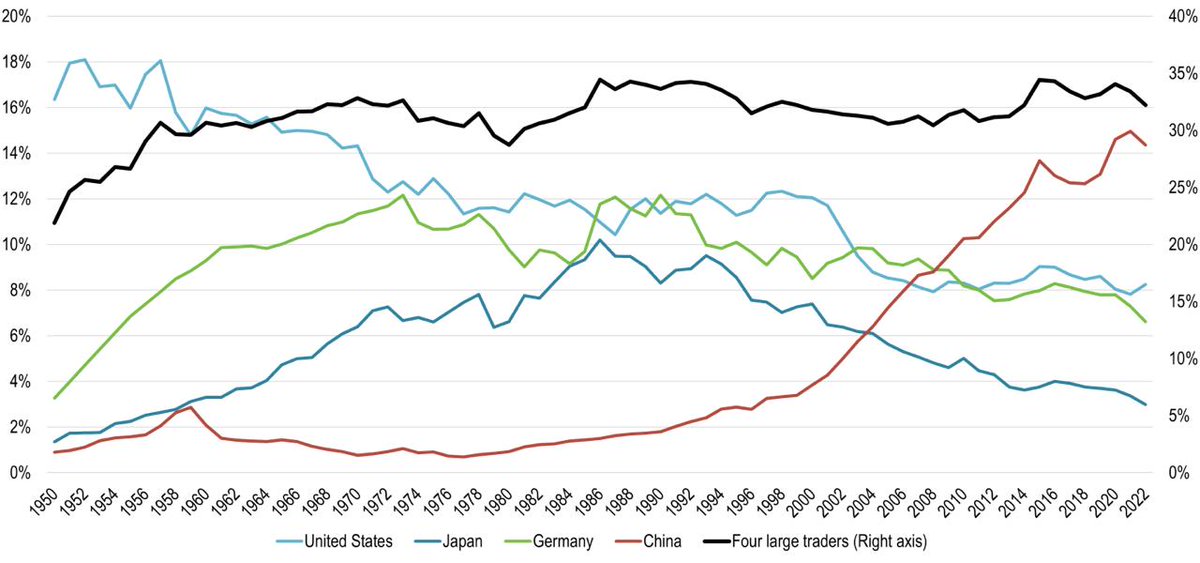
It rapidly recovered after WWII as well, achieving a global export share similar to the US by the 1970s.
Since then, this share has stayed consistent — with American exports declining and Germany overtaking as the largest exporter in 2003.
Since then, this share has stayed consistent — with American exports declining and Germany overtaking as the largest exporter in 2003.
3️⃣ Disciplined Fiscal Policy
Germany's fiscal policy is known for its discipline.
It includes a commitment to balanced budgets, low levels of public debt, and a focus on fiscal discipline.
This approach contrasts with the policies of many other European nations,
Germany's fiscal policy is known for its discipline.
It includes a commitment to balanced budgets, low levels of public debt, and a focus on fiscal discipline.
This approach contrasts with the policies of many other European nations,
— which often struggle with high levels of public debt and deficits.
Germany also implemented the "debt brake" rule, which limits the federal government's structural deficit to 0.35% of GDP.
Additionally, Germany emphasized wise public spending.
Germany also implemented the "debt brake" rule, which limits the federal government's structural deficit to 0.35% of GDP.
Additionally, Germany emphasized wise public spending.
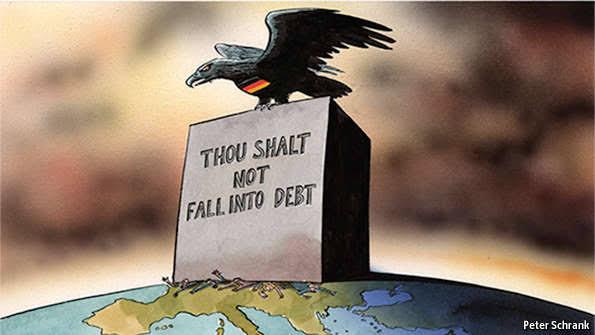
It prioritizes investment in areas such as education, infrastructure, and research and development, while also maintaining a strong social safety net.
4️⃣ Social Market Economy
Inspired by figures like Walter Eucken and Ludwig Erhard, Germany pursued Ordoliberalism.
4️⃣ Social Market Economy
Inspired by figures like Walter Eucken and Ludwig Erhard, Germany pursued Ordoliberalism.
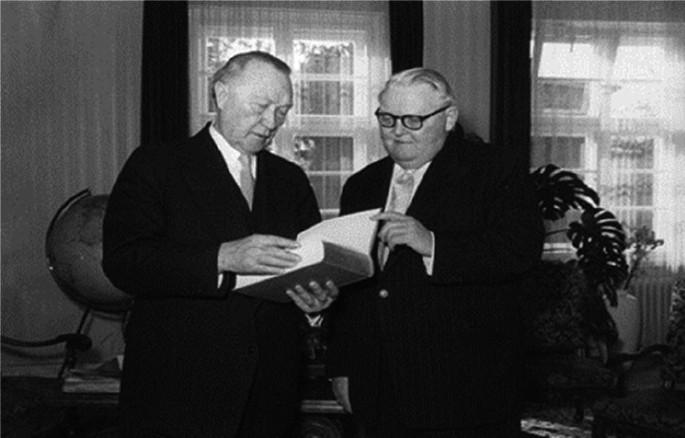
This approach aimed to balance a market-oriented economy to maintain economic competition and prevent monopolies.
Simultaneously, the state stepped in to support social welfare, invest in infrastructure, and foster social stability.
Simultaneously, the state stepped in to support social welfare, invest in infrastructure, and foster social stability.
This blend of economic freedom and social support fueled economic growth and made people involved.
Additionally, swift elimination of price controls was among their successful policies.
5️⃣ Human Resources & Work Culture
Germany's efficient office culture also contributed
Additionally, swift elimination of price controls was among their successful policies.
5️⃣ Human Resources & Work Culture
Germany's efficient office culture also contributed
— to its economic strength and the surpassing of Japan in terms of GDP.
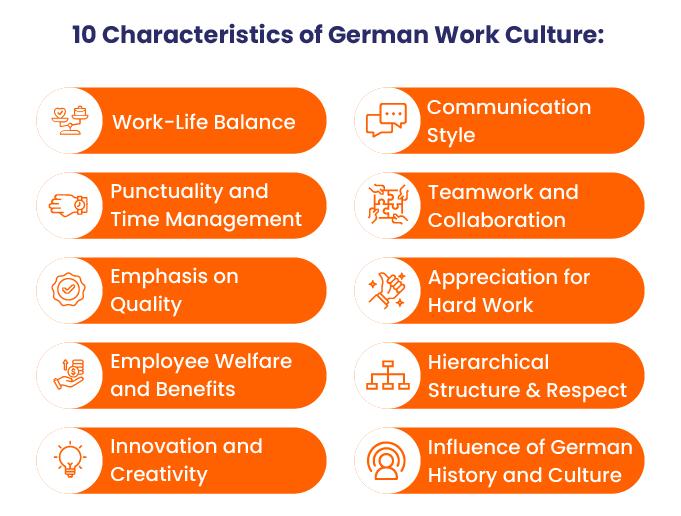
The German office culture emphasizes efficiency, performance, and clear communication.
Offices are typically well-organized, with employees adhering closely to their job descriptions.
The German office culture emphasizes efficiency, performance, and clear communication.
Offices are typically well-organized, with employees adhering closely to their job descriptions.
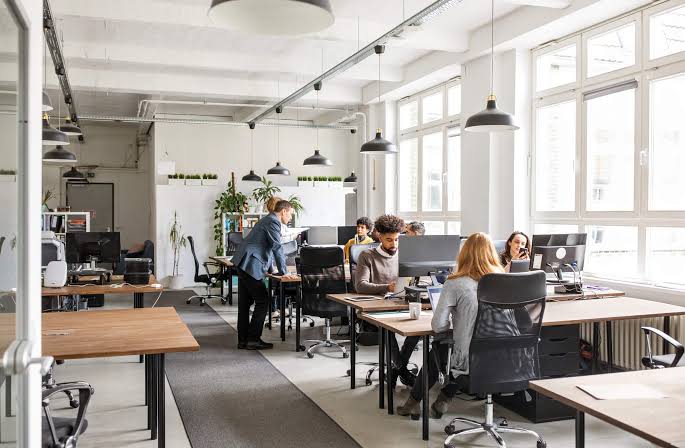
Working late is not the norm, as there's a belief in maintaining a healthy work-life balance.
Managers provide straightforward & constructive feedback, and value transparency over sugarcoating issues.
This approach fosters a culture of accountability and continuous improvement.
Managers provide straightforward & constructive feedback, and value transparency over sugarcoating issues.
This approach fosters a culture of accountability and continuous improvement.
6️⃣ Enhanced Social Stability
Many believe Hitler's rise was fueled by the profound social instability of the interwar period in Germany.
High unemployment, hyperinflation, and social unrest pushed the nation towards communism after WWI.
Many believe Hitler's rise was fueled by the profound social instability of the interwar period in Germany.
High unemployment, hyperinflation, and social unrest pushed the nation towards communism after WWI.
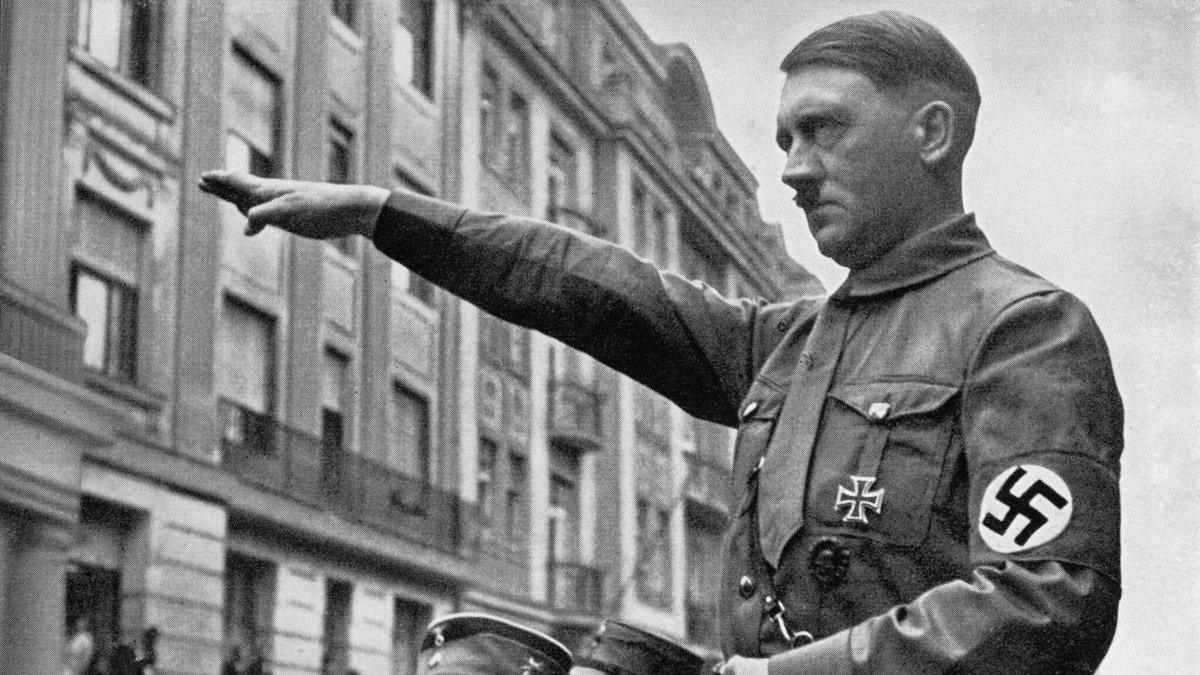
To ensure social stability, Germany adopted the co-management system, with trade unions on the boards of large companies sharing management duties.
It fosters a strong sense of responsibility for company performance & reduced social conflicts.
It fosters a strong sense of responsibility for company performance & reduced social conflicts.
Germany rose fast out of the ashes of defeat and came out of shadow to substance. It emerged as an economic powerhouse in the new world order.
Even in the great recession of 2008-09, it experienced almost no increase in unemployment, despite a sharp decline in GDP.
Even in the great recession of 2008-09, it experienced almost no increase in unemployment, despite a sharp decline in GDP.
Amidst the Euro crisis, Germany's economy and employment continued to strengthen, demonstrating remarkable resilience.
This country is the epitome of the phrase “Achieve such competence that no challenge can disturb your composure.”
This country is the epitome of the phrase “Achieve such competence that no challenge can disturb your composure.”
If you liked this read, do RePost🔄 the 1st post
and follow us @FinFloww for such reads every Monday, Wednesday and Friday!
and follow us @FinFloww for such reads every Monday, Wednesday and Friday!
Get our WhatsApp newsletter: whatsapp.com

Subscribe to WHAT THE FLOWW?, our email newsletter where we dive deeper into such concepts: soshals.app

Loading suggestions...