

Focusing on detoxing is key if you want to improve your health in the modern day and age, here is a simple guide when it comes to it.
Thread🧵
Thread🧵
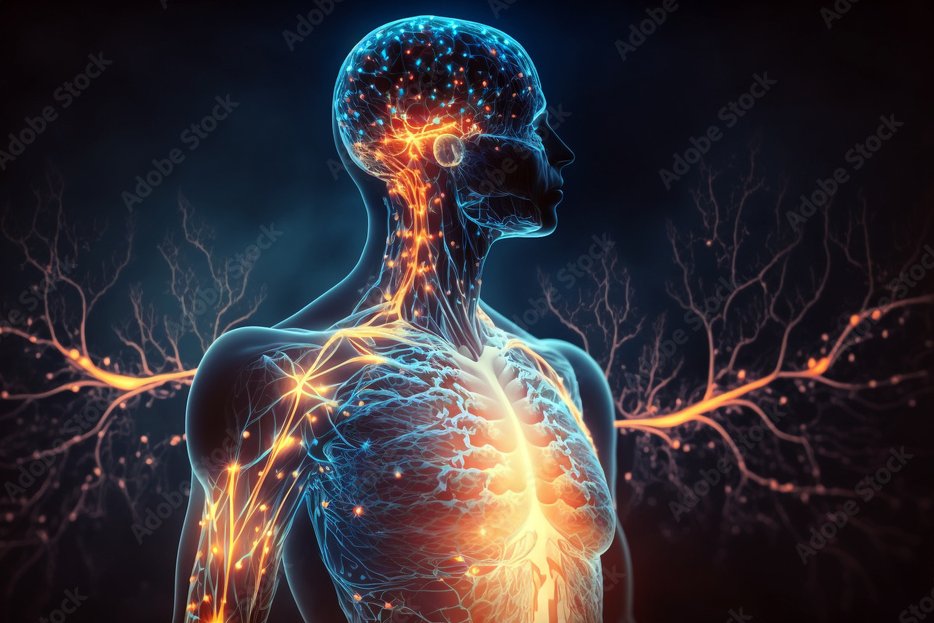
*Standard disclaimer that nothing in this thread will be a substitute for medical advice*
Exposure to toxic compounds such as heavy metals for example, is one of the common causes of health issues in this day and age.
Of course, this topic if you get down to it, can seem pretty depressing but it doesn't have to since there are some very practical things you can do so let's talk about them.
Exposure to toxic compounds such as heavy metals for example, is one of the common causes of health issues in this day and age.
Of course, this topic if you get down to it, can seem pretty depressing but it doesn't have to since there are some very practical things you can do so let's talk about them.
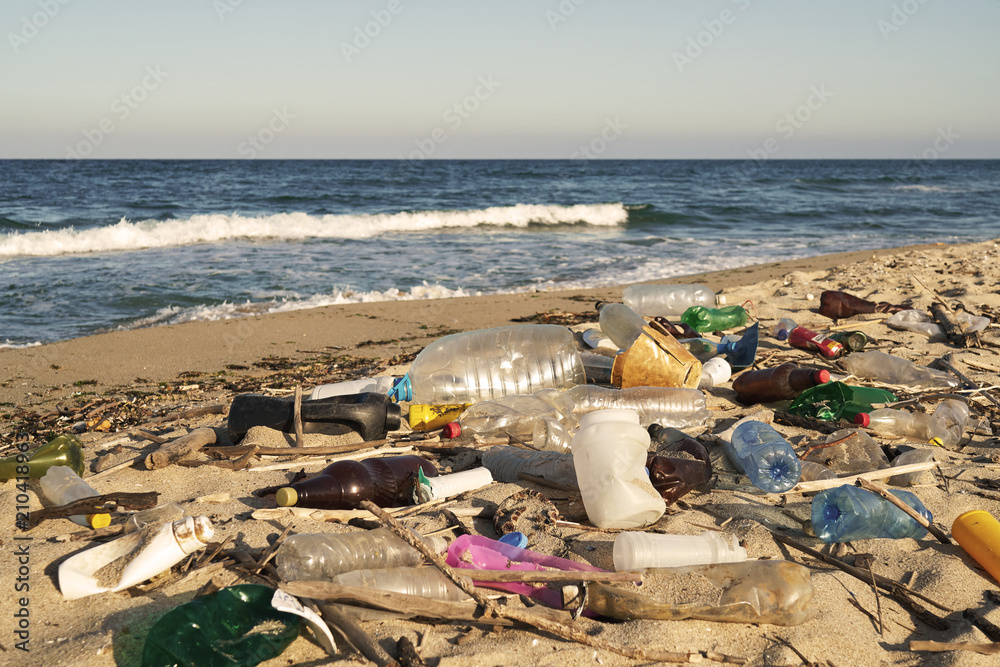
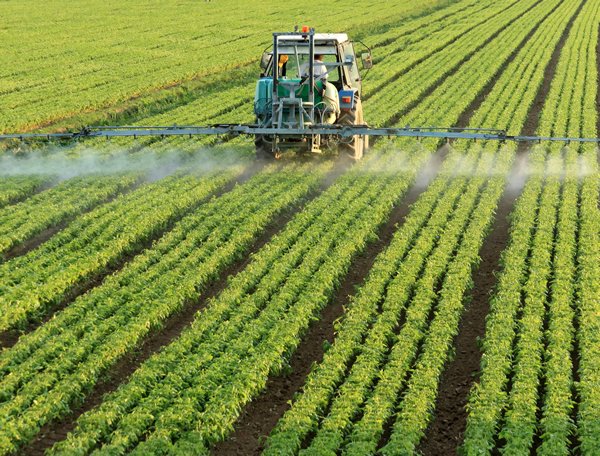
Step 1: Recognize and avoid the most dangerous toxins found in everyday life.
A great thing you can do for starters it to avoid processed foods and alcohol.
The list of dietary toxins that harm our health is endless and avoiding processed foods it's the easiest way in order to not consume the vast majority of them.
You name them, we have things such as canola oil, cottonseed oil, high fructose corn syrup, guar gum, xantham gum, carrageenan, artificial colorings, BHA.
The list is endless.
And alcohol of course, besides the fact that will be a herbicide bomb for the most part, will also harm organs such as the liver that are crucial for detoxing and deplete us of valuable vitamins and minerals.
Another great starting point if you can afford it, is shopping organic foods in order to avoid herbicides and pesticides.
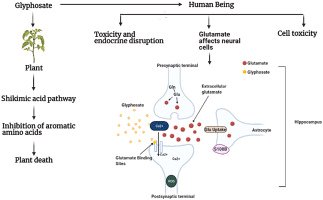
Herbicides and pesticides besides the fact that can be toxic to the degree we can consume them also harm the pathways and organs that are crucial for detoxification through direct damage in the case of the liver (they disrupt CYP enzyme) for example and indirect ones through the depletion us nutrients and enzymes.
For example, they disrupt the shikimic acid pathway (a pathway responsible for the production of vitamins and aromatic amino acids such as phenylalanine).
Then if you can afford it, things such as grass finished beef and pasture raised eggs are also great.
The later are of course cheaper than the first, and even though ruminant animals are more resilient, there’s a big difference between commercial beef and a grass-finished one whether that is in the nutrient profile (especially in the fat soluble vitamins) or the toxins.
A great thing you can do for starters it to avoid processed foods and alcohol.
The list of dietary toxins that harm our health is endless and avoiding processed foods it's the easiest way in order to not consume the vast majority of them.
You name them, we have things such as canola oil, cottonseed oil, high fructose corn syrup, guar gum, xantham gum, carrageenan, artificial colorings, BHA.
The list is endless.
And alcohol of course, besides the fact that will be a herbicide bomb for the most part, will also harm organs such as the liver that are crucial for detoxing and deplete us of valuable vitamins and minerals.
Another great starting point if you can afford it, is shopping organic foods in order to avoid herbicides and pesticides.
Herbicides and pesticides besides the fact that can be toxic to the degree we can consume them also harm the pathways and organs that are crucial for detoxification through direct damage in the case of the liver (they disrupt CYP enzyme) for example and indirect ones through the depletion us nutrients and enzymes.
For example, they disrupt the shikimic acid pathway (a pathway responsible for the production of vitamins and aromatic amino acids such as phenylalanine).
Then if you can afford it, things such as grass finished beef and pasture raised eggs are also great.
The later are of course cheaper than the first, and even though ruminant animals are more resilient, there’s a big difference between commercial beef and a grass-finished one whether that is in the nutrient profile (especially in the fat soluble vitamins) or the toxins.
Then pay attention to your hygiene products and xenoestrogens in general.
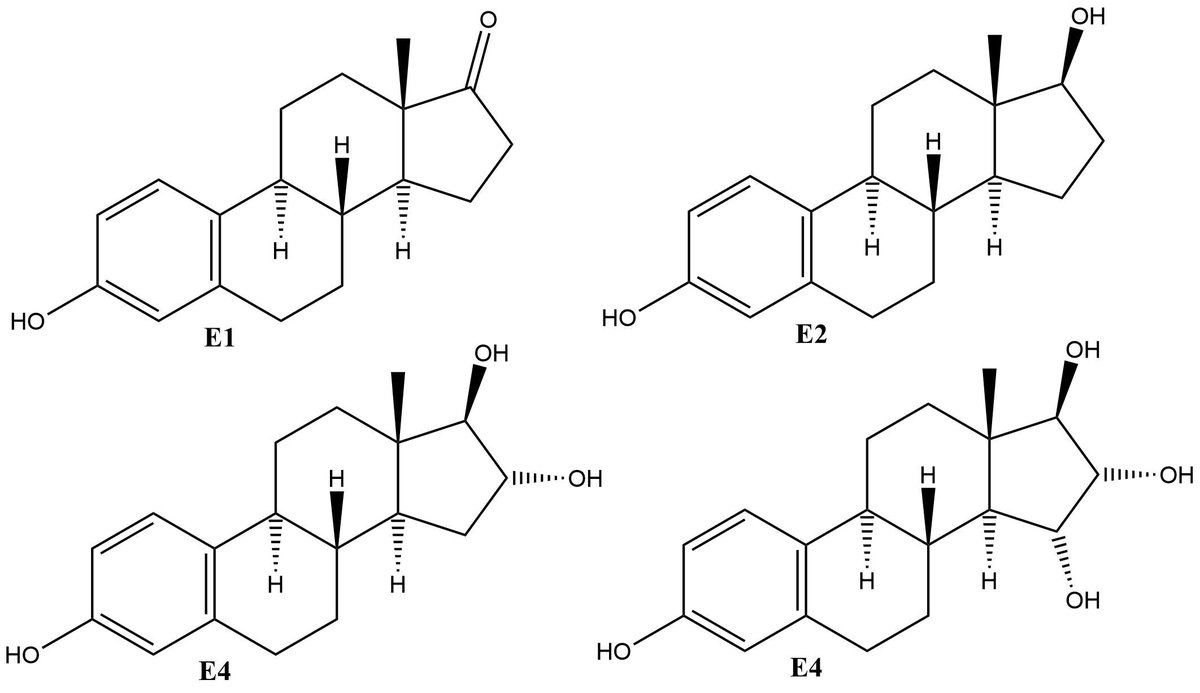
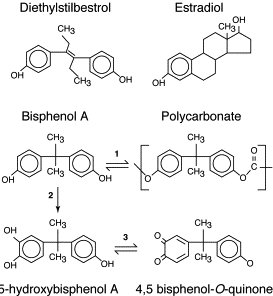
Most of you already are familiar with xenoestrogens, but in case you aren’t, xenoestrogens are estrogestrogen-mimickingunds that are not produced by your body and are structurally or functionally related to human sex hormone 17β-estradiol and bind the estrogen receptors.
You mainly want to avoid:
-Ethanolamine compounds (cocamide DEA, MEA, TEA and others)
-Parabens (e.g. butylparaben)
-Formaldehyde-releasing preservatives (diazolidinyl urea, imidazolidinyl urea, quaternium-15, DMDM hydantoin)
-Sodium laureth sulfate and other –eth compounds (possible 1,4-dioxane and ethylene oxide contamination)
-Benzophenone
-Homosalate
-Octinoxate
-Oxybenzone
-Padimate O
-Para-aminobenzoic acid (PABA)
-Polyacrylamide (possible acrylamide contamination)
-PTFE (possible PFOA contamination)
-Petrolatum (possible PAH contamination)
-UV filters (octinoxate, oxybenzone, homosalate)
-Butylated hydroxytoluene
-Ceteareth-20 (1,4-dioxane contamination)
-DMDM hydantoin (formaldehyde releaser)
-Padimate O (nitrosamine contamination)
-Hydroquinone
-Plastic
-Triclosan
-PFAS/PFCS
-Polyester
What can you do about this?
1. Filter your drinking and showering water.
2. Wear natural fabrics and not synthetic ones.
3. Throw away your non stick pans.
4. Use some natural alternatives to the most commonly used toxic skincare and hygiene products such as:
Moisturizers: Aloe vera, grass fed tallow, honey balm, raw goat’s butter
Topical acne treatments: Aspirin, zinc, sulfur soap followed by a moisturizer (do not over do this, 2 days a week are enough), red light (do not over do it if the device has lots of infrared light), early sunlight.
Eczema/psoriasis: Activated charcoal paste (1-2 times per week), grass fed beef tallow and raw honey mix, honey balm.
Deodorants: A mix of raw coconut oil and a few drops of lemon juice (you do not need much, at all), sea water spray, mineral water spray, magnesium roll ons.
Air fresheners and fragrances: Essential oils.
Toothpaste: 10 tablespoons of coconut oil, 50 drops of liquid magnesium, 10 drops of trace minerals, some xylitol and calcium powder (not too much, 1 teaspoon tops).
Facial cleanser: Coconut oil, cold water, raw milk, and very occasionally milk soap, black sea soap, sulfur soap and iodine.
Toners: Coconut water, magnesium water, chamomile tea.
Masks: Activated charcoal, clay, black sea soap mask.
Mouthwash: Coconut oil, aloe vera, mix of 10 tablespoons of coconut oil
50 drops of liquid magnesium and 10 drops of trace minerals (do not use all of it at once obviously).
Hair wash: Egg yolks, occasionally iodine, caffeine, cold water, raw goat’s milk.
After shave: Ice cubes roll outs, aloe vera, cold pressed avocado oil.
Hand cleaner: ACV, baking soda, olive oil soap.
Soap: Milk soap, olive oil soap, chamomile soap, African black soap, black sea soap and aleppo soap.
Hair styling: Sea salt spray, natural oils (jojoba oil, rosemary oil, coconut oil), clay and wax.
House cleaning products (use gloves): Hot water, ACV, baking soda, lemon, pure alcohol (wash it off).
Sunburn: Topical caffeine, egg whites, raw animal fats, cold aloe vera gel, cold raw cream, rub an organic tomato on the area, cold raw goat’s milk.
Exfoliation: Sea salt.
Teeth whitening: Activated charcoal, aluminum free baking soda (do not over do it).
Laundry detergents: Meliora laundry powder, olive oil soap, ritha, shikakai.
Sunscreen: Mineral based (usually zinc) sunscreen, coconut oil.
Massage oils/creams: Coconut oil
Muscle relaxant creams: Epsom salt baths
Shaving creams: Raw milk, vitamin E, cocoa butter, coconut oil.
Post tattoo creams: Raw milk, raw cream, grass fed tallow, cocoa butter, shea butter, aloe vera.
Most of you already are familiar with xenoestrogens, but in case you aren’t, xenoestrogens are estrogestrogen-mimickingunds that are not produced by your body and are structurally or functionally related to human sex hormone 17β-estradiol and bind the estrogen receptors.
You mainly want to avoid:
-Ethanolamine compounds (cocamide DEA, MEA, TEA and others)
-Parabens (e.g. butylparaben)
-Formaldehyde-releasing preservatives (diazolidinyl urea, imidazolidinyl urea, quaternium-15, DMDM hydantoin)
-Sodium laureth sulfate and other –eth compounds (possible 1,4-dioxane and ethylene oxide contamination)
-Benzophenone
-Homosalate
-Octinoxate
-Oxybenzone
-Padimate O
-Para-aminobenzoic acid (PABA)
-Polyacrylamide (possible acrylamide contamination)
-PTFE (possible PFOA contamination)
-Petrolatum (possible PAH contamination)
-UV filters (octinoxate, oxybenzone, homosalate)
-Butylated hydroxytoluene
-Ceteareth-20 (1,4-dioxane contamination)
-DMDM hydantoin (formaldehyde releaser)
-Padimate O (nitrosamine contamination)
-Hydroquinone
-Plastic
-Triclosan
-PFAS/PFCS
-Polyester
What can you do about this?
1. Filter your drinking and showering water.
2. Wear natural fabrics and not synthetic ones.
3. Throw away your non stick pans.
4. Use some natural alternatives to the most commonly used toxic skincare and hygiene products such as:
Moisturizers: Aloe vera, grass fed tallow, honey balm, raw goat’s butter
Topical acne treatments: Aspirin, zinc, sulfur soap followed by a moisturizer (do not over do this, 2 days a week are enough), red light (do not over do it if the device has lots of infrared light), early sunlight.
Eczema/psoriasis: Activated charcoal paste (1-2 times per week), grass fed beef tallow and raw honey mix, honey balm.
Deodorants: A mix of raw coconut oil and a few drops of lemon juice (you do not need much, at all), sea water spray, mineral water spray, magnesium roll ons.
Air fresheners and fragrances: Essential oils.
Toothpaste: 10 tablespoons of coconut oil, 50 drops of liquid magnesium, 10 drops of trace minerals, some xylitol and calcium powder (not too much, 1 teaspoon tops).
Facial cleanser: Coconut oil, cold water, raw milk, and very occasionally milk soap, black sea soap, sulfur soap and iodine.
Toners: Coconut water, magnesium water, chamomile tea.
Masks: Activated charcoal, clay, black sea soap mask.
Mouthwash: Coconut oil, aloe vera, mix of 10 tablespoons of coconut oil
50 drops of liquid magnesium and 10 drops of trace minerals (do not use all of it at once obviously).
Hair wash: Egg yolks, occasionally iodine, caffeine, cold water, raw goat’s milk.
After shave: Ice cubes roll outs, aloe vera, cold pressed avocado oil.
Hand cleaner: ACV, baking soda, olive oil soap.
Soap: Milk soap, olive oil soap, chamomile soap, African black soap, black sea soap and aleppo soap.
Hair styling: Sea salt spray, natural oils (jojoba oil, rosemary oil, coconut oil), clay and wax.
House cleaning products (use gloves): Hot water, ACV, baking soda, lemon, pure alcohol (wash it off).
Sunburn: Topical caffeine, egg whites, raw animal fats, cold aloe vera gel, cold raw cream, rub an organic tomato on the area, cold raw goat’s milk.
Exfoliation: Sea salt.
Teeth whitening: Activated charcoal, aluminum free baking soda (do not over do it).
Laundry detergents: Meliora laundry powder, olive oil soap, ritha, shikakai.
Sunscreen: Mineral based (usually zinc) sunscreen, coconut oil.
Massage oils/creams: Coconut oil
Muscle relaxant creams: Epsom salt baths
Shaving creams: Raw milk, vitamin E, cocoa butter, coconut oil.
Post tattoo creams: Raw milk, raw cream, grass fed tallow, cocoa butter, shea butter, aloe vera.
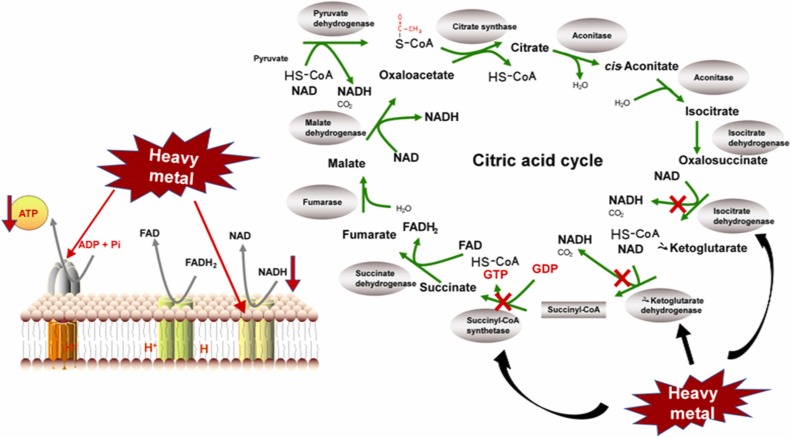
Of course, you also need to be aware of heavy metals.
When we are talking about heavy metals under the detox concept we are mainly talking about:
-Lead
-Cadmium
-Aluminum
-Mercury
-Arsenic
In order to avoid these make sure to:
-Filter your drinking and showering water
-Avoid ceramic dishes
-Avoid low quality spices
-Avoid tobacco products
-Get rid of your aluminum pots and pans
-Avoid low quality cheeses
-Don’t get mercury amalgams
-Avoid large fish such as tuna
-Avoid low quality grains and especially things such as brown rice
-Avoid toxic cosmetic products
When we are talking about heavy metals under the detox concept we are mainly talking about:
-Lead
-Cadmium
-Aluminum
-Mercury
-Arsenic
In order to avoid these make sure to:
-Filter your drinking and showering water
-Avoid ceramic dishes
-Avoid low quality spices
-Avoid tobacco products
-Get rid of your aluminum pots and pans
-Avoid low quality cheeses
-Don’t get mercury amalgams
-Avoid large fish such as tuna
-Avoid low quality grains and especially things such as brown rice
-Avoid toxic cosmetic products
Step 2: Get enough minerals.
Indeed, most people don’t consume enough minerals.
From soil depletion, poor dietary habits, the consumption of alcohol, a high stress environment and the fact that a lot of heavy metals antagonize minerals all the way to compounds such as phytic acid and herbicides, we are mineral depleted.
But minerals, aren’t just important for detoxification, as we’ve stated many many times, minerals are needed for:
● Gut health (HCL, antimicrobial and digestive enzyme production)
● Battling oxidative stress
● Immune function
● Hormone synthesis
● Cellular hydration of cells (controlling fluids inside and outside cells)
● Bone health
● Skin health
● Joint health
● Hair health
● Heart health
● Brain health
● Thousands of enzymatic reactions
● Regulating our nervous system
● Energy production
● Blood cell production
● Oxygen metabolism
● The utilization of vitamins
● Adrenal health
● Blood sugar regulation
● Thyroid health
and a lot more.
Indeed, most people don’t consume enough minerals.
From soil depletion, poor dietary habits, the consumption of alcohol, a high stress environment and the fact that a lot of heavy metals antagonize minerals all the way to compounds such as phytic acid and herbicides, we are mineral depleted.
But minerals, aren’t just important for detoxification, as we’ve stated many many times, minerals are needed for:
● Gut health (HCL, antimicrobial and digestive enzyme production)
● Battling oxidative stress
● Immune function
● Hormone synthesis
● Cellular hydration of cells (controlling fluids inside and outside cells)
● Bone health
● Skin health
● Joint health
● Hair health
● Heart health
● Brain health
● Thousands of enzymatic reactions
● Regulating our nervous system
● Energy production
● Blood cell production
● Oxygen metabolism
● The utilization of vitamins
● Adrenal health
● Blood sugar regulation
● Thyroid health
and a lot more.

Some minerals that you can pay attention for starters include:
1)Magnesium
Magnesium is the fourth most abundant mineral in the human body and assists more than 300 enzymes (enzymes, not enzymatic reactions, these two are different things) to carry out various chemical reactions in the body such as building proteins, strong bones, oxidative phosphorylation, glycolysis, blood pressure, muscle and nerve functions.
Magnesium also acts as an electrical conductor that contracts muscles and makes the heart beat steadily.
Magnesium also plays a role in the active transport of calcium and potassium ions across cell membranes.
The best sources of magnesium are:
-Mineral water
-Swimming in the clean ocean
-Some magnesium supplements that are not filled with toxic food additives
-Organic beef heart
2) Selenium
Selenium is a trace mineral which is an essential component of various enzymes and proteins, called selenoproteins that help to make DNA and protect against cell damage and infections.
These proteins are also involved in reproduction and the metabolism of thyroid hormones.
Most selenium in the body is stored in muscle tissue, although the thyroid gland holds the highest concentration of selenium due to various selenoproteins that assist with thyroid function.
The best sources of selenium are:
-Shellfish
-Fin fish
-Eggs
-Beef
-Turkey
-Chicken
3)Sulfur
Sulfur is the third most abundant mineral in your body, it is crucial for the health of your skin, hair, nails, tendons, ligaments and helps the production of glutathione.
Dietary sources of sulfur include:
-Free range eggs
-Raw dairy
-Garlic/onion
4) Potassium
Potassium is an essential mineral that is needed by all tissues in the body and an underrated mineral regarding testosterone.
Its main role in the body is to help maintain normal levels of fluid inside our cells.
Potassium is the main electrolyte in the ICF, and it determines the amount of water inside the cells.
Potassium also helps muscles to contract and supports normal blood pressure.
Potassium is the third most abundant mineral in the body.
The best sources of potassium are:
-Avocados
-Winter squash
-Potatoes
-Coconut water
5) Boron
Boron is a trace mineral that:
-Helps our bodies metabolize vitamins and minerals.
-Has a key role in bone health and brain health.
-Lowers excessive estrogen and SHBG.
-Boosts fee and total testosterone levels.
-Can also extend the half life of vitamin D.
-Supports the adrenals.
-Helps the body retain and utilize other minerals such as magnesium and calcium.
-Improves muscle coordination and muscle glycogen.
-Improves sleep.
The best dietary sources of boron are:
-Prunes
-Raisins
-Avocados
6)Zinc
Zinc is a trace mineral necessary for almost 100 enzymes to carry out vital chemical reactions that play a key role in:
-The creation of DNA
-Growth of cells
-Building proteins
-Healing damaged tissue
-Supporting a healthy immune system
-Digestion
Because it helps cells to grow and multiply, adequate zinc is required during times of rapid growth, such as childhood, adolescence and pregnancy.
Zinc is also the primary factor in our ability to recycle vitamin C.
The best sources of zinc are:
-Shellfish
-Beef
7)Copper
Copper is an essential trace (key word: trace) mineral found in higher concentrations in organs such as the liver, kidneys, brain and heart.
The mitochondria depend on copper for energy metabolism and copper plays a key role in functions within the body such as:
-Red blood cell production.
-Iron absorption.
-The regulation of heart rate and blood pressure.
-The development and maintenance of connective tissue.
-The production of SOD and ceruloplasmin.
-Bone health (when a person has enough enough boron and copper in his system (besides calcium and its regulators obviously) there is a significant increase in bone density).
-Hormone production.
-Immune system maintenance and activation.
-Brain development.
-Oxygen metabolism.
-Formation of collagen.
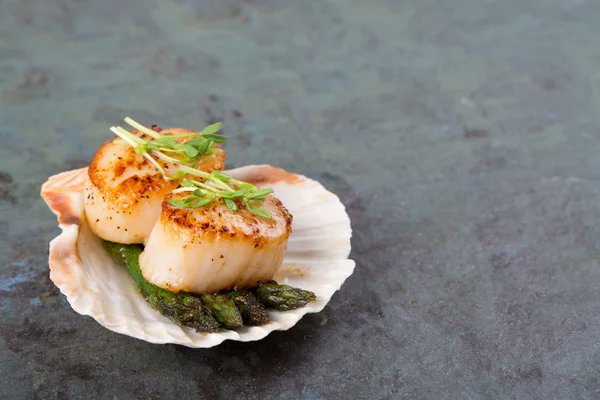
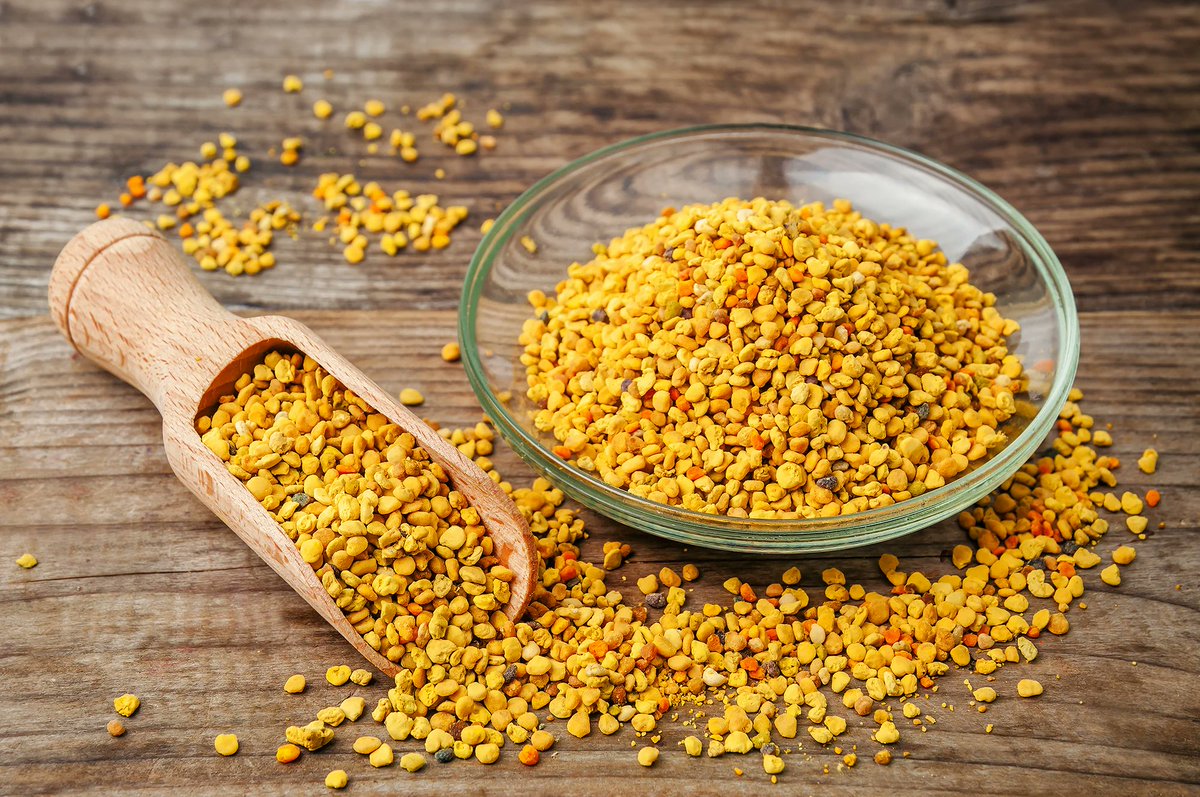
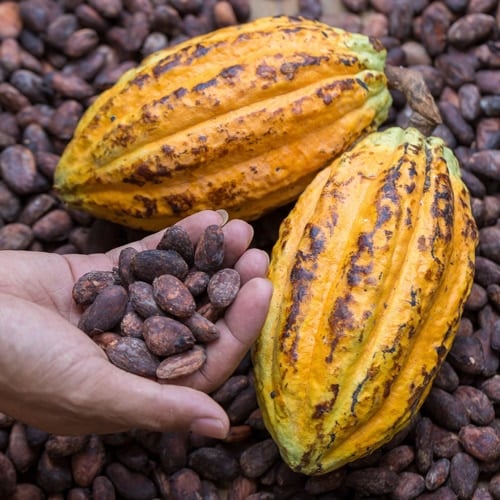
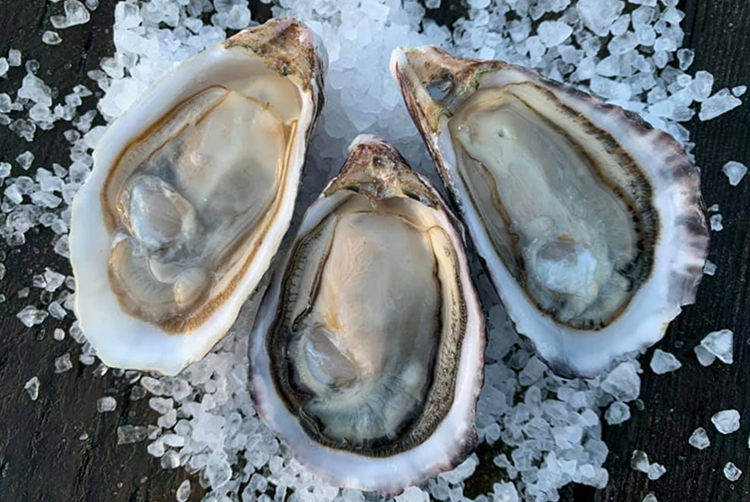
Now we don’t need that much copper and the best dietary sources for replenishing copper in the beginning are:
-High quality shellfish
-Glyphosate free bee pollen
-Quality cacao
8) Iodine
Obviously iodine is crucial for our immune system, bones, brain, prostate, thyroid, gut, it can increase CYP1A1/1B1 (good for testosterone / promotes the metabolism of estrone and estradiol into estriol) and a lot more.
Sources of iodine include:
-Kelp (don't start here since if you don't have enough selenium in your system it will backfire for some)
-Scallops
-Shrimps
-Oysters
1)Magnesium
Magnesium is the fourth most abundant mineral in the human body and assists more than 300 enzymes (enzymes, not enzymatic reactions, these two are different things) to carry out various chemical reactions in the body such as building proteins, strong bones, oxidative phosphorylation, glycolysis, blood pressure, muscle and nerve functions.
Magnesium also acts as an electrical conductor that contracts muscles and makes the heart beat steadily.
Magnesium also plays a role in the active transport of calcium and potassium ions across cell membranes.
The best sources of magnesium are:
-Mineral water
-Swimming in the clean ocean
-Some magnesium supplements that are not filled with toxic food additives
-Organic beef heart
2) Selenium
Selenium is a trace mineral which is an essential component of various enzymes and proteins, called selenoproteins that help to make DNA and protect against cell damage and infections.
These proteins are also involved in reproduction and the metabolism of thyroid hormones.
Most selenium in the body is stored in muscle tissue, although the thyroid gland holds the highest concentration of selenium due to various selenoproteins that assist with thyroid function.
The best sources of selenium are:
-Shellfish
-Fin fish
-Eggs
-Beef
-Turkey
-Chicken
3)Sulfur
Sulfur is the third most abundant mineral in your body, it is crucial for the health of your skin, hair, nails, tendons, ligaments and helps the production of glutathione.
Dietary sources of sulfur include:
-Free range eggs
-Raw dairy
-Garlic/onion
4) Potassium
Potassium is an essential mineral that is needed by all tissues in the body and an underrated mineral regarding testosterone.
Its main role in the body is to help maintain normal levels of fluid inside our cells.
Potassium is the main electrolyte in the ICF, and it determines the amount of water inside the cells.
Potassium also helps muscles to contract and supports normal blood pressure.
Potassium is the third most abundant mineral in the body.
The best sources of potassium are:
-Avocados
-Winter squash
-Potatoes
-Coconut water
5) Boron
Boron is a trace mineral that:
-Helps our bodies metabolize vitamins and minerals.
-Has a key role in bone health and brain health.
-Lowers excessive estrogen and SHBG.
-Boosts fee and total testosterone levels.
-Can also extend the half life of vitamin D.
-Supports the adrenals.
-Helps the body retain and utilize other minerals such as magnesium and calcium.
-Improves muscle coordination and muscle glycogen.
-Improves sleep.
The best dietary sources of boron are:
-Prunes
-Raisins
-Avocados
6)Zinc
Zinc is a trace mineral necessary for almost 100 enzymes to carry out vital chemical reactions that play a key role in:
-The creation of DNA
-Growth of cells
-Building proteins
-Healing damaged tissue
-Supporting a healthy immune system
-Digestion
Because it helps cells to grow and multiply, adequate zinc is required during times of rapid growth, such as childhood, adolescence and pregnancy.
Zinc is also the primary factor in our ability to recycle vitamin C.
The best sources of zinc are:
-Shellfish
-Beef
7)Copper
Copper is an essential trace (key word: trace) mineral found in higher concentrations in organs such as the liver, kidneys, brain and heart.
The mitochondria depend on copper for energy metabolism and copper plays a key role in functions within the body such as:
-Red blood cell production.
-Iron absorption.
-The regulation of heart rate and blood pressure.
-The development and maintenance of connective tissue.
-The production of SOD and ceruloplasmin.
-Bone health (when a person has enough enough boron and copper in his system (besides calcium and its regulators obviously) there is a significant increase in bone density).
-Hormone production.
-Immune system maintenance and activation.
-Brain development.
-Oxygen metabolism.
-Formation of collagen.
Now we don’t need that much copper and the best dietary sources for replenishing copper in the beginning are:
-High quality shellfish
-Glyphosate free bee pollen
-Quality cacao
8) Iodine
Obviously iodine is crucial for our immune system, bones, brain, prostate, thyroid, gut, it can increase CYP1A1/1B1 (good for testosterone / promotes the metabolism of estrone and estradiol into estriol) and a lot more.
Sources of iodine include:
-Kelp (don't start here since if you don't have enough selenium in your system it will backfire for some)
-Scallops
-Shrimps
-Oysters
Step 3: Focus on methylation.
First things first.
1. An alkane, consists of hydrogen and carbon atoms (CnH2n+2) that are arranged like a tree.
2. An alkyl group, is an alkane missing one hydrogen.
Why does this matter?
Because:
-Methane, contains 1 carbon atom and 4 hydrogen atoms (CH4).
-A methyl group, is derived from methane and contains 1 carbon atom and 3 hydrogen atoms (CH3).
This had to be mentioned for the definition of methylation which is a form of alkylation where a methyl group is replacing a hydrogen atom to stick better.
Or as it is often referred to “the addition of a methyl group” (one carbon metabolism supplies methyl groups).
Now here are a few processes in which methylation plays a key role:
-Gene regulation, expression and embryonic development
-The regulation of neurotransmitters
-Hematopoiesis
-Energy production
-Immune responses
-Getting rid of excessive histamine
-Antioxidant production
-Detoxing
-Repairing damaged cells
-Metabolizing B vitamins
-The production of phosphatidylcholine, carnitine, melatonin and creatine
All of these are NOT something that you should brush off.
Why?
Well, here are some things that poor methylation can exacerbate or even cause:
-Miscarriages
-Heart disease
-Arthritis
-Excessive inflammation
-Skin issues such as acne and eczema
-Anxiety
-Depression
-Migraines
-Poor cognitive function
-Autoimmune issues
-Stomach problems
-Blood clots
-Infertility
-Estrogen dominance
-Liver issues
-Hypothyroidism
So, you can not improve ANYTHING from your hormonal profile, detoxification, gut problems and immune system all the way to your focus without proper methylation.
First things first.
1. An alkane, consists of hydrogen and carbon atoms (CnH2n+2) that are arranged like a tree.
2. An alkyl group, is an alkane missing one hydrogen.
Why does this matter?
Because:
-Methane, contains 1 carbon atom and 4 hydrogen atoms (CH4).
-A methyl group, is derived from methane and contains 1 carbon atom and 3 hydrogen atoms (CH3).
This had to be mentioned for the definition of methylation which is a form of alkylation where a methyl group is replacing a hydrogen atom to stick better.
Or as it is often referred to “the addition of a methyl group” (one carbon metabolism supplies methyl groups).
Now here are a few processes in which methylation plays a key role:
-Gene regulation, expression and embryonic development
-The regulation of neurotransmitters
-Hematopoiesis
-Energy production
-Immune responses
-Getting rid of excessive histamine
-Antioxidant production
-Detoxing
-Repairing damaged cells
-Metabolizing B vitamins
-The production of phosphatidylcholine, carnitine, melatonin and creatine
All of these are NOT something that you should brush off.
Why?
Well, here are some things that poor methylation can exacerbate or even cause:
-Miscarriages
-Heart disease
-Arthritis
-Excessive inflammation
-Skin issues such as acne and eczema
-Anxiety
-Depression
-Migraines
-Poor cognitive function
-Autoimmune issues
-Stomach problems
-Blood clots
-Infertility
-Estrogen dominance
-Liver issues
-Hypothyroidism
So, you can not improve ANYTHING from your hormonal profile, detoxification, gut problems and immune system all the way to your focus without proper methylation.

Now how can you know if you have a methylation problem?
First of all, our genetic profile affects methylation.
Certain gene mutations for example can harm the conversion of B9.
Then we have medications such as metformin, antacids and methotrexate.
Then we have toxic burdens that include anything from alcohol, birth control pills and smoking all the way to heavy metals.
Gut issues such as SIBO that are unable to get resolved no matter what can also be a byproduct of poor methylation.
Poor nutritional habits will obviously harm methylation since things such as B2, B9, B12 and B6 all affect one carbon metabolism.
Then supplementing with NAD precursors such as NAC or even B3 for months on end without paying any attention to B1, B2 or B12 for example, can result in over methylation is some people.
So here are now some practical steps, none of which is medical advice, in case you do NOT have a genetic mutation.
Step 1: Lower the toxic burden that you're exposed to.
Step 2: Balance the amino acid profile of your diet by including things such as grass fed beef gelatin, quality organs and so on.
If you get too much methionine and not enough glycine or proline for example you WILL mess methylation.
IF, your mast cells are screwed all the way to the point of getting bad histamine reactions from even the highest qualities of gelatin, then try a hydrolyzed collagen.
Step 3: Get enough B1 and B2 since without them, you won't be able to recycle methionine efficiently EVEN IF you get enough B9 and B12.
Step 4: Get your retinol in since without it, glycine won't be able to do its job properly.
Step 5: Avoid fats such as canola oil.
Now in cases such as C667T for example, creatine, riboflavin and choline supplements can come into play besides the usuals.
First of all, our genetic profile affects methylation.
Certain gene mutations for example can harm the conversion of B9.
Then we have medications such as metformin, antacids and methotrexate.
Then we have toxic burdens that include anything from alcohol, birth control pills and smoking all the way to heavy metals.
Gut issues such as SIBO that are unable to get resolved no matter what can also be a byproduct of poor methylation.
Poor nutritional habits will obviously harm methylation since things such as B2, B9, B12 and B6 all affect one carbon metabolism.
Then supplementing with NAD precursors such as NAC or even B3 for months on end without paying any attention to B1, B2 or B12 for example, can result in over methylation is some people.
So here are now some practical steps, none of which is medical advice, in case you do NOT have a genetic mutation.
Step 1: Lower the toxic burden that you're exposed to.
Step 2: Balance the amino acid profile of your diet by including things such as grass fed beef gelatin, quality organs and so on.
If you get too much methionine and not enough glycine or proline for example you WILL mess methylation.
IF, your mast cells are screwed all the way to the point of getting bad histamine reactions from even the highest qualities of gelatin, then try a hydrolyzed collagen.
Step 3: Get enough B1 and B2 since without them, you won't be able to recycle methionine efficiently EVEN IF you get enough B9 and B12.
Step 4: Get your retinol in since without it, glycine won't be able to do its job properly.
Step 5: Avoid fats such as canola oil.
Now in cases such as C667T for example, creatine, riboflavin and choline supplements can come into play besides the usuals.
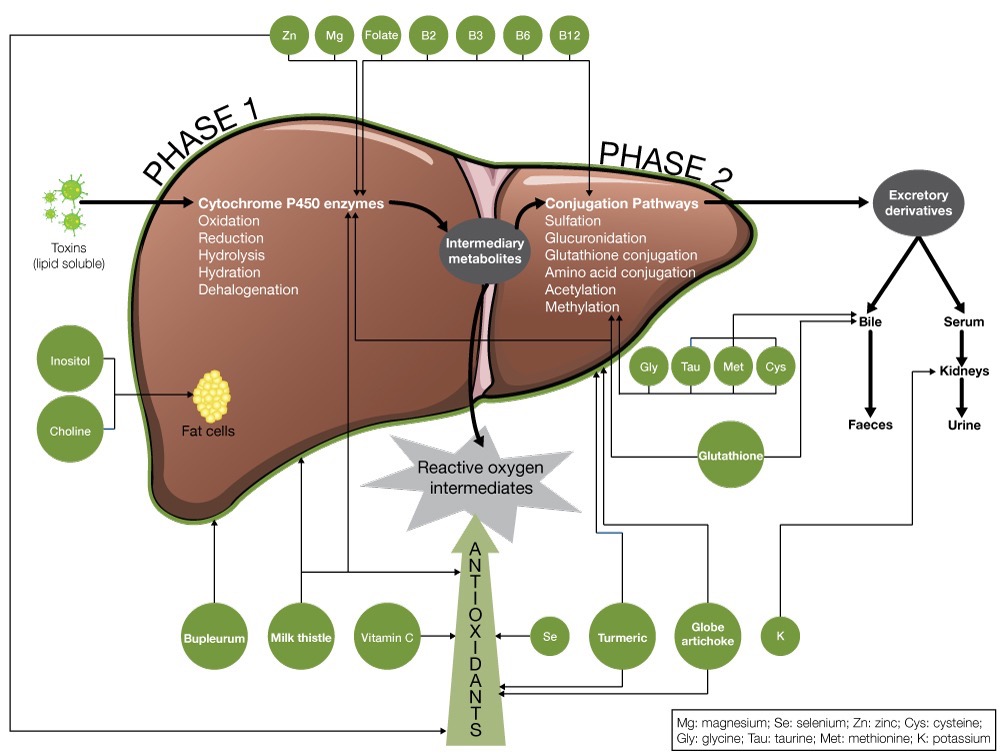
Step 4: Focus on liver health.
If you want to check out the health of your liver, you can check:
1. A basic liver panel
2. Serum endotoxin levels
3. Bilirubin
4. Ammonia
5. Albumin
6. Alanine aminotransferase (ALT)
7. Aspartate aminotransferase (AST)
Things that you can do in order to improve your liver health include the following suggestions.
Suggestion number 1: Limit the number of toxins that you're exposing yourself to.
This one is simply common sense since the greater the toxic burden that your liver is exposed to, the more unhealthy it will be.
Suggestion number 2: Take VERY good care of your gut.
The gut can affect the liver in multiple ways (check the gut-liver axis here: pubmed.ncbi.nlm.nih.gov) but one of them is the portal vein which transports gut-derived products to the liver.
So, take good care of your gut.
Suggestion number 3: Provide the right type of nutrition
There are certain nutrients that your liver needs in order to be able to do its job correctly.
The main ones are:
-Bioavailable protein (obviously do not over do it, but if you do, thiamine can help)
-B vitamins
-Magnesium
-Choline
-Glycine
-Taurine
-Vitamin C
-Vitamin E
-Vitamin K
Suggestion number 4: Boost endogenous glutathione production.
In order to boost glutathione production:
1)Consume sulfur rich foods such as fish, beef, onions and garlic.
2)Consume vitamin C and E rich foods.
Vitamin C maintains the body’s supply of antioxidants, including glutathione and helps reprocess glutathione by converting oxidized glutathione back to its active form.
3)Consume selenium rich foods.
Selenium is a glutathione cofactor, meaning it’s a substance needed for glutathione activity and will lead to increased glutathione peroxidase levels.
4)Unless your DHT is low, start adding quality turmeric in your meals once in a while (twice a week for example.
Numerous animal and test-tube studies have shown that turmeric and curcumin extract have the ability to increase glutathione levels.
Suggestion number 5: Lose excessive body fat if necessery and resistance train.
Suggestion number 6: Lower excessive serotonin Reasoning: nature.com…
Now some tools that you can use in order to battle excessive serotonin are the following:
-Ginger
-Raw carrots
-Ginkgo
-Grass fed (beef) gelatin
-Taurine
If you want to check out the health of your liver, you can check:
1. A basic liver panel
2. Serum endotoxin levels
3. Bilirubin
4. Ammonia
5. Albumin
6. Alanine aminotransferase (ALT)
7. Aspartate aminotransferase (AST)
Things that you can do in order to improve your liver health include the following suggestions.
Suggestion number 1: Limit the number of toxins that you're exposing yourself to.
This one is simply common sense since the greater the toxic burden that your liver is exposed to, the more unhealthy it will be.
Suggestion number 2: Take VERY good care of your gut.
The gut can affect the liver in multiple ways (check the gut-liver axis here: pubmed.ncbi.nlm.nih.gov) but one of them is the portal vein which transports gut-derived products to the liver.
So, take good care of your gut.
Suggestion number 3: Provide the right type of nutrition
There are certain nutrients that your liver needs in order to be able to do its job correctly.
The main ones are:
-Bioavailable protein (obviously do not over do it, but if you do, thiamine can help)
-B vitamins
-Magnesium
-Choline
-Glycine
-Taurine
-Vitamin C
-Vitamin E
-Vitamin K
Suggestion number 4: Boost endogenous glutathione production.
In order to boost glutathione production:
1)Consume sulfur rich foods such as fish, beef, onions and garlic.
2)Consume vitamin C and E rich foods.
Vitamin C maintains the body’s supply of antioxidants, including glutathione and helps reprocess glutathione by converting oxidized glutathione back to its active form.
3)Consume selenium rich foods.
Selenium is a glutathione cofactor, meaning it’s a substance needed for glutathione activity and will lead to increased glutathione peroxidase levels.
4)Unless your DHT is low, start adding quality turmeric in your meals once in a while (twice a week for example.
Numerous animal and test-tube studies have shown that turmeric and curcumin extract have the ability to increase glutathione levels.
Suggestion number 5: Lose excessive body fat if necessery and resistance train.
Suggestion number 6: Lower excessive serotonin Reasoning: nature.com…
Now some tools that you can use in order to battle excessive serotonin are the following:
-Ginger
-Raw carrots
-Ginkgo
-Grass fed (beef) gelatin
-Taurine
Step 4: Focus on your lymphatic system.
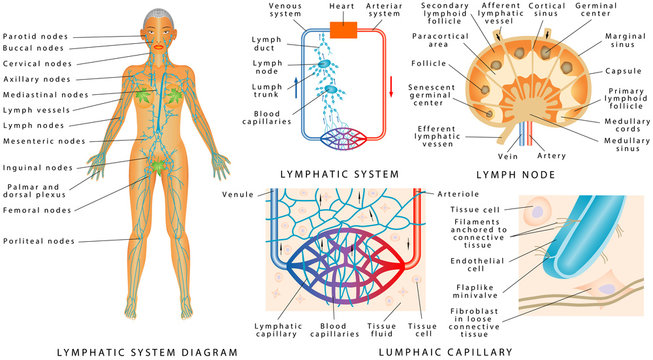
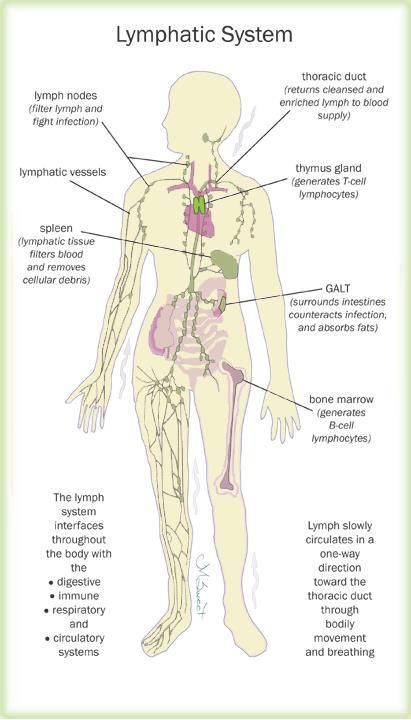
This subsystem of the circulatory system and the immune system, is responsible for filtering out waste products, absorbing fats from the intestines, releasing lymphocytes, gathering the excess fluid from the tissues and bringing it back into the bloodstream in order for us to maintain normal fluid levels.
It’s primarily made out of:
-The spleen
The spleen is a blood-filtering organ that removes microbes and destroys old or damaged red blood cells.
It also makes disease-fighting components of the immune system (including antibodies and lymphocytes).
-The bone marrow
Bone marrow is the spongy tissue found inside your bones.
It produces the red blood cells our bodies need to carry oxygen, the white blood cells we use to fight infection, and the platelets we need to help our blood clot.
-The thymus
The thymus filters and monitors your blood content.
It produces the white blood cells called T-lymphocytes.
-The lymphatic fluid (lymph).
The lymph is a collection of the extra fluid that was mentioned a bit earlier over here.
-The lymph nodes
We have 600 of these (you might be able to feel the ones in your armpits and neck) and they are glands responsible for “cleaning up” damaged cells, storing lymphocytes, regulating the lymph -The MALT (mucosa-associated lymphoid tissue).
This lines up our airways, tonsils but also the appendix and the small intestine in order to protect us from potentially harmful organisms like germs.
-The lymphatic vessels.
Now some people mention separately the lymphatic vessels and capillaries but we’ll view them as a “subcategory”.
-The collecting ducts.
These were just mentioned (the ducts in our upper chest).
-The tonsils.
These are in the back of the throat and help us keep pathogens away.
-The adenoids.
These are behind the nasal cavity and serve the same purpose.
This subsystem of the circulatory system and the immune system, is responsible for filtering out waste products, absorbing fats from the intestines, releasing lymphocytes, gathering the excess fluid from the tissues and bringing it back into the bloodstream in order for us to maintain normal fluid levels.
It’s primarily made out of:
-The spleen
The spleen is a blood-filtering organ that removes microbes and destroys old or damaged red blood cells.
It also makes disease-fighting components of the immune system (including antibodies and lymphocytes).
-The bone marrow
Bone marrow is the spongy tissue found inside your bones.
It produces the red blood cells our bodies need to carry oxygen, the white blood cells we use to fight infection, and the platelets we need to help our blood clot.
-The thymus
The thymus filters and monitors your blood content.
It produces the white blood cells called T-lymphocytes.
-The lymphatic fluid (lymph).
The lymph is a collection of the extra fluid that was mentioned a bit earlier over here.
-The lymph nodes
We have 600 of these (you might be able to feel the ones in your armpits and neck) and they are glands responsible for “cleaning up” damaged cells, storing lymphocytes, regulating the lymph -The MALT (mucosa-associated lymphoid tissue).
This lines up our airways, tonsils but also the appendix and the small intestine in order to protect us from potentially harmful organisms like germs.
-The lymphatic vessels.
Now some people mention separately the lymphatic vessels and capillaries but we’ll view them as a “subcategory”.
-The collecting ducts.
These were just mentioned (the ducts in our upper chest).
-The tonsils.
These are in the back of the throat and help us keep pathogens away.
-The adenoids.
These are behind the nasal cavity and serve the same purpose.
Now, let’s see some tips when it comes to how we can keep our lymphatic system healthy and improve detoxification.
Number 1: Lymphatic massages
By using lymphatic massages, we will help areas such as our skin but then we need to also keep in mind that parts of the fluid at the end of the day will get filtered through the colon and liver.
Number 2: Get enough magnesium.
If we don’t have enough magnesium, we can’t properly regulate the flow of lymph.
Number 3: Avoid the regular usage of vasoconstrictors such as alcohol, nicotine and caffeine.
If the blood vessels constrict, this will prevent the blood from moving into the lymphatic system.
Number 4: You might want to address the health of your mast cells and try a low histamine diet since it can inhibit lymphatic contractions when in excess.
So get enough vitamin E, thiamine, magnesium, vitamin C and B6 while also ditching:
-Birth control pills
-Aged cheeses
-Canned foods / citric acid
-Foods fortified with inorganic iron
-Chocolate
-Soy
-Mustard
-Spinach
-Tomatoes
-Cured meats
-Dried fruit
-Bananas
No preservatives
-Vinegar
-Alcohol
and stuff such as kefir, kombucha and sourdough IF you’re reacting badly to them
Number 5: Move throught the day.
Number 6: Prioritize sleep
Sleep is of course crucial for tons of bodily processes and one of the most underrated factors when it comes to detoxification in general.
Number 7: Drink mineral water
No hydration -> No lymphatic system health
Number 1: Lymphatic massages
By using lymphatic massages, we will help areas such as our skin but then we need to also keep in mind that parts of the fluid at the end of the day will get filtered through the colon and liver.
Number 2: Get enough magnesium.
If we don’t have enough magnesium, we can’t properly regulate the flow of lymph.
Number 3: Avoid the regular usage of vasoconstrictors such as alcohol, nicotine and caffeine.
If the blood vessels constrict, this will prevent the blood from moving into the lymphatic system.
Number 4: You might want to address the health of your mast cells and try a low histamine diet since it can inhibit lymphatic contractions when in excess.
So get enough vitamin E, thiamine, magnesium, vitamin C and B6 while also ditching:
-Birth control pills
-Aged cheeses
-Canned foods / citric acid
-Foods fortified with inorganic iron
-Chocolate
-Soy
-Mustard
-Spinach
-Tomatoes
-Cured meats
-Dried fruit
-Bananas
No preservatives
-Vinegar
-Alcohol
and stuff such as kefir, kombucha and sourdough IF you’re reacting badly to them
Number 5: Move throught the day.
Number 6: Prioritize sleep
Sleep is of course crucial for tons of bodily processes and one of the most underrated factors when it comes to detoxification in general.
Number 7: Drink mineral water
No hydration -> No lymphatic system health
Step 6: Be aware of certain tools that can AID detoxification.
0) The sauna (just remineralize both pre and after).
1) Sulfur rich foods since toxins such as heavy metals have an affinity to bind to sulfur.
2) Raw milk will decrease gastrointestinal lead absorption and cadmium toxicity.
3) Quality oysters, organic berries, camu camu and acerola cherries can reduce blood levels of aluminum.
4) Almost all quality animal products (except dairy) can help you battle methylmercury due to their selenium content.
5) Sun dried raisins will displace fluoride from the glands.
6)Organic granny smiths apples can increase the excretion of aluminum.
7) Quality organs can aid in bisphenol-A detoxification.
8) Carrots will bind excess estrogens in the gut.
9) Thiamine (B1) which is a chelator for most of the heavy metals.
10) Magnesium malate has the ability to bind aluminum and remove it from the body.
11) Activated charcoal / H. zeolites
Activated charcoal is made by heating carbon rich material such as wood, peat or coconut shells to a very high temperature and the AC then becomes a fine black powder which when consumed will bind to tons of endotoxins (from heavy metals, to xenoestrogens, to parasites) because it carries slight negative electrical charge which acts like a magnet for the positively charged toxins.
0) The sauna (just remineralize both pre and after).
1) Sulfur rich foods since toxins such as heavy metals have an affinity to bind to sulfur.
2) Raw milk will decrease gastrointestinal lead absorption and cadmium toxicity.
3) Quality oysters, organic berries, camu camu and acerola cherries can reduce blood levels of aluminum.
4) Almost all quality animal products (except dairy) can help you battle methylmercury due to their selenium content.
5) Sun dried raisins will displace fluoride from the glands.
6)Organic granny smiths apples can increase the excretion of aluminum.
7) Quality organs can aid in bisphenol-A detoxification.
8) Carrots will bind excess estrogens in the gut.
9) Thiamine (B1) which is a chelator for most of the heavy metals.
10) Magnesium malate has the ability to bind aluminum and remove it from the body.
11) Activated charcoal / H. zeolites
Activated charcoal is made by heating carbon rich material such as wood, peat or coconut shells to a very high temperature and the AC then becomes a fine black powder which when consumed will bind to tons of endotoxins (from heavy metals, to xenoestrogens, to parasites) because it carries slight negative electrical charge which acts like a magnet for the positively charged toxins.
That's it.
Six simple and effective steps that can get the ball rolling.
If you enjoyed this and want more threads like this make sure to leave a like / RT.
Six simple and effective steps that can get the ball rolling.
If you enjoyed this and want more threads like this make sure to leave a like / RT.

Loading suggestions...