
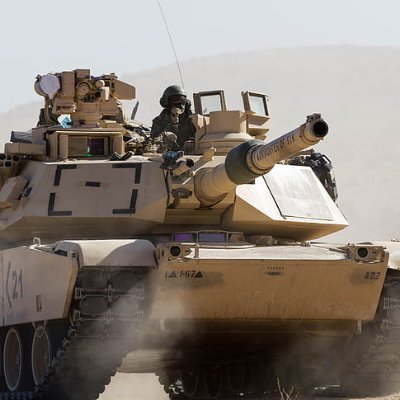
Africa saw a lot of fighting in both World Wars, but nowhere near the scale or importance of the main theaters.
Secondary theaters are usually a drain on the weaker side, so it’s interesting to compare Germany’s performance in both. 🧵
Secondary theaters are usually a drain on the weaker side, so it’s interesting to compare Germany’s performance in both. 🧵

The North Africa campaign of WWII is the much more famous of these. It saw the exploits of three of the most famous commanders of the war—Rommel, Montgomery, and Patton—as well as some of the most dramatic back-and-forths. But what were Axis objectives there?


For Italy, it was a primary theater, one in which to establish a Mediterranean empire.
Things were more complicated for Germany. This was never fully settled, but included:
1. Keep Italy in the war
2. Deny it as a springboard for invasion of Europe
3. Take Egypt, the Middle East
Things were more complicated for Germany. This was never fully settled, but included:
1. Keep Italy in the war
2. Deny it as a springboard for invasion of Europe
3. Take Egypt, the Middle East
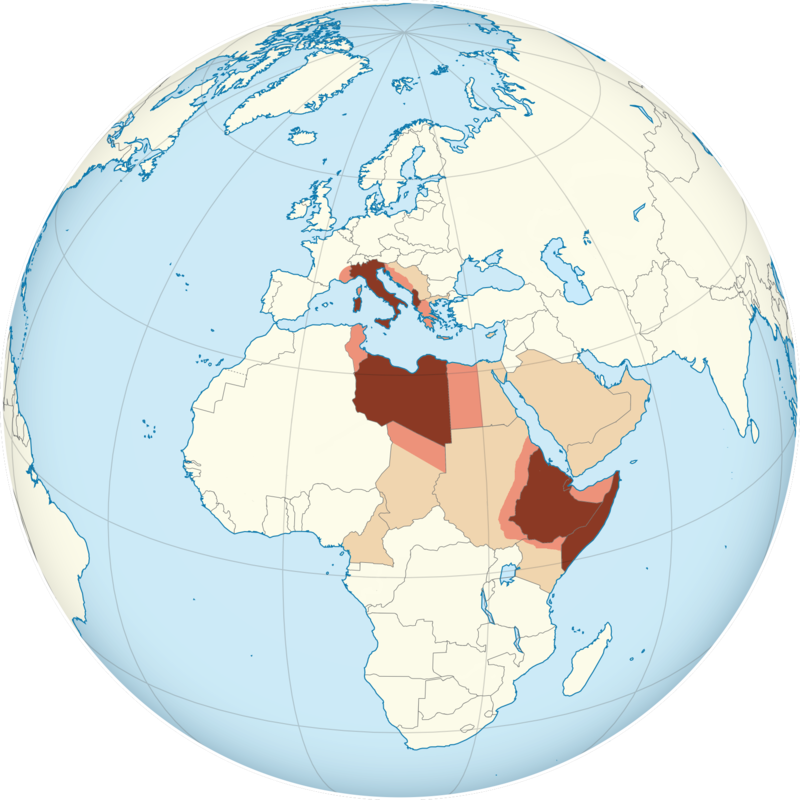
The first was a classic example of a Siamese war objective: Germany diverted forces away from her own main effort in order to bolster an alliance, which contributed to an overall favorable force ratio. It also assisted with the second.
dispatch.bazaarofwar.com
dispatch.bazaarofwar.com

And above all, these two objectives held the potential to give the Axis a very favorable economy of force: a well-executed defense would require disproportionate force for the Allies to wrest Libya/Tunisia and launch an invasion of Italy.
These were not compatible with Rommel’s objectives, however: unless he COMPLETELY succeeded in driving the British beyond the Suez, his campaign required large concentrations of forces plus resupply by sea, making his logistics vulnerable to British bombers and subs.
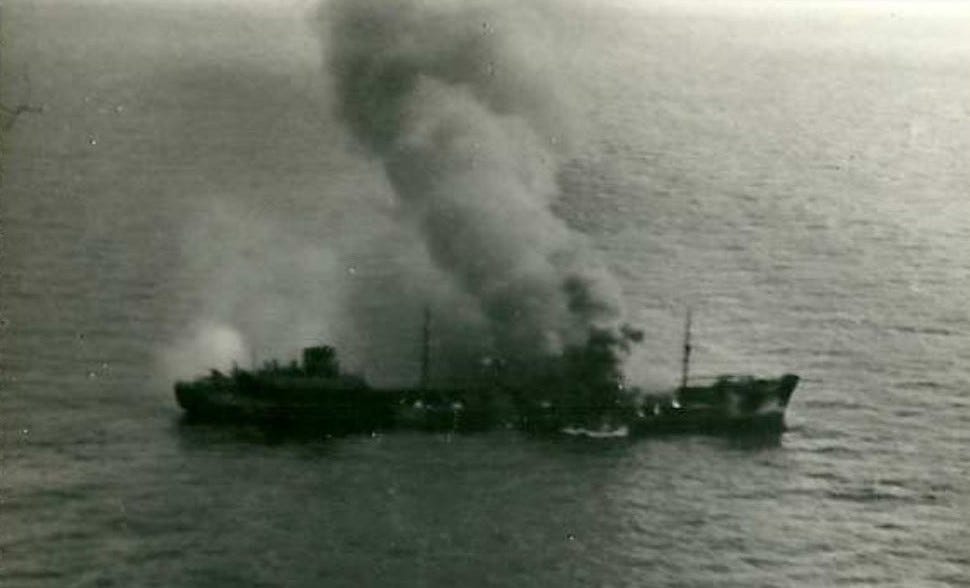
Making matter worse, the push into Egypt drew resources away from the planned invasion of Malta, leaving the British in control of a vital base in the central Med. Their bombers even managed to shut down the port of Tobruk on the eve of the Second Battle of Alamein.
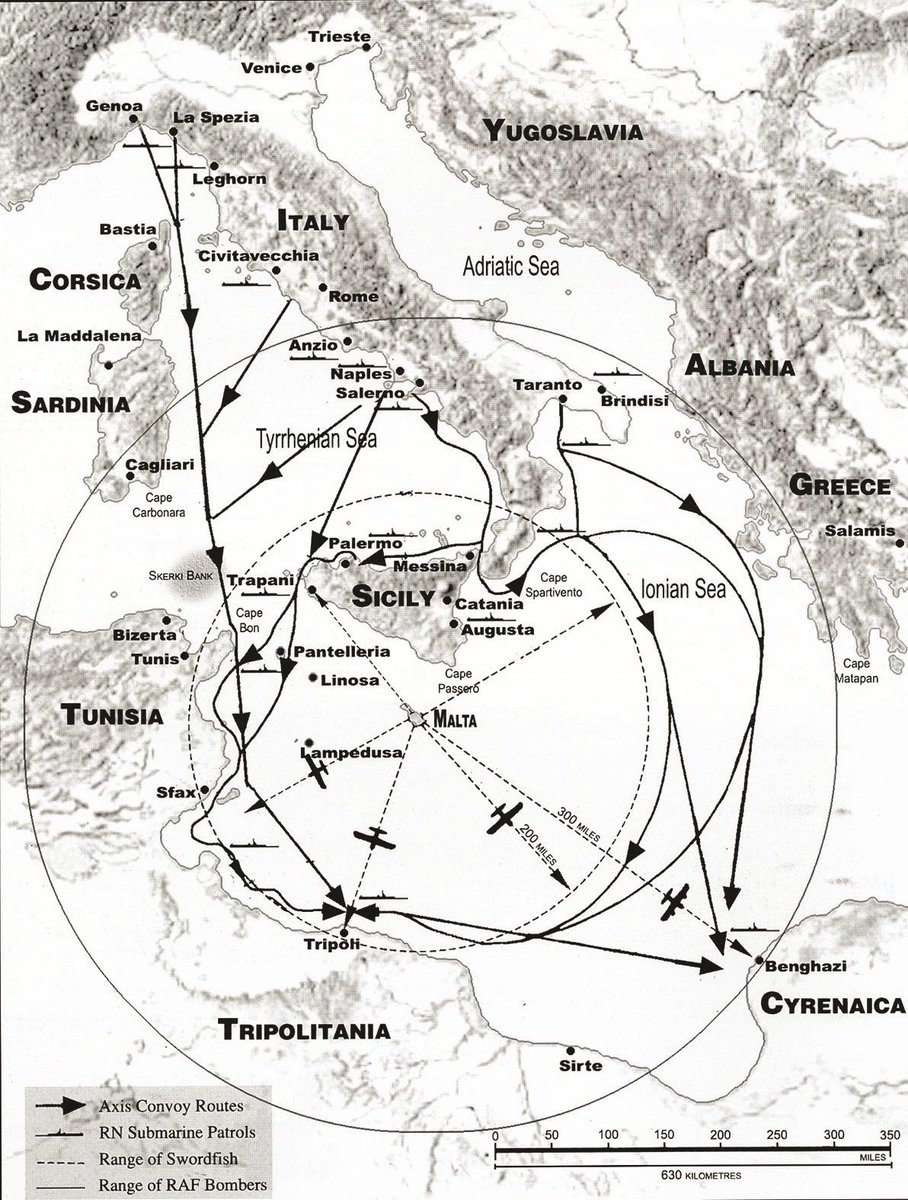
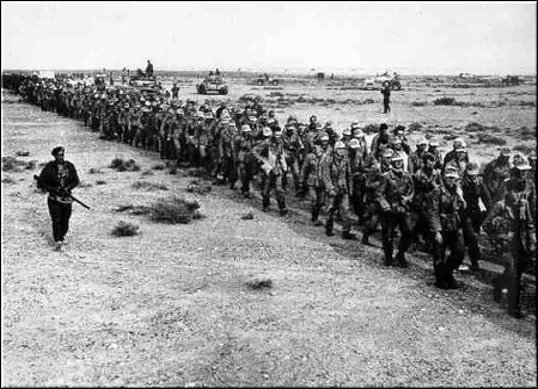
Unless the North African campaign succeeded completely, it was guaranteed to fail in its initial objectives and absorb disproportionate forces—which the Germans discovered when nearly 300,000 soldiers surrendered in May 1943.
How different from their experience in World War One!
How different from their experience in World War One!
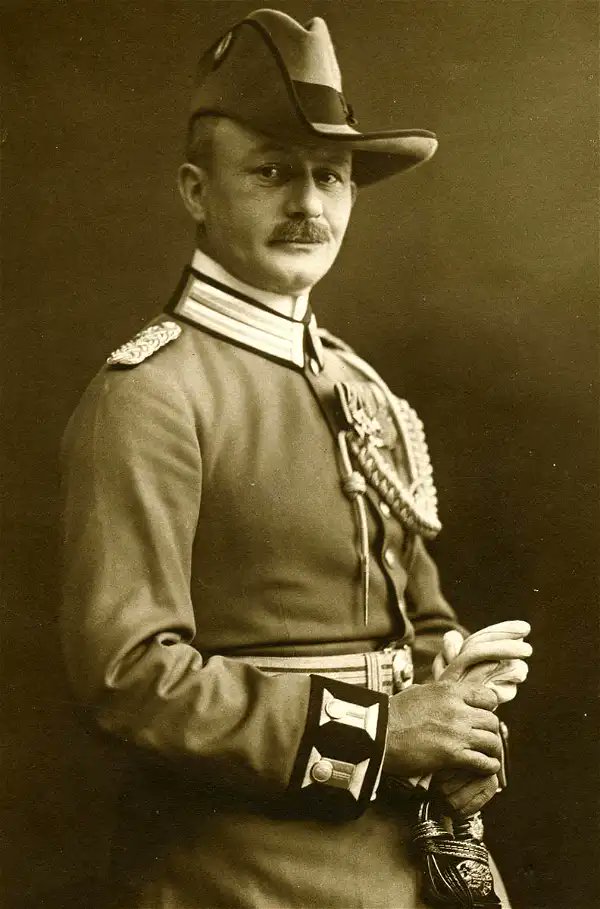
The principal African theater in WWI was not North Africa, but the colony of German East Africa—modern Tanzania. This was defended by just a few thousand colonial troops, called Schutztruppe, under Lieutenant Colonel Paul von Lettow-Vorbeck.
Unlike North Africa in WWII, there was no hope of reinforcement. The Royal Navy ruled the waves, and blockaded the German colony as soon as war was declared. Only a single German ship managed to escape, wreaking havoc before holing up in a river delta.
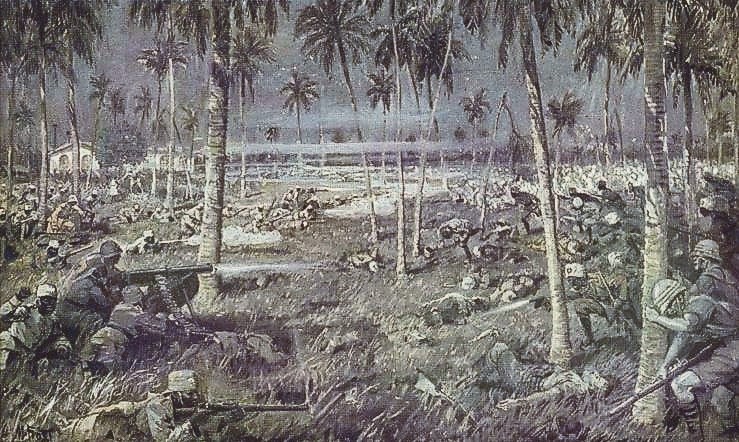
Lettow-Vorbeck therefore had to recruit troops on his own, raising a force of more than 15,000 among the German settlers and native Africans. With these, he managed to defeat an attempted landing by a much larger British Imperial force at the northern port of Tanga.
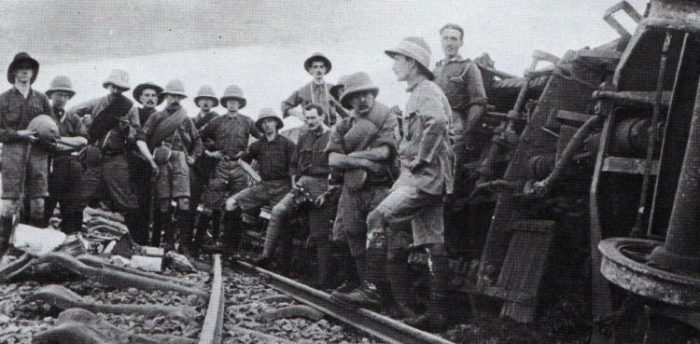
Realizing that he would be overwhelmed by reinforcements from India and elsewhere in Africa if he kept fighting set-piece defensive battles, Lettow-Vorbeck went on the offensive. Setting up camp near Kilimanjaro, he raided into British East Africa (Kenya), attacking rail lines.
It was not until 1916 that the British and Belgians managed a two-pronged counterattack: from Kenya in the northeast, Belgian Congo in the northwest.
The Schutztruppe fell back on their own rail lines, fighting a series of delaying actions, before cutting loose entirely.
The Schutztruppe fell back on their own rail lines, fighting a series of delaying actions, before cutting loose entirely.
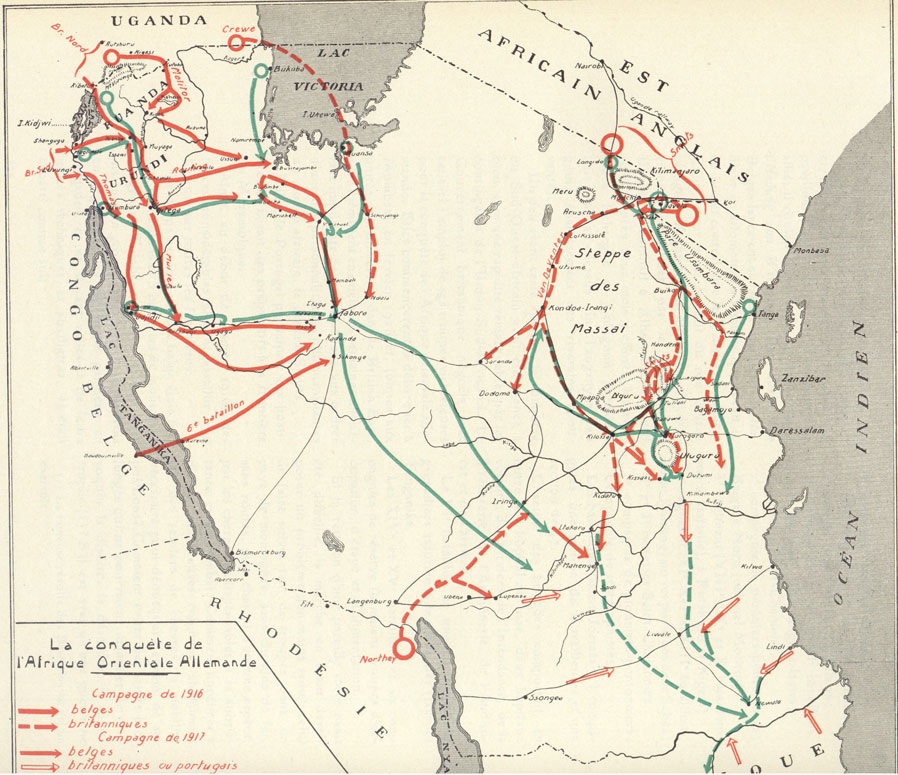
After two years of being pursued through thick, malarial-ridden, monsoon-swamped bush by hundreds of thousands of Allied troops, the Schutztruppe crossed into Portuguese East Africa, where it continued to evade its pursuers.
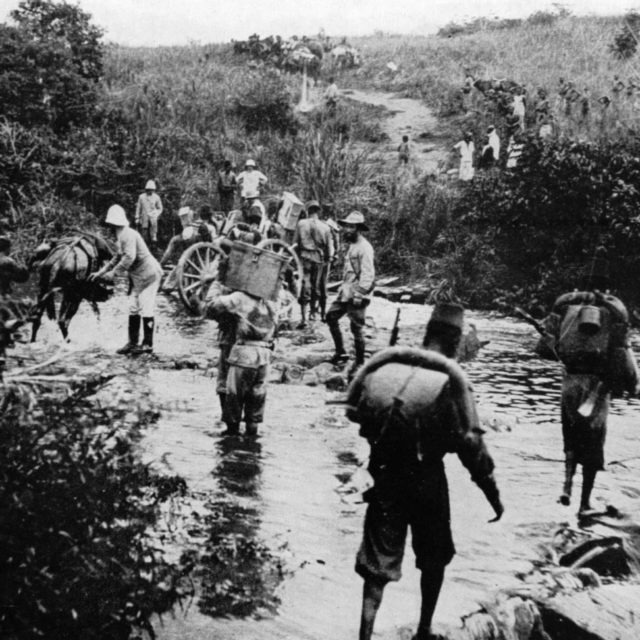
Lettow-Vorbeck eventually surrendered his command two weeks after the Armistice went into effect in Europe, having tied down hundreds of thousands of Allied troops for four years—all at no cost in extra troops or supplies to the German army.
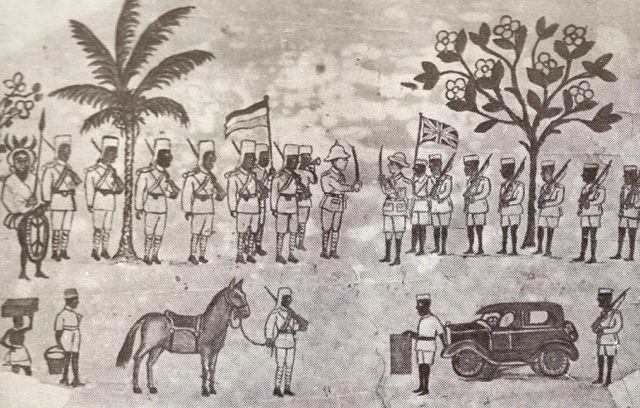
Although this was nowhere near enough to win the war for Germany, he exceeded all expectations in accomplishing his mission: to contribute a favorable balance of forces in the larger war of attrition.
Read more on secondary theaters and economy of force: dispatch.bazaarofwar.com
Read more on secondary theaters and economy of force: dispatch.bazaarofwar.com

Loading suggestions...