

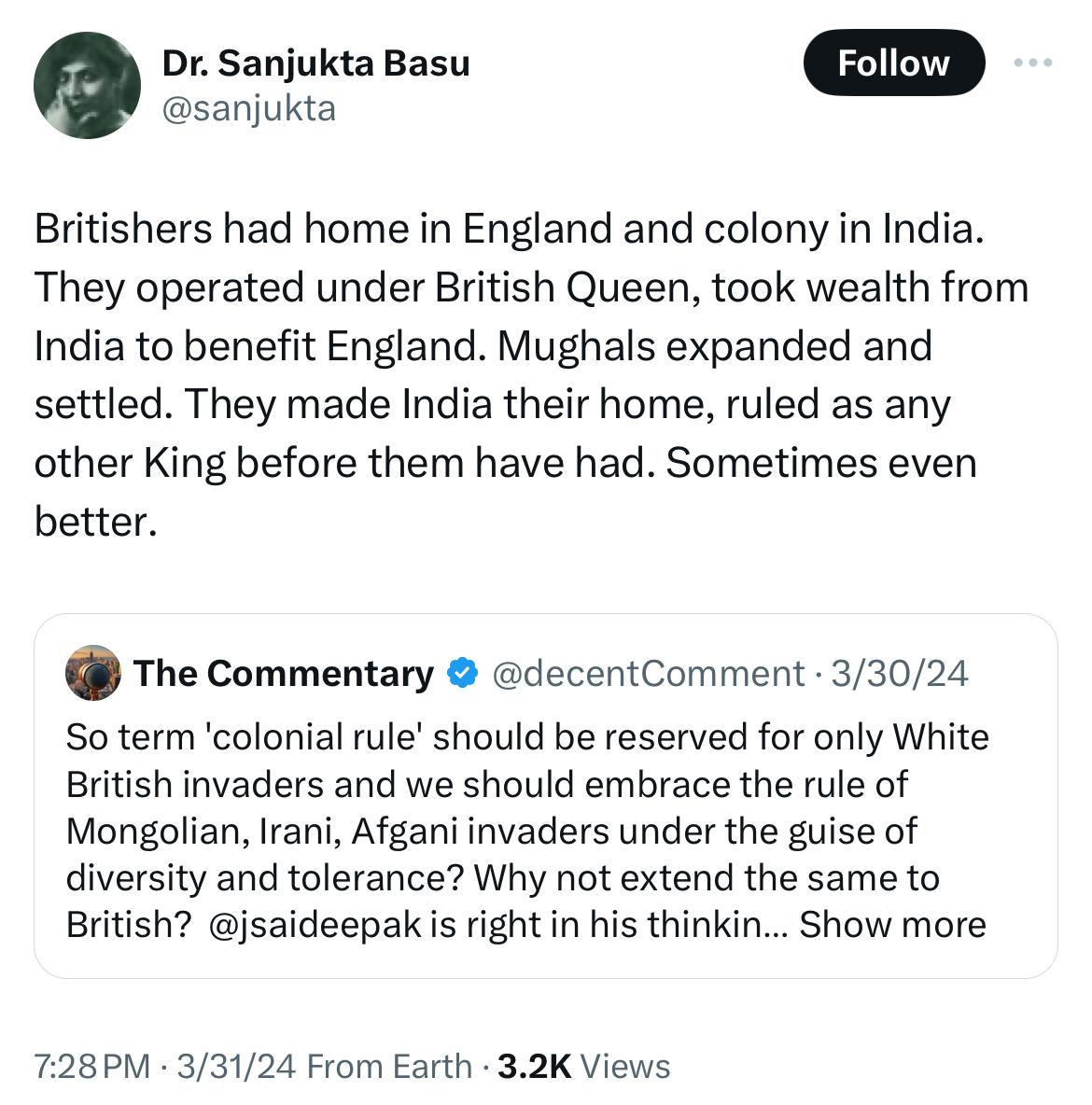
To paraphrase, “the British took wealth from India and the Mughals didn’t.”
Not the first time this has been said, but the statement reeks of ignorance at best and apologia at worst. In a few quick tweets, let’s assess this claim against recorded history.
Not the first time this has been said, but the statement reeks of ignorance at best and apologia at worst. In a few quick tweets, let’s assess this claim against recorded history.
Before all else, let’s be very clear on one thing:
Not taking wealth out of India does not inherently negate loot. The same lot that absolves Mughal loot because they “called India home” also demonizes the “1%” for looting India even though they too call India home.
Not taking wealth out of India does not inherently negate loot. The same lot that absolves Mughal loot because they “called India home” also demonizes the “1%” for looting India even though they too call India home.
The above argument alone renders moot the debate on whether or not the Mughals drained wealth out of India. But let’s continue anyway. So did they?
Babur never called India home (understandable, he was only here for 4 yrs.) so we won’t discuss him. But what about others?
Babur never called India home (understandable, he was only here for 4 yrs.) so we won’t discuss him. But what about others?
We will also not discuss Humayun, for he too had no reason to call India home. Man was neither born here, nor had many happy memories from here. That brings us to Akbar, the “secular” one.
For this, we refer to a work of history by Akbar’s own Mir Bakhshi, Nizamuddin Ahmad.
For this, we refer to a work of history by Akbar’s own Mir Bakhshi, Nizamuddin Ahmad.
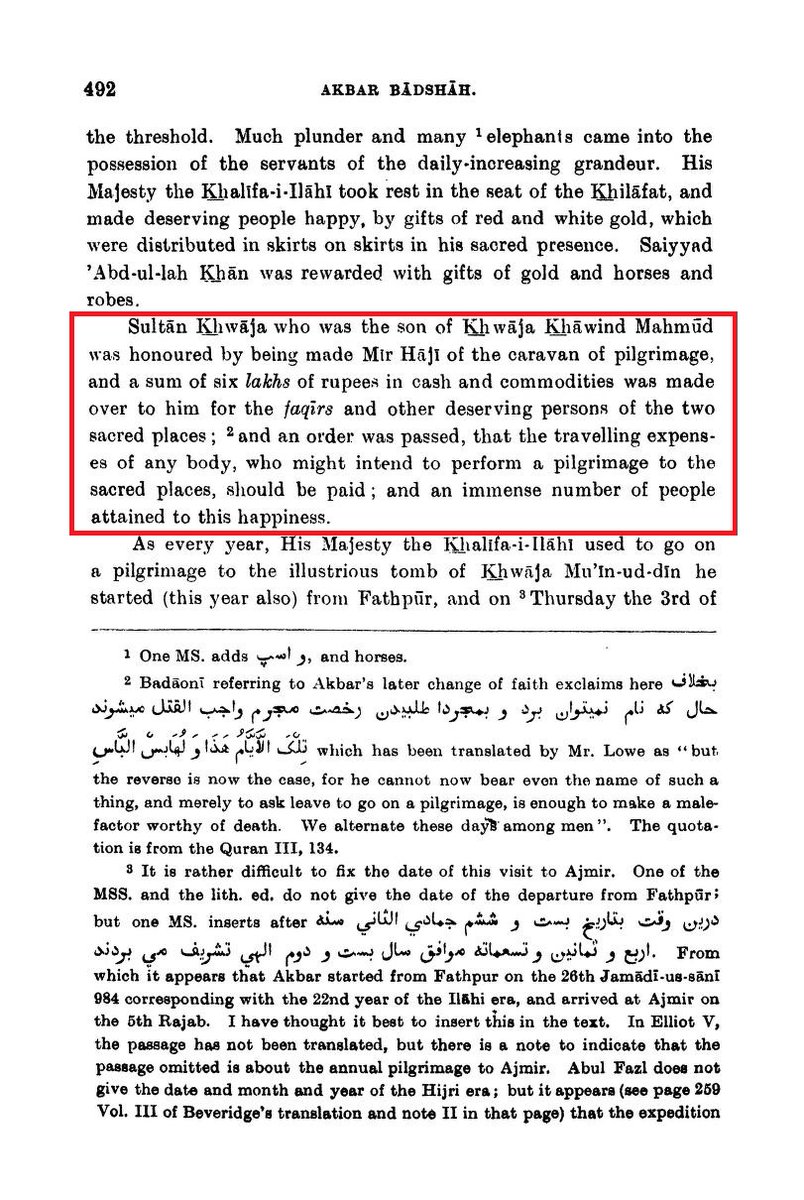
In his work, Ahmad informs us of a Hajj party sponsored by the emperor in 1575. This party was sent off with “six lakh rupees” for charity in Arabia. The same year, an imperial edict was issued making this sponsorship an annual affair. For anyone in the empire.

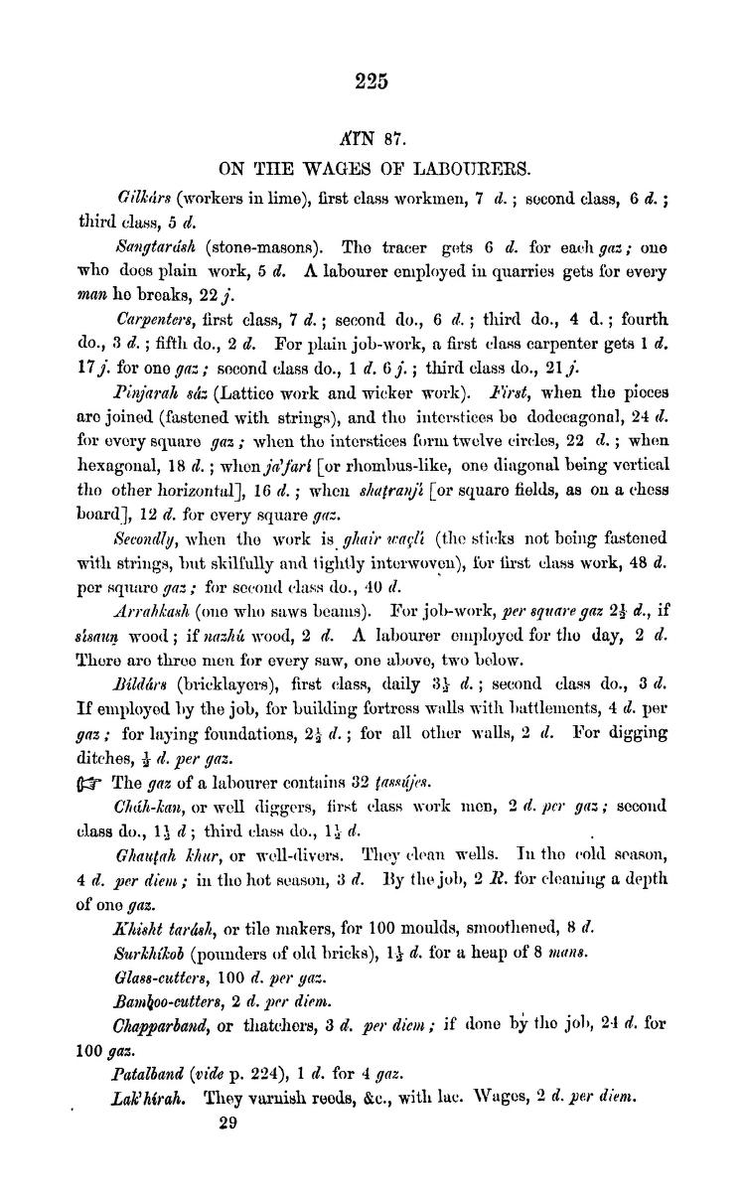
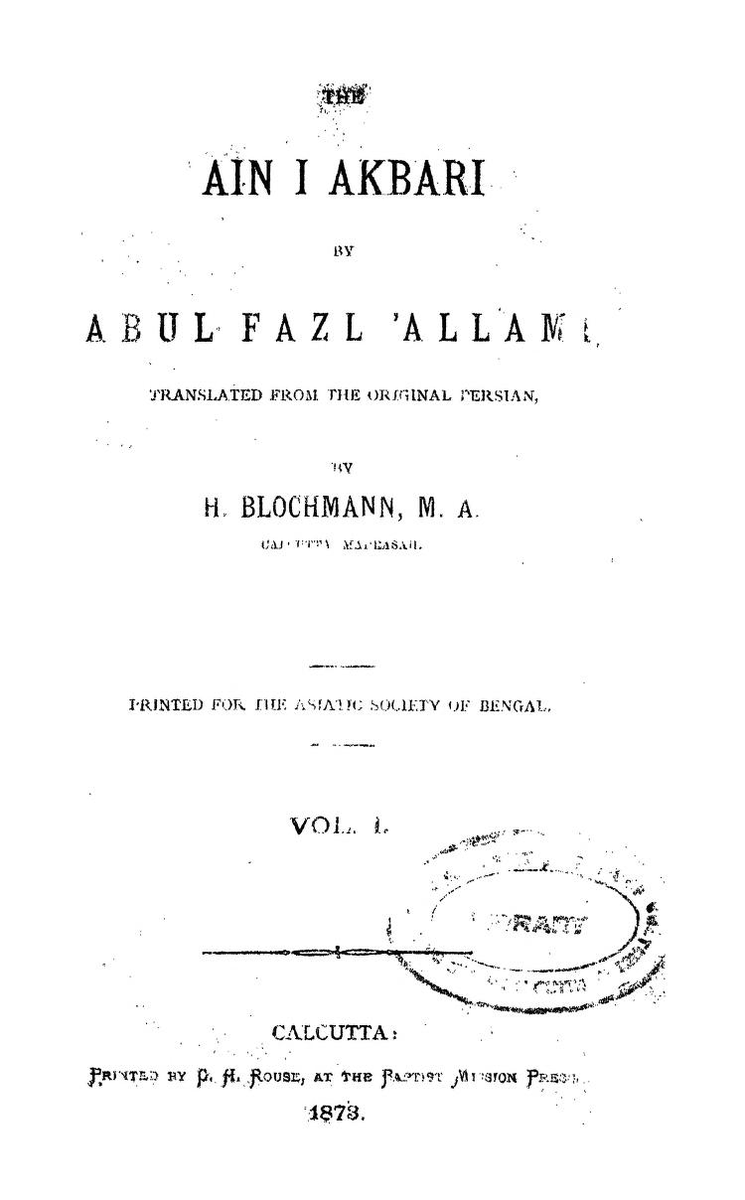
But what does six lakh rupees even mean? The answer is, a lot. For perspective, Abu Fazl informs us in Ain-i-Akbari that the average worker at the time made no more than 4 dams a day. A rupee was 48 dams. In other words, less than 31 rupees a year.
And why this generosity? Because it was not. It was vanity. Akbar, like all Muslim rulers ever, was keen on standing out as the “defender of Islam” by spending lavishly on the Two Mosques and allied affairs. Mecca and Medina were then under the Sharif of Hejaz.
Although subservient to the Ottomans, the Sharif of Hejaz was a mighty autonomous position. His blessings lent legitimacy to every sovereign in the Muslim world. And no price was too high for that blessing. Naturally, Akbar pulled all stops to keep him happy and impressed.
The very next year, Akbar deputed one Mir Abu Turab to lead the Indian Haj expedition as its Mir Haji. This time, besides money for charity in Mecca and Medina, he also carried 100,000 silver rupees for the Sharif personally. This was besides other material gifts.
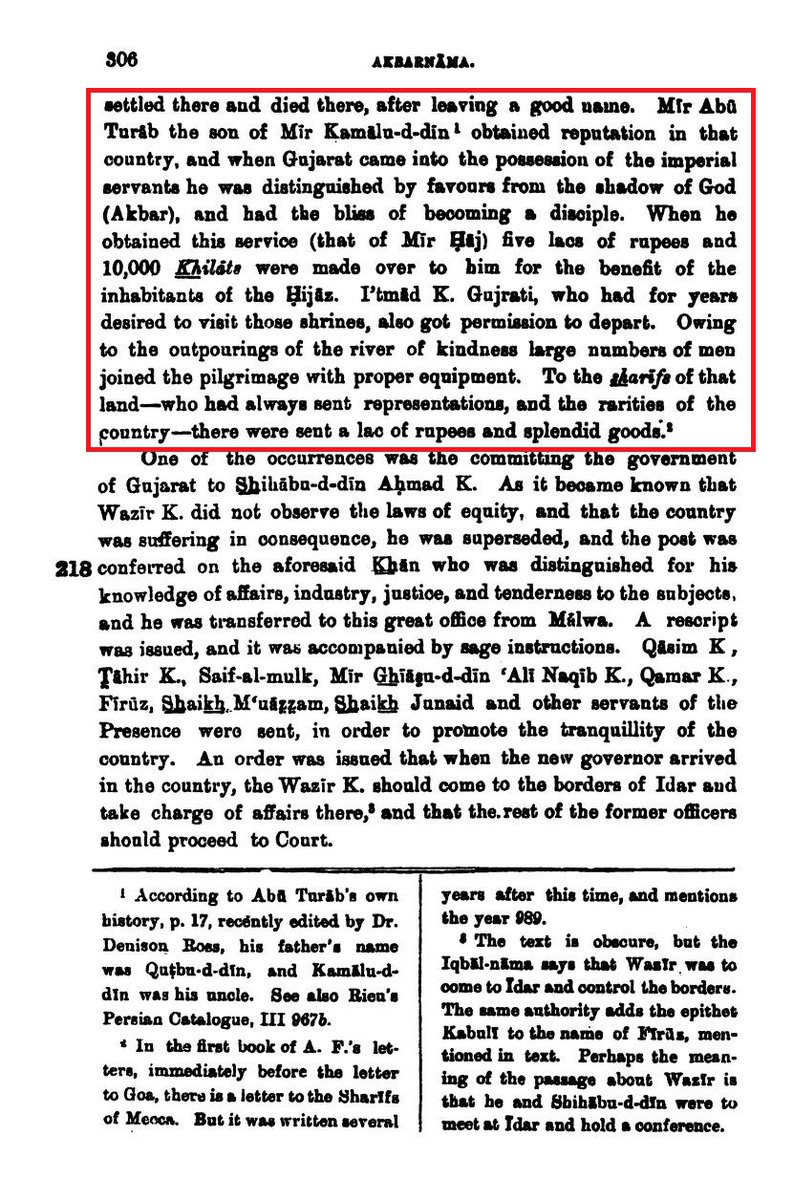
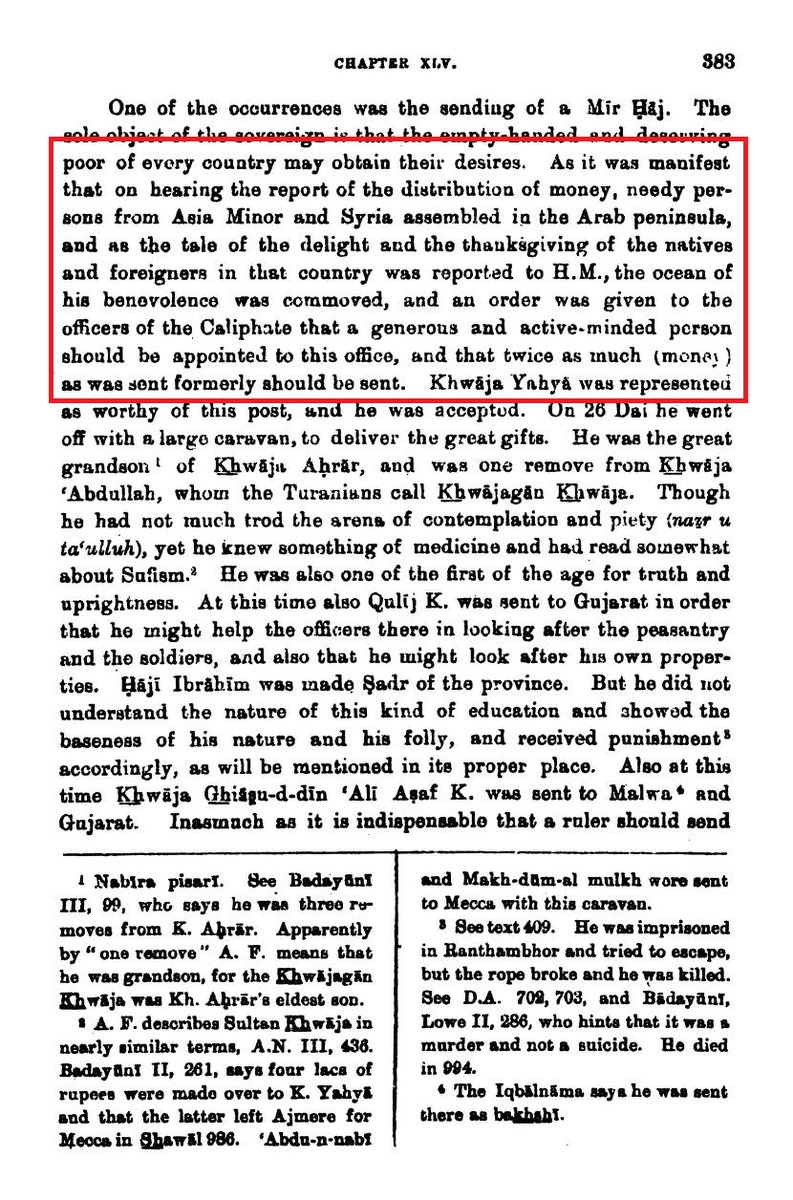
Expectedly, this act of charity attracted people from all over the Muslim world to Hejaz during the Haj season. When news reached Akbar, he announced doubling of his Haj corpus to cover every destitute in Arabia. Again, Indians were earning in fractional rupees those days.
After about 7 years of reckless charity, Akbar finally pulled the plug on the tradition in 1582. Reason was corruption in local disbursements. After him came Jahangir.
In 1622, 5 years before his death, Jahangir ordered the resumption of the tradition. With the same grandeur.
In 1622, 5 years before his death, Jahangir ordered the resumption of the tradition. With the same grandeur.
The practice of sending extravagant gifts to foreign celebrities further intensified under his son Shah Jahan. To understand the scale of his wastefulness, consider the example where he send a candlestick worth 250,000 rupees to Mecca on a whim.
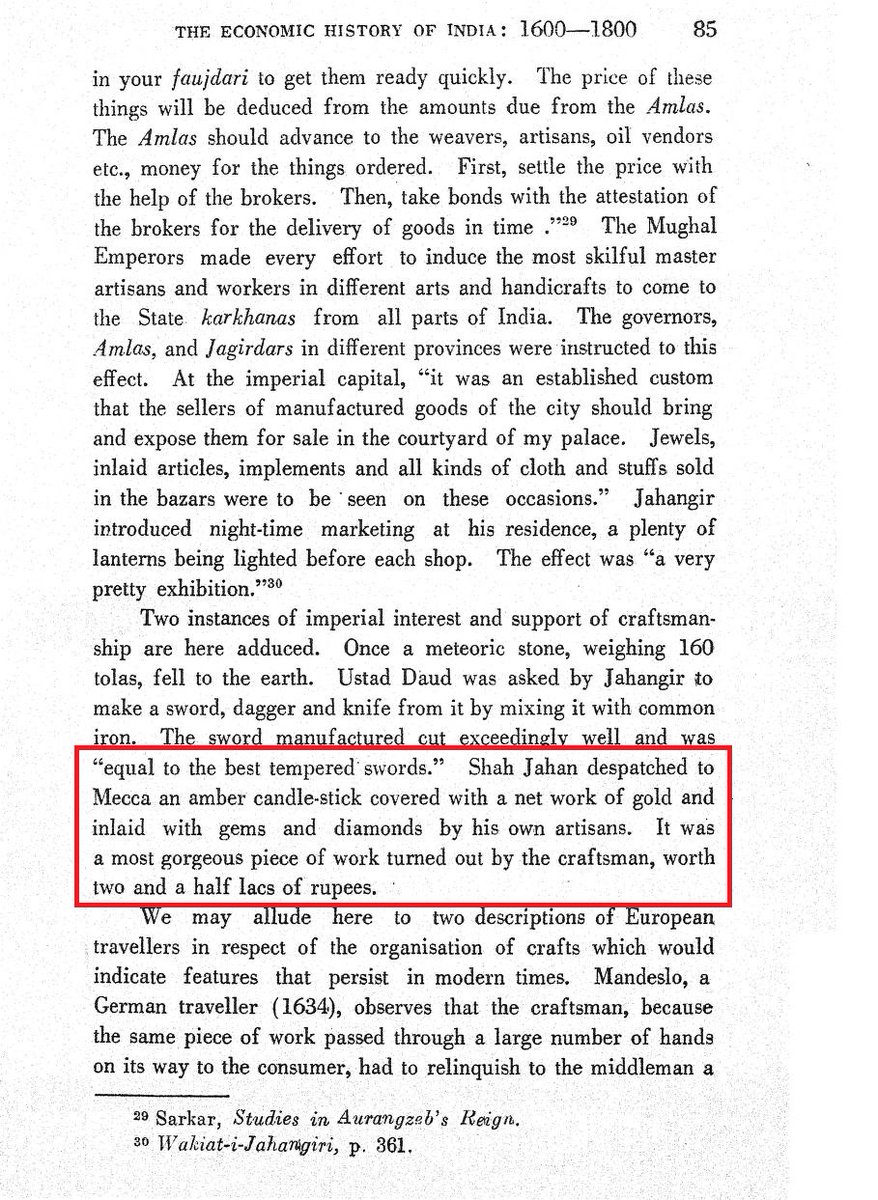
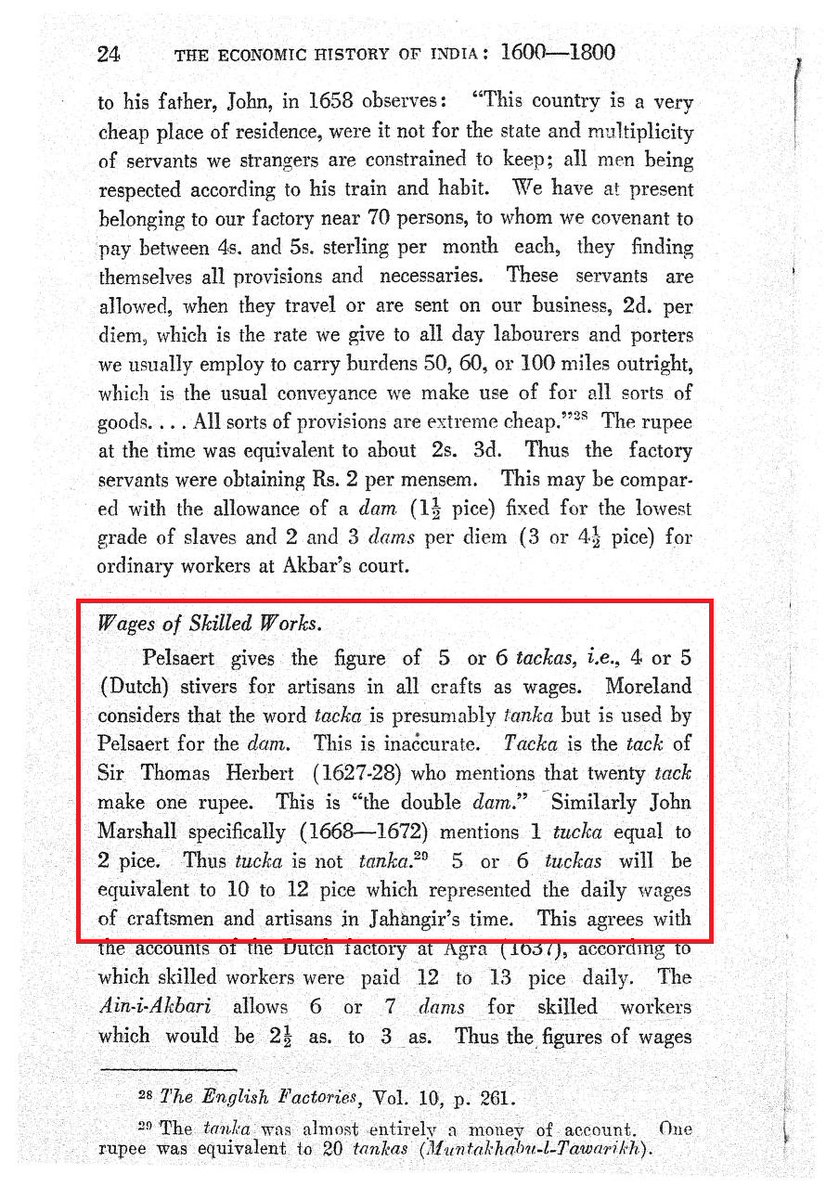
And this when the average skilled worker was making less than 110 rupees a year (6 takas a day). This was just one gift on one occasion. Although the topic is of siphoning wealth out of India, a conversation of this man is still incomplete without the Taj, a monument to hedonism.
I won’t go into the gory details of the draught that preambled this extravaganza but do know that it cost of more than 30 million rupees at a time when people were cannibalizing each other just to not die of starvation. More than 10 million had perished in the famine.
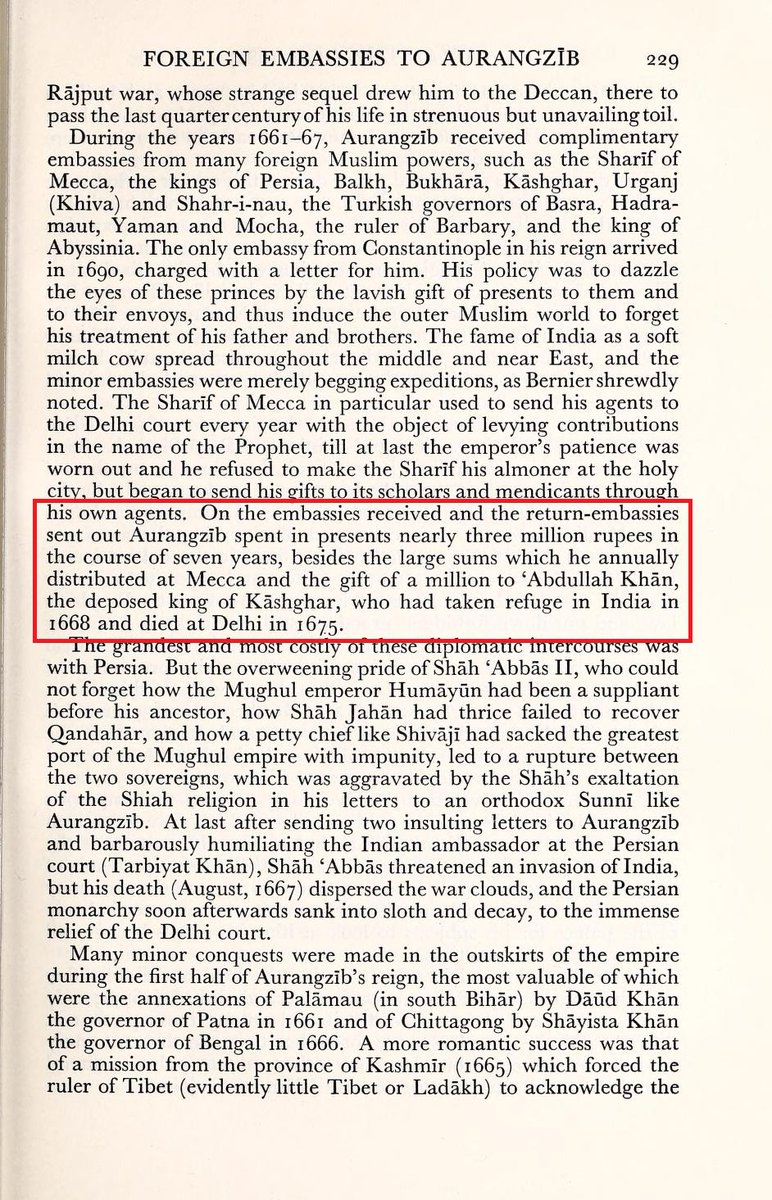
The most frugal Mughal was also the most extravagant when it comes to siphoning Indian wealth out to distant Muslim lands purely for spectacle. Dazzling foreign princes with lavish gifts, both monetary and otherwise, became a state policy under him.
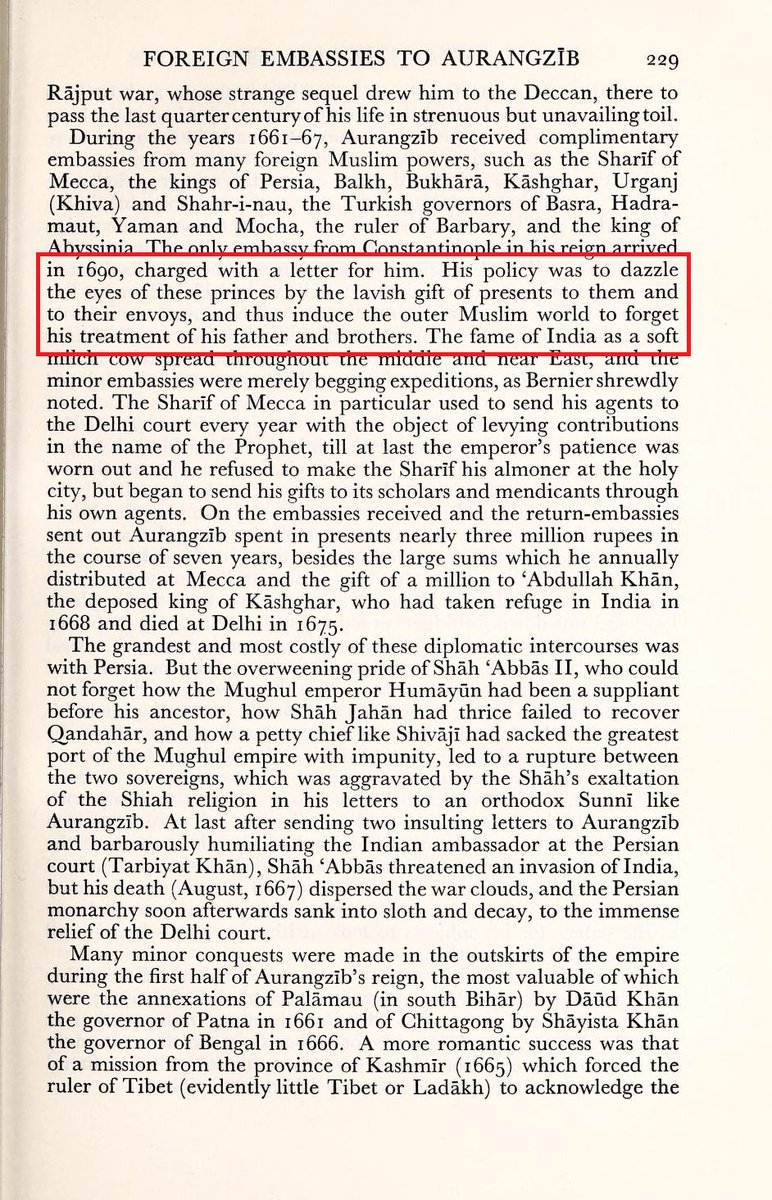
So much so that India became known to the Muslim world as the cash cow that could be milked at will. Among the biggest beneficiaries of this extravagance was the Sharif of Mecca who extracted millions from Aurangzeb in the name of islam and Muhammad.
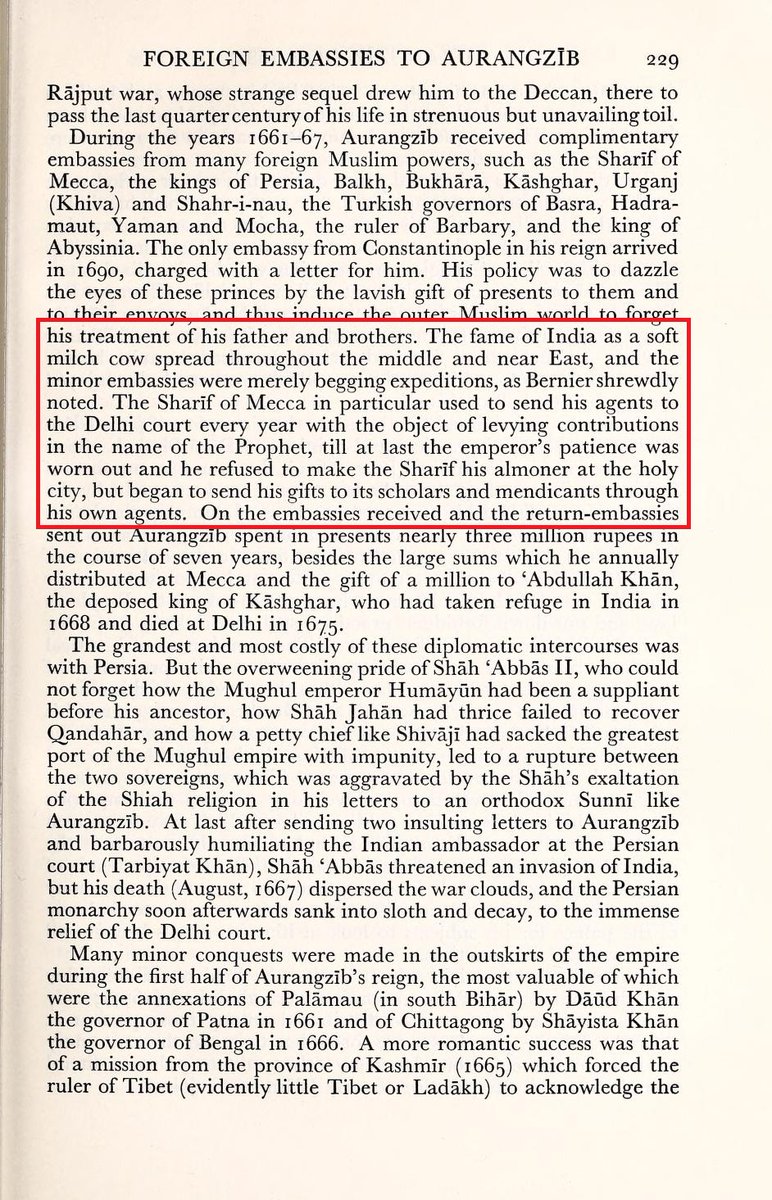
On an average, he siphoned off nearly 430,000 rupees a year for seven years. To one king in Kashghar alone he gifted no less than a million rupees in 1668. In the same period, India suffered 4 major famines.
Once again, this was the king famous for “weaving his own topi.”
Once again, this was the king famous for “weaving his own topi.”
We know India was the world’s leading economy by far during the Mughals. Although it was a much bigger economy before the Mughals, let’s keep that aside for now. Even within the Mughals, Aurangzeb’s reign is said to be of peak Mughal GDP.
But was India as prosperous?
But was India as prosperous?
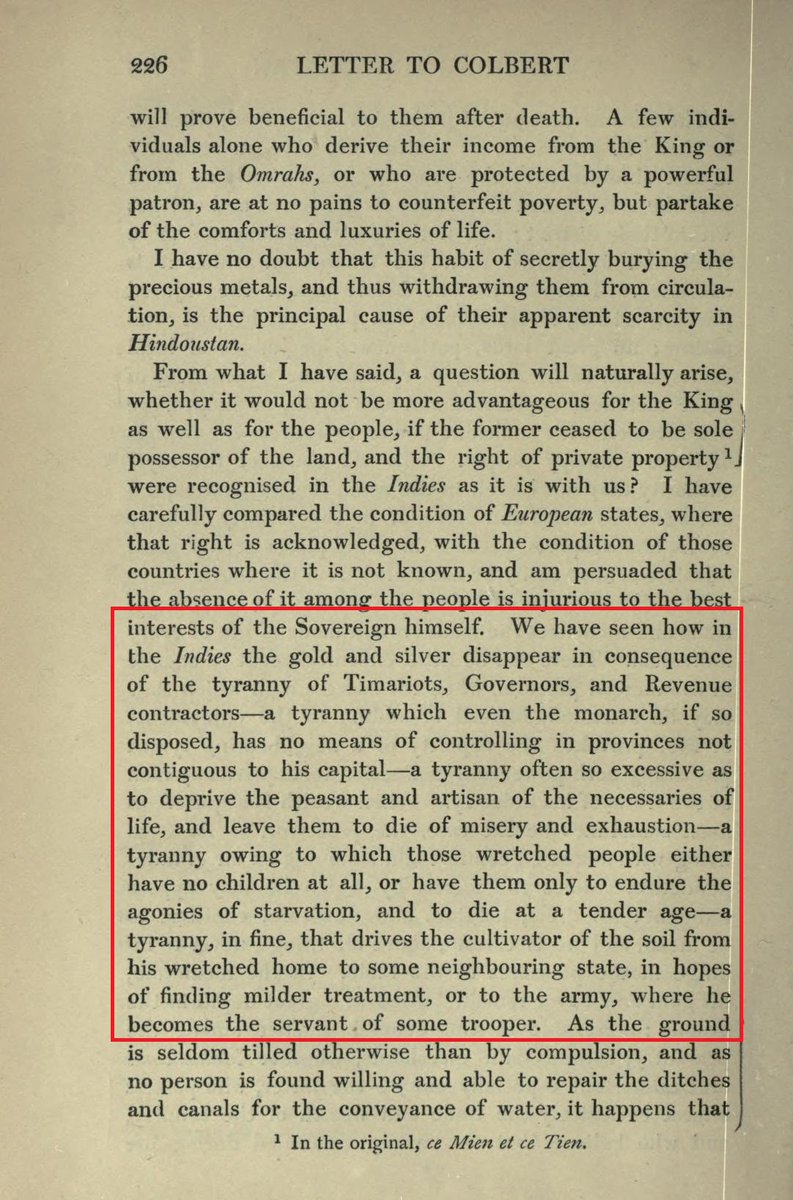
François Bernier, a contemporary of Aurangzeb’s and an eyewitness, says no. In his famous biographical travelog, he describes how citizens battled starvation as corrupt officers made away with all the gold and silver. Remember, there were 4 famines between 1660 and 1667.
So no, the Mughals did not spend it all on India because they considered India home. They spent India’s money in foreign lands for clout and in India for vanity monuments.
Again, all that matters is that they sucked India dry. Where they spent it is immaterial.
Again, all that matters is that they sucked India dry. Where they spent it is immaterial.
Loading suggestions...