

1. This thread is a teaching case for the public to help you guide on who is the decentralized expert and who is the centralized profiteer. This podcast below is given by two people who think selling pills and supplements makes sense for SOME (20 or so of the SNP's/SAPS) that can be tested for.
My position is not supplemented and should be used for these SNP/SAP issues.......the LIGHT environment has to be optimized using the information contained in them.
Key point: Light is stored at the electronic and vibrational level in cells, therefore lab values never find the real culprit in diseases associated with SNPs and SAPs.
CASE IN POINT: There is BELIEVED TO BE overwhelming evidence for a genotoxic mechanism in lung cancer development and compelling evidence for the contribution of genotoxins to breast cancer etiology. BUT THE TREATMENT OF THESE GENETIC CHANGES HAS NOT CHANGED THE OUTCOME ONE BIT IN EITHER CANCER.
So I strongly disagree with Lynch and Kresser in this podcast. You need to decide who is really deciphering the literature best before you select an expert. This will be a thread about what functional medicine providers will have to prove before their medical beliefs are allowed into El Salvador based on its new Constitutional medical freedom laws.
chriskresser.com
My position is not supplemented and should be used for these SNP/SAP issues.......the LIGHT environment has to be optimized using the information contained in them.
Key point: Light is stored at the electronic and vibrational level in cells, therefore lab values never find the real culprit in diseases associated with SNPs and SAPs.
CASE IN POINT: There is BELIEVED TO BE overwhelming evidence for a genotoxic mechanism in lung cancer development and compelling evidence for the contribution of genotoxins to breast cancer etiology. BUT THE TREATMENT OF THESE GENETIC CHANGES HAS NOT CHANGED THE OUTCOME ONE BIT IN EITHER CANCER.
So I strongly disagree with Lynch and Kresser in this podcast. You need to decide who is really deciphering the literature best before you select an expert. This will be a thread about what functional medicine providers will have to prove before their medical beliefs are allowed into El Salvador based on its new Constitutional medical freedom laws.
chriskresser.com
2. Interestingly both of these cancers have associated SNP and SAP changes and both of these cancers' incidence and prevalence are REDUCED by solar exposure. This tells us that SNP and SAP are not material to disease outcomes if the LIGHT environment is properly dealt with.
So what was the consistent association that has been shown where lung cancer risk is decreased by a G→A polymorphism? Proton flows control this process. It was found in the myeloperoxidase (MPO) gene in humans. This gene is expressed in neutrophils recruited to the lung after chemical or immunological insults. It is usually associated with changes in lactate in the blood too which is a measure of hypoxia and lack of mitochondrial water production. In the breast, a consistent lack of association has been observed for women who are fast N-acetyltransferase type 2 (NAT2) acetylators consuming cooked meat. Interestingly enough cutting out cooked meat did nothing to help their breast cancer but raising their Vitamin D with solar exposure has shown that the SNP change was immaterial. To avoid Cancer you need a Vitamin D level above 60 ng/ml
So what was the consistent association that has been shown where lung cancer risk is decreased by a G→A polymorphism? Proton flows control this process. It was found in the myeloperoxidase (MPO) gene in humans. This gene is expressed in neutrophils recruited to the lung after chemical or immunological insults. It is usually associated with changes in lactate in the blood too which is a measure of hypoxia and lack of mitochondrial water production. In the breast, a consistent lack of association has been observed for women who are fast N-acetyltransferase type 2 (NAT2) acetylators consuming cooked meat. Interestingly enough cutting out cooked meat did nothing to help their breast cancer but raising their Vitamin D with solar exposure has shown that the SNP change was immaterial. To avoid Cancer you need a Vitamin D level above 60 ng/ml
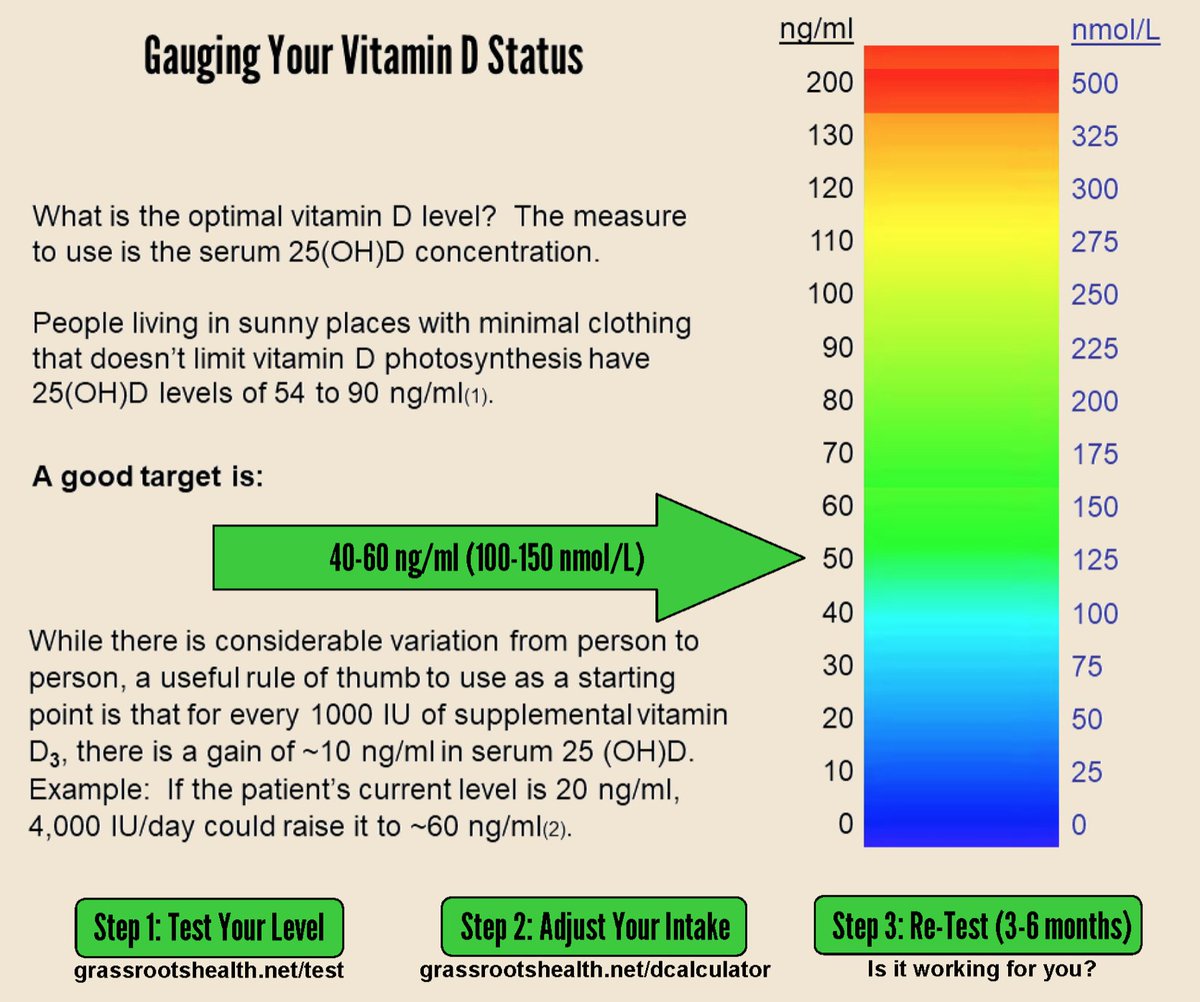
3. This was explained away by many papers that showed the lack of detectable NAT2-associated sulfamethazine acetylation activity in cytosols prepared from mammary tissue might be an issue. This result suggests a minor contribution to carcinogen activation from the SNP. The recent identification in mammary cytosols of detectable sulfotransferase isoforms (SULT1A1 and SULT1A3), which have high catalytic efficiency for activating N-hydroxylated heterocyclic amines (HCAs, mutagens in cooked meat), offers another possibility but so far dietary interventions have been poor in controlling breast cancer while solar exposure was able to overcome the SNP profile that was associated with cancers in the lung or breast.
What is the Black Swan takeaway? SNP and SAP are not key drivers of any disease if you understand how to optimize the environment for their genetic expression. Sunlight and darkness link these cycles. Cancer is linked to the control of mitosis. Mitosis is controlled by ultaweak UV biophotons. IF they are absent, cancer is more likely and those cancer cells lose their ability to stay in their home tissues and begin to migrate looking for another location where ultraweak UV biophotons are present. This is what metastasis is a biophysical core.
What is the Black Swan takeaway? SNP and SAP are not key drivers of any disease if you understand how to optimize the environment for their genetic expression. Sunlight and darkness link these cycles. Cancer is linked to the control of mitosis. Mitosis is controlled by ultaweak UV biophotons. IF they are absent, cancer is more likely and those cancer cells lose their ability to stay in their home tissues and begin to migrate looking for another location where ultraweak UV biophotons are present. This is what metastasis is a biophysical core.
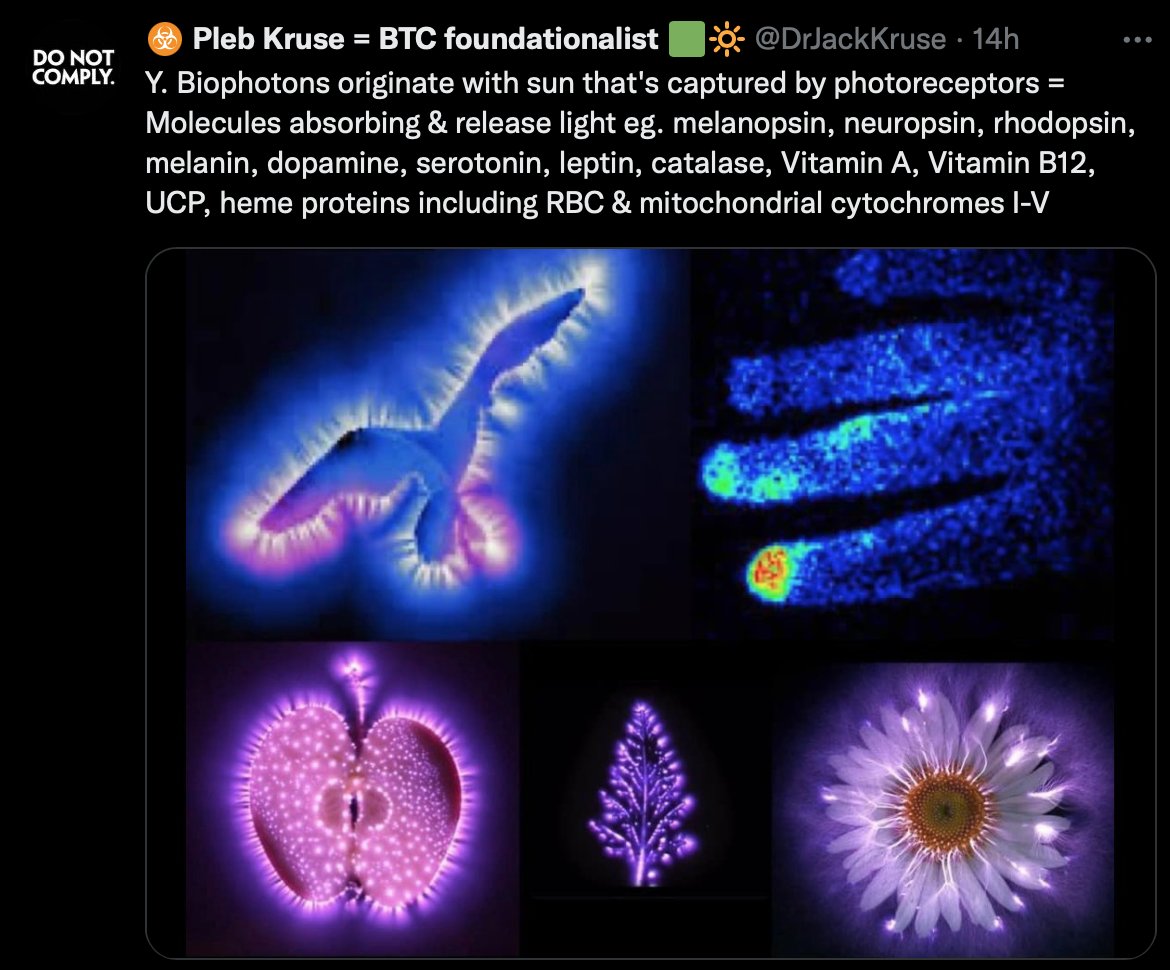
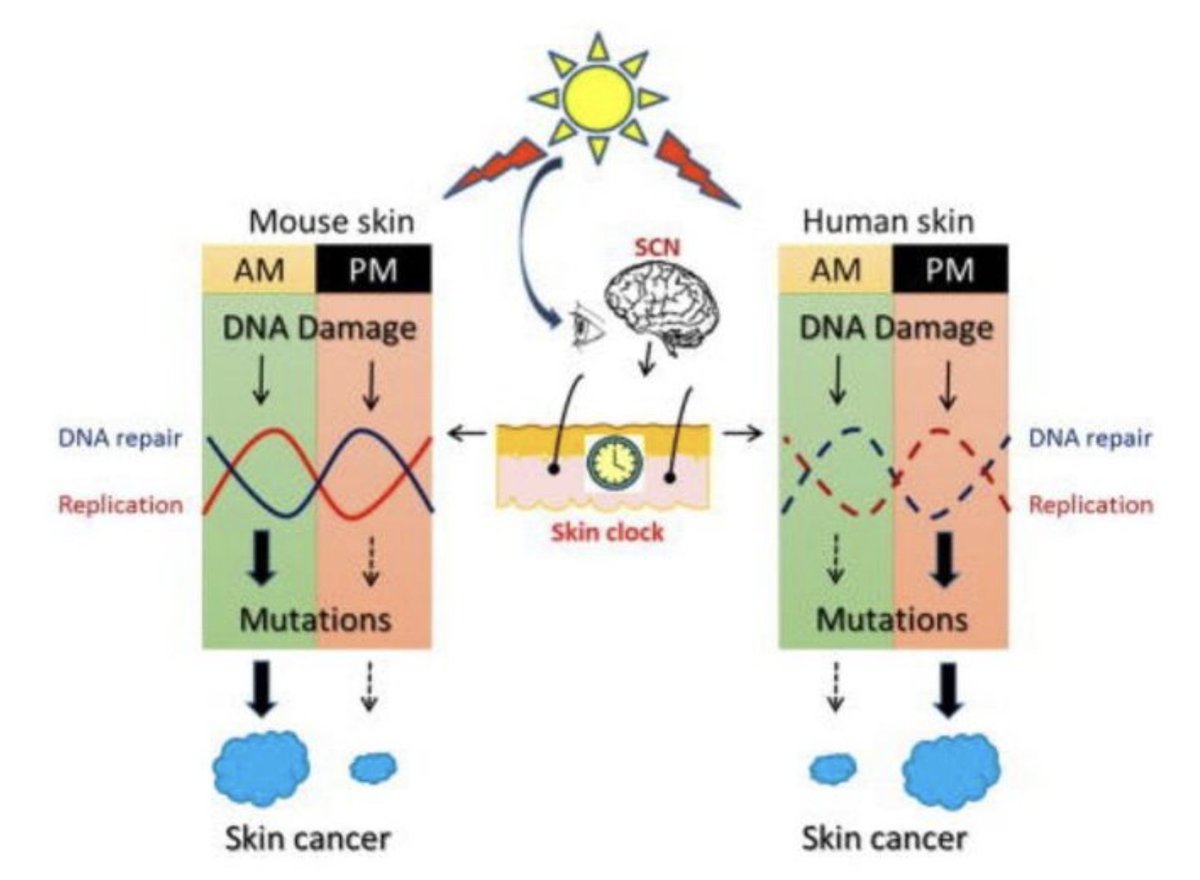
4. For evolution to work, a cell first must adapt to its environment. So the first thing a cell would encounter on earth day is a period of day and night. The cell also has to make energy and it also has to control its own cellular division. In essence, the circadian cycle has to “yoke” the metabolic cycle and its growth cycle. Evolution harnessed these environmental signals to control both metabolism and cellular growth. When it is dark at night time, the cell becomes more reduced chemically and electrically.
A lower redox state as we saw in the mitochondrial series. During a low redox time, cells are usually recycling their components using autophagy. In the mitochondria, this is called mitophagy. During the day with sunlight, energy is transformed physiologically to explore the environment, and the cell is more oxidized because of increased leakiness of the mitochondria at cytochrome number one (NAD+). This is how the environmental light signal is coupled to the chemical signal in the mitochondria. Another interesting coupling occurs between the circadian cycle with the cell cycle. They are linked via the PER 1 and PER 2 genes. PER 2 directly affects the cell cycle in mitosis.
So I strongly disagree with Lynch and Kresser in this podcast.
A lower redox state as we saw in the mitochondrial series. During a low redox time, cells are usually recycling their components using autophagy. In the mitochondria, this is called mitophagy. During the day with sunlight, energy is transformed physiologically to explore the environment, and the cell is more oxidized because of increased leakiness of the mitochondria at cytochrome number one (NAD+). This is how the environmental light signal is coupled to the chemical signal in the mitochondria. Another interesting coupling occurs between the circadian cycle with the cell cycle. They are linked via the PER 1 and PER 2 genes. PER 2 directly affects the cell cycle in mitosis.
So I strongly disagree with Lynch and Kresser in this podcast.
5. Thermodynamics is a story about time. Time is a function of how entropy flows and entropy flows according to how heat flows in a system. Heat creation always links back to energy inputs. Thermodynamics really measures changes in systems and relationships.
Scientists knew that two genes, BMAL1 and CLOCK, worked together at the core of the clock’s molecular machinery to activate the network of circadian genes. In this way, BMAL1 acts like the accelerator on a car, activating genes to rev up our physiology each morning so that we are alert, hungry and physically active.
Prior to this work REV-ERBα and β were thought to play only a minor role in these cycles, possibly working together to slow CLOCK-BMAL1 activity to make minor adjustments to keep the clock running on time.
Scientists knew that two genes, BMAL1 and CLOCK, worked together at the core of the clock’s molecular machinery to activate the network of circadian genes. In this way, BMAL1 acts like the accelerator on a car, activating genes to rev up our physiology each morning so that we are alert, hungry and physically active.
Prior to this work REV-ERBα and β were thought to play only a minor role in these cycles, possibly working together to slow CLOCK-BMAL1 activity to make minor adjustments to keep the clock running on time.
6. However, genetic studies of two genes with similar functions can be very difficult and thus the real importance of REV-ERBα and β remained mysterious. Salk scientists recently got around this hurdle by developing mice in which both genes could be turned off in the liver at any point by giving them an estrogen-derivative drug called tamoxifen. This is a drug oncologist give to women with breast cancer who have melanopsin toxicity that cause their cancers.
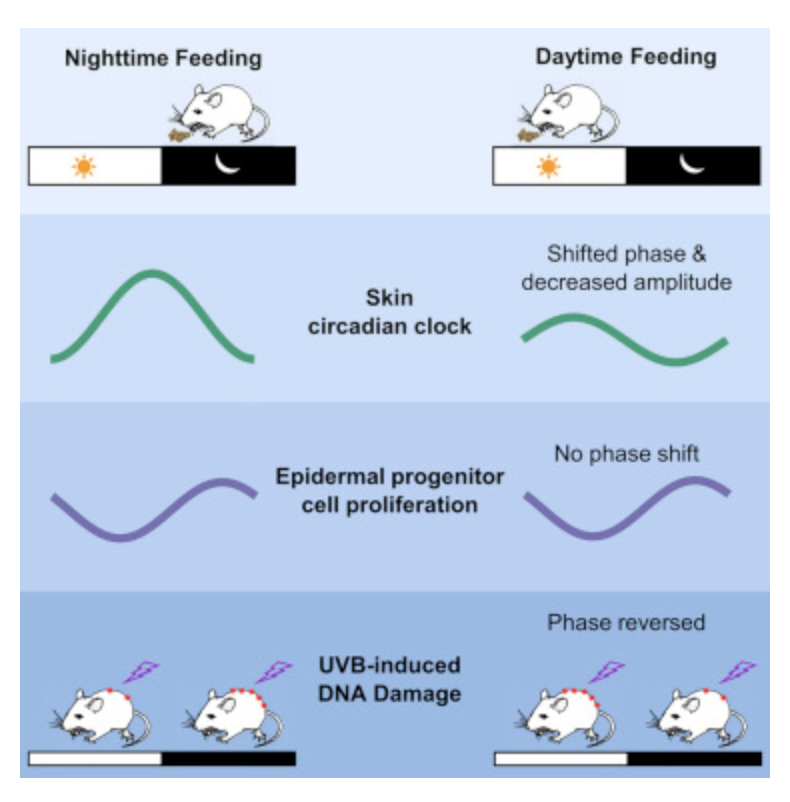
Salk scientists found that these mice could develop normally to adulthood, at which point the scientists could turn off REV-ERBα and REV-ERBβ in their livers —- an organ crucial to maintaining the correct balance of sugar and fat in the blood —- to see what effects it had on circadian rhythms and metabolism. When they turned off both clock receptor genes with drugs, the animal’s biological clocks went haywire, and this caused the animals to create diseases rapidly that mimicked chronic human disease generation over short time frames. Mice are nocturnal mammals that do not have the complex epigenetic machinery to repair these energy defects defects in mtDNA so the diseases showed up rapidly in these animals. In fact, the mice started running on their exercise wheels when they should have been sleeping.
Salk scientists found that these mice could develop normally to adulthood, at which point the scientists could turn off REV-ERBα and REV-ERBβ in their livers —- an organ crucial to maintaining the correct balance of sugar and fat in the blood —- to see what effects it had on circadian rhythms and metabolism. When they turned off both clock receptor genes with drugs, the animal’s biological clocks went haywire, and this caused the animals to create diseases rapidly that mimicked chronic human disease generation over short time frames. Mice are nocturnal mammals that do not have the complex epigenetic machinery to repair these energy defects defects in mtDNA so the diseases showed up rapidly in these animals. In fact, the mice started running on their exercise wheels when they should have been sleeping.
7. This suggested REV-ERBα and REV-ERBβ aren’t auxiliary systems that make minor adjustments to the periodicity of the clocks in biology. Instead, they are an integral part of the clock’s core mechanism that controls periodicity so the clocks remain excellent measurements tools of entropy inside of cells. Without them working properly, the biological clocks in cells can’t function properly, and disease results.
Digging more deeply into the clockworks, the Salk scientists mapped out the genes that the REV-ERBs control to keep the body operating on the right schedule, finding that they overlap with hundreds of the same genes controlled by CLOCK and BMAL1. This and other findings suggested that the REV-ERBs, act as a "break on" the genes BMAL1 activates. The scientists thought that the core of the clock was an accelerator mechanism and that all REV-ERBα and REV-ERBβ did was pull the foot off that pedal.
This idea was wrong.
What the data now shows is what I have said for 20 years, that these "time receptors" act directly as a break to slow clock activity. They are capable of TIME DILATION to maintain health. Time dilation is what happens when we slow entropy down in cells.
Digging more deeply into the clockworks, the Salk scientists mapped out the genes that the REV-ERBs control to keep the body operating on the right schedule, finding that they overlap with hundreds of the same genes controlled by CLOCK and BMAL1. This and other findings suggested that the REV-ERBs, act as a "break on" the genes BMAL1 activates. The scientists thought that the core of the clock was an accelerator mechanism and that all REV-ERBα and REV-ERBβ did was pull the foot off that pedal.
This idea was wrong.
What the data now shows is what I have said for 20 years, that these "time receptors" act directly as a break to slow clock activity. They are capable of TIME DILATION to maintain health. Time dilation is what happens when we slow entropy down in cells.

8. Now we’ve got an accelerator and a break, each equally important in creating the daily rhythm of the clock. The scientists also found that the REV-ERBs control the activity of hundreds of genes involved in metabolism, including those responsible for controlling levels of fats and bile. The mice in which REV-ERBα and REV-ERBβ were turned off had high levels of fat and sugar in their blood —- common problems in people with metabolic disorders like diabetes and fatty liver disease. This altered their ROS signals in mitochondria. Most diabetics lack a superoxide pulse at cytochrome one because their clocks are horrible at telling time because of blue light (nnEMF) toxicity
This explains how our cellular metabolism is tied to SOLAR daylight cycles determined by the movements of the sun and the earth. It also points out how dangerous man-made light is for humans. When you know better, you can do better. That is the axiom of decentralized medicine and it is the forgotten recipe of centralized medicine that only uses drugs/supplements to fix problems light caused. medicalxpress.com
This explains how our cellular metabolism is tied to SOLAR daylight cycles determined by the movements of the sun and the earth. It also points out how dangerous man-made light is for humans. When you know better, you can do better. That is the axiom of decentralized medicine and it is the forgotten recipe of centralized medicine that only uses drugs/supplements to fix problems light caused. medicalxpress.com
9. THE DETAILS THE CENTRALIZED PROFITEERS DO NOT KNOW?
CLOCK and BMAL1 are positive regulators of circadian gene expression, and PER and CRY are the NEGATIVE FEEDBACK LOOP regulators that operate under day and night cycles. These are the positive and negative feedback arms of the circadian mechanism. So many different cancers are linked to a break in one side of these coupled cycles
Epigenetic mechanisms are crucial mediators of environmental factors that modulate rhythmic gene expression. These vast changes in the epigenetic state alter dynamically over the day-night cycle. Circadian transcription and rhythmic chromatin modifications together regulate oscillations in gene expression.
Rhythmic histone acetylation (H3K9, H3K14) was demonstrated on the promoter regions of CCGs, connecting histone acetyltransferase (HAT) p300 and the intrinsic CLOCK HAT activity. The latter was counteracted by the NAD(+)-dependent deacetylase sirtuin 1 (SIRT1) that adjusts the circadian acetylation of histones and non-histones. SIRT1 (member of the sirtuin family) is a nicotinamide adenosine dinucleotide (NAD)-dependent deacetylase that removes acetyl groups from various proteins.
CLOCK and BMAL1 are positive regulators of circadian gene expression, and PER and CRY are the NEGATIVE FEEDBACK LOOP regulators that operate under day and night cycles. These are the positive and negative feedback arms of the circadian mechanism. So many different cancers are linked to a break in one side of these coupled cycles
Epigenetic mechanisms are crucial mediators of environmental factors that modulate rhythmic gene expression. These vast changes in the epigenetic state alter dynamically over the day-night cycle. Circadian transcription and rhythmic chromatin modifications together regulate oscillations in gene expression.
Rhythmic histone acetylation (H3K9, H3K14) was demonstrated on the promoter regions of CCGs, connecting histone acetyltransferase (HAT) p300 and the intrinsic CLOCK HAT activity. The latter was counteracted by the NAD(+)-dependent deacetylase sirtuin 1 (SIRT1) that adjusts the circadian acetylation of histones and non-histones. SIRT1 (member of the sirtuin family) is a nicotinamide adenosine dinucleotide (NAD)-dependent deacetylase that removes acetyl groups from various proteins.
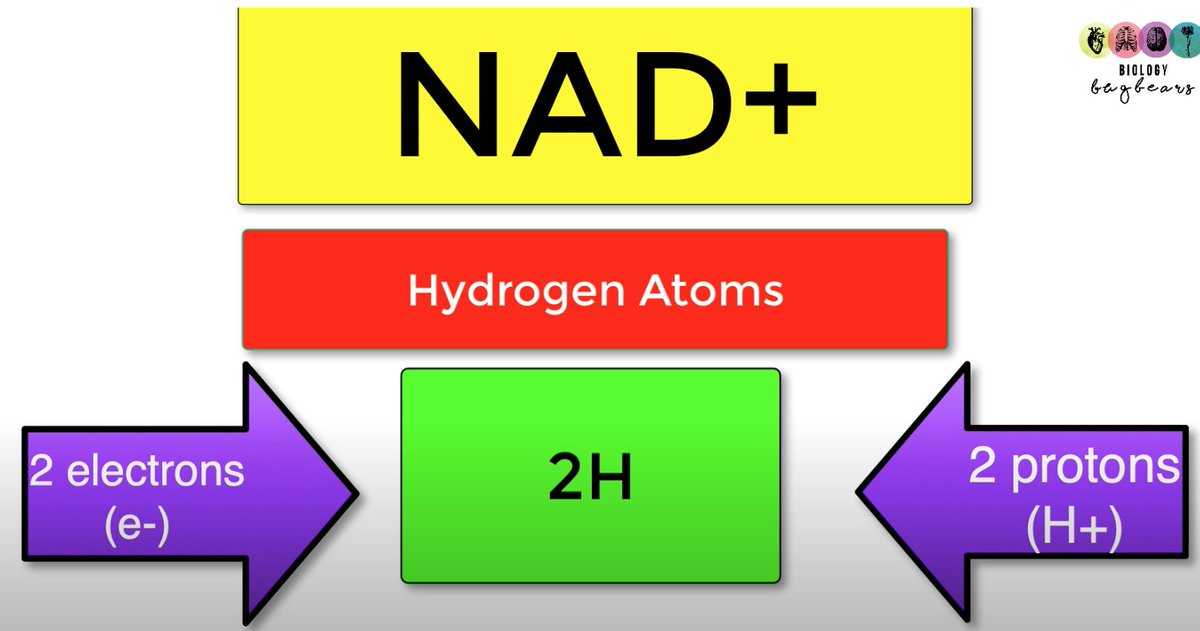
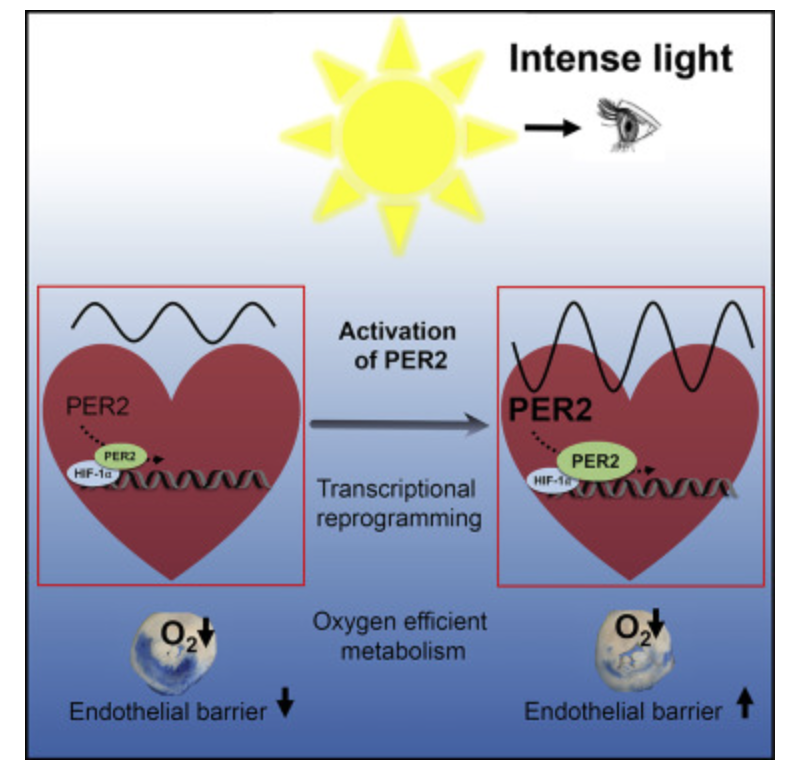
10. Mammalian sirtuins are found in numerous compartments within the cell (Table 1). SIRT1, -6, and -7 are found predominantly in the nucleus; SIRT3–5 reside in mitochondria, and SIRT2 is primarily cytoplasmic.
When you do this due diligence you find out HMEC-1 transcriptional or translational analyses with a PER2 or HIF-1AKD revealed PER2-HIF1A-dependent regulation of SIRT3 does occur in all mammals under hypoxic conditions.
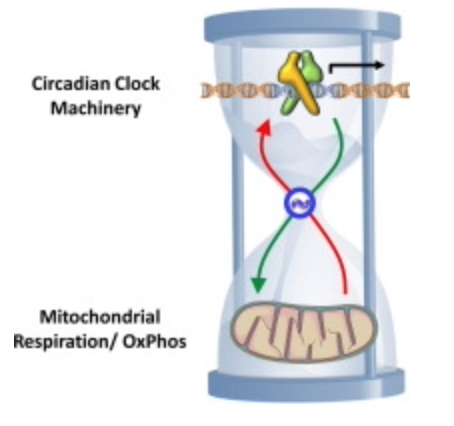
Cellular stress activates SIRT3 and when this happens NAD+ drops in the cell. This happens when pseudohypoxia exists at cytochrome one. This causes the TCA cycle to spin the wrong way. This happens when cells are not storing enough UV light at the electronic and vibrational levels in cells. Even fewer know how pseudohypoxia relates to melanin degradation and low oxygen tensions in cells. (see pic below)
Most biochemists also don't seem to know how water is added to TCA intermediates to get into RNA and DNA. When the net negative charge is decreased in cells due to a lack of redox it implies a diminished ability to create coherent domains in cell water because mitochondria cannot make water well via the TCA cycling rate.
Because of the atomic organization of cells (AMO physics) in health, there is always energy available within the system. In illness, this ability is diminished or lost. The energy derived from the sun is stored coherently, and ready for use, over all space-time domains. Mitochondrial water production is critical in the blueprint.
When you do this due diligence you find out HMEC-1 transcriptional or translational analyses with a PER2 or HIF-1AKD revealed PER2-HIF1A-dependent regulation of SIRT3 does occur in all mammals under hypoxic conditions.
Cellular stress activates SIRT3 and when this happens NAD+ drops in the cell. This happens when pseudohypoxia exists at cytochrome one. This causes the TCA cycle to spin the wrong way. This happens when cells are not storing enough UV light at the electronic and vibrational levels in cells. Even fewer know how pseudohypoxia relates to melanin degradation and low oxygen tensions in cells. (see pic below)
Most biochemists also don't seem to know how water is added to TCA intermediates to get into RNA and DNA. When the net negative charge is decreased in cells due to a lack of redox it implies a diminished ability to create coherent domains in cell water because mitochondria cannot make water well via the TCA cycling rate.
Because of the atomic organization of cells (AMO physics) in health, there is always energy available within the system. In illness, this ability is diminished or lost. The energy derived from the sun is stored coherently, and ready for use, over all space-time domains. Mitochondrial water production is critical in the blueprint.
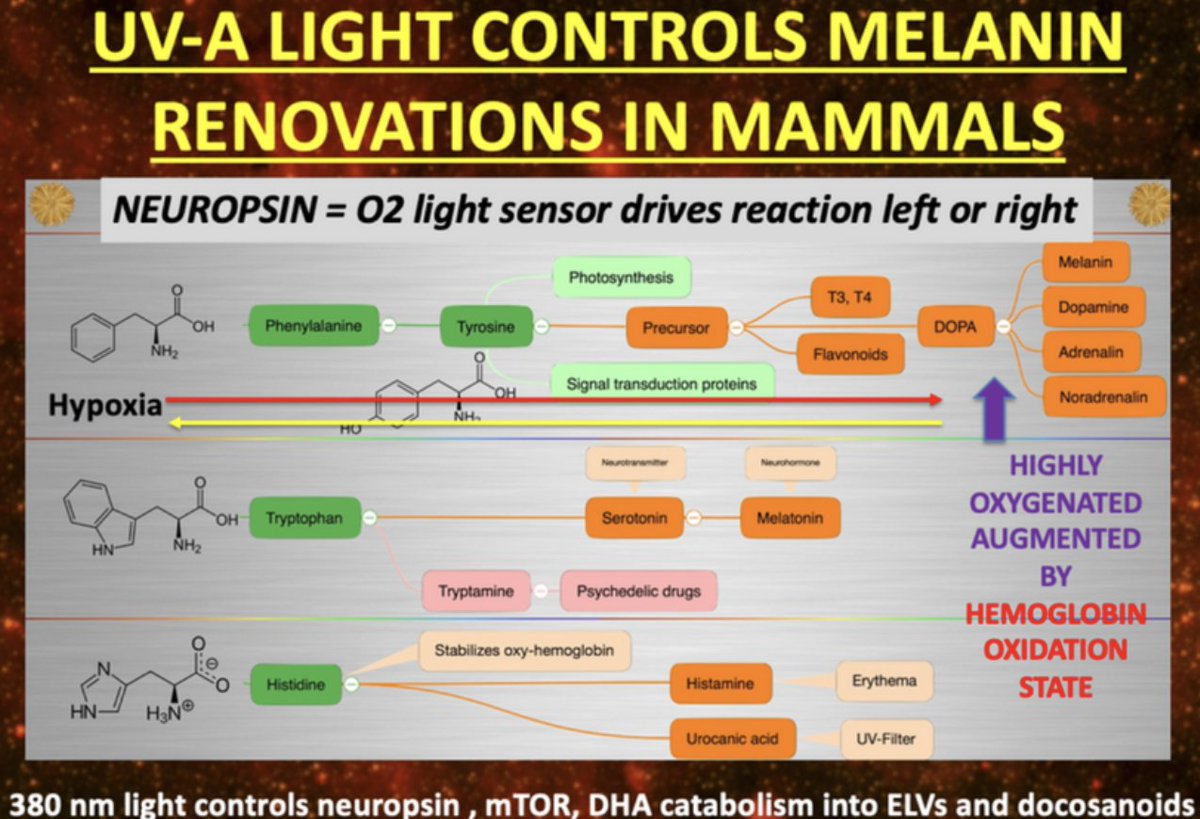

11. As redox drops the net negative charge in a cell drops water creation drops. DHA'electron density is lost and this is why the cell can no longer store light energy in an illness state. As a result of these sequential changes, when a net negative charge is lost The hydrogen isotope type becomes the catalytic controller for succinate and fumarate in the TCA cycle. Nature requires that hydrogen proton flow must be made of light hydrogen isotope if the cycle is to move forward to reduce oxygen.
Enzymes speed up chemical reactions in organisms by a factor of 10^10 to 10^23, but they cannot do it without water. They need light hydrogen protons to pull it off.
Most people do not realize that a lack of water at CCO or dehydration ruins enzyme kinetics in cells (TCA cycle). They also fail to realize that the mitochondrial matrix creates a special type of water that works ideally with enzymes. The water is created by sunlight. Sunlight has a specific prescription to make the right type of water. Most other EMFs outside the visible spectrum do not allow mitochondria to create water. In fact, blue light and Xrays, for example, dehydrate cells. So EMFs are not all created equal when it comes to water. These nuances with EMFs and water are still hardly recognized in the conventional centralized biochemical community.
Enzymes speed up chemical reactions in organisms by a factor of 10^10 to 10^23, but they cannot do it without water. They need light hydrogen protons to pull it off.
Most people do not realize that a lack of water at CCO or dehydration ruins enzyme kinetics in cells (TCA cycle). They also fail to realize that the mitochondrial matrix creates a special type of water that works ideally with enzymes. The water is created by sunlight. Sunlight has a specific prescription to make the right type of water. Most other EMFs outside the visible spectrum do not allow mitochondria to create water. In fact, blue light and Xrays, for example, dehydrate cells. So EMFs are not all created equal when it comes to water. These nuances with EMFs and water are still hardly recognized in the conventional centralized biochemical community.
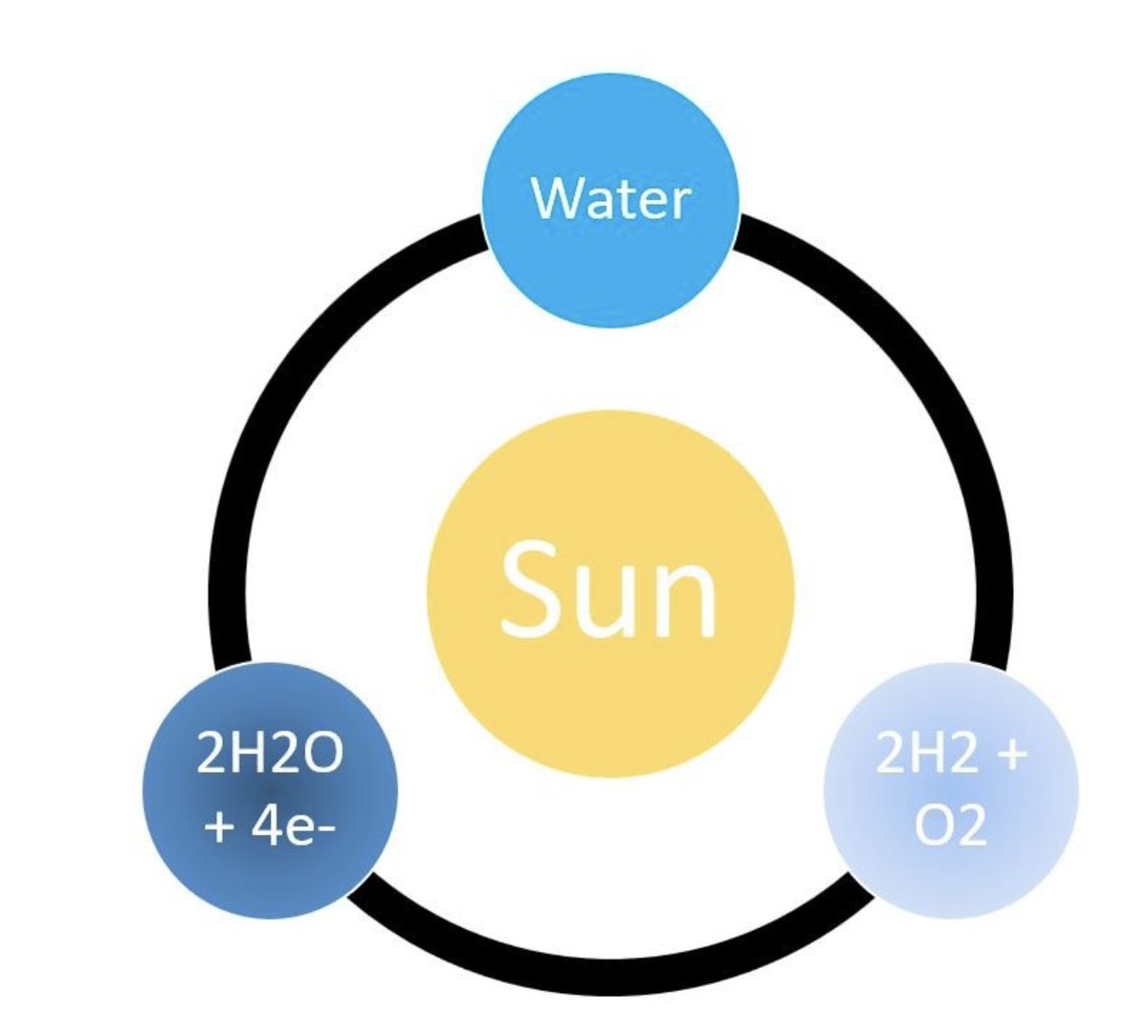
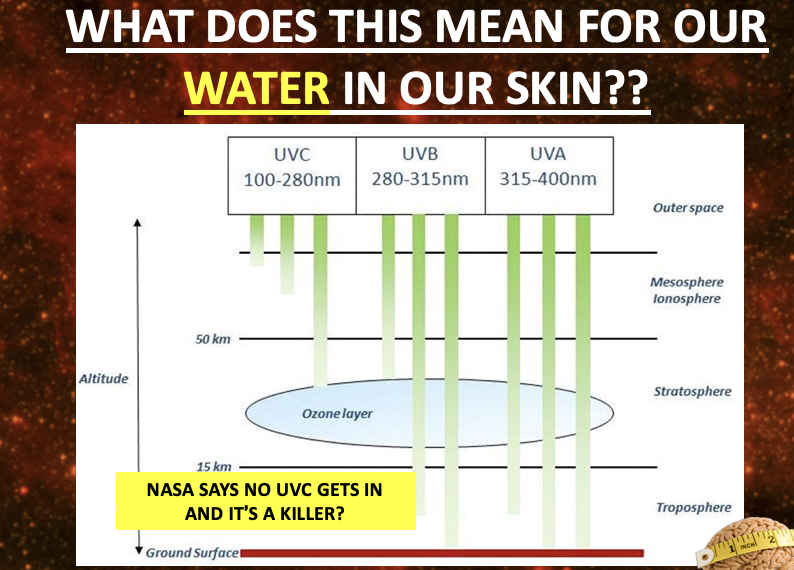

12. When it moves the other way, bad things called diseases manifest. Why is light hydrogen critical in biology? Hydrogen bonds form between water molecules, giving rise to supramolecular aggregates/clusters/coherent domains. Enzyme kinetics is linked to hydrogen movements in them. They must be light hydrogen and they must be well hydrated to work because they rely on proton movements.
This is how polymorphisms (SNPs) really are altered in us through evolutionary timescales. The clustering of water leads to a cooperative phenomenon, which means that forming one hydrogen immediately favors the formation of several other hydrogen bonds, and vice versa, breaking one bond leads to breaking up a whole cluster. Thus clusters are dynamic flickering networks with lifetimes of 10^- 11 to 10^-10 seconds. SunLight changes those hydrogen bonding networks by moving charges around.
This is how polymorphisms (SNPs) really are altered in us through evolutionary timescales. The clustering of water leads to a cooperative phenomenon, which means that forming one hydrogen immediately favors the formation of several other hydrogen bonds, and vice versa, breaking one bond leads to breaking up a whole cluster. Thus clusters are dynamic flickering networks with lifetimes of 10^- 11 to 10^-10 seconds. SunLight changes those hydrogen bonding networks by moving charges around.
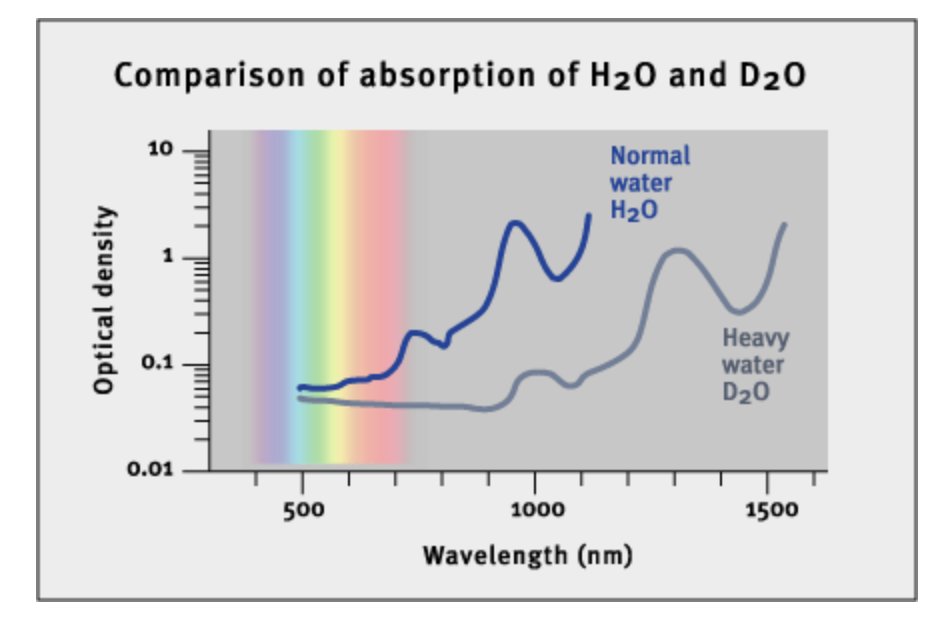
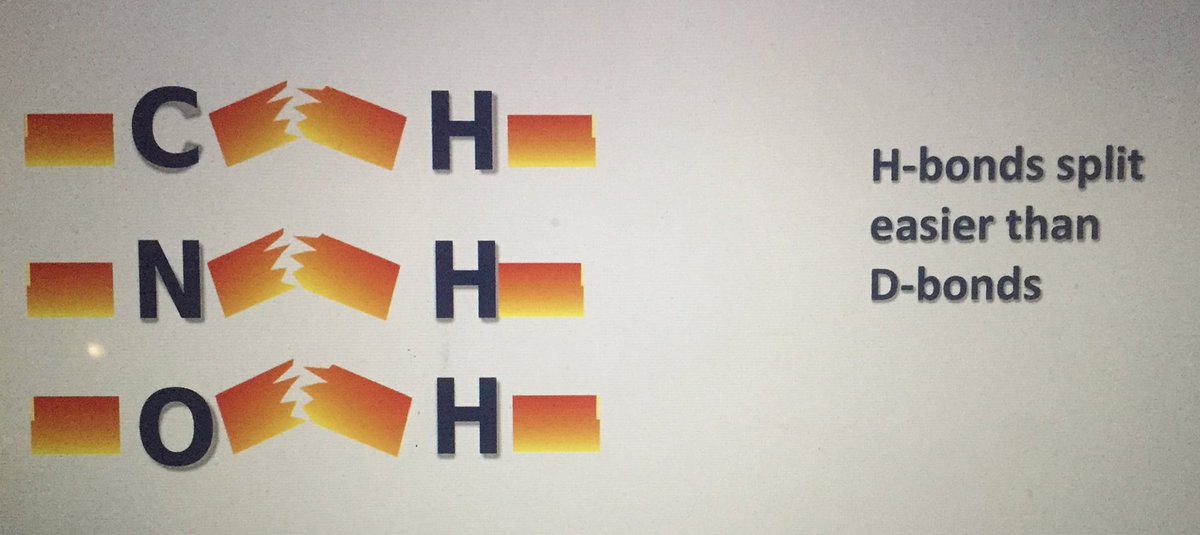
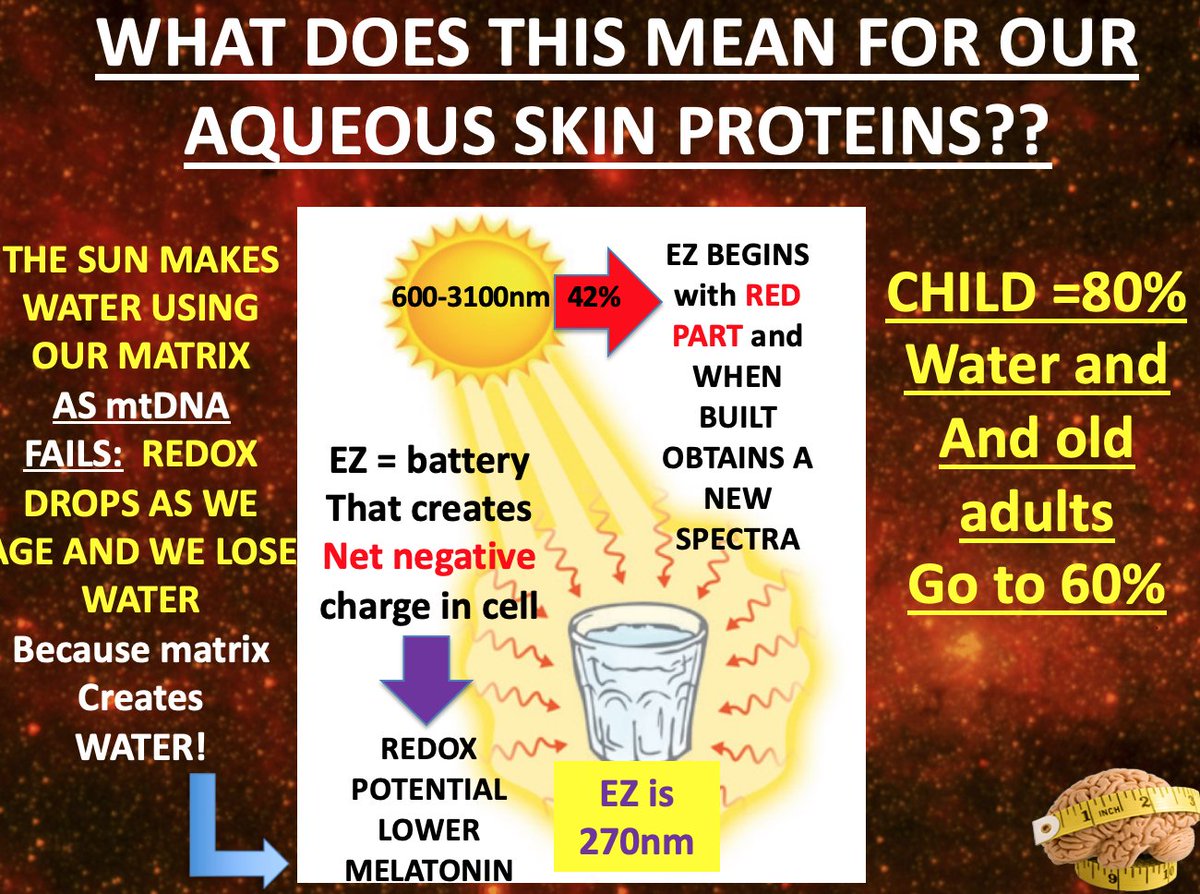

13. More sunlight = more information in the system to build complexity.
Time appears as entropy goes from order to disorder. When entropy is controlled by a dissipative system, time can appear to be illusory.
This means that the less information you have about a data set in a cell, the higher its entropy must be in the system. Cells limit entropy by controlling their atomic arrangements inside of cells and biochemical pathways. In precise terms, entropy is a measure of the number of possible atomic arrangements that a system of particles can be in.This is important in understanding how Nature engineered our biological clock gene to work.
Remember that stored energy in HEALTHY cells is coherent energy. The organism is, therefore, a highly coherent domain possessing a full range of coherence times and coherence volumes of energy storage. This keeps it far from equilibrium and makes it a highly dissipative system of organization to control entropy.
Time appears as entropy goes from order to disorder. When entropy is controlled by a dissipative system, time can appear to be illusory.
This means that the less information you have about a data set in a cell, the higher its entropy must be in the system. Cells limit entropy by controlling their atomic arrangements inside of cells and biochemical pathways. In precise terms, entropy is a measure of the number of possible atomic arrangements that a system of particles can be in.This is important in understanding how Nature engineered our biological clock gene to work.
Remember that stored energy in HEALTHY cells is coherent energy. The organism is, therefore, a highly coherent domain possessing a full range of coherence times and coherence volumes of energy storage. This keeps it far from equilibrium and makes it a highly dissipative system of organization to control entropy.
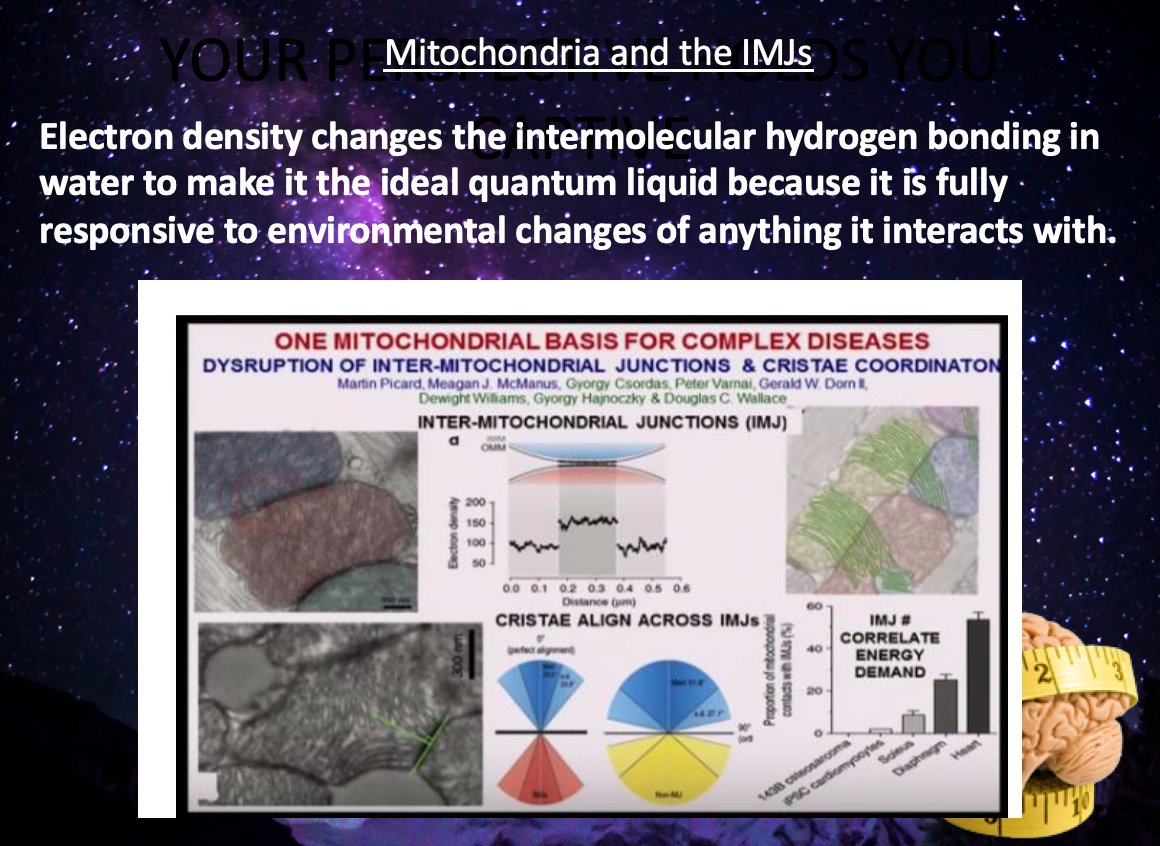
14. Reminder: Cellular organization is the key to precision optical signaling. Life is all about optimizing AMO physics INSIDE OF CELLS. It transforms energy from the environment to do this. Modern physics now has proven that energy and information are equivalent in physics. Landauer's Principle of 1961 & Shannon's 1948 work was critical in making this linkage. Modern quantum biology has experimentally proven that energy is trapped directly at the electronic level in cells.
Energy is stored not only as vibrational and electronic bond energies in biochemicals, but also in the structure of the system: its enzyme kinetics, membranes, and in gradients, fields and flow patterns, compartments, organelles, cell water, and tissues. All this in turn enables organisms to mobilize their energies coherently at any time it is needed and hence make available the entire spectrum of stored energies for physiological work. It is energy on demand by atomic design.
Energy is stored not only as vibrational and electronic bond energies in biochemicals, but also in the structure of the system: its enzyme kinetics, membranes, and in gradients, fields and flow patterns, compartments, organelles, cell water, and tissues. All this in turn enables organisms to mobilize their energies coherently at any time it is needed and hence make available the entire spectrum of stored energies for physiological work. It is energy on demand by atomic design.

15. Biochemistry doesn't know about the effects of red and NIR light on nitric oxide (NO) at cytochrome c oxidase in water creation or the ATPase spin rate in helping to drive the ECT and the TCA forward either. Few realize the spin rate is quantized to the amount of oxygen a mitochondrion needs in this process.
Oxygen levels are linked to PER2 and HIF-1alpha. Sunlight creates oxygen via photosynthesis. NEVER FORGET IT.
The addition of UV-A light back to your system makes the forward progress of water creation more likely too. This is why cytochrome 1 (NADH/NAD+) is a fluorophore chromophore (aromatic amino acids spectra). It absorbs light best from foods and blood sources at 340nm. Fumerase's main function in the TCA cycle is to add water to TCA intermediates aconitase and citrate synthetase. The TCA cycle proceeds forward in doing when UV and IR light and large coherent domains are present in the matrix. The TCA cycle occurs in the mitochondrial matrix exclusively.
Oxygen levels are linked to PER2 and HIF-1alpha. Sunlight creates oxygen via photosynthesis. NEVER FORGET IT.
The addition of UV-A light back to your system makes the forward progress of water creation more likely too. This is why cytochrome 1 (NADH/NAD+) is a fluorophore chromophore (aromatic amino acids spectra). It absorbs light best from foods and blood sources at 340nm. Fumerase's main function in the TCA cycle is to add water to TCA intermediates aconitase and citrate synthetase. The TCA cycle proceeds forward in doing when UV and IR light and large coherent domains are present in the matrix. The TCA cycle occurs in the mitochondrial matrix exclusively.
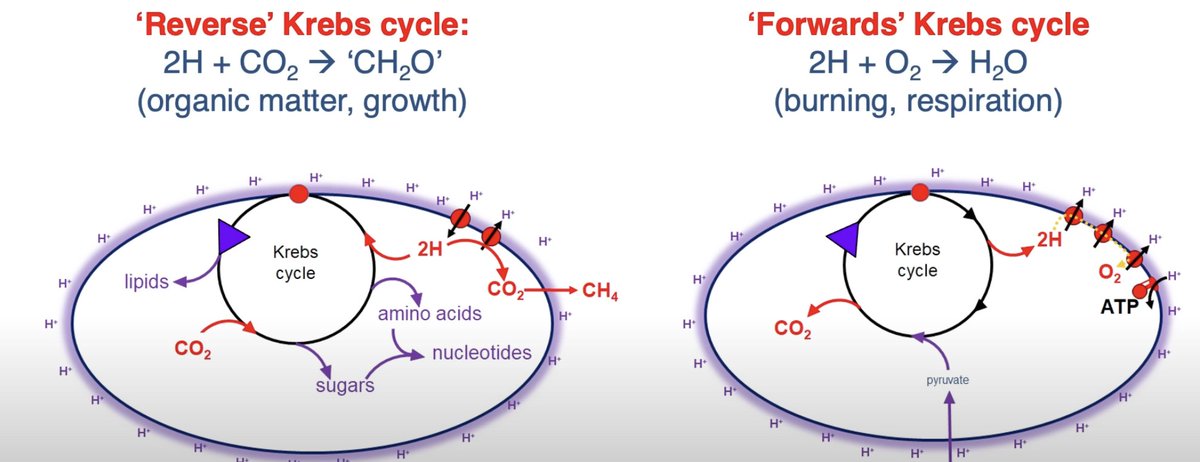
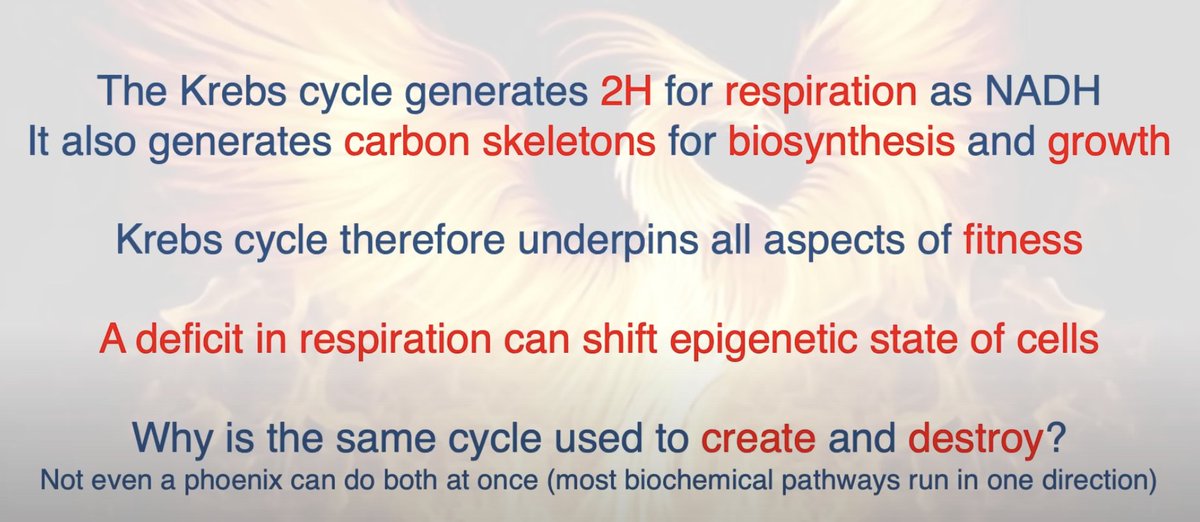
16. SIRT3 controls energy demand during stress conditions (hypoxia/pseudohypoxia) such as fasting and exercise as well as metabolism through the deacetylation and acetylation of mitochondrial enzymes.
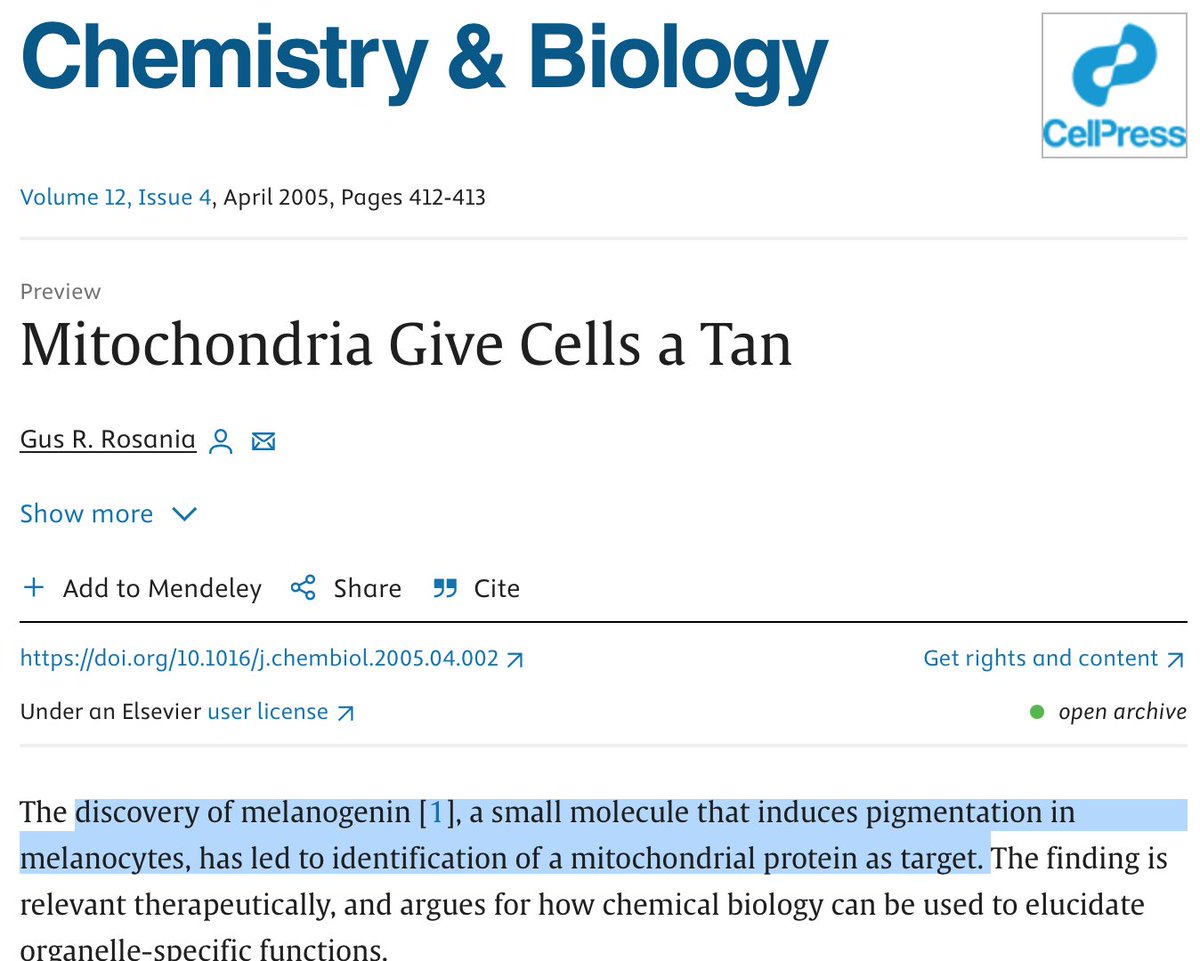
SIRT3 is well known for its ability to eliminate reactive oxygen species and to prevent the development of cancerous cells or apoptosis. These are the brakes used when too much oxygen is shunted to ROS production. Melanin eliminates the rest if it is present from optimized tanning of mtDNA. If you ain't in the sun your endogenous melanin sheets are ABSENT.
SIRT3 is well known for its ability to eliminate reactive oxygen species and to prevent the development of cancerous cells or apoptosis. These are the brakes used when too much oxygen is shunted to ROS production. Melanin eliminates the rest if it is present from optimized tanning of mtDNA. If you ain't in the sun your endogenous melanin sheets are ABSENT.
17. THE DEEP WEEDS OF UNCLE JACK's decentralized quantum cell: Histone acetylation/deacetylation is the epigenetic mechanism that CLK uses to regulate circadian rhythms.
The HAT p300 together with the Clock/Bmal1 complex regulates histone H3 acetylation at the Cry and Perpromoters to influence their expression. Furthermore, CLK itself possesses HAT activity by which acetylated BMAL1 recruits CRY1 to the CLK-BMAL1 complex and represses transcription.
Rhythms in acetylation of histone H3 in the mPer1, mPer2, and Cry1 promoters were recorded peaking during the transcriptionally active phase. Histone deacetylases (HDACs), like HATs, are important regulators of circadian rhythms and addiction-related phenomena, memory formation, as well as metabolism. The HDAC3 subtype, which was found to be recruited by the nuclear receptor corepressor 1 (Ncor1), is involved in repressing Bmal1 expression, thus affecting circadian rhythms. HDAC3 recruitment fluctuates, in conjunction with Reverb-alpha and Ncor, forming an HDAC3/Reverb-alpha/Ncor complex.
The transcription of many genes oscillates in concert with either the fluctuation of HDAC3-related histone modification or with the complex-related signaling pathways.
The HAT p300 together with the Clock/Bmal1 complex regulates histone H3 acetylation at the Cry and Perpromoters to influence their expression. Furthermore, CLK itself possesses HAT activity by which acetylated BMAL1 recruits CRY1 to the CLK-BMAL1 complex and represses transcription.
Rhythms in acetylation of histone H3 in the mPer1, mPer2, and Cry1 promoters were recorded peaking during the transcriptionally active phase. Histone deacetylases (HDACs), like HATs, are important regulators of circadian rhythms and addiction-related phenomena, memory formation, as well as metabolism. The HDAC3 subtype, which was found to be recruited by the nuclear receptor corepressor 1 (Ncor1), is involved in repressing Bmal1 expression, thus affecting circadian rhythms. HDAC3 recruitment fluctuates, in conjunction with Reverb-alpha and Ncor, forming an HDAC3/Reverb-alpha/Ncor complex.
The transcription of many genes oscillates in concert with either the fluctuation of HDAC3-related histone modification or with the complex-related signaling pathways.
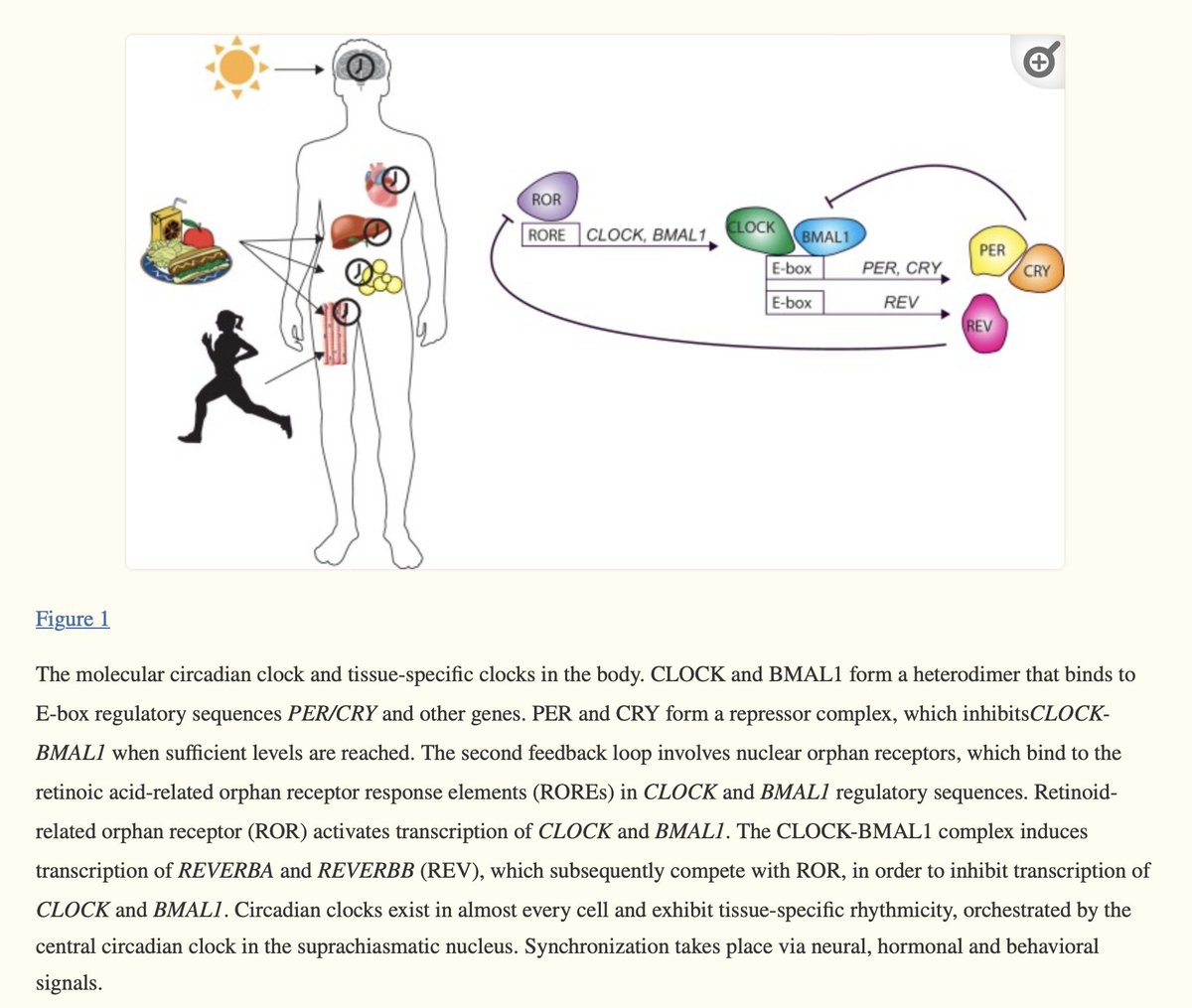
18. On the other hand, HDAC inhibitors increase H3 acetylation and affect PER2 expression. SIRT1, an NAD+-dependent histone deacetylase, interacts directly with clock genes by binding to CLK-BMAL1, promoting deacetylation and degradation of the PER2 protein in mammals uncoupling clock genes. It is also a metabolic sensor, requiring NAD+ binding for its enzymatic activity, therefore linking the metabolic state to the circadian system. Besides, SIRT1 has been implicated in brain functions like aging, neurodegeneration, synaptic plasticity, and memory formation.
19. Methylation and demethylation of histones also modify circadian-regulated gene expression. Rhythmic histone methylation at H3K4, H3K9, H3K27, and H3K36 is catalyzed at these spots by several HMTs and HDMs.
SUV39 methyltransferase, a critical regulator of rhythmic H3K9 di-methylation (H3K9me2), recruits CLOCK:BMAL1 to the E-boxes of CCG promoters. CLOCK and BMAL1 are positive feedback regulators of circadian gene expression. IT IS LIGHT THAT CONTROLS THIS PROCESS NOT SUPPLEMENTS OR A LACK OF METHYL GROUPS
SUV39 methyltransferase, a critical regulator of rhythmic H3K9 di-methylation (H3K9me2), recruits CLOCK:BMAL1 to the E-boxes of CCG promoters. CLOCK and BMAL1 are positive feedback regulators of circadian gene expression. IT IS LIGHT THAT CONTROLS THIS PROCESS NOT SUPPLEMENTS OR A LACK OF METHYL GROUPS
20. Presumably, through the association of Suv39h with PER2, rhythmic discretional heterochromatin is controlled by H3K9me2 HP1 binding at DBP, PER1, and PER2 during the repressive phase. EZH2 methyltransferase contributes to histone methylation, di- and tri-methylation of H3K27 (H3K27me2 and H3K27me3), and circadian gene expression of mPer1 and mPer2. The lysine-specific demethylase (LSD1), JumonjiC, and ARID domain-containing histone lysine demethylase 1a (Jarid1a) are major binding partners of CLOCK-BMAL1, thus enhancing transcription by CLOCK-BMAL1. LSD1 catalyzes the removal of methyl groups from H3K4 and H3K9, associated with CLOCK and BMAL1. It has therefore been reported as a key component of the circadian machinery and regulator of CCG expression.
21. Chemistry and physics are experimental sciences with a theoretical basis, while biology is a quilt work of time scales stretched out over billions of years. So what is biology? Most define it by evolutionary change. I don’t. It is the study of change without change by transforming energy within cells. Evolutionary systems cannot be governed by time because each instant the environment varies, so why does biology require reproducibility in experiments? Physics says time is affected by the succession of probabilities each moment, doesn’t it? In quantum mechanics, certainty is always replaced by probability, yet everything alive uses a mitochondrion or chloroplast to use light and electrons quantum mechanically; it seems biology has a huge problem at its core doesn't it if its successes call for reproducibility today?
Chemistry is the dirty part of physics, biochemistry is the filthy part of physics and modern cell biology remains theory remains an empty shell until we have found a reasonable physical interpretation for how a cell retains its latent energy.
Physics is an atomic experience, arranged by precise economic order. Biology is present wisdom, re-arranged constantly locally by atomic geometry inside cells
LESSON OVER.
Chemistry is the dirty part of physics, biochemistry is the filthy part of physics and modern cell biology remains theory remains an empty shell until we have found a reasonable physical interpretation for how a cell retains its latent energy.
Physics is an atomic experience, arranged by precise economic order. Biology is present wisdom, re-arranged constantly locally by atomic geometry inside cells
LESSON OVER.

Loading suggestions...