
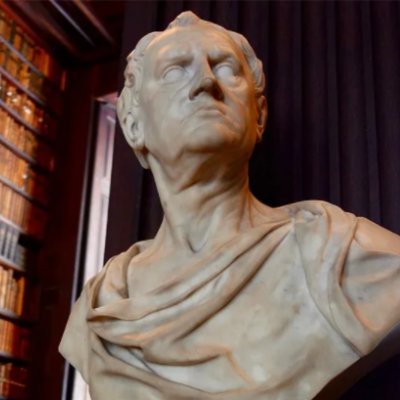
Rome is usually remembered for its monuments, emperors, and epic battles.
But it was a haven for learning and literature as well. Some of the greatest written works of all time were penned during Rome’s rule.
Here are 12 of the best🧵
But it was a haven for learning and literature as well. Some of the greatest written works of all time were penned during Rome’s rule.
Here are 12 of the best🧵
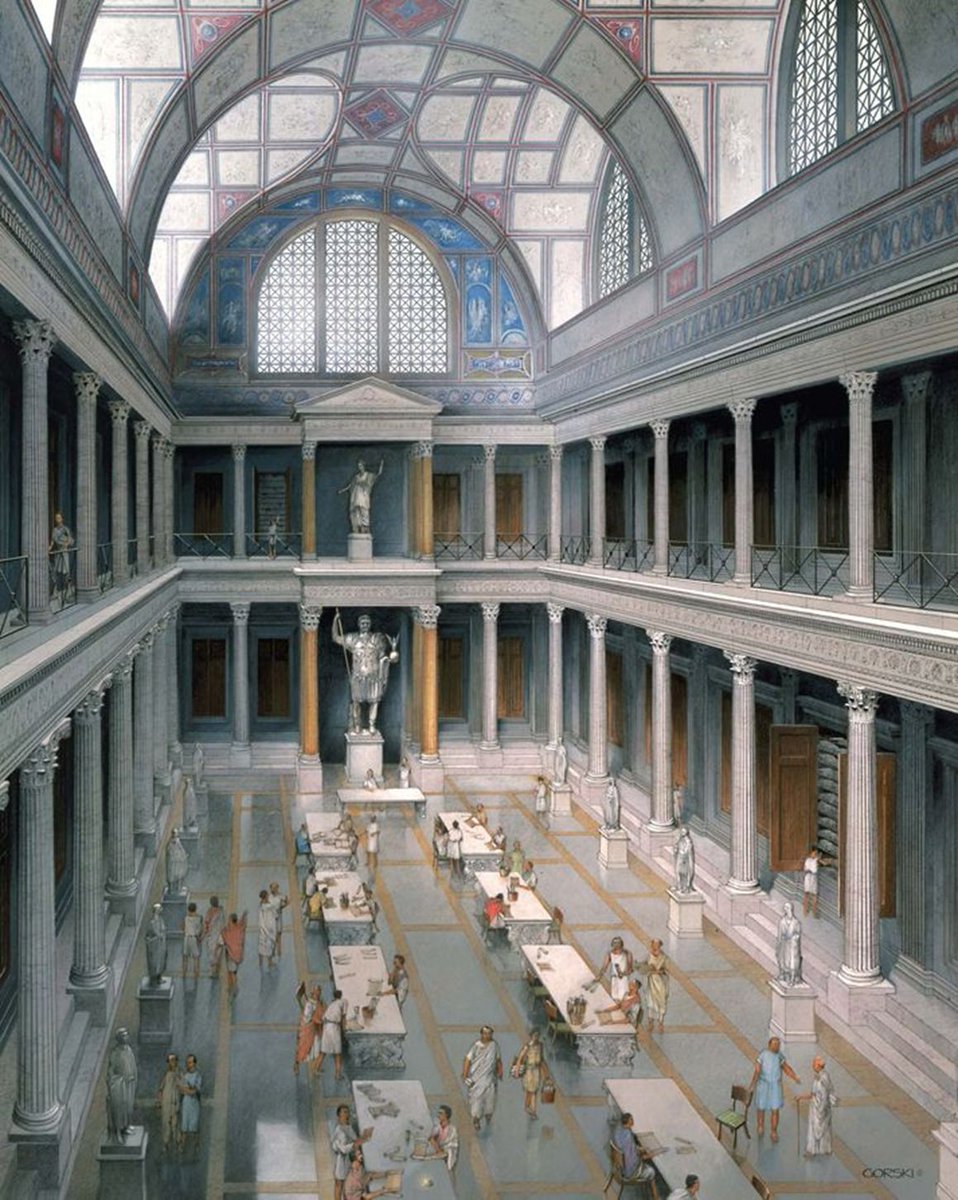
12. The Annals and Histories, Tacitus
Tacitus’ works explore Rome in the first century. As a Roman senator he likely had privileged access to the Senate’s records from which to base much of his work.
Ronald Mellor calls Annals the “pinnacle of Roman historical writing.”
Tacitus’ works explore Rome in the first century. As a Roman senator he likely had privileged access to the Senate’s records from which to base much of his work.
Ronald Mellor calls Annals the “pinnacle of Roman historical writing.”
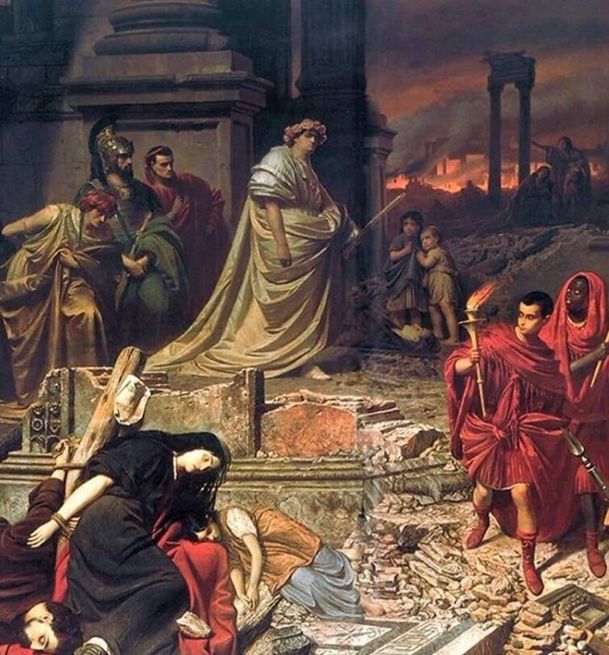
11. The Satires, Juvenal
A collection of satirical poems, it captures the energy of everyday Roman life.
Poems on prostitutes, fortune-tellers, politicians, and sycophants create a powerful denunciation of the degeneracy of Roman society.
A collection of satirical poems, it captures the energy of everyday Roman life.
Poems on prostitutes, fortune-tellers, politicians, and sycophants create a powerful denunciation of the degeneracy of Roman society.
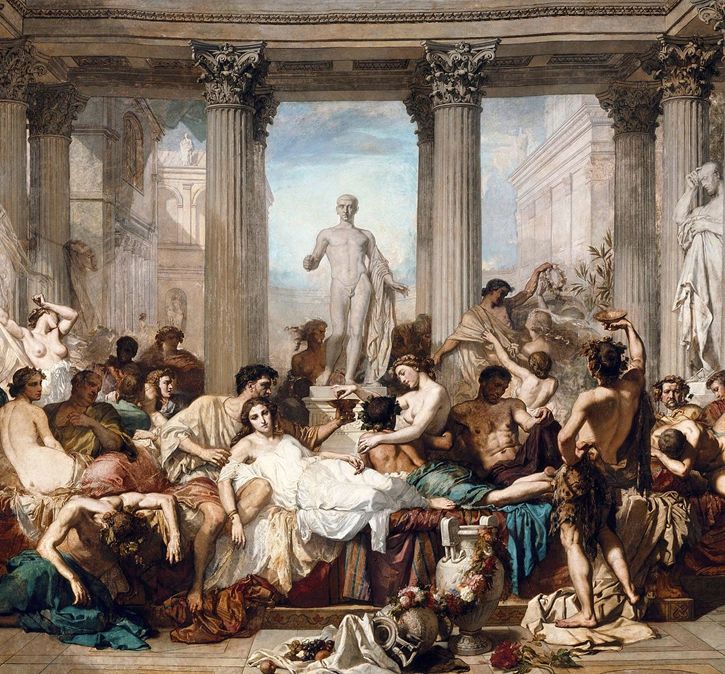
10. From the Founding of the City, Livy
A monumental history of ancient Rome covering the legendary period of Aeneas all the way to Livy’s own time.
Only a quarter of the original work survives yet it remains one of the best sources on the history of the Republic.
A monumental history of ancient Rome covering the legendary period of Aeneas all the way to Livy’s own time.
Only a quarter of the original work survives yet it remains one of the best sources on the history of the Republic.
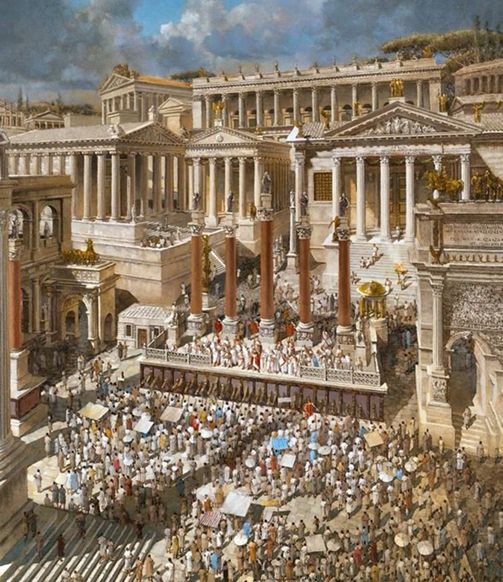
9. The Golden Ass, Apuleius
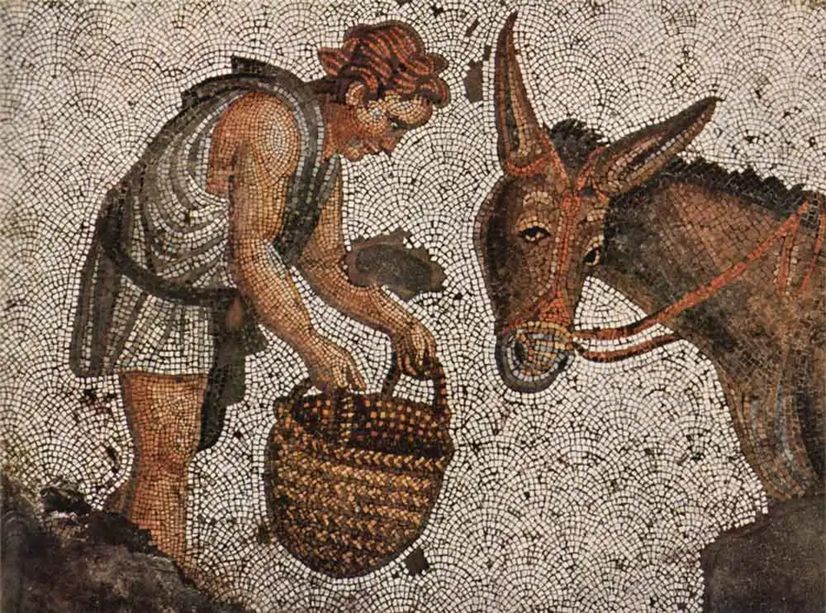
The only Roman novel in Latin to survive in its entirety, it tells the story of a boy whose dabbling in witchcraft transforms him into a donkey, embarking him on a series of adventures.
The enchanting tale inspired great writers like Cervantes.
The only Roman novel in Latin to survive in its entirety, it tells the story of a boy whose dabbling in witchcraft transforms him into a donkey, embarking him on a series of adventures.
The enchanting tale inspired great writers like Cervantes.
8. The Conquest of Gaul, Julius Caesar
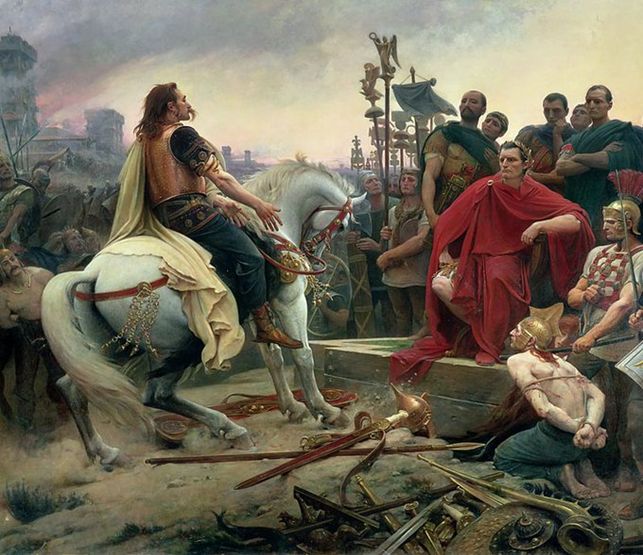
Julius Caesar’s firsthand account of his conquest of Gaul.
It remains the only narrative written by a great general of antiquity about his own campaigns, and a fascinating look into the mind of the greatest Roman of all time.
Julius Caesar’s firsthand account of his conquest of Gaul.
It remains the only narrative written by a great general of antiquity about his own campaigns, and a fascinating look into the mind of the greatest Roman of all time.
7. The Twelve Caesars, Suetonius
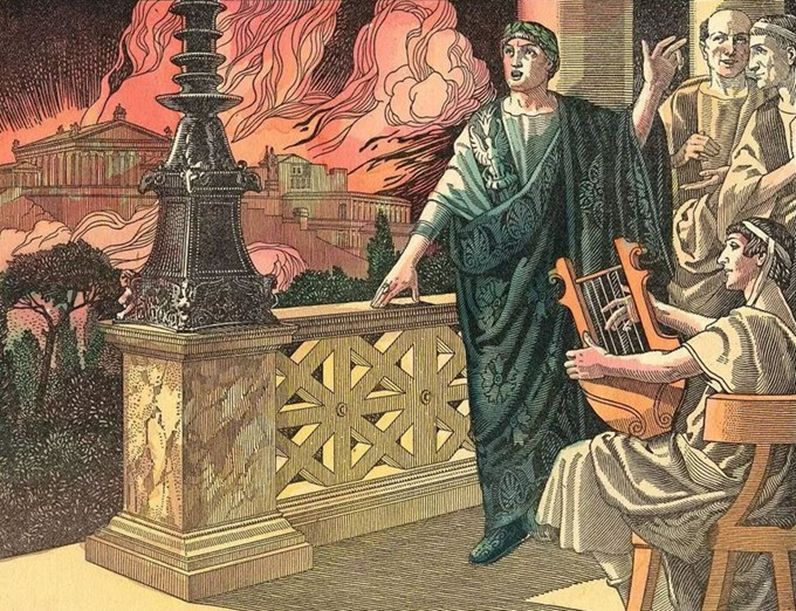
As secretary to Emperor Hadrian, Suetonius had access to the imperial archives, allowing him to produce a colorful set of biographies that chronicle the lives of the men who wielded absolute power over Rome, from Augustus to Nero.
As secretary to Emperor Hadrian, Suetonius had access to the imperial archives, allowing him to produce a colorful set of biographies that chronicle the lives of the men who wielded absolute power over Rome, from Augustus to Nero.
6. Metamorphoses, Ovid
A collection of mythological tales linked by the idea of transformation. Metamorphoses begins with the world’s creation and interweaves famous myths from ancient Greece and Rome.
It has influenced artists from Shakespeare to Picasso.
A collection of mythological tales linked by the idea of transformation. Metamorphoses begins with the world’s creation and interweaves famous myths from ancient Greece and Rome.
It has influenced artists from Shakespeare to Picasso.
5. The Consolation of Philosophy, Boethius
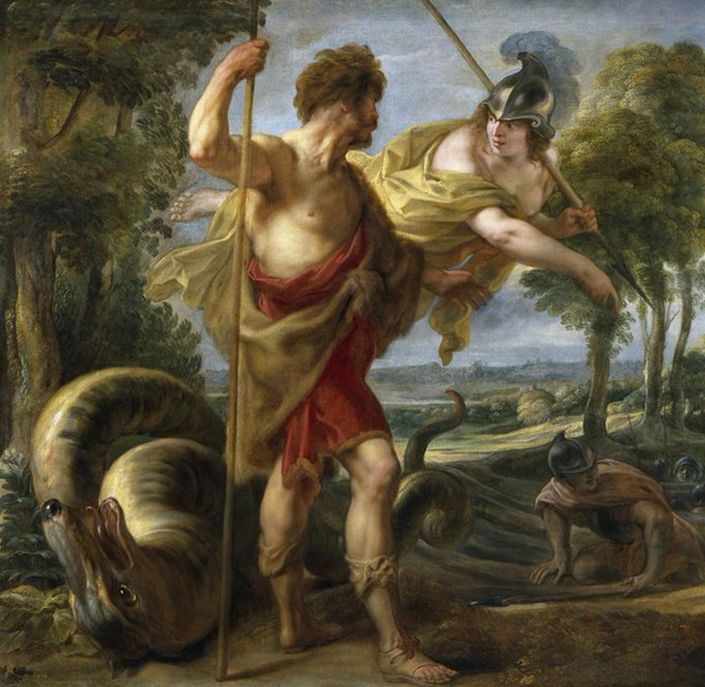
Written while he awaited execution, the work is a dialogue between Boethius and Lady Philosophy who consoles the author by discussing the fleeting nature of worldly goods. It influenced the late-antique mind more than any other work.
Written while he awaited execution, the work is a dialogue between Boethius and Lady Philosophy who consoles the author by discussing the fleeting nature of worldly goods. It influenced the late-antique mind more than any other work.
4. Parallel Lives, Plutarch
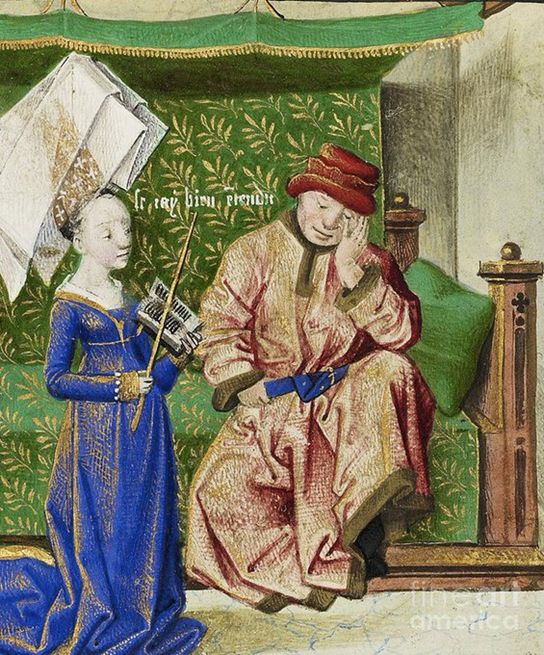
Plutarch focused on the great figures of history rather than specific events, making him a proponent of the “great man” theory of history.
His work is a masterpiece in dissecting the traits that led historical giants to success or failure.
Plutarch focused on the great figures of history rather than specific events, making him a proponent of the “great man” theory of history.
His work is a masterpiece in dissecting the traits that led historical giants to success or failure.
3. Letters from a Stoic, Seneca
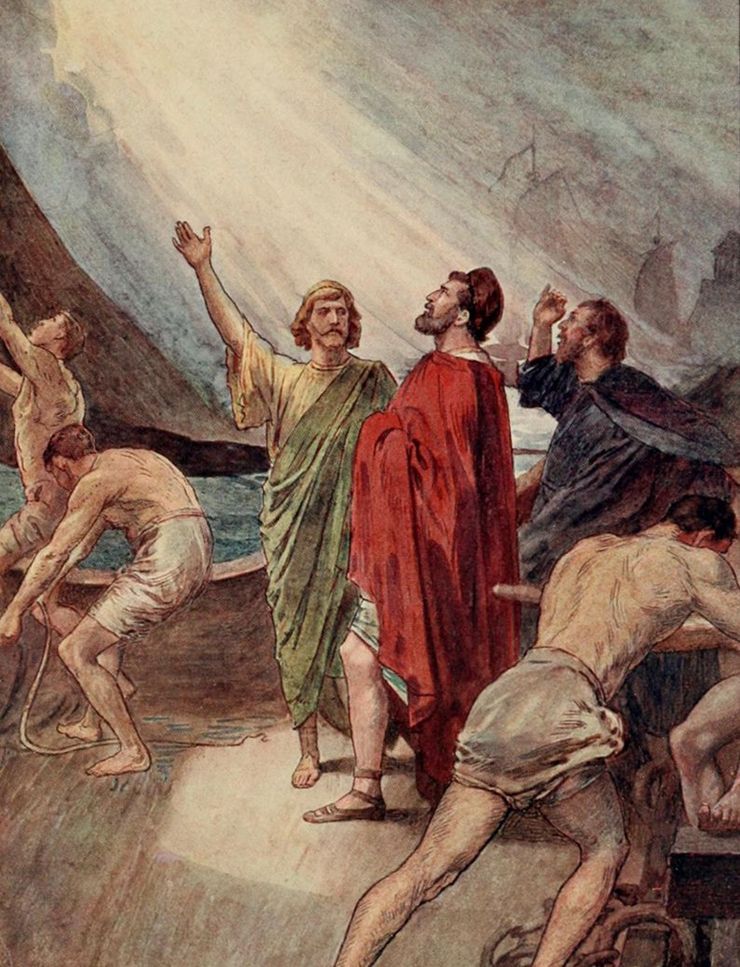
The quintessential Stoic philosopher, Seneca was a tutor and advisor to emperor Nero. His work is basically a diary containing philosophical contemplations on the contempt of death, the value of friendship, and virtue as the supreme good.
The quintessential Stoic philosopher, Seneca was a tutor and advisor to emperor Nero. His work is basically a diary containing philosophical contemplations on the contempt of death, the value of friendship, and virtue as the supreme good.
2. Meditations , Marcus Aurelius
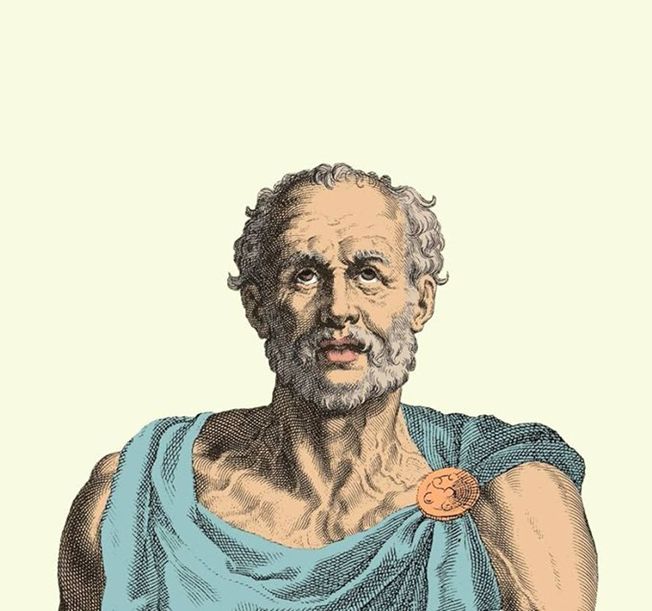
Never intended for the public, Meditations is a collection of personal insights that Marcus Aurelius recorded while on military campaign.
The work is a unique opportunity to peer into the mind of the leader of the greatest empire in history.
Never intended for the public, Meditations is a collection of personal insights that Marcus Aurelius recorded while on military campaign.
The work is a unique opportunity to peer into the mind of the leader of the greatest empire in history.

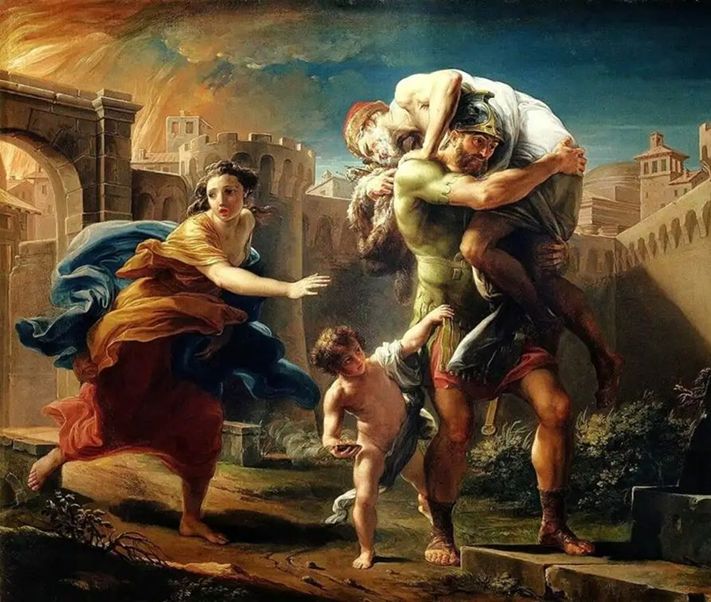
1. The Aeneid, Virgil
Rome’s national epic, it tells of the founding of Rome by Trojan refugee Aeneas. The hero confronts raging storms, gigantic Cyclopes, and an unrelenting queen. He travels to the Underworld to confront his father before warring for a new home in Italy.
Rome’s national epic, it tells of the founding of Rome by Trojan refugee Aeneas. The hero confronts raging storms, gigantic Cyclopes, and an unrelenting queen. He travels to the Underworld to confront his father before warring for a new home in Italy.
I barely scratched the surface here.
Let me know, what are some great pieces of Roman literature that I missed?
I’m counting on all you Romanophiles to help me out.
Let me know, what are some great pieces of Roman literature that I missed?
I’m counting on all you Romanophiles to help me out.
If you enjoyed this thread and would like to join the mission of promoting western tradition, kindly repost the first post (linked below) and consider following: @thinkingwest
BONUS:
On the Nature of Things, Lucretius
A poem that explores Epicurean physics through metaphor.
Here Lucretius explores the nature of the mind and soul, the development of the universe, and the role that chance (as opposed to the gods) plays in the shaping of everything.
On the Nature of Things, Lucretius
A poem that explores Epicurean physics through metaphor.
Here Lucretius explores the nature of the mind and soul, the development of the universe, and the role that chance (as opposed to the gods) plays in the shaping of everything.
Loading suggestions...