

Last week, a client engaged me due to his fear for a potential collapse, to supervise the election of his
RETAINING WALL.
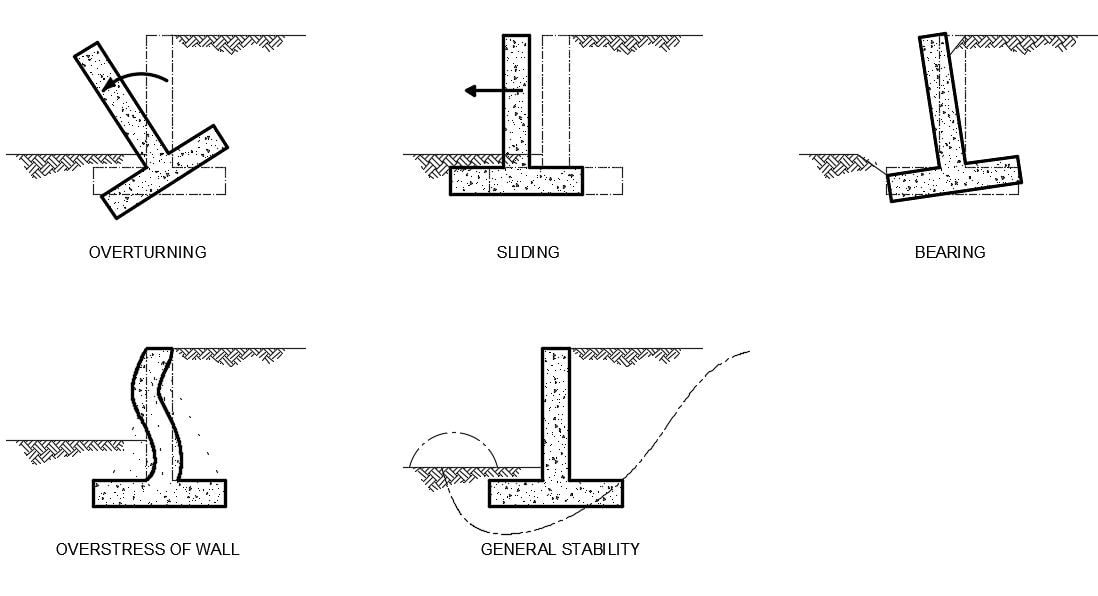
Several factors, from height of the wall, type of soil, load the wall needs to support, and aesthetic considerations are not to be ignored.
A thread.🧵
RETAINING WALL.
Several factors, from height of the wall, type of soil, load the wall needs to support, and aesthetic considerations are not to be ignored.
A thread.🧵
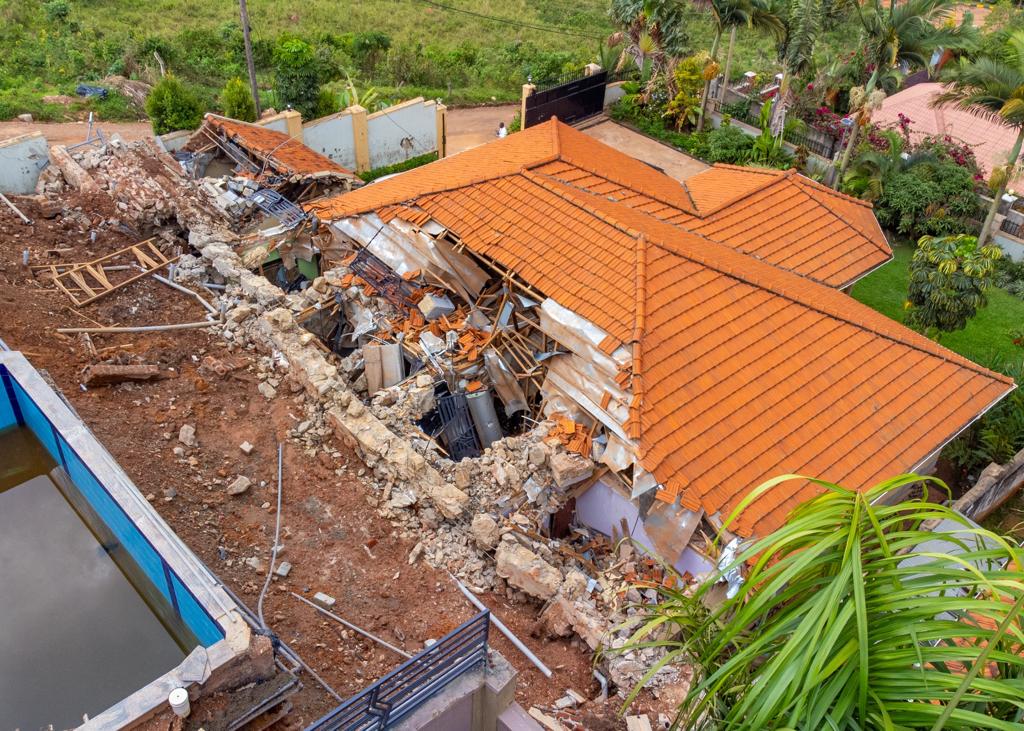
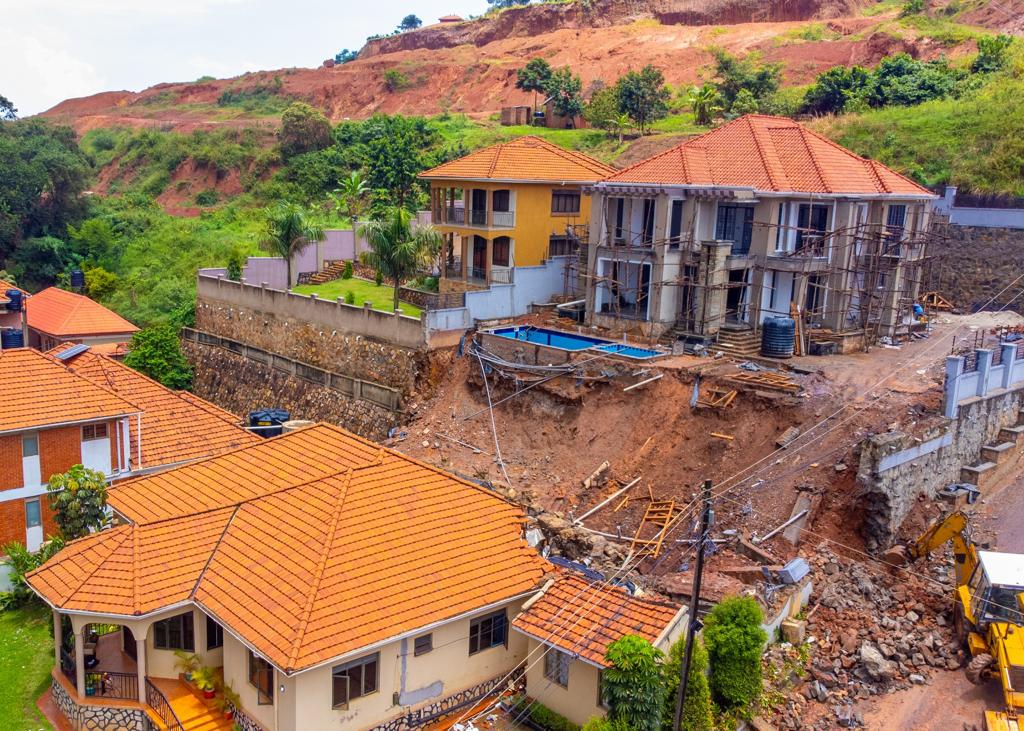
Factors contributing to the complexity:
1. GEOTECHNICAL FACTORS
(i) Soil Type and Properties:
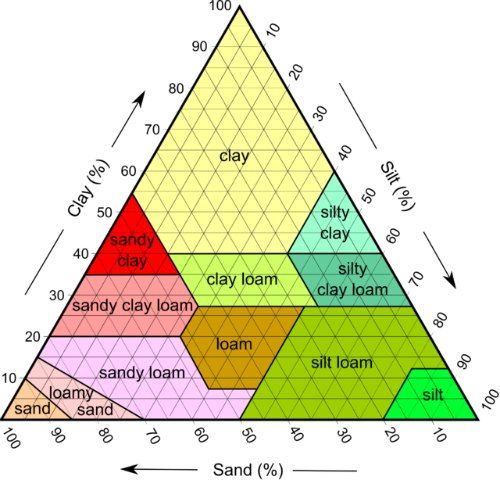
Soils (clay, sand, gravel) have varying load-bearing capacities, drainage properties, and stability. Understanding soil's shear strength, cohesiveness, and angle of repose is key.
1. GEOTECHNICAL FACTORS
(i) Soil Type and Properties:
Soils (clay, sand, gravel) have varying load-bearing capacities, drainage properties, and stability. Understanding soil's shear strength, cohesiveness, and angle of repose is key.
(ii)Slope Stability:
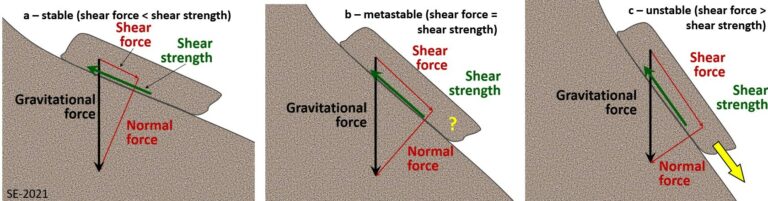
Steeper slopes require more complex wall designs to ensure stability and prevent landslides.
Steeper slopes require more complex wall designs to ensure stability and prevent landslides.
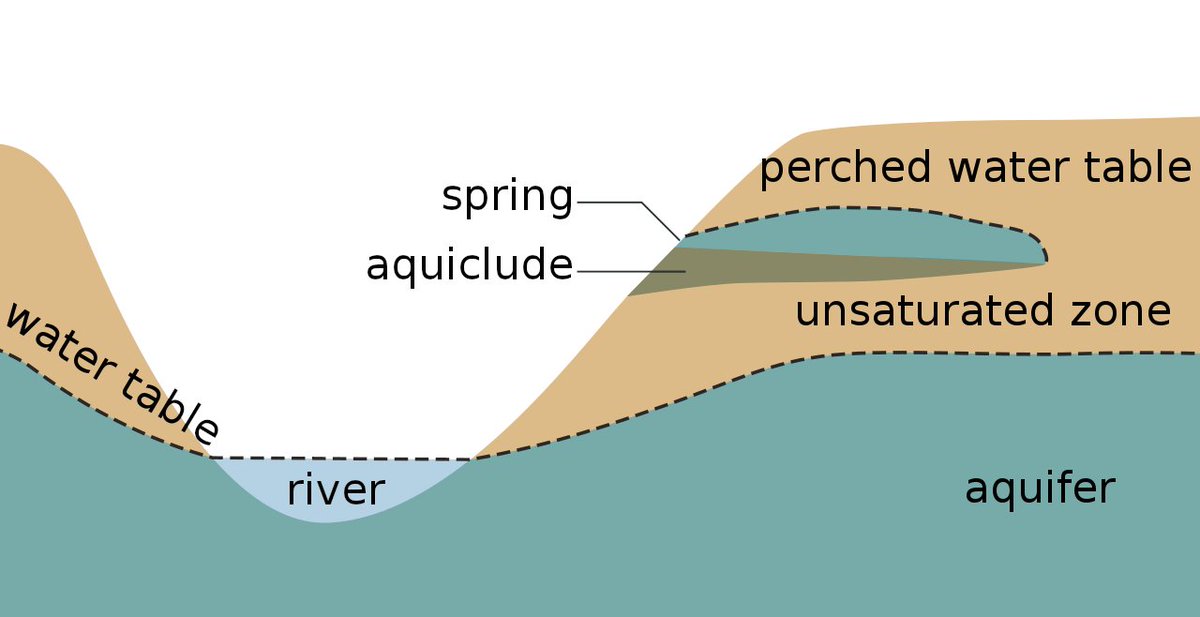
(iii)Water Table and Drainage:
High water tables can exert additional pressure on the wall. Effective drainage systems are necessary to manage hydrostatic pressure and prevent wall failure.
High water tables can exert additional pressure on the wall. Effective drainage systems are necessary to manage hydrostatic pressure and prevent wall failure.
2. STRUCTURAL DESIGN
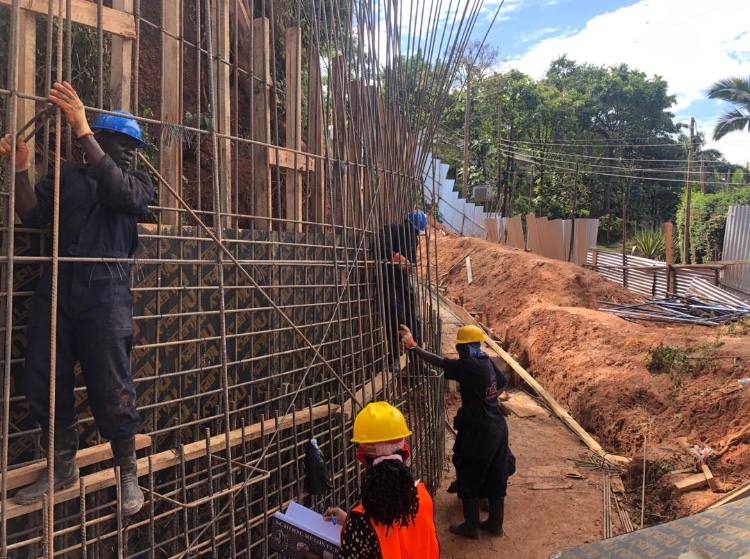
(i)Height of the Wall:
Taller walls require more robust design and materials to withstand higher loads and lateral earth pressure.
(i)Height of the Wall:
Taller walls require more robust design and materials to withstand higher loads and lateral earth pressure.
(ii)Load Bearing:
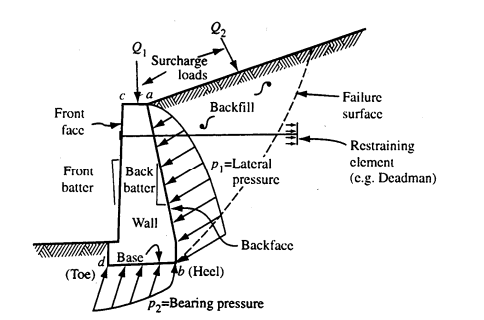
Walls must support not only the weight of the retained soil but also any additional loads from structures, vehicles, or seismic activity.
Walls must support not only the weight of the retained soil but also any additional loads from structures, vehicles, or seismic activity.
(iii)Wall Type and Materials:
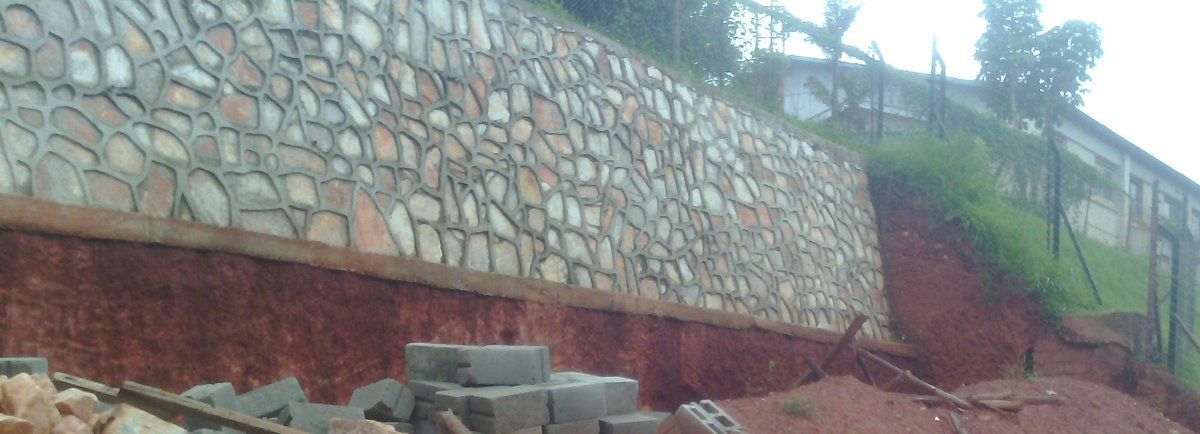
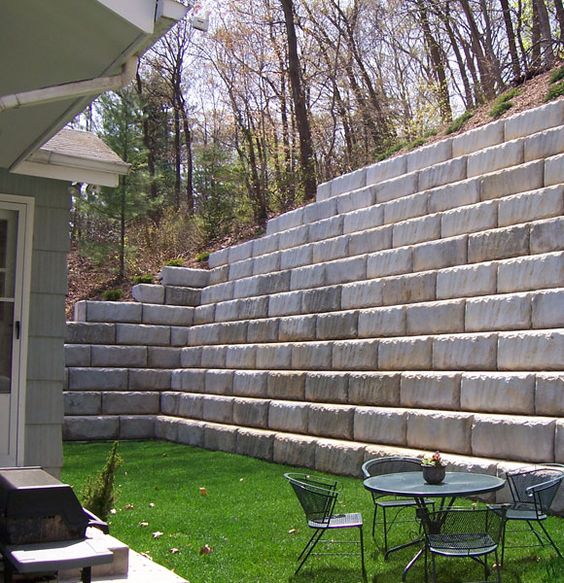
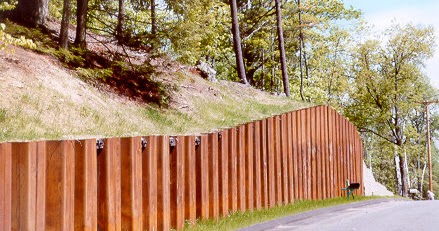
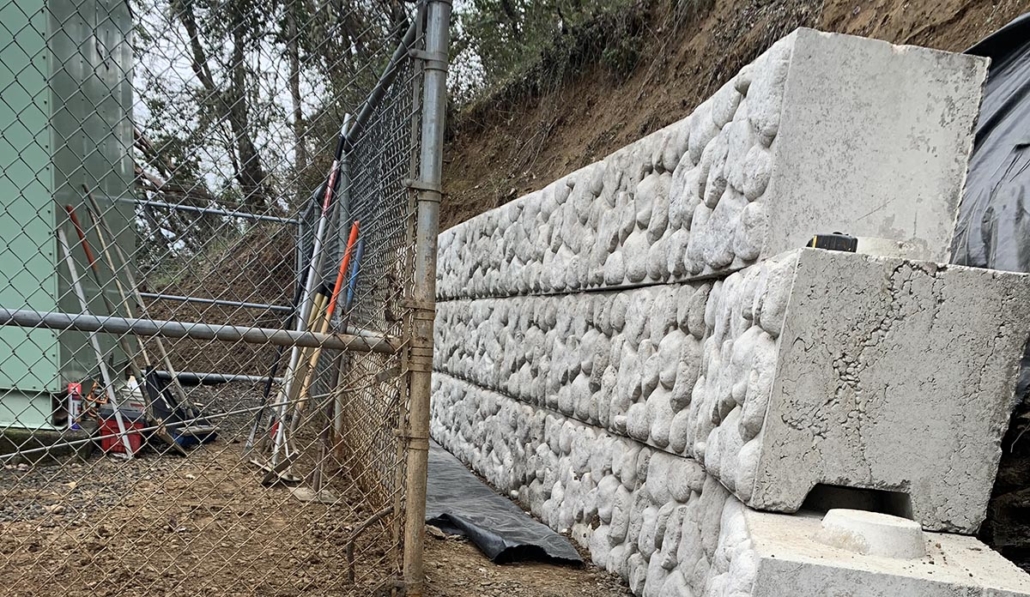
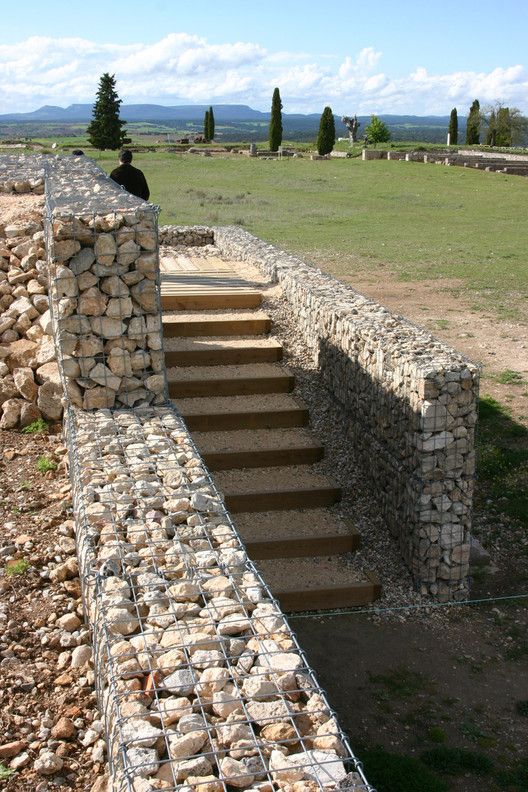
Each type of wall (gravity, cantilevered, sheet piling, anchored, gabion, segmental) has different design and construction requirements.
Material choice affects durability, flexibility, and construction complexity.
Each type of wall (gravity, cantilevered, sheet piling, anchored, gabion, segmental) has different design and construction requirements.
Material choice affects durability, flexibility, and construction complexity.

3. CONSTRUCTION CHALLENGES
(i)Site Conditions:
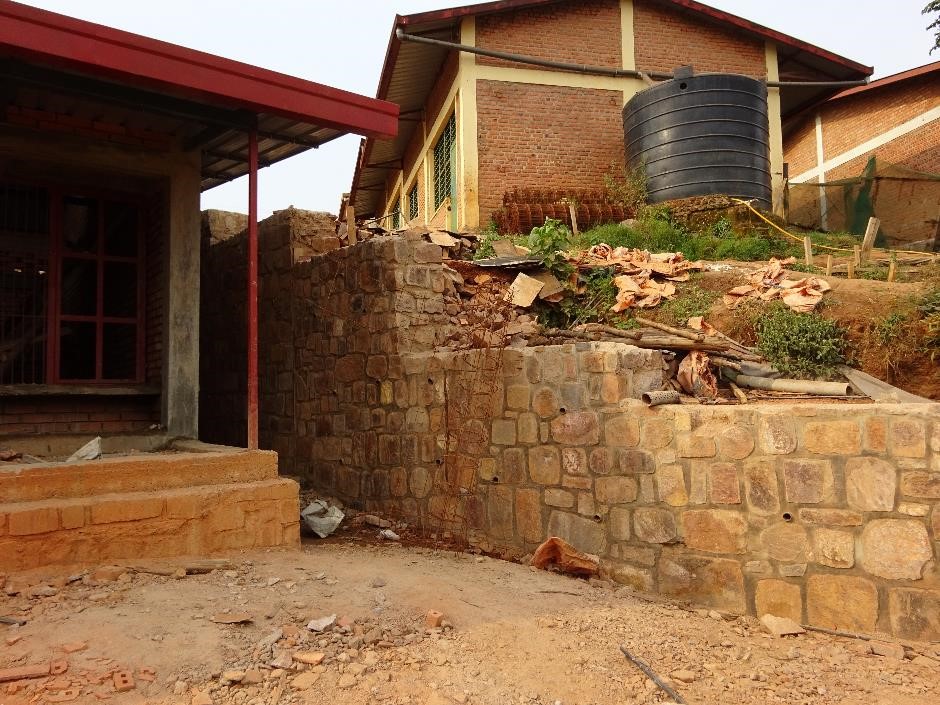
Limited access, existing structures, and environmental constraints (e.g., proximity to water bodies) can complicate construction.
(i)Site Conditions:
Limited access, existing structures, and environmental constraints (e.g., proximity to water bodies) can complicate construction.
(ii)Foundation Preparation:
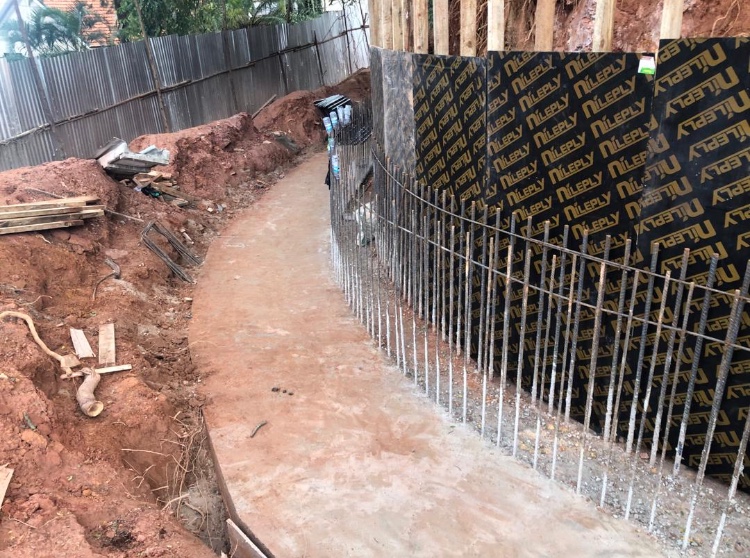
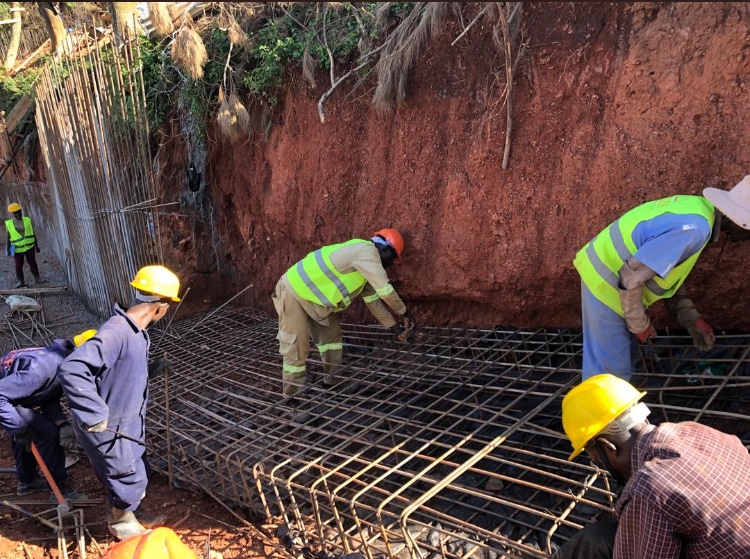
Ensuring a stable and level foundation is critical, which may involve extensive excavation and ground improvement techniques.
Ensuring a stable and level foundation is critical, which may involve extensive excavation and ground improvement techniques.
(iii)Reinforcement and Stability:
Reinforcement (steel rebar, geogrids) adds complexity to the construction process, particularly for cantilevered and anchored walls.
Reinforcement (steel rebar, geogrids) adds complexity to the construction process, particularly for cantilevered and anchored walls.
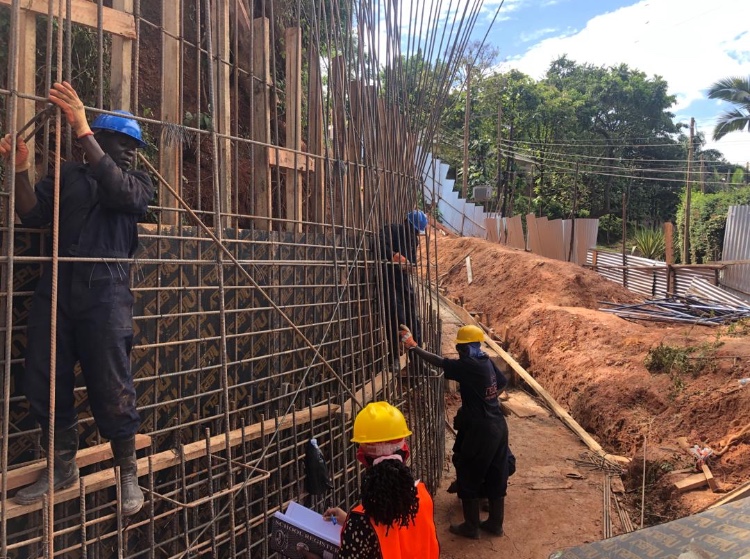
(iv)Construction Techniques:
Techniques such as driven piles for sheet piling walls or precise placement of interlocking blocks for segmental walls require specialized skills and equipment.
Techniques such as driven piles for sheet piling walls or precise placement of interlocking blocks for segmental walls require specialized skills and equipment.
3. AESTHETIC & FUNCTIONAL DESIGN
(i)Aesthetic Requirements:
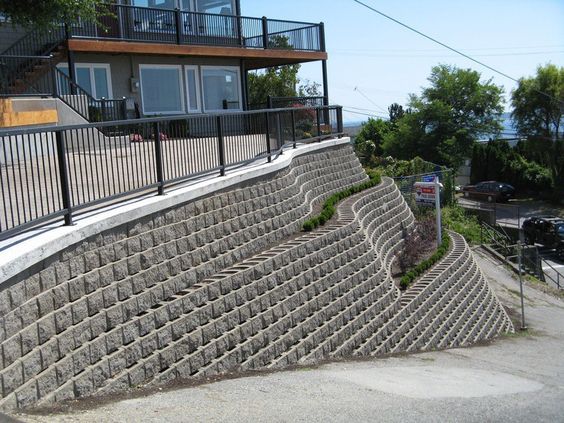
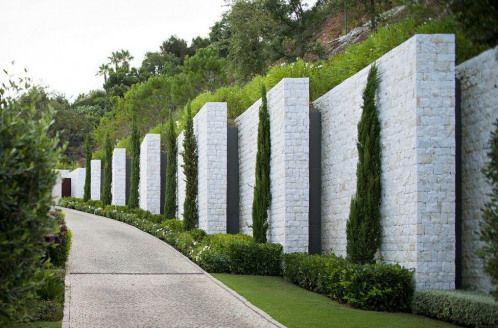
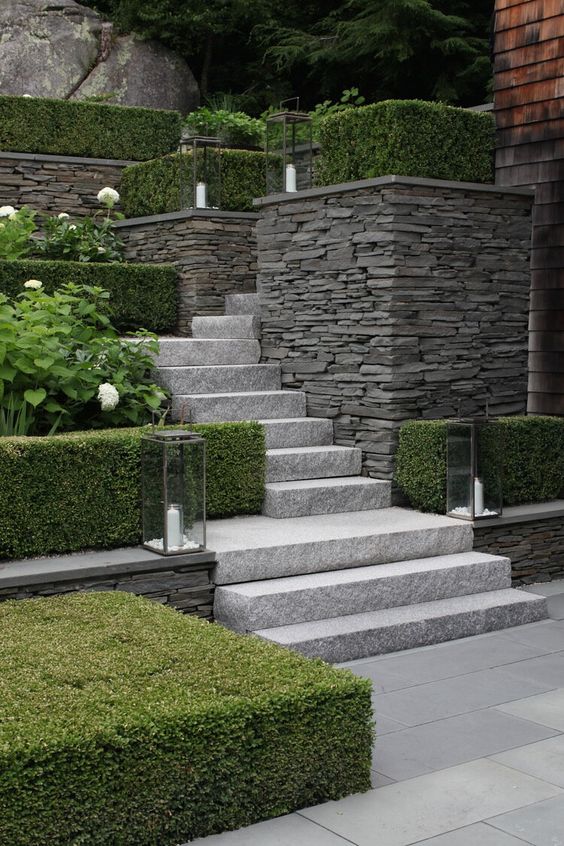
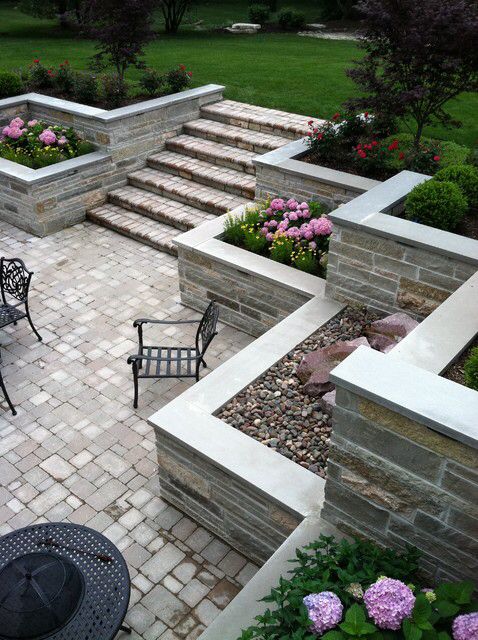
Integrating the wall into the landscape aesthetically, using materials and finishes that complement the surroundings, and incorporating features like seating or planters can add complexity.
(i)Aesthetic Requirements:
Integrating the wall into the landscape aesthetically, using materials and finishes that complement the surroundings, and incorporating features like seating or planters can add complexity.
(ii)Functional Requirements:
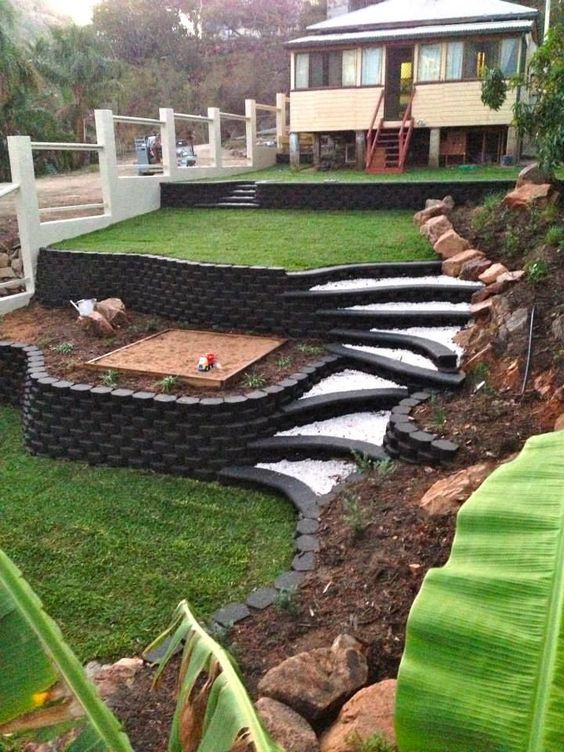
Additional functions such as integrating staircases, lighting, or seating areas require careful planning and design.
Additional functions such as integrating staircases, lighting, or seating areas require careful planning and design.
4.MAINTENANCE & LONGEVITY
(i)Durability:
Choosing materials and designs that withstand weathering, freeze-thaw cycles, and other environmental factors.
(i)Durability:
Choosing materials and designs that withstand weathering, freeze-thaw cycles, and other environmental factors.
(ii)Maintenance Access:
Ensuring the wall design allows for easy inspection and maintenance over its lifespan.
Ensuring the wall design allows for easy inspection and maintenance over its lifespan.
Thank you for sparing your time to read through this article.🤝
Share your insights & thoughts!
Share your insights & thoughts!
Loading suggestions...