
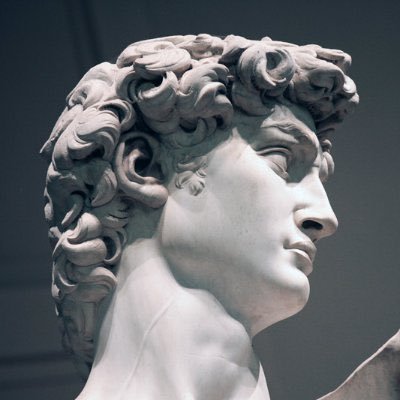
What did Jesus of Nazareth look like?
The 6th century Christ Pantocrator is the most recognized image of Jesus — but what about before then?
Well, that's where things get weird... (thread) 🧵
The 6th century Christ Pantocrator is the most recognized image of Jesus — but what about before then?
Well, that's where things get weird... (thread) 🧵

There are no physical descriptions of Christ in the Gospels. The first Christians were wary of idolatry and wanted to focus on his words and teachings.
But what do the earliest artistic depictions show us?
But what do the earliest artistic depictions show us?

This is the Christ Pantocrator, a Byzantine icon kept in a small Mount Sinai monastery since the 6th century.
Its style (right hand raised, Bible in the left) became repeated around the world, and established his conventional appearance: bearded and long-haired.
Its style (right hand raised, Bible in the left) became repeated around the world, and established his conventional appearance: bearded and long-haired.

It remained the blueprint for artists ever since.
But it was made over 5 centuries after his death — what about depictions made closer to Christ's time?
But it was made over 5 centuries after his death — what about depictions made closer to Christ's time?

Well, earlier images have no uniform appearance.
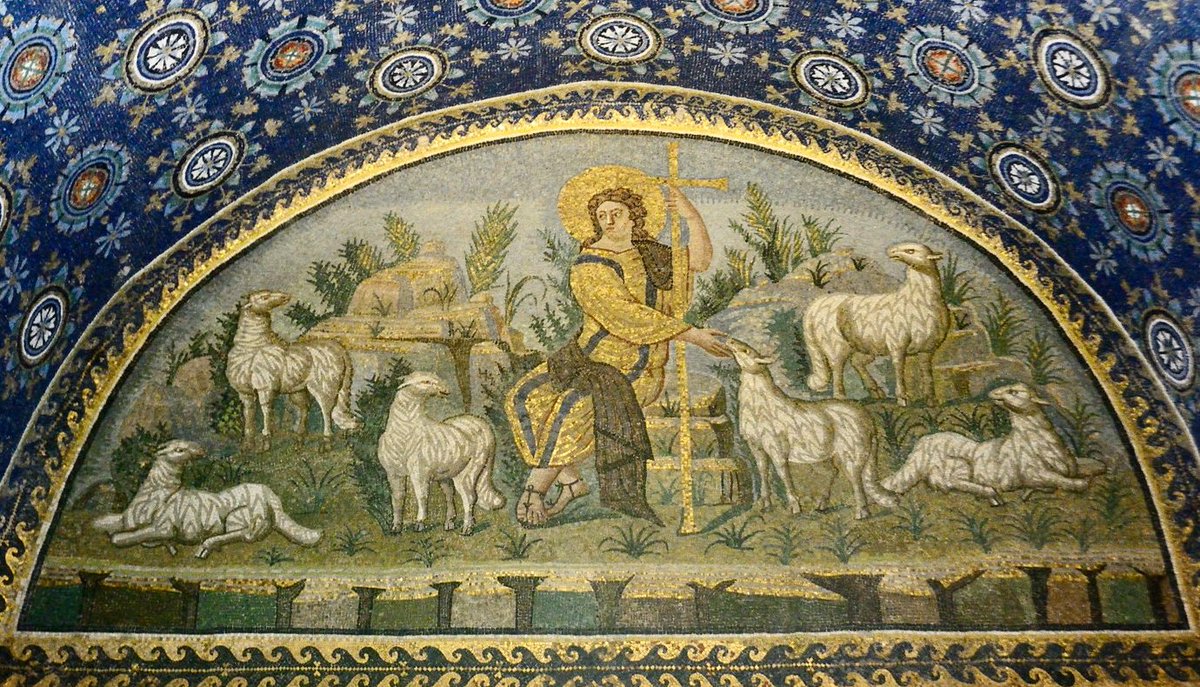
This 5th century mosaic, in a Roman mausoleum built by the daughter of Emperor Theodosius, has Jesus curly-haired — and beardless...
This 5th century mosaic, in a Roman mausoleum built by the daughter of Emperor Theodosius, has Jesus curly-haired — and beardless...
What about the 4th century?
Most of these are found in Roman catacombs, where early Christians prayed secretly to avoid persecution...
Most of these are found in Roman catacombs, where early Christians prayed secretly to avoid persecution...
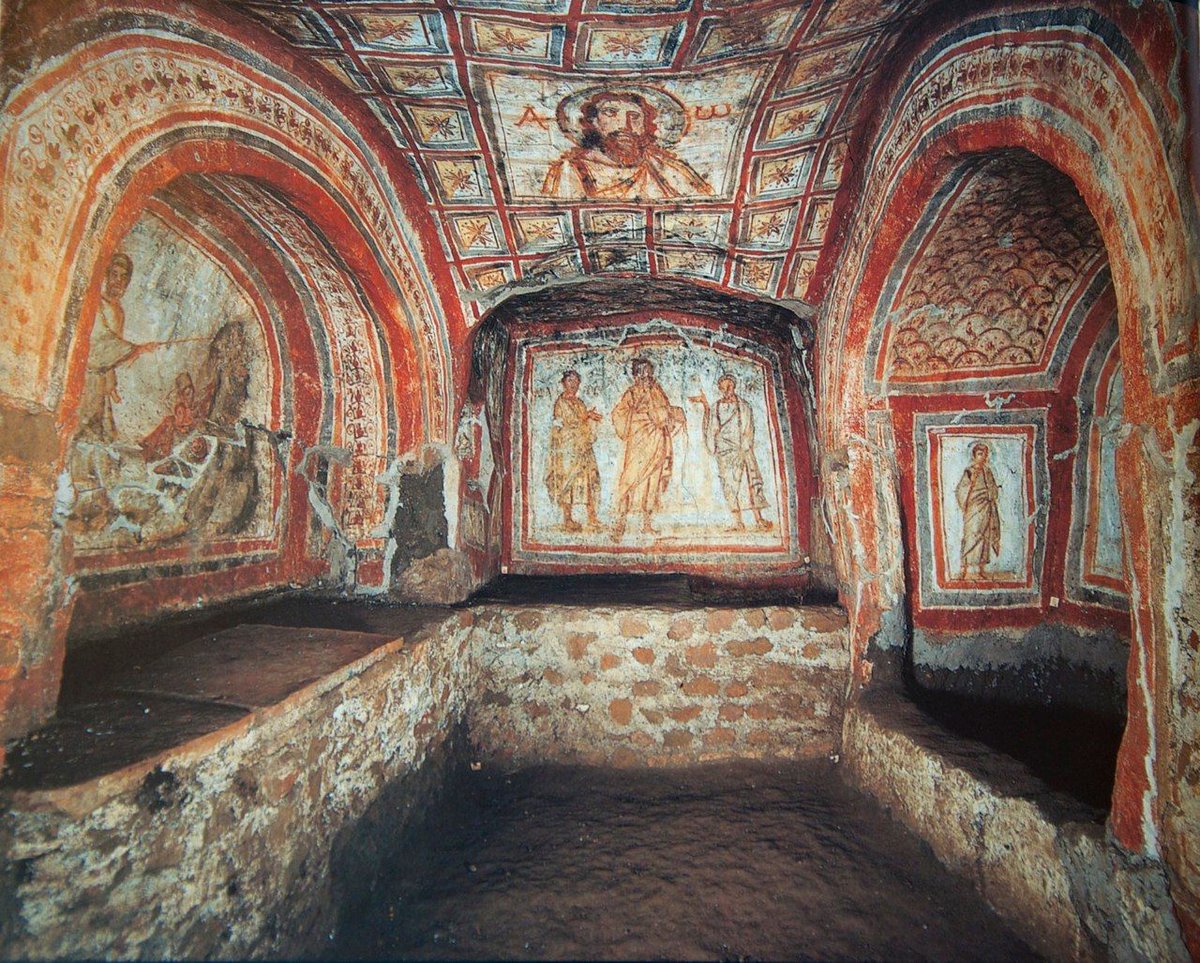
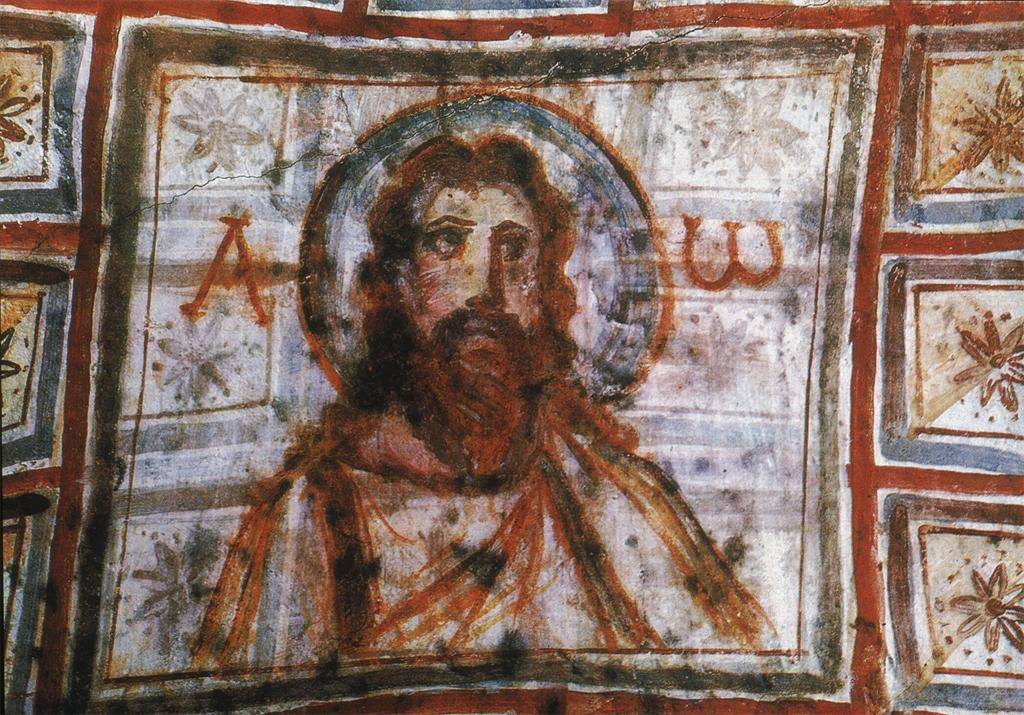
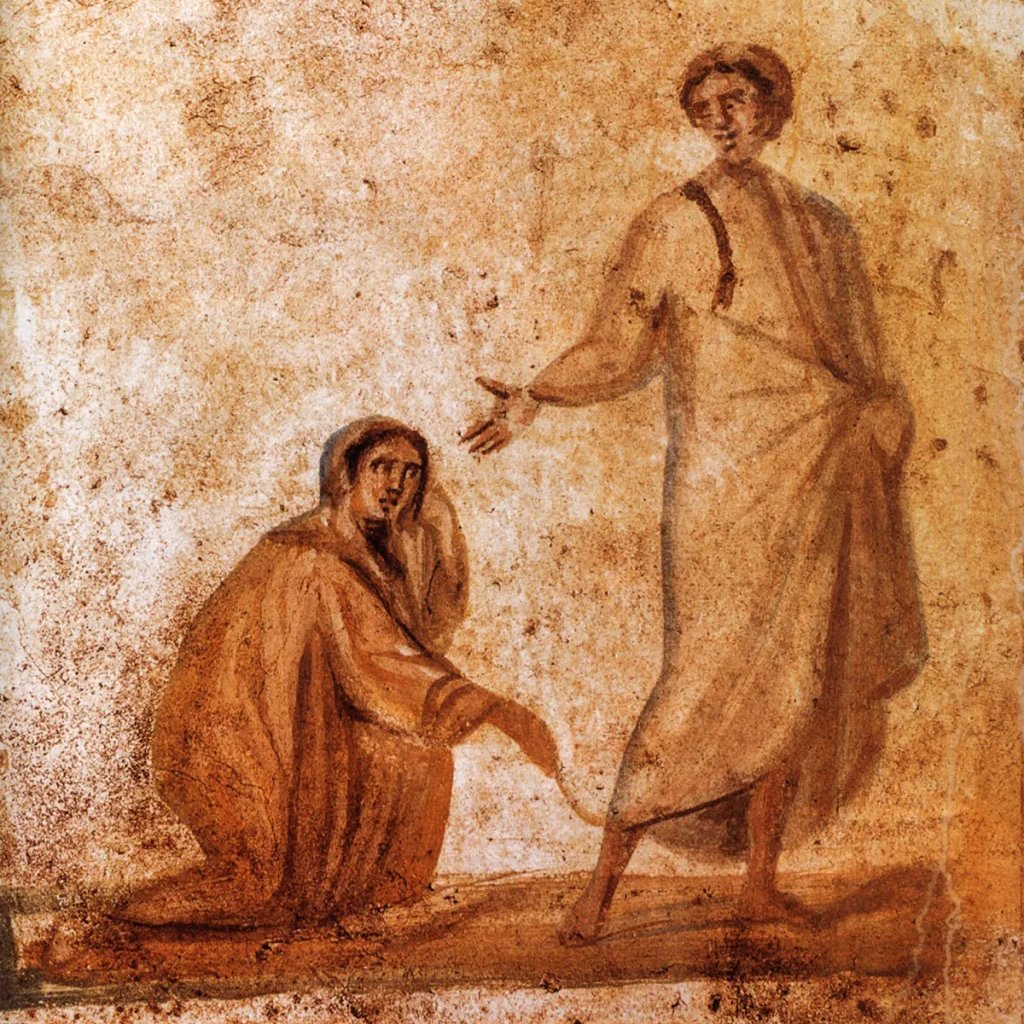
The Catacomb of Commodilla in Rome has the oldest depiction of Christ with a beard. It's actually remarkably similar to images made well over a millennia later....
But mostly, he looks like a typical Roman: short hair, no beard, wearing a tunic and mantle over the top.
In Roman society, those stripes over the shoulder were for people of stature.
In Roman society, those stripes over the shoulder were for people of stature.
This one in the Catacomb of the Giordani is more peculiar. It's an image of Christ raising Lazarus from the dead.
Short hair and a tunic like before — and a wand...?
Short hair and a tunic like before — and a wand...?
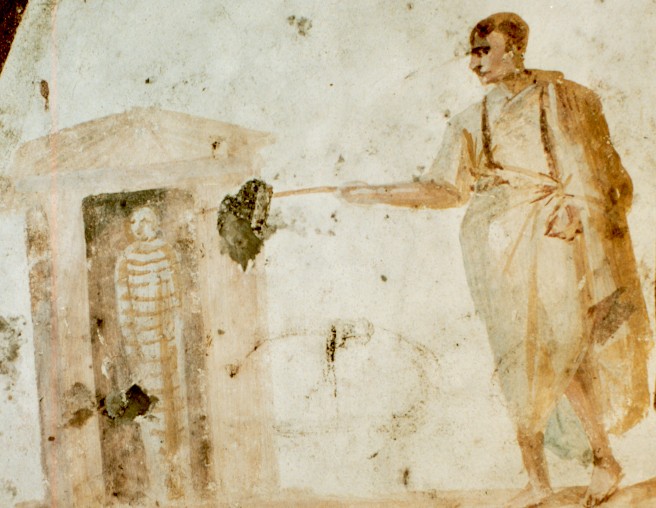
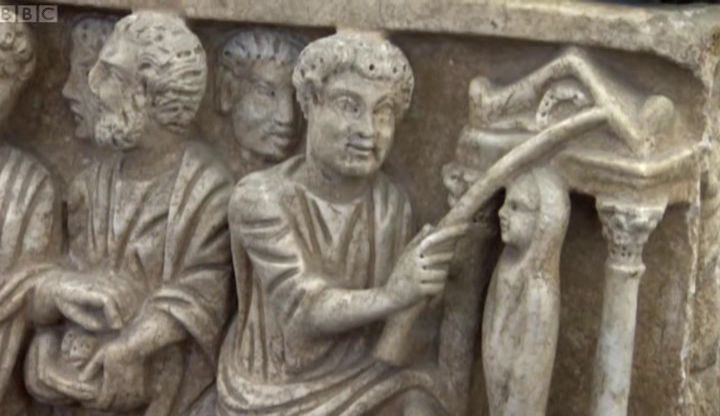
Jesus was known in Roman society as a miracle worker; or to his critics, a magician.
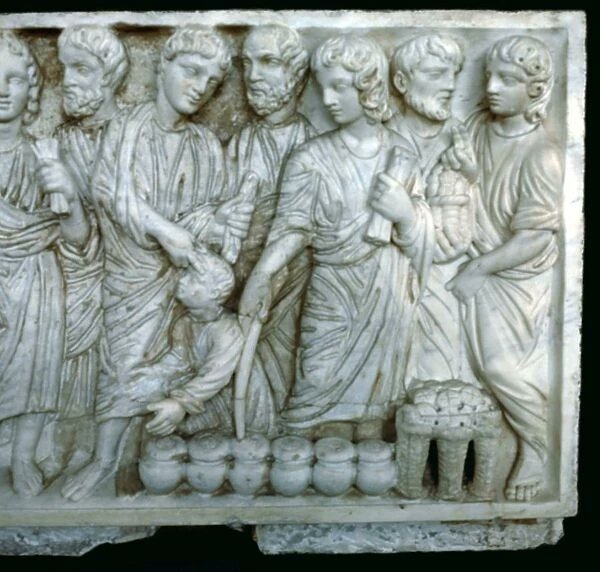
But this art wasn't suggesting magic. It was to symbolize Christ as the "new Moses" — himself a miracle worker with a staff.
But this art wasn't suggesting magic. It was to symbolize Christ as the "new Moses" — himself a miracle worker with a staff.
But we can go older still.
This is from the 3rd century, around 250 AD, and it's the second oldest known image of Jesus...
This is from the 3rd century, around 250 AD, and it's the second oldest known image of Jesus...
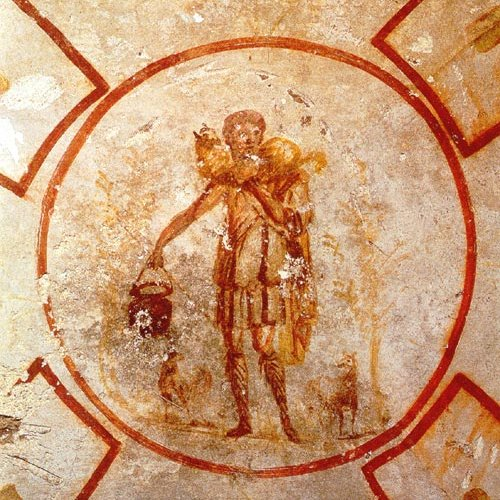
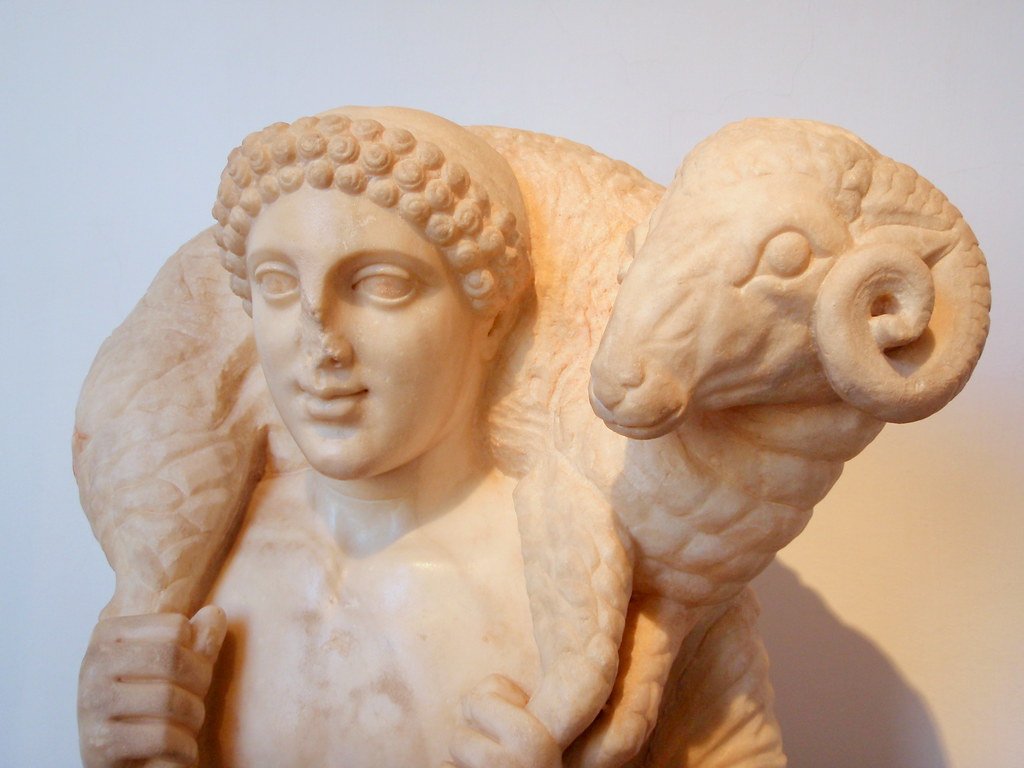
He's again Roman-looking, but now depicted as the Good Shepherd: a short tunic and a lamb atop his shoulders.
It's similar to depictions of the god Mercury, often shown with a ram — an image Roman society would've been familiar with.
It's similar to depictions of the god Mercury, often shown with a ram — an image Roman society would've been familiar with.
But the single oldest image of Christ doesn't come from Rome. It comes from the easternmost stronghold of the empire: a place in Syria called Dura-Europos.
There lies the oldest church ever discovered...
There lies the oldest church ever discovered...
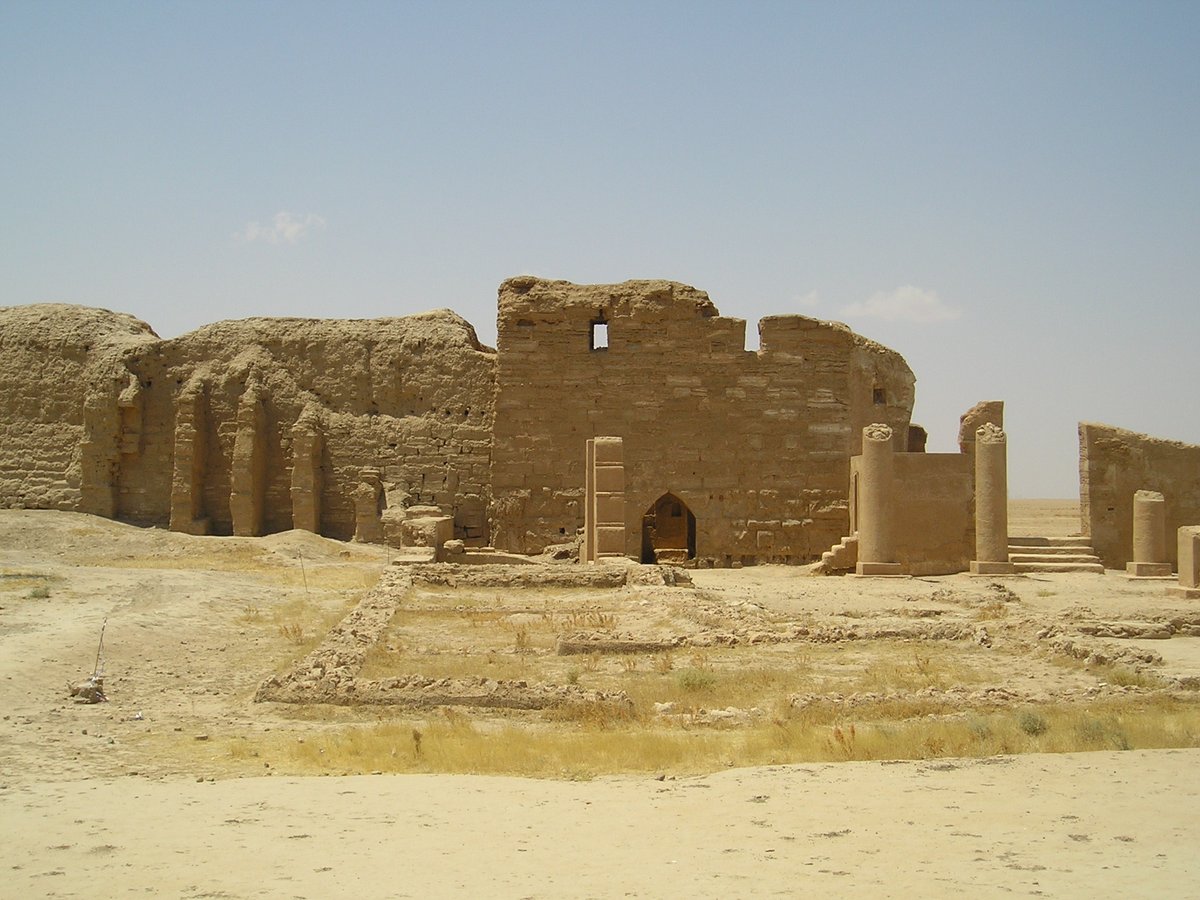
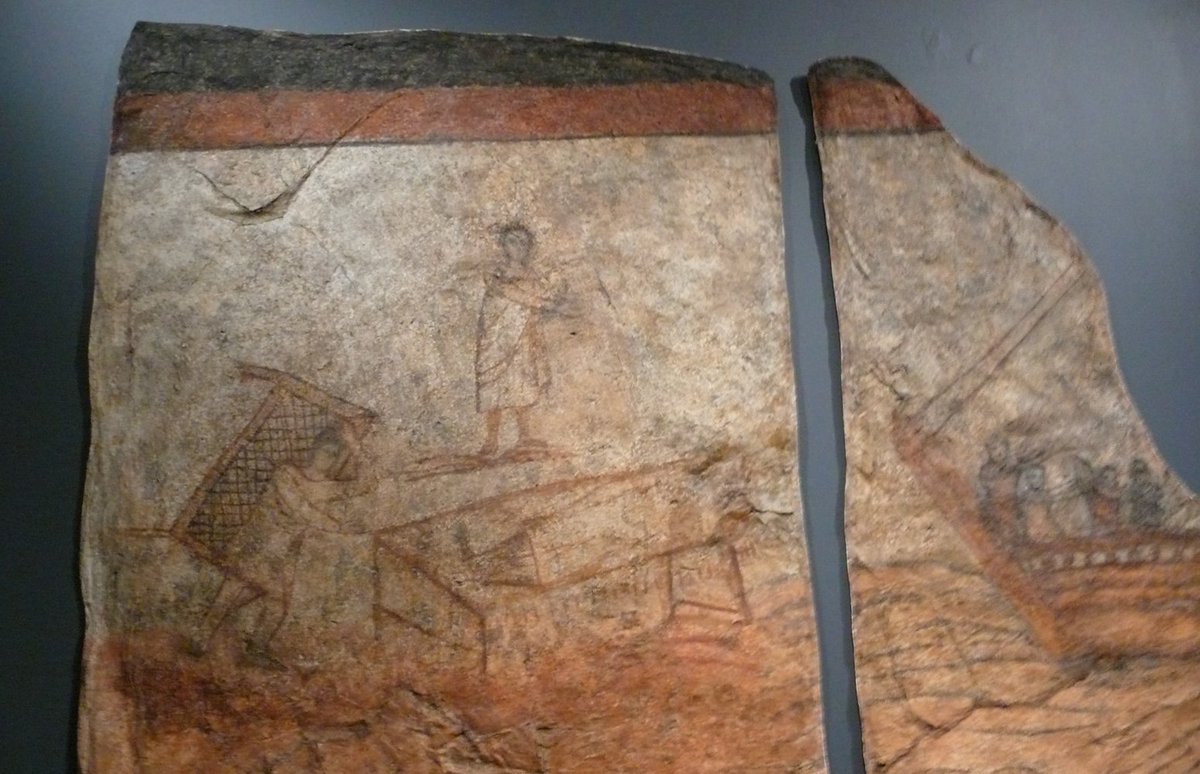
And this is it. It dates to around 235 AD.
A depiction of the healing of the paralytic. It's actually one of three images, all of different New Testament miracles.
A depiction of the healing of the paralytic. It's actually one of three images, all of different New Testament miracles.
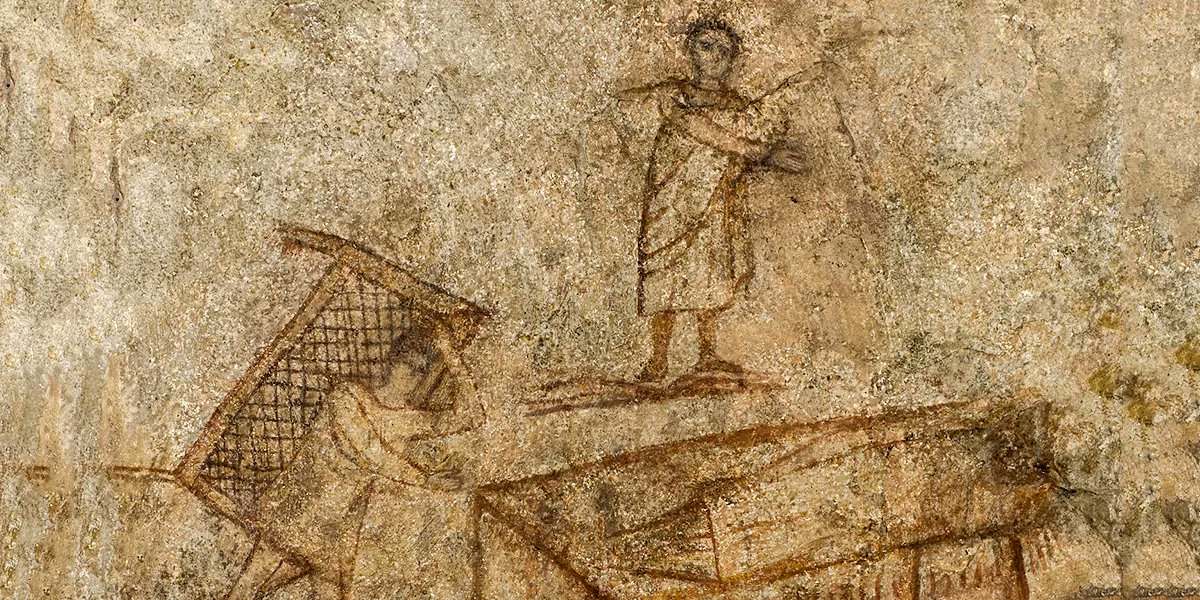
It's clear that early depictions reflected stylistic influences of the day, but also whichever aspect of Christ was being emphasized.
Sometimes he's the Good Shepherd, others he's a philosopher or king upon a heavenly throne...
Sometimes he's the Good Shepherd, others he's a philosopher or king upon a heavenly throne...
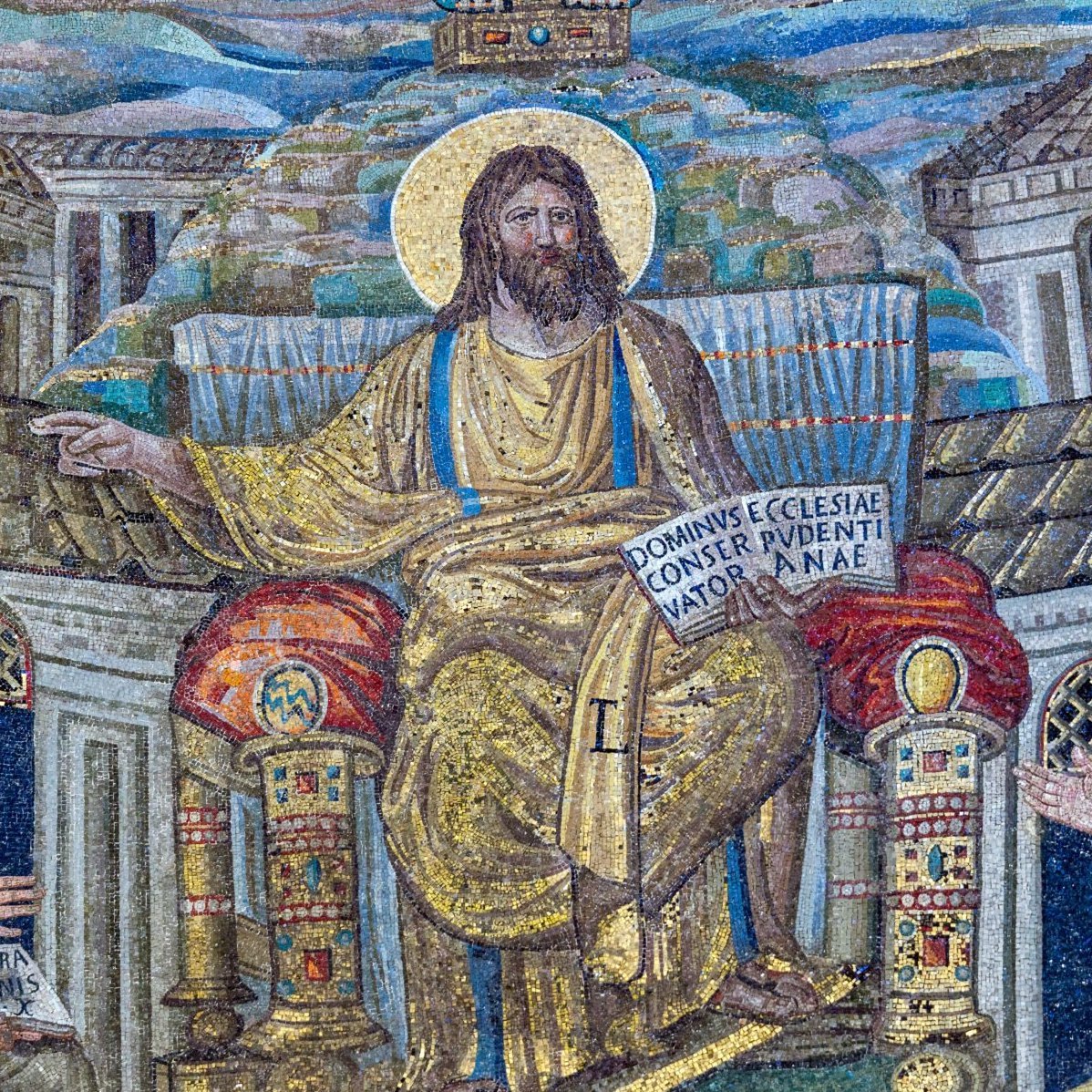
That may be why he was depicted with a beard later on — to establish a more powerful, godly image.
People were used to statues of bearded gods and philosophers, and might've borrowed that imagery...
People were used to statues of bearded gods and philosophers, and might've borrowed that imagery...

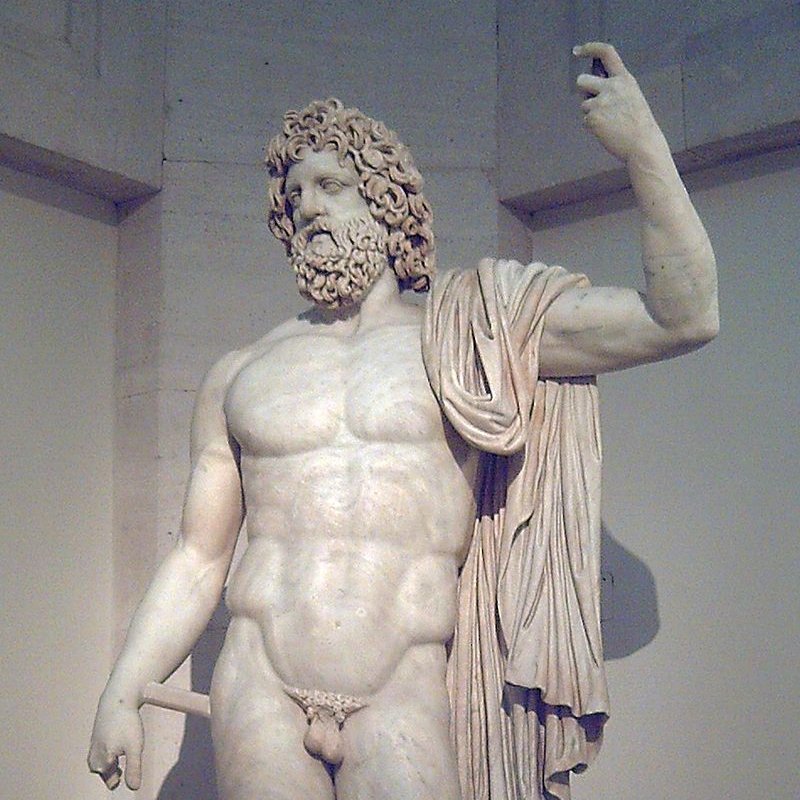
But there's one more.
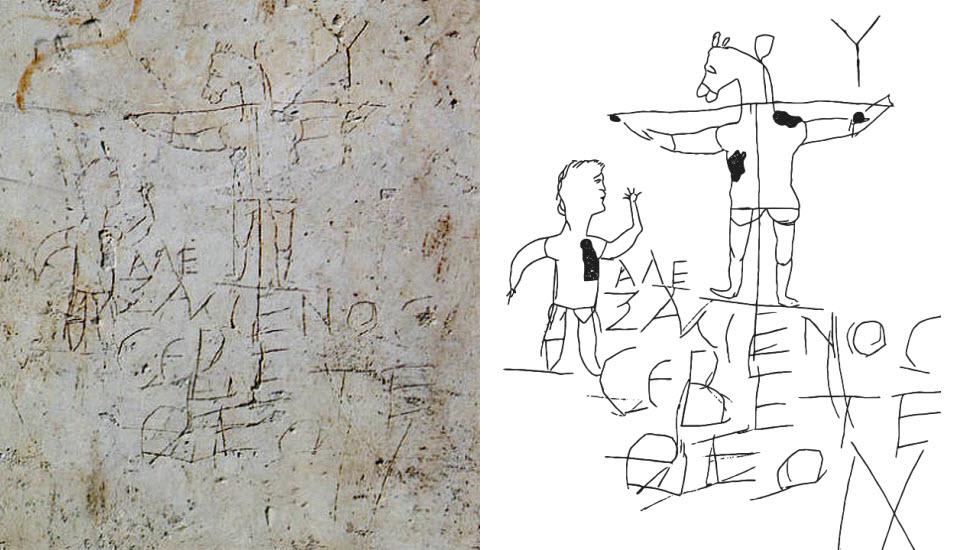
Around 200 AD, a tiny bit of graffiti in a Roman barracks was directed at a soldier named Alexamenos. It's not a real depiction of Christ, but a mockery...
Around 200 AD, a tiny bit of graffiti in a Roman barracks was directed at a soldier named Alexamenos. It's not a real depiction of Christ, but a mockery...
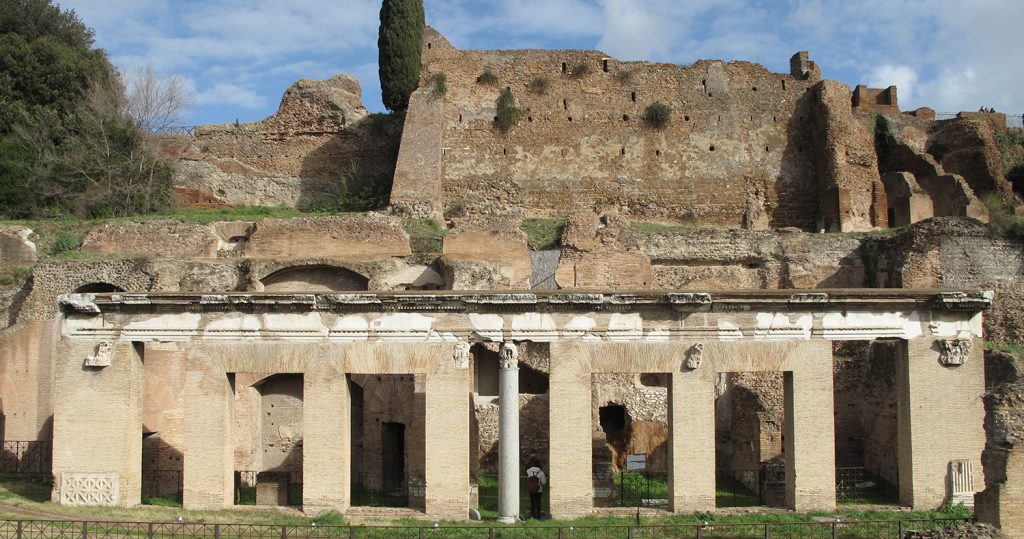
Jesus was depicted with a donkey's head, alongside the text: "Alexamenos worships his god".
For Roman disbelievers, worshipping a man who was crucified would've seemed absurd. Crucifixion was a sentence reserved for the lowest of society.
For Roman disbelievers, worshipping a man who was crucified would've seemed absurd. Crucifixion was a sentence reserved for the lowest of society.
This was the "stumbling block" or "foolishness" that held people back from the faith at first. Saint Paul addressed it directly:
"For the foolishness of God is wiser than men, and the weakness of God stronger than men."
"For the foolishness of God is wiser than men, and the weakness of God stronger than men."
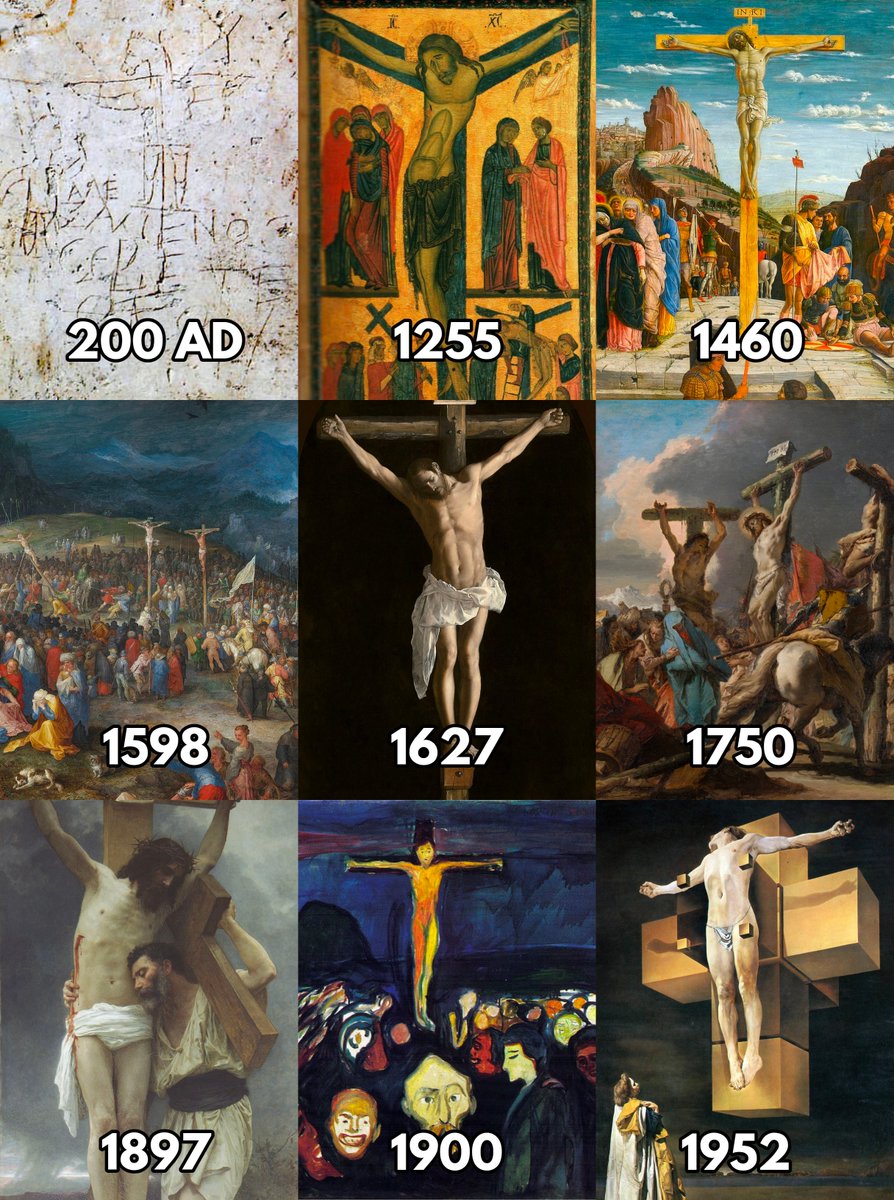
My free newsletter covers topics like this every week: history, art and culture — 50,000+ readers.
Do NOT miss the next email 👇
culturecritic.beehiiv.com
Do NOT miss the next email 👇
culturecritic.beehiiv.com

Loading suggestions...