

How India Became a Nuclear Power — A Thread 🧵
There was a time when the US, China, & Pakistan together used to bully India. The only solution to counter these threats was to develop our own nukes. And India did just that—by FOOLING the US.
Here’s how it went down ⬇️
There was a time when the US, China, & Pakistan together used to bully India. The only solution to counter these threats was to develop our own nukes. And India did just that—by FOOLING the US.
Here’s how it went down ⬇️
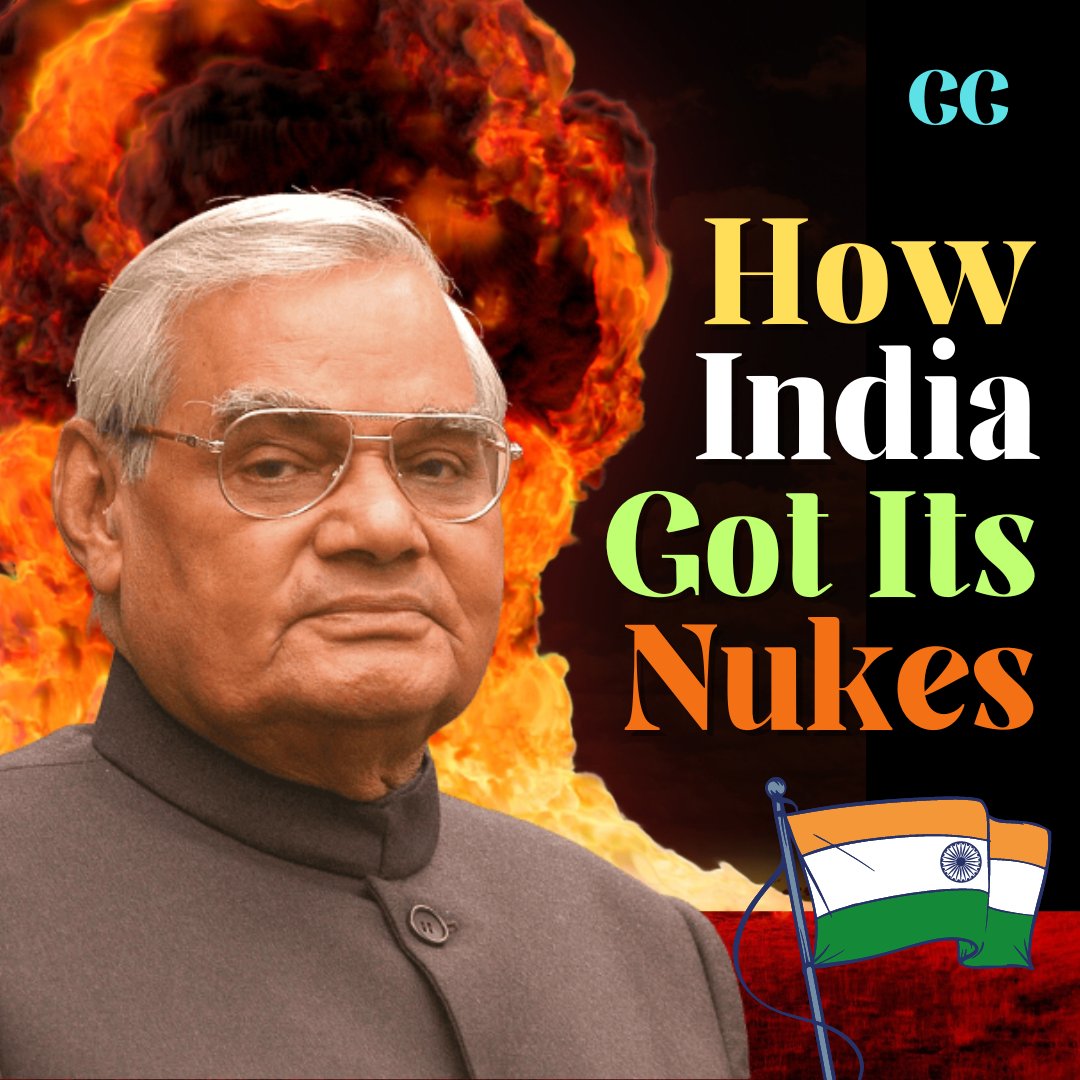
This is a story that dates back to the 1940s when World War II had just ended. India had just gained independence, and the world witnessed the devastating power of a nuclear bomb for the first time in Hiroshima and Nagasaki.
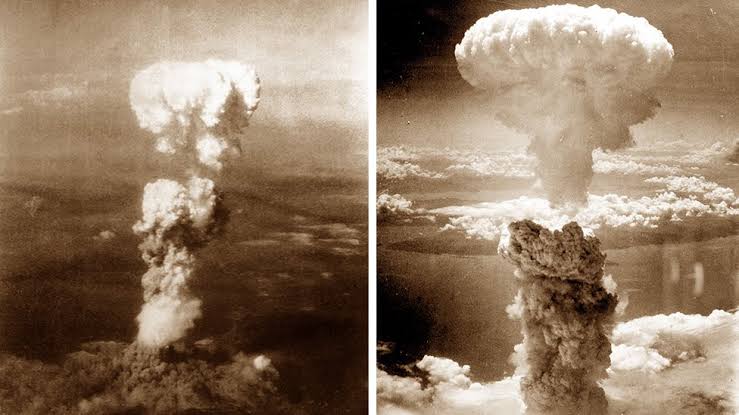
On July 16, 1945, the first man-made nuclear blast was tested in New Mexico.
On August 9, 1945, a U.S. B-29 dropped a 10,000-pound plutonium bomb, "Fat Man," over Nagasaki, Japan. A city died, & 80,000 of its inhabitants were wiped out. Japan surrendered, ending World War II.
On August 9, 1945, a U.S. B-29 dropped a 10,000-pound plutonium bomb, "Fat Man," over Nagasaki, Japan. A city died, & 80,000 of its inhabitants were wiped out. Japan surrendered, ending World War II.
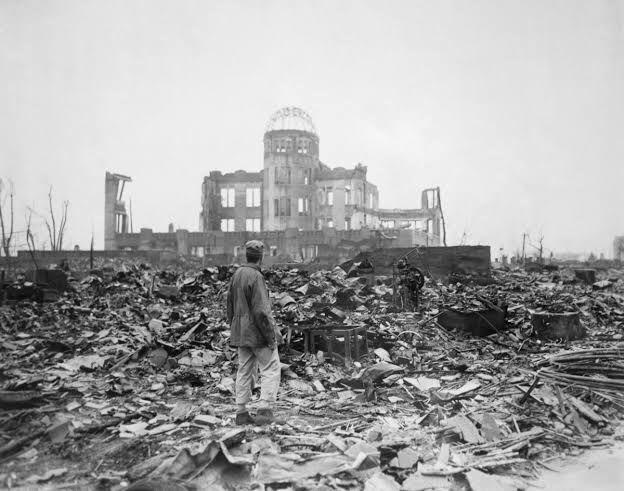
The world realized that to command power in the 21st century, having a nuclear bomb was crucial.
Thus began the nuclear race, with other nations testing their nuclear weapons soon: Russia in 1949, the UK in 1952, France in 1960, and China in 1964.
Thus began the nuclear race, with other nations testing their nuclear weapons soon: Russia in 1949, the UK in 1952, France in 1960, and China in 1964.
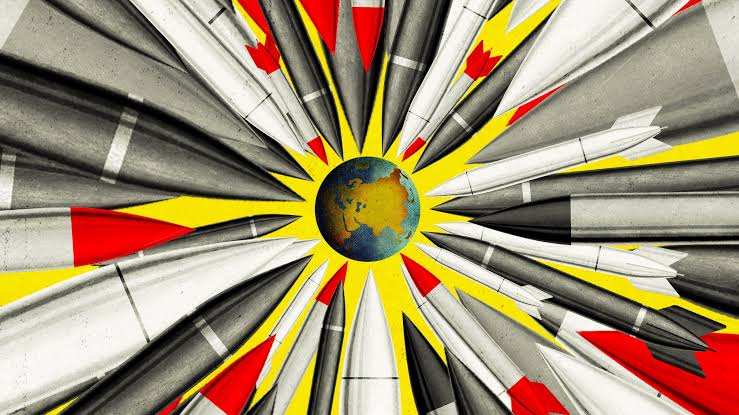
Once these nations completed their tests, they established the Non-Proliferation Treaty (NPT) in 1968, which aimed to prevent non-nuclear states from acquiring nuclear weapons while nuclear states promised not to assist others in getting them.
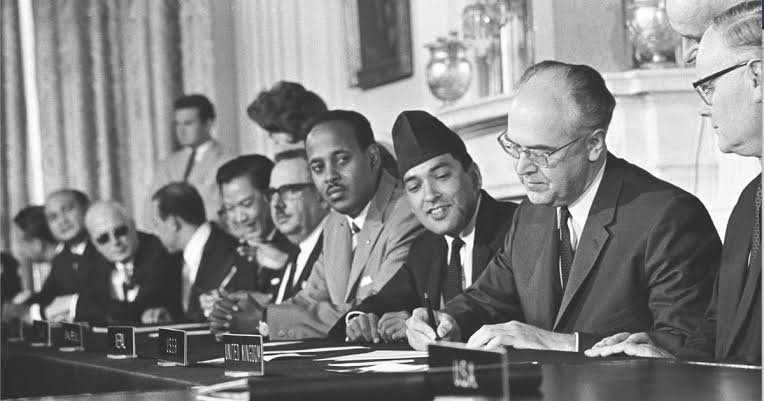
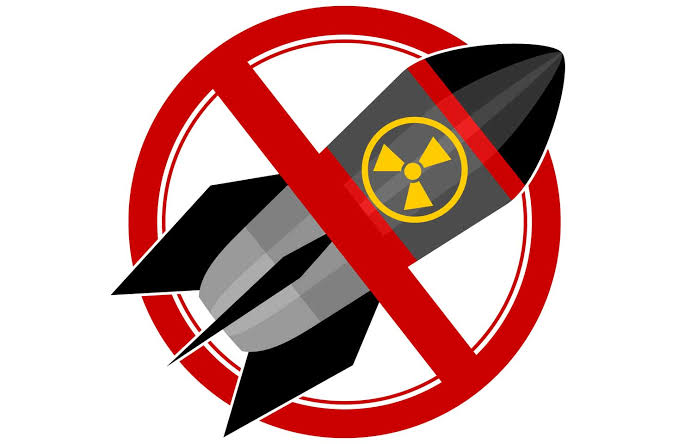
This treaty essentially meant that now that the "big boys" had their bombs, no one else should get them.
India actually proposed a fair treaty that called for complete disarmament by nuclear states, which was rejected, for in geopolitics, morals are subservient to power.
India actually proposed a fair treaty that called for complete disarmament by nuclear states, which was rejected, for in geopolitics, morals are subservient to power.
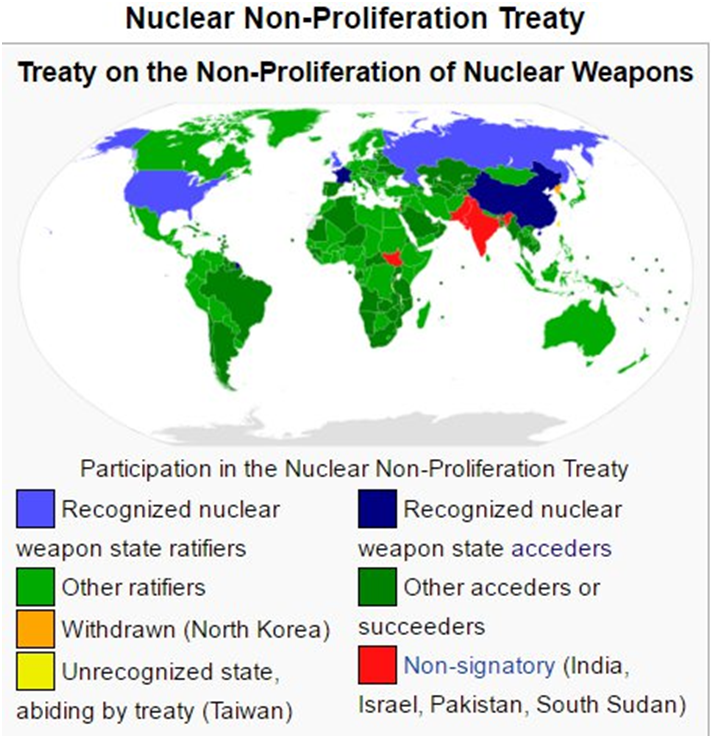
Despite many countries signing the NPT, India, Pakistan, & Israel did not. North Korea later withdrew from it, too. Why did India refuse to sign it? The answer lies in the geopolitical situation of the time.
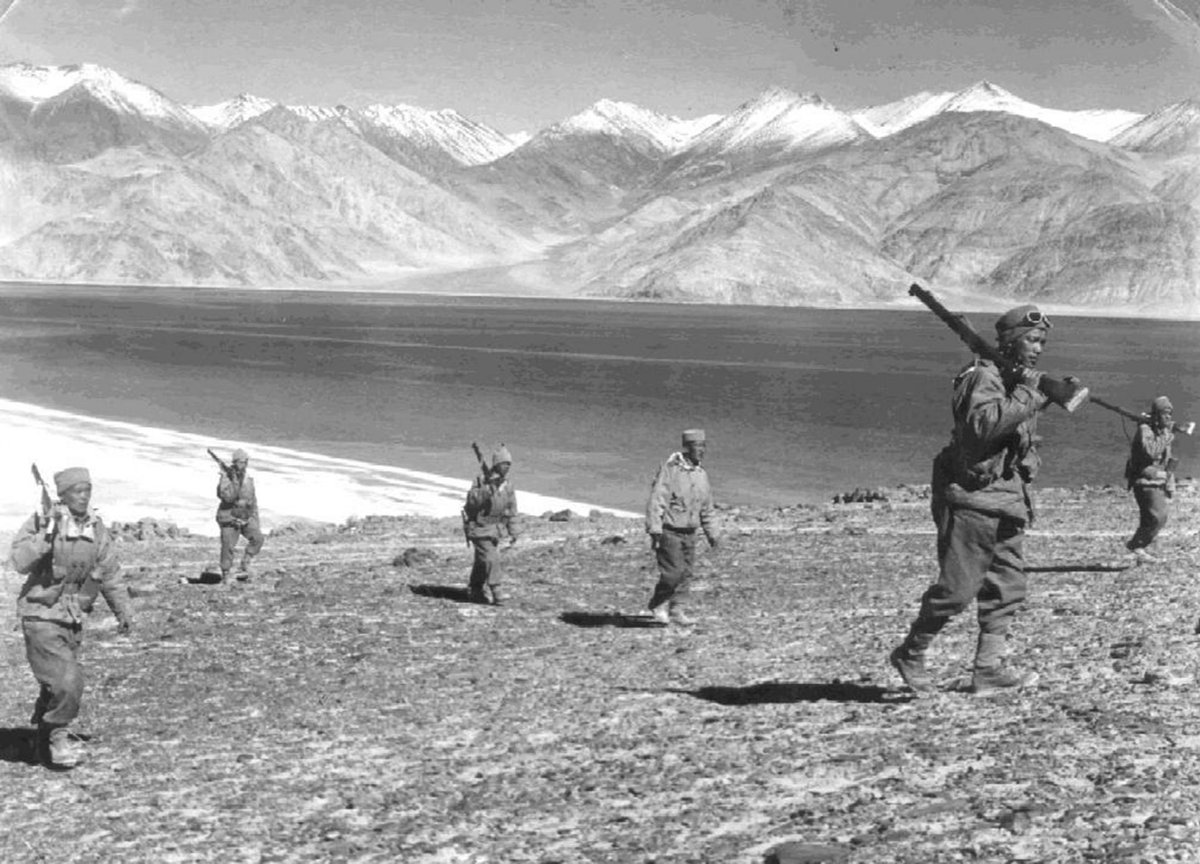
On October 20, 1962, the Chinese army launched a massive attack on India, invading Ladakh & Arunachal Pradesh. India lost about 43,000 square kilometers of land, heightening border tensions with China.
Just three years later, in 1965, India was attacked again by Pakistan, leading to the Indo-Pakistan War. While India eventually won the war, it opened up a new whole new Pandora’s box: Pakistan allying with China against their common enemy, India.
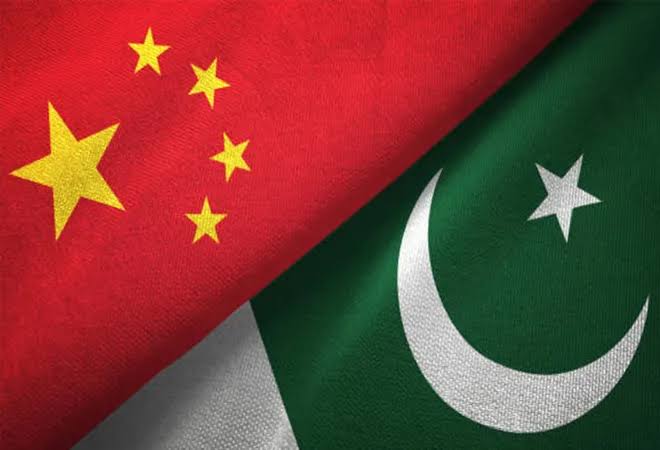
During this period, India faced severe economic turmoil, food shortages, & famine. The vulnerability of India made it clear that we needed to develop nuclear weapons as a deterrent. With hostile nations at our borders & beyond, this was the only thing that could’ve kept us safe.
This marked the beginning of India's nuclear journey. Three key figures were instrumental in kickstarting it: Lal Bahadur Shastri, Homi Bhabha, and J.R.D. Tata. Tata financed research, and Bhabha established key institutes like the Tata Institute of Fundamental Research.
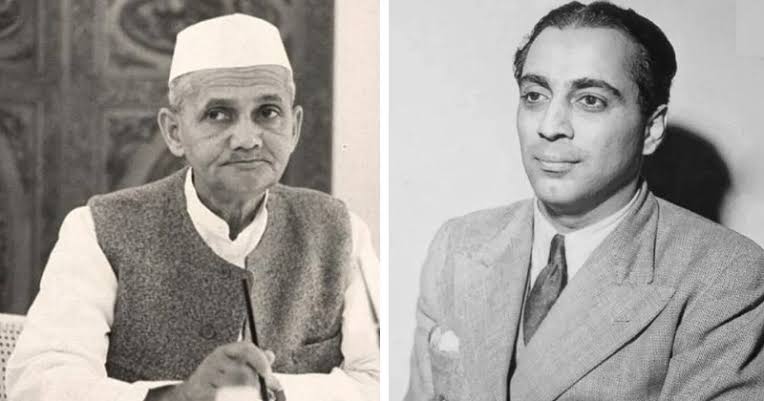
In 1965, after China became a nuclear state, our then PM, Lal Bahadur Shastri approved the production of nuclear explosives. This led to the formation of the Nuclear Explosive Design Group and the Study of Nuclear Explosions for Peaceful Purposes (SNEPP).
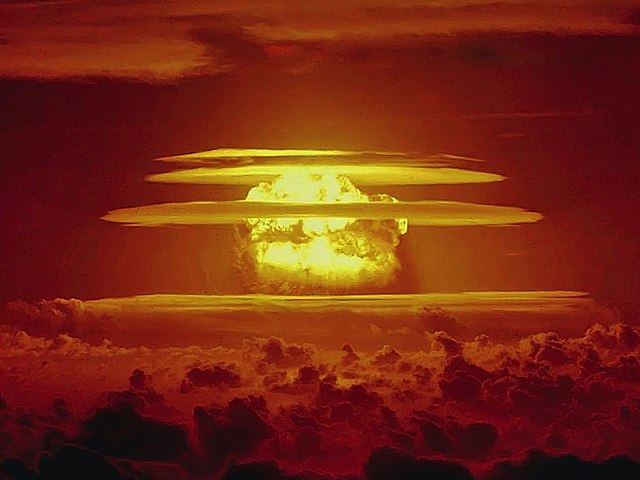
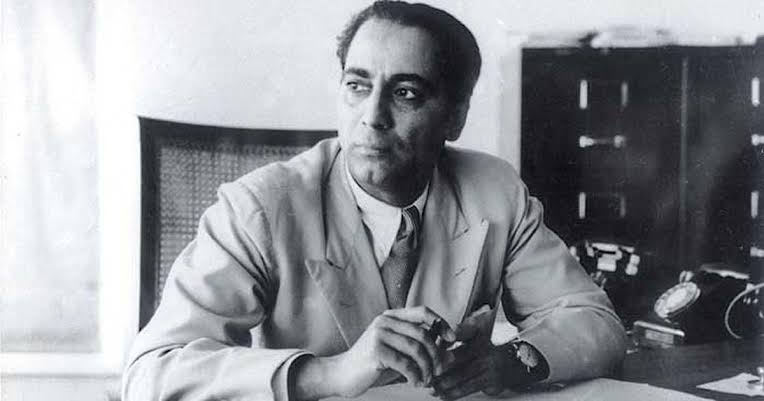
In a 1965 interview, Homi Bhabha claimed that India could produce a nuclear bomb within 18 months if given the green light.
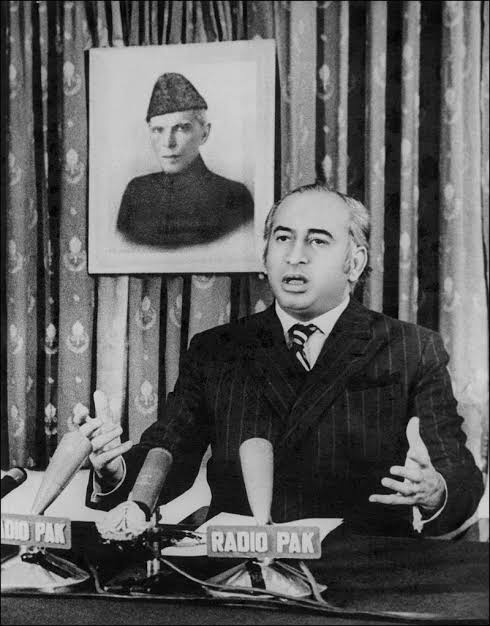
This sent such shock waves across Pakistan that then-President Zulfikar Ali Bhutto immediately announced, “If India builds the bomb, we will eat grass or leaves, even go hungry, but we will get one of our own.”
This was the level of the threat that India was standing against.
This was the level of the threat that India was standing against.
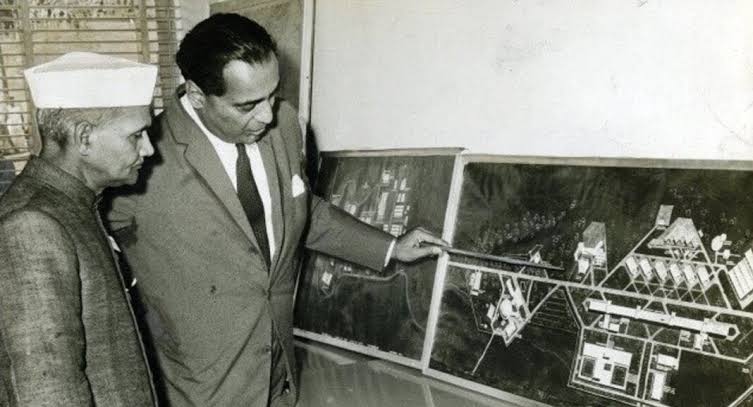
Tragically, in January 1966, Homi Bhabha died in a plane crash, & Shastri died in the same month too—both under suspicious circumstances.
India's nuclear program suffered a big setback due to this.
India's nuclear program suffered a big setback due to this.
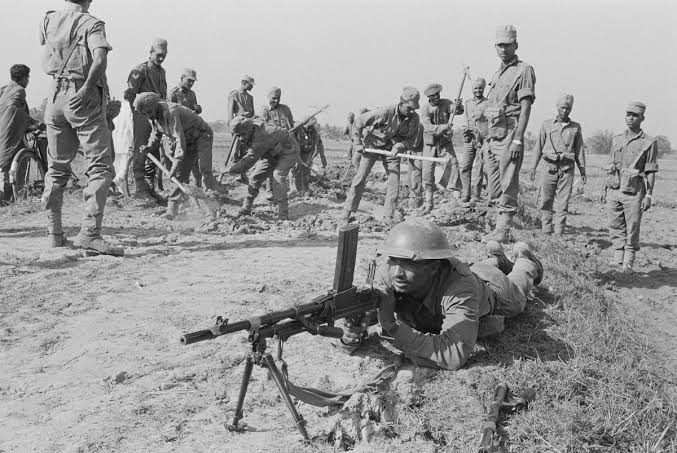
In 1971, another war broke out with Pakistan, leading to the liberation of Bangladesh. During this war, the US deployed their 75,000-ton Seventh Fleet against India in the Bay of Bengal.
It was the world’s largest warship & had the capacity more than 70 fighters & bombers.
It was the world’s largest warship & had the capacity more than 70 fighters & bombers.
On the other side, the USSR sent their own nuclear fleet to counter the American fleet having signed an agreement to assist India in case China or the US militarily intervened in the conflict.
This neutralised US’s involvement, & helped India eventually win the war.
This neutralised US’s involvement, & helped India eventually win the war.
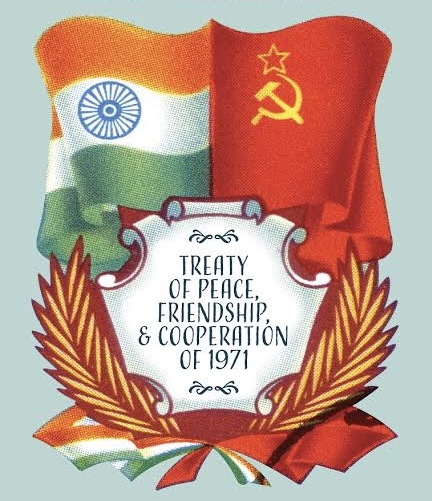
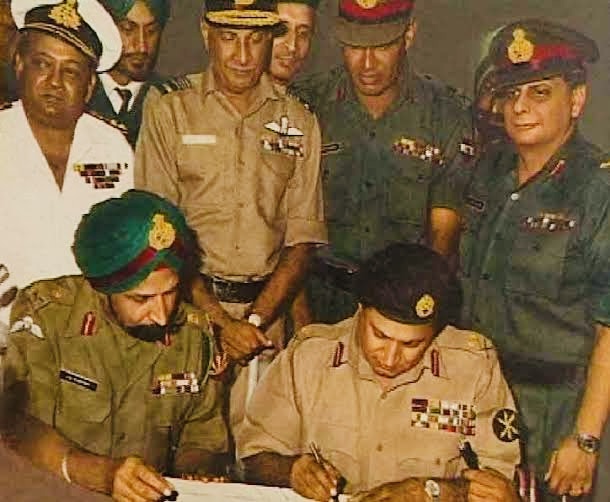
The result of this war was the surrender of 93,000 Pakistani soldiers to the Indian army & the independence of East Pakistan as Bangladesh.
Despite winning the war, India suffered a lot. Western nations became skeptical of India's nuclear ambitions.
Despite winning the war, India suffered a lot. Western nations became skeptical of India's nuclear ambitions.
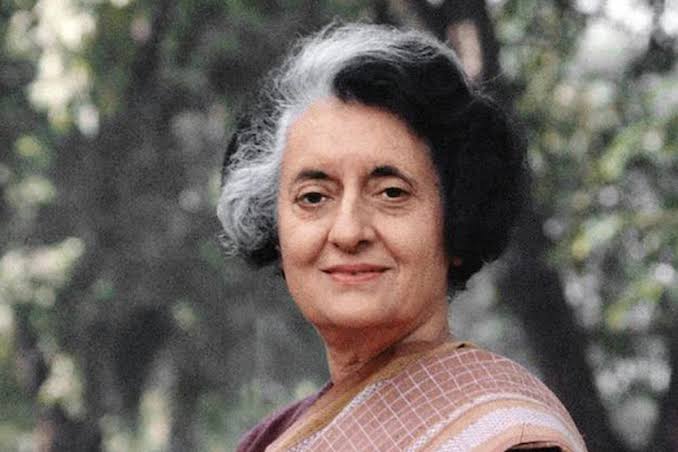
A new leader was needed to carry forward the legacies of Shastri and Bhabha, and Indira Gandhi stepped up.
In 1972, Indira Gandhi gave her consent to Bhabha's successor, Dr. Ramanna, to carry out a nuclear test.
In 1972, Indira Gandhi gave her consent to Bhabha's successor, Dr. Ramanna, to carry out a nuclear test.
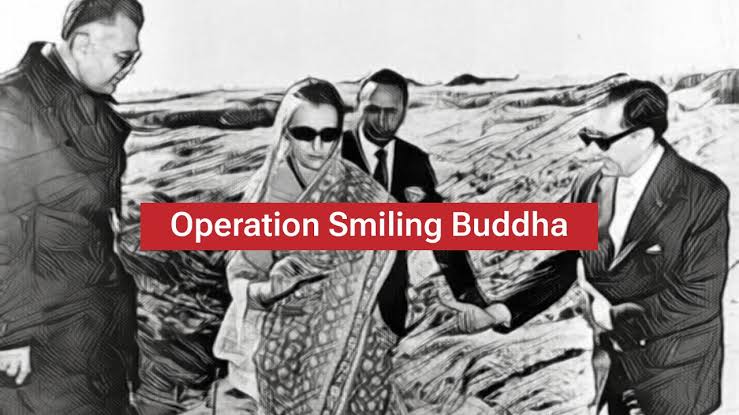
On May 18, 1974, India conducted its first nuclear test in Pokhran, codenamed Smiling Buddha.
India's successful test made it a nuclear state. However, this angered both Pakistan and the US.
India's successful test made it a nuclear state. However, this angered both Pakistan and the US.
The tension was so high that at one point in time, US actually considered destroying India’s nuclear program & was almost at the verge of attacking India.
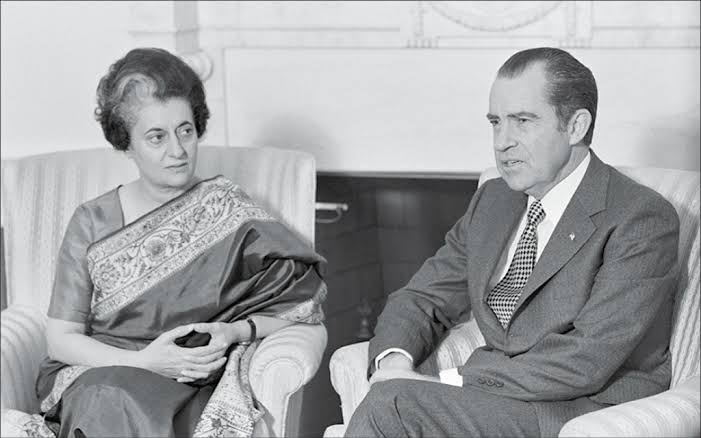
At the same time, the West imposed several sanctions on India, making it extremely difficult for us to even buy basic tech stuff. Despite these challenges, India continued to develop its nuclear program.
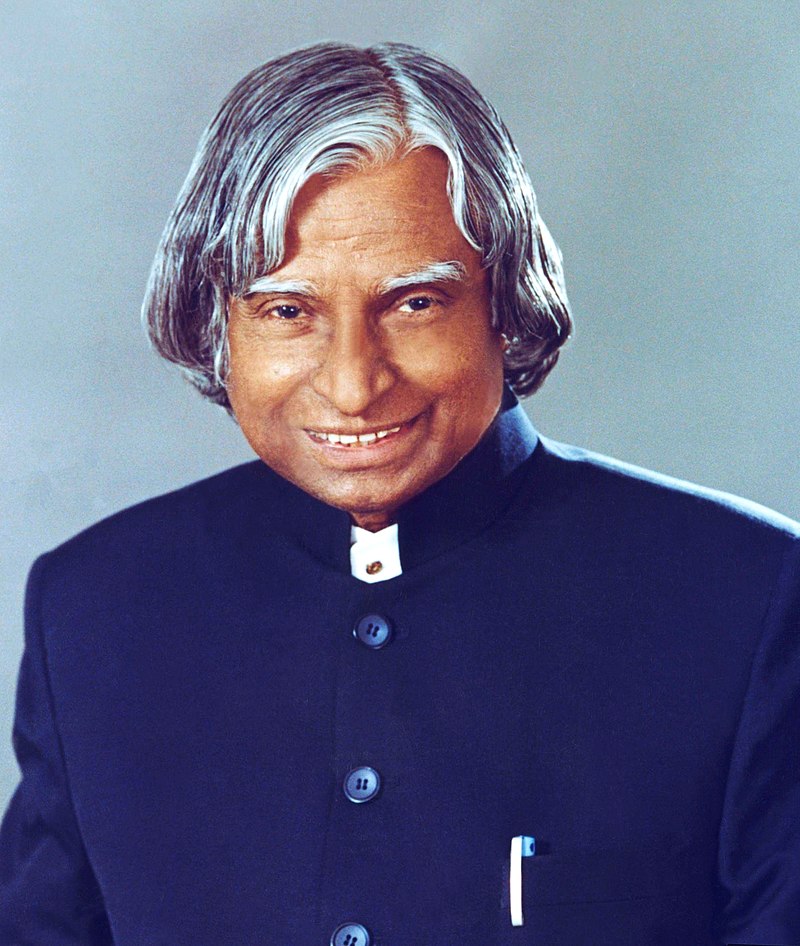
Dr. APJ Abdul Kalam played a crucial role in building India's defense systems from scratch amidst international pressure.
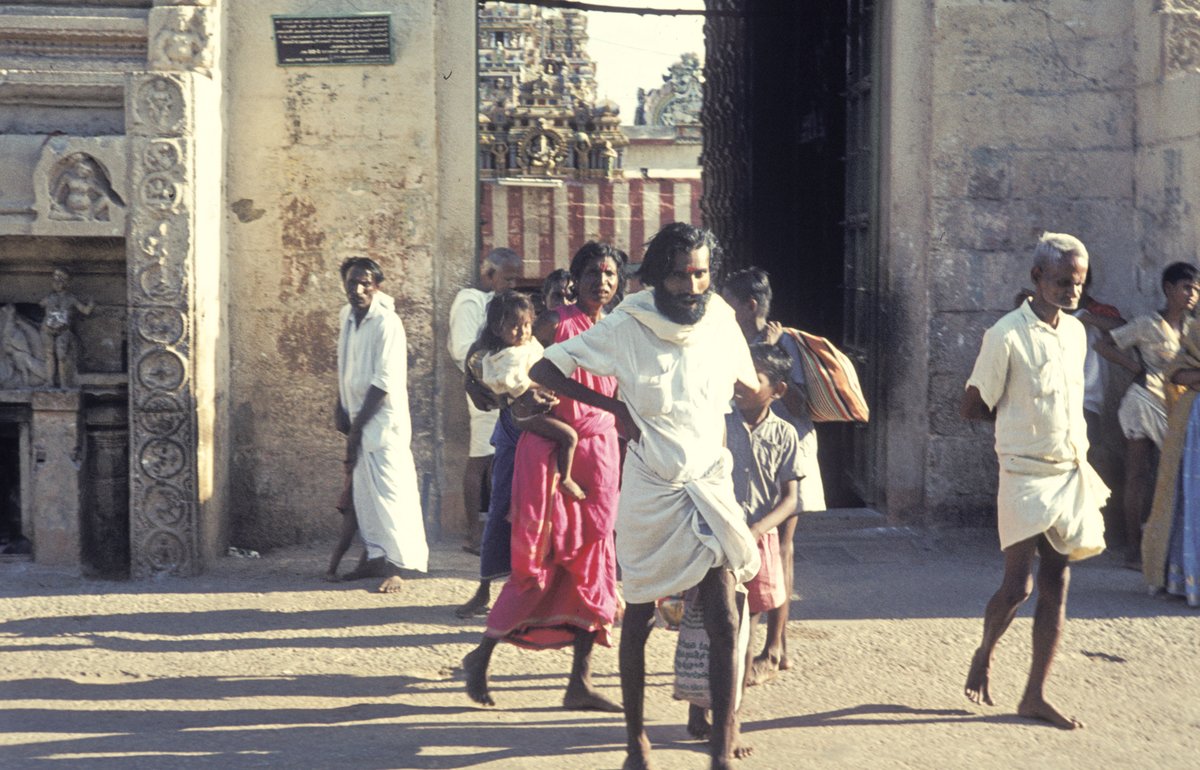
In the late 70s, India faced a series of crises: the government collapsed, the economy was in turmoil, & the 2nd oil shock hit.
The emergency proclamation meant elections were banned, & press censorship was enforced, marking this period as "The Darkest Hour" in Indian history.
The emergency proclamation meant elections were banned, & press censorship was enforced, marking this period as "The Darkest Hour" in Indian history.
The Arab oil-producing countries used oil as a political weapon, reducing production by 5% monthly until Israel withdrew from occupied territories. This led to fuel shortages and price increases globally.
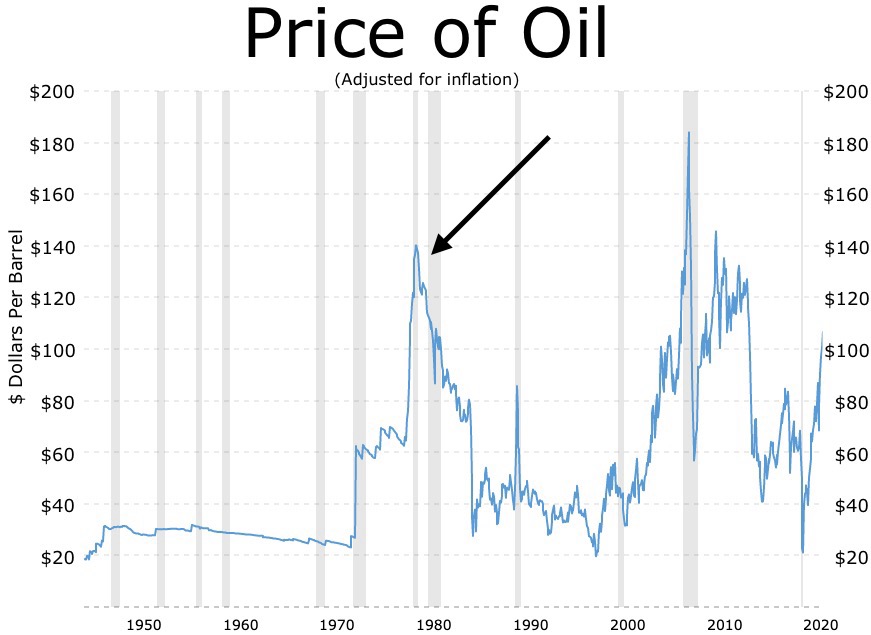
For the next 20 years, due to economic and political challenges, India could not pursue nuclear status.
During this time (1975-1995), the Indian Army knew China was sharing technology and materials with Pakistan, anticipating that Pakistan would soon have nuclear weapons.
During this time (1975-1995), the Indian Army knew China was sharing technology and materials with Pakistan, anticipating that Pakistan would soon have nuclear weapons.
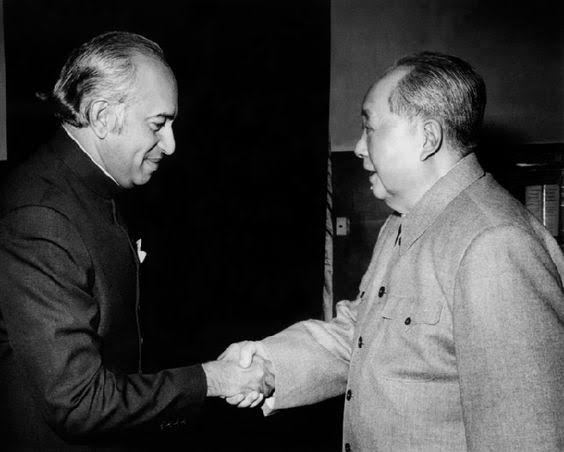
This would corner India between two nuclear-armed neighbors. Despite this, India couldn't act on its nuclear ambitions.
In 1995, India's economy had opened up, growing rapidly, allowing a renewed focus on the nuclear project.
In 1995, India's economy had opened up, growing rapidly, allowing a renewed focus on the nuclear project.
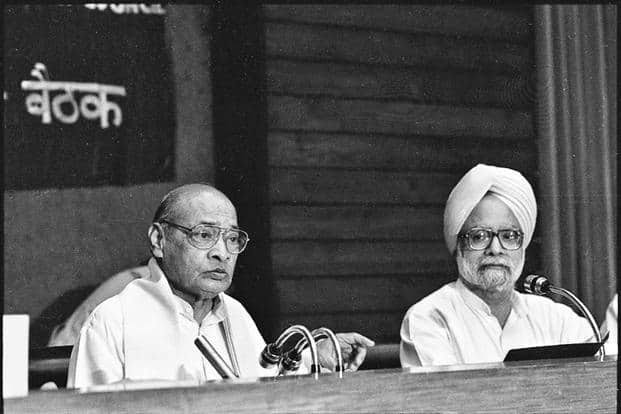
PM Narasimha Rao approved a nuclear test, but the CIA detected suspicious activity at Pokhran, aborting the mission. Another attempt in 1996 was halted due to a call from CIA officials.
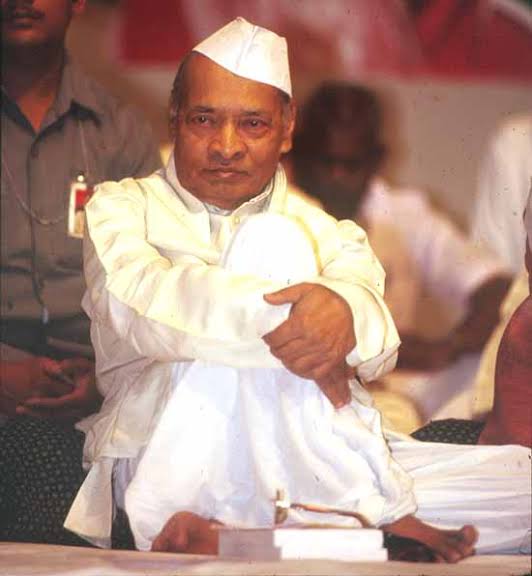
In 1996, Atal Bihari Vajpayee became Prime Minister and, along with APJ Abdul Kalam from DRDO and R. Chidambaram from the Department of Atomic Energy, sought to realize India's nuclear dream.
However, Vajpayee's government fell in 13 days, delaying the project.
However, Vajpayee's government fell in 13 days, delaying the project.
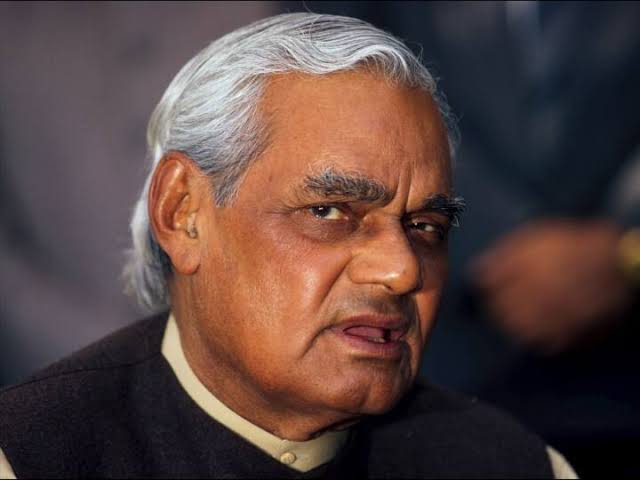
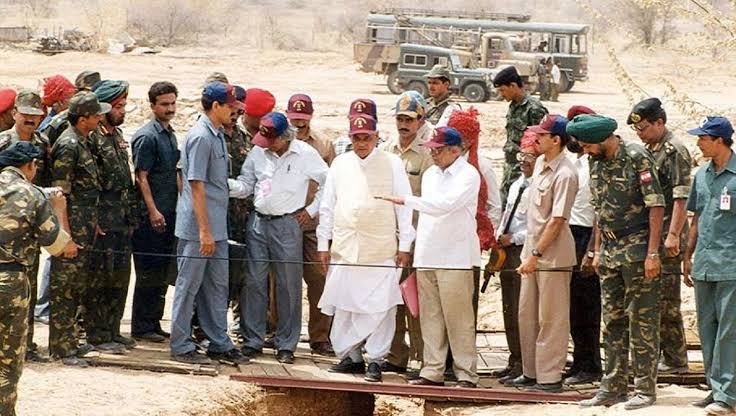
For two years, nothing happened until Vajpayee returned as Prime Minister in 1998. On April 8, APJ Abdul Kalam was summoned, and the nuclear test was approved. The operation was conducted with high secrecy, avoiding detection by U.S. spy satellites.

On May 11, 1998, India tested three nuclear devices: Shakti 1, Shakti 2, and Shakti 3, followed by two more detonations, Shakti 4 and Shakti 5. The grand announcement was made: "Today, at 15:45 hours, India conducted three underground nuclear tests."
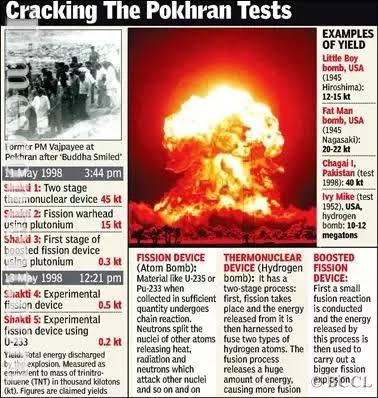
After 24 years of perseverance, in May 1998, India had finally become a nuclear power, under the leadership of Prime Minister Atal Bihari Vajpayee & Defense Minister George Fernandes. Despite USA’a best attempts to thwarts our plans, we succeeded.
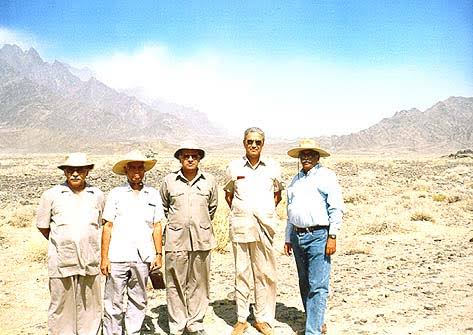
Two weeks later, Pakistan responded with its own atomic blast, becoming a nuclear power. This shows the secret support Pakistan received from China or the U.S. to corner India.
Once again, US imposed severe sanctions on India. But India stood firm, continuing its nuclear development.
Gradually, with great diplomacy by the Vajpayee administration, the sanctions were dropped and India was welcomed back into the world trade.
Gradually, with great diplomacy by the Vajpayee administration, the sanctions were dropped and India was welcomed back into the world trade.
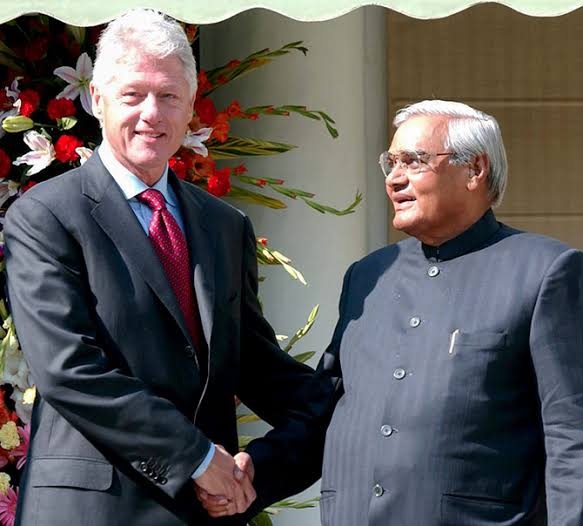
The nuclear tests were critical for India's security. Today, India is one of the nine nuclear states in the world.
India's nuclear journey was marked by geopolitical hurdles, economic challenges, and the unwavering determination of its leaders and scientists.
India's nuclear journey was marked by geopolitical hurdles, economic challenges, and the unwavering determination of its leaders and scientists.
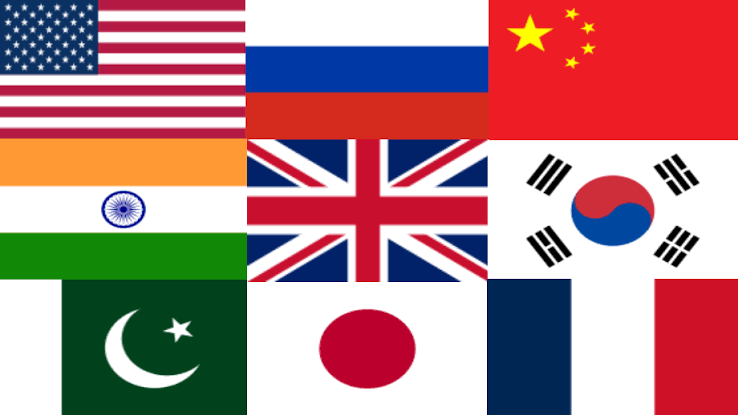
This journey took us 51 years and two generations of leaders and scientists to reach the destination.
Their dedication is the reason why India stands at a respectable position in the world. Let us take a moment and thank all those involved in making our plans come to fruition.
Their dedication is the reason why India stands at a respectable position in the world. Let us take a moment and thank all those involved in making our plans come to fruition.

Follow us for more threads like this. Please like and share this thread to spread the word. Comment below your thoughts.
Until then, Jay Hind! Jay Bharat!
Until then, Jay Hind! Jay Bharat!
Loading suggestions...