

In 1997, Apple was 90 days away from bankruptcy.
But with one decision, Steve Jobs surprised their rivals Microsoft and IBM and grew Apple's stock by 9,000% over the next 14 years.
Here's the story:🧵
But with one decision, Steve Jobs surprised their rivals Microsoft and IBM and grew Apple's stock by 9,000% over the next 14 years.
Here's the story:🧵
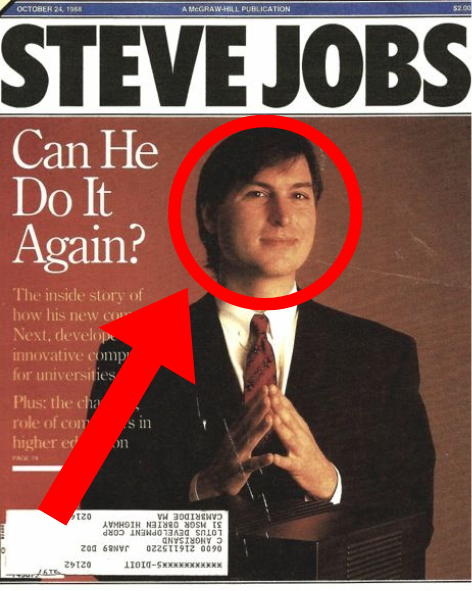
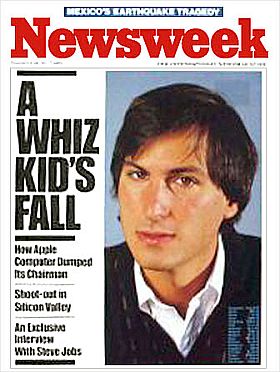
Apple's decline started in 1985.
After a power struggle with CEO John Sculley, co-founder Steve Jobs was forced out of Apple.
Everyone in Silicon Valley applauded this decision.
Jobs tried to warn them, but no one listened.
After a power struggle with CEO John Sculley, co-founder Steve Jobs was forced out of Apple.
Everyone in Silicon Valley applauded this decision.
Jobs tried to warn them, but no one listened.

Without its visionary leader, Apple was a lost ship.
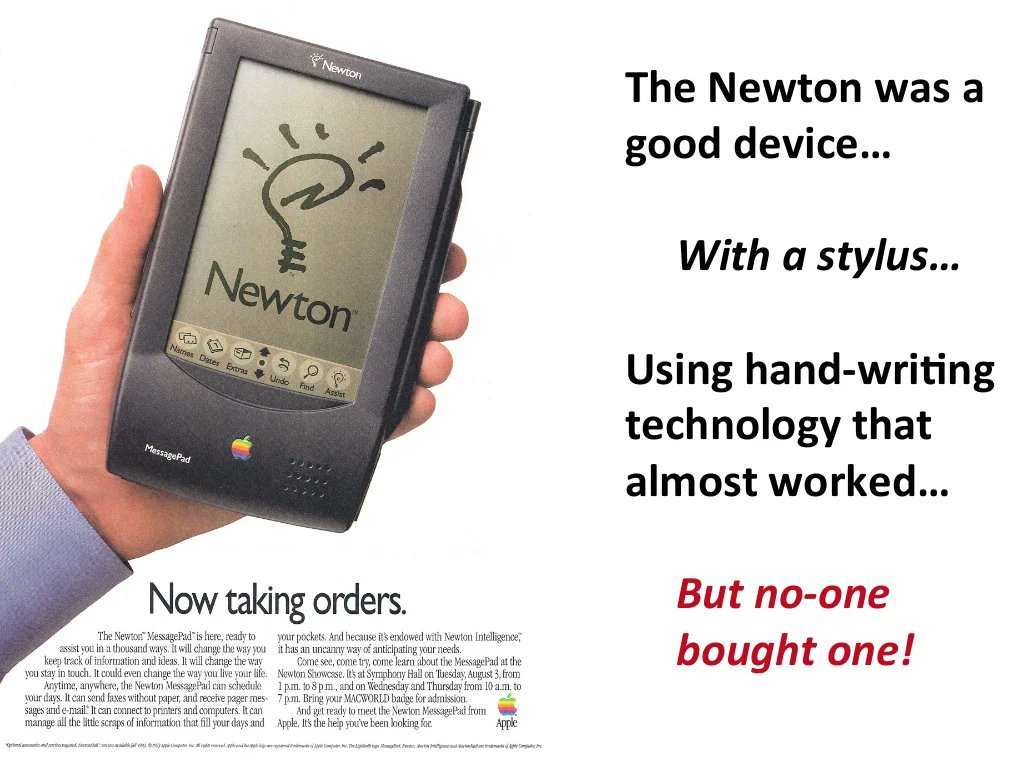
Product flops and infighting followed. One of the biggest misfires was the $700 Newton MessagePad.
Launched in 1993, the "personal digital assistant" was supposed to be Apple's next big hit.
Instead, it was a total embarrassment.
Product flops and infighting followed. One of the biggest misfires was the $700 Newton MessagePad.
Launched in 1993, the "personal digital assistant" was supposed to be Apple's next big hit.
Instead, it was a total embarrassment.
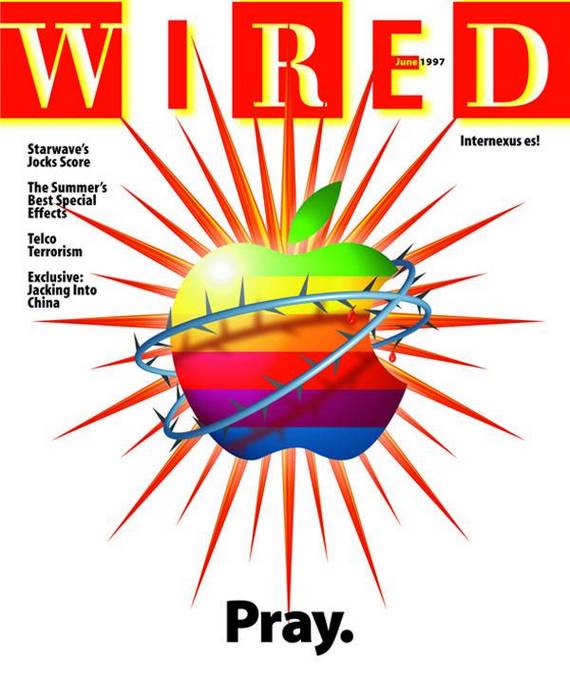
By 1997, Apple was in deep trouble:
• 3,800 layoffs
• Losses of $1.04 billion
Desperate for a lifeline, Apple needed more than a cash infusion—they needed innovation, FAST.
That's when Steve Jobs returned as interim CEO.
• 3,800 layoffs
• Losses of $1.04 billion
Desperate for a lifeline, Apple needed more than a cash infusion—they needed innovation, FAST.
That's when Steve Jobs returned as interim CEO.
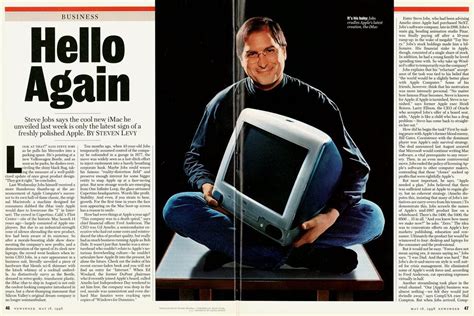
Jobs first order of business?
Simplify Apple's bloated product lines.
"The product lineup was a shambles," one exec recalled. "We were selling a lot of crap."
Here, Jobs speaks about choosing the right focus:
Simplify Apple's bloated product lines.
"The product lineup was a shambles," one exec recalled. "We were selling a lot of crap."
Here, Jobs speaks about choosing the right focus:

Jobs was ruthless:
• Axed the Newton
• Overhauled the board
• Slashed 70% of inventory
• Killed the Macintosh clone program
This decision transformed Apple.
But to solve the cashflow issue, Apple turned to an unlikely savior: arch-rival Microsoft.
• Axed the Newton
• Overhauled the board
• Slashed 70% of inventory
• Killed the Macintosh clone program
This decision transformed Apple.
But to solve the cashflow issue, Apple turned to an unlikely savior: arch-rival Microsoft.
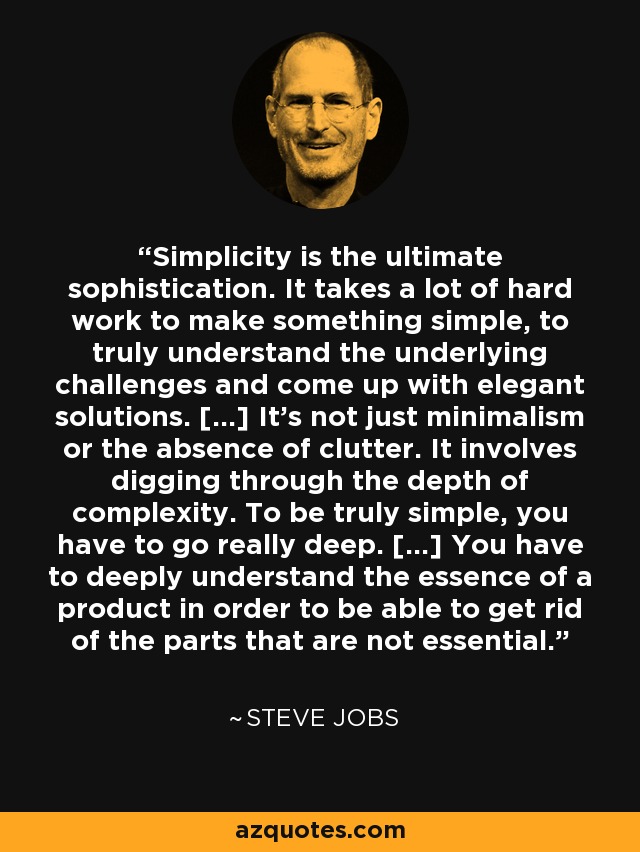
In a stunning $150M deal, Microsoft invested in Apple & pledged key software support.
Microsoft was under antitrust scrutiny, so this investment helped stabilize a key competitor.
Here's why Bill Gates did it:
Microsoft was under antitrust scrutiny, so this investment helped stabilize a key competitor.
Here's why Bill Gates did it:

With competition like IBM and Microsoft dominating the PC space, Jobs needed something revolutionary:
Meet the iMac.
Priced at $1,299, this was vintage Jobs: bold, iconic, and irresistible.
• Simple UX and UI
• All-in-one design
• Built-in internet
• Eye-catching colors
With a 40% profit margin, the iMac gave Apple breathing room.
Meet the iMac.
Priced at $1,299, this was vintage Jobs: bold, iconic, and irresistible.
• Simple UX and UI
• All-in-one design
• Built-in internet
• Eye-catching colors
With a 40% profit margin, the iMac gave Apple breathing room.
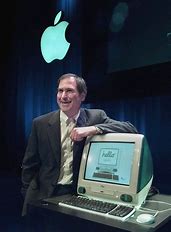
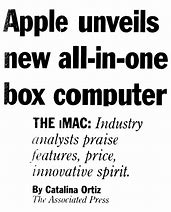
The iMac launch in May 1998 was a cultural event.
Splashed on magazine covers and coveted by consumers, it was a runaway hit.
Apple sold 800,000 iMacs in 1998, making it the fastest-selling PC in history.
After 2 years in the red, Apple swung to a $309M profit in 1998.
But Jobs wasn't done yet:
Splashed on magazine covers and coveted by consumers, it was a runaway hit.
Apple sold 800,000 iMacs in 1998, making it the fastest-selling PC in history.
After 2 years in the red, Apple swung to a $309M profit in 1998.
But Jobs wasn't done yet:

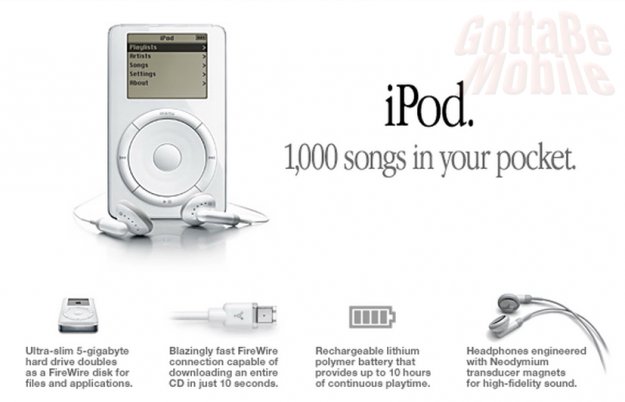
Jobs' next masterstroke was the iPod in 2001.
With its click wheel & sleek design, the portable music player was an instant icon.
But Jobs' genius was pairing it with iTunes & the iTunes Store:
You could buy songs for 99 cents and sync them seamlessly to your iPod.
This revolutionized the music industry forever.
With its click wheel & sleek design, the portable music player was an instant icon.
But Jobs' genius was pairing it with iTunes & the iTunes Store:
You could buy songs for 99 cents and sync them seamlessly to your iPod.
This revolutionized the music industry forever.

The iPod's impact was seismic:
• 50%+ global market share
• 350M units sold from 2001 to 2012
By making Apple an indispensable part of consumers' lives, the iPod cemented Apple's comeback.
• 50%+ global market share
• 350M units sold from 2001 to 2012
By making Apple an indispensable part of consumers' lives, the iPod cemented Apple's comeback.
How can we talk about Steve Jobs without mentioning the iPhone moment?
• Intuitive OS
• Pioneered touchscreen smartphone
• Popularized mobile apps and App Store
The iPhone generated $166.5 billion and drove global smartphone adoption from 122 million units in 2007 to over 1 billion in 2012.
Yasir Khan recaps Steve Jobs' announcement here:
• Intuitive OS
• Pioneered touchscreen smartphone
• Popularized mobile apps and App Store
The iPhone generated $166.5 billion and drove global smartphone adoption from 122 million units in 2007 to over 1 billion in 2012.
Yasir Khan recaps Steve Jobs' announcement here:

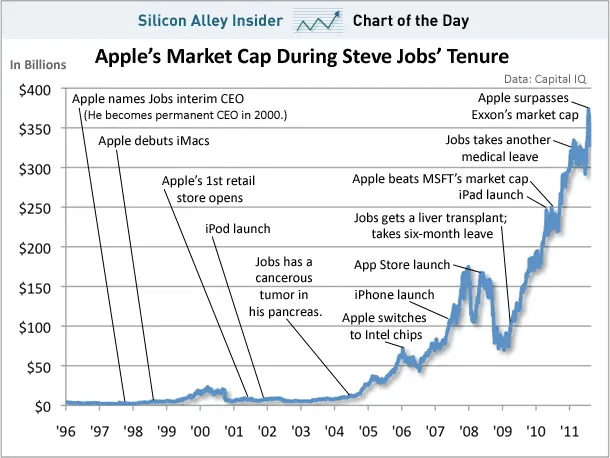
Since he returned in 1997, Jobs grew Apple into the world's most valuable company.
For Jobs, Apple was like his child.
In his words: "The only way to do great work is to love what you do."
For Jobs, Apple was like his child.
In his words: "The only way to do great work is to love what you do."
I study legendary companies as I build my digital business.
But most people don't know I made my first $10,000 on the internet as a ghostwriter.
This ultimately helped me escape the Wall Street rat race.
Become a Premium Ghostwriter in 5 steps here: x.premiumghostwritingblueprint.com
But most people don't know I made my first $10,000 on the internet as a ghostwriter.
This ultimately helped me escape the Wall Street rat race.
Become a Premium Ghostwriter in 5 steps here: x.premiumghostwritingblueprint.com

Thanks for reading!
If you enjoyed this, then follow me @dickiebush for more posts on digital writing and digital businesses.
Then, I'd appreciate it if you jumped back to the top and reposted the first post to share it with others: x.com
If you enjoyed this, then follow me @dickiebush for more posts on digital writing and digital businesses.
Then, I'd appreciate it if you jumped back to the top and reposted the first post to share it with others: x.com
Loading suggestions...