

The worst type of enemy is the one that you don’t realise is even there. An invisible enemy that sneaks into your body, causing little to no symptoms for years, but quietly damaging your liver the whole time.
That’s how Hepatitis B attacks. It is a viral infection that affects millions worldwide, making it one of the most significant global health threats.
A lot of people don’t even know they have Hepatitis B until they do a screening test for pre-employment checks, at work, school, for blood donation or as a part of antenatal checks.
Although it can be prevented, the disease’s ability to lie dormant while wreaking havoc silently makes it a very deadly disease.
Let’s discuss the facts about Hepatitis B—from its causes and symptoms to how we can treat, prevent, and even vaccinate against it.
That’s how Hepatitis B attacks. It is a viral infection that affects millions worldwide, making it one of the most significant global health threats.
A lot of people don’t even know they have Hepatitis B until they do a screening test for pre-employment checks, at work, school, for blood donation or as a part of antenatal checks.
Although it can be prevented, the disease’s ability to lie dormant while wreaking havoc silently makes it a very deadly disease.
Let’s discuss the facts about Hepatitis B—from its causes and symptoms to how we can treat, prevent, and even vaccinate against it.
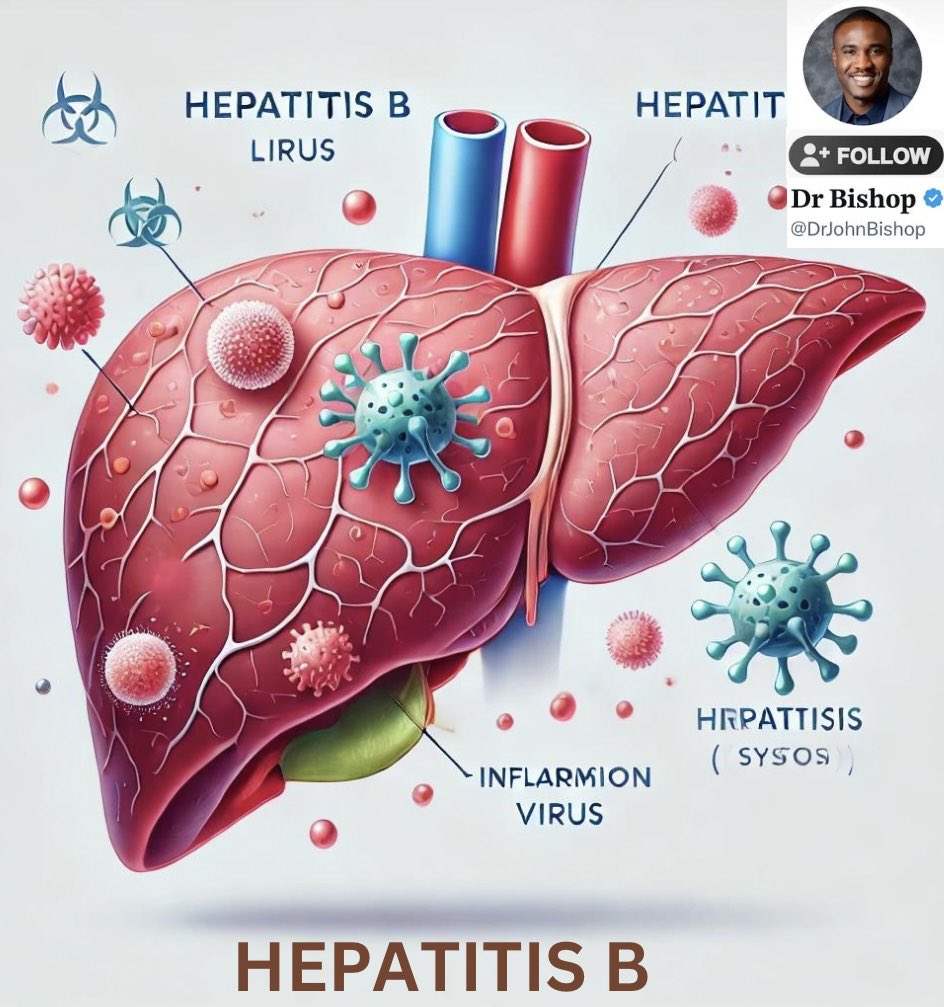
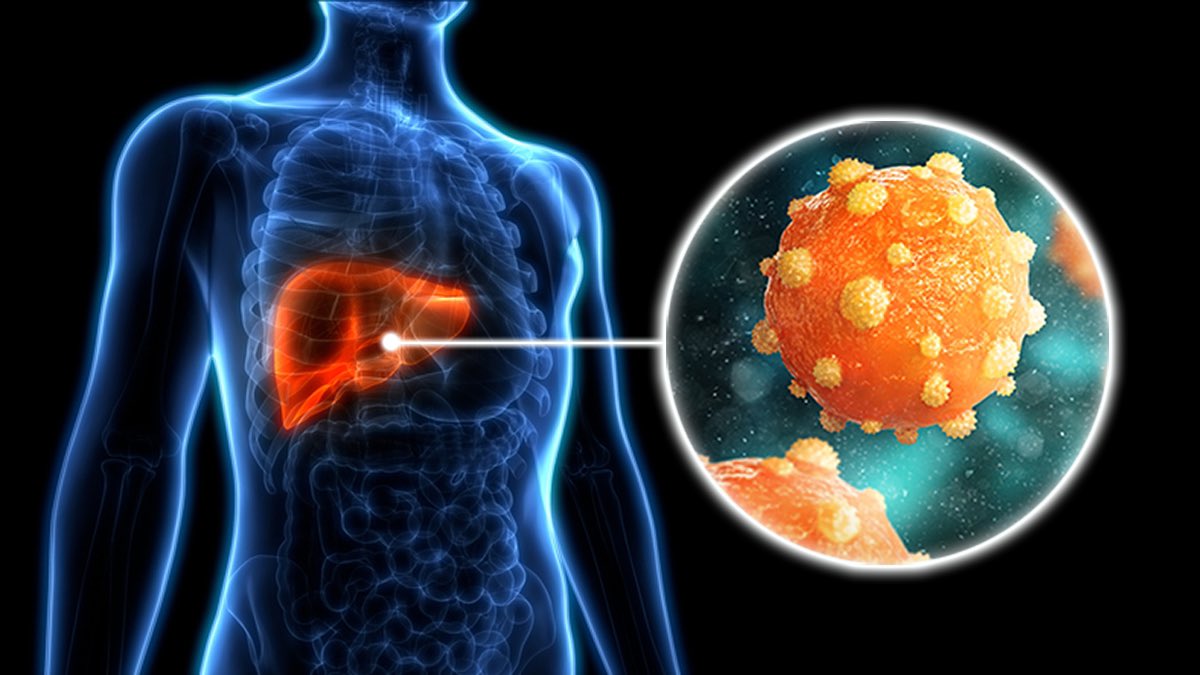
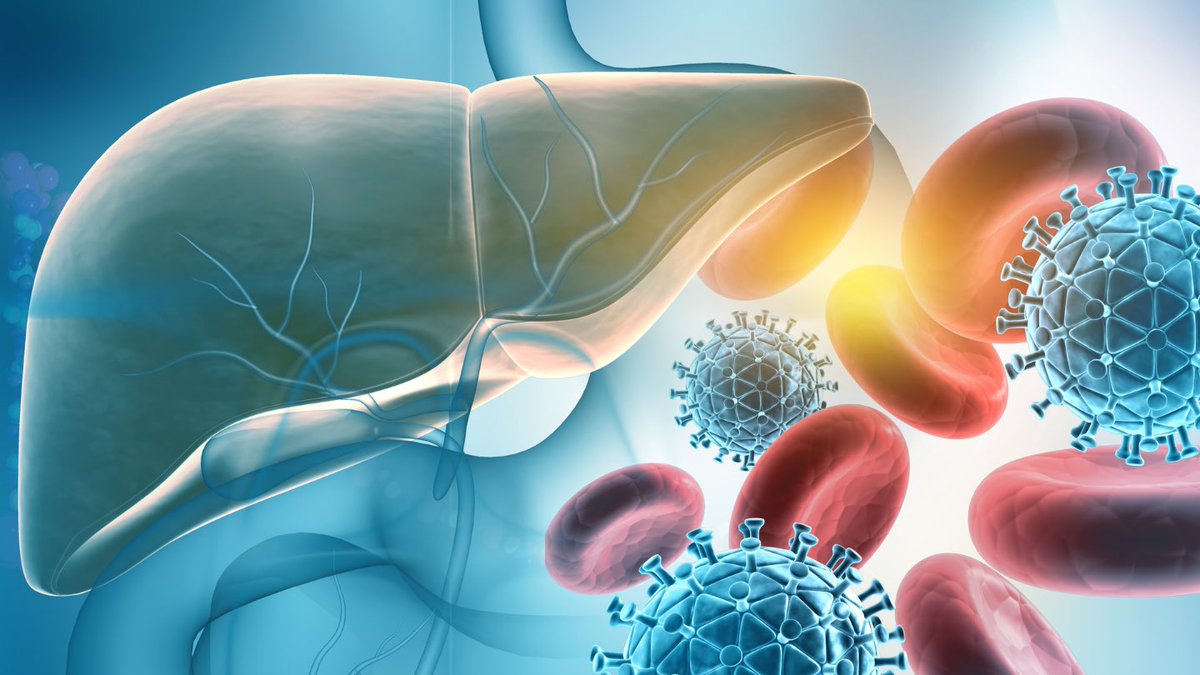
Hepatitis B is a viral infection caused by the Hepatitis B virus (HBV), which targets the liver, leading to inflammation.
The disease can be either acute, meaning a short-term infection, or chronic, where the virus stays in the body for more than six months and can cause ongoing liver damage. Chronic cases can eventually progress to liver failure or liver cancer.
It is a major global health concern. The chronic form is quite common, affecting up to 5% of adults worldwide.
The disease can be either acute, meaning a short-term infection, or chronic, where the virus stays in the body for more than six months and can cause ongoing liver damage. Chronic cases can eventually progress to liver failure or liver cancer.
It is a major global health concern. The chronic form is quite common, affecting up to 5% of adults worldwide.
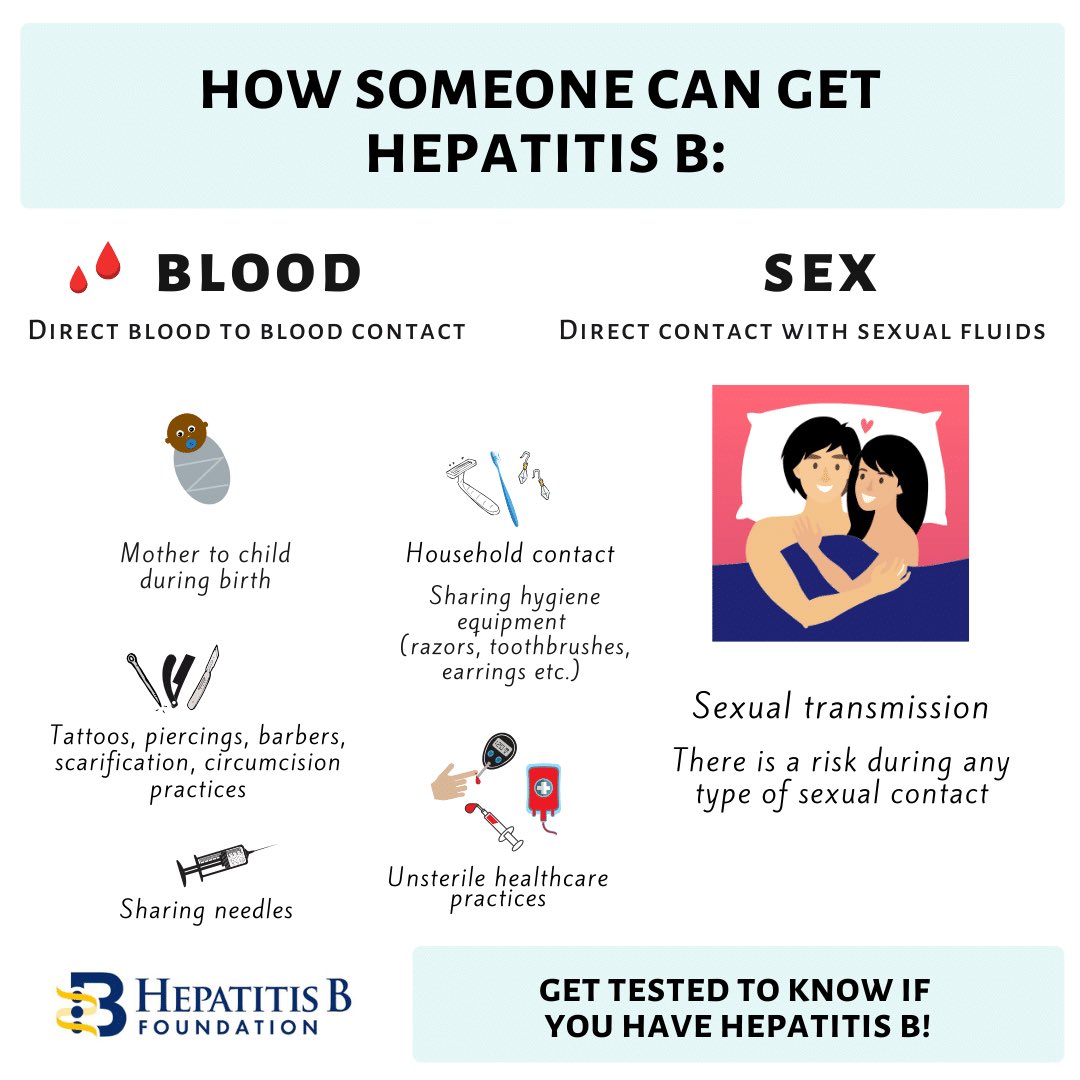
Hepatitis B is caused by exposure to infected bodily fluids, which can include:
•Blood
•Semen
•Vaginal fluids
•Breast milk
Common transmission routes include:
- Mother-to-child transmission during childbirth.
- Unprotected sex with an infected partner.
- Sharing needles or syringes especially among drug users.
- Exposure to contaminated blood through medical procedures or tattooing.
- Sharing personal items like razors or toothbrushes that might have come in contact with infected blood.
•Blood
•Semen
•Vaginal fluids
•Breast milk
Common transmission routes include:
- Mother-to-child transmission during childbirth.
- Unprotected sex with an infected partner.
- Sharing needles or syringes especially among drug users.
- Exposure to contaminated blood through medical procedures or tattooing.
- Sharing personal items like razors or toothbrushes that might have come in contact with infected blood.
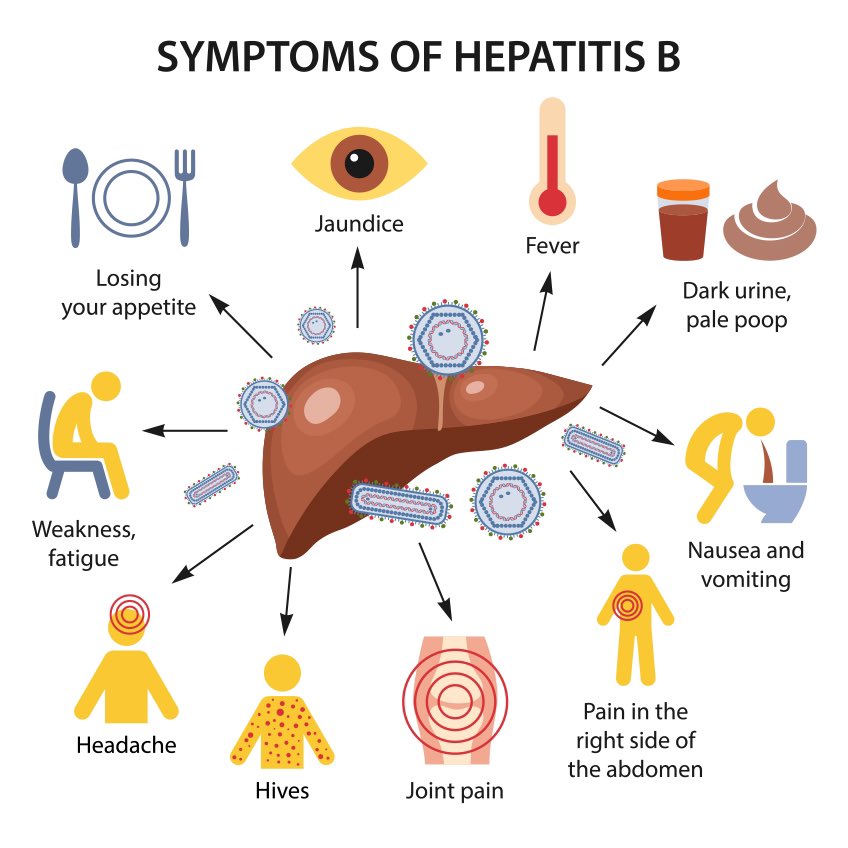
Many people with Hepatitis B may not experience symptoms, especially in the early stages. While some people with acute Hepatitis B may experience symptoms, many do not notice anything until the virus has already done significant damage. Common symptoms include:
•Fatigue
•Yellowing of the skin and eyes (jaundice)
•Dark urine
•Fever
•Abdominal pain (especially in the liver area)
•Nausea and vomiting
•Loss of appetite
For those with chronic Hepatitis B, symptoms might not appear until the liver is seriously damaged, which can take years.
If left untreated, Hepatitis B can lead to severe complications:
•Liver cirrhosis: Scarring of the liver tissue, which impairs liver function.
•Liver cancer: Chronic infection significantly increases the risk.
•Liver failure: The liver loses its ability to function properly.
•Chronic hepatitis: Persistent inflammation of the liver, leading to long-term damage.
•Fatigue
•Yellowing of the skin and eyes (jaundice)
•Dark urine
•Fever
•Abdominal pain (especially in the liver area)
•Nausea and vomiting
•Loss of appetite
For those with chronic Hepatitis B, symptoms might not appear until the liver is seriously damaged, which can take years.
If left untreated, Hepatitis B can lead to severe complications:
•Liver cirrhosis: Scarring of the liver tissue, which impairs liver function.
•Liver cancer: Chronic infection significantly increases the risk.
•Liver failure: The liver loses its ability to function properly.
•Chronic hepatitis: Persistent inflammation of the liver, leading to long-term damage.
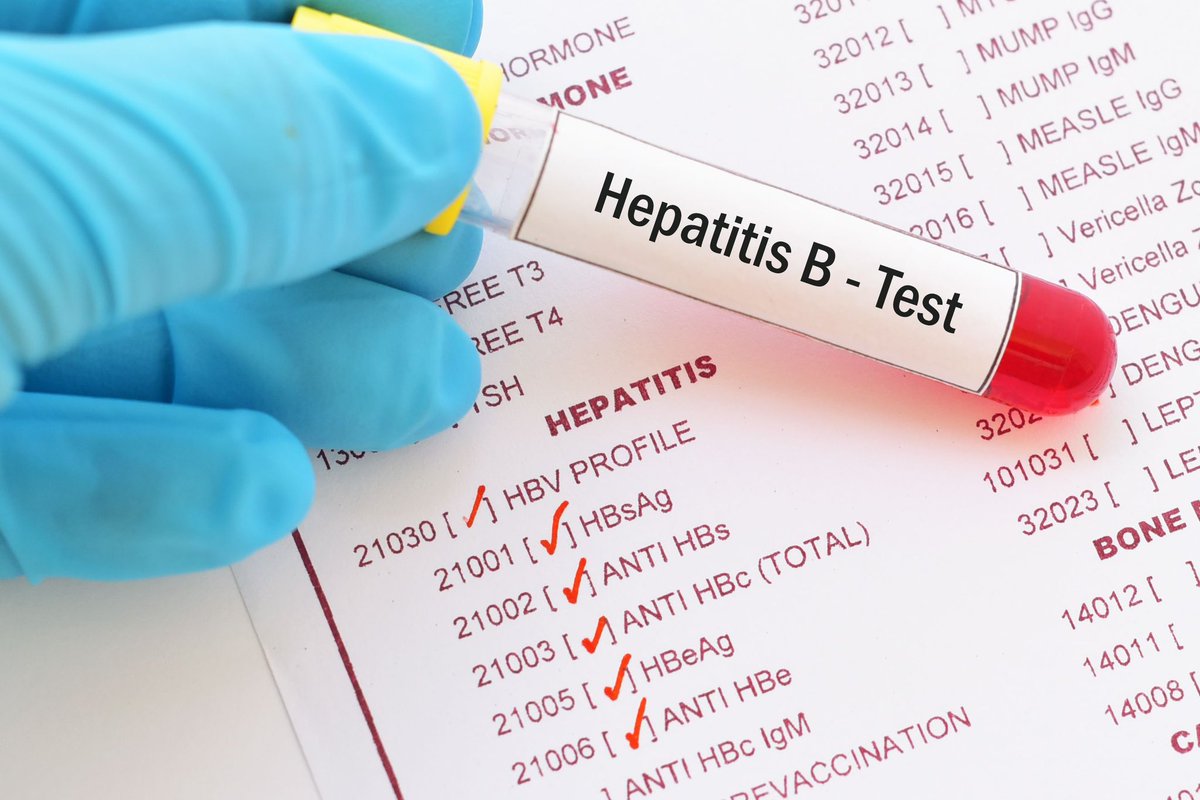
To diagnose Hepatitis B, a doctor will often start with a blood test to check for HBV antigens and antibodies. Tests include:
- HBsAg (Hepatitis B surface antigen) which indicates active infection.
- HBcAb (Hepatitis B core antibody) which hows past or ongoing infection.
- Liver function tests: To assess the extent of liver damage.
Other markers, such as Hepatitis B surface antibody (anti-HBs), can show if someone is immune to the virus due to past infection or vaccination.
In chronic cases, liver biopsies or fibro scans may be required to evaluate the extent of liver damage.
- HBsAg (Hepatitis B surface antigen) which indicates active infection.
- HBcAb (Hepatitis B core antibody) which hows past or ongoing infection.
- Liver function tests: To assess the extent of liver damage.
Other markers, such as Hepatitis B surface antibody (anti-HBs), can show if someone is immune to the virus due to past infection or vaccination.
In chronic cases, liver biopsies or fibro scans may be required to evaluate the extent of liver damage.
Treatment Options for Hepatitis B depends on whether it’s an acute infection or a chronic one.
Acute Hepatitis B often doesn’t require specific treatment beyond supportive care (like rest, proper nutrition, and fluids) because the infection usually clears up on its own within six months.
For chronic Hepatitis B, treatment focuses on managing the virus to prevent liver damage:
1.Antiviral medications:
•Tenofovir and entecavir are among the most common drugs that can help control the virus and limit liver damage.
2.Interferon: An immune-system-boosting treatment, often used for younger patients with more active immune responses.
3.Liver transplant: In cases of liver failure, a liver transplant may be the only option.
4.Regular monitoring: Individuals with chronic HBV need ongoing monitoring of liver function and viral load.
Acute Hepatitis B often doesn’t require specific treatment beyond supportive care (like rest, proper nutrition, and fluids) because the infection usually clears up on its own within six months.
For chronic Hepatitis B, treatment focuses on managing the virus to prevent liver damage:
1.Antiviral medications:
•Tenofovir and entecavir are among the most common drugs that can help control the virus and limit liver damage.
2.Interferon: An immune-system-boosting treatment, often used for younger patients with more active immune responses.
3.Liver transplant: In cases of liver failure, a liver transplant may be the only option.
4.Regular monitoring: Individuals with chronic HBV need ongoing monitoring of liver function and viral load.

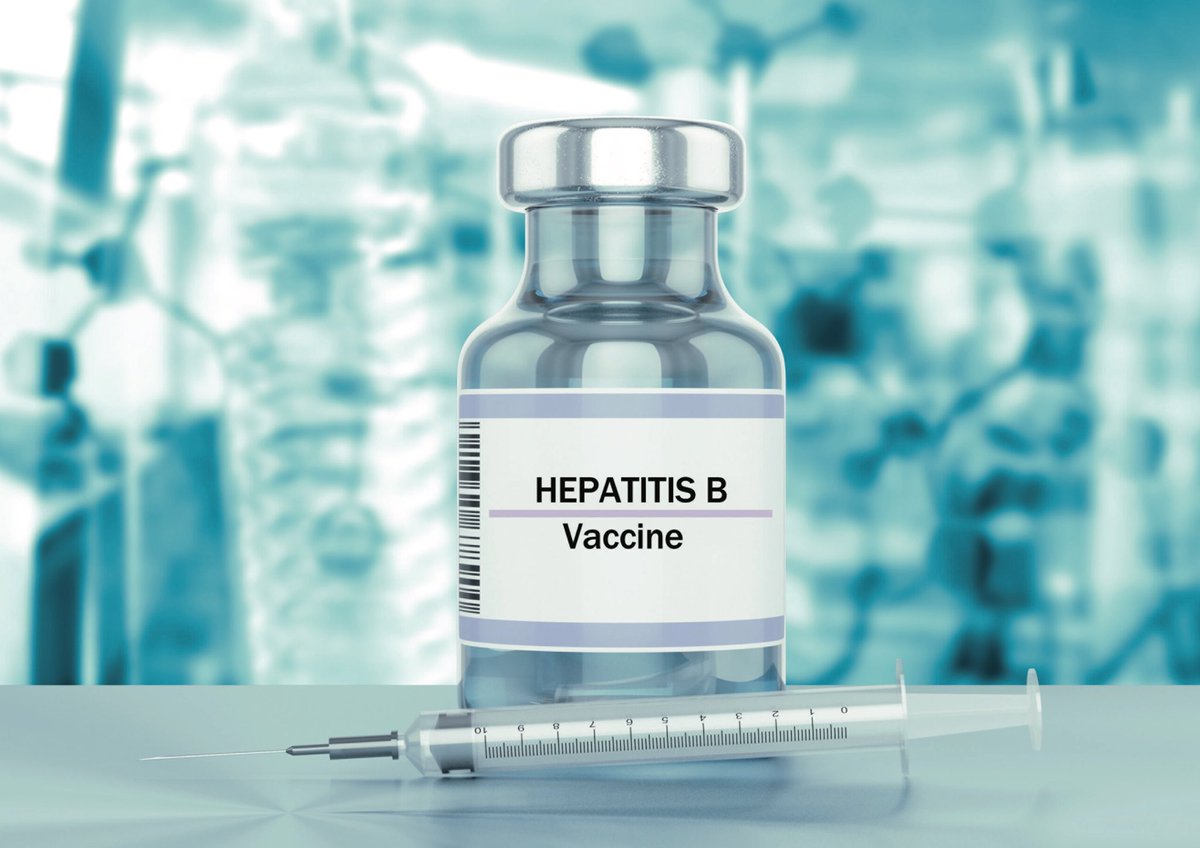
The Hepatitis B vaccine is highly effective and is the most effective way to prevent infection.
There are two main types of vaccines available:
1.Single-antigen Hepatitis B vaccine: Protects only against HBV.
2.Combination vaccines: Protect against HBV and other diseases, like Hepatitis A.
Vaccination schedules vary depending on age, but a typical schedule includes three or four doses over six months.
Vaccination schedules include:
- For infants:
•First dose: At birth or within the first month of life.
•Second dose: One month after the first.
•Third dose: Six months after the first.
- For adults: The standard adult vaccination schedule follows the same timeline—three doses over six months.
There are two main types of vaccines available:
1.Single-antigen Hepatitis B vaccine: Protects only against HBV.
2.Combination vaccines: Protect against HBV and other diseases, like Hepatitis A.
Vaccination schedules vary depending on age, but a typical schedule includes three or four doses over six months.
Vaccination schedules include:
- For infants:
•First dose: At birth or within the first month of life.
•Second dose: One month after the first.
•Third dose: Six months after the first.
- For adults: The standard adult vaccination schedule follows the same timeline—three doses over six months.
What should you do if you have been diagnosed with Hepatitis B infection?
With early detection and appropriate treatment, the prognosis for Hepatitis B can be positive, especially in cases of acute infection where full recovery is possible.
People with Hepatitis B can manage the disease and lead normal lives. For acute cases, the infection typically clears within six months.
However, chronic Hepatitis B requires lifelong management to prevent liver damage and related complications. Regular checkups and medication can help people with chronic Hepatitis B live relatively healthy lives.
The prognosis worsens if the infection leads to cirrhosis or liver cancer.
With early detection and appropriate treatment, the prognosis for Hepatitis B can be positive, especially in cases of acute infection where full recovery is possible.
People with Hepatitis B can manage the disease and lead normal lives. For acute cases, the infection typically clears within six months.
However, chronic Hepatitis B requires lifelong management to prevent liver damage and related complications. Regular checkups and medication can help people with chronic Hepatitis B live relatively healthy lives.
The prognosis worsens if the infection leads to cirrhosis or liver cancer.
Apart from vaccination, other preventive measures include:
- Safe sex practices: Use condoms to reduce the risk of transmission through bodily fluids.
- Avoid sharing needles: Particularly important among drug users.
- Proper hygiene: Avoid sharing personal items like razors or toothbrushes.
- Screening of blood products: Ensuring donated blood is screened for Hepatitis B.
- Safe sex practices: Use condoms to reduce the risk of transmission through bodily fluids.
- Avoid sharing needles: Particularly important among drug users.
- Proper hygiene: Avoid sharing personal items like razors or toothbrushes.
- Screening of blood products: Ensuring donated blood is screened for Hepatitis B.

Hepatitis B is a serious viral infection with potentially life-threatening consequences if left untreated.
However, it is highly preventable through vaccination and manageable with early detection and treatment.
With global efforts to raise awareness, increase vaccination rates, and improve access to antiviral treatments, we can significantly reduce the impact of this silent, yet dangerous, disease.
Did you learn anything new? Follow me @DrJohnBishop for regular health content and turn on notifications so you don’t miss out on any.
If you’re a new follower, check my highlights on my profile to see other health contents I’ve done in the past and share with your community.
However, it is highly preventable through vaccination and manageable with early detection and treatment.
With global efforts to raise awareness, increase vaccination rates, and improve access to antiviral treatments, we can significantly reduce the impact of this silent, yet dangerous, disease.
Did you learn anything new? Follow me @DrJohnBishop for regular health content and turn on notifications so you don’t miss out on any.
If you’re a new follower, check my highlights on my profile to see other health contents I’ve done in the past and share with your community.

Loading suggestions...