

This is the first in a new series of #Tweetorials where I break down popular @TEDTalks & see just what makes them so effective, & how to incorporate these strategies into your #presentations. First up, my favorite TED Talk of all time by Tim Urban (@waitbutwhy) #FOAMed #MedEd
Can a presentation about science be fun?
What if we told you that you needed to spend the next 14 minutes listening to a presentation about how our brain manages day-to-day tasks with a specific order of operations, and how this affects our work output. Sounds dry, right?
What if we told you that you needed to spend the next 14 minutes listening to a presentation about how our brain manages day-to-day tasks with a specific order of operations, and how this affects our work output. Sounds dry, right?
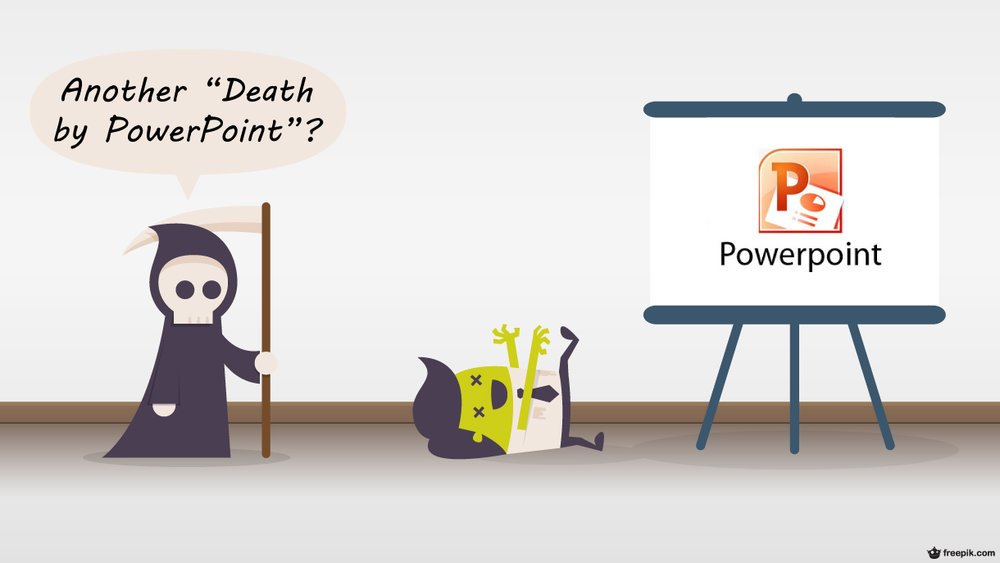
Give this idea to someone who knows how to deliver psychological information with a fun, humorous twist and get Tim Urban’s TED talk, “Inside The Mind of a Master Procrastinator”. Before I break down how he does it, watch the talk below:
shorturl.at
shorturl.at

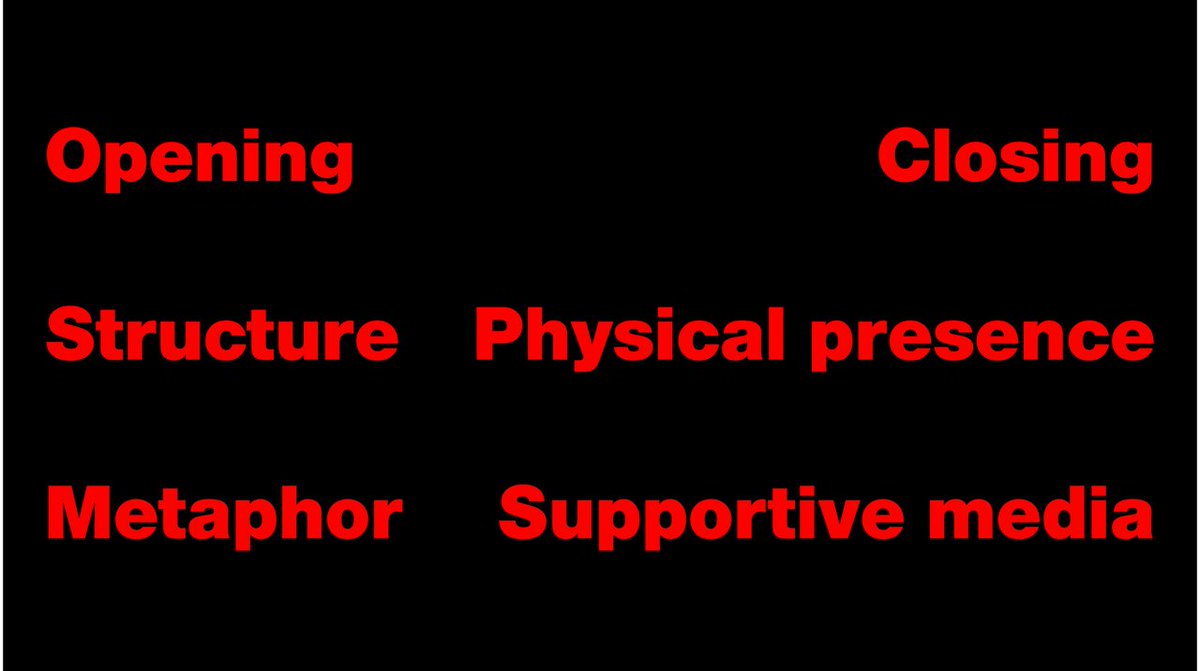
Let's break down Tim's Opening, Structure, Metaphor, Closing, Physical presence, and Supportive media, sharing tips and tricks you can use along the way.
OPENING:
Tim starts by telling an all-too-familiar story- procrastinating on a homework assignment. His story is rich with detail, supported by excellent slides, & has just the right amount of self-deprecating humor.“Why do we procrastinate?” is a perfect hook to a gripping talk.
Tim starts by telling an all-too-familiar story- procrastinating on a homework assignment. His story is rich with detail, supported by excellent slides, & has just the right amount of self-deprecating humor.“Why do we procrastinate?” is a perfect hook to a gripping talk.
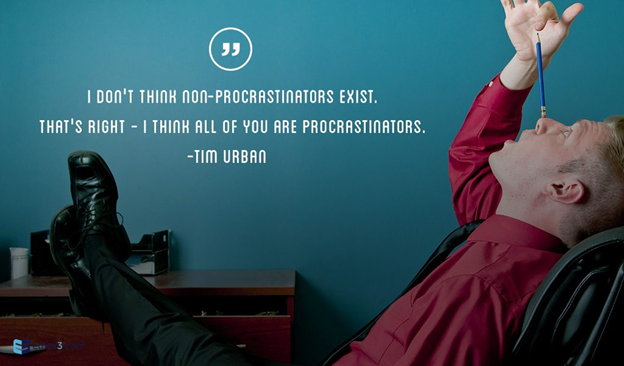
Even if “procrastinator” isn’t something you’d label yourself in mixed company, it is still a label that all humans have guiltily shared. If you want to deliver a TED talk like Urban, you should aim to start with a shared experience or even a shared fascination.

Figure out how you have common ground with your audience and communicate on that frequency. Go beyond just using a personal story. Don’t be afraid to share your own struggles with the audience in a way that creates empathy and a personal connection.

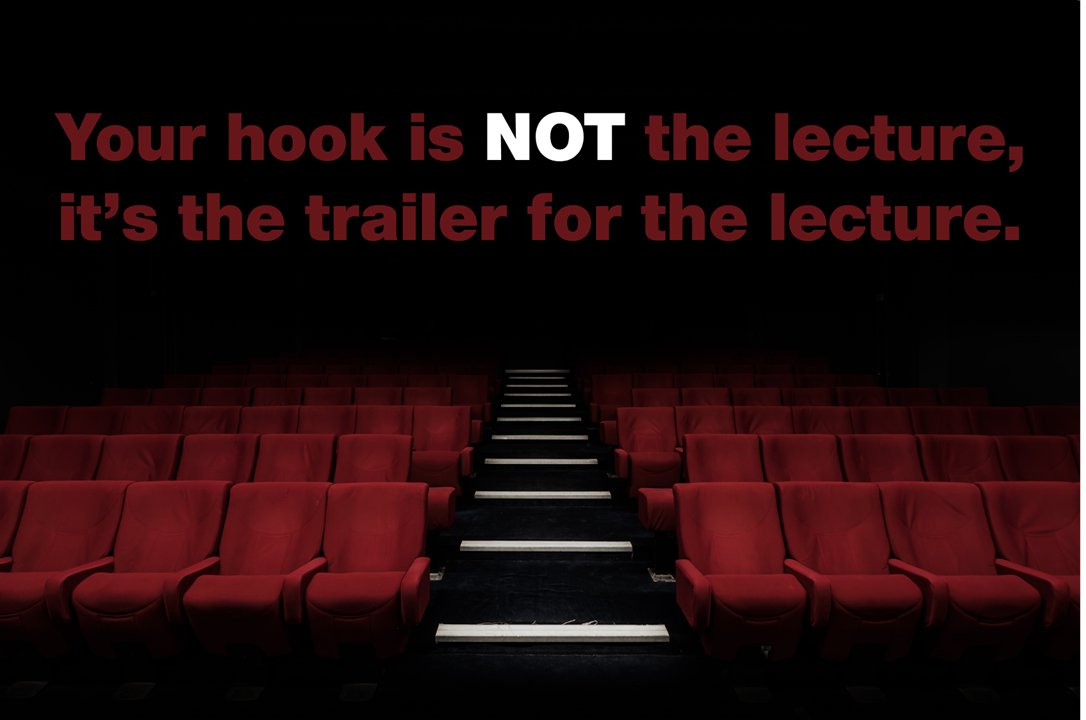
Also, remember, your hook is not the lecture, it’s the trailer for the lecture. Tap into the audience’s interests and curiosity through shared experience.
Structure:
A talk’s structure should be a logical, stepwise journey through the audience’s transformation arc, guided by the presenter. After his hook, Tim launches into his "scientific" reason why procrastinators procrastinate.
A talk’s structure should be a logical, stepwise journey through the audience’s transformation arc, guided by the presenter. After his hook, Tim launches into his "scientific" reason why procrastinators procrastinate.
He ridicules his – relatable – procrastination in a hilarious way so that the audience empathizes with his journey. He not only uses the “we” experience, but he also enriches the presentation with hilarious (and a little heartbreaking) stories of procrastination from his own life
In the meanwhile, you gobble up his reasoning, step by step as he adds more complexity. As a result of that, almost every everyone who has seen his talk can reproduce it, even if it was just one time.
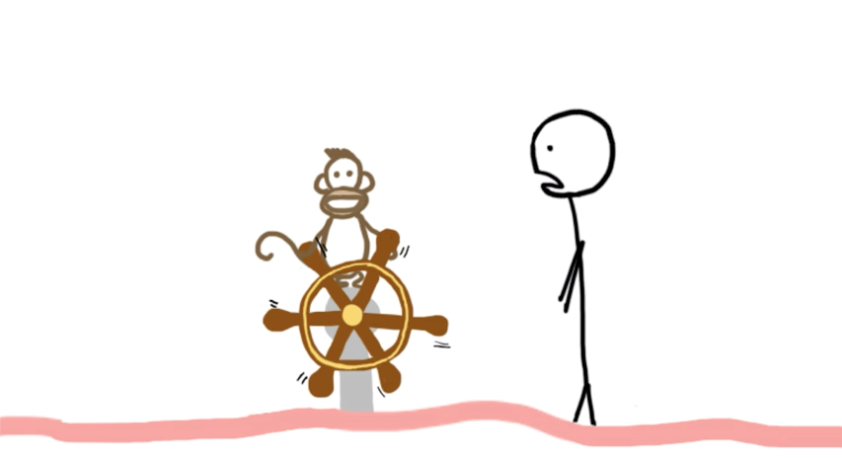
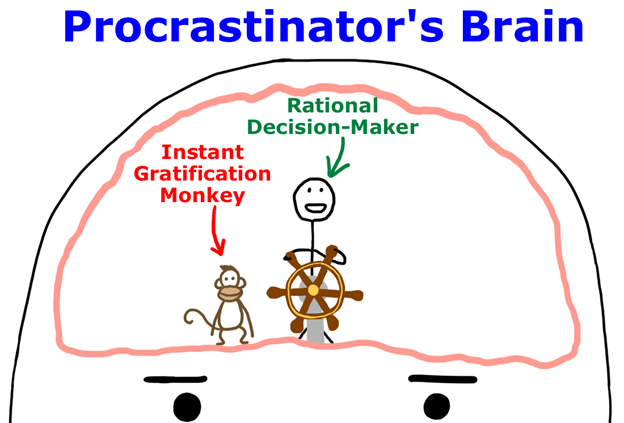
He ends by stating that everyone is a procrastinator and that we have to be aware and not let the Instant Gratification Monkey distract us, especially when there aren't deadlines.
When preparing a lecture, it is important to define how you’ll change an audience (their transformation arc), as this will provide the roadmap to your structure. Ask yourself “What new beliefs do I want them to adopt? How do I want them to behave differently?”

Map your structure to build from simple to complex, until your key message is defined for the audience. After that is the perfect time to conclude your talk with a “call to action”-the next concrete steps the audience can take to enact the change you just inspired.

Metaphor:
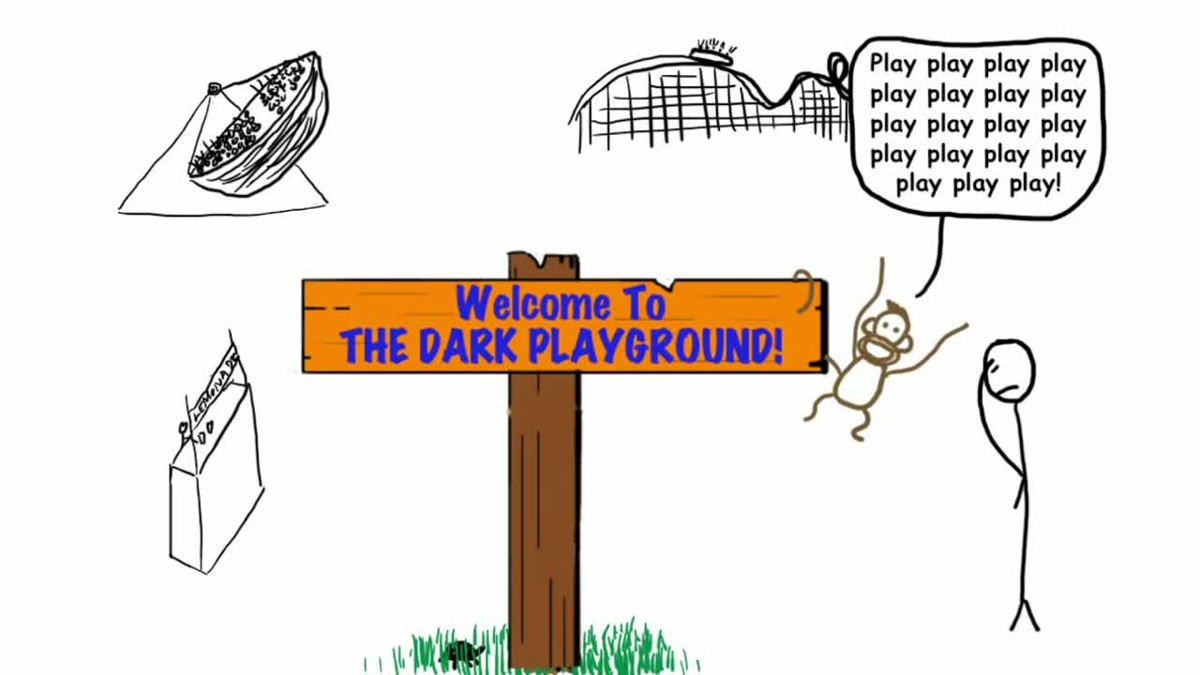
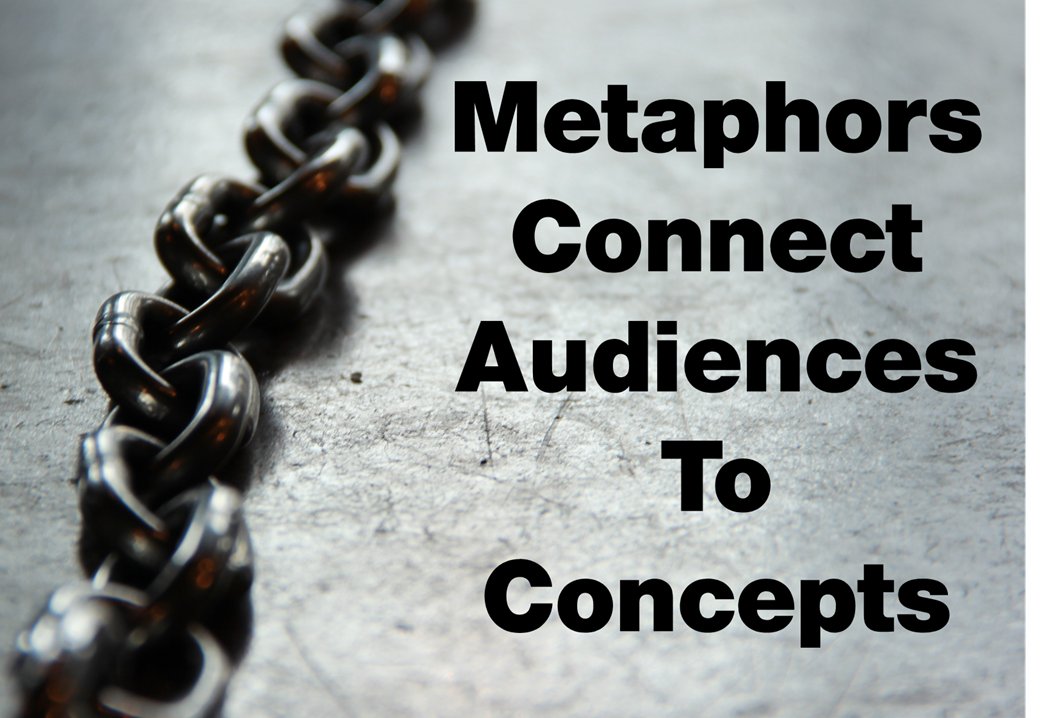
A dark playground and an instant gratification monkey. The panic monster. Metaphors are an underused presenter’s tool. They make difficult concepts easy to understand by comparing them to things we encounter daily.
A dark playground and an instant gratification monkey. The panic monster. Metaphors are an underused presenter’s tool. They make difficult concepts easy to understand by comparing them to things we encounter daily.
Urban skillfully uses metaphor when he describes the wasted time during procrastination as a “dark playground,” conveying both the aim for fun and the negativity in only two words.
If you have difficult jargon or scientific information to share, try breaking it down into a more easy-to-digest metaphor or simile during your talk. All you need to do is create a comparison and use the word “like” in order to make the connection for your audience. ?

For each point you make in your lecture, try to come up with a metaphor to connect the audience to the concept, and try to identify metaphors that will be meaningful to the audience. More here: ethos3.com
Closing: Tim has a masterful closing, transitioning smoothly from his fun-loving, whimsical metaphor to a rousing call for action with supportive media “The Life Calendar”. Finally, Tim injects just the right amount of self-deprecating humor into his closing to end on a laugh.

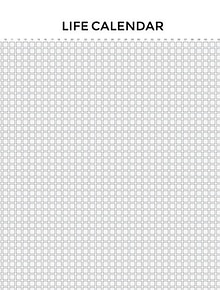
Presentations move people to act- but only if you explicitly state what actions you want them to take and when. “Stay aware of the instant gratification monkey…you should probably start today” is an excellent example from Urban.

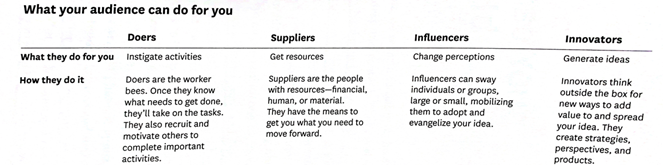
I love @nancyduarte “What your audience can do for you” table in her Harvard Business Review Guide to Persuasive Presentations. Figure out if your message needs Doers, Suppliers, Influencers, or Innovators and target your message accordingly!
Physical: First of all, Tim dresses the part of the “master procrastinator” in his plain black T-shirt and jeans. His stage presence is more intimate as if he is talking to a group of close friends, not the TED audience.
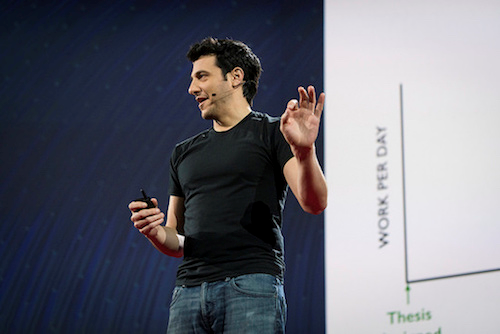
Tim is always smiling, laughing & wants the talk to be taken more as a joke (although procrastination is a big deal). The take-home is that you should “dress the part” in your lecture and your physical actions/stage presence should be in line with the tone of your presentation.
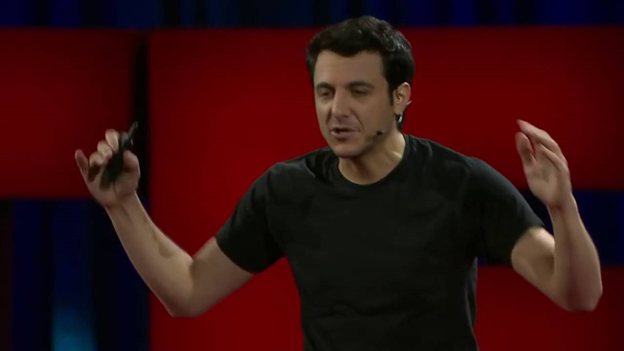
Communicate with your body- project emotion with your face and mannerisms, open your posture, and match your gestures with your content (Think “Big point, Big gesture”)
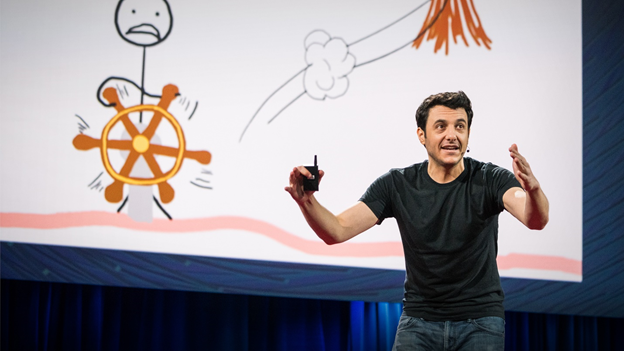
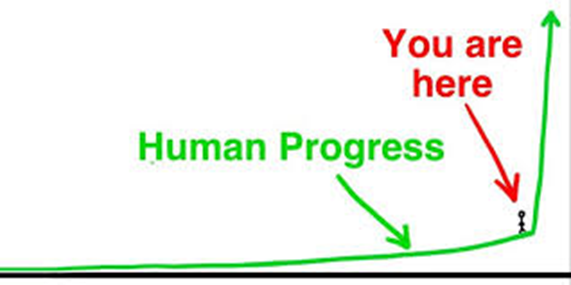
Supportive media: I love Tim’s supportive media. It all looks wonderfully clumsy and nonchalant. Which is completely in line with his subject matter. His illustrations are not scientific and so clumsy that you couldn’t even refer to them as ‘cartoons’.
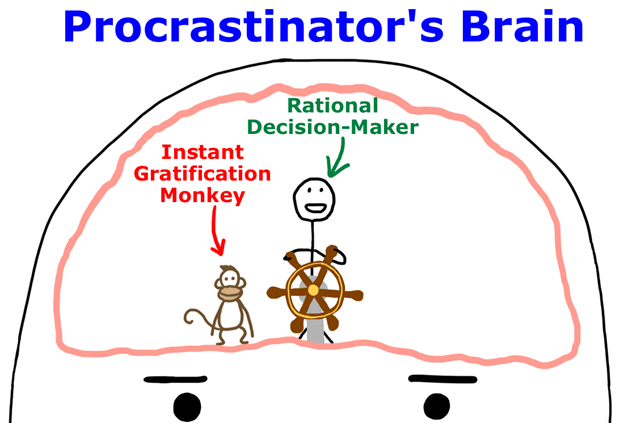
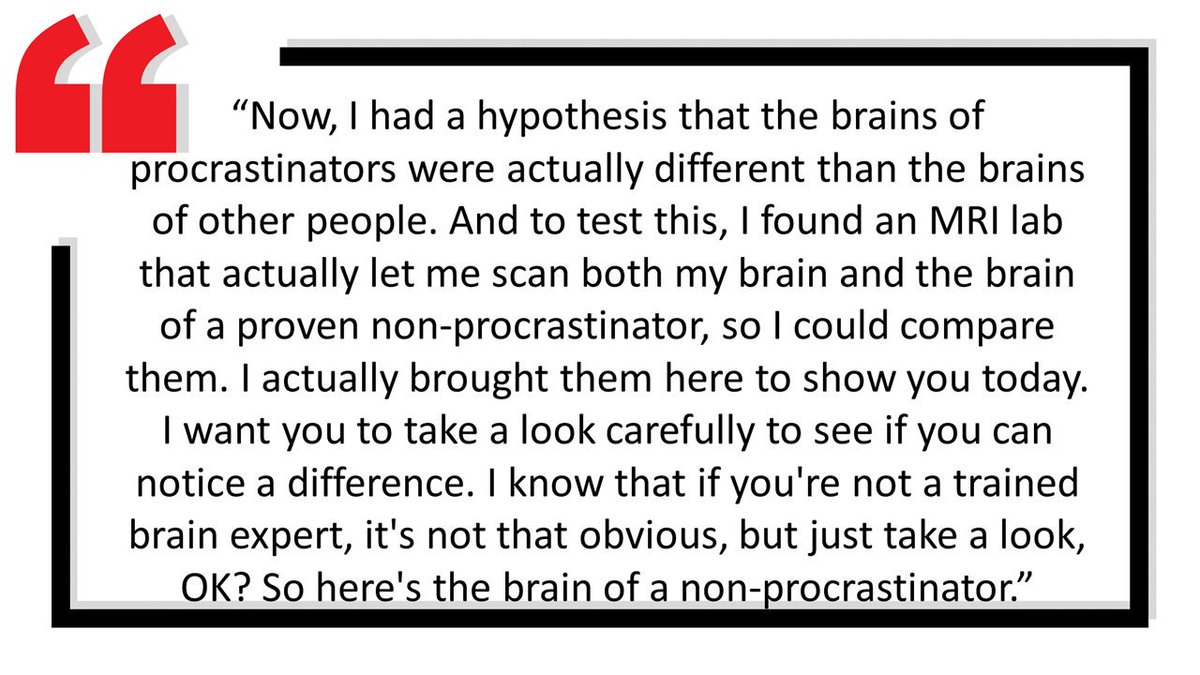
However, they do work perfectly, because they show you exactly what you need to see to understand the message, nothing more, nothing less. In fact, he subverts the audience’s expectations when he gives the quote below ?And shows his media (pic 2).
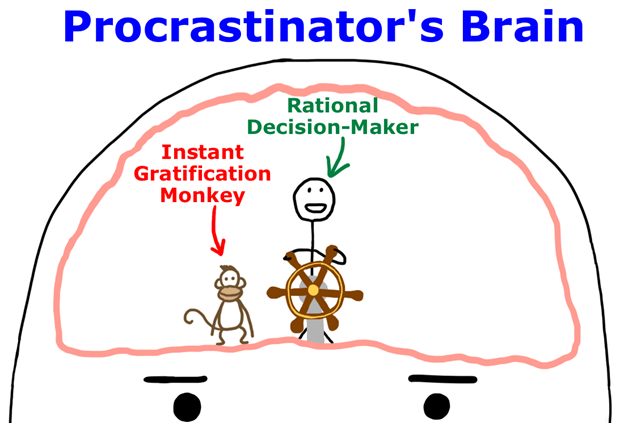
As much as I love slide design (future #Tweetorial), I won’t go into detail on Tim’s media here. Definitely check out @nancyduarte @ffolliet and @presentationzen for more info:
ffolliet.com
presentationzen.com
slidecow.com
duarte.com
ffolliet.com
presentationzen.com
slidecow.com
duarte.com
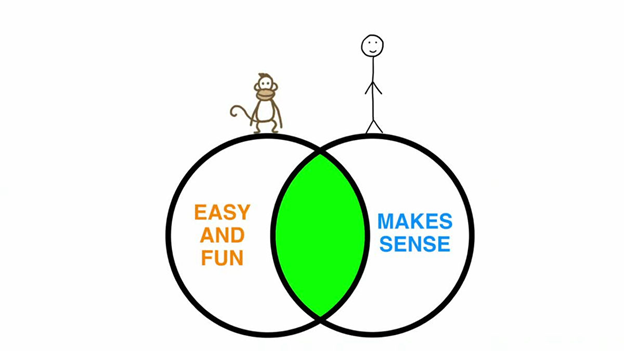
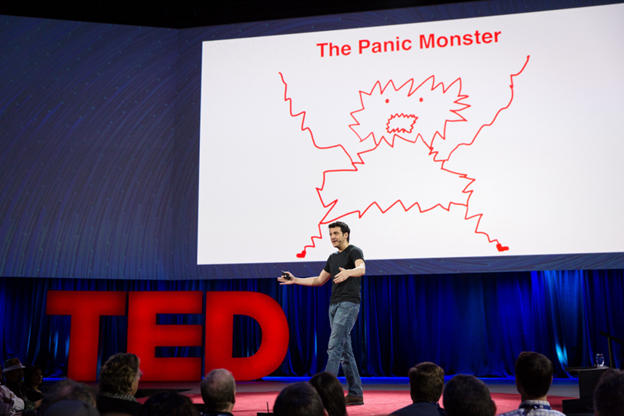
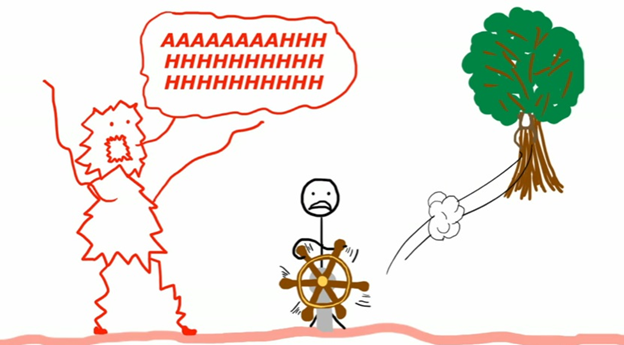
All of these aspects of the talk combine to create a presentation that is more like a stand-up routine than a dry, informative speech on productivity and procrastination. We all want to master procrastination, and we all can relate to his own struggles.
If you need to deliver a talk with a lot of science behind it or a traditionally “dry” subject matter, take inspiration from Tim Urban! Use these ideas above and make it lively.
For those of you interested in more resources, check out:
Tim Urban on Parsing and Transmitting Complex Ideas: firstround.com
Tim Urban- Doing a TED Talk: The Full Story: waitbutwhy.com
TED Breakdown: 42894.blogspot.com
Wait but Why: waitbutwhy.com
Tim Urban on Parsing and Transmitting Complex Ideas: firstround.com
Tim Urban- Doing a TED Talk: The Full Story: waitbutwhy.com
TED Breakdown: 42894.blogspot.com
Wait but Why: waitbutwhy.com
Loading suggestions...