

I'm into IoT these days! So, in this thread I'll share my progress, experience, and my thoughts about this 4th industrial revolution's technology.
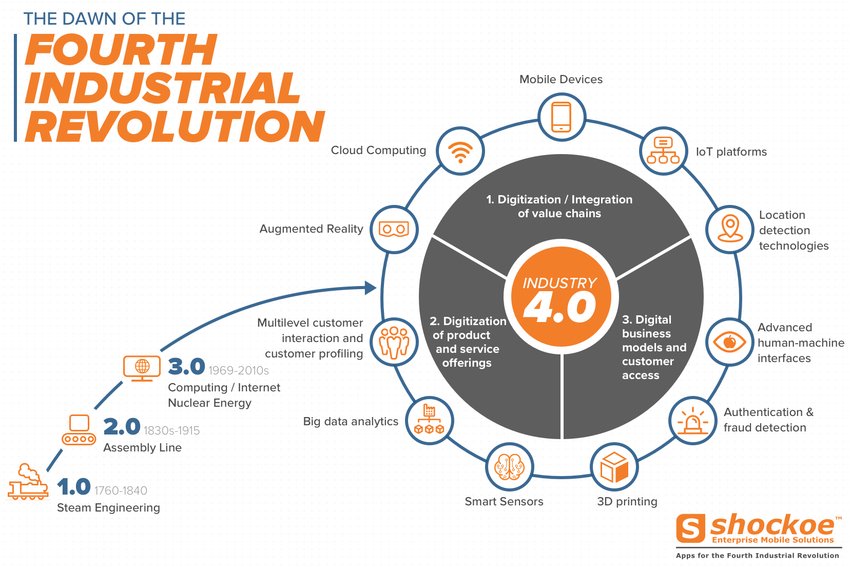
To begin with.. What is the 4th industrial Revolution? When is it started? and what technologies that made this revolution possible?
What is IoT?
IoT or Internet of Things is a product of the different technologies used in the market, including, but not limited to.. :
1- Wireless communication.
2- Data analysis.
3- Cloud.
3- Sensors.
4- Automation of machines.
5- Actuators.
IoT or Internet of Things is a product of the different technologies used in the market, including, but not limited to.. :
1- Wireless communication.
2- Data analysis.
3- Cloud.
3- Sensors.
4- Automation of machines.
5- Actuators.
"IoT is when everyday appliances are fitted with sensors and wireless communication technology that connects them to the Internet and helps the user to control them remotely."
Read more at : whitesparrow.co.in
Read more at : whitesparrow.co.in
Personally, to get my hands dirty in IoT, I took - over a period of 240 hours - an immersive hands-on IoT course (Samsung Innovation Campus program provided by Misk Academy in partnership with Samsung).
In the next threads I will try to cover the basics you need to master IoT ?
In the next threads I will try to cover the basics you need to master IoT ?
1- Computer/Electronic Engineering:
At least the basic knowledge and skill set! Because surely you are going to use sensors, micro-computers/controllers, ICs, diodes, jumper wires, resistors, breadboard,..., etc.
At least the basic knowledge and skill set! Because surely you are going to use sensors, micro-computers/controllers, ICs, diodes, jumper wires, resistors, breadboard,..., etc.
To get all of the previous stuff you can buy a Raspberry Pi kit to begin with! You can find it on Amazon or eBay ?
Read more about Raspberry Pi:
raspberrypi.org
Read more about Raspberry Pi:
raspberrypi.org

2- Programming Languages:
You WILL need one or two of these languages, maybe more.. :
C, JAVA, Python, JS,..., etc.
You WILL need one or two of these languages, maybe more.. :
C, JAVA, Python, JS,..., etc.
3- Networking and Protocols:
Especially..
1- Wireless communication technologies.
2- Light weight protocols, such as MQTT.
Especially..
1- Wireless communication technologies.
2- Light weight protocols, such as MQTT.
4- IoT Platforms:
After you practice how to program some IoT applications and get the idea of the IoT MANUALLY.. Yes! Be ready to use one of the IoT platforms to develop your IoT projects.
"Don't Reinvent The Wheel, Unless You Plan on Learning More About Wheels"?
After you practice how to program some IoT applications and get the idea of the IoT MANUALLY.. Yes! Be ready to use one of the IoT platforms to develop your IoT projects.
"Don't Reinvent The Wheel, Unless You Plan on Learning More About Wheels"?
Some popular IoT platforms..
Adafruit
adafruit.com
OpenHAB (My personal favorite)
openhab.org
Home Assistant
home-assistant.io
Adafruit
adafruit.com
OpenHAB (My personal favorite)
openhab.org
Home Assistant
home-assistant.io
I build some prototypes to apply and practice my knowledge ? I will show them in the next threads.
I used in first demonstration:
1- Raspberry Pi as a hostage of the OpenHAB IoT platform (It's gonna be my central hub at home)
2- Smartphone
3- Three LEDs (you can use instead a Hue lamp or an RGB LED)
4- Mqtt protocol (for the connection between the smartphone and OpenHAB)
1- Raspberry Pi as a hostage of the OpenHAB IoT platform (It's gonna be my central hub at home)
2- Smartphone
3- Three LEDs (you can use instead a Hue lamp or an RGB LED)
4- Mqtt protocol (for the connection between the smartphone and OpenHAB)
What is the prototype about?
- OpenHAB detects any incoming call to the smartphone and turns on the LEDs.
- If you rejected/answered/missed the call OpenHAB detects this as well and turns off the LEDs.
- OpenHAB detects any incoming call to the smartphone and turns on the LEDs.
- If you rejected/answered/missed the call OpenHAB detects this as well and turns off the LEDs.

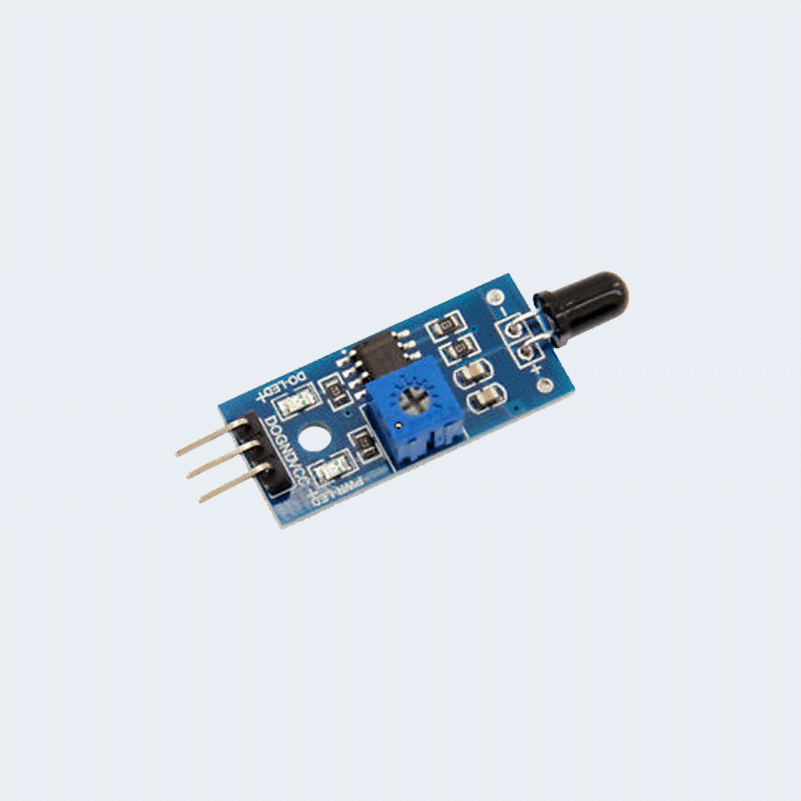
In the second demonstration, I used the same staff but added one more thing.. A Flame #sensor
What is this prototype about?
- Flame sensor detects any flames and flashs the LEDs.
- Through OpenHAB mobile app you can turn off the LEDs when you believe that you are safe now ?
- Flame sensor detects any flames and flashs the LEDs.
- Through OpenHAB mobile app you can turn off the LEDs when you believe that you are safe now ?

Loading suggestions...