
Recent archaeological discoveries challenging the neo-sceptical paradigm
[The following thread is based on Schoeler G, Vagelpohl U, Montgomery, J. The Biography Of Muhammad: Nature And Authenticity. New York, NY: Routledge; 2011: 14-15.]
[The following thread is based on Schoeler G, Vagelpohl U, Montgomery, J. The Biography Of Muhammad: Nature And Authenticity. New York, NY: Routledge; 2011: 14-15.]
Among the recent epigraphical, papyrological and numismatical findings challenging the neo-sceptical paradigm, the following should be mentioned:
1. ʿAlī ibn Ibrāhīm al-Ġabbān’s discovery in 1999 of the oldest Islamic inscription to date, the graffito of Qāʿal-Muʿtadil (north-west Arabia). After the basmalah, it runs: anā Zuhayr katabtu zaman tuwuffiya ʿUmar sanat arbaʿwa-ʿišrīn, ‘I, Zuhayr,
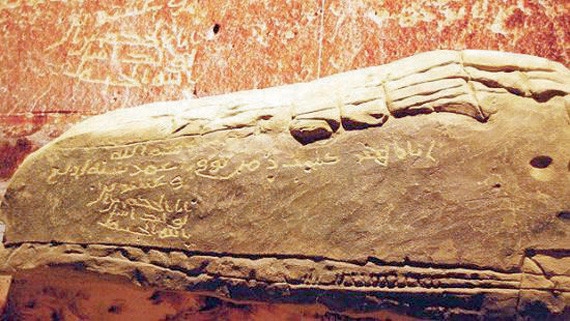
wrote [this] at the time of ʿUmar’s death in the year 24 [644–5]’. Interestingly enough, the author already uses the hiǧrah dating, only a few years after its introduction (between 634 and 644).
![wrote [this] at the time of ʿUmar’s death in the year 24 [644–5]’. Interestingly enough, the author...](https://pbs.twimg.com/media/EShID-yXgAEJp5t.png)
More interestingly, even sensationally, the graffito mentions ʿUmar (undoubtedly the second caliph) with his exact year of death. Hitherto, scholars have assumed that there was no evidence for any of the Prophet’s companions in external sources; Muʿāwiyah was regarded as the
first caliph to be safely attested as a historical figure by such testimonies, both epigraphical and manuscript (in papyri).
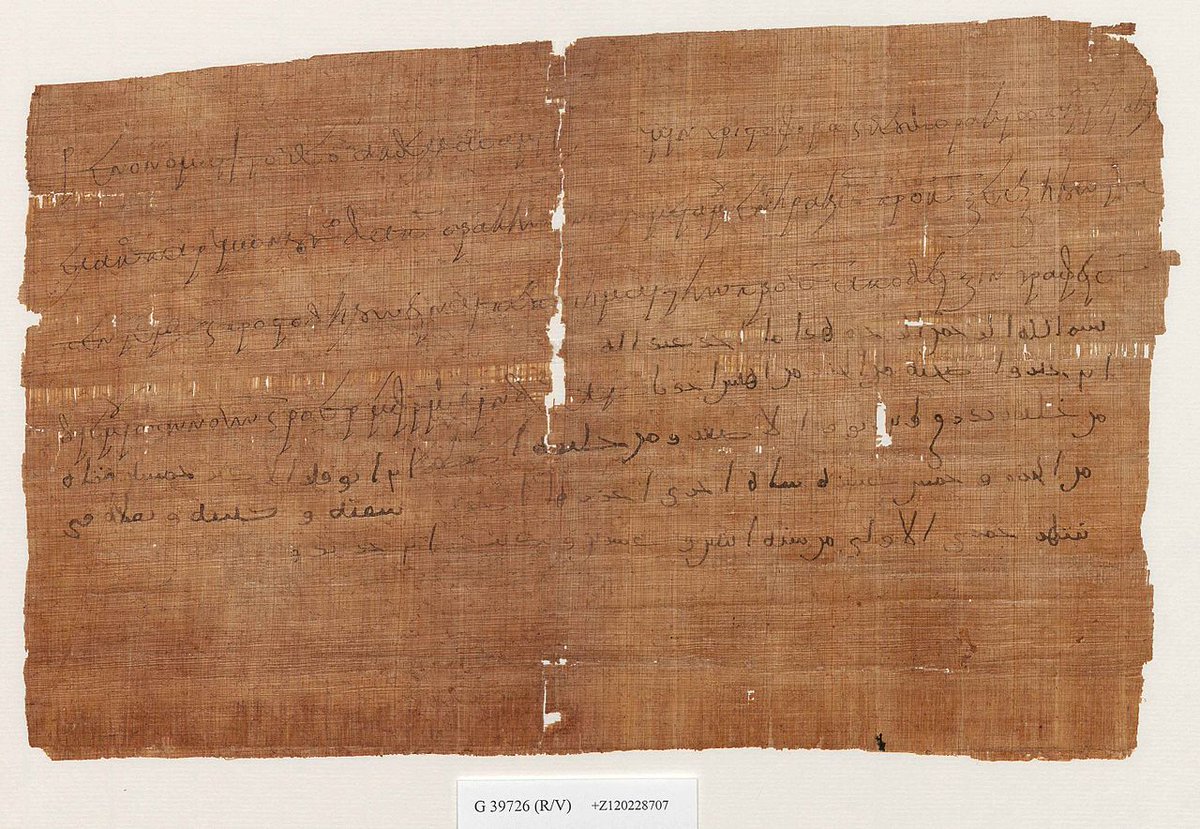
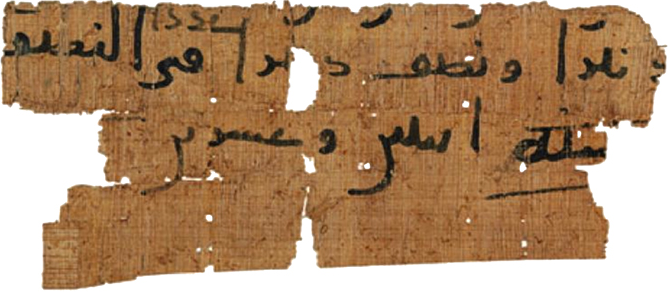
2. The two earliest known papyri with a hiǧrah dating, both of which originated in the year 22/643.
@shakerr_ahmed: P. Berol. 15002 & PERF 558.
@shakerr_ahmed: P. Berol. 15002 & PERF 558.
3. We find the first attestation of Muḥammad in an Islamic setting on two Arabic-Sasanian silver coins from the year 66 and 67 AH; in the margin, they feature an abbreviated form of the Islamic profession of faith (bi-sm Allāh Muḥammad rasūl Allāh).
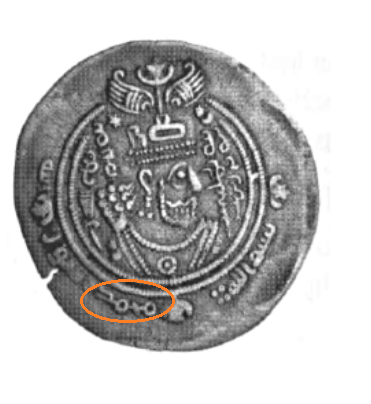
Thirteen or fourteen years later, the name Muḥammad is mentioned as a nasab (patronym) on a coin from the year 80 AH with an Arabic inscription which bears the name of the Umayyad general ʿAbd al-Raḥmān ibn Muḥammad (better known as Ibn al-Ašʿaṯ).
Both Ibn al-Ašʿaṯ and his father Muḥammad (d. 41/661) were important historical figures and are well known from Islamic historical sources. This fact refutes Ohlig’s ludicrous claim that in first century AH sources, especially the inscriptions on the Dome of the Rock,
the word Muḥammad (written MḤMD) is not a personal name but an epithet of Jesus (without any reference to the Islamic Prophet) and should be translated as ‘the praiseworthy one’ or ‘the blessed one’.
The first non-Islamic document to mention the Prophet is even older: a Syriac-Christian chronicle written around 640 (according to Hoyland) by Thomas the Presbyter refers to ‘a battle between the Romans and Muḥammad’s Arabs’ (ṭayyāyē d-Mḥmṭ).
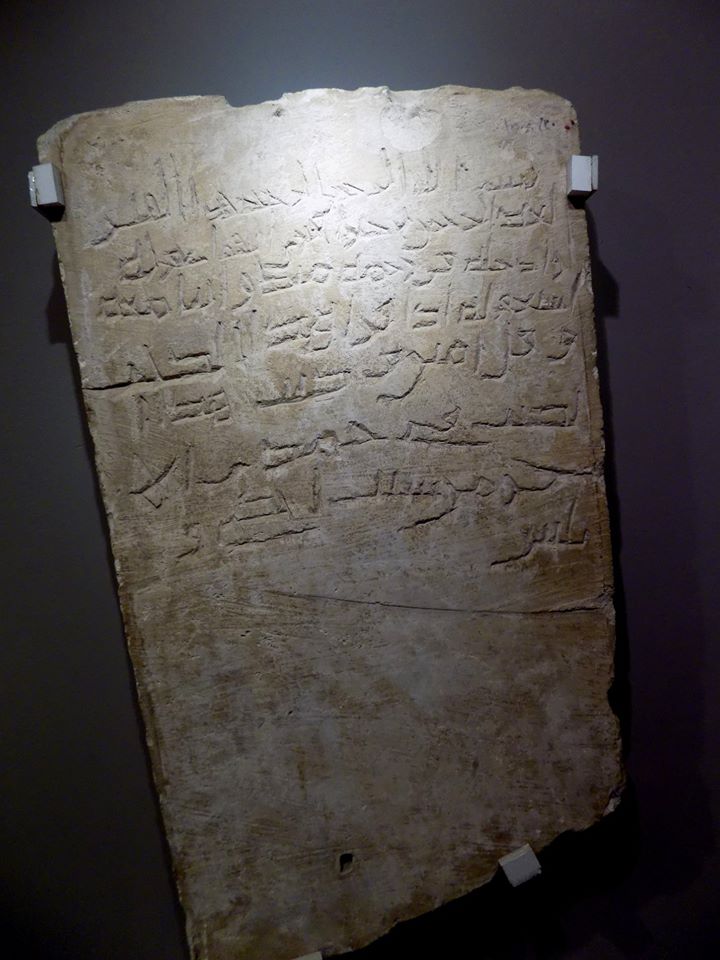
4. Inscriptions with an obviously Islamic content (including Qurʾānic phraseology) occur earlier (starting 31 AH) than previously thought.
@shakerr_ahmed: It is a tombstone of ʿAbd al-Raḥmān Ibn Khair al-Ḥajrī, now at Museum of Islamic Art in Cairo, no. 1508/20.
@shakerr_ahmed: It is a tombstone of ʿAbd al-Raḥmān Ibn Khair al-Ḥajrī, now at Museum of Islamic Art in Cairo, no. 1508/20.
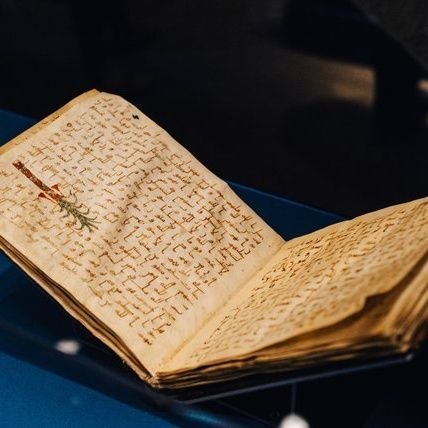
5. Avery old, fragmentaryQurʾānmanuscript, the ‘Codex Parisino-Petropolitanus’, recently discovered and recognized as a historical document of paramount importance by F. Déroche.
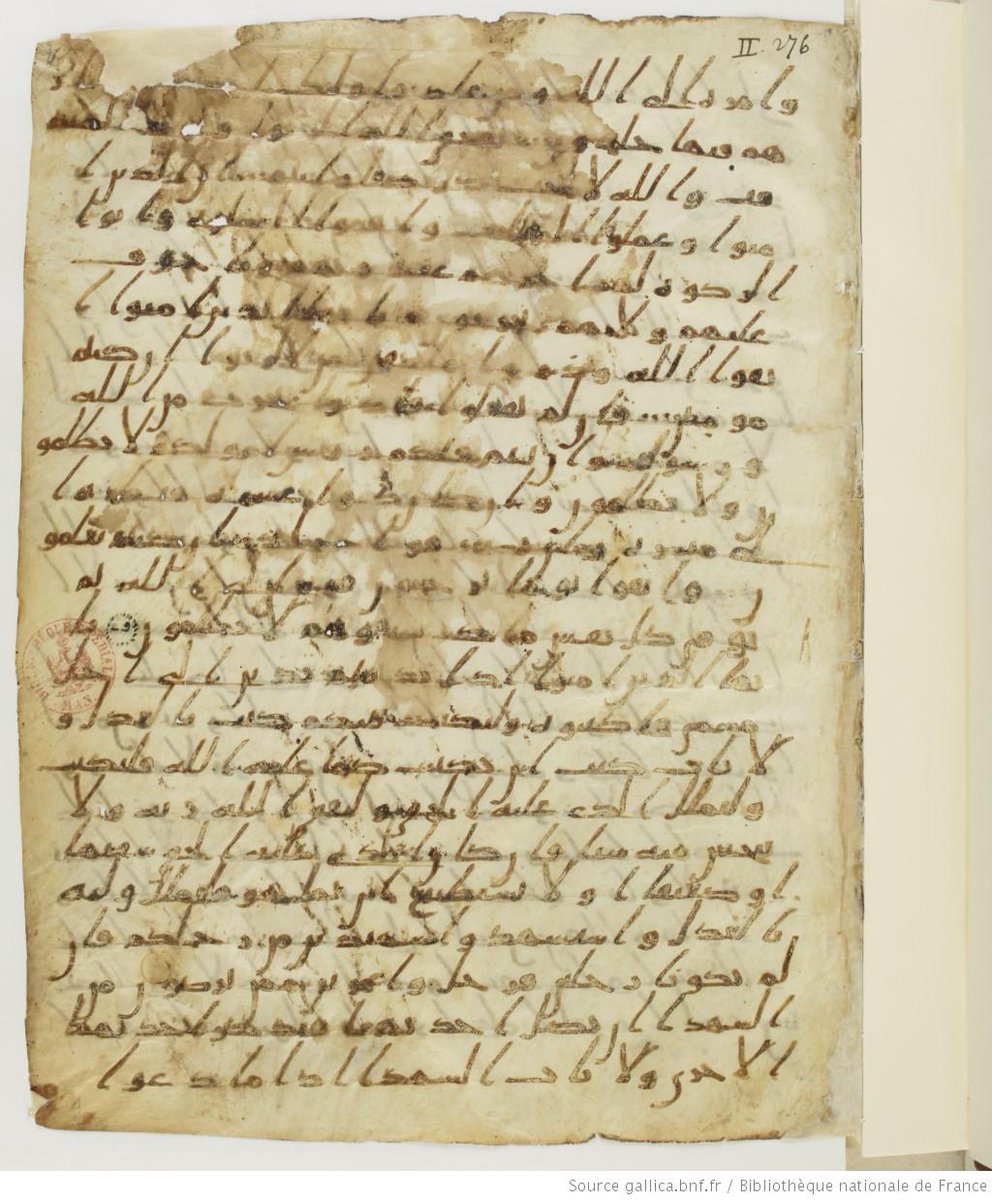
On the basis of its writing style and archaic orthography (e.g. qāla consistently written as QL), he dates it to the third quarter of the first century AH. Like the fragments of an ancient Qurʾān manuscript from Ṣanʿāʾ, its text follows the ʿUṯmanic recension.
This crucial piece of evidence conclusively puts to rest Wansbrough’s hypothesis that it was not until the year 800 that the Qurʾān assumed the form we know today.
@shakerr_ahmed: I will now highlight *some* of the very recent discoveries made in Arabia.
1. An inscription from Hisma in Tabuk region mention intercession (shafa'ah) of Prophet Muhammad on behalf of his Ummah. Dated 80 AH.
Found by @AlsahraTeam
1. An inscription from Hisma in Tabuk region mention intercession (shafa'ah) of Prophet Muhammad on behalf of his Ummah. Dated 80 AH.
Found by @AlsahraTeam
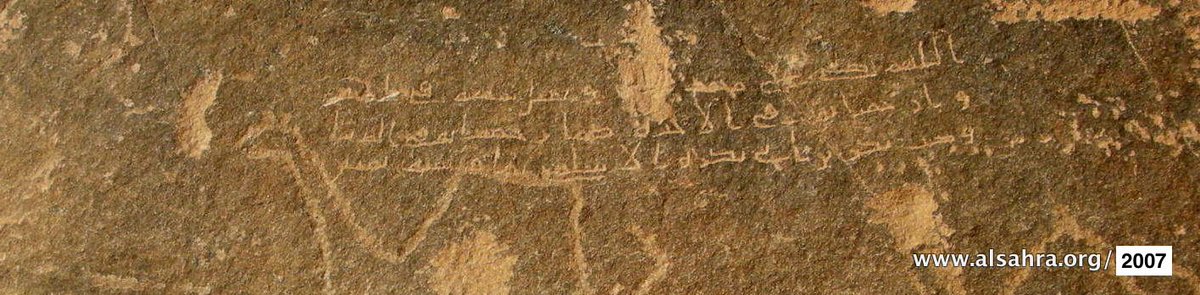
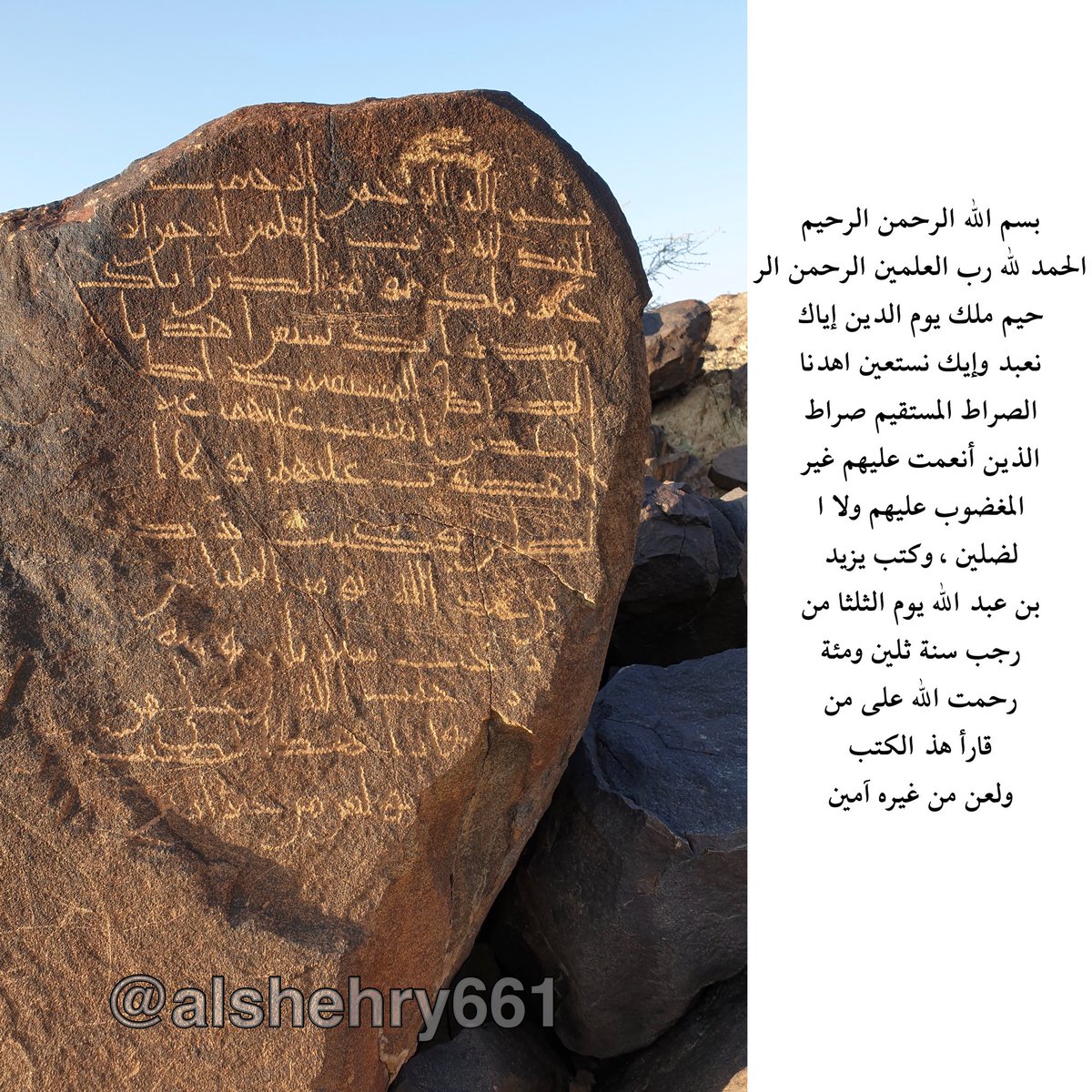
2. The complete Surah al-Fatiha (Q1) inscribed on a rock in the year 130 AH. Found by @alshehry661 in Al-Namas, Saudi Arabia.
The Qur'an was in circulation before that period as we have other dated Quranic inscriptions from Makkah, written in 80 AH and 84 AH.
The Qur'an was in circulation before that period as we have other dated Quranic inscriptions from Makkah, written in 80 AH and 84 AH.
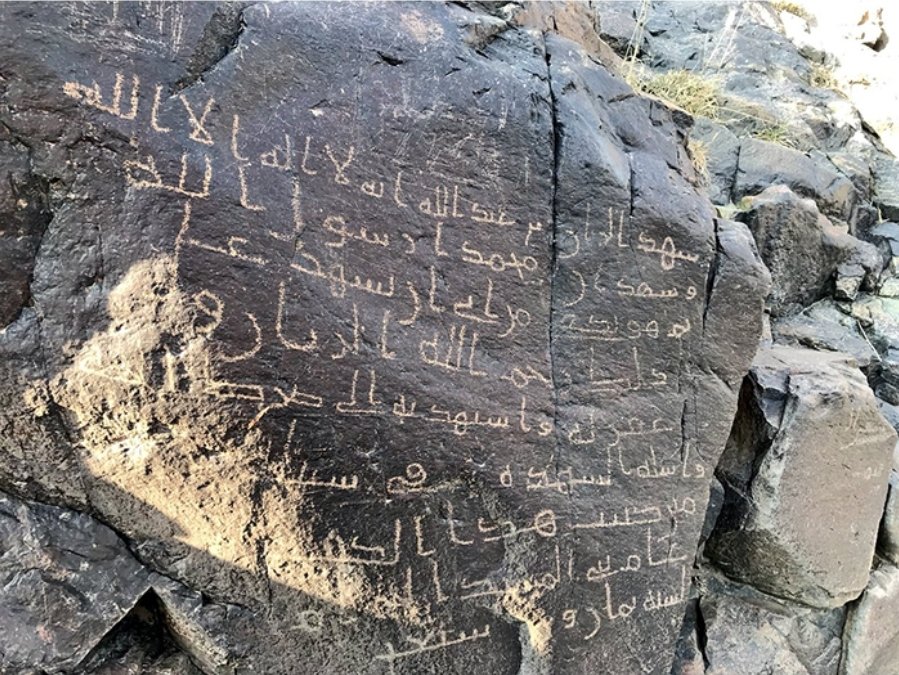
3. The full attestation of faith (shahadah) and the earliest mention of al-Masjid al-Haram in Makkah. Dated 78 AH
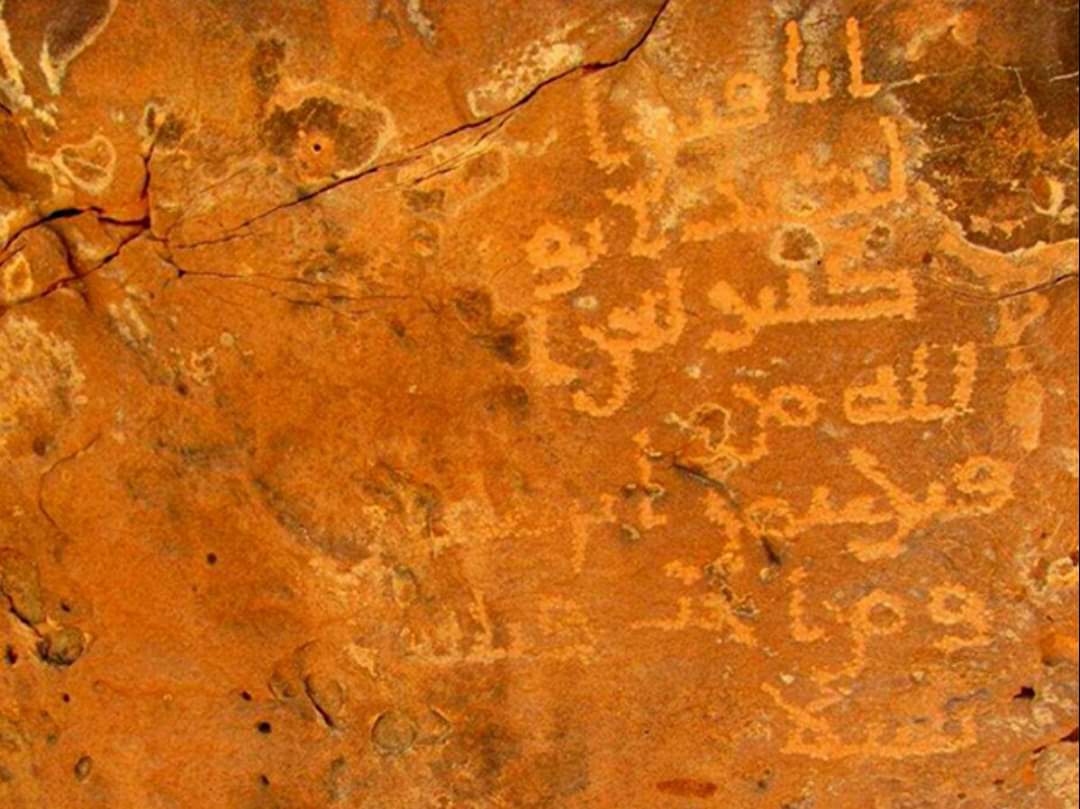
4. An early inscription mentions the murder of the third caliph, Uthman b. Affan.
According to Imbert, the inscription is likely to be from 36 AH when the Battle of the Camel took place.
According to Imbert, the inscription is likely to be from 36 AH when the Battle of the Camel took place.
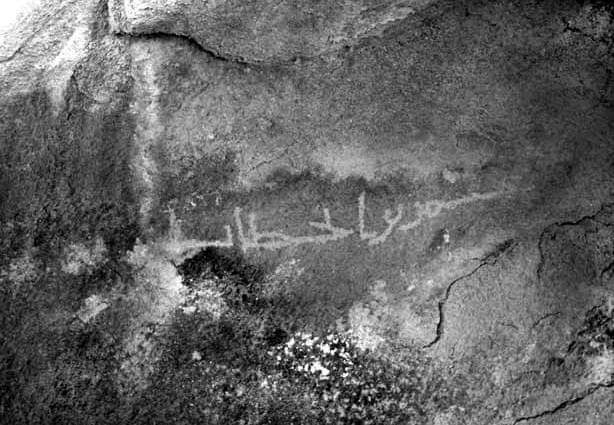
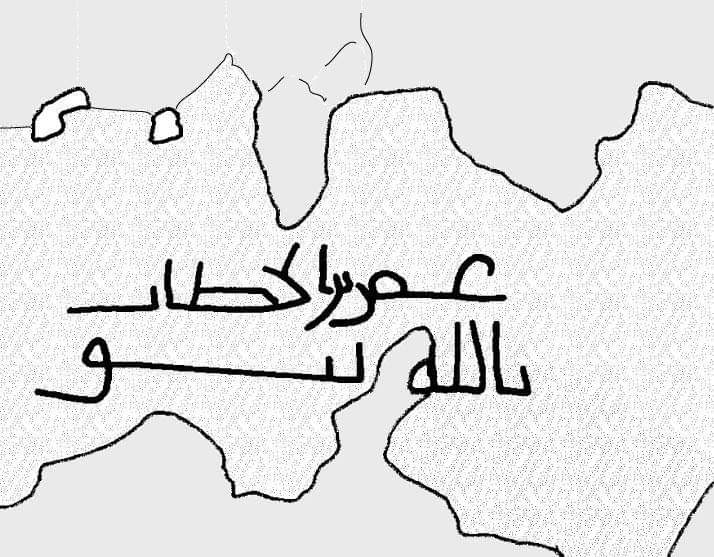
5. Two early inscriptions mention the second caliph, Omar b. al-Khattab.
F. Imbert suggests Omar himself left these writings before he was a caliph. If so, then it must have been inscribed before 23 AH.
F. Imbert suggests Omar himself left these writings before he was a caliph. If so, then it must have been inscribed before 23 AH.
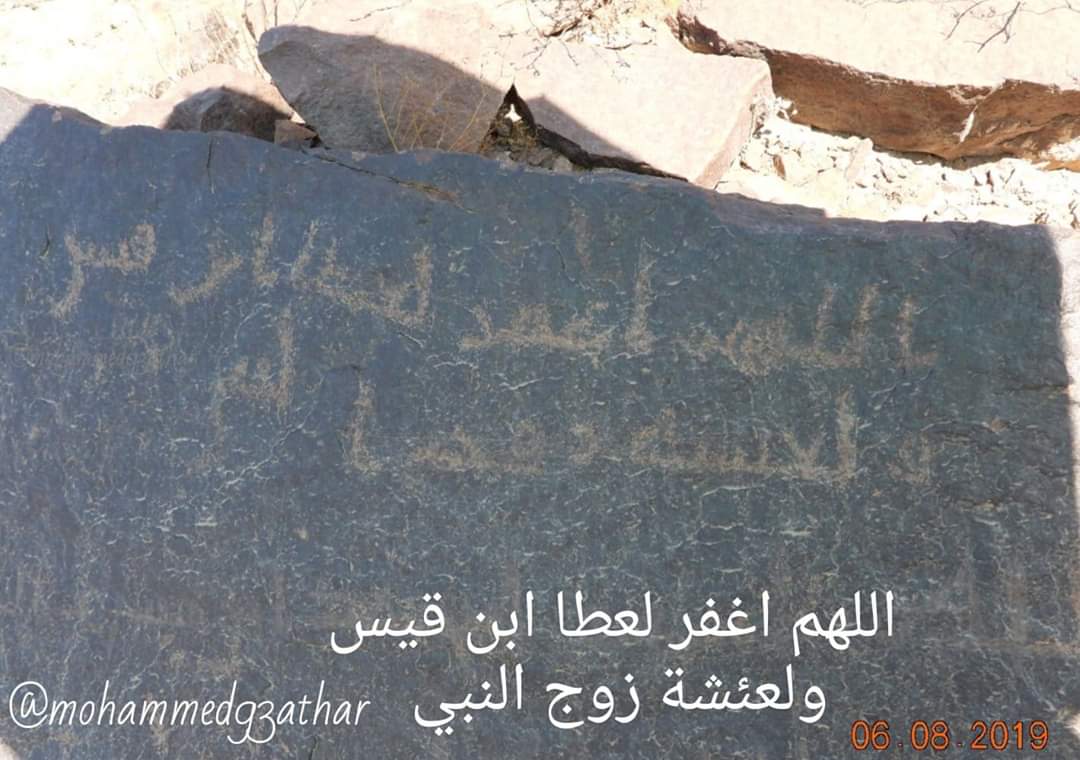
6. An early inscription mentions Aisha, the beloved wife of Prophet Muhammad. Found by @mohammed93athar
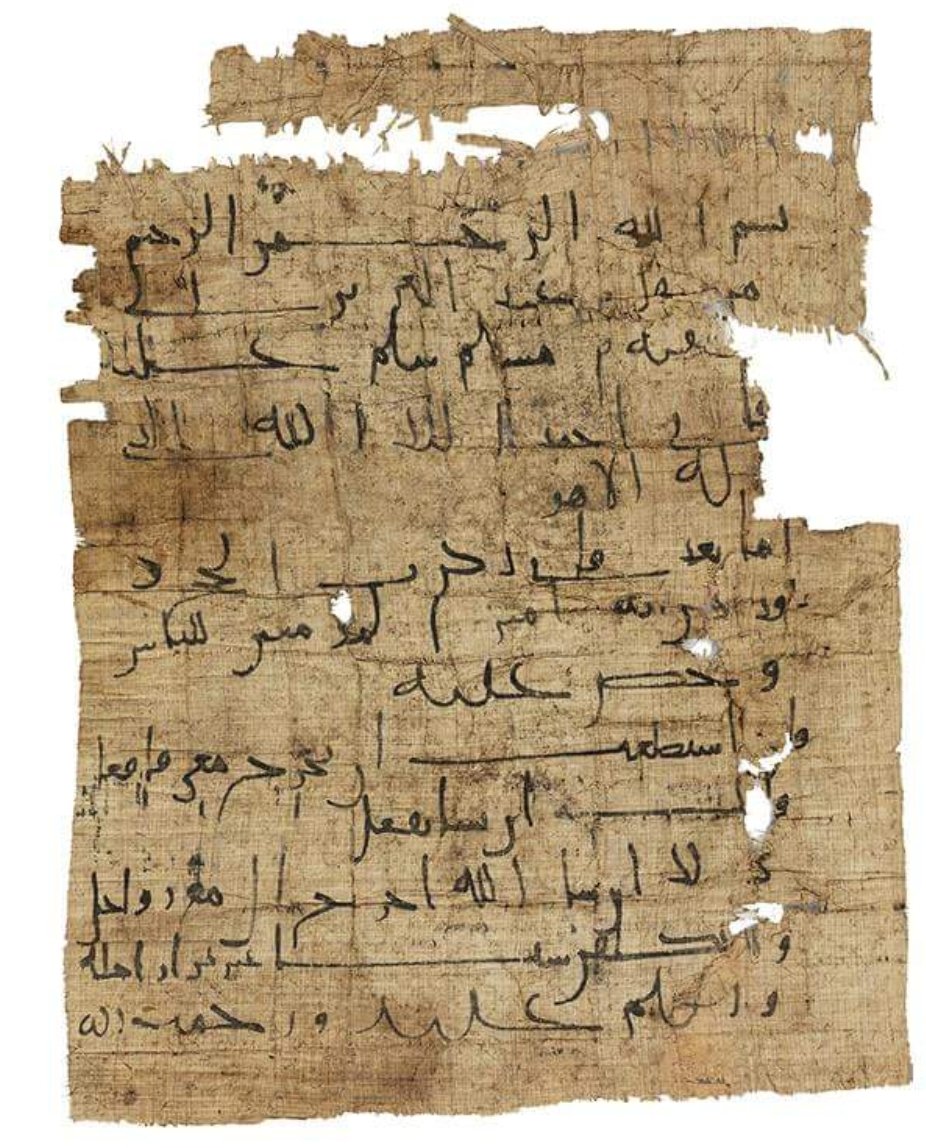
7. A papyrus at the Oriental Institute that takes the form of a correspondence between Sahl b. ʿAbd al-ʿAzīz and ʿUqba b. Muslim, where Sahl invites Uqba to perform Hajj. Date 705-717 CE.
The papyrus has been published and analyzed by Petra Sijpesteijn in 2014.
The papyrus has been published and analyzed by Petra Sijpesteijn in 2014.
8. The epigraphic record also mentions Hajj, the earliest being an inscription from 82 AH, revealing a prayer to God to forgive two named individuals and accept from them their Hajj.
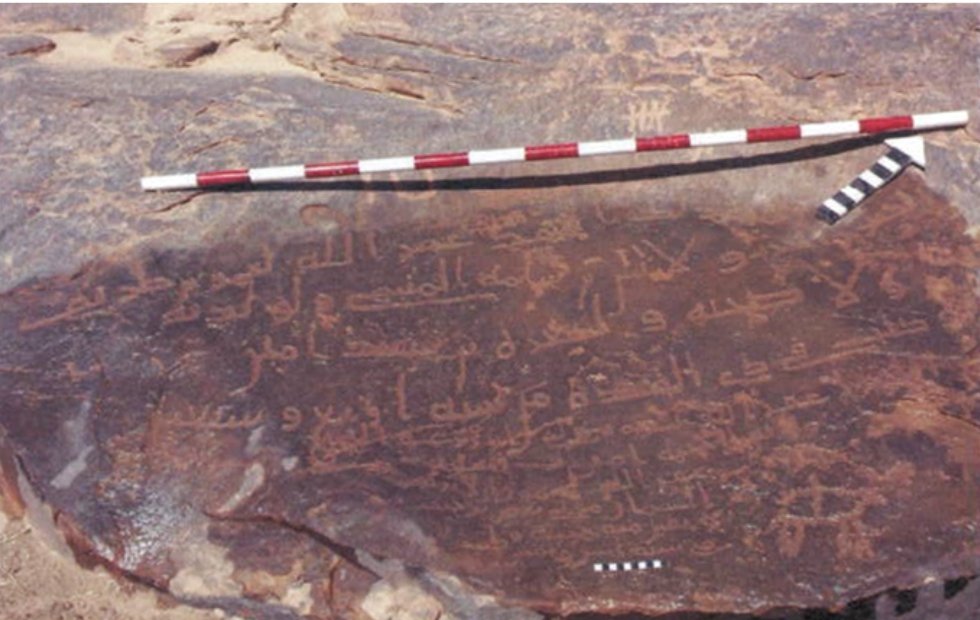
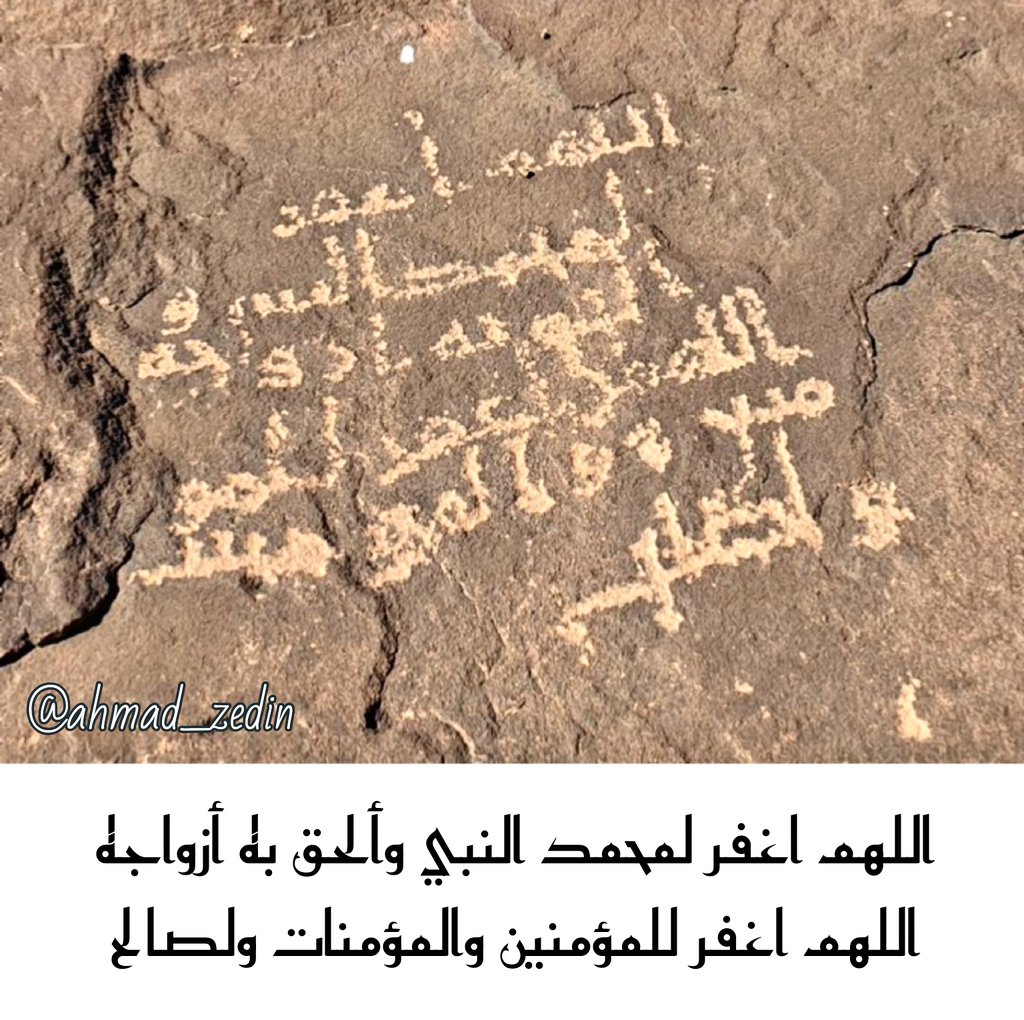
9. An early inscription mentions the Prophet Muhammad and his wives.
Found by @ahmad_zedin
It reads:
May God forgive Muhammad the prophet and reunite him with his wives [in the afterlife].
Found by @ahmad_zedin
It reads:
May God forgive Muhammad the prophet and reunite him with his wives [in the afterlife].
Not to me mention Quranic verses inscribed on the Dome of the Rock in 72 AH.
That's the end of this thread. I will probably get back to it later to add more interesting stuff about early Islam and archaeological discoveries!
10. E17861 is a newly-discovered Arabic papyrus from the Oriental Institute in Chicago and was first introduced in a lecture by Fred Donner in 2014. The papyrus is a letter that discusses the distribution of a relatively small amount of money among several people.
It is extraordinary as it mentions Umar b. al-Khattab (line 3) among other addressees whose names were not fully deciphered. "Assuming this is to be identified with the famous 'Umar who became the second caliph, the letter must date before his death in 644 CE," says Donner.
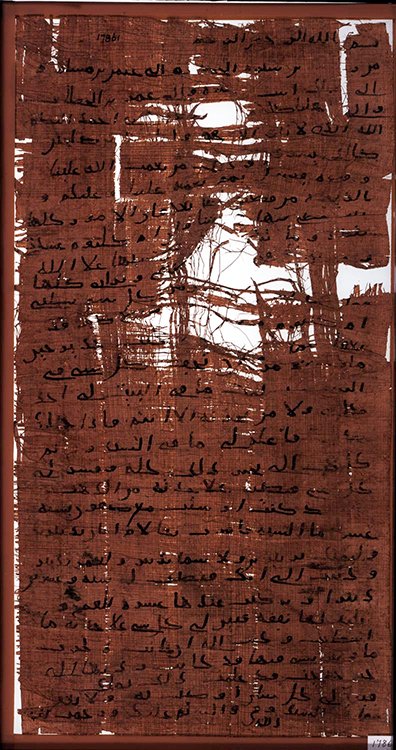
To my knowledge, the papyrus was sent to a lab for C14 dating, but the results were not in agreement with the paleographical analysis that points to the 7th-century CE. In his ISAP 2018 conference paper, Donner admits C14 hasn't helped in dating this papyrus.
Loading suggestions...