
Addressing the Super-spreaders, Spreaders, and the essentiality of testing
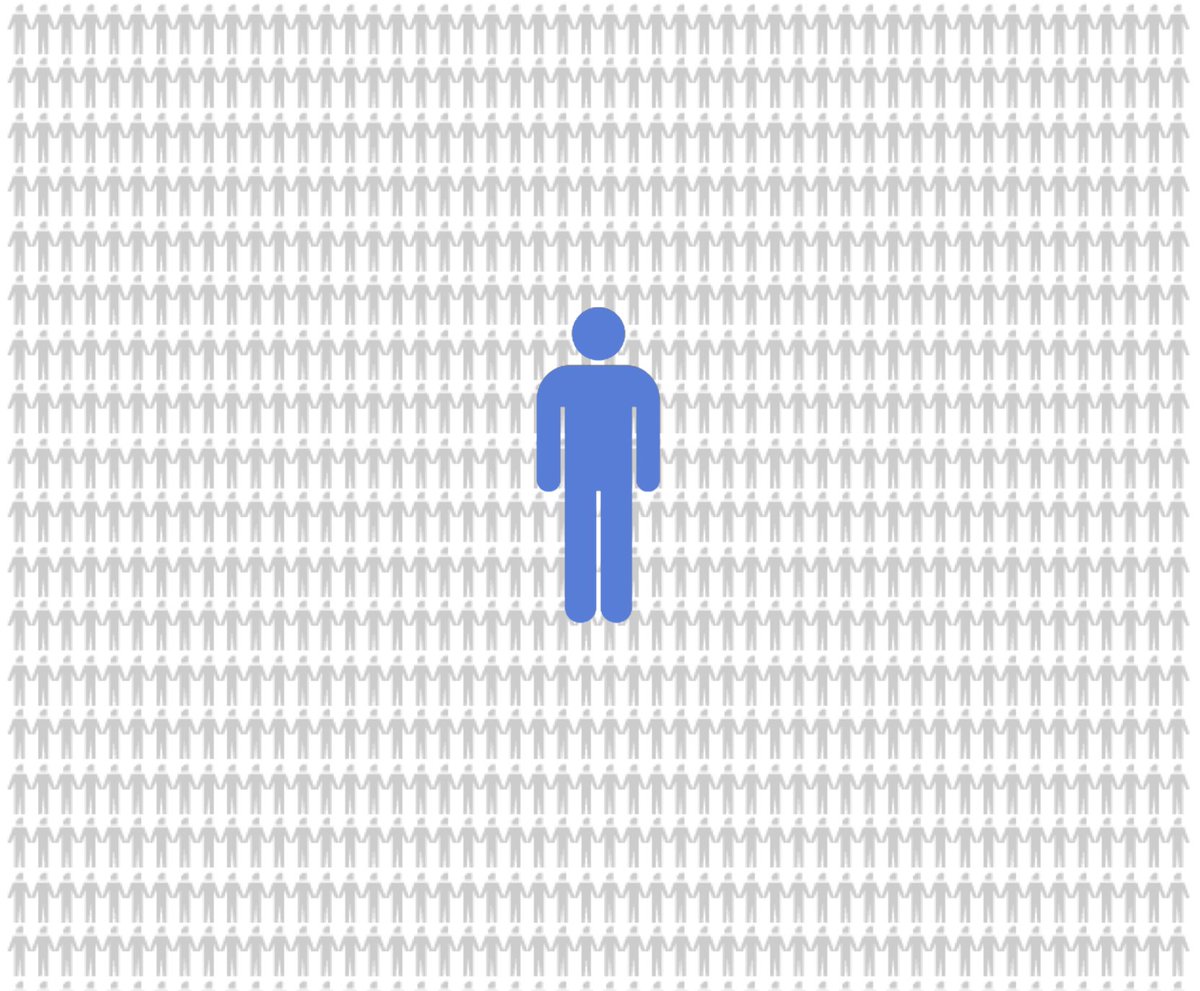
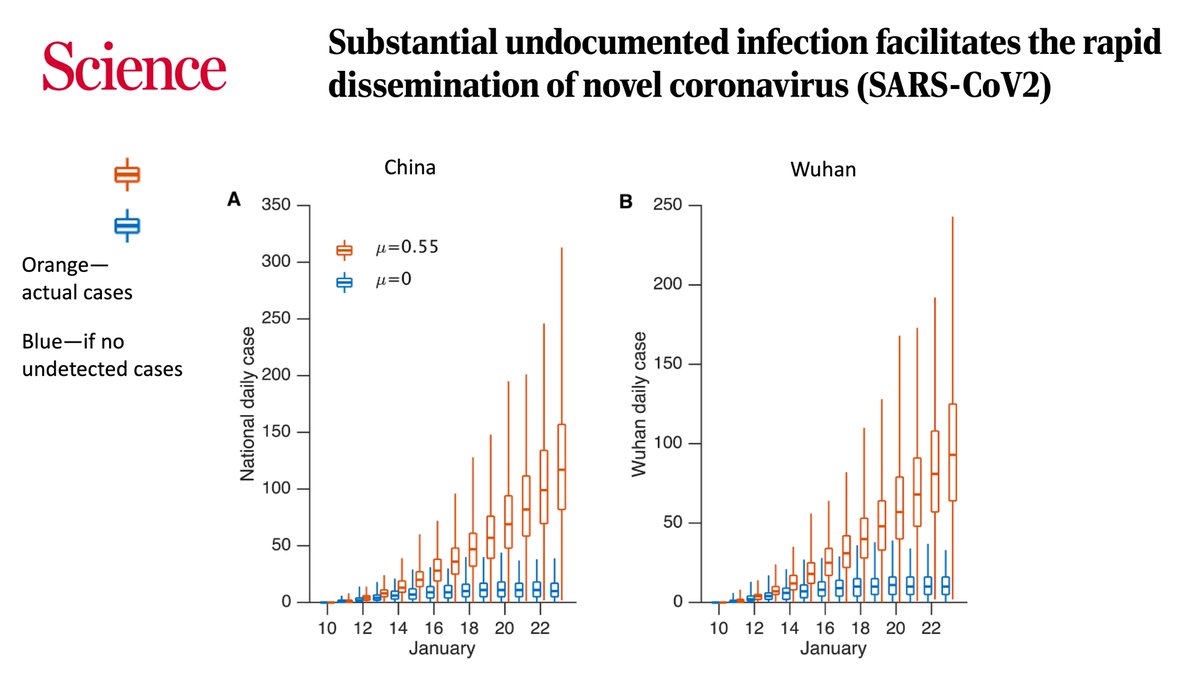
A @ScienceMagazine yesterday provided elegant modeling from real data to show that 79% of the spread was from people without #COVID19 detection.
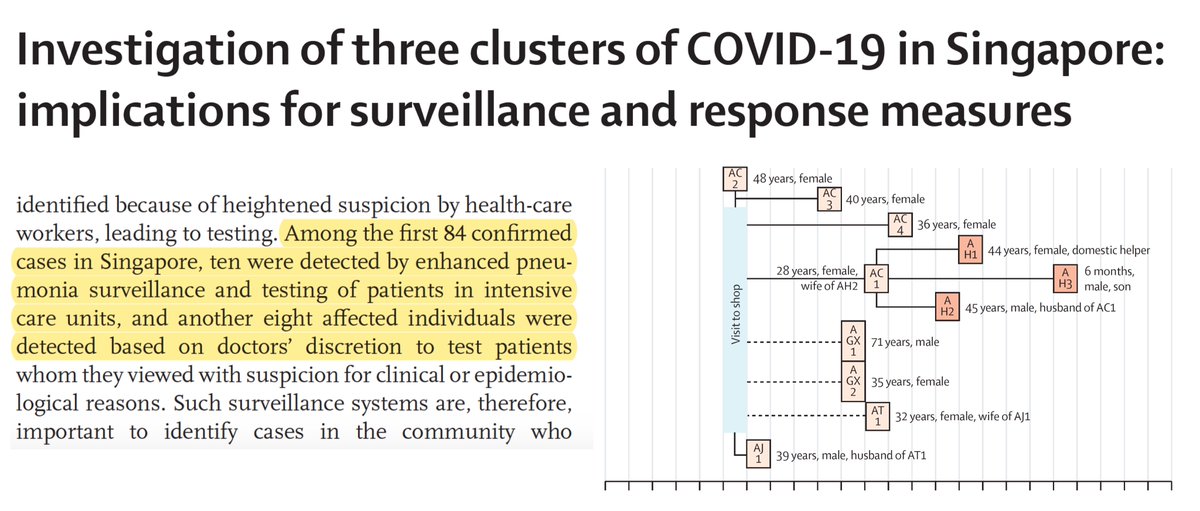
thelancet.com @TheLancet


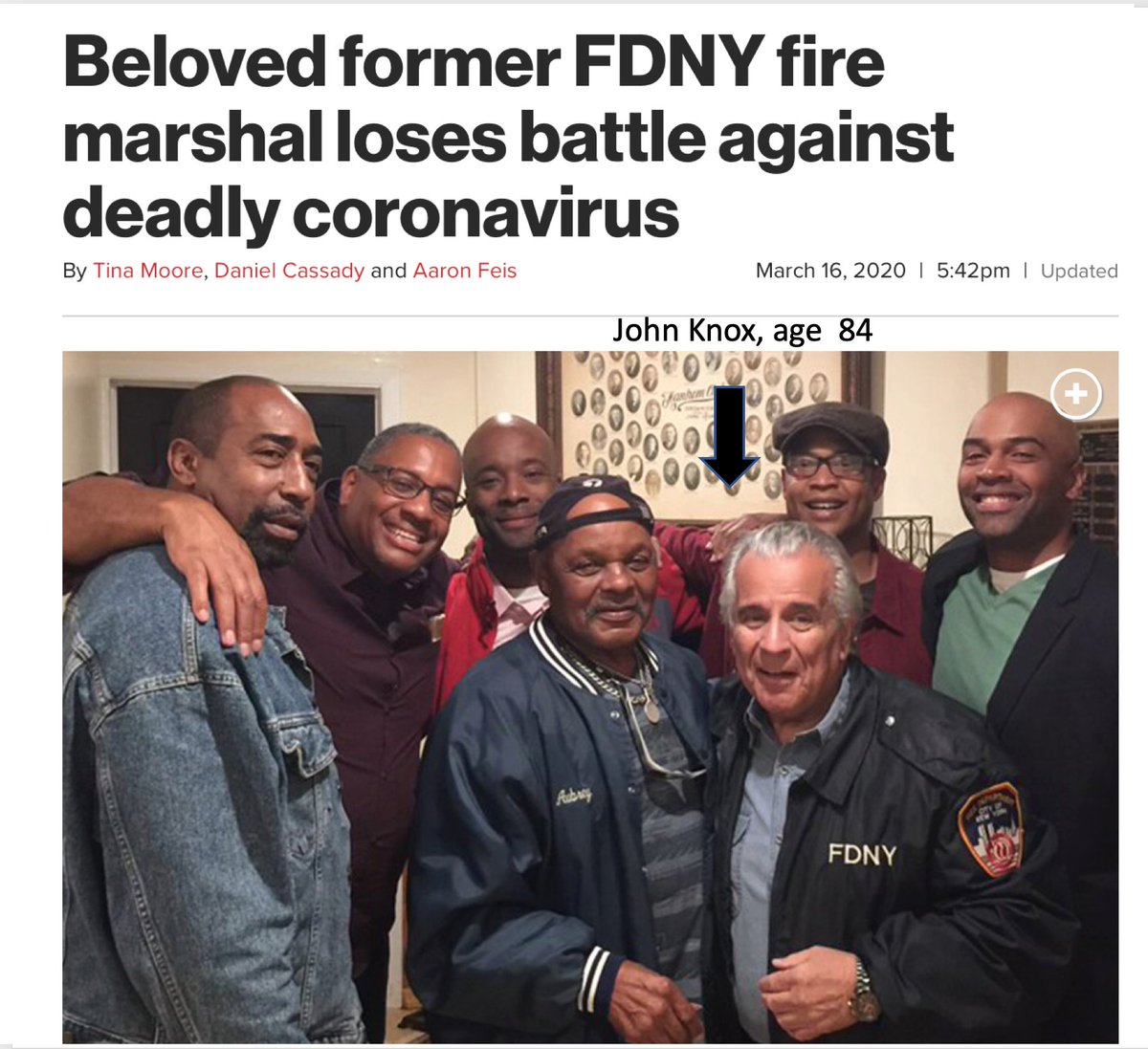
nypost.com
Only on March 9th was he tested, it came back + on March 13, and he died March 16th.
It's the wrong approach & small-minded compared with what we could still learn?

The smart approach would be to get these tests, now w/ more rapid turnaround, broadly used. Like every #healthcare worker, repeated later if negative, to prevent spread.
More from this author
A third of people are Blood Group A. #SARSCoV2 preferentially infects these cells "providing a direct link between ABO blood group expression and [Co...
1. Asymptomatic #SARSCoV2 carriers after vaccines, as aptly drawn by @nataliexdean (adapted @TheEconomist) Even w/ the most highly effective vaccines...
This will go down in history as one of science and medical research's greatest achievements. Perhaps the most impressive. I put together a preliminary...
The critical 45 days: how one country got ahead of its outbreak and the other enabled unbridled #COVID19 spread Looking at the numbers in more depth f...
Recent Threads
CBSE has systematically rewritten its rulebook to favor Coempt Eduteck. check out the blog. https://t.co/CmdXMo8pMh

SA DULO, MAGTATAGPO. — a filo #taekookau a taekook au wherein taehyung is a famous vlogger who offered a stranger to do the 24 hours jowa challenge w...

I’m not allowed in social situations without supervision anymore https://t.co/qRXclKZQAi

yejisu au | fundamentals of me and you. where yeji was forced to face her past after yuna got her hired as a secretary to a CEO. the CEO? the same...

🚨Rollercoaster NIGHTMARE 8 students dangling 100ft on a stuck Galveston TX roller coaster! … Vertical track failure left them hanging for hours. Fi...

Green flags in friendships that are highly underrated:

Popular Threads
Winning the Chevening Scholarship + 12 Strong Samples of the Chevening Essay There are four important Essays on the Chevening Scholarship application...
These are the 41 most powerful tenants of Tateism for a man to live by. Wether you are Christian, Muslim; It doesn’t matter if you are strong, weak...

The ICT Mentorship Core Content Month 1 Summarized: https://t.co/6tXJxPMDhm

A thread: Pakistani newspaper Dawn's front pages from 4th december 1971 to 20 December to see how they kept their own people in the dark. This was on...

DON'T ARGUE WITH DONKEYS (Fable) The donkey said to the tiger: - "The grass is blue". The tiger replied: - "No, the grass is green." The discussion...

Here's 40 TikTok hooks that could make you go viral. (Not in any particular order) //THREAD//
