

ماهي تقرحات الفراش ؟ #ثريد مهم جداً لكل ممرض
If we have a bedredin patient free of bed sores it's mean he receive good nursing care , What is bedsores ? how it's happen ? how to prevent it ? how to care of a bedsores ?
#nursing_intern
If we have a bedredin patient free of bed sores it's mean he receive good nursing care , What is bedsores ? how it's happen ? how to prevent it ? how to care of a bedsores ?
#nursing_intern
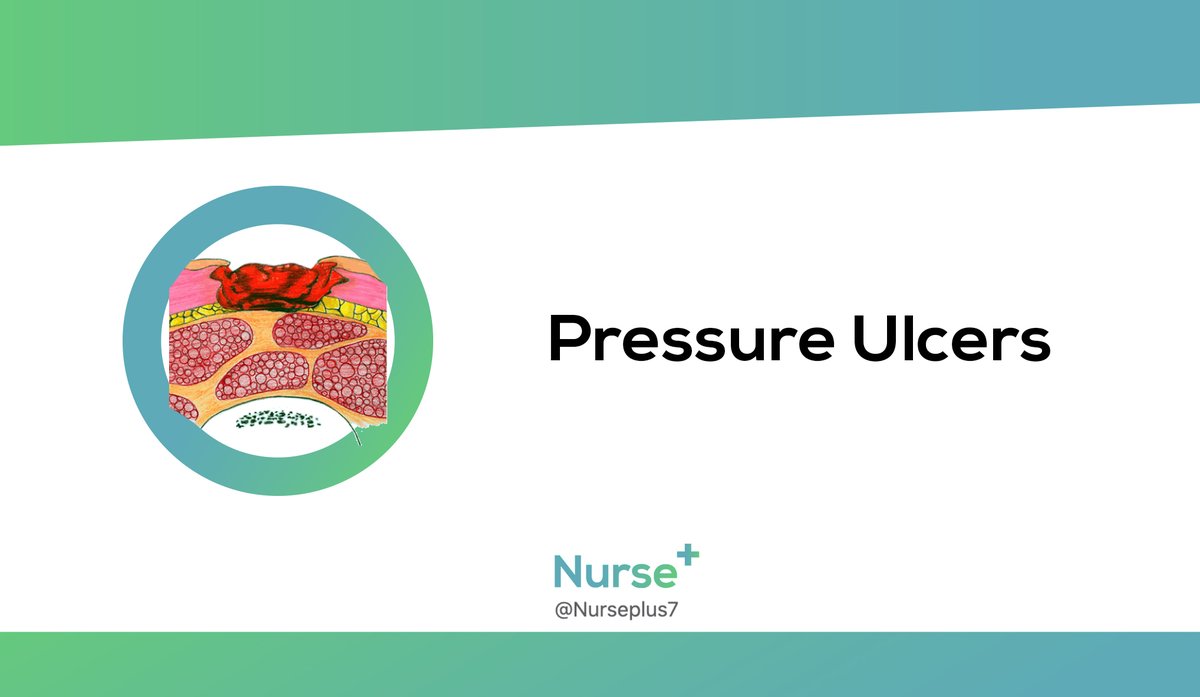
ماهي قرح الفراش وكيف تحدث ؟
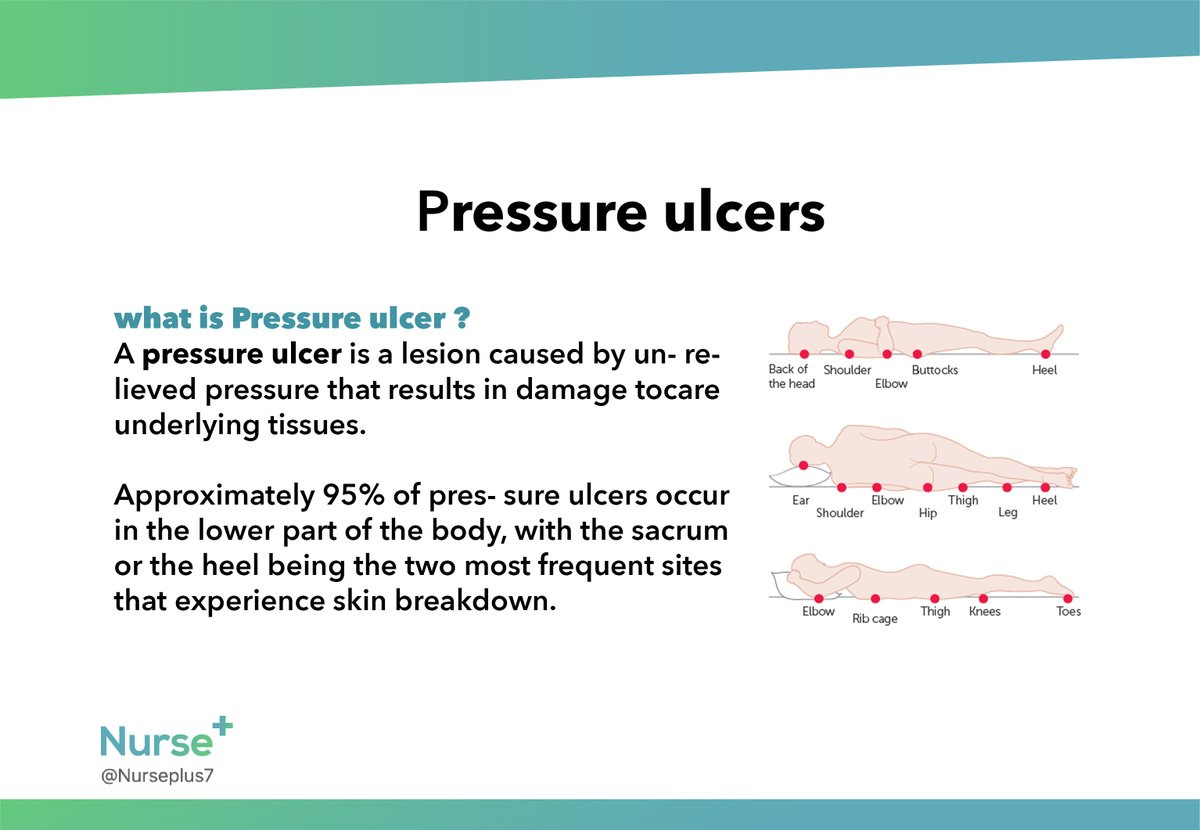
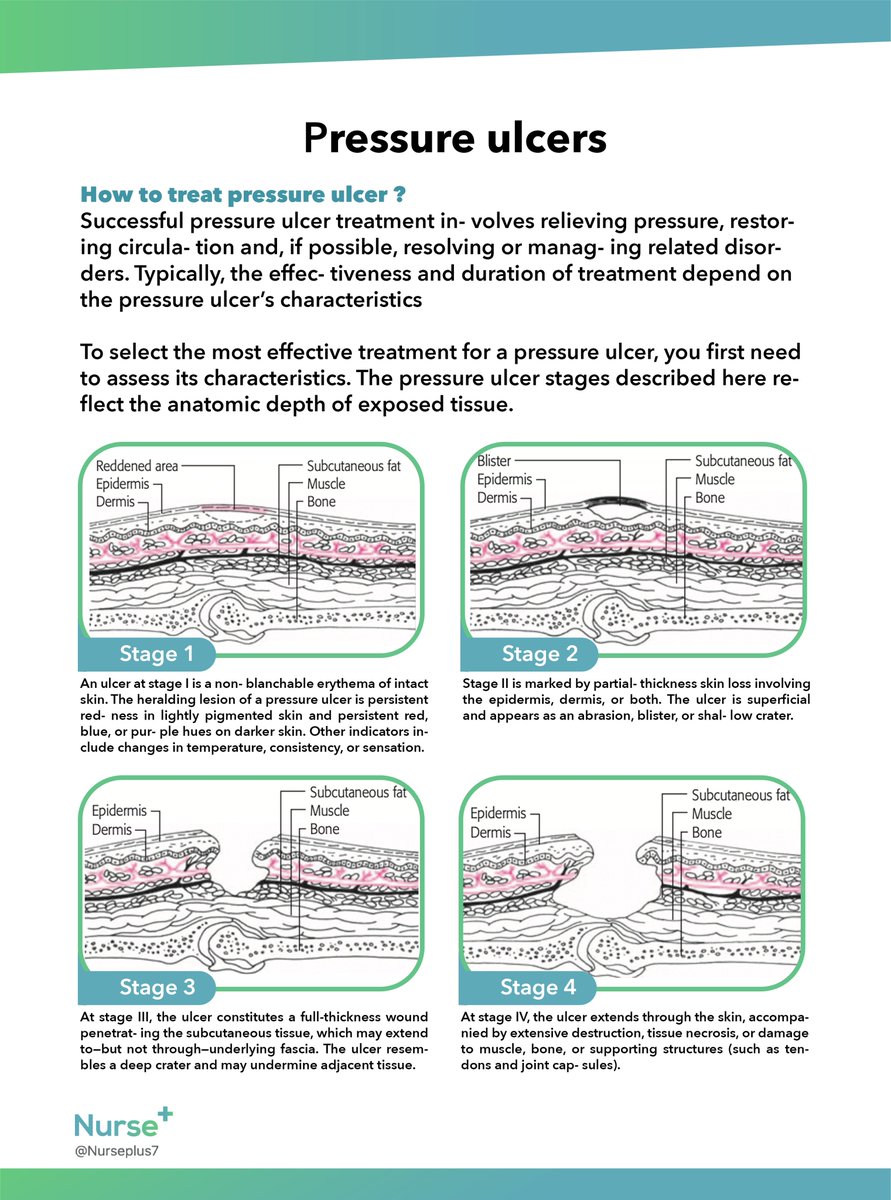
لابد أن نعلم أن الوقاية من تقرحات الفراش هو تخفيف الضغط عن الأماكن التي قد يحدث فيها ضغط مستمر مثل الصورة التي في التغريدة السابقة ، لكن ماذا لو حدثت التقرحات ؟ كيف نقوم بعلاجها ؟ لابد أن نعرف أولا في أي مرحلة هذه القرح الفراشية حتى يتم علاجها
يتم علاج التقرحات بناء على المرحلة التي وصلت لها التقرحات و لابد من كل ممرض أن يعرف كيفية تقييم مراحل التقرحات السريرية ، لتفاصيل أنظر للصورة :
للوقاية من التقرحات الفراشية لابد من تغيير وضعيات bedredin patient كل ساعتين أو على حسب البوليسي للقسم أو المستشفى وإذا كان هنالك تقرحات يجب العناية بها و هنالك كريمات موضعية يتم وضعها على هذه التقرحات الفراشية لعلاجها
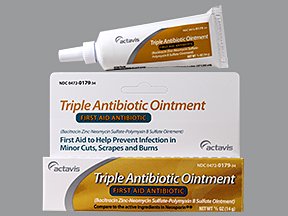
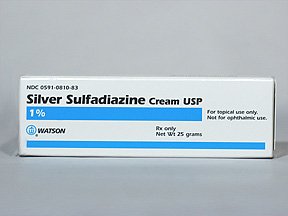
Antibiotics : Silver sulfadiazine, triple antibiotics
Nursing considerations : Consider a 2-week trial of topical antibiotics for clean or exu- dated pressure ulcers that aren’t responding to moist-wound healing therapy.
Nursing considerations : Consider a 2-week trial of topical antibiotics for clean or exu- dated pressure ulcers that aren’t responding to moist-wound healing therapy.
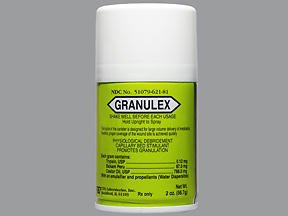
Circulatory stimulants : Granulex, Proderm
Nursing considerations : Use these agents to promote blood flow. Both contain bal- sam of Peru and castor oil, but Granulex also contains trypsin, an enzyme that facilitates debridement.
Nursing considerations : Use these agents to promote blood flow. Both contain bal- sam of Peru and castor oil, but Granulex also contains trypsin, an enzyme that facilitates debridement.
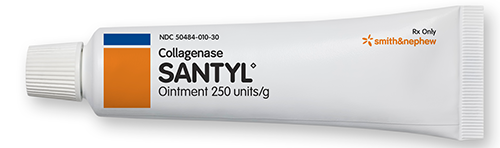
Collagenase (Santyl) .
Nursing considerations : Apply collagenase in thin layers after cleaning the wound with normal saline solution.
Nursing considerations : Apply collagenase in thin layers after cleaning the wound with normal saline solution.
Isotonic solutions ( Normal saline ) .
Nursing considerations: This agent moisturizes tissue without injuring cells.
Nursing considerations: This agent moisturizes tissue without injuring cells.
بعد ذلك يجب علينا عمل dressing وتغطية التقرحات وهنالك عدة انواع لل dressing ، ولاختيار الأنسب يجب علينا ان نختار بناء على :
- What does the wound need ? oes it need to be drained, protected, or kept moist ?
- What does the dressing do?
- the efficiency of dressing to absorb -
- What does the wound need ? oes it need to be drained, protected, or kept moist ?
- What does the dressing do?
- the efficiency of dressing to absorb -
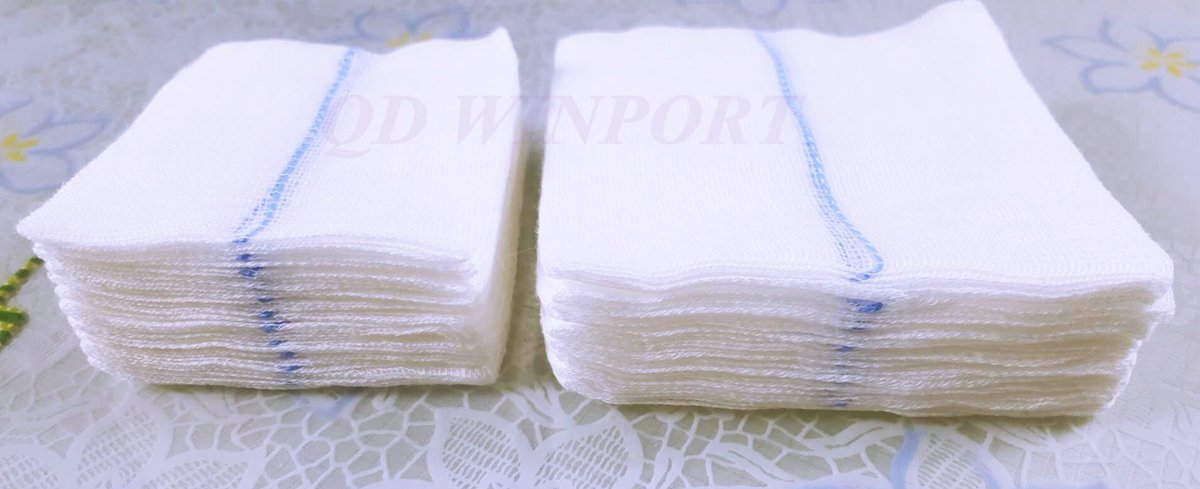
Gauze dressings :
Made of absorptive cotton , permeable to water, water vapor, and oxygen . When uncertain about which dressing to use, you may apply a gauze dressing moistened in normal saline solution until a wound specialist recom- mends definitive treatment.
Made of absorptive cotton , permeable to water, water vapor, and oxygen . When uncertain about which dressing to use, you may apply a gauze dressing moistened in normal saline solution until a wound specialist recom- mends definitive treatment.
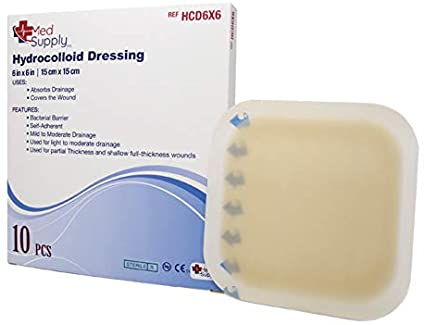
Hydrocolloid dressings :
Hydrocolloid dressings are adhesive, moldable wafers made of a carbohydrate- based material and usually have water- proof backings. They’re impermeable to oxygen, water, and water vapor, and most have some absorptive properties.
Hydrocolloid dressings are adhesive, moldable wafers made of a carbohydrate- based material and usually have water- proof backings. They’re impermeable to oxygen, water, and water vapor, and most have some absorptive properties.
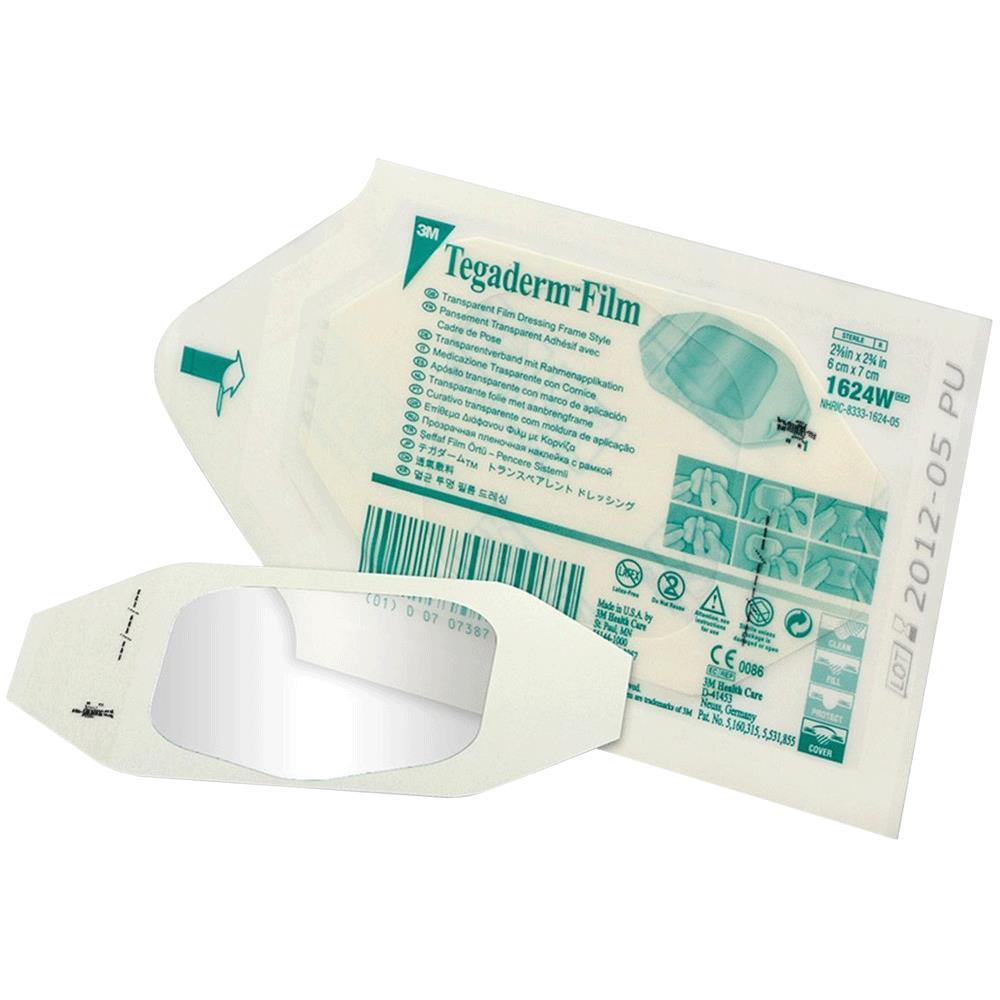
Transparent film dressings : Clear, adherent, and nonabsorptive, trans-parent film dressings are polymer-based dressings permeable to oxygen and water vapor but not to water. Because they can’t absorb drainage , used on partial-thickness wounds with minimal exudate.
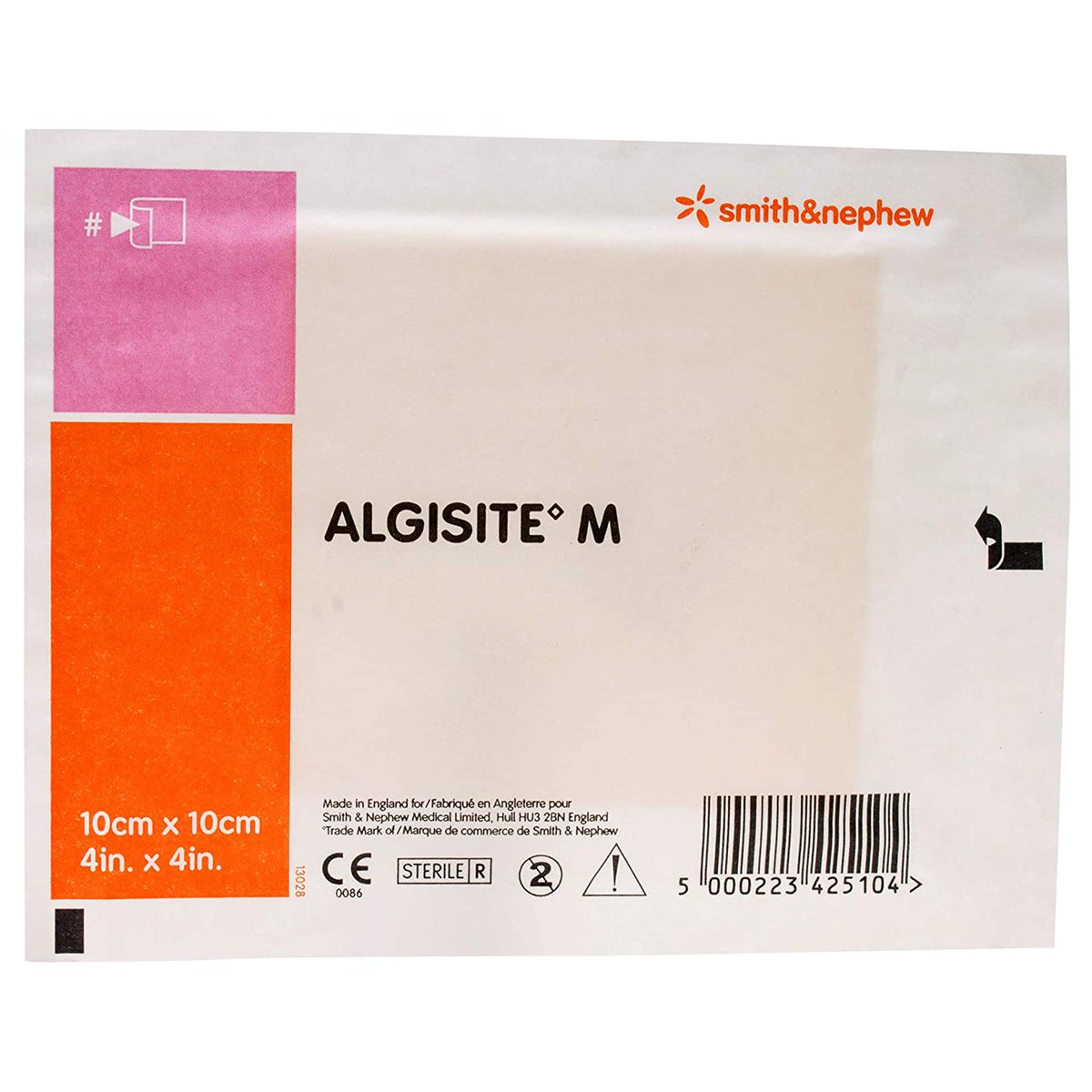
Alginate dressings : absorptive dressings available as soft, white sterile pads or ropes. They absorb excessive exudate and may be used on infected wounds. As these dressings absorb exudate, they turn into a gel that keeps the wound bed moist and promotes healing.
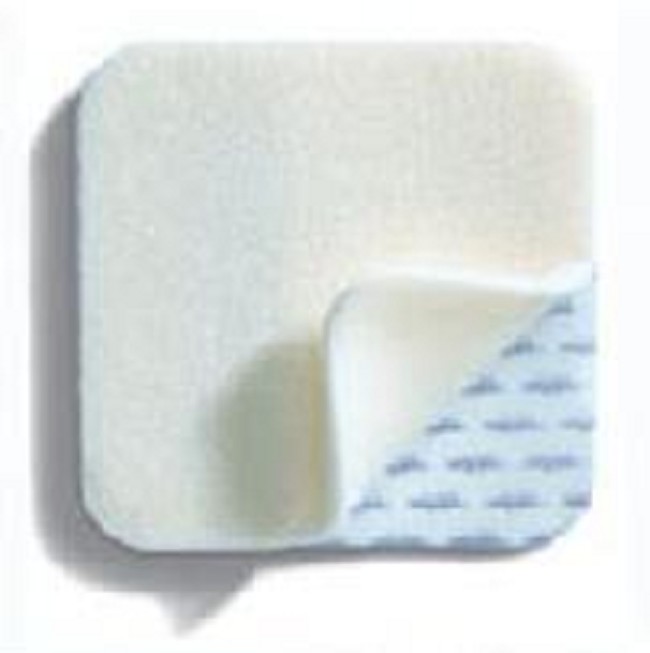
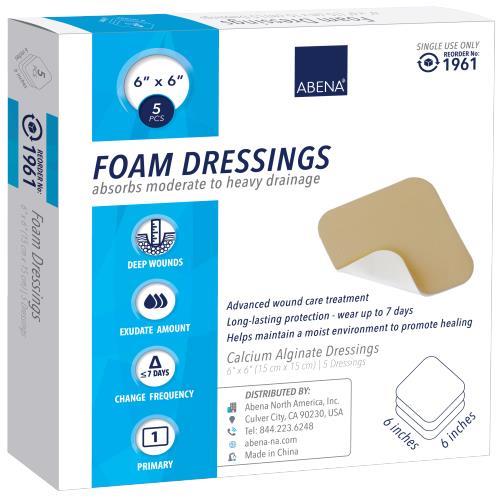
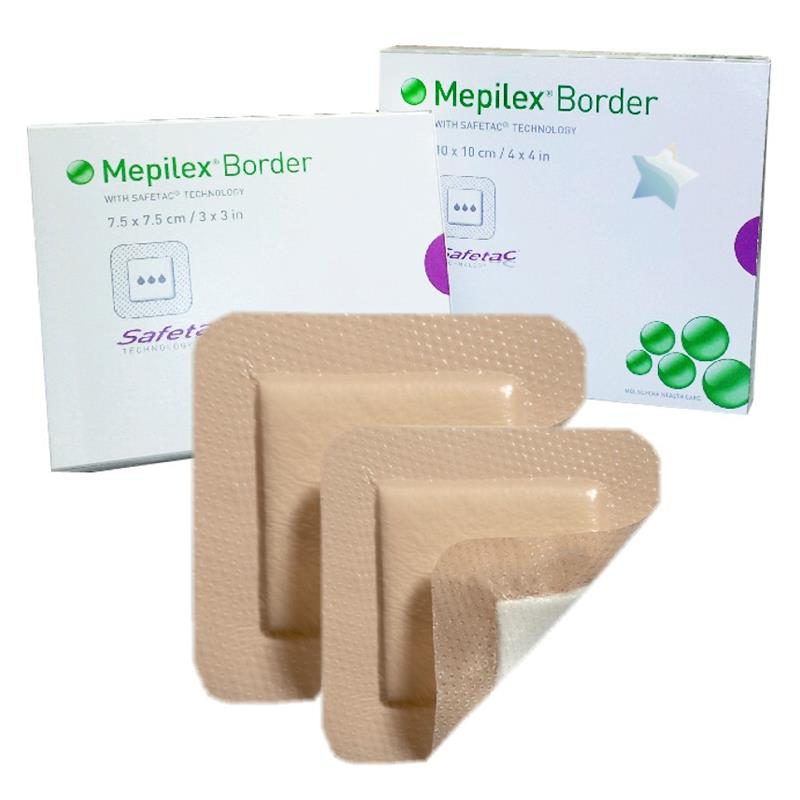
Foam dressings : Foam dressings are spongelike polymer dressings that may be impregnated or coated with other materials. Somewhat absorptive, they may be adherent. These dressings promote moist wound healing and are useful when a nonadherent sur- face is desired.
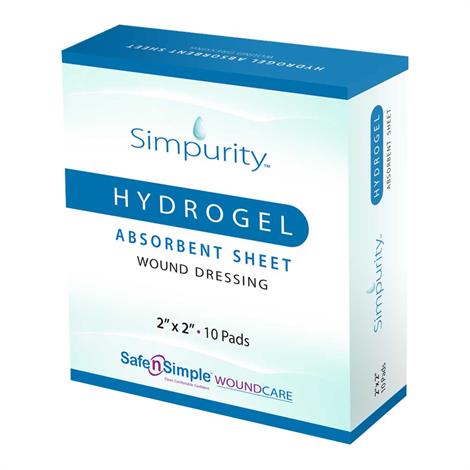
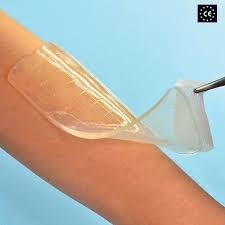
Hydrogel dressings : Water-based and nonadherent, hydrogel dressings are polymer-based and have some absorptive properties. They’re avail- able as a gel in a tube, as flexible sheets, and as saturated gauze packing strips. They may have a cooling effect, which eases pain.
Loading suggestions...