

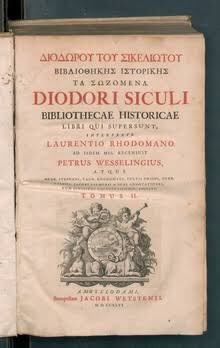
#Thread on what Greek historian Diodorus Siculus in 100 BCE wrote in Bibliotheca Historica,Book XVII, Chapter LXXXIV, about treachery of Alexander, the [Un] Great (356-323 BCE) ,
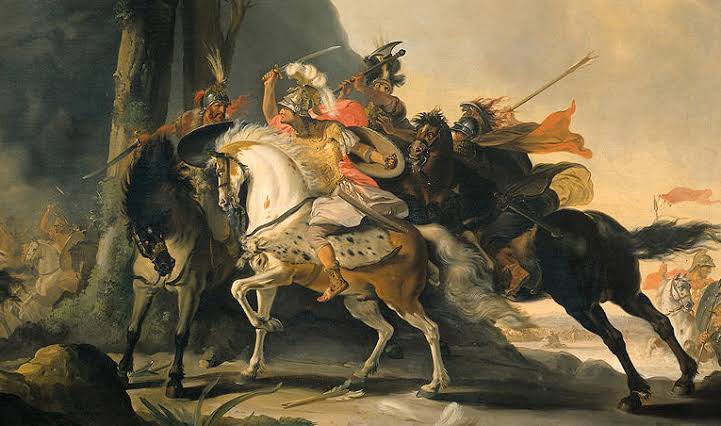
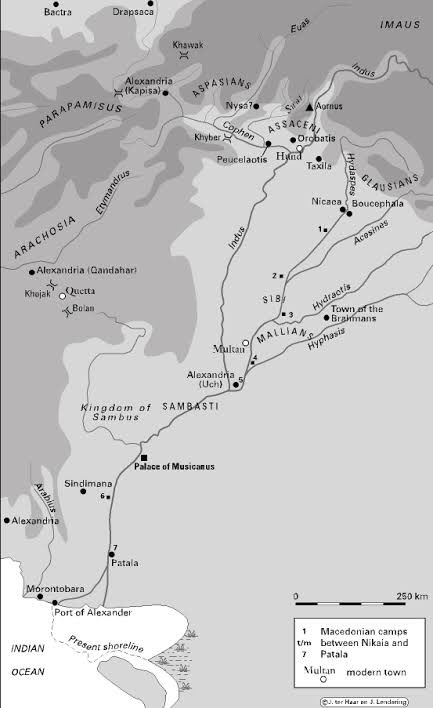
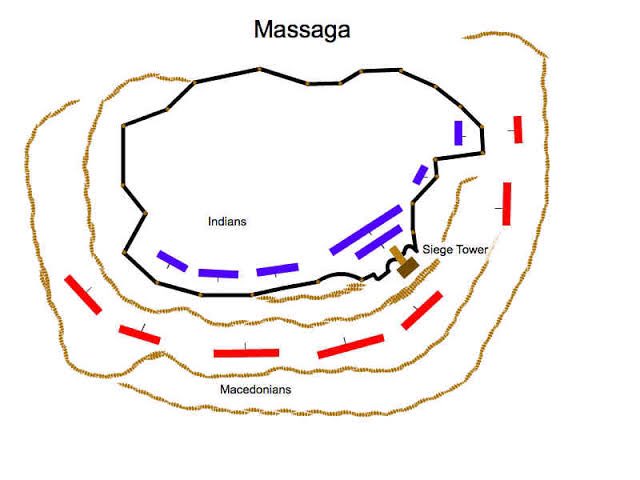
.. at Massaga (the fortified city of Ashavakas where independent and fierce natives of Swat and Buner valleys in modern-day Pakistan stayed, addressed as mercenaries/barbarians by Greek historians) and also praised valour of Indian warrior women of those regions :-
“When the capitulation on those terms had been ratified by oaths, the Queen [of Massaga, Kripa, mentioned as Cleophis in Greek account], to show her admiration of Alexander’s magnanimity,..
.. sent out to him most valuable presents, with an intimation that she would fulfil all the stipulations.
Then the mercenaries at once, in accordance with the terms of the agreement, evacuated the city, and after retiring to a distance of eighty stadia, pitched their camp unmolested without thought of what was to happen.
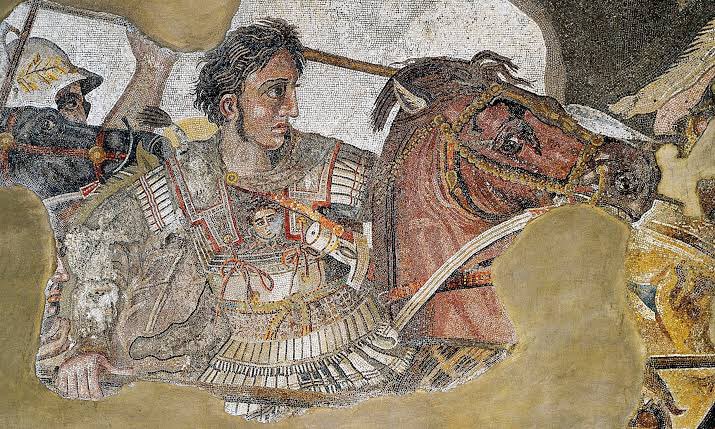
But Alexander, who was actuated by an implacable enmity against the mercenaries, and had kept his troops under arms ready for action, pursued the barbarians, and falling suddenly upon them, made a great slaughter of their ranks.
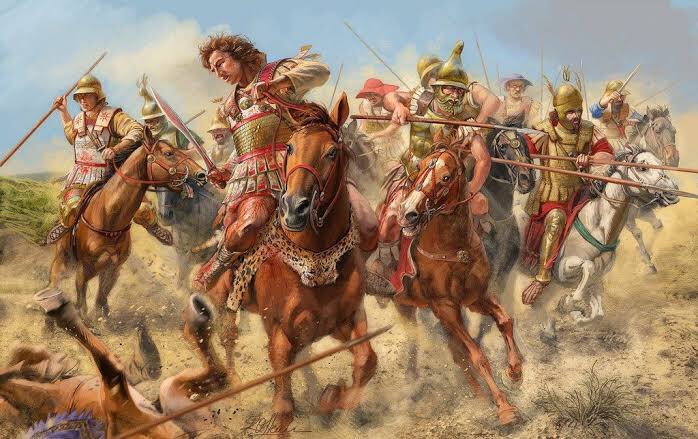
The barbarians at first loudly protested that they were attacked in violation of sworn obligations, and invoked the gods whom he had desecrated by taking false oaths in their name.
But Alexander with loud voice retorted that his covenant merely bound him to let them depart from the city, and was by no means a league of perpetual amity between them and the Macedonians.
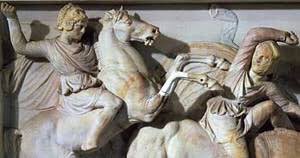
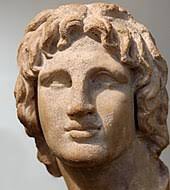
The mercenaries, undismayed by the greatness of their danger, drew their ranks together in the form of a ring, within which they placed the women and children to guard them on all sides against their assailants.
As they were now desperate, and by their audacity and feats of valour made the conflict in which they closed hot work for the enemy, while the Macedonians held it a point of honour not to be outdone..
.. in courage by a horde of barbarians, great was the astonishment and alarm which the peril of the crisis created.
For as the combatants were locked together fighting hand to hand, death and wounds were dealt round in every variety of form. Thus the Macedonians, when once their long spikes had shattered the shields of the barbarians, pierced their vitals with the steel points of..
.. these weapons, and on the other hand the mercenaries never hurled their javelins without deadly effect against the near mark presented by the dense ranks of the enemy.
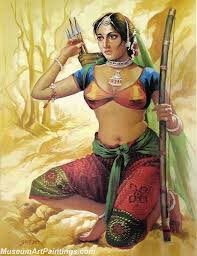
When many were thus wounded and not a few killed, the women, taking the arms of the fallen, fought side by side with the men for the imminence of the danger and the great interests at stake forced them to do violence to their nature, and to take an active part in the defence.
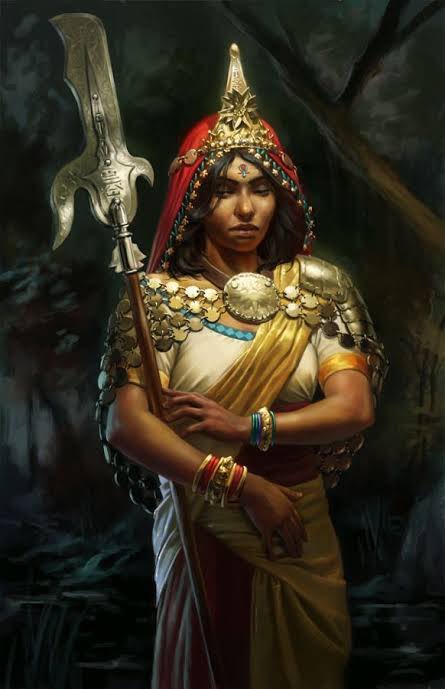
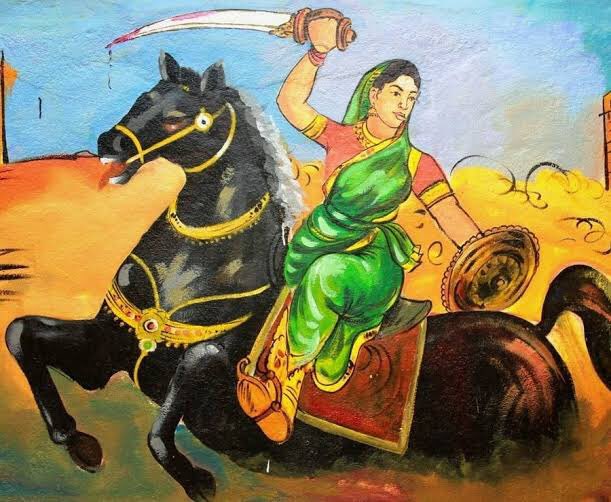
Accordingly some of them who had supplied themselves with arms, did their best to cover their husbands with their shields, while others who were without arms did much to impede the enemy by flinging themselves upon them and catching hold of their shields.

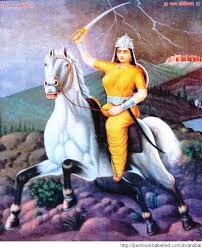
The defenders, however, after fighting desperately along with their wives, were at last overpowered by superior numbers, and met a glorious death which they would have disdained to exchange for a life with dishonour.
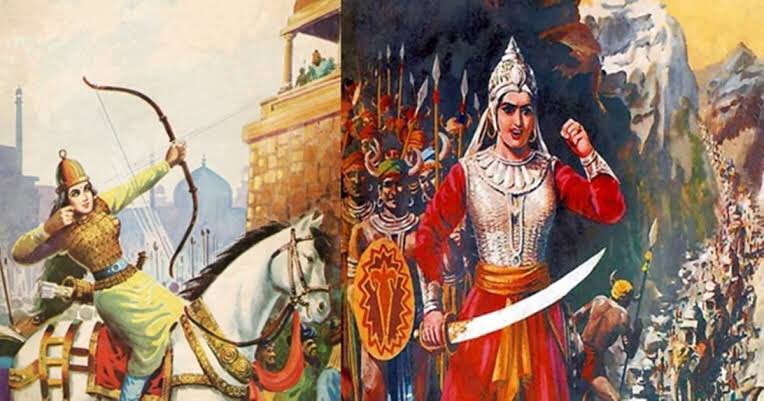
Alexander spared the unwarlike and unarmed multitude, as well as the women that still survived, but took them away under charge of the cavalry.”
If this is the greatness of Alexander, then who is Chattrapati Shivaji Maharaj ???
2)Bibliotheca Historica,Book XVII, Chapter LXXXIV, translated in The Classical Accounts of India, R.C. Majumdar, Firma K.L. Mukhopadhyaya, Calcutta, 1960 and Ancient India as described in Classical Literature,..
John W. McCrindle, First Indian ed. 1979 (rpt. 1901- Westminster), Oriental Books Reprint Corporation, New Delhi.
Loading suggestions...