

1/ Before the world ends, I must finish my series "RAIL TRANSIT TERMINOLOGY". So, here is another episode:
"LIGHT RAIL TRANSIT" or LRT, a special North American typology of rail transit terminology that is, in reality, many things at a time.
"LIGHT RAIL TRANSIT" or LRT, a special North American typology of rail transit terminology that is, in reality, many things at a time.
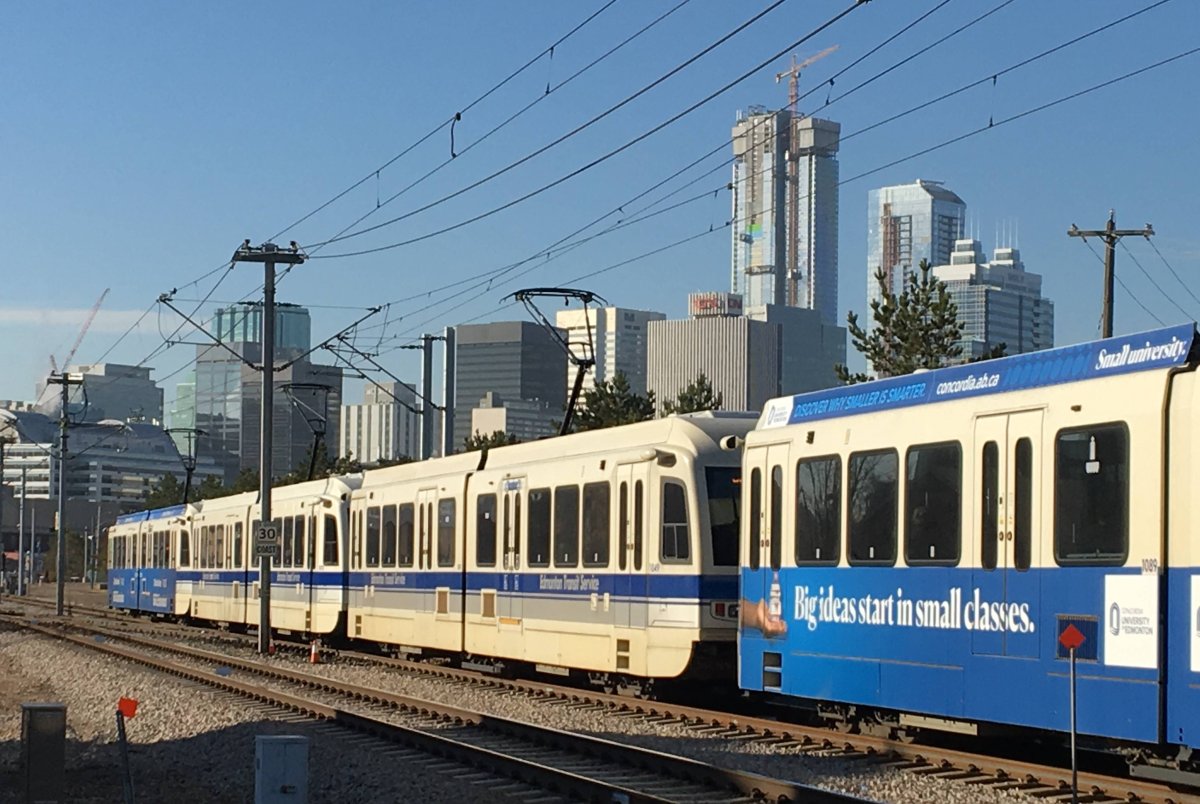
2/ A short recap, that most of you already know. LRT came to the US via Canada as an adaptation of the Stadtbahn or pre-metro model, that is, a rail system that uses tramway technology in a range of reserved-to-segregated alignements to improve speed, capacity and reliability
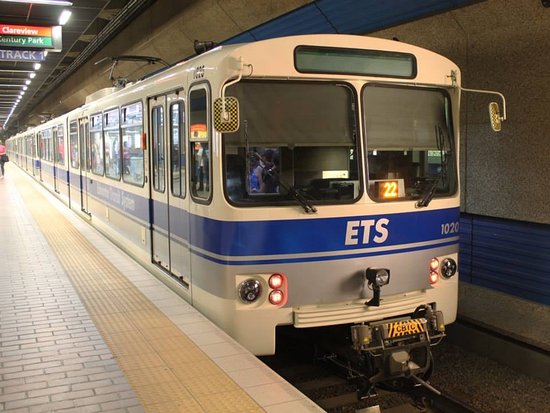
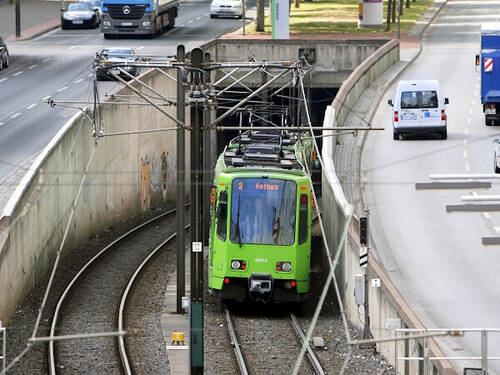
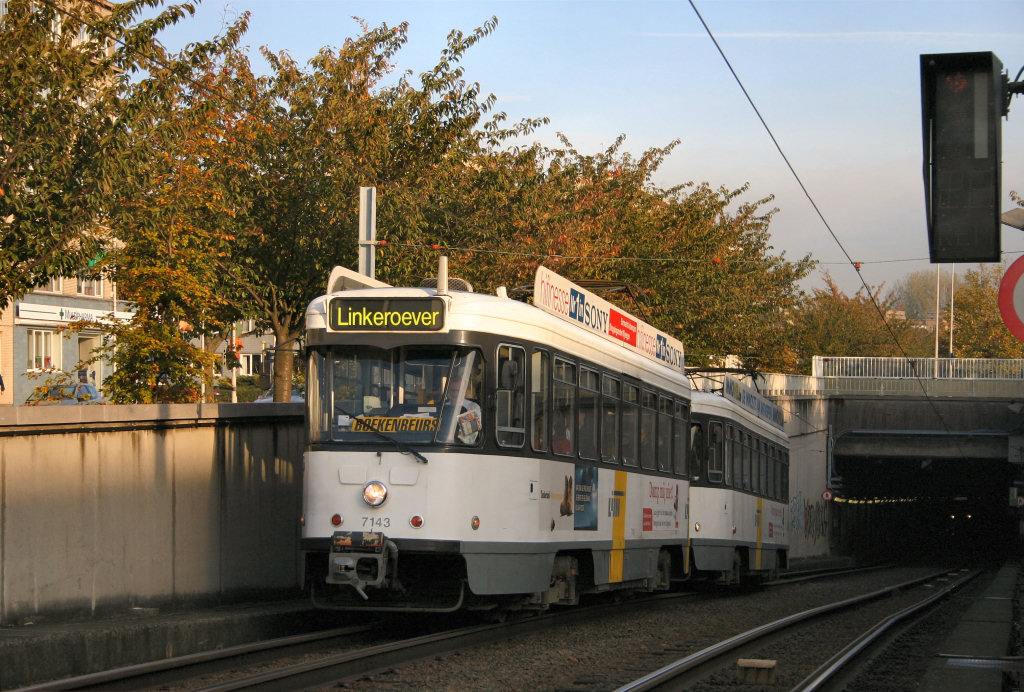
3/The German or Belgian model are different though. There, Stadtbahn/Pre-metro systems were developed out of existing tramway networks in the postwar years, mostly coupling new city-center tunnels with existing reserved RoWs (boulevard medians or out-of-street) in outlying areas
4/ In Canada and the US, LRTs were developed from scratch starting from the 1980s. And Boston, Philly, San Francisco? Well, even if they are called LRTs, I think it create less ambiguities to classify them as subway-surface, as they have a different, quite unique story & features
5/ Modern North-American LRTs, even if they use tramway like trainsets, both high-floor in the older generation and low floor in the new ones, have alignements and service patterns that go from regional rail to subway to quasi M-E-T ->
6/ One of the main features that make LRTs different both from European M-E-T and, in part, from Stadtbahn is rolling stock size, that tends to be much longer, often with couples trainsets, reflecting the NA preference to satisfy demand with train capacity rather than frequency
7/ For example, European M-E-T have commonly 30-42m long platform (able to accomodate a single articulated tramway of 5 to 7 elements), while many North American examples are much longer, with platforms being > 80m to accomodate 2 or even 3 coupled train sets.
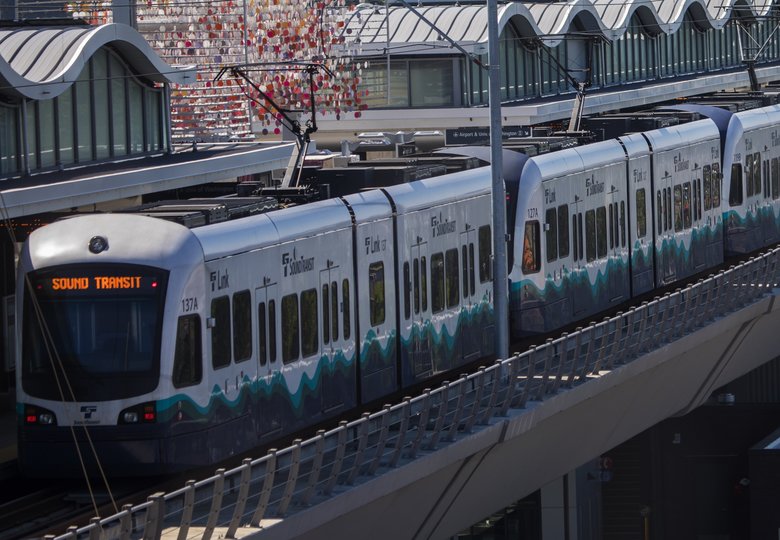
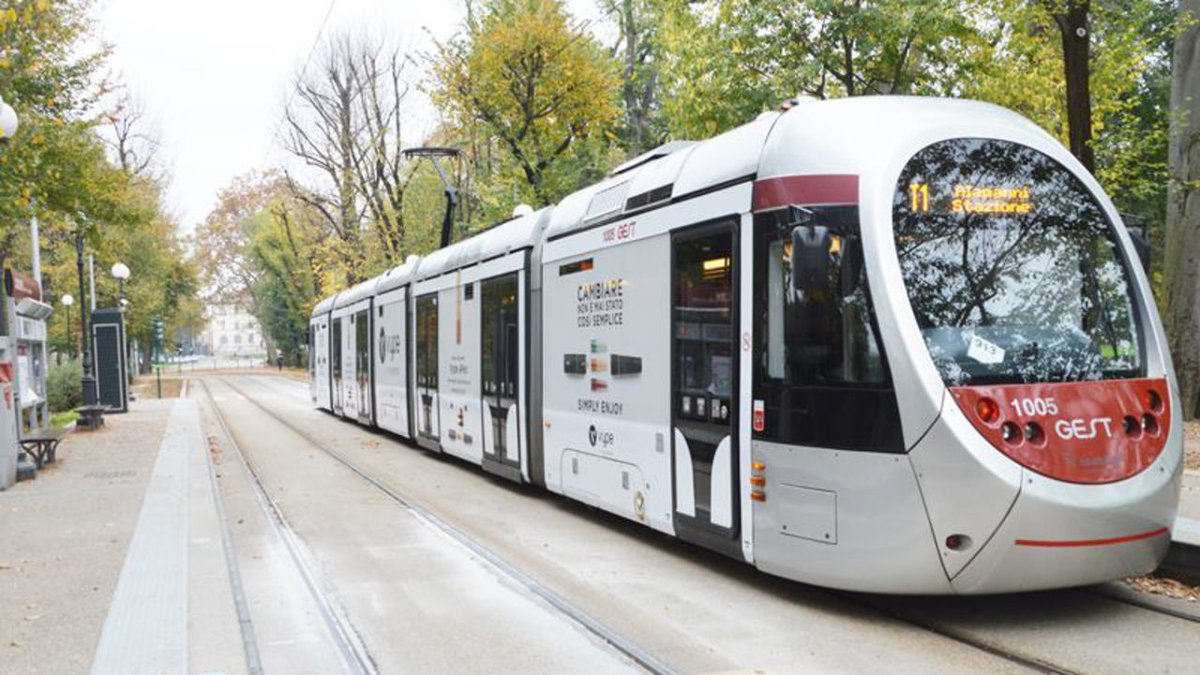
8/ In terms of urban insertion, LRTs cover a large spectrum. On one side, systems like Phoenix or Houston have an almost M-E-T-like alignement, all at grade in reserved street medians with limited to no grade separation. Average stop spacing is much longer though , at > 1km
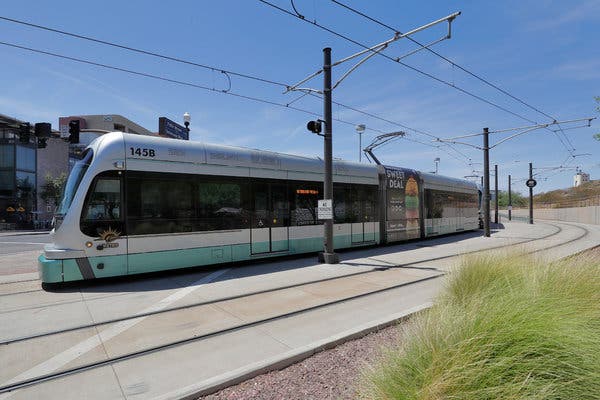
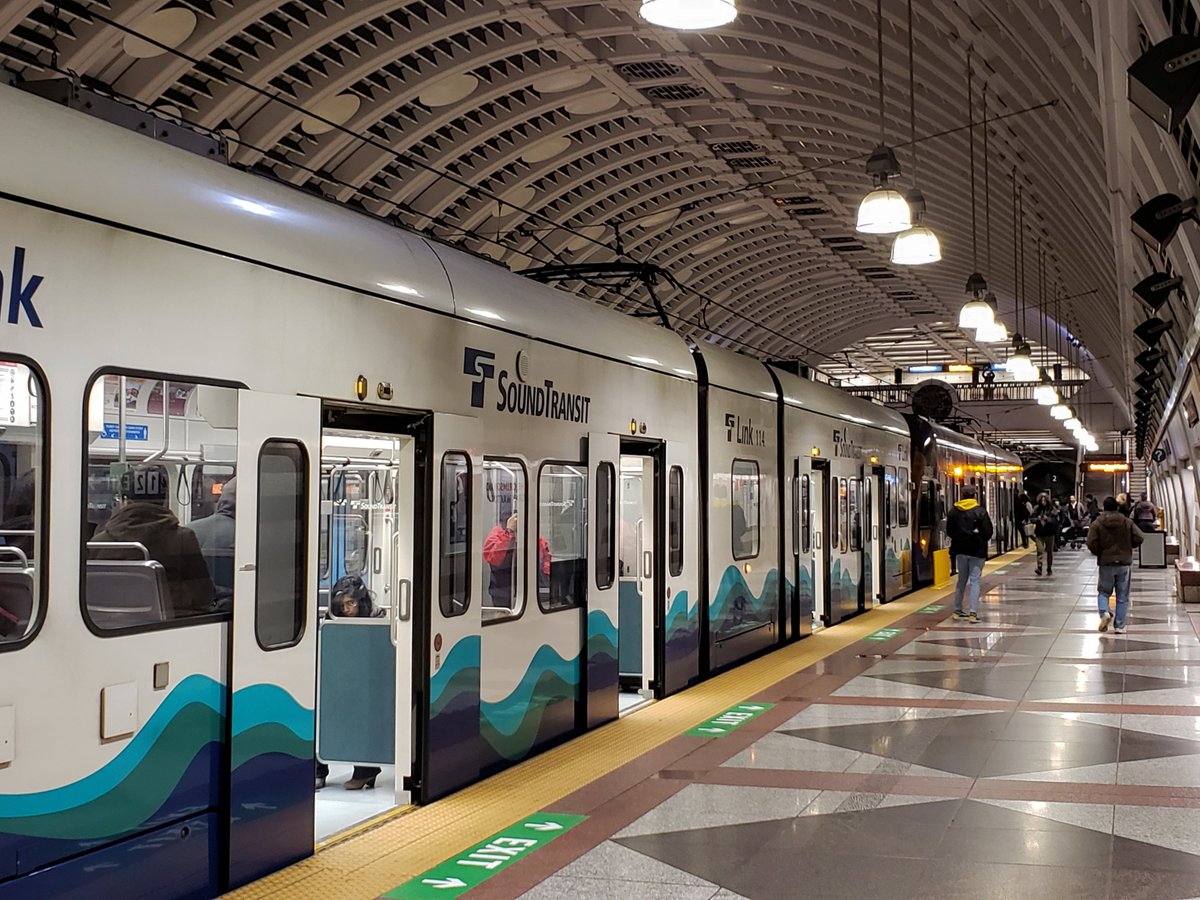
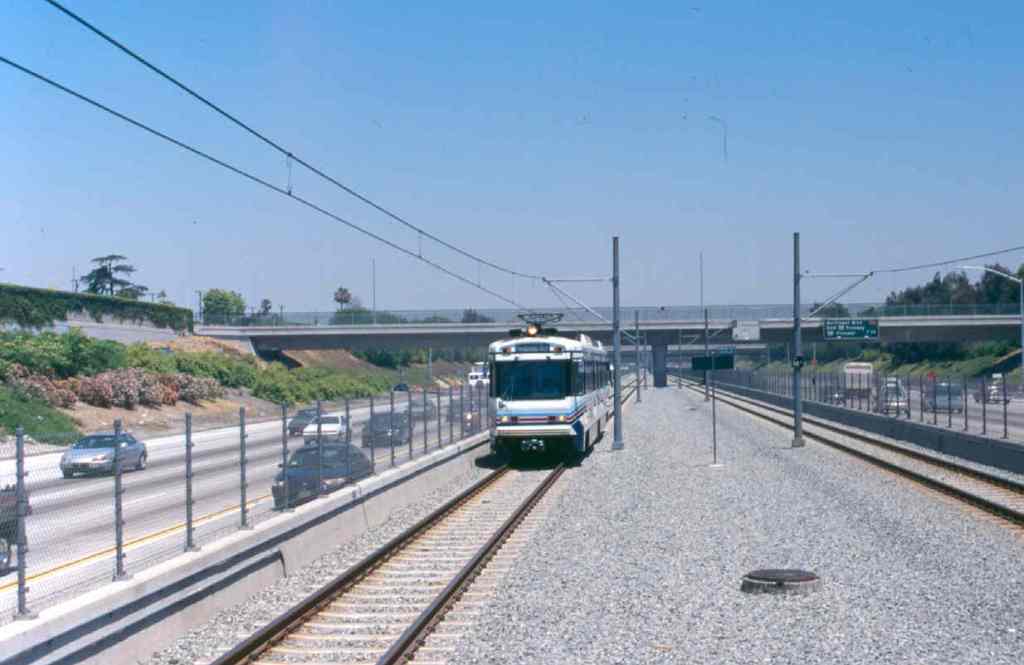
9/ On the opposite side, Seattle, Edmonton and LA Green Line have a quasi-metro alignement, with heavy infrastructures for complete grade separation, in tunnel, elevated guideway, railway RoW and, an infamous specialty of NA, freeway median, with large, metro-like stations.
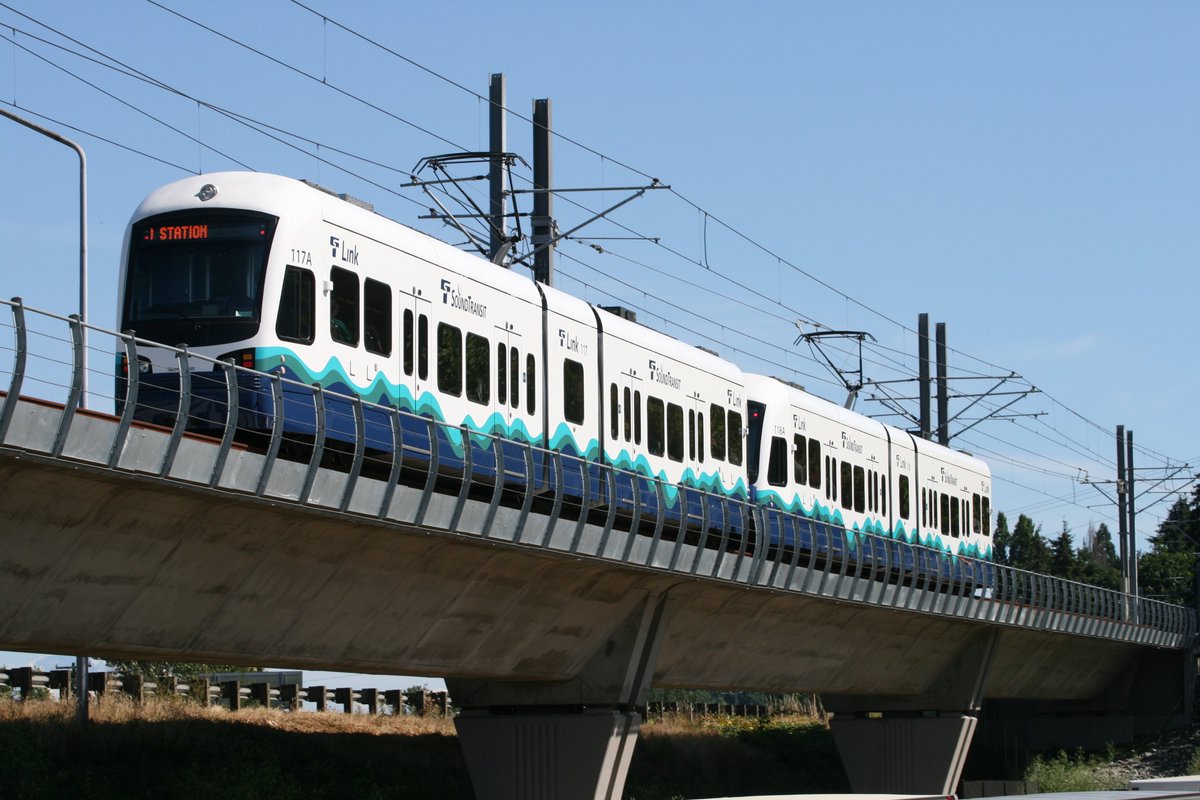
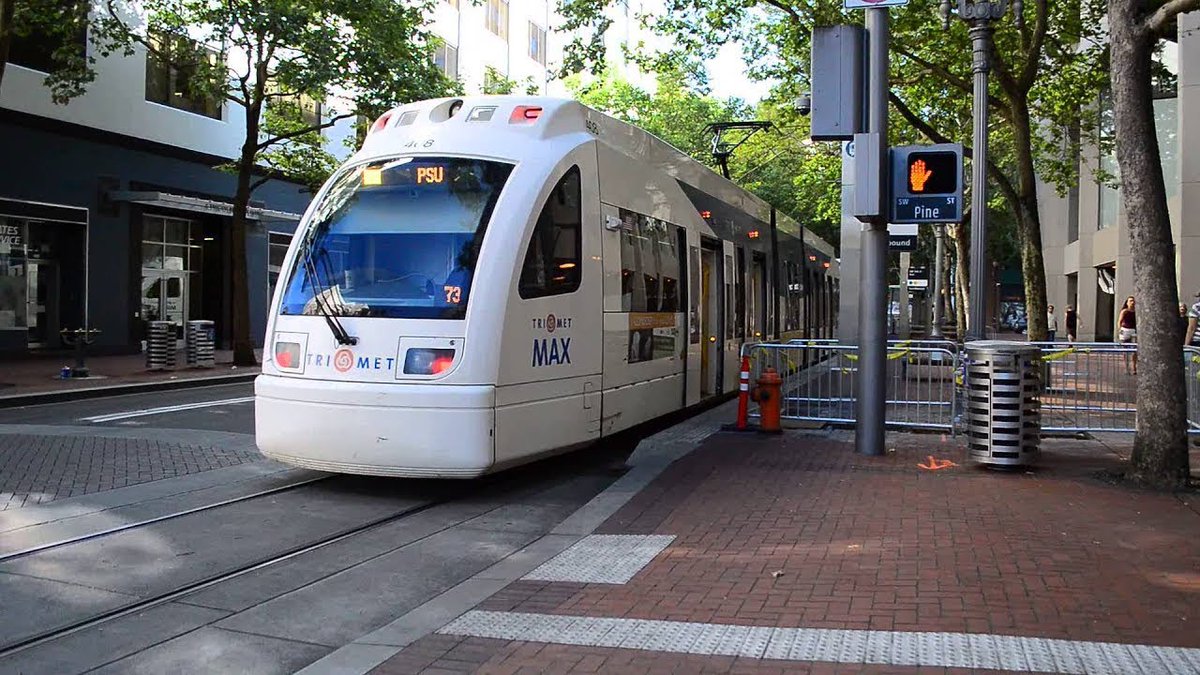
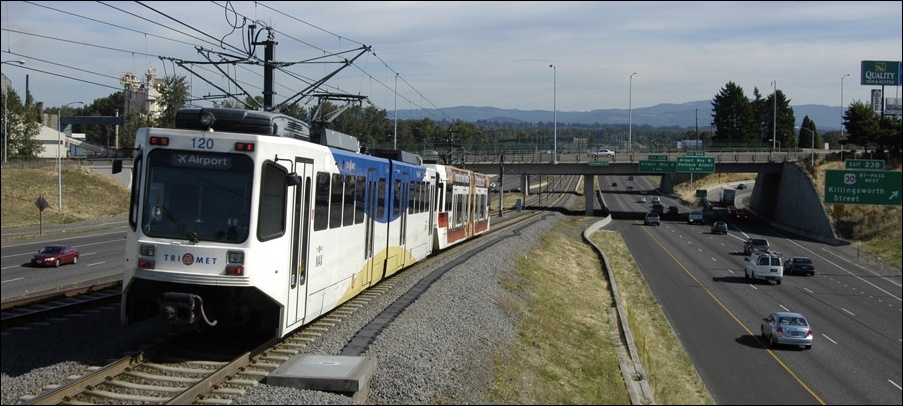
10/ In between there are a number of "hybrid" systems with a mix of street-running on reserved medians and in pedestrian malls, downtown tunnels (but even suburban ones), targeted grade-separation in specific intersections, former rail, etc.
11/ Those choices in the quality of alignement reflect the overstretching the LRT technology has been subject in NA transit planning, as they are used to do the job of a local transit but also the backbone of an entire region, with lines going deep into the suburbs for miles
12/ For comparison, LA Gold line will be 70 km when finished, stretching some 50km East from downtown. The N-S LRT spine in Seattle will be almost 90km. That is a distance even longer than the average S-Bahn system in Europe, while a Stadtbahn ine is rarely more than 15-20km
13/ The question is if such a technology can be both good at funnelling rapidly distant commuters from the farthest suburb to downtown and crawl in a neighborhood's street to serve local trips. Maybe we are asking this technology too much, to be both fast and cover local demand.
14/ It is easy to understand how LRT brought to planners and politicians the mirage of a cheaper way to provide rail transit in the sprawled West and South American Metros and to the Canadian prairies. But when overstretched too much, the results have honestly been mediocre.
15/Overall, the LRT is not a "bad" concept, but is surely not the silver bullet that will solve all the disparate transportation needs of the (too) vast urban regions of North America. Sure, it has a place in the mix of solutions NA cities can use to address their mobility needs
16/ And this is the previous episode, about interurbans :
@40Potassium Heavy snowfall? Looks nice
@MrsMacquarie @pv_reynolds Well, given average speed, station length and distance is more on the US side, but with better frequency. In general Australian systems are somehow in between as they are in low density cities but with better overall transit
Loading suggestions...