

Remembering the great Polymath King, architecture enthusiast and the Warrior par excellence Maharana Kumbha on his Birthday anniversary.
He defeated combined armies of Sultan of Gujarat & Malwa & was the only king who teared down whole of an Islamic Sultanate Nagaur in a Day.
He defeated combined armies of Sultan of Gujarat & Malwa & was the only king who teared down whole of an Islamic Sultanate Nagaur in a Day.
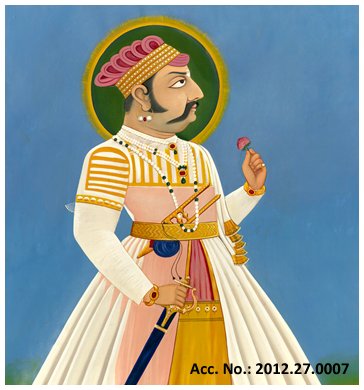
He is only one of the few Kings in Indian history who were not just able warriors but excellent commander, scholar and rajneetigya as well.
Rana Kumbha was a brave Rajput warrior and historians called his era ‘the golden period of Mewar’.
Also acclaimed as 'Sangeet Shiromani',
Rana Kumbha was a brave Rajput warrior and historians called his era ‘the golden period of Mewar’.
Also acclaimed as 'Sangeet Shiromani',
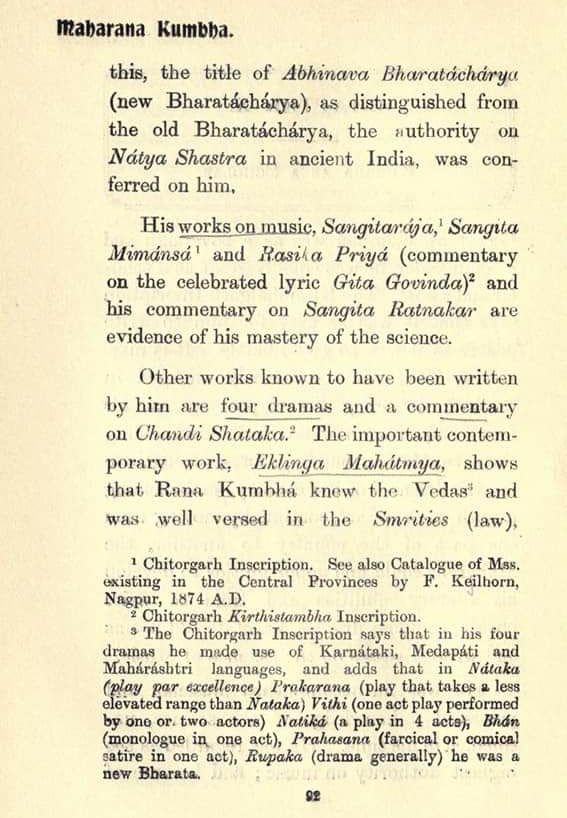
he wrote an outstanding treatise on indian music titled Sangeet-Raj.This magnum opus of the medieval world had over 16000 shlokas. It is considered not only a pioneering and path breaking scholarly work on indian classical music but is often venerated as the fifth Veda.
Rana Kumbha also wrote extensively both on the subject of music and miscellaneous literary commentaries in Sanskrit. Sangeet-Raj, Geet Govind, Rasik-Priya Tika, Mewari Tika, Sur-Prabhand Sangeet Ratnakar Tika are some of the epic works credited to the outstanding ruler.
Maharana Kumbha was given the title of ‘Hindu Surratna’ by the Muslim rulers for his heroic operations.
Rana Kumbha imprisoned Nawa of Malwa for 6 months.
After his release, Nwab was obliged and helped Maharana Kumbha in his war against Sultan of Delhi at Jhunjhunu.
Rana Kumbha imprisoned Nawa of Malwa for 6 months.
After his release, Nwab was obliged and helped Maharana Kumbha in his war against Sultan of Delhi at Jhunjhunu.
In 1467 AD, news reached that sultan of Nagaur was slaughtered Cows, M. Kumbha aggreived at this launched a campaign with 50,000 men towards Nagaur & destroyed the whole sultanate in a day, thereby putting a complete ban on cow slaughter & reconversion of Mosques into temples.
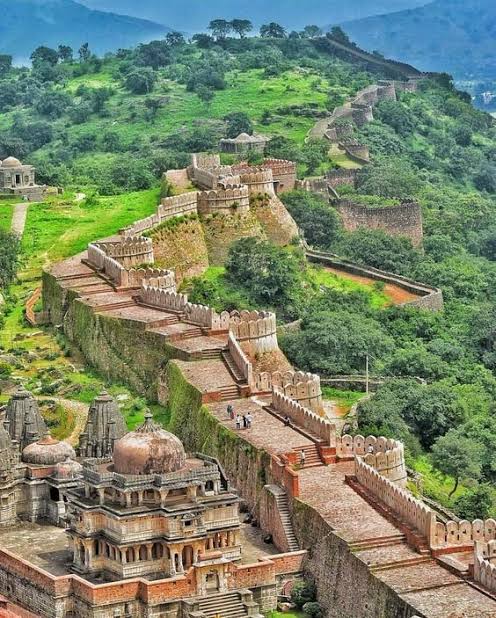
Kumbha is credited with having worked assiduously to build up the state again. Of 84 fortresses that form the defense of Mewar, 32 were erected by Kumbha. The fort with the second longest wall in Asia: Kumbhalgarh, was built by Kumbha. Its also the highest fort in Rajasthan.
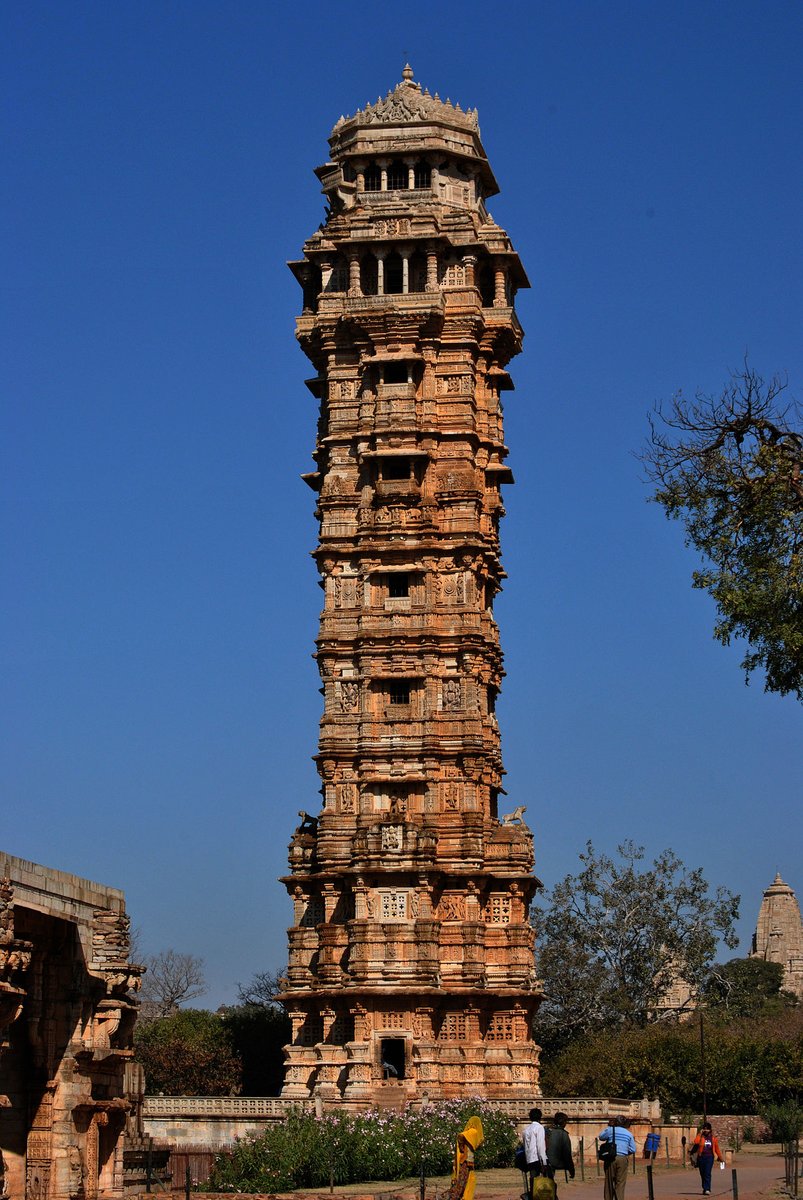
Rana Kumbha commissioned the construction of a 37 metre high, nine-storeyed Vijay Stambh at Chittor in 1458. The tower is covered with sculptures of Hindu gods and goddesses & have inscriptions which tell us that Kumbha saved 12 Lakh Cows in Nagaur after uprooting the sultanate.
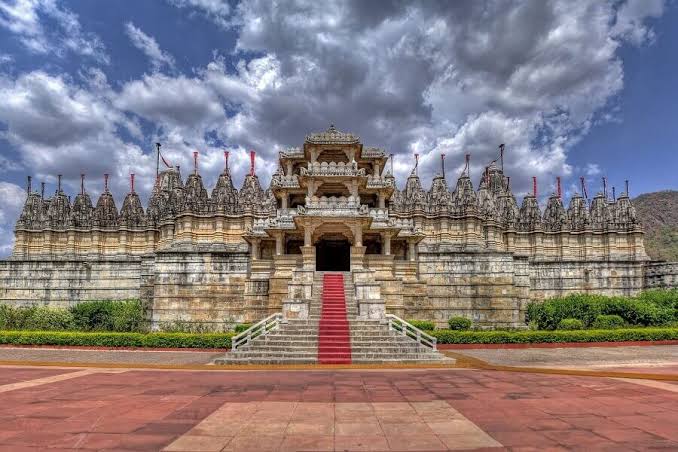
The Ranakpur Trailokya-dipaka Jain temple with its adornments, the Kumbhasvami and Adivarsha temples of Chittor and the Shantinatha Jain temples were also built during Rana Kumbha's rule.
Naman to the great soul 🙏🏻
Naman to the great soul 🙏🏻
Loading suggestions...