

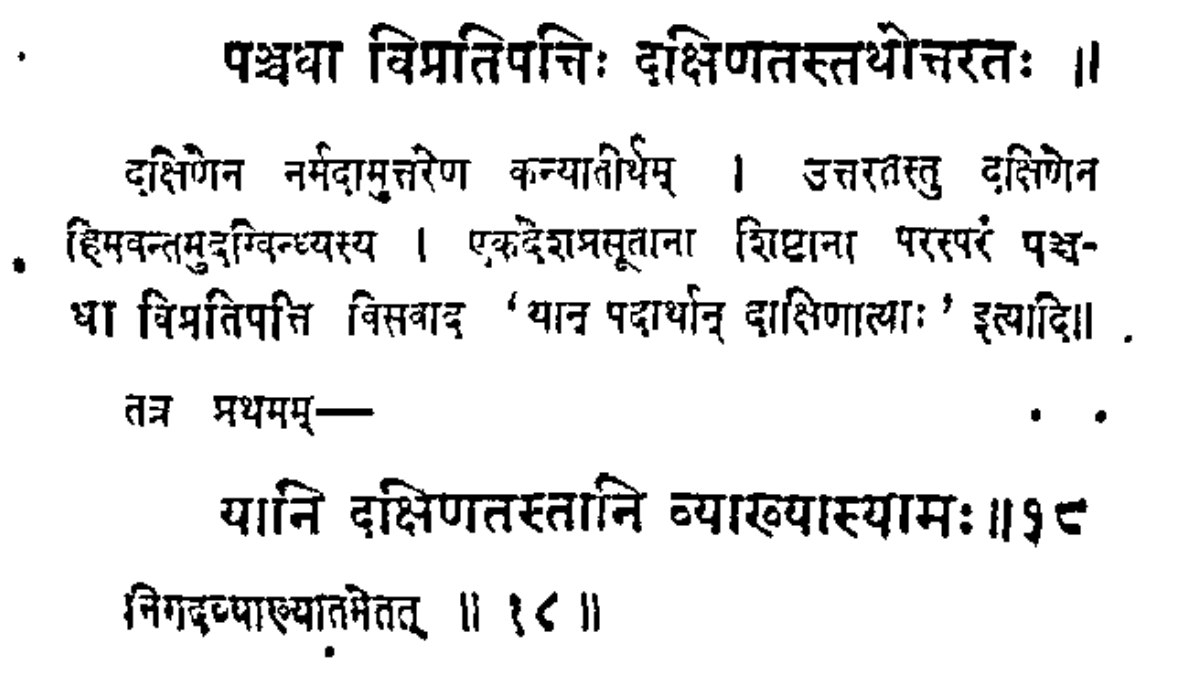
Baudhāyana's Dharmasūtra, dated to the centuries immediately preceding the start of the common era, states five customs that distinguish the South of the subcontinent from the North (conventionally divided by the Vindhya mountain range).
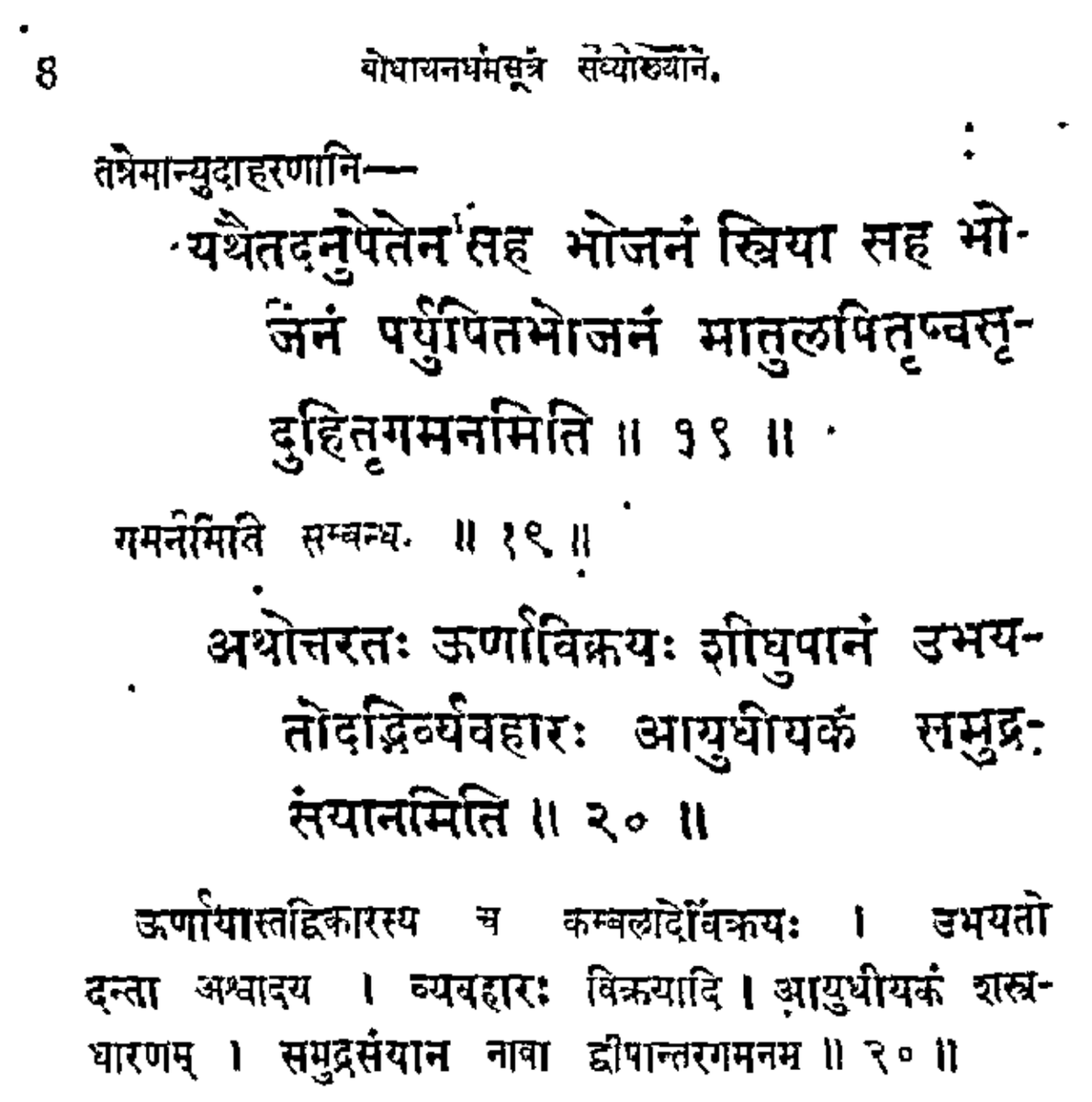
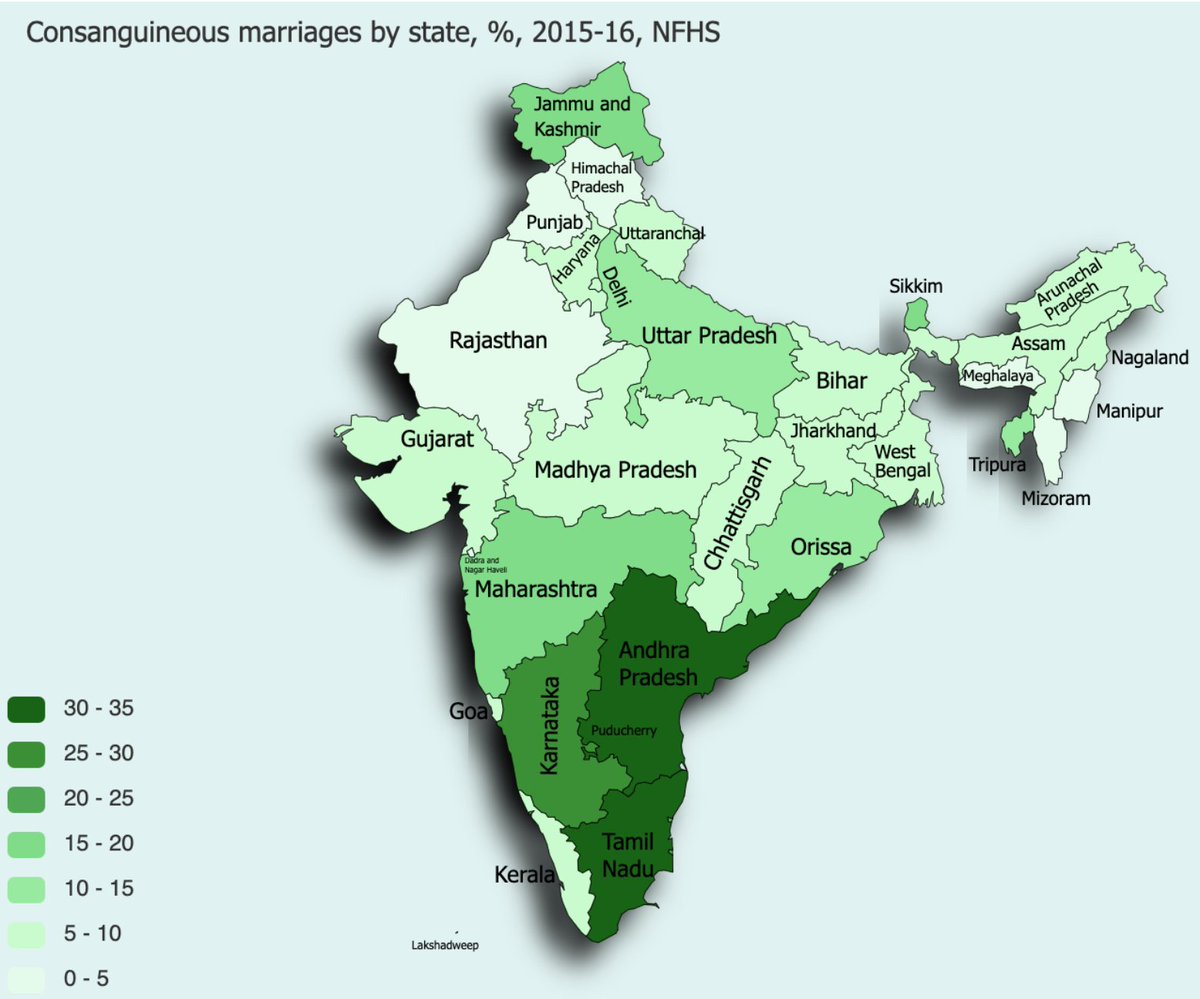
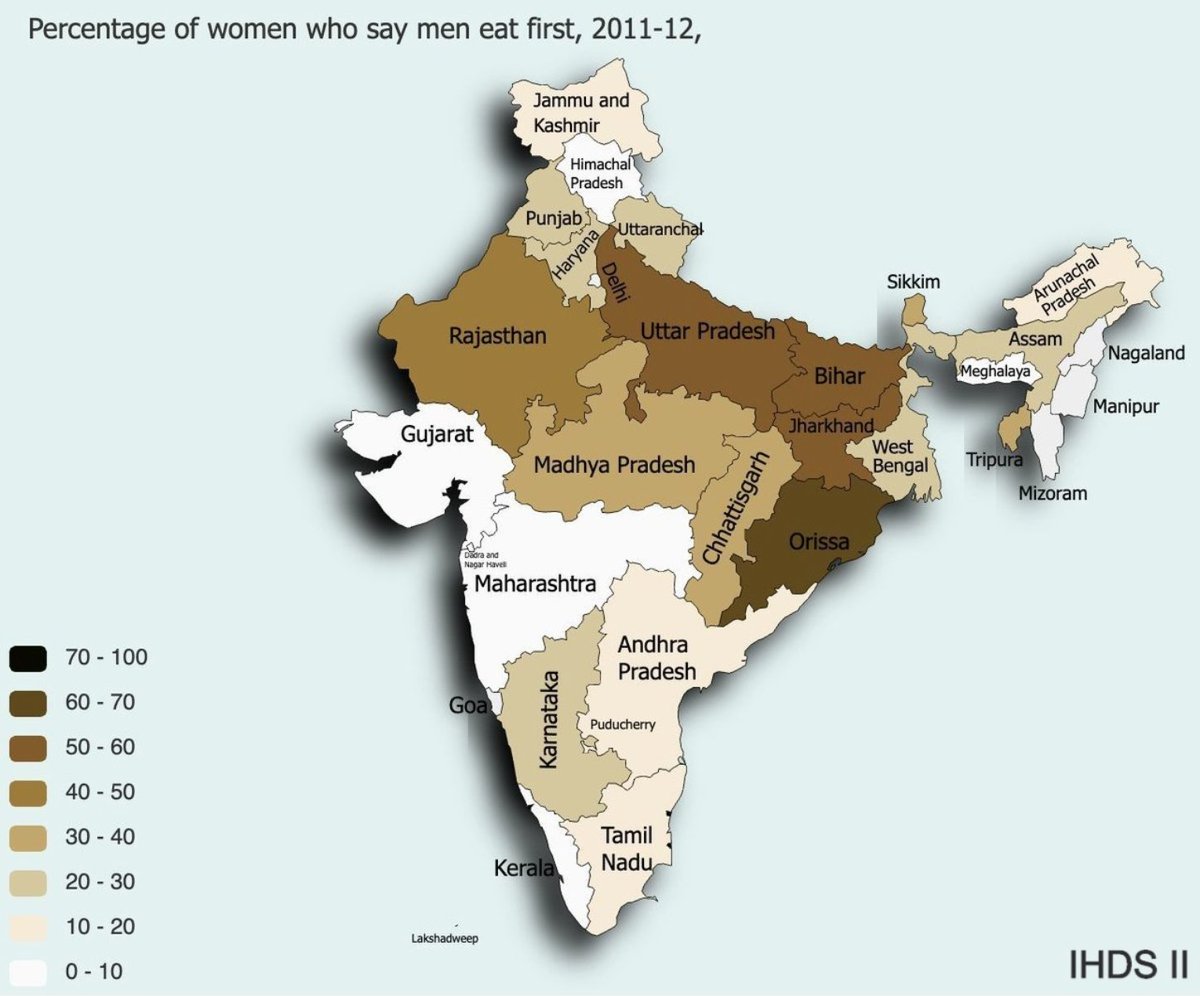
The distinctly Southern customs're stated as - eating in the company of an ’uninitiated' person (i.e. non-savarṇa), eating in the company of a woman, eating leftover food, and the practice of cross-cousin marriage (i.e. with the daughter of a maternal uncle, or a paternal aunt).
I just found curious that these, to varying degrees, may still be relevant to the modern day. Attached are by-state maps from the India Human Development Survey-II (2011-2012), on % of consanguineous marriages, and % of women who report men eating first (i.e. not together).
The Northern customs are distinguished as being - trade in wool, consumption of rum (alcohol made from sugarcane), trade in animals having two rows of teeth (horses etc), making a living as a warrior, and travelling by sea. Not sure what to make of the 'travelling by sea'.
References:
Baudhāyana's Dharmasūtra - archive.org
IHDS-II - icpsr.umich.edu
Maps were from @_alice_evans' article on a related topic - draliceevans.com
Baudhāyana's Dharmasūtra - archive.org
IHDS-II - icpsr.umich.edu
Maps were from @_alice_evans' article on a related topic - draliceevans.com
Loading suggestions...