

Arab History {Ultra-Thread}🐪
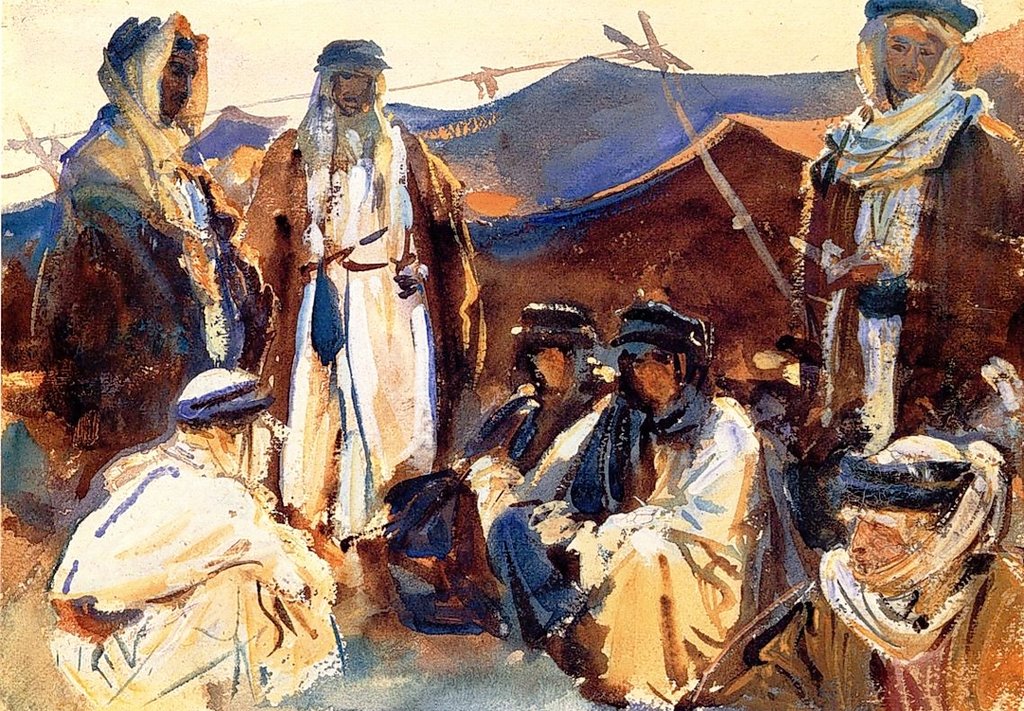
What is the Earliest Reference to 'Arabs' in Historical Records?
Answer: In Kurkh Monolith (853 BC)
Source: Historian Israel Ephal, University of Jerusalem.
Answer: In Kurkh Monolith (853 BC)
Source: Historian Israel Ephal, University of Jerusalem.
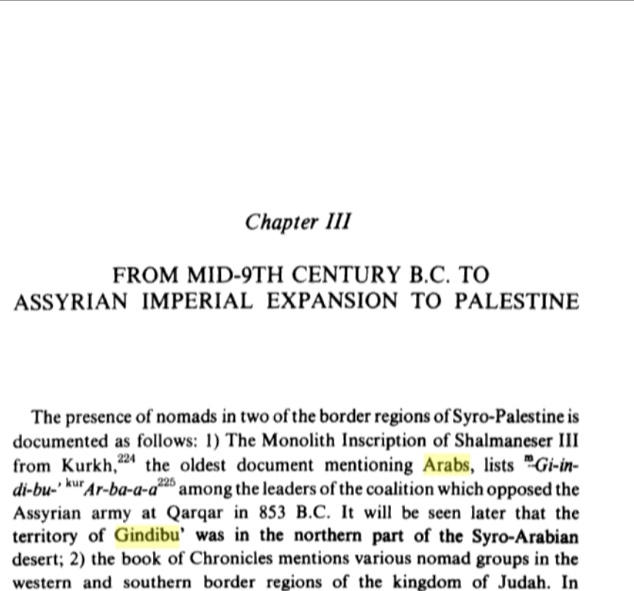
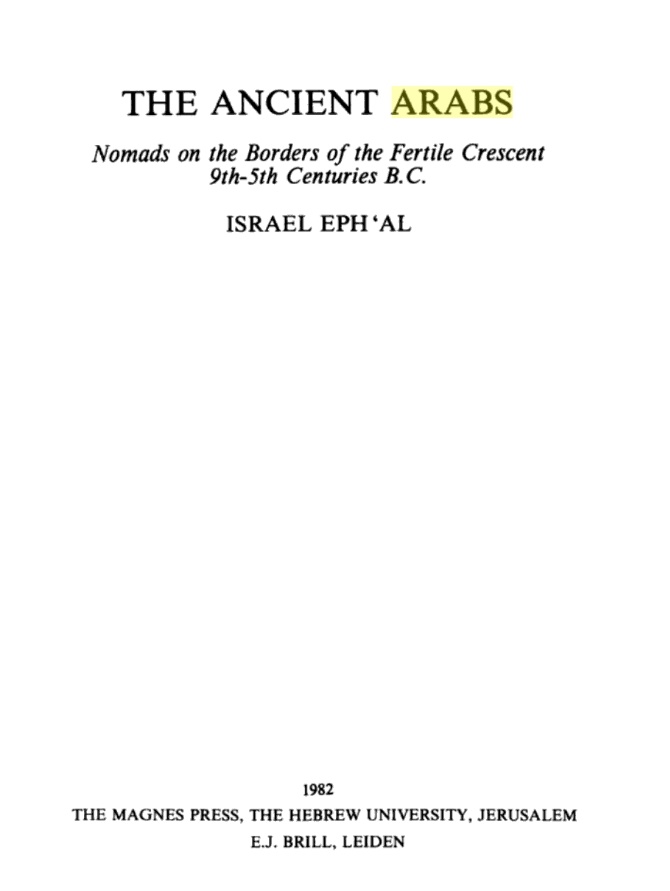
Gindibu is the 'First Arab' in Historical Records (Kurkh Monolith). Where was Gindibu from?
Answer: Syrian Desert.
Source: Historian Israel Ephal, University of Jerusalem.
Answer: Syrian Desert.
Source: Historian Israel Ephal, University of Jerusalem.
Where is the Original Homeland of the Arabs? What region did the original Arabs inhabit according to Archeological evidence?
Answer: Syrian Desert (Covering SE Syria, Jordan, Western Iraq & North KSA).
Source: Robert Hoyland, Oxford University.
Answer: Syrian Desert (Covering SE Syria, Jordan, Western Iraq & North KSA).
Source: Robert Hoyland, Oxford University.
What is the Etymology of the term 'Arab'?
Answer: 'Arab' is likely derived from the Semitic root g-r-b ('West'). Originally referred to people from Region West of Mesopotamia (Syrian Desert).
Source: Martin Bernal, Cornell University (Dr Al Jallad also)
Answer: 'Arab' is likely derived from the Semitic root g-r-b ('West'). Originally referred to people from Region West of Mesopotamia (Syrian Desert).
Source: Martin Bernal, Cornell University (Dr Al Jallad also)
The Earliest Arab Kingdom/State in Historical Records (8th - 5th Century BC).
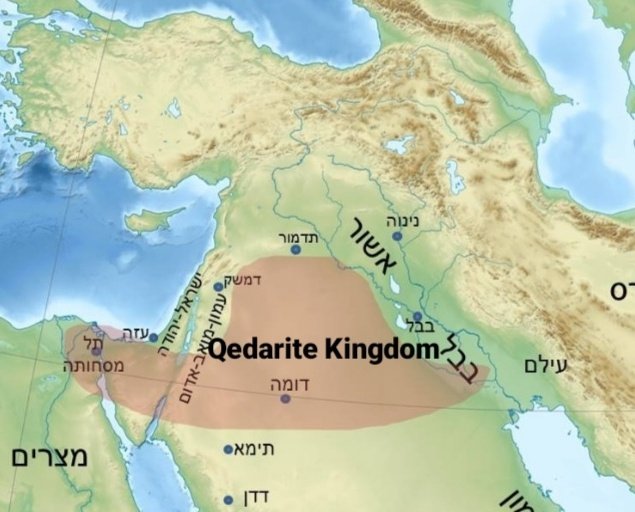
Where does the Term 'Arabia' Originate? What did 'Arabia' originally refer to?
Answer: First attested in Assyrian Monoliths (9th/8th Century BC). Referred to Lands North of Nefud + Syrian Desert + Sinai.
Source: Maurizio Tosi, University of Naples
Answer: First attested in Assyrian Monoliths (9th/8th Century BC). Referred to Lands North of Nefud + Syrian Desert + Sinai.
Source: Maurizio Tosi, University of Naples
When did the term 'Arabia' begin to refer to the Entire Peninsula? When did it begin to refer to Lands like Yemen, Nejd, Hegaz & The Gulf?
Answer: 4th Century BC. A Result of terrible Greek Geography.
Source: MCA Macdonald, Oxford University
Answer: 4th Century BC. A Result of terrible Greek Geography.
Source: MCA Macdonald, Oxford University
Before Alexander's Conquest, the Achaeminids had a Province of 'Arabia'. Where did the Achaeminids locate Arabia?
Answer: Arabia was the Land between Assyria & Egypt (Map Below).
Sources: Robert Hoyland, Oxford University.
Answer: Arabia was the Land between Assyria & Egypt (Map Below).
Sources: Robert Hoyland, Oxford University.
If the Gulf was not referred to as 'Arabia', what did the Achaeminids call the Region instead?
Answer: Gulf Region (Oman/UAE) is originally known as Magan/Makka (since Akkadian era). People known as 'Macians'.
Source: Robert Hoyland, Oxford University.
Answer: Gulf Region (Oman/UAE) is originally known as Magan/Makka (since Akkadian era). People known as 'Macians'.
Source: Robert Hoyland, Oxford University.
Where is the Oldest Arabic Inscription in the world found?
Answer: Bayir, Jordan (Iron Age II, 1000 BC - 550 BC).
Source: Dr Ahmad Al Jallad, Harvard PhD Linguist
Answer: Bayir, Jordan (Iron Age II, 1000 BC - 550 BC).
Source: Dr Ahmad Al Jallad, Harvard PhD Linguist
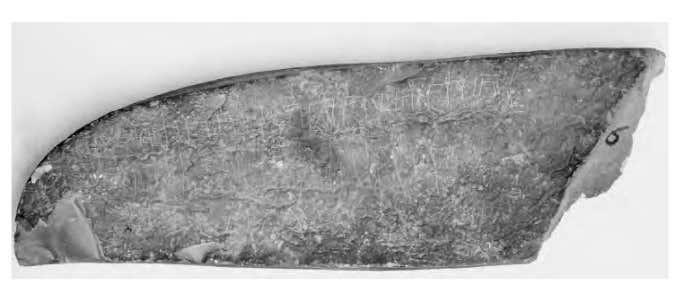
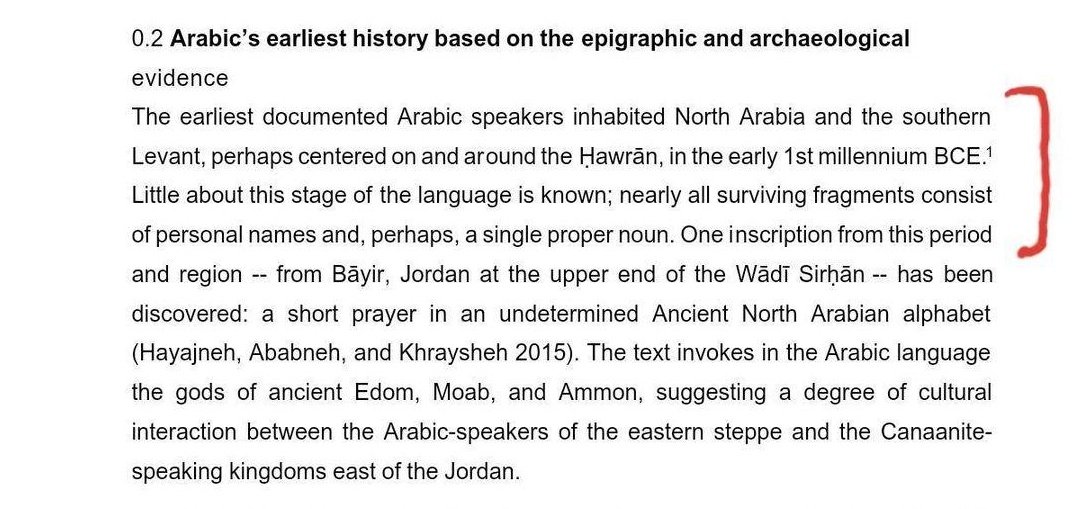
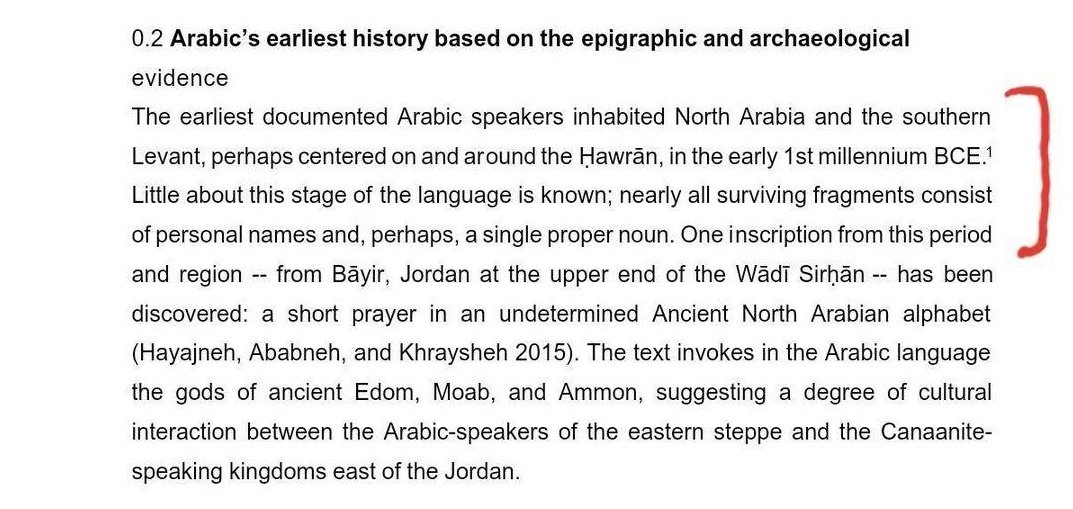
Where did the First Arabic Speakers live? What is the Original Homeland of the Arabic Language?
Answer: South Levant + North KSA (Map Below). They were centered around the Hauran in SE Syria/NE Jordan.
Source: Dr Ahmad Al Jallad, Harvard PhD Linguist.
Answer: South Levant + North KSA (Map Below). They were centered around the Hauran in SE Syria/NE Jordan.
Source: Dr Ahmad Al Jallad, Harvard PhD Linguist.
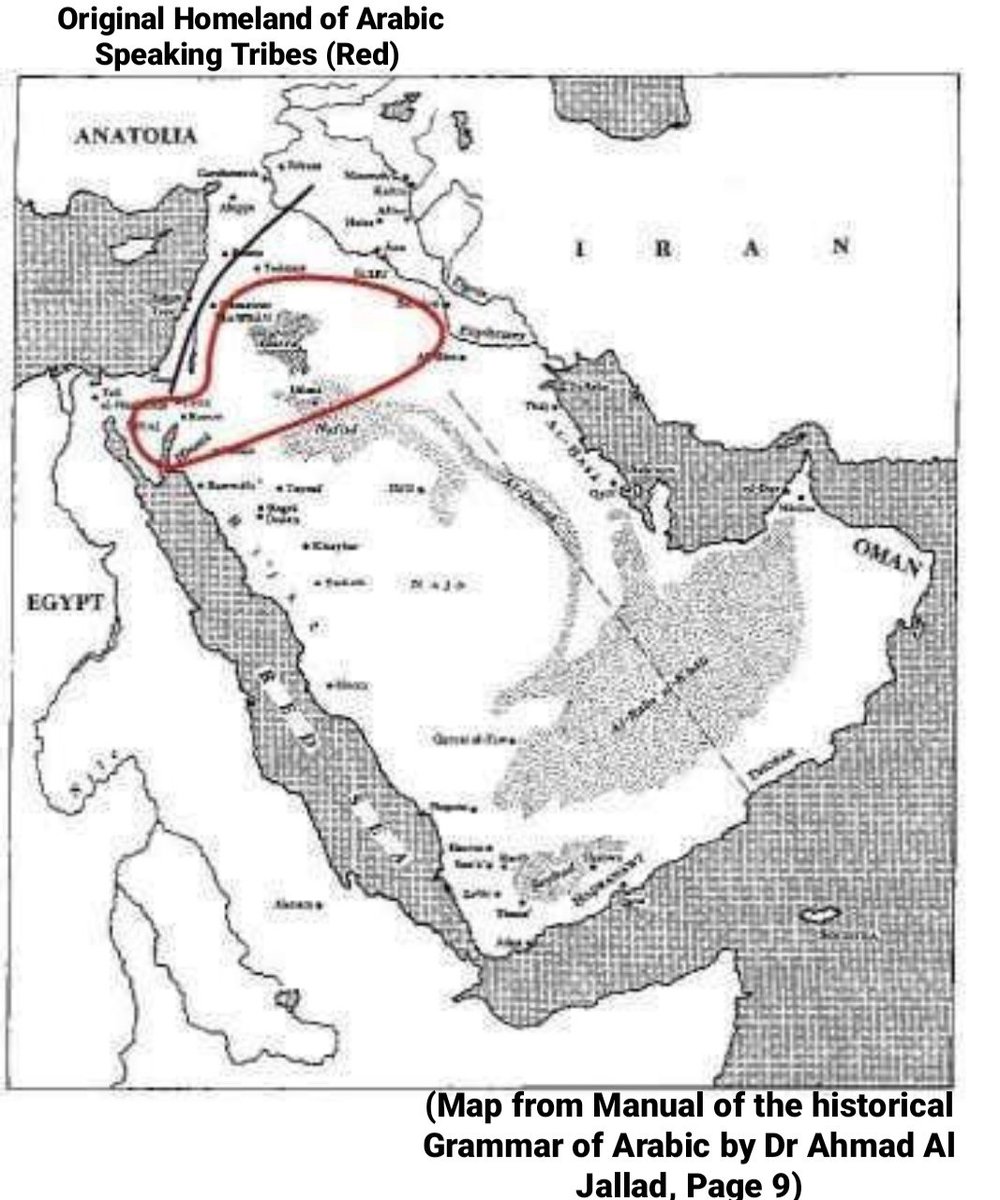
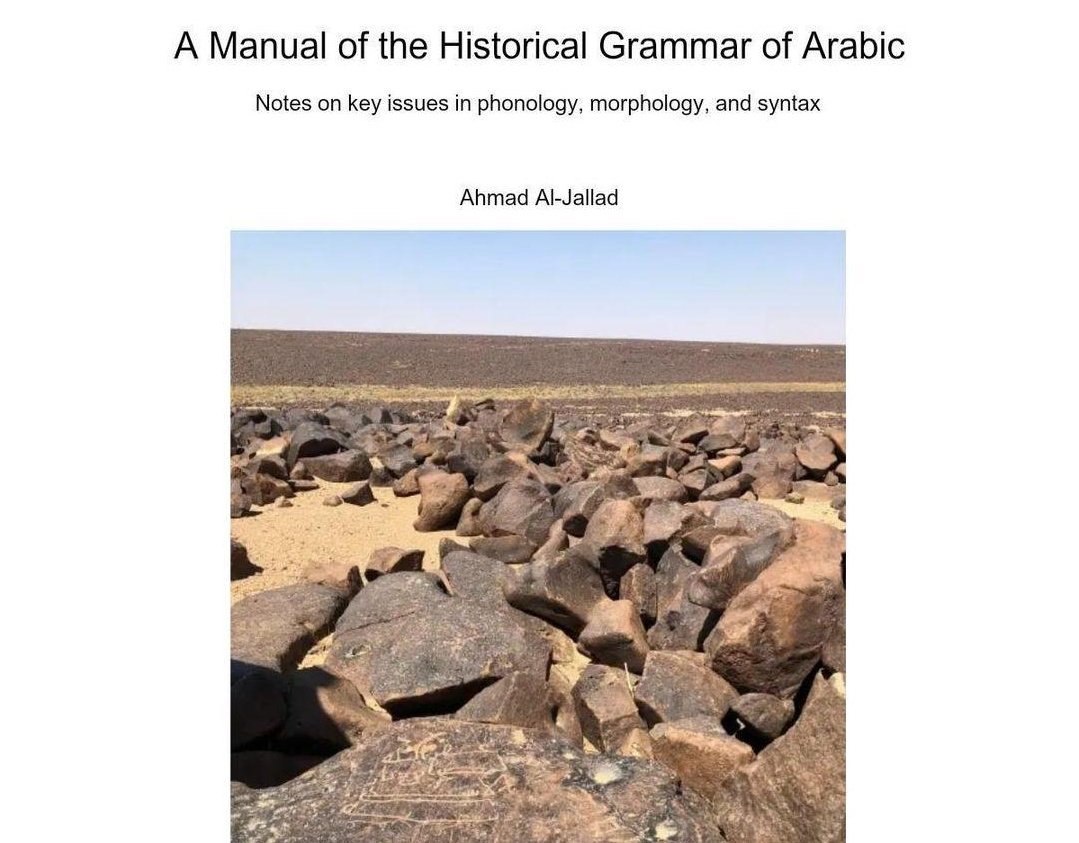
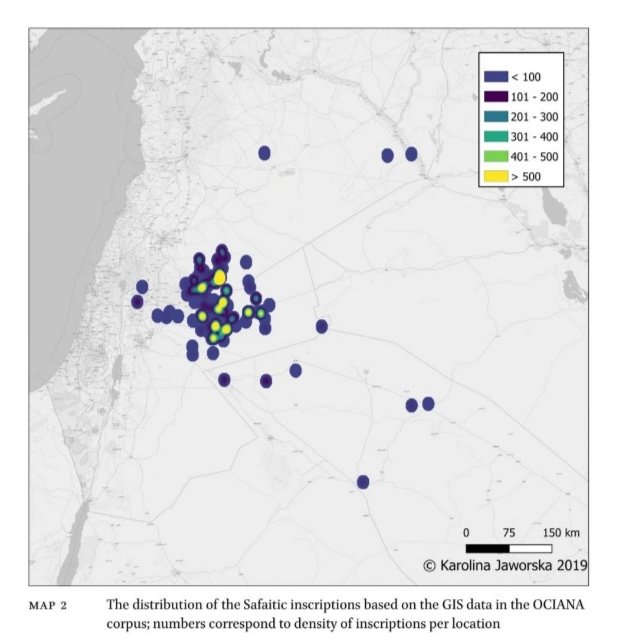
Where do we find the Greatest concentration of Arabic texts in the Pre-Islamic period?
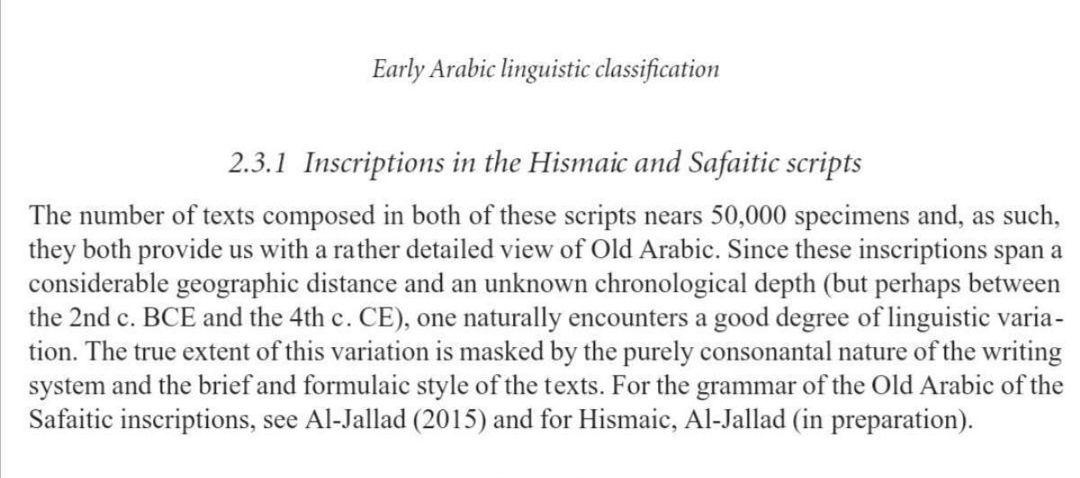
Answer: Jordan/SE Syria. Particularly The Lands East of the Hauran. Around 50,000 Arabic (Safaitic/Hismaic) texts discovered in this Region.
Source: Dr Ahmad Al Jallad, Harvard PhD Linguist.
Answer: Jordan/SE Syria. Particularly The Lands East of the Hauran. Around 50,000 Arabic (Safaitic/Hismaic) texts discovered in this Region.
Source: Dr Ahmad Al Jallad, Harvard PhD Linguist.
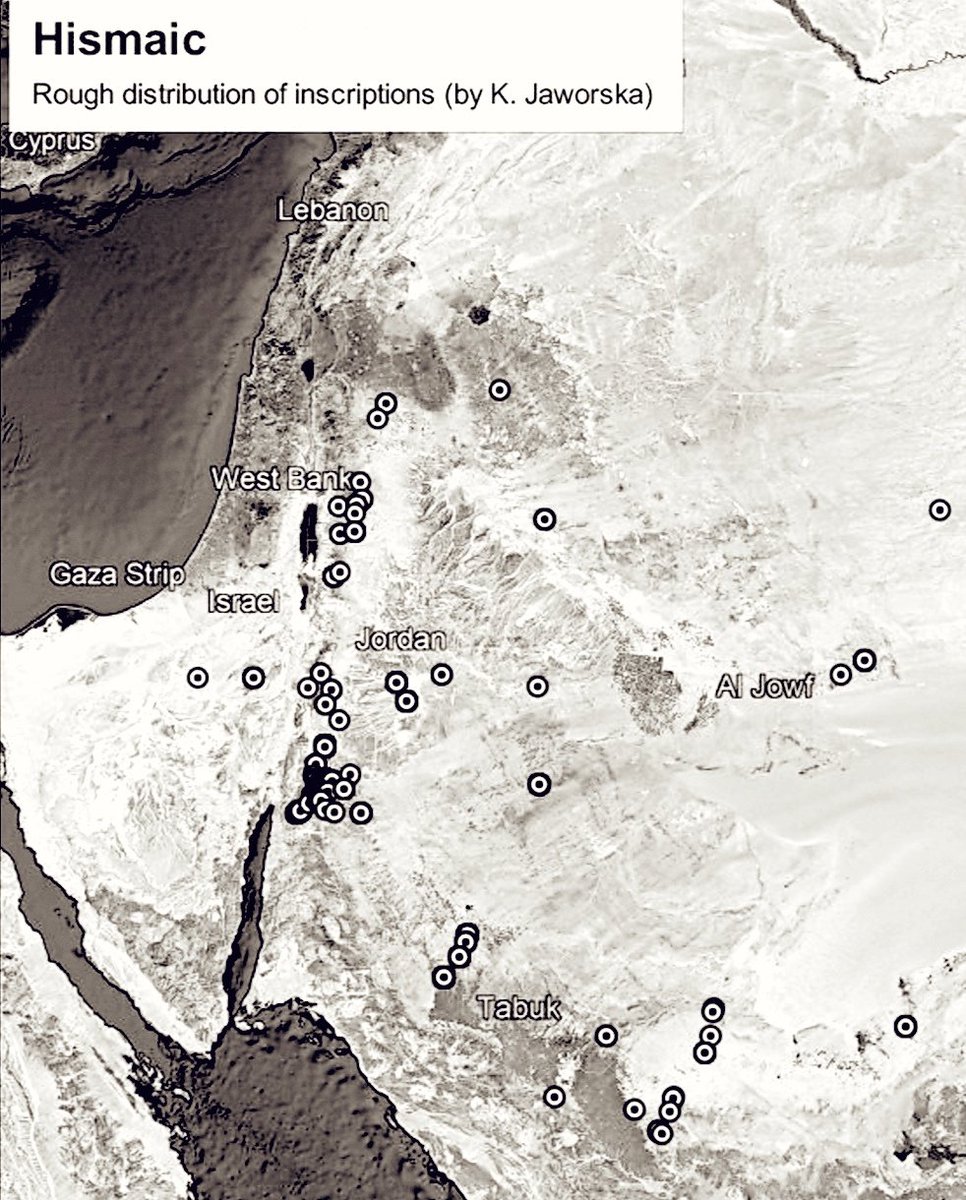
Did the Peninsula Originally speak Arabic?
Answer: No. Arabic was spoken in the North at Dumat Al Jandal & Tabuk but it spread to the South Later. The Region was Linguistically diverse.
Sources: Dr Ahmad Al Jallad, Harvard PhD Linguist (Map Page 19 Historical grammar of Arabic)
Answer: No. Arabic was spoken in the North at Dumat Al Jandal & Tabuk but it spread to the South Later. The Region was Linguistically diverse.
Sources: Dr Ahmad Al Jallad, Harvard PhD Linguist (Map Page 19 Historical grammar of Arabic)
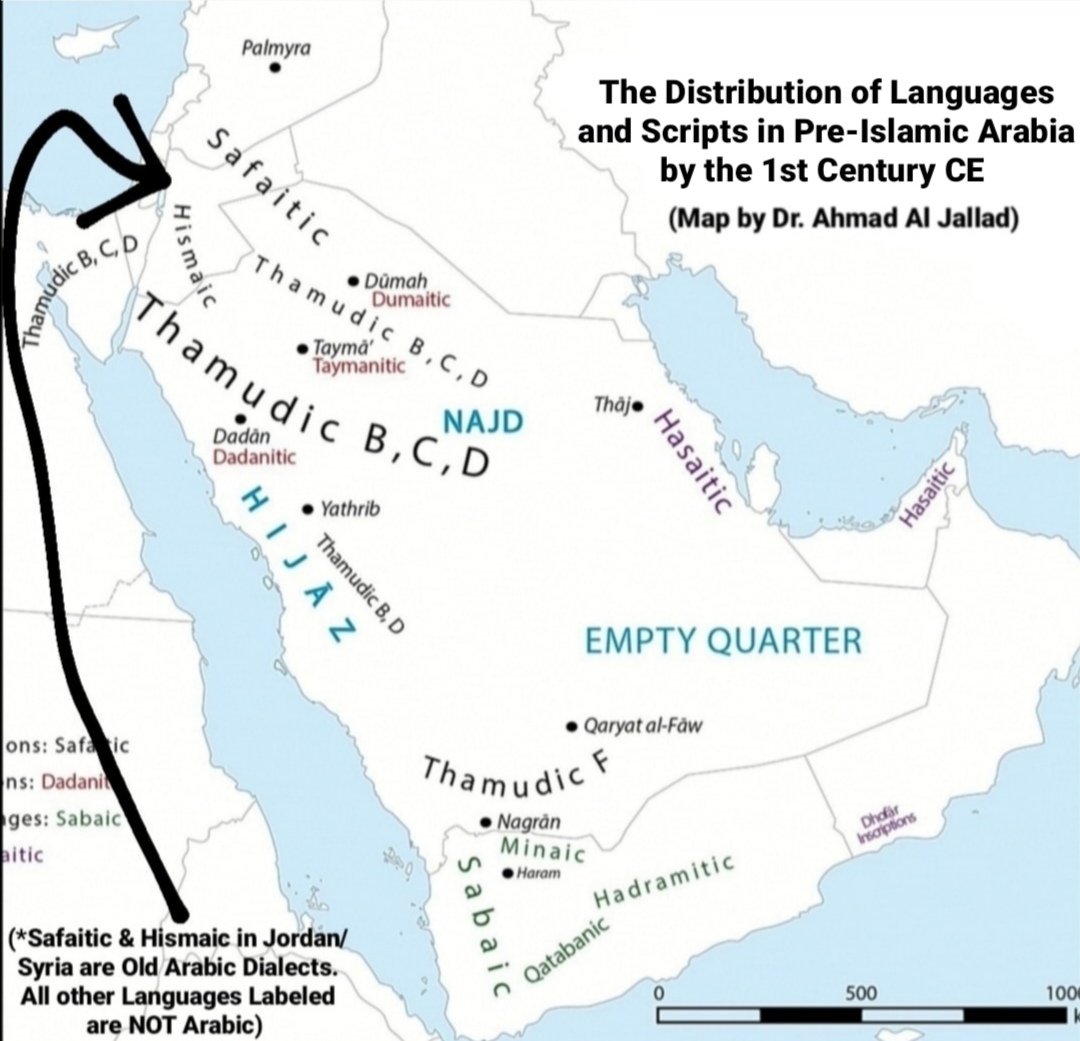
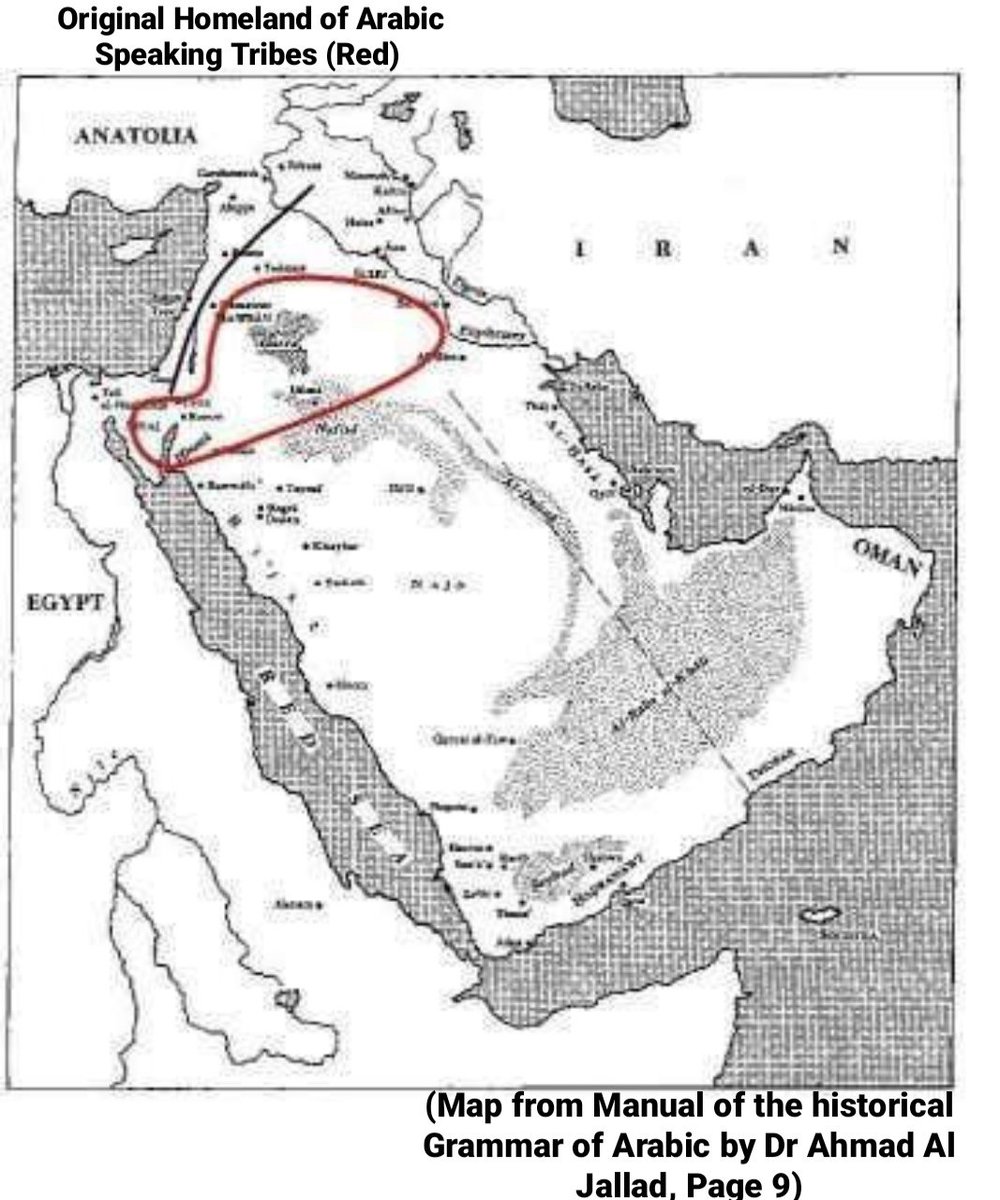
What Languages were spoken in the Peninsula before Arabization?
Answer: Many different languages such as Taymanitic, Dadanitic, various forms of Thamudic, Hasaitic, Sabaic, Minaic & many more.
Sources: Both maps by Dr Ahmad Al Jallad, Harvard PhD Linguist.
Answer: Many different languages such as Taymanitic, Dadanitic, various forms of Thamudic, Hasaitic, Sabaic, Minaic & many more.
Sources: Both maps by Dr Ahmad Al Jallad, Harvard PhD Linguist.
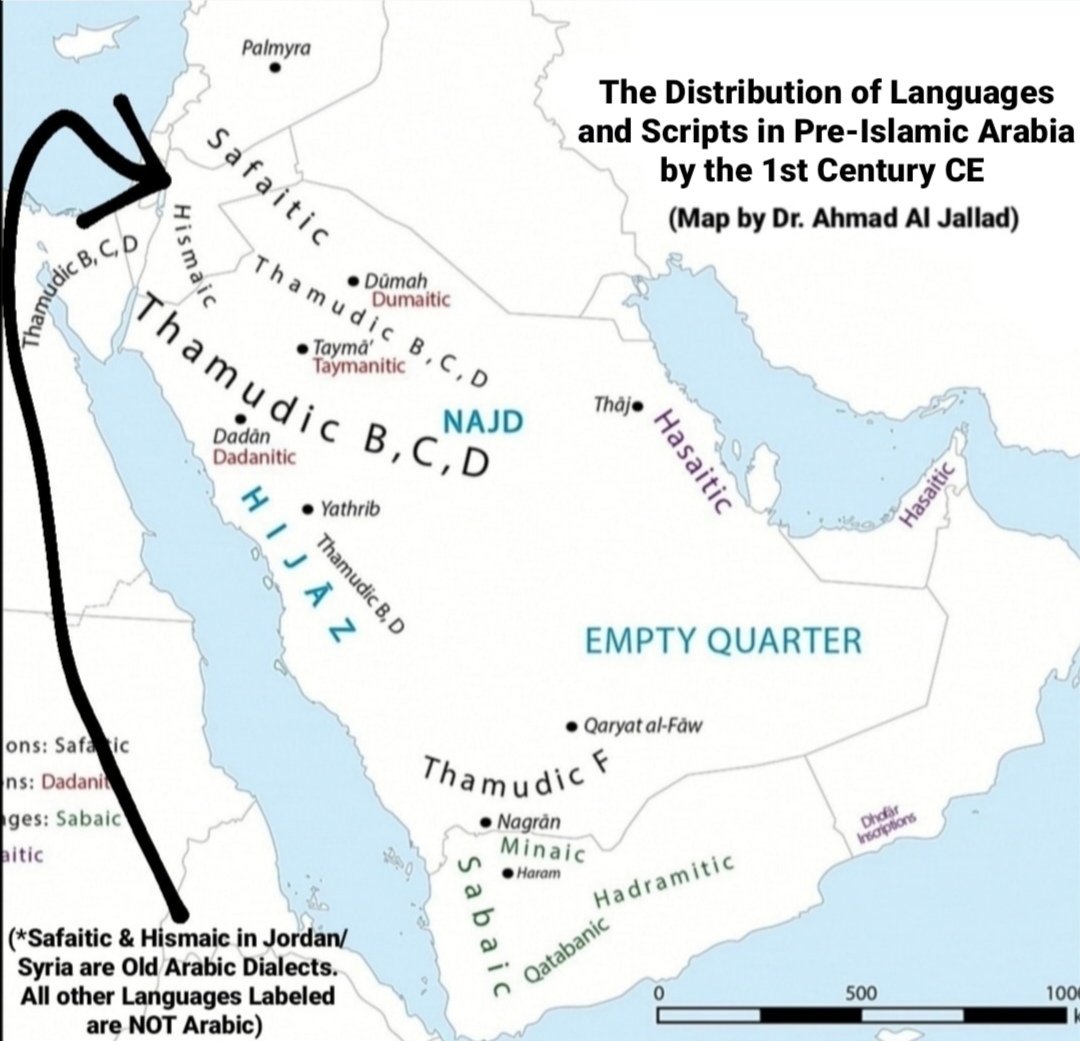
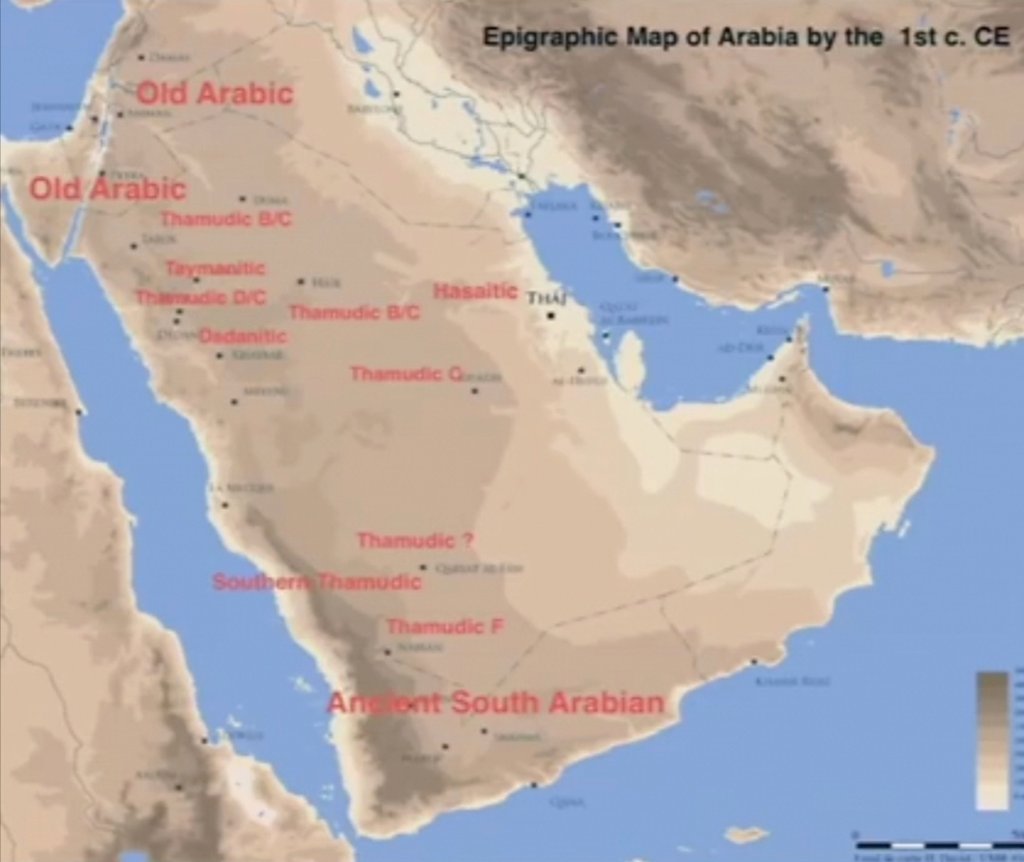
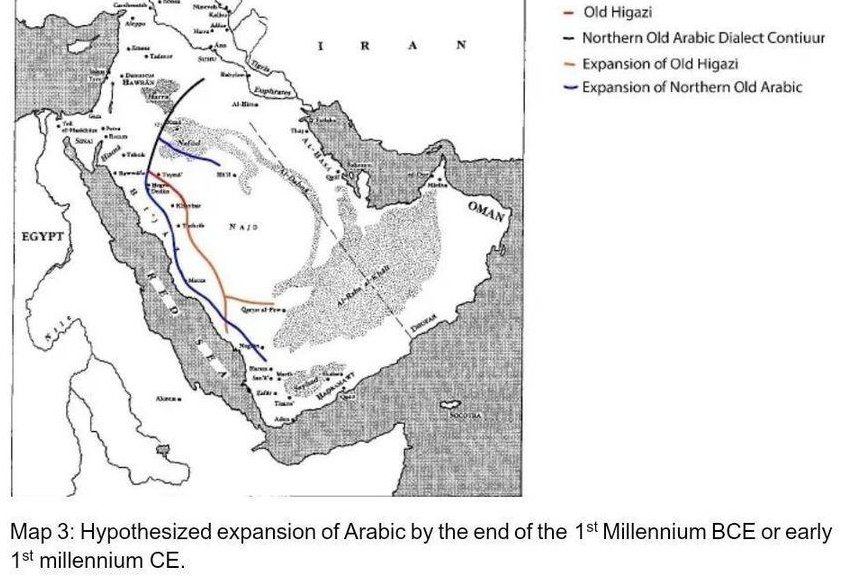
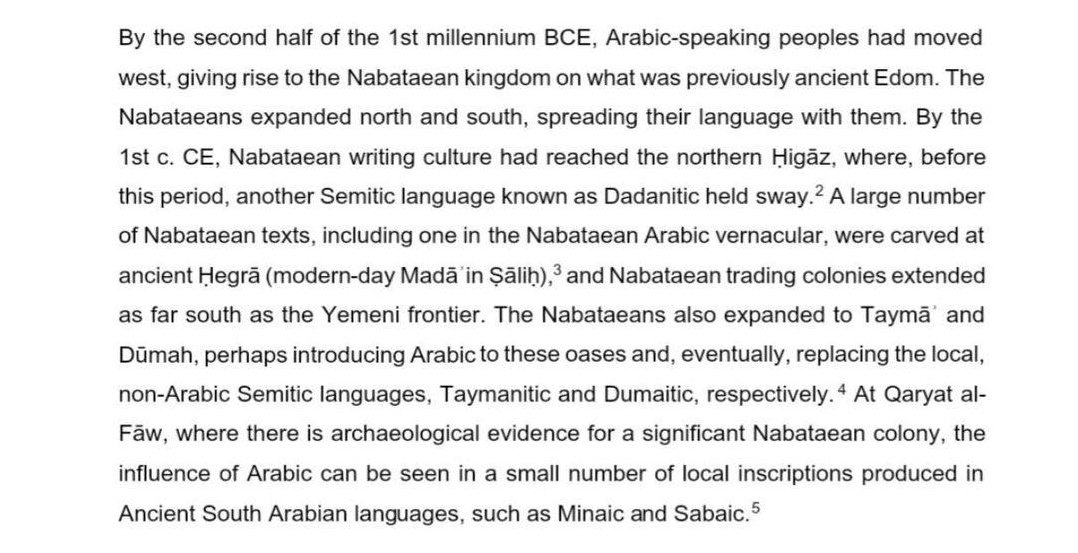
When did Arabic spread South into Hegaz & Nejd?
Answer: Middle-Late 1st Millennium BC & Early 1st Millennium AD. Map below is helpful from Page 14 of Historical grammar of Arabic. Nabataean expansion important.
Sources: Dr Ahmad Al Jallad, Harvard PhD Linguist.
Answer: Middle-Late 1st Millennium BC & Early 1st Millennium AD. Map below is helpful from Page 14 of Historical grammar of Arabic. Nabataean expansion important.
Sources: Dr Ahmad Al Jallad, Harvard PhD Linguist.
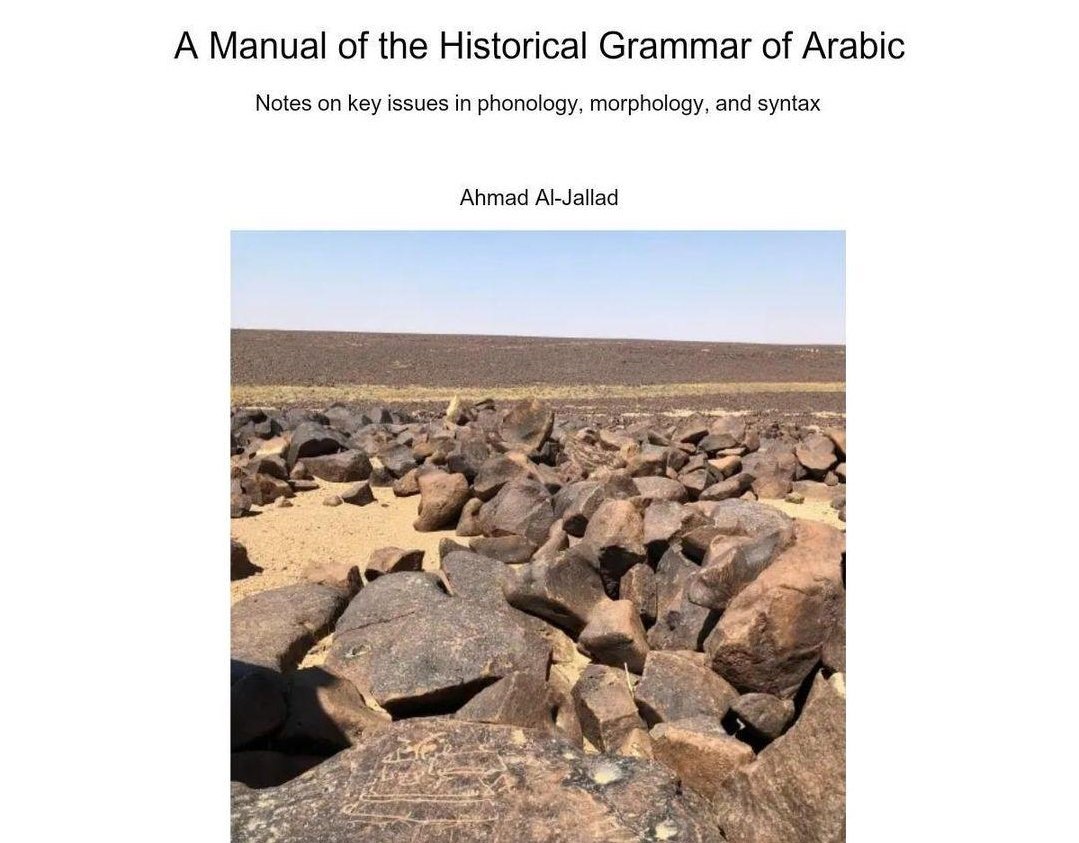
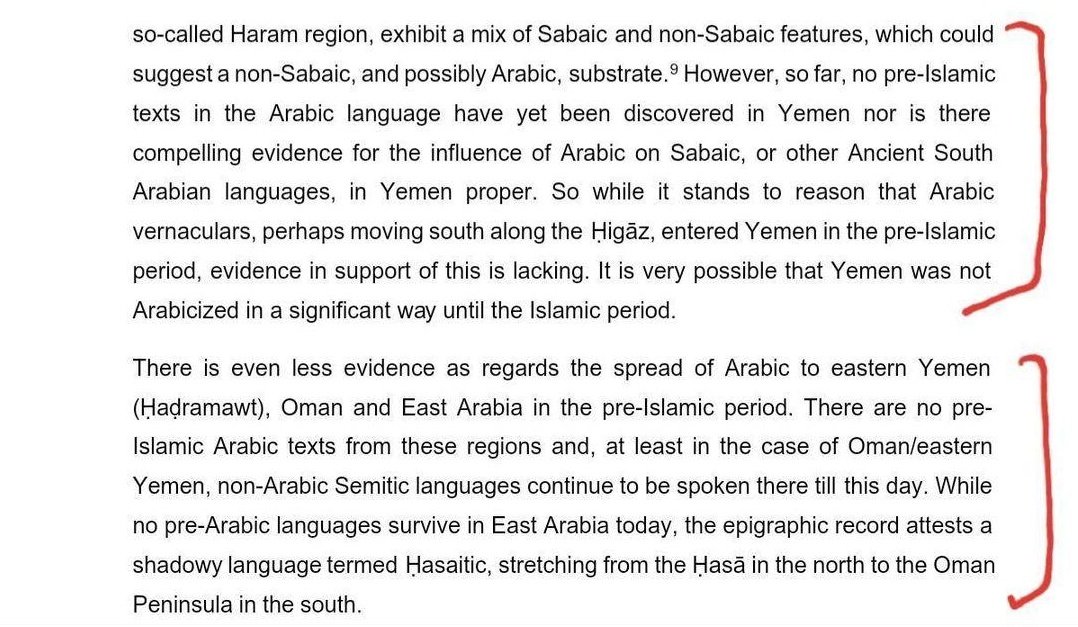
When did Arabic spread to Bahrain, Qatar, Kuwait, UAE, Oman & Yemen? Do we have any evidence of Arabic in these regions before Islam?
Answer: No evidence of Arabic discovered. Those Regions were largely Arabized After Islam.
Sources: Dr Ahmad Al Jallad, Harvard PhD Linguist
Answer: No evidence of Arabic discovered. Those Regions were largely Arabized After Islam.
Sources: Dr Ahmad Al Jallad, Harvard PhD Linguist
Any non-Arabic Native Languages spoken in the Peninsula today?
Answer: Yes, many languages in Yemen/Oman. Hundreds of Thousands of Speakers. There is also the Native Kumzari Iranic Language in Oman/UAE.
Sources: Look it up. It's not a hidden secret.
Answer: Yes, many languages in Yemen/Oman. Hundreds of Thousands of Speakers. There is also the Native Kumzari Iranic Language in Oman/UAE.
Sources: Look it up. It's not a hidden secret.
Where is the Arabic Alphabet From?
Answer: It Evolved from the Nabataean Alphabet. The Nabataeans were a civilization based in Petra, Jordan.
Sources: Look it up. It's like saying the sky is blue.
Answer: It Evolved from the Nabataean Alphabet. The Nabataeans were a civilization based in Petra, Jordan.
Sources: Look it up. It's like saying the sky is blue.
Do we have evidence of People Self-Identifying as 'Arab' before Islam?
Answer: Considering non-Arabic Inscriptions, Yes there's lots of evidence. No evidence however from Hegaz, Nejd or the Gulf.
Sources: MCA Macdonald, Oxford University.
Answer: Considering non-Arabic Inscriptions, Yes there's lots of evidence. No evidence however from Hegaz, Nejd or the Gulf.
Sources: MCA Macdonald, Oxford University.
Do we have evidence in Arabic of People Self Identifying as Arab before Islam?
Answer: Yes, there are 3 Inscriptions discovered so far. 2 from Jordan, 1 from S Syria. None from Hegaz, Nejd, Gulf or Yemen
Source: Dr Ahmad Al Jallad, Harvard PhD Linguist
Answer: Yes, there are 3 Inscriptions discovered so far. 2 from Jordan, 1 from S Syria. None from Hegaz, Nejd, Gulf or Yemen
Source: Dr Ahmad Al Jallad, Harvard PhD Linguist
Loading suggestions...