
1.
The 2nd #thread in the series on the history of Firearms & Gunpowder Use in Indian subcontinent.
This thread covers the period of Mughal-Marathas (pre-modernisation & military reforms)
#Gunpowder #History #Hindutva #MilitaryHistory
The 2nd #thread in the series on the history of Firearms & Gunpowder Use in Indian subcontinent.
This thread covers the period of Mughal-Marathas (pre-modernisation & military reforms)
#Gunpowder #History #Hindutva #MilitaryHistory
2.
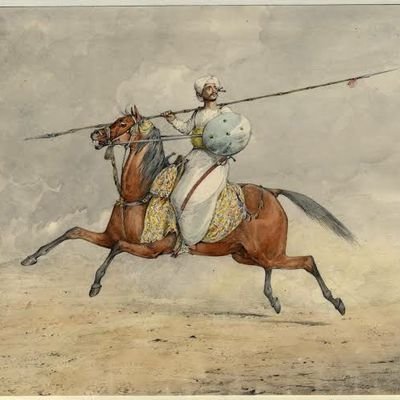
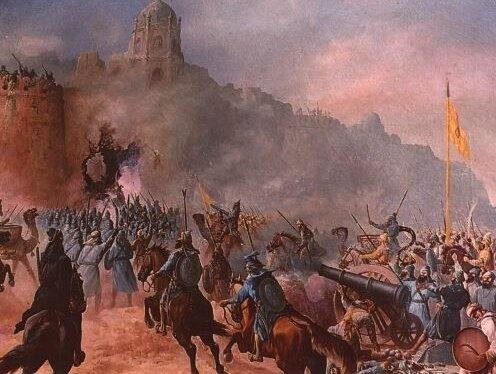
The Mughals relied extensively on their muskets, cannons and rockets in battles and sieges as much as their heavy cavalry.
The Mughals relied extensively on their muskets, cannons and rockets in battles and sieges as much as their heavy cavalry.
3.
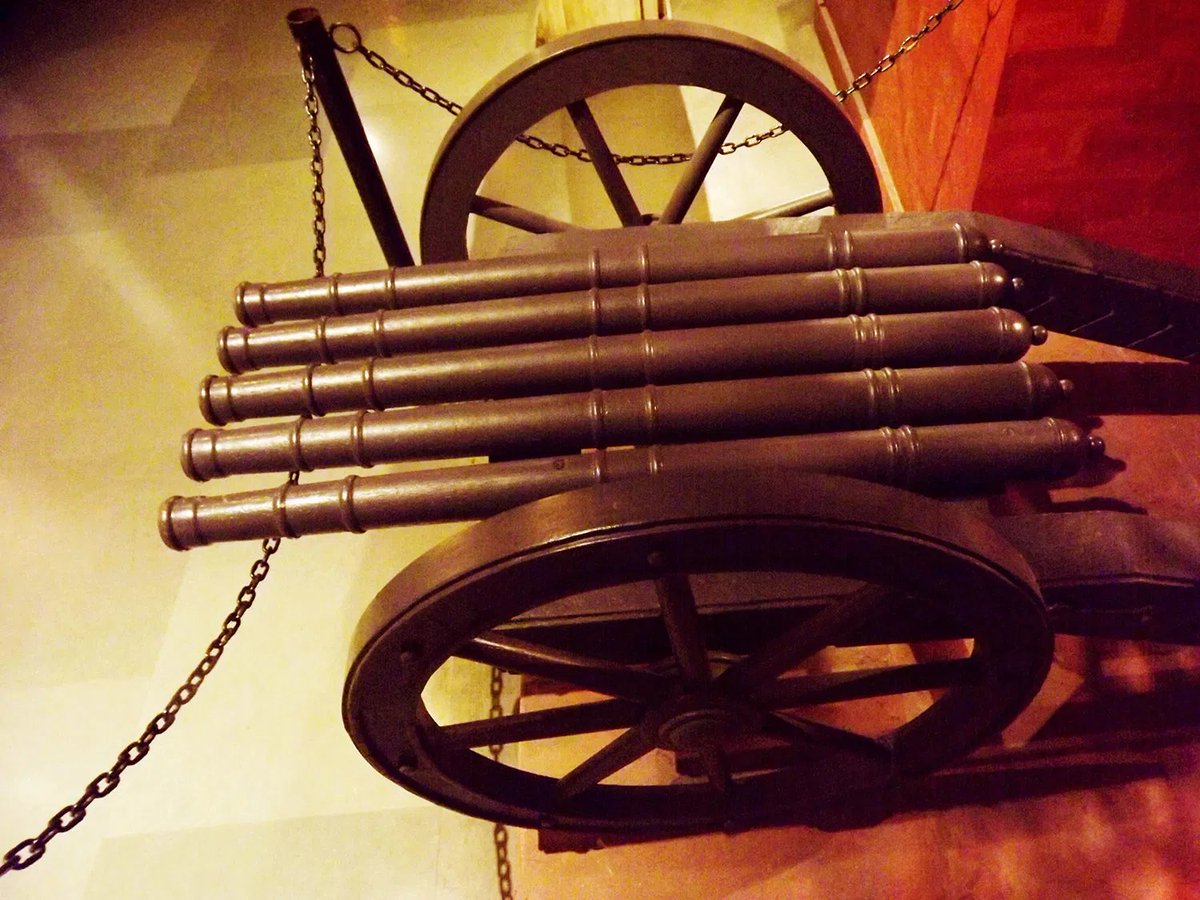
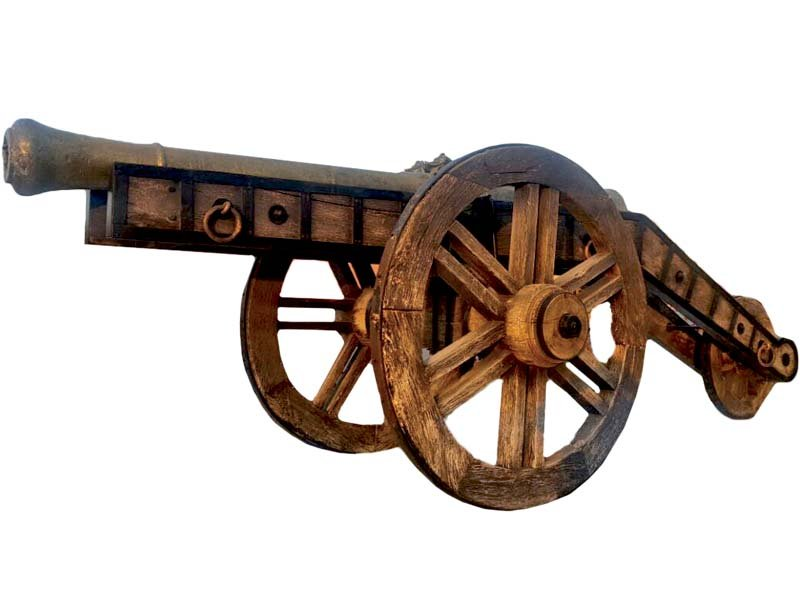
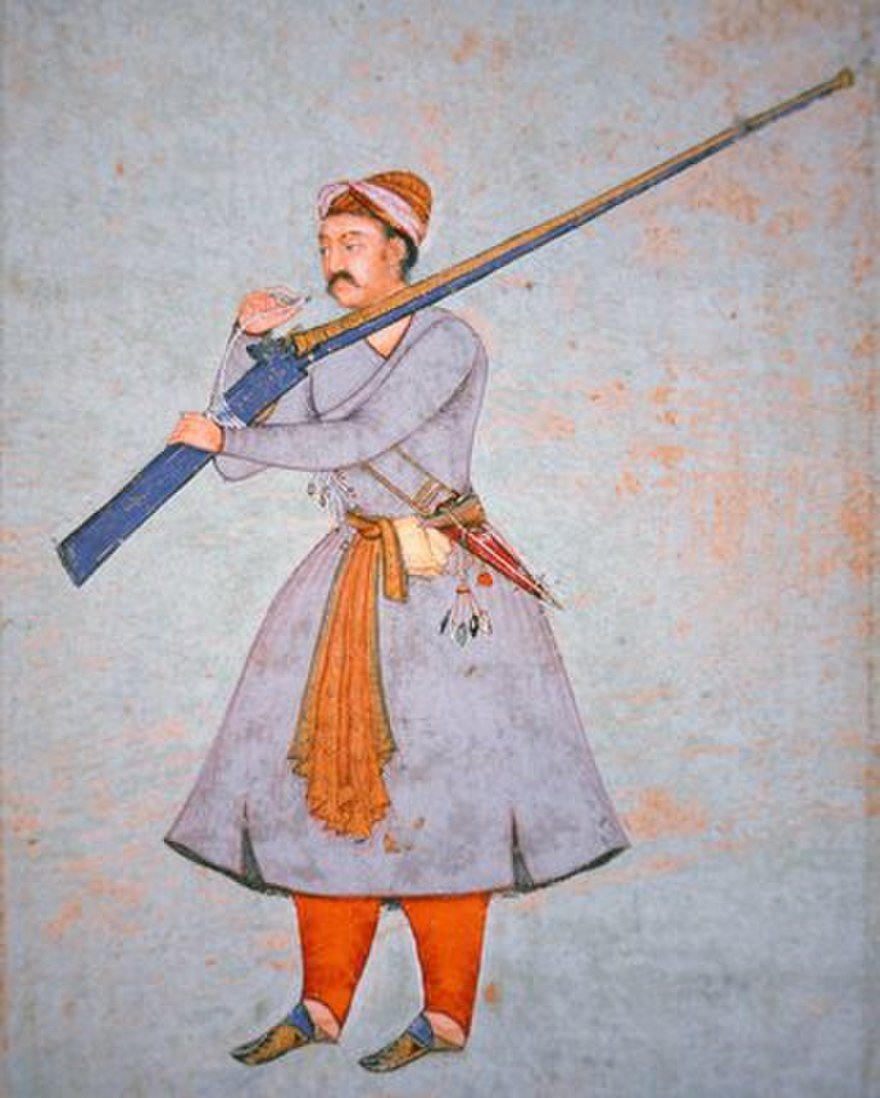
During Akbar’s time, the manufacture of muskets was controlled tightly by the state.
But by the early 1600s, it had proliferated across the subcontinent, and matchlocks could be found everywhere among wealthy zamindars and their fighting men.
During Akbar’s time, the manufacture of muskets was controlled tightly by the state.
But by the early 1600s, it had proliferated across the subcontinent, and matchlocks could be found everywhere among wealthy zamindars and their fighting men.
4.
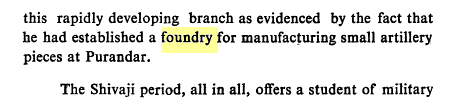
Boxed in by gunpowder kingdoms on all sides, the Marathas relied heavily on imported guns and cannons in the early days of Shivaji Maharaj.
He took initiative to set up own cannon casting foundries by hiring the Portuguese and Sultanate metalsmiths.
Boxed in by gunpowder kingdoms on all sides, the Marathas relied heavily on imported guns and cannons in the early days of Shivaji Maharaj.
He took initiative to set up own cannon casting foundries by hiring the Portuguese and Sultanate metalsmiths.
5.
By the time of Bajirao I, they were largely self-sufficient in manufacturing.
Bajirao I won a spectacular series of victories against Mughal generals like Nizam, & at Delhi, not just by good strategic decisions, but also superior use of *mobile horse-drawn light artillery*
By the time of Bajirao I, they were largely self-sufficient in manufacturing.
Bajirao I won a spectacular series of victories against Mughal generals like Nizam, & at Delhi, not just by good strategic decisions, but also superior use of *mobile horse-drawn light artillery*

6.
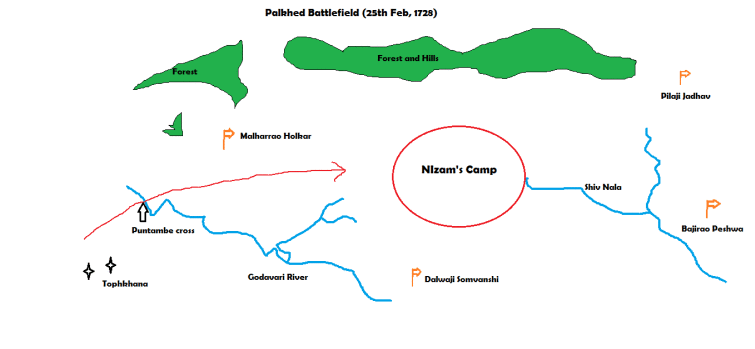
At the Battle of Palkhed (Feb 1728), the Nizam was trapped, & separated from his heavy artillery.
Using light artillery and musketeers, he created a killing field that the Nizam did not risk crossing, and sued for peace.
At the Battle of Palkhed (Feb 1728), the Nizam was trapped, & separated from his heavy artillery.
Using light artillery and musketeers, he created a killing field that the Nizam did not risk crossing, and sued for peace.
7.
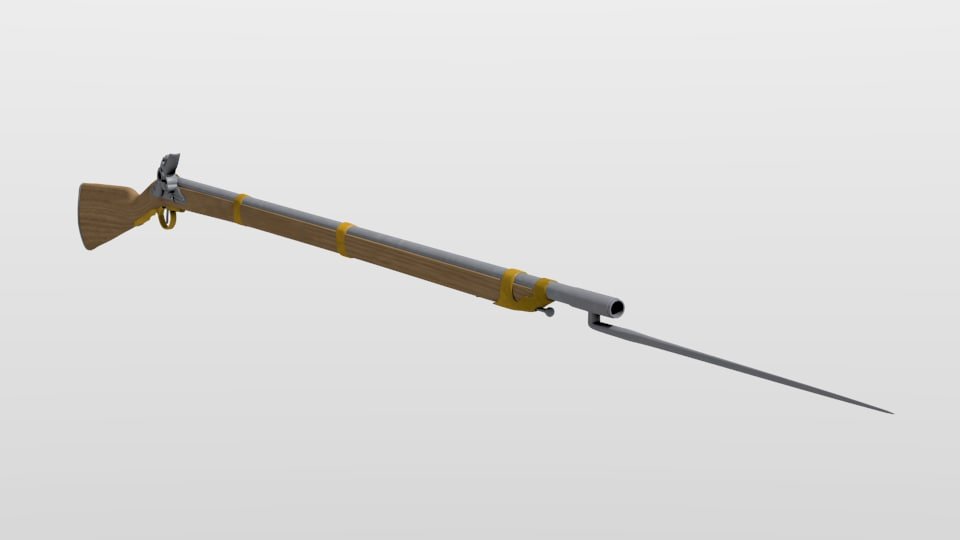
Around the 1750s, the matchlock musket was being replaced by the flintlock, for faster firing. Along with this, came paper cartridges.
Bayonets were added to ward off cavalry. Together, each soldier could fire 3 the shots per minute, up from just one!
Around the 1750s, the matchlock musket was being replaced by the flintlock, for faster firing. Along with this, came paper cartridges.
Bayonets were added to ward off cavalry. Together, each soldier could fire 3 the shots per minute, up from just one!
8.
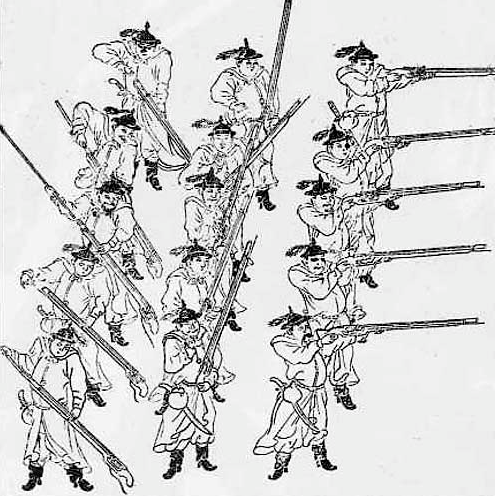
Several rows of musketeers could keep up continuous volley fire, which made cavalry charges suicidal.
a. The first rank fired, then moved back.
b. A second rank stepped up to fire.
c. While the last row fired, the first rank had already reloaded and was ready to fire again.
Several rows of musketeers could keep up continuous volley fire, which made cavalry charges suicidal.
a. The first rank fired, then moved back.
b. A second rank stepped up to fire.
c. While the last row fired, the first rank had already reloaded and was ready to fire again.
9.
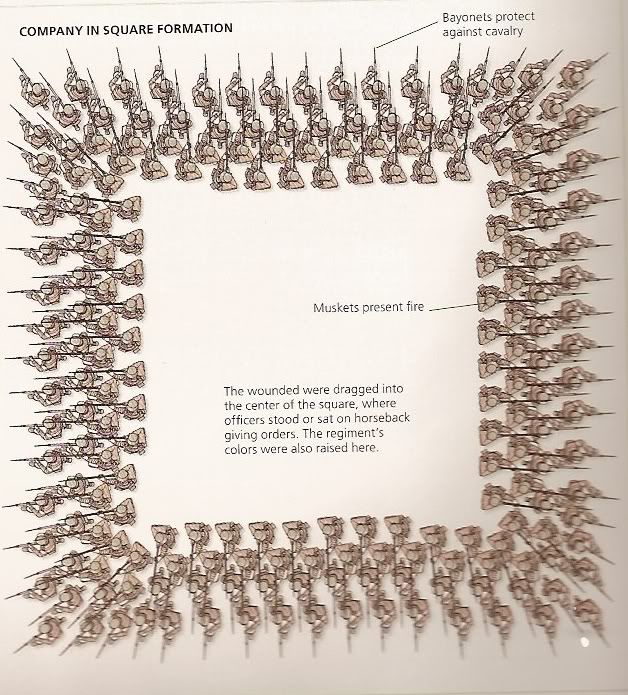
Along with this, came the newer formations - square, column, line - to protect artillery inside from cavalry, or unleash a devastating round of shots.
At Panipat, the Maratha army had started transitioning away from heavy cavalry to infantry+artillery, but the loss slowed it.
Along with this, came the newer formations - square, column, line - to protect artillery inside from cavalry, or unleash a devastating round of shots.
At Panipat, the Maratha army had started transitioning away from heavy cavalry to infantry+artillery, but the loss slowed it.
10.
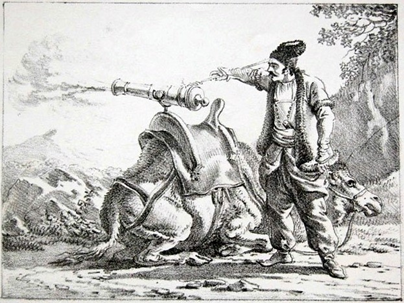
The Afghans, Persians, Mughals used a type of camel-based field-gun, called the Zamburak, which proved to be deadly effective at Panipat.
The Afghan king - Abdali - had ~2000 of these. They could fire & relocate before being counter attacked, or targeted by enemy artillery!
The Afghans, Persians, Mughals used a type of camel-based field-gun, called the Zamburak, which proved to be deadly effective at Panipat.
The Afghan king - Abdali - had ~2000 of these. They could fire & relocate before being counter attacked, or targeted by enemy artillery!
11.
It took until 1765-70 that the Maratha & Mysore armies caught up in the tech race with European flintlocks, field artillery & tactics.
They hired European officers and technicians extensively to upgrade their own manufacturing and training.
It took until 1765-70 that the Maratha & Mysore armies caught up in the tech race with European flintlocks, field artillery & tactics.
They hired European officers and technicians extensively to upgrade their own manufacturing and training.
12.
In the next (& final) part of the thread-series, we'll look at the gunpowder technology after the modernisation efforts, upto the time of 1857 Indian War of Independence.
#MilitaryHistory #Hindutva
The compilation of Gunpowder history threads ⏬
In the next (& final) part of the thread-series, we'll look at the gunpowder technology after the modernisation efforts, upto the time of 1857 Indian War of Independence.
#MilitaryHistory #Hindutva
The compilation of Gunpowder history threads ⏬
Loading suggestions...