
1.
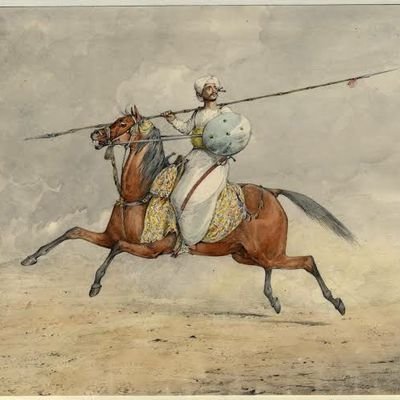
The 3rd #thread in the series on the history of Firearms & Gunpowder Use in Indian subcontinent.
This thread covers the period, in which Indian powers underwent modernisation & military reforms.
#Gunpowder #History #Hindutva #MilitaryHistory
The 3rd #thread in the series on the history of Firearms & Gunpowder Use in Indian subcontinent.
This thread covers the period, in which Indian powers underwent modernisation & military reforms.
#Gunpowder #History #Hindutva #MilitaryHistory
2.
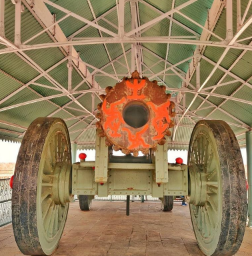
Maratha & Mysore armies started modernising in the 1760s & 70s. British accounts state, that Marathas had rocket technology before Mysore's Tipu Sultan.
Maratha rockets 'annoyed' the British in the First Anglo-Maratha War (1775), whereas British faced Mysore rockets in 1792.
Maratha & Mysore armies started modernising in the 1760s & 70s. British accounts state, that Marathas had rocket technology before Mysore's Tipu Sultan.
Maratha rockets 'annoyed' the British in the First Anglo-Maratha War (1775), whereas British faced Mysore rockets in 1792.

3.
Modern manufacturing processes, training and logistics required a substantial financial cost.
In the 1780s, Mahadji Scindia consolidated his hold over north India. He hired Benoit de Boigne, a Frenchman, to reorganize his finances and training.
#MahadjiScindia
Modern manufacturing processes, training and logistics required a substantial financial cost.
In the 1780s, Mahadji Scindia consolidated his hold over north India. He hired Benoit de Boigne, a Frenchman, to reorganize his finances and training.
#MahadjiScindia


4.
At the time, a ruler would hand out Jagirs to Sardars. They were expected to collect taxes & maintain a number of soldiers. It was common for soldiers to be paid irregularly, or some times not at all, and quality of equipment and training varied greatly.
#Army
At the time, a ruler would hand out Jagirs to Sardars. They were expected to collect taxes & maintain a number of soldiers. It was common for soldiers to be paid irregularly, or some times not at all, and quality of equipment and training varied greatly.
#Army
5.
This was replaced by a centralized bureaucracy and administration. Thus came about Mahadji Scindia's new battalions, called the 'Fauj-i-Hind' (Army of Hindustan)
With a total strength of ~40,000 and 300 artillery pieces, they resembled modern armies.
This was replaced by a centralized bureaucracy and administration. Thus came about Mahadji Scindia's new battalions, called the 'Fauj-i-Hind' (Army of Hindustan)
With a total strength of ~40,000 and 300 artillery pieces, they resembled modern armies.

6.
They had standardized uniforms, equipment, regular pay, & recruited from a diverse background irrespective of clan.
They drilled in formations, & trained to hold their ground in artillery fire, cavalry charges. The officers were permanent instead of temporary.
#Modernisation
They had standardized uniforms, equipment, regular pay, & recruited from a diverse background irrespective of clan.
They drilled in formations, & trained to hold their ground in artillery fire, cavalry charges. The officers were permanent instead of temporary.
#Modernisation
7.
Each battalion had attached engineers for fording rivers, bridges and field doctors. It was a tumultuous time politically, and so most officers were European, while their soldiers were Indian.
Each battalion had attached engineers for fording rivers, bridges and field doctors. It was a tumultuous time politically, and so most officers were European, while their soldiers were Indian.
8.
These armies had skirmishers, or light infantry who used long range guns, with rifled barrels that made them deadly accurate, but were slow to reload. Their job was to harass the enemy from behind cover by sniping their officers.
These armies had skirmishers, or light infantry who used long range guns, with rifled barrels that made them deadly accurate, but were slow to reload. Their job was to harass the enemy from behind cover by sniping their officers.

9.
Then came infantry which formed up in lines and unleashed volley after volley until one side broke and ran. Cavalry was used to catch routed infantry. A full on frontal attack was suicide.
The 4th arm was field artillery, which consisted of 6-pounder guns all the way to 24.
Then came infantry which formed up in lines and unleashed volley after volley until one side broke and ran. Cavalry was used to catch routed infantry. A full on frontal attack was suicide.
The 4th arm was field artillery, which consisted of 6-pounder guns all the way to 24.

10.
Forts that took months of siege and cannon fire to capture in the 1500s, could be taken down within weeks now with the new cannons.
These armies would eventually fight the British armies at Laswari (1803), Assaye (1803), etc in the Second Anglo Maratha war
#AngloMarathaWar
Forts that took months of siege and cannon fire to capture in the 1500s, could be taken down within weeks now with the new cannons.
These armies would eventually fight the British armies at Laswari (1803), Assaye (1803), etc in the Second Anglo Maratha war
#AngloMarathaWar

11.
After the 1803 war, just like the aftermath of the Anglo Mysore war, the British absorbed all of the logistics, industrial base & even soldiers directly.
It helped the British, as the equipment was as good as their own, or in some cases even better- like pistols.
After the 1803 war, just like the aftermath of the Anglo Mysore war, the British absorbed all of the logistics, industrial base & even soldiers directly.
It helped the British, as the equipment was as good as their own, or in some cases even better- like pistols.
12.
The last major gunpowder power after 1805 was of Maharaja Ranjit Singh. It was at par with British.
By 1840s however, it got too large, & placed enormous financial strain. Internal divisions led to the Anglo-Sikh war & the British Raj assumed full control.
#AngloSikhWar
The last major gunpowder power after 1805 was of Maharaja Ranjit Singh. It was at par with British.
By 1840s however, it got too large, & placed enormous financial strain. Internal divisions led to the Anglo-Sikh war & the British Raj assumed full control.
#AngloSikhWar

13.
By the 1850s, the rifle had replaced the musket, which was now loaded from the rear.
Religious taboos over materials in the cartridge-coverings (that had to be bitten off) led to the uprising of Mangal Pandey, that ignited the 1857 Indian War of Independence.
By the 1850s, the rifle had replaced the musket, which was now loaded from the rear.
Religious taboos over materials in the cartridge-coverings (that had to be bitten off) led to the uprising of Mangal Pandey, that ignited the 1857 Indian War of Independence.


14.
This was the final thread in the 3-part thread-series on Gunpowder & Firearms History in India. The compilation of thread-series ⏬
#Hindutva #HindutvaHistory #History #Gunpowder #India #IndianHistory
This was the final thread in the 3-part thread-series on Gunpowder & Firearms History in India. The compilation of thread-series ⏬
#Hindutva #HindutvaHistory #History #Gunpowder #India #IndianHistory
Loading suggestions...