

WHAT IS AN IV
IVs act as a delivery system to introduce certain items into the patient’s body. Blood, medication, or other fluids are delivered into the body through an IV.
IVs act as a delivery system to introduce certain items into the patient’s body. Blood, medication, or other fluids are delivered into the body through an IV.
IVs are most commonly inserted into a vein in your arm but may be put in different places depending on the patient’s condition.
PERIPHERAL IV
is the most commonly used IV in a medical situation. Peripheral IVs are for patients that are admitted into the emergency room or for surgical patients. Peripheral IVs are inserted into the hand or arm of the patient through a device called a cannula.
is the most commonly used IV in a medical situation. Peripheral IVs are for patients that are admitted into the emergency room or for surgical patients. Peripheral IVs are inserted into the hand or arm of the patient through a device called a cannula.
A cannula is a small plastic tube that helps introduce medicine into the patient’s body. Also, doctors recommend that you do not leave a peripheral IV in a patient for more than a few days.
The reason for this is that it can lead to skin irritation and other adverse effects for the patient.
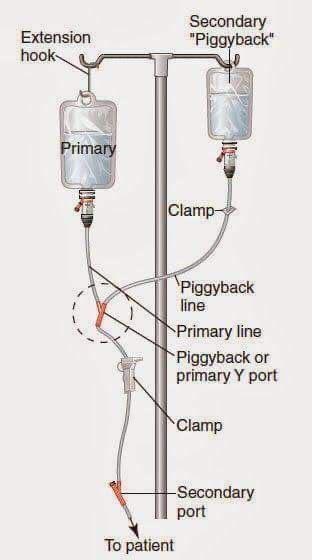
Indications:
• Fluid and electrolyte replacement
• Administration of medicines
• Administration of blood / blood products
• Administration of Total Parenteral Nutrition
• Hemodynamic monitoring , blood sampling
• Fluid and electrolyte replacement
• Administration of medicines
• Administration of blood / blood products
• Administration of Total Parenteral Nutrition
• Hemodynamic monitoring , blood sampling
Choose a suitable vein
In adults, use long straight veins in an upper extremity away from the joints for catheter insertion – in preference to sites on the lower extremities.
In adults, use long straight veins in an upper extremity away from the joints for catheter insertion – in preference to sites on the lower extremities.
In pediatric patients, it is recommended that the cannula be inserted into the scalp, hand, or foot site in preference to a leg, arm, or ante cubital fossa site (Category II).
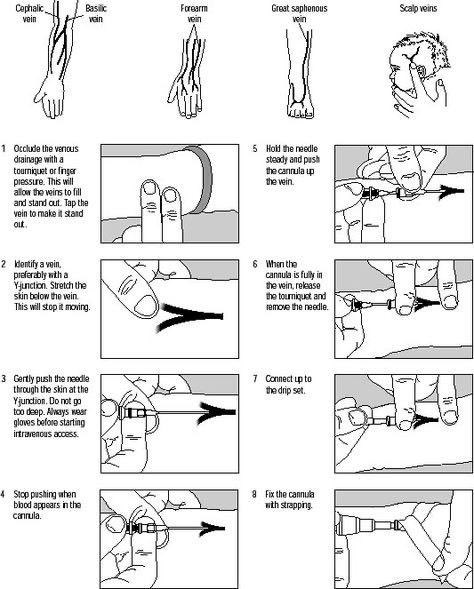
Selecting a vein
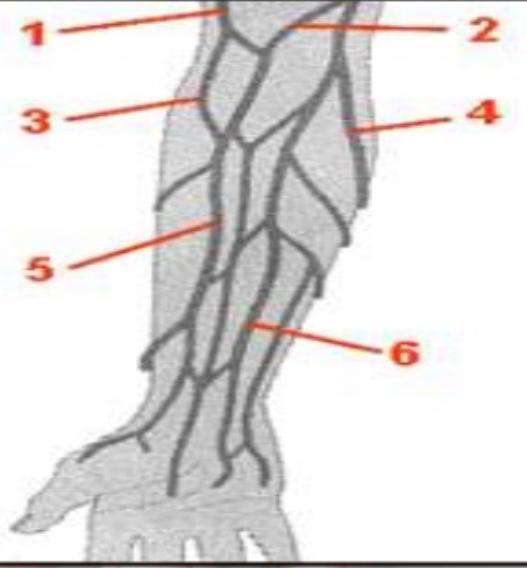
Veins of the Forearm
1. Cephalic vein
2. Median Cubital vein
3. Accessory Cephalic vein
4. Basilic vein
5. Cephalic vein
6. Median antebrachial vein
Veins of the Forearm
1. Cephalic vein
2. Median Cubital vein
3. Accessory Cephalic vein
4. Basilic vein
5. Cephalic vein
6. Median antebrachial vein
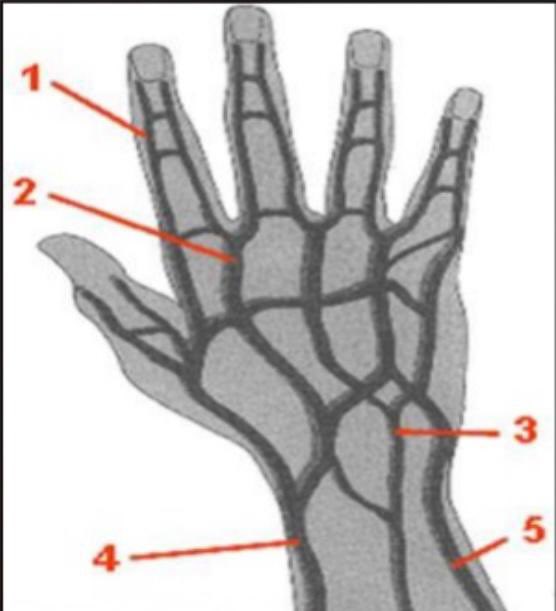
Veins of the Hand
1. Digital Dorsal veins
2. Dorsal Metacarpal veins
3. Dorsal venous network
4. Cephalic vein
5. Basilic vein
1. Digital Dorsal veins
2. Dorsal Metacarpal veins
3. Dorsal venous network
4. Cephalic vein
5. Basilic vein
THE SITES SHOULD BE AVOIDED
1. Wrist
2. Legs, feet, ankles
3. Veins below a previous IV infiltration
4. Vein below a phlebitic area
5. Sclerosed or thrombosed veins
6. Areas of skin inflammation
1. Wrist
2. Legs, feet, ankles
3. Veins below a previous IV infiltration
4. Vein below a phlebitic area
5. Sclerosed or thrombosed veins
6. Areas of skin inflammation
7. An arm affected by a radial mastectomy, edema, blood clot, or infection.
8. An arm with an arteriovenous shunt of fistula
TYPES OF CANNULA
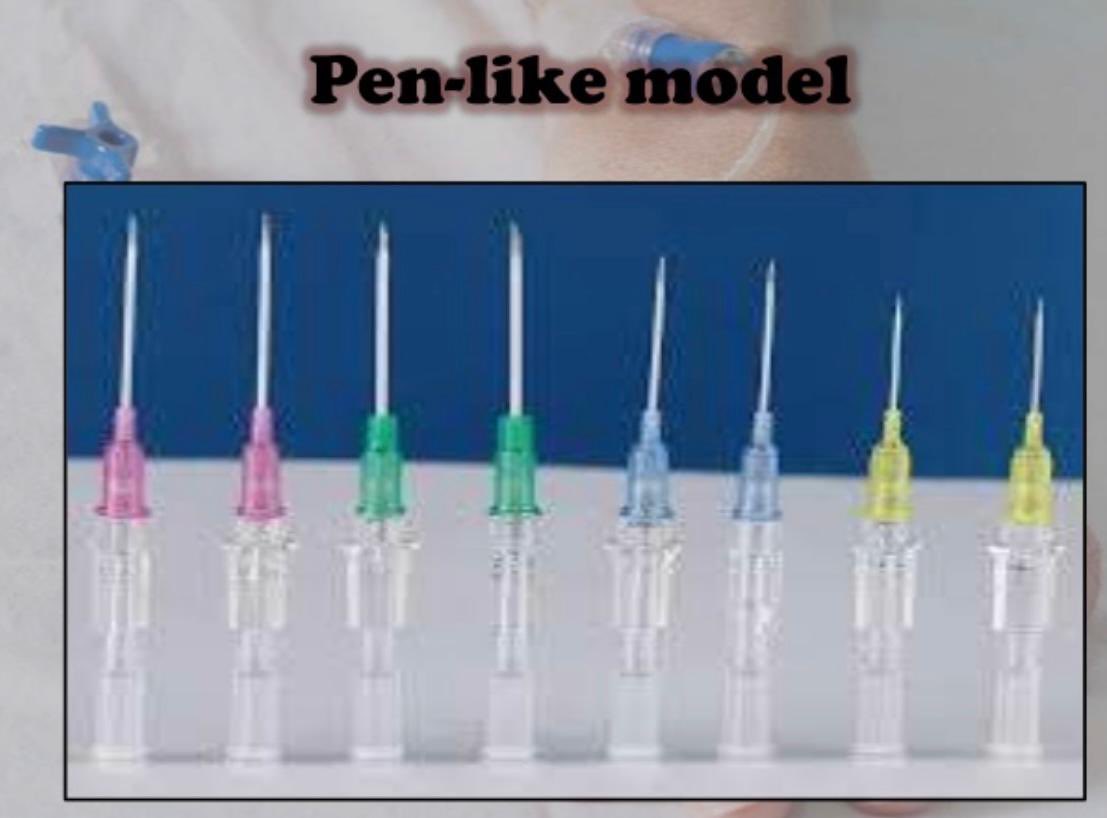
• Iv cannula pen-like model.
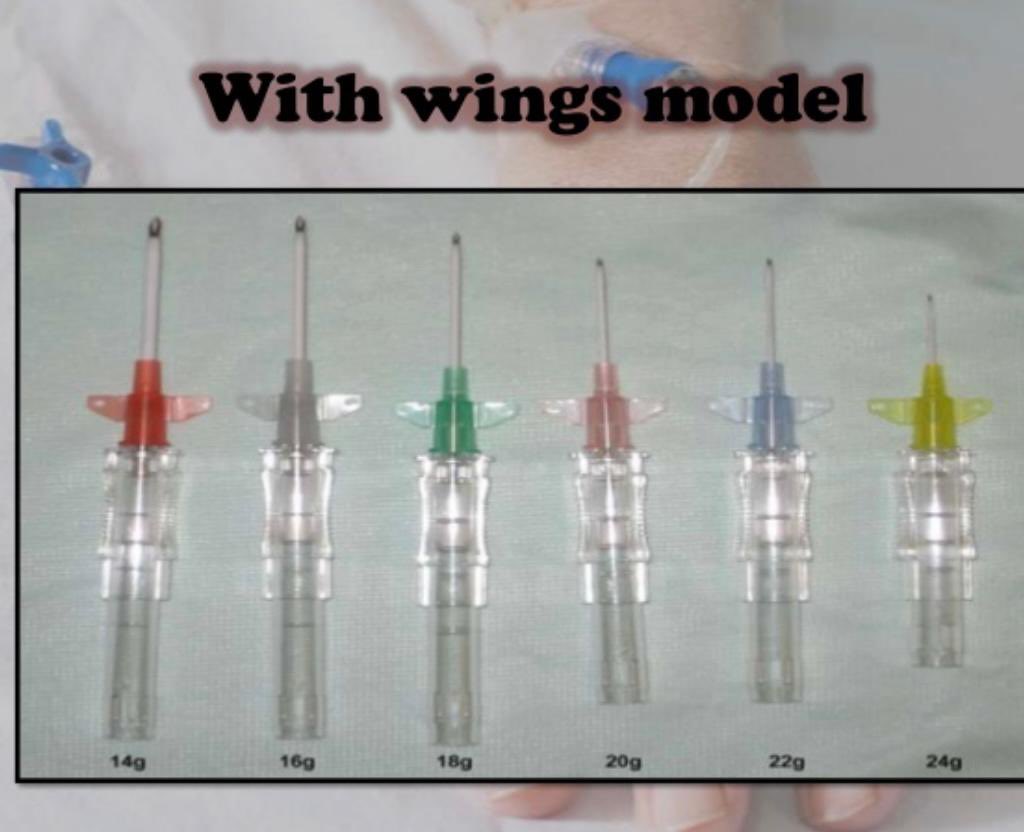
• Iv cannula with wings model.
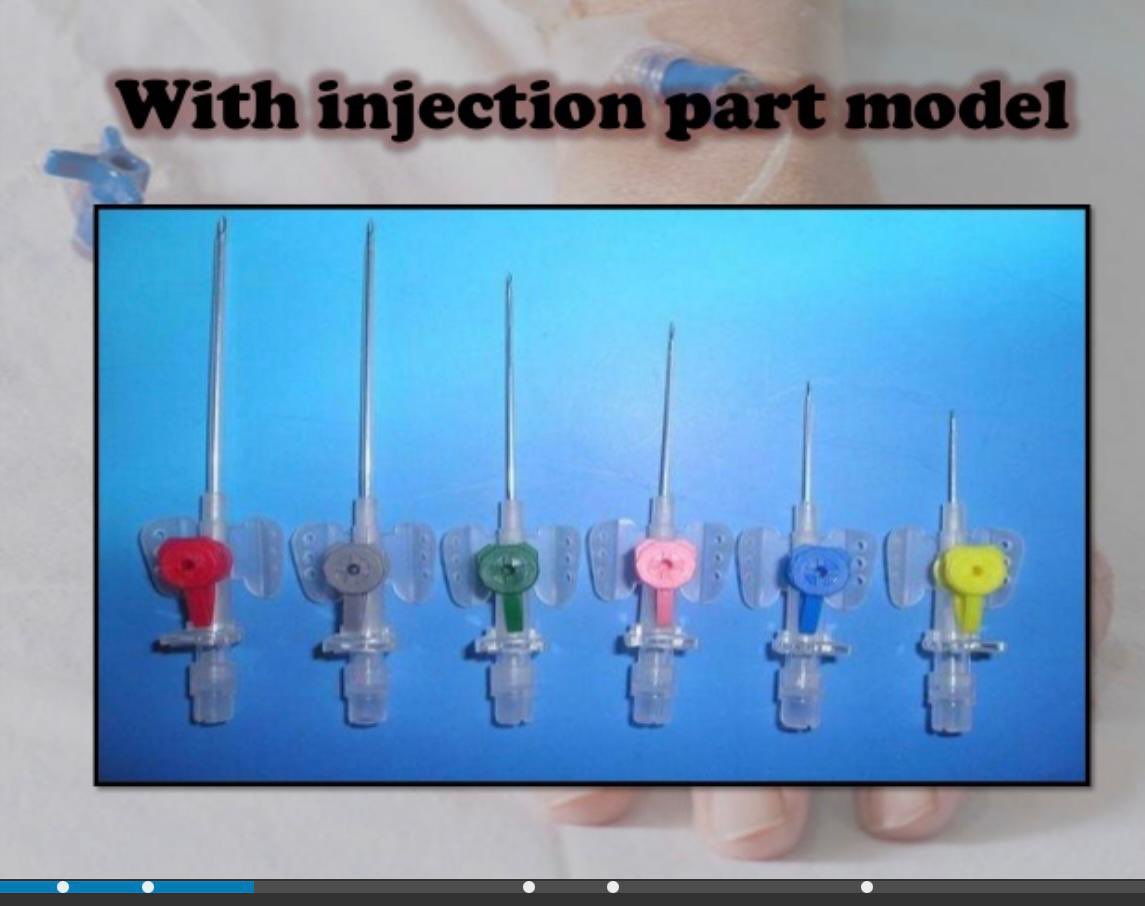
• Iv cannula with injection part model.
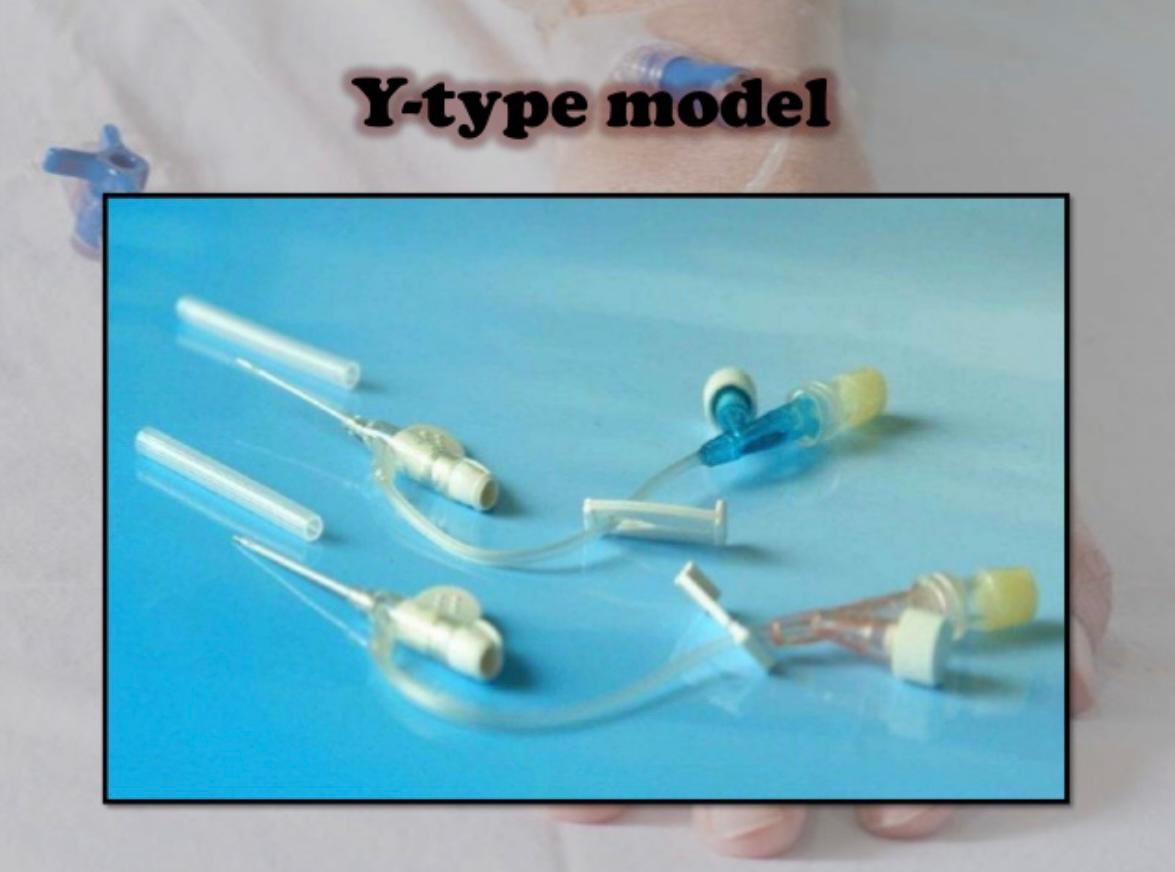
• Iv cannula y-type model.
8. An arm with an arteriovenous shunt of fistula
TYPES OF CANNULA
• Iv cannula pen-like model.
• Iv cannula with wings model.
• Iv cannula with injection part model.
• Iv cannula y-type model.
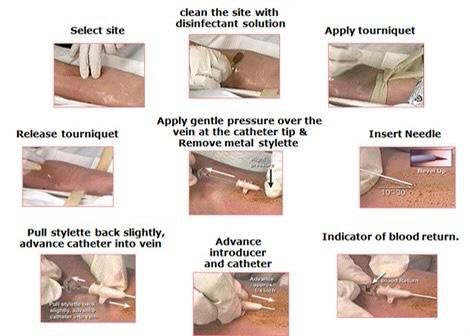
the procedure
By: @Nurse__sa
Loading suggestions...