
Technology
Artificial Intelligence
Open Source
Computer Science
Computer Vision
Object Detection
Haar Cascade

𝗛𝗮𝗮𝗿 𝗖𝗮𝘀𝗰𝗮𝗱𝗲𝘀👨💻
- Arguably OpenCV’s ( Open source Computer Vision ) most popular object detection algorithm.
-What is it?
-Algorithm
-Limitation
-Applications
A BIG Thread 🧵👇
- Arguably OpenCV’s ( Open source Computer Vision ) most popular object detection algorithm.
-What is it?
-Algorithm
-Limitation
-Applications
A BIG Thread 🧵👇
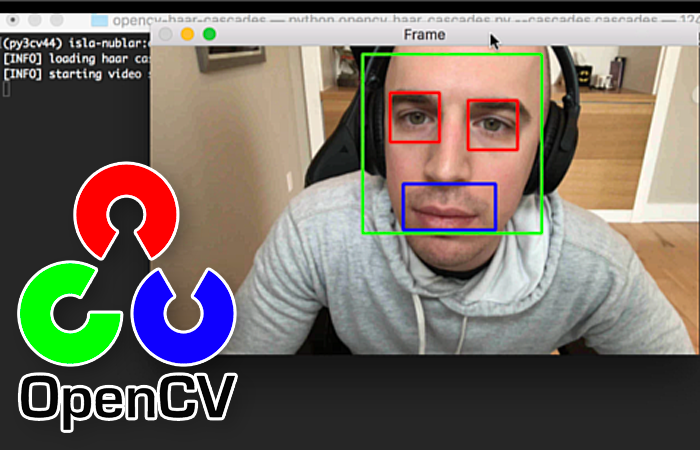
We are living in an era, where object detection is used everywhere.
From security cameras to our mobile phones, it is used everywhere.
Haar classifiers, classifiers were used in the 𝗳𝗶𝗿𝘀𝘁 𝗿𝗲𝗮𝗹-𝘁𝗶𝗺𝗲 𝗳𝗮𝗰𝗲 𝗱𝗲𝘁𝗲𝗰𝘁𝗼𝗿.
From security cameras to our mobile phones, it is used everywhere.
Haar classifiers, classifiers were used in the 𝗳𝗶𝗿𝘀𝘁 𝗿𝗲𝗮𝗹-𝘁𝗶𝗺𝗲 𝗳𝗮𝗰𝗲 𝗱𝗲𝘁𝗲𝗰𝘁𝗼𝗿.

𝗪𝗵𝗮𝘁 𝗶𝘀 𝗛𝗮𝗮𝗿 𝗖𝗮𝘀𝗰𝗮𝗱𝗲 ❔
Haar Cascade classifiers are an effective way for object detection.
This method was proposed by Paul Viola and Michael Jones in their paper Rapid Object Detection using a Boosted Cascade of Simple Features.
Haar Cascade classifiers are an effective way for object detection.
This method was proposed by Paul Viola and Michael Jones in their paper Rapid Object Detection using a Boosted Cascade of Simple Features.
Haar Cascade is a machine learning-based approach where a lot of positive and negative images are used to train the classifier.
𝗣𝗼𝘀𝗶𝘁𝗶𝘃𝗲 𝗶𝗺𝗮𝗴𝗲𝘀- These images contain the images which we want our classifier to identify
𝗡𝗲𝗴𝗮𝘁𝗶𝘃𝗲 𝗶𝗺𝗮𝗴𝗲𝘀- Everything else
𝗣𝗼𝘀𝗶𝘁𝗶𝘃𝗲 𝗶𝗺𝗮𝗴𝗲𝘀- These images contain the images which we want our classifier to identify
𝗡𝗲𝗴𝗮𝘁𝗶𝘃𝗲 𝗶𝗺𝗮𝗴𝗲𝘀- Everything else
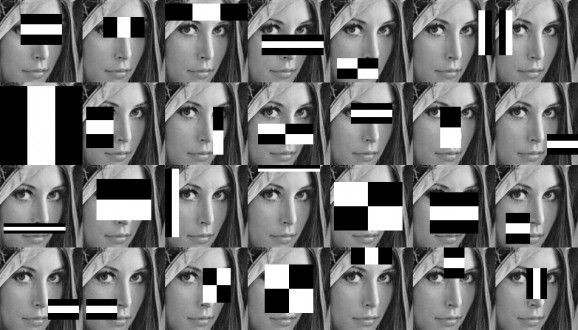
𝗔𝗹𝗴𝗼𝗿𝗶𝘁𝗵𝗺 📱
The algorithm can be explained in four stages-
1⃣Calculating Haar Features
2⃣Creating Integral Images
3⃣Using Adaboost
4⃣Implementing Cascading Classifiers
The algorithm can be explained in four stages-
1⃣Calculating Haar Features
2⃣Creating Integral Images
3⃣Using Adaboost
4⃣Implementing Cascading Classifiers
1⃣ 𝗖𝗮𝗹𝗰𝘂𝗹𝗮𝘁𝗶𝗻𝗴 𝗛𝗮𝗮𝗿 𝗙𝗲𝗮𝘁𝘂𝗿𝗲𝘀
In easy language,
It is basically the calculation of the features we want to extract from an image.
For example, in face recognition, it can be the nose, eyes, etc.
In easy language,
It is basically the calculation of the features we want to extract from an image.
For example, in face recognition, it can be the nose, eyes, etc.
2⃣ 𝗖𝗿𝗲𝗮𝘁𝗶𝗻𝗴 𝗜𝗻𝘁𝗲𝗴𝗿𝗮𝗹 𝗜𝗺𝗮𝗴𝗲𝘀
So to speed up those calculations, we use integral images.
Instead of computing every pixel, it creates sub-rectangles and creates array references for each of those sub-rectangles
So to speed up those calculations, we use integral images.
Instead of computing every pixel, it creates sub-rectangles and creates array references for each of those sub-rectangles
3⃣ 𝗔𝗱𝗮𝗯𝗼𝗼𝘀𝘁 𝗧𝗿𝗮𝗶𝗻𝗶𝗻𝗴
Adaboost essentially chooses the best features and trains the classifiers to use them.
It uses a combination of “weak classifiers” to create a “strong classifier” that the algorithm can use to detect objects.
Adaboost essentially chooses the best features and trains the classifiers to use them.
It uses a combination of “weak classifiers” to create a “strong classifier” that the algorithm can use to detect objects.

4⃣ 𝗜𝗺𝗽𝗹𝗲𝗺𝗲𝗻𝘁𝗶𝗻𝗴 𝗖𝗮𝘀𝗰𝗮𝗱𝗶𝗻𝗴 𝗖𝗹𝗮𝘀𝘀𝗶𝗳𝗶𝗲𝗿𝘀
The cascade classifier is made up of a series of stages, where each stage is a collection of weak learners.
Weak learners are trained using boosting, which allows for a highly accurate classifier.
The cascade classifier is made up of a series of stages, where each stage is a collection of weak learners.
Weak learners are trained using boosting, which allows for a highly accurate classifier.

𝗟𝗶𝗺𝗶𝘁𝗮𝘁𝗶𝗼𝗻 🚫
Haar cascades are notoriously prone to false positives
The Viola-Jones algorithm can easily report a face in an image when no face is present.
Haar cascades are notoriously prone to false positives
The Viola-Jones algorithm can easily report a face in an image when no face is present.
𝗔𝗽𝗽𝗹𝗶𝗰𝗮𝘁𝗶𝗼𝗻𝘀 𝗼𝗳 𝗛𝗮𝗮𝗿 𝗖𝗮𝘀𝗰𝗮𝗱𝗲𝘀
-Autonomous Vehicles
-Facial Recognition
-Image Search
-Agriculture
-Industries
-Security
-Autonomous Vehicles
-Facial Recognition
-Image Search
-Agriculture
-Industries
-Security

Hey,
Thanks for coming to the end of the thread ❤️
It was one of the longest threads by me!!
If you like my content then
- Retweet the first tweet✅
- Follow @sauain 💪
Thanks for coming to the end of the thread ❤️
It was one of the longest threads by me!!
If you like my content then
- Retweet the first tweet✅
- Follow @sauain 💪
Loading suggestions...