
History
Culture
Archaeology
Cultural studies
South Asia
Indian subcontinent
Prehistoric cultures
Ganges River
Brahmaputra River
Indus River
Himalayas
Tibetan Plateau
South Asian Studies
Thread with excerpts from “The Archaeology of South Asia: From the Indus to Asoka” by Robin Coningham and Ruth Young

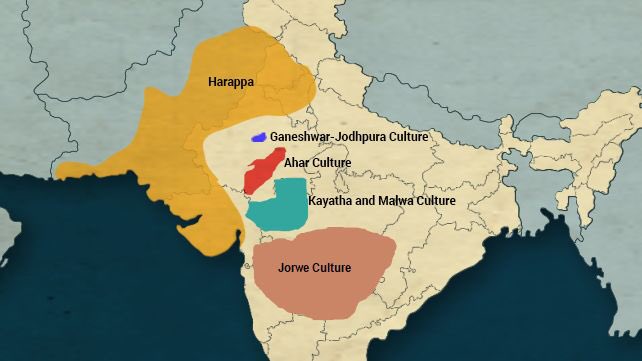
Cultures of prehistoric Indian subcontinent by time & place 6000 BC to 0 AD

Sources of Ganges, Brahmaputra, & Indus Rivers are in Himalayas & Tibetan Plateau.

India gets two monsoons - the southwest monsoon from June through September, & the northeast monsoon from October through December. 8000-6000 BC there was a change in monsoons that led to warmer & wetter India, sparking development of animal domestication & sedentary lifestyles.


Nilgiri Highlands in Tamil Nadu were wetter and warmer in last Ice Age. Region has gotten dryer since 8000 BC.


Indo-Gangetic Plain was a savannah with scattered forests. Farming developed in the Plain between 7000-6500 BC. Also possible abortive neolithic around 11,000 BC in Horton Plains of Central Sri Lanka.


Authors description of what makes a society a Neolithic society: farming, use of domesticated animals, sedentary lifestyles, pottery, & relatively advanced stone tools with no metal.


Earliest finds of cotton in world were found in Mehrgarh archaeological site


Use of red ochre in earliest Mehrgarh burials is interesting example of cultural convergence. Proto-Indo-Europeans in Ukraine, Iron Age Berbers in Libya, Toharian people from Kroraina, & Mayans in Yucatán all used red ochre for burials, & clearly were not in contact.

Loebanr III & Kalako-deray sites in Swat Valley (~1700 BC) had jade beads & harvesters, artifacts characteristic of the Yangshao culture of Yellow River basin in China.


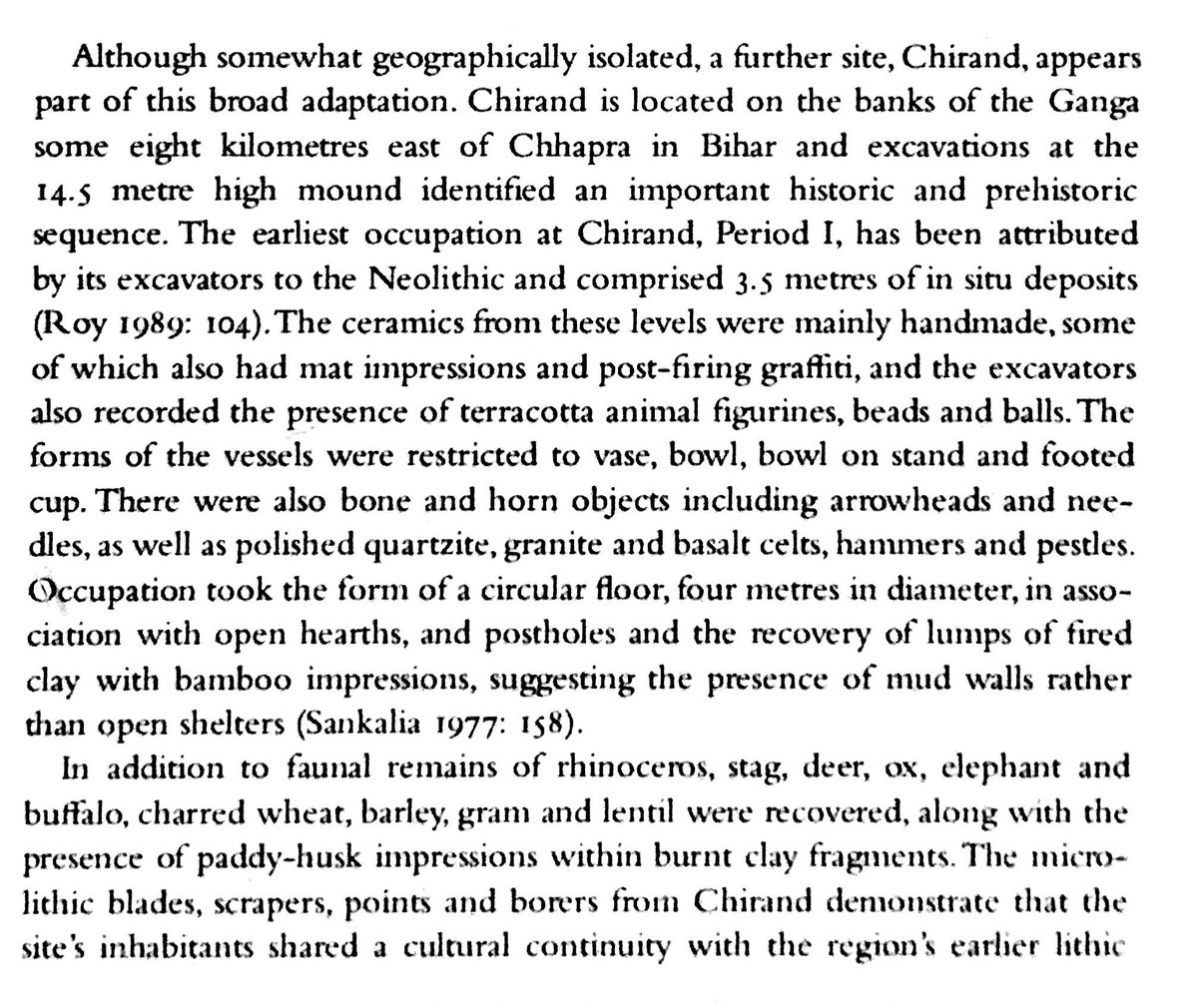
Neolithic civilization in Ganges River basin in eastern India, Nepal, Burma, & Bengal that derived from previous mesolithic hunter-gatherers. The civilization isn’t well dated, only good radiocarbon date from a site from the civilization is 2000 BC. They had stone axes & rice.



Domestic sheep near Kothari River in Rajasthan in 5th millennium BC. 3rd millennium BC Gujarat & Rajasthan had farming & herding - disputed if it was due to settlers from Indus River Valley Civilization or local hunter-gatherers who adopted that lifestyle from the west.


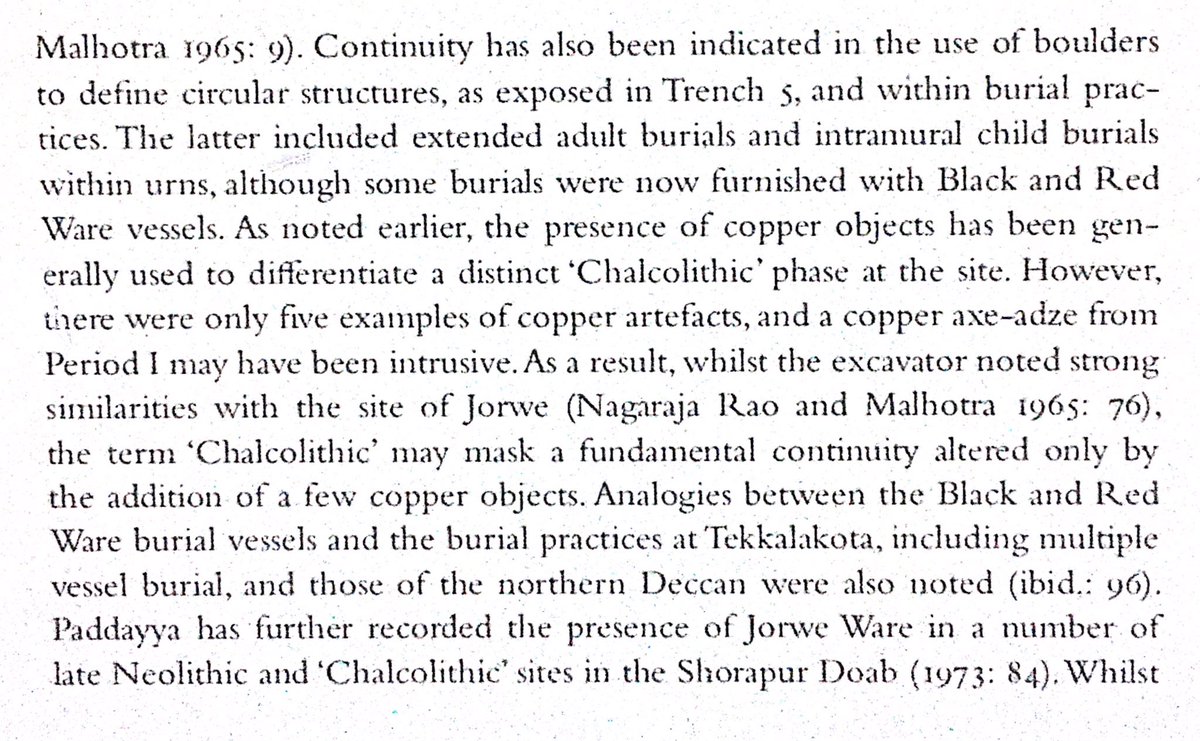
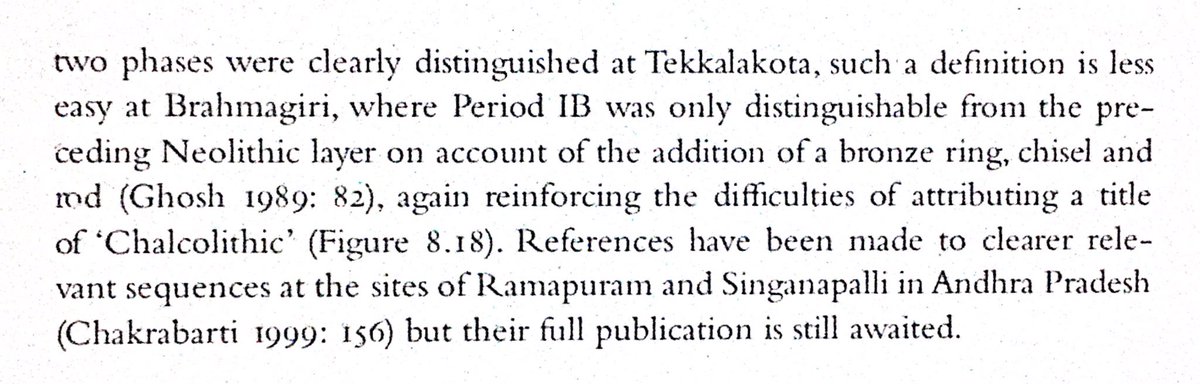
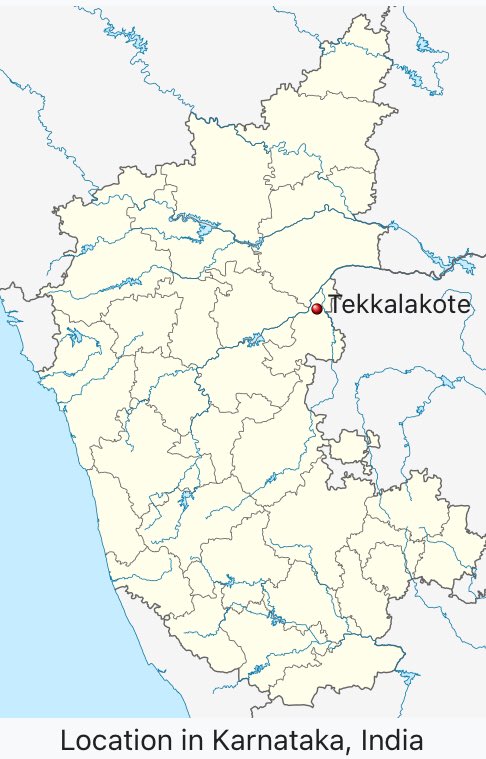
Karnataka by 2300-2200 BC had domesticated several local plants for farming. Then numerous sites there were abandoned in that period, many cattle stockades were burned in enormous fires, & new pastoral practices appeared in Karnataka with new settlements.


Possible Neolithic farming society in Sri Lanka collapsed or reverted to hunting & gathering after climate change ruined agriculture after 5500 BC. Agriculture was reintroduced & metalworking was introduced after settlers from the subcontinent arrived after 900 BC.


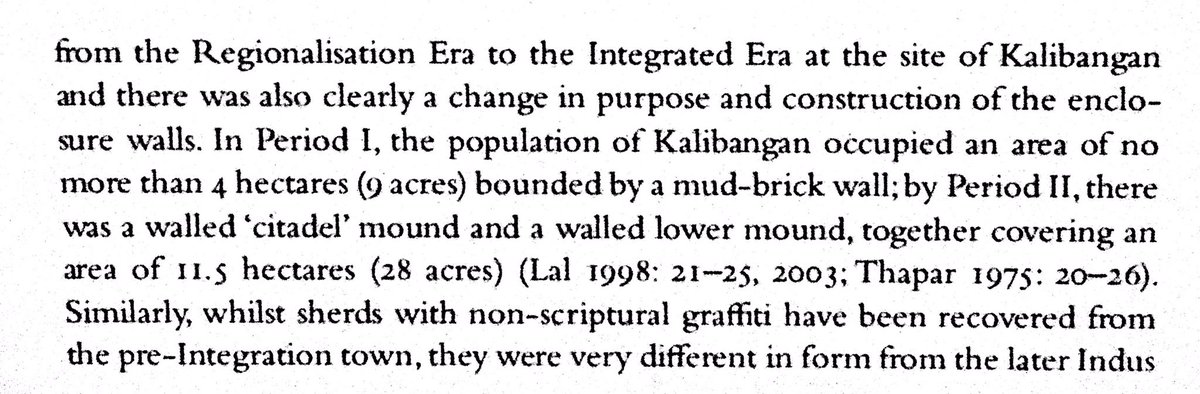
Gradual rather than sudden development of urban societies in Indian Subcontinent 6000 - 2000 BC. Some pottery shards show graffiti from proto-writing which was very different from the Indus Valley Civilization script.



Baluchistan 4300-3500 BC had growing settlements made of mud bricks, & featured granaries & stores. Lapis lazuli, steatite, turquoise, carnelian, & seashells were all worked with pottery in specialized workshops. Glass was made at same time as Egypt & Mesopotamia.


Baluchistan 3500-3000 shows signs of earliest irrigation channels in subcontinent, though debated. 3000-2600 population seems to have grown & social complexity increased. Monumental platforms (pyramids?) were built, & trade as far as Afghanistan & western India was conducted.


Late 4th millennium BC Kandahar was linked by trade to Elam. Proto-Elamite writing on tablets has been found in Kandahar.


3200-2600 BC Kot Dijian tradition emerged as unified pottery type across Indus River Valley & into Haryana & Rajasthan. They built walls around their settlements that were 6 m thick & 5 m tall. They had carts, bull figurines, & large brick platforms. Bricks were uniform in size.


2800-2600 BC several Indus River Valley Civilization settlements were burned, & almost all were abandoned. Invaders from Baluchistan mixed with their predecessors & kept much of their material culture. After invasion, almost all settlements were built in virgin lands, not ruins.


Harappa had about 30,000 residents. Mohenjo-Daro had 30,000-40,000.


Indus River Valley Civilization’s “Era of Integration” 2600-1900 BC featured rise of large urban areas & cultural homogenization. IVC at the time was 20x size of Egypt & 10x size of Mesopotamia. Over 1000 known settlements from Era of Integration are known.


Indus Valley Civilization built even their small settlements with drains.


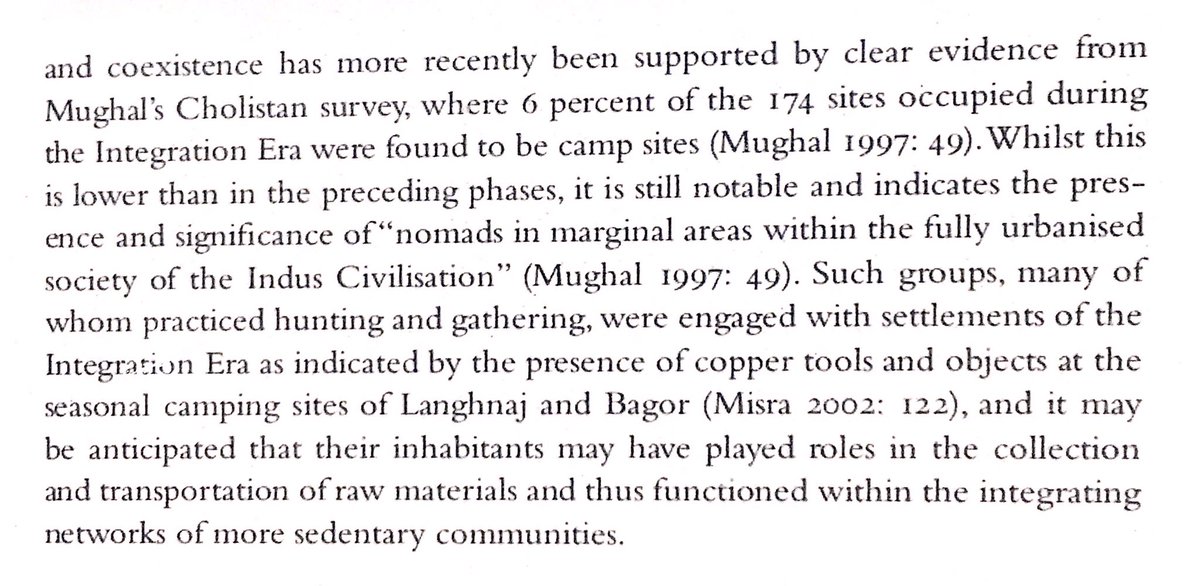
Nomadic pastoral groups roamed the marginal parts of the IVC, but were economically integrated, probably bringing raw materials to the permanent settlements, then leaving with manufactured goods.

Baluchistan coast under under influence of Indus Valley Civilization, but rest of Baluchistan remained culturally distinctive as the Kulli Culture 2500-2000 BC.


Sumerians called Bahrain “Dilmun”. It was a center of trade in 3rd millennium BC for Mesopotamia, Iran, Oman, & the Indus Valley. 150k tumuli tombs were built there. Sumerians viewed it as very wealthy.
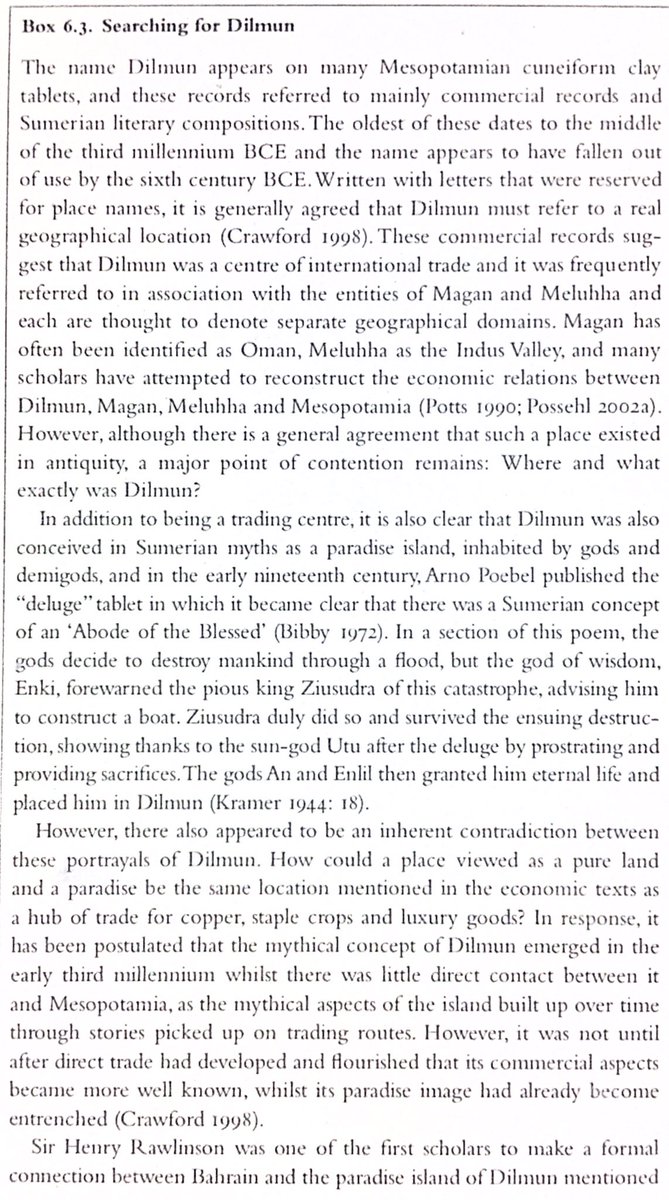


Little evidence for sea trade in 4th millennium BC in Arabian Sea & Persian Gulf. 3rd millennium did have sea trade though. Indus Valley Civilization artifacts & writing found in Oman, Bahrain, Khuzestan & UAE. IVC weights for trade measurements indicate extensive contacts.


Baluchistan was overrun by invaders from Central Asia or Iran around 2000 BC. Settlements were burned & abandoned, walls were destroyed, & many objects were smashed. Horse bones are found in subsequent layers. Continuity in axes & cylinder seals though.

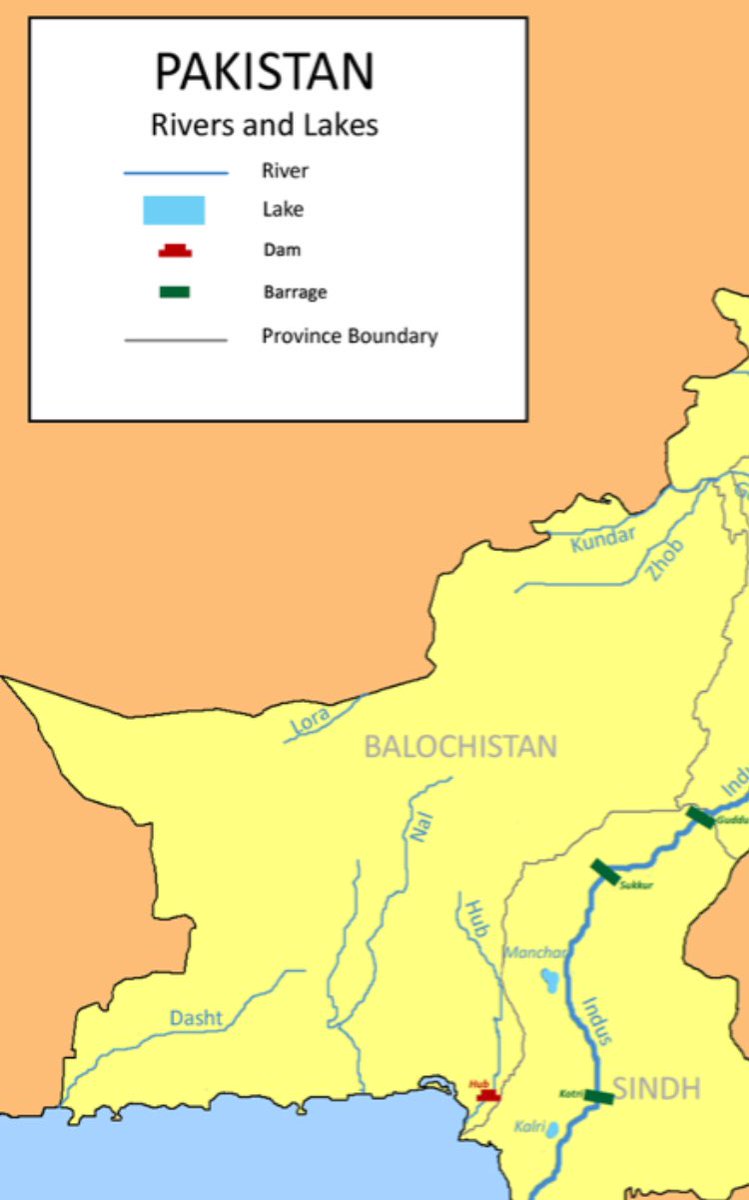
@marmuzah For Brahui, might be that the Indo-Iranians (not sure if specifically Aryans) got absorbed by their subjects, similar to how Turkic Bulgars became Slavic Bulgarians.
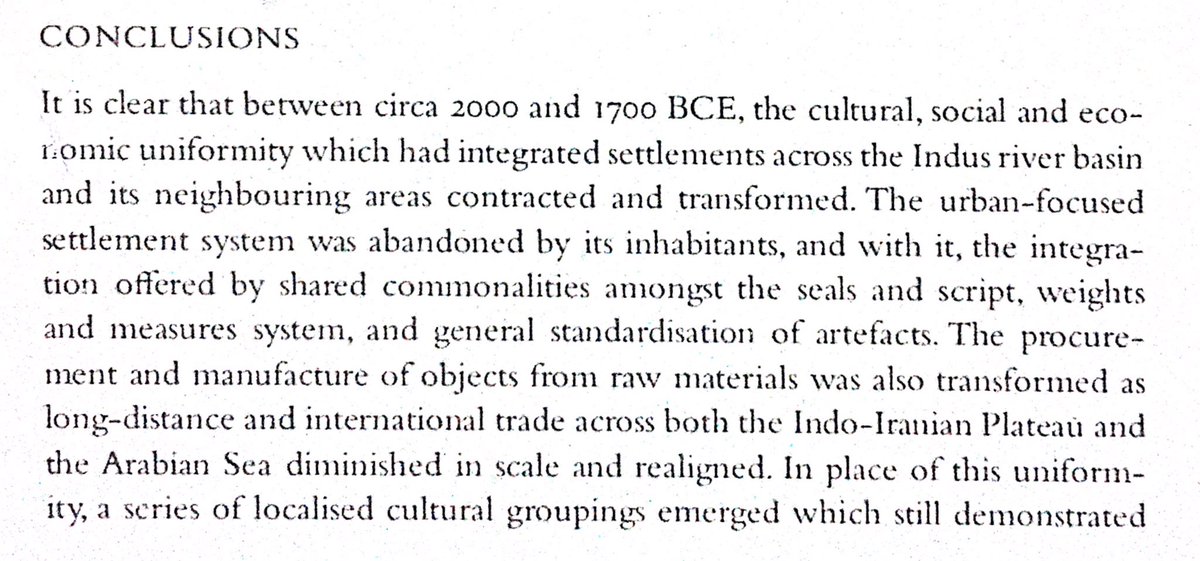
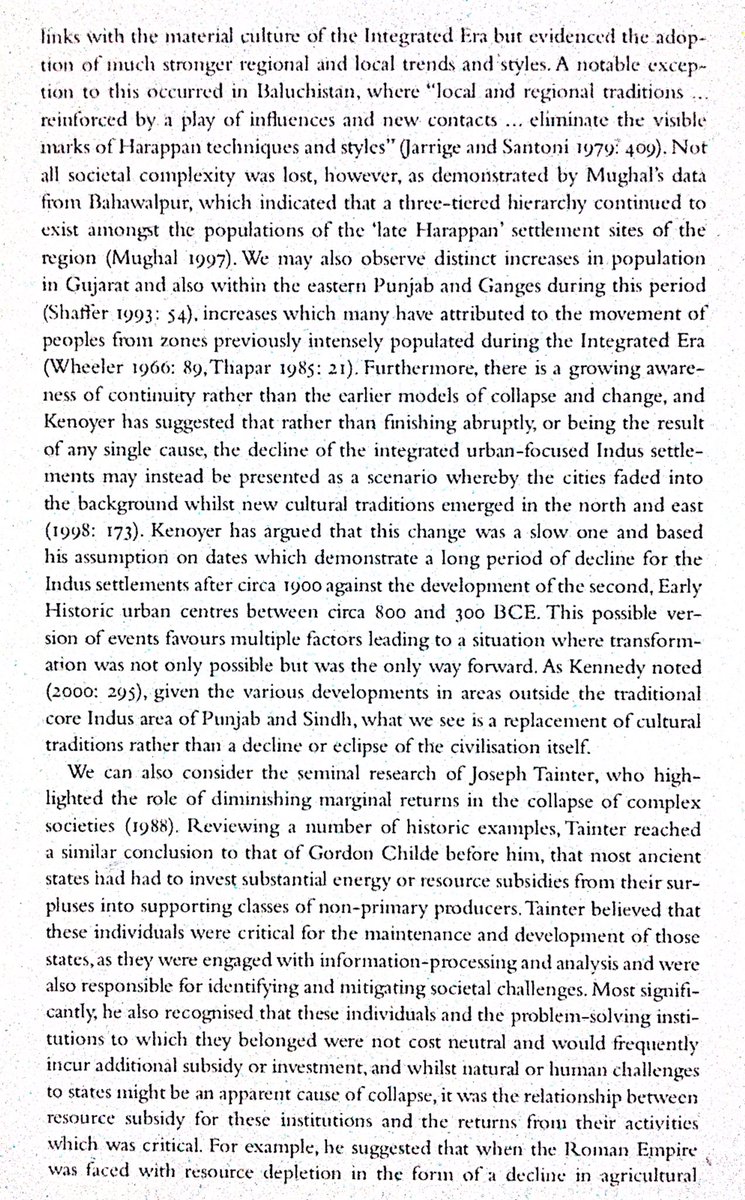
Decline & fall of Indus Valley Civilization 2000-1700 BC featured abandonment of urban areas & breakdown of trade in both Iran & Arabian Sea. However, population increased in E Punjab & Gujarat.
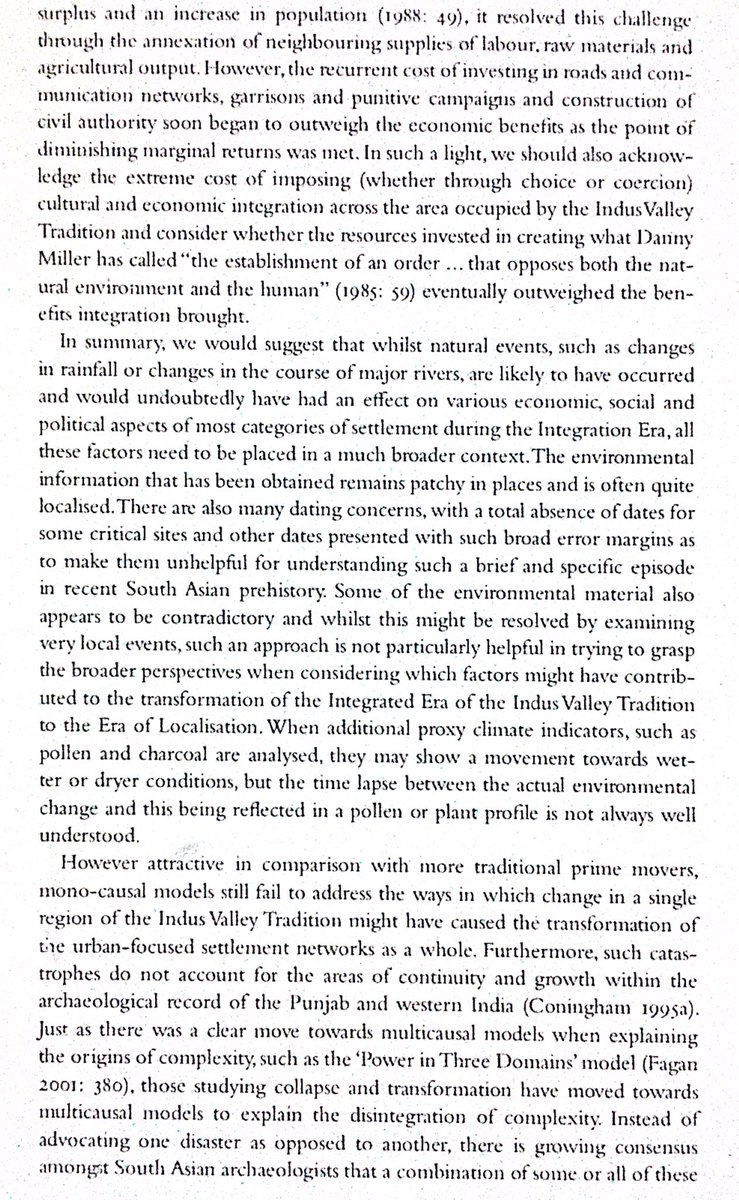
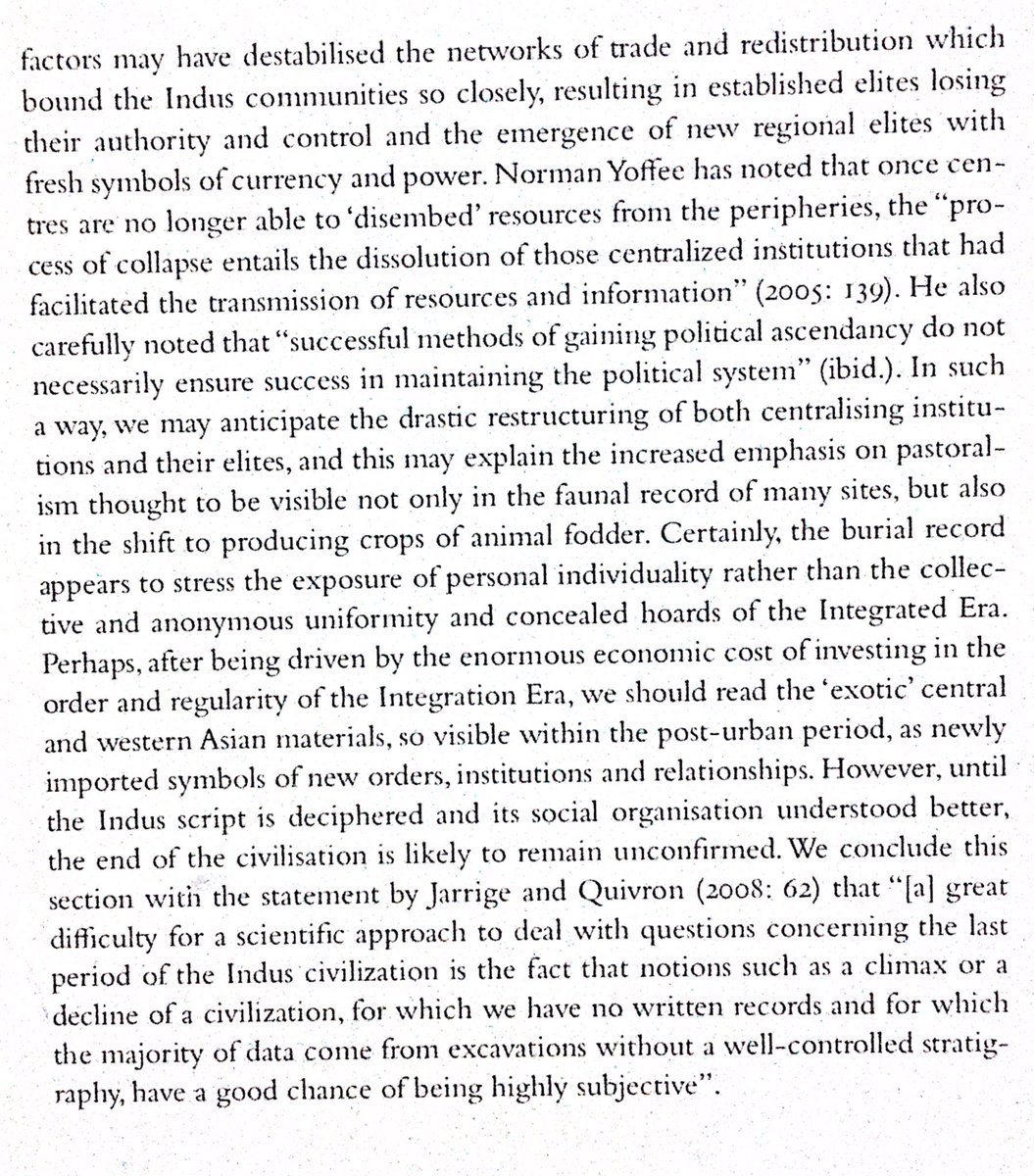
Copper hoards dating to 1750-1250 BC have been found in the Ganga-Yamuna Doab (pictured). They are filled with swords, harpoons, spears, axes, rings, & tools. They were not made from Indus Valley Civilization techniques, leading some to suspect that they are of Aryan origin.
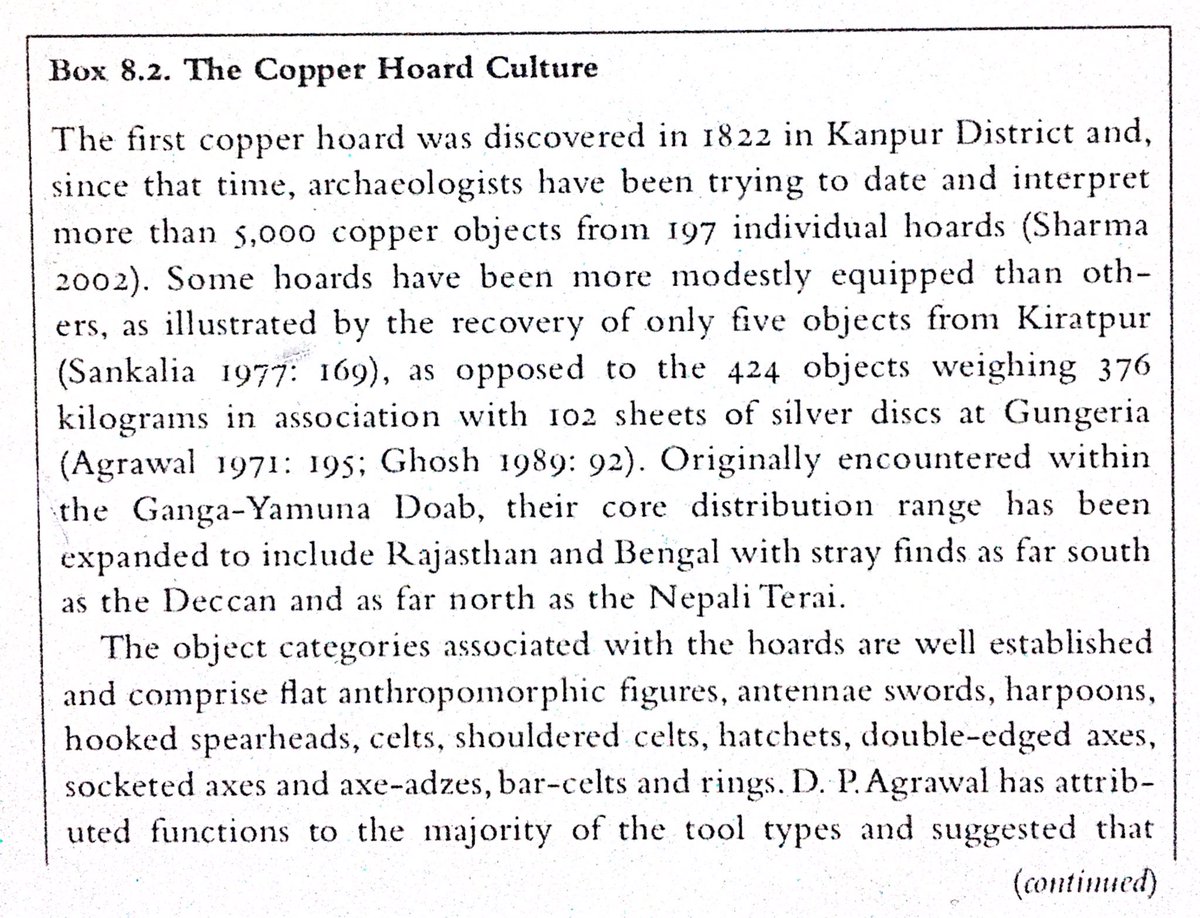
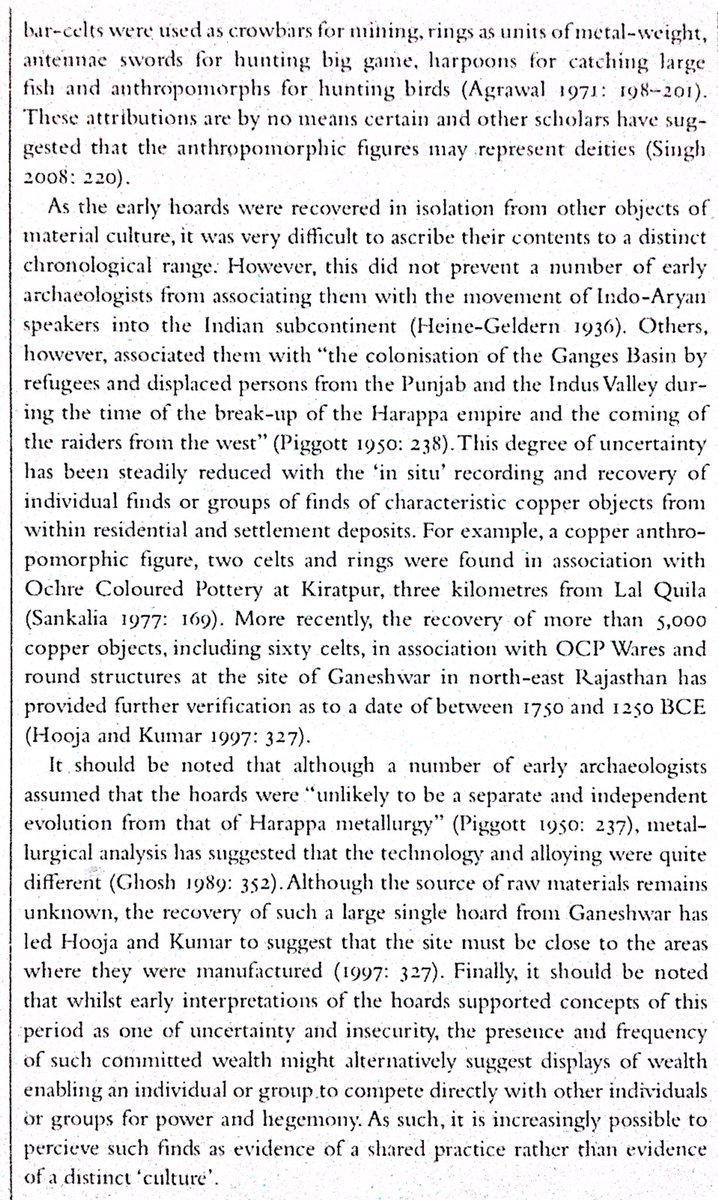
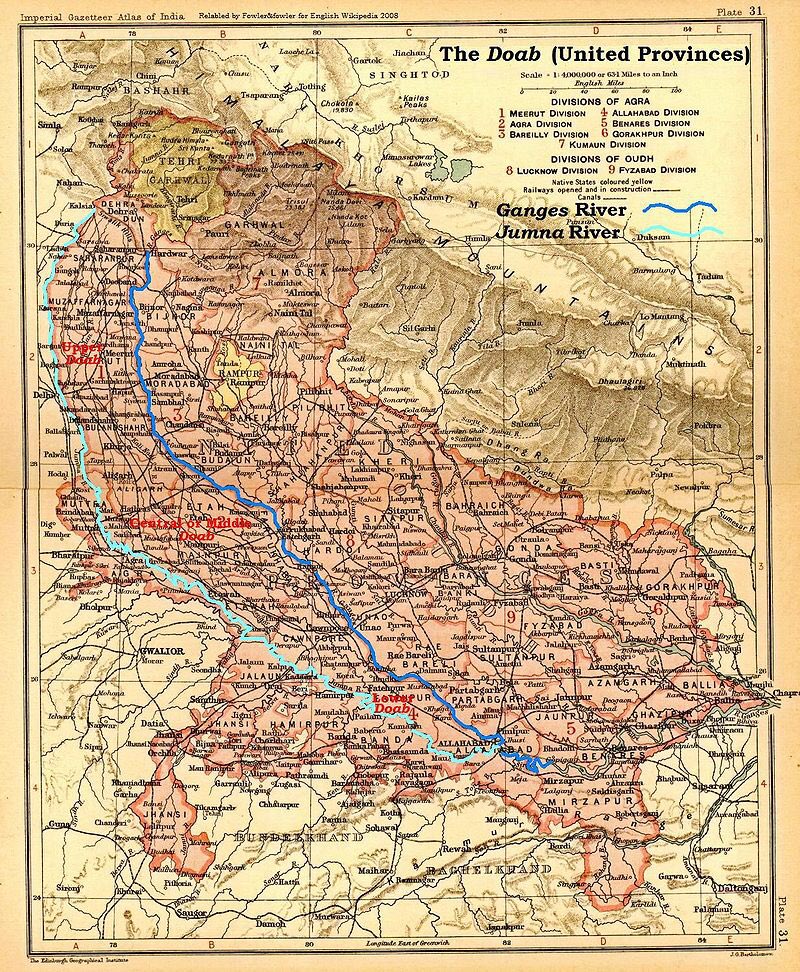
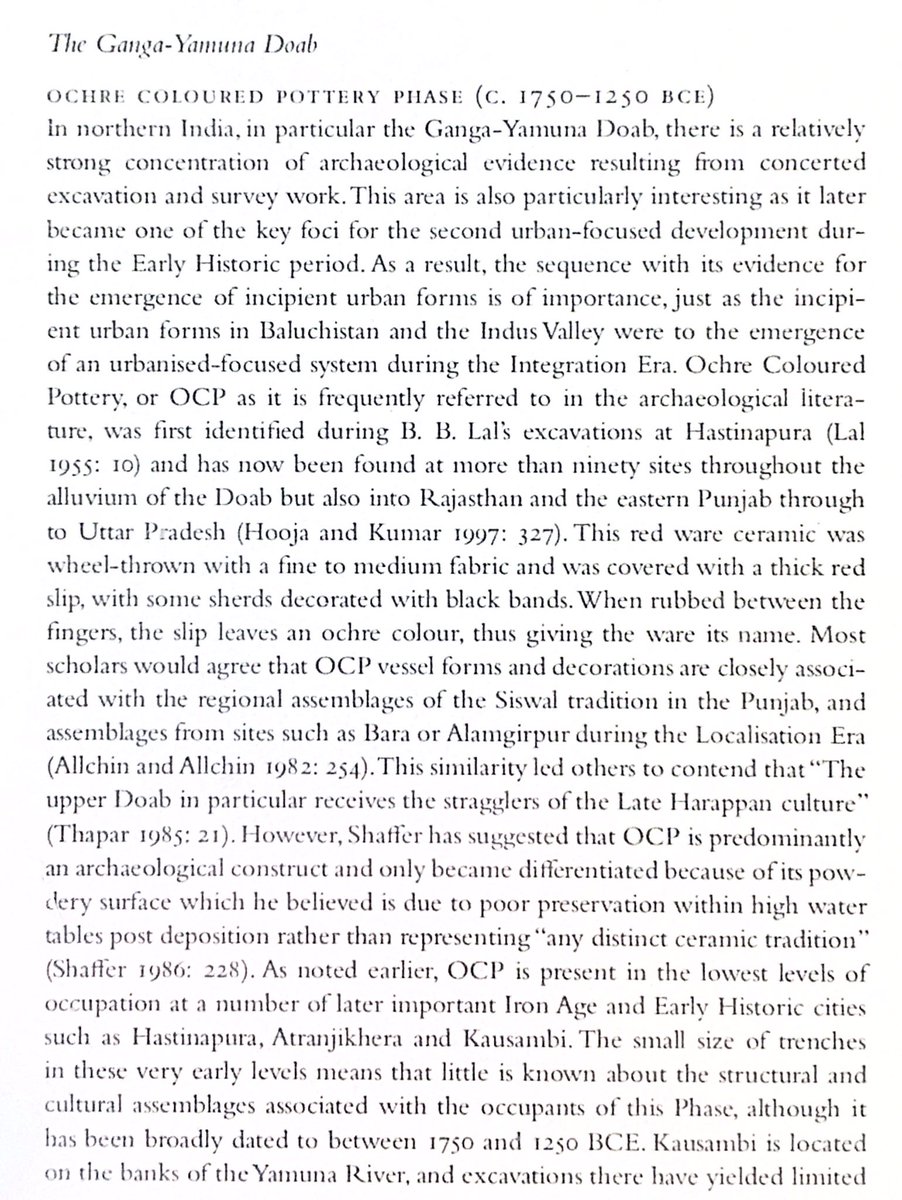
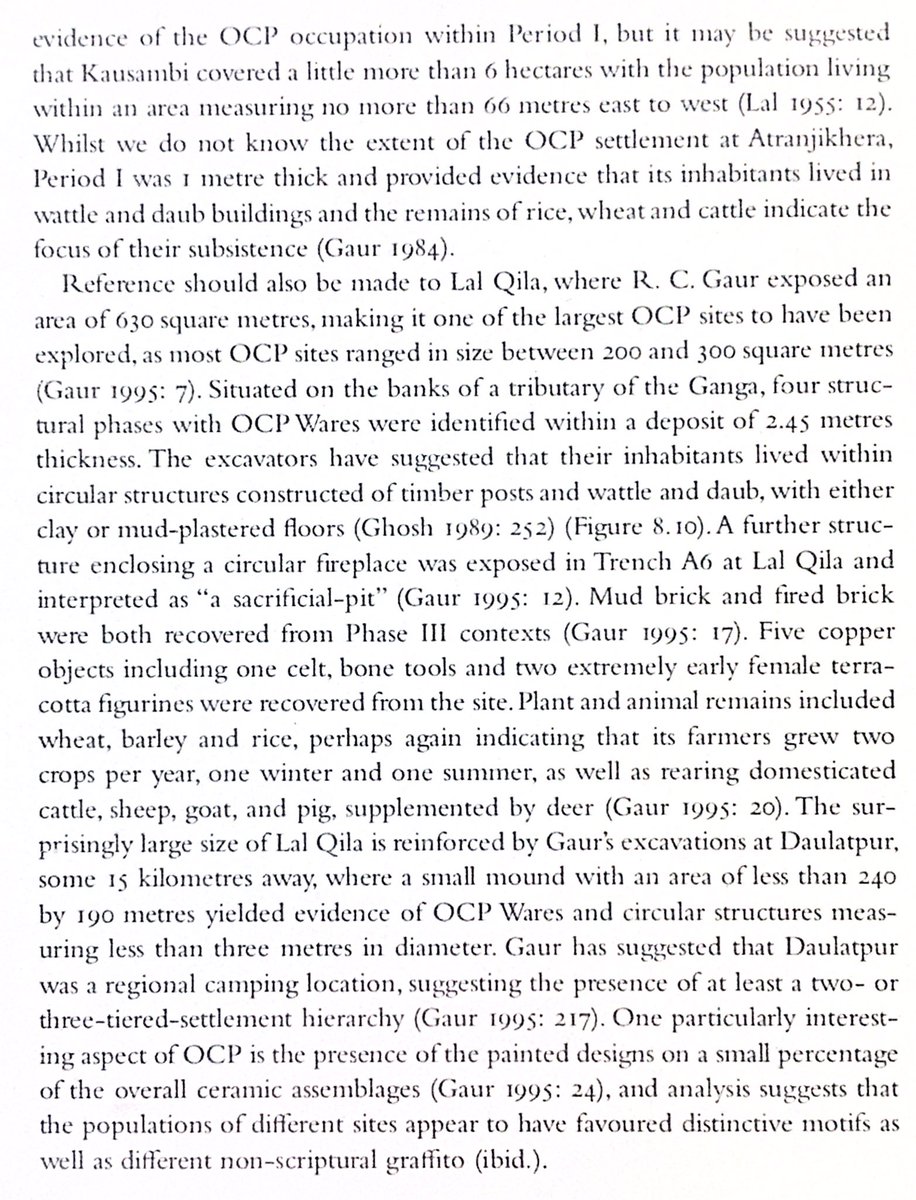
Many cities in the Ganga-Yamuna Doab that would become important in the historical era were founded in the Late Bronze Age (1750-1250 BC). Both rice & wheat were farmed. Cattle were herded. Possible animal sacrifice.
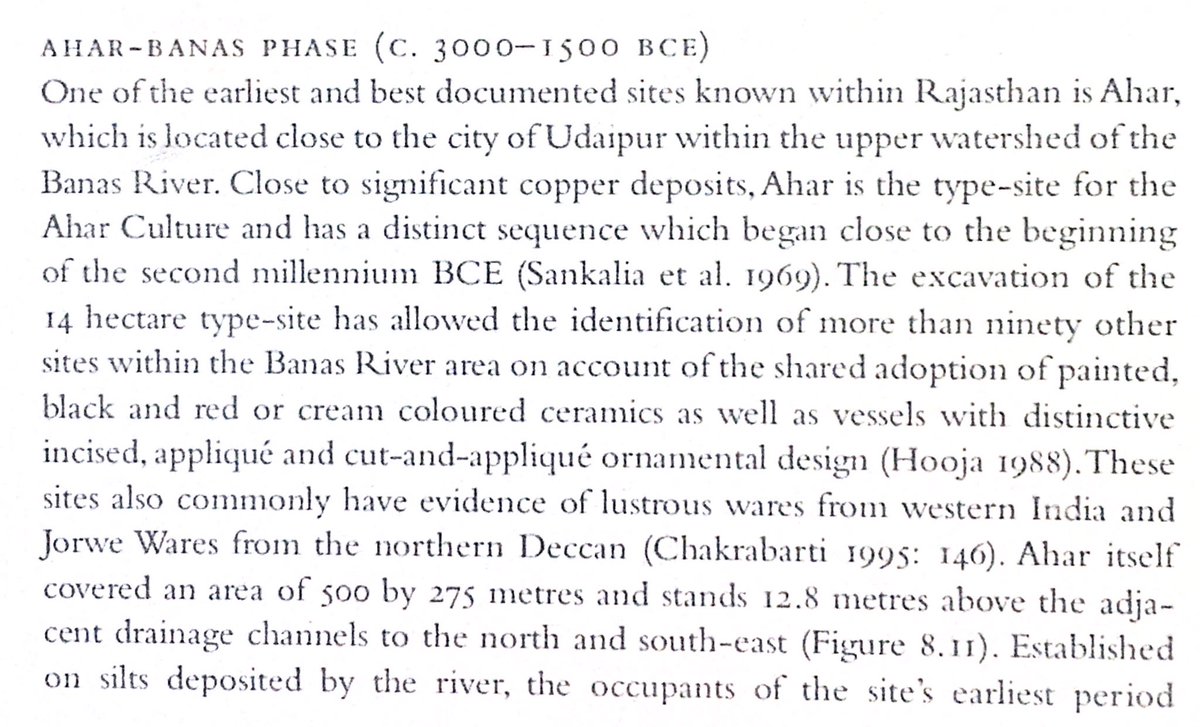
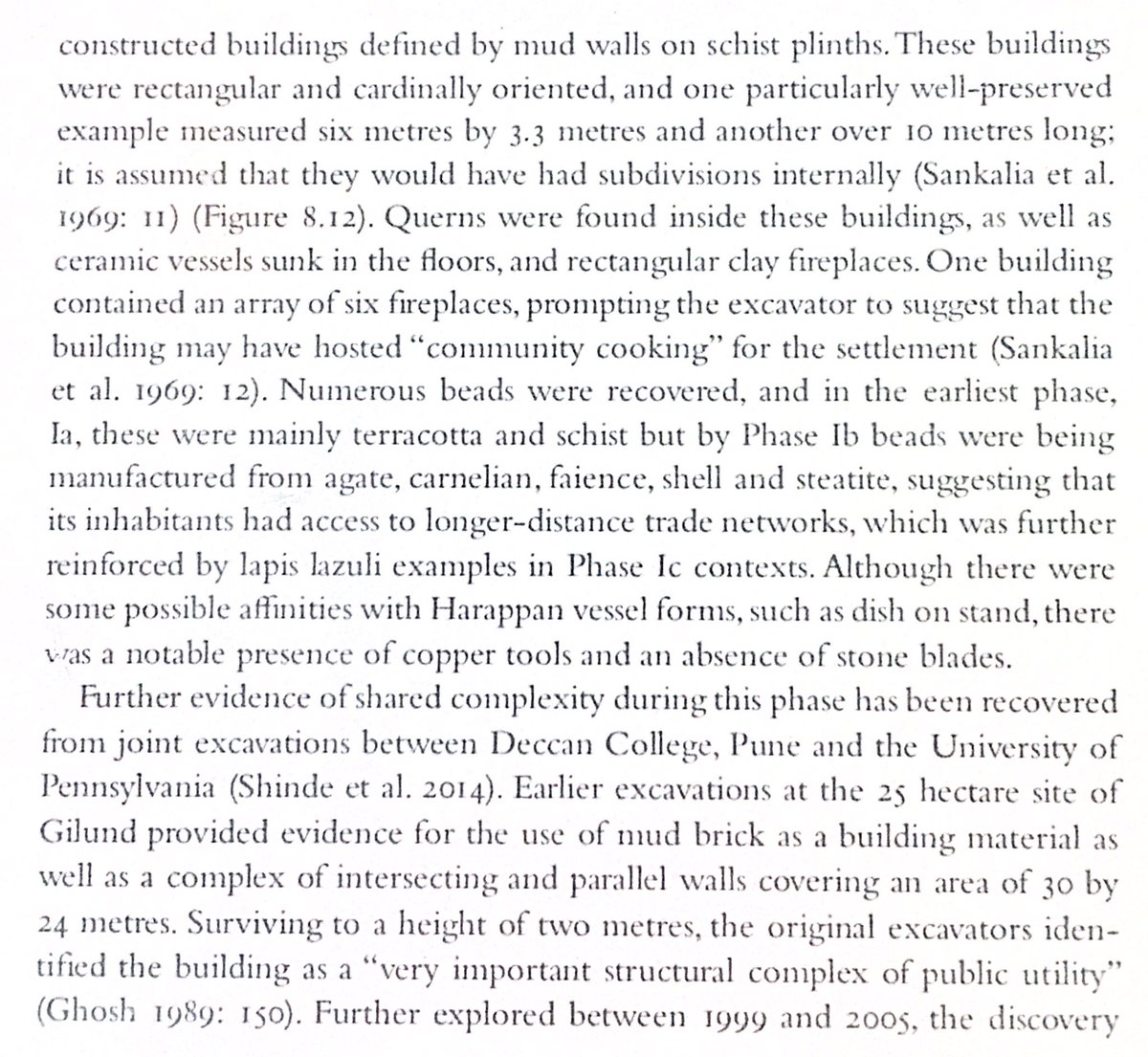
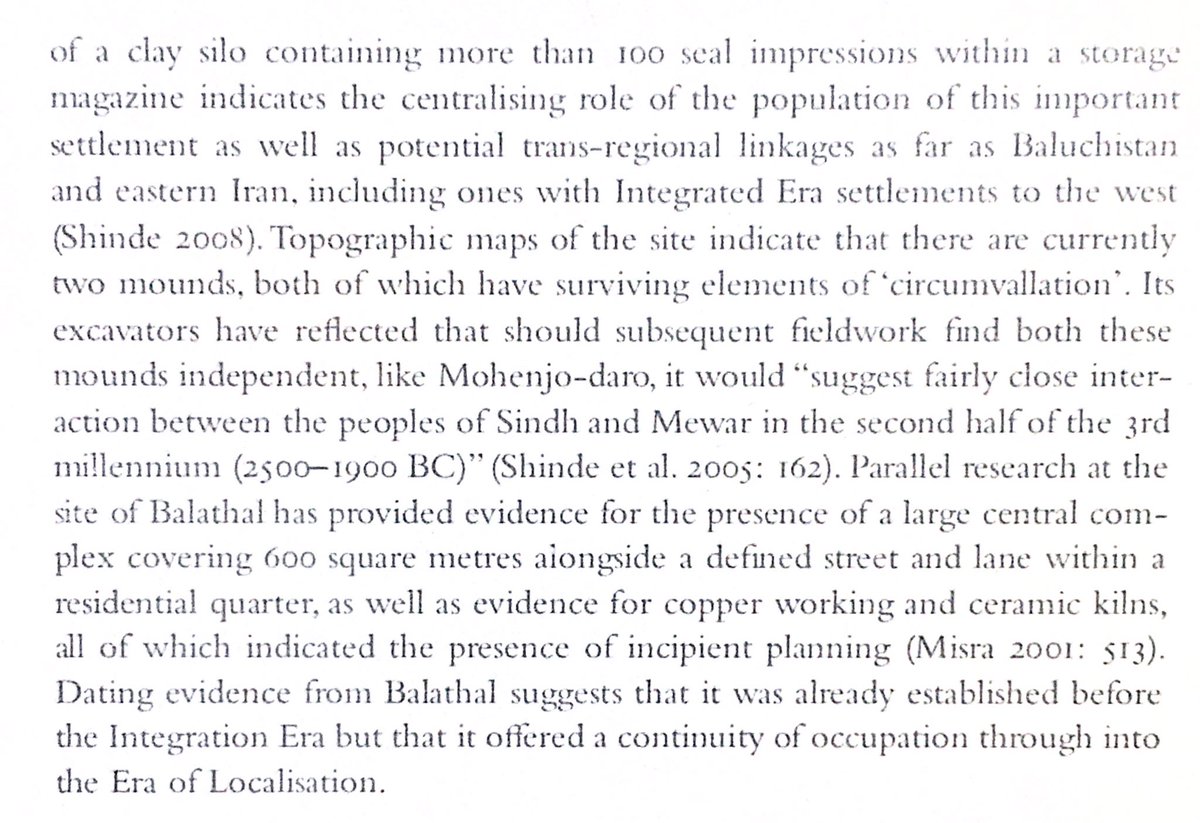
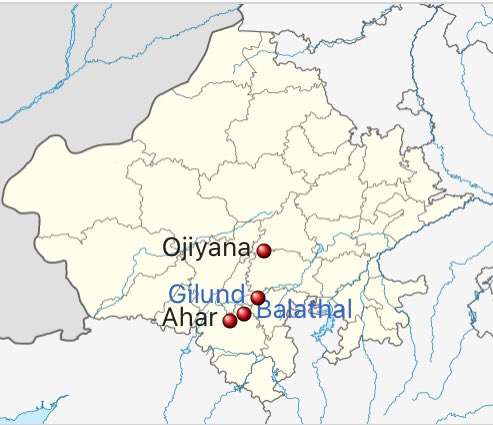
Ahar-Banas Culture in Rajasthan was near a major copper deposit 3000-1500 BC. Some sites worked copper. They had a cultural change around 2000 BC & outlasted the IVC by centuries. They were connected to IVC by trade routes as well as the northern Deccan.
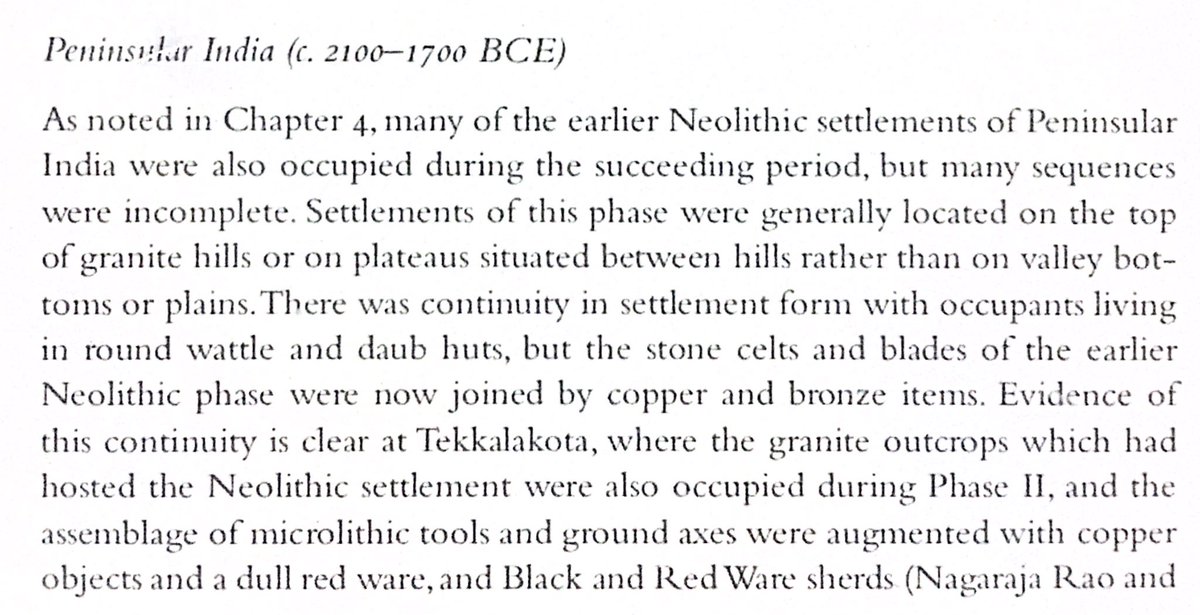
Copper and bronze introduced to Karnataka between 2100-1700 BC.
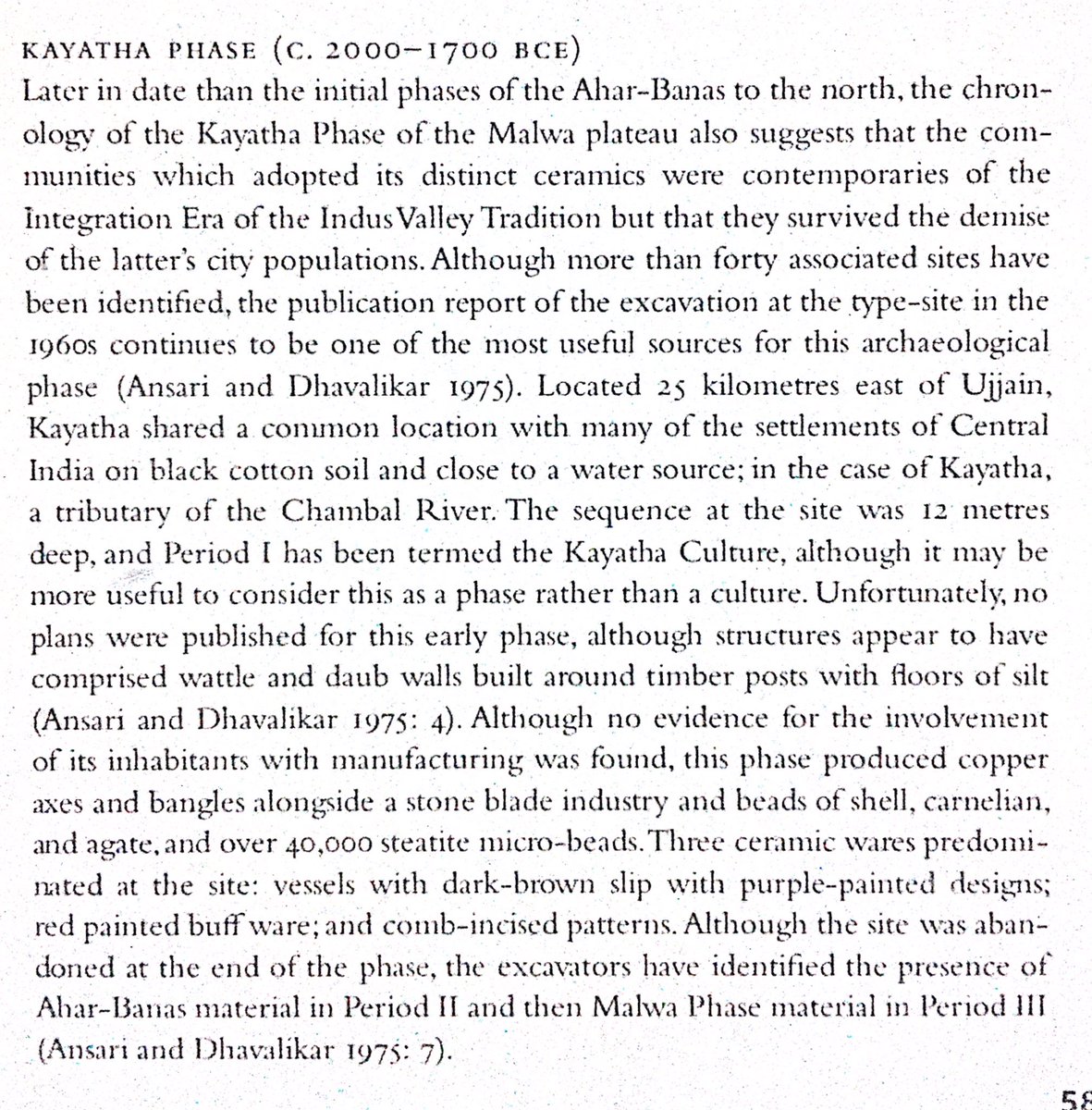
Kayatha Culture on the Malwa Plateau existed 2000-1700 BC. They had copper axes, and were in contact with Ahar-Banas as well as Malwa cultures.
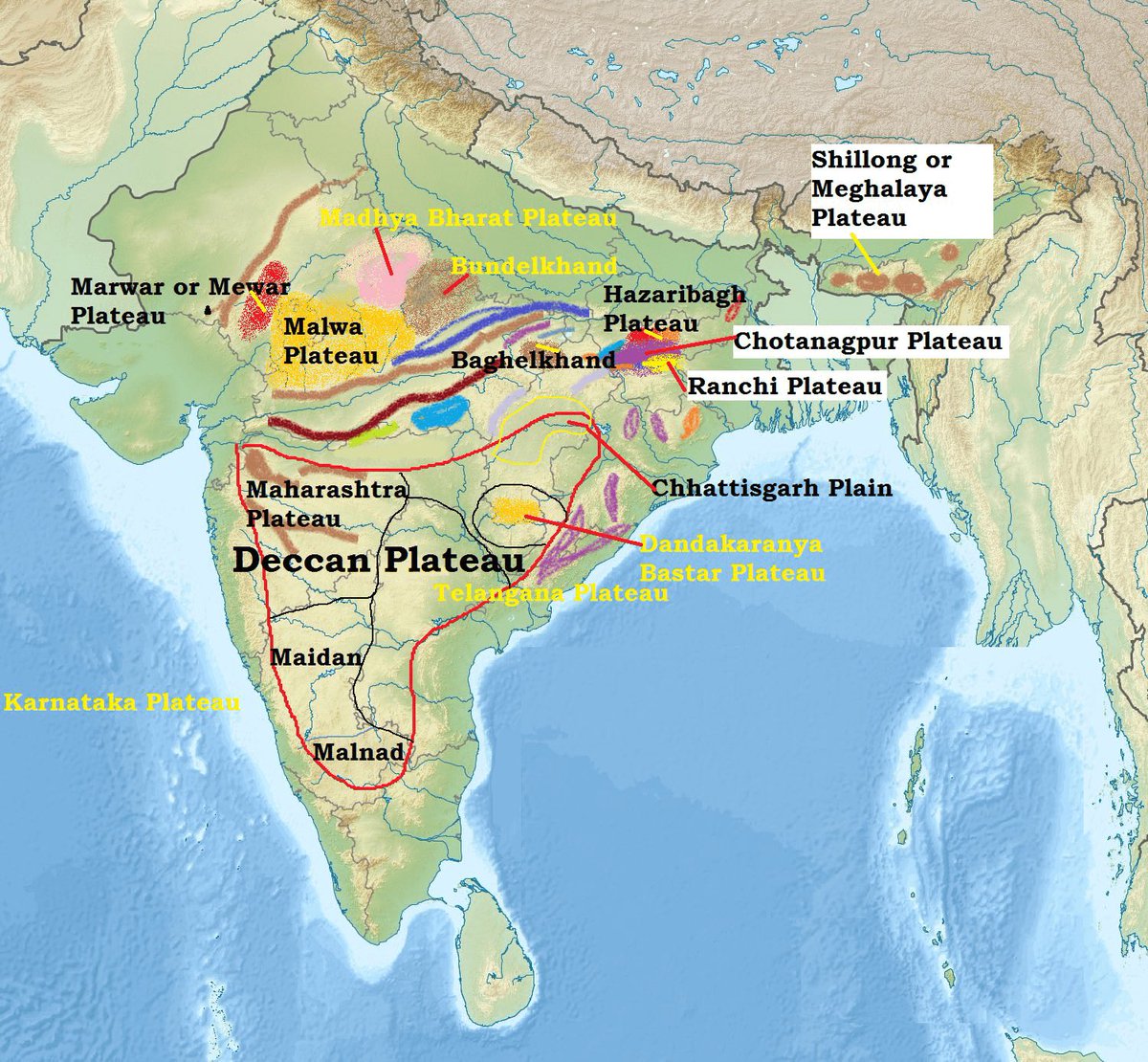
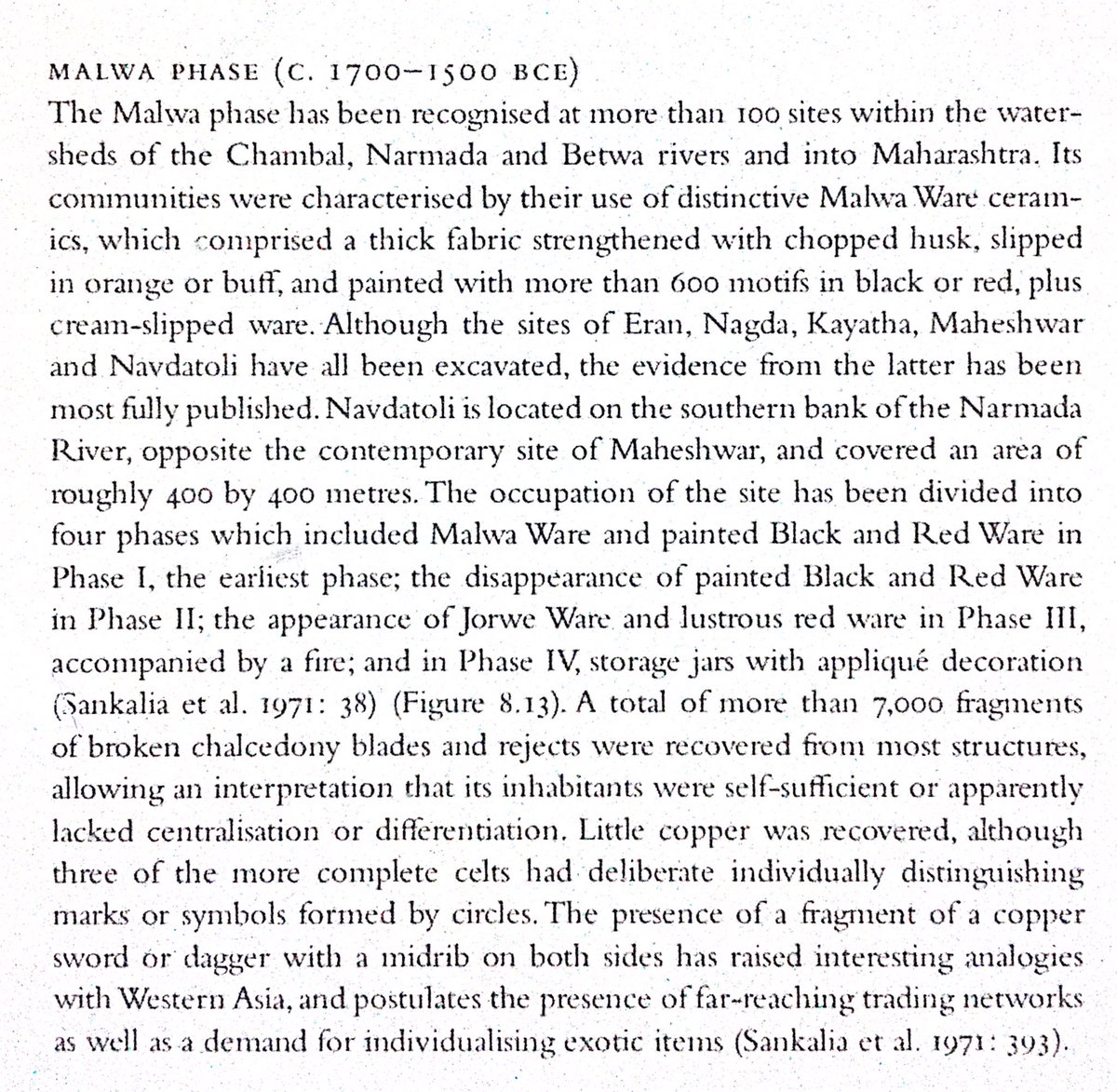
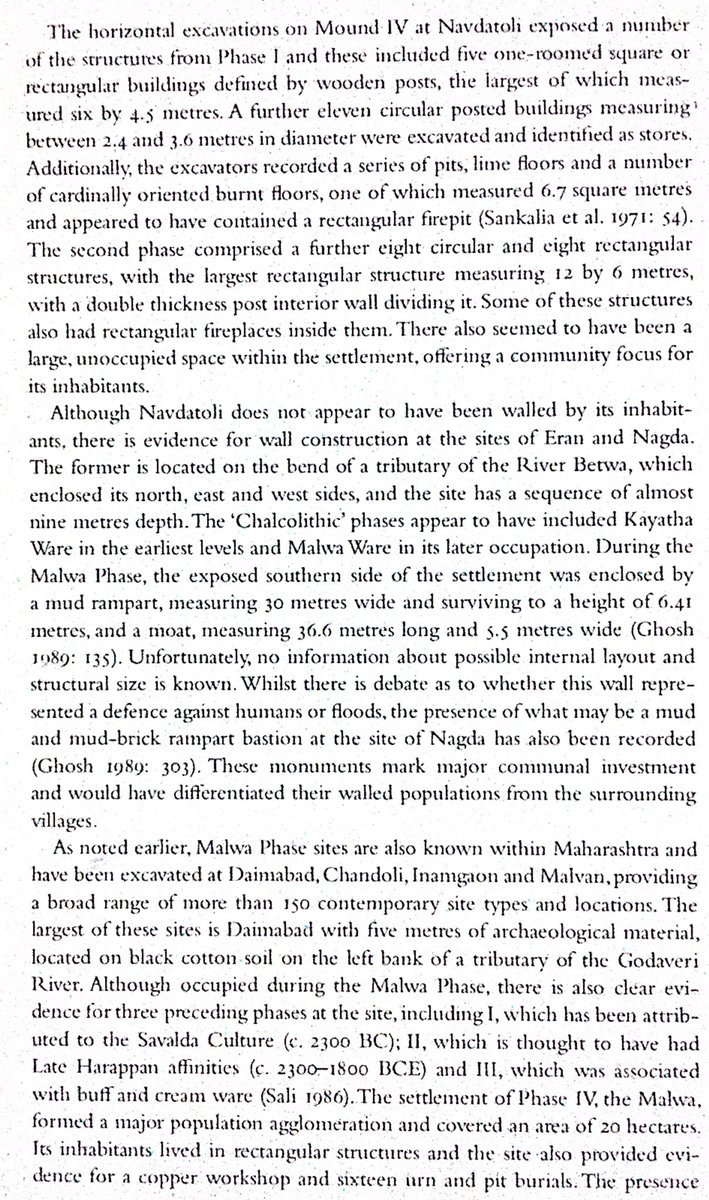
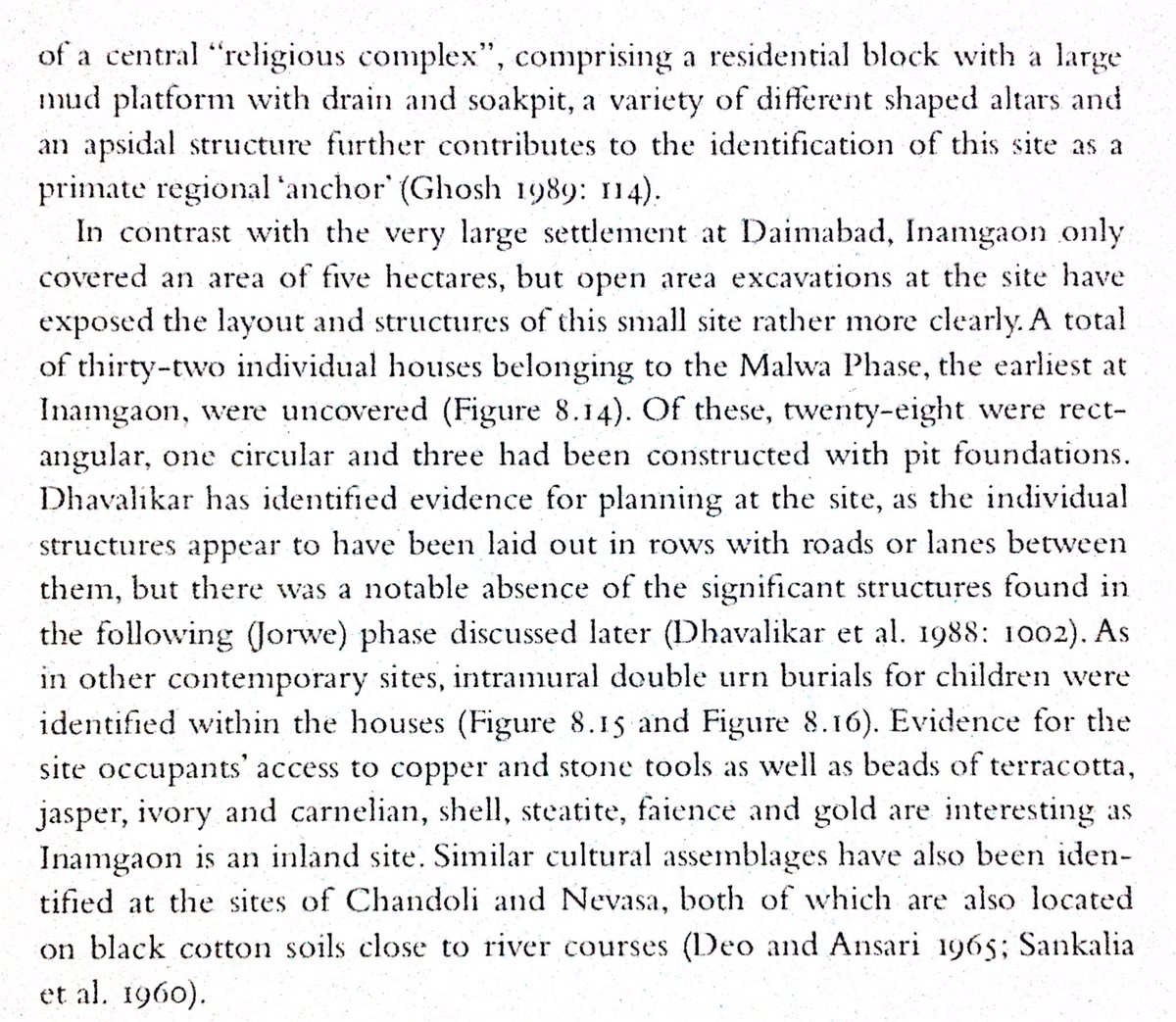
Malwa Phase succeeded Kayatha on Malwa Plateau 1700-1500 BC. They had swords of Middle Eastern influence or import. There may have been as many as four cultural turnovers in 200 years. There are signs of fires at one site.
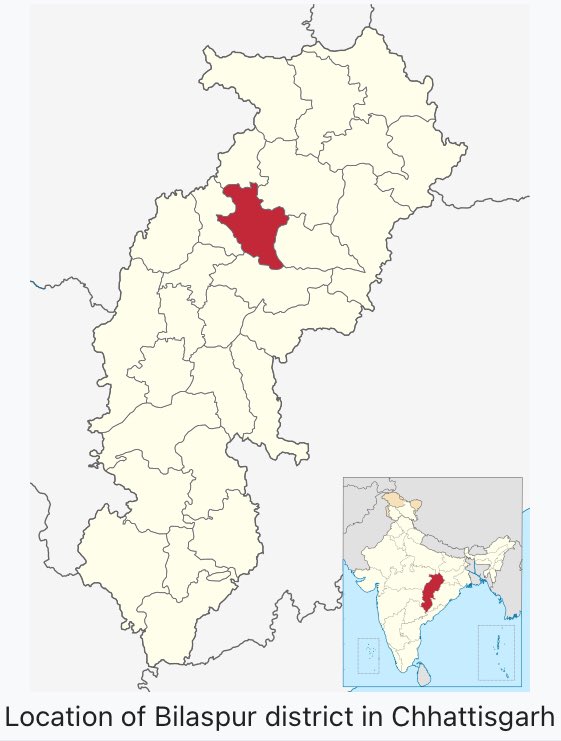
Independent development of ironworking in India. Starting in Malhar, Chhattisgarh in 20th century BC, it spread to Ganga Basin by 17th century, Karnataka by 13th century, and the entire subcontinent by the 9th century.
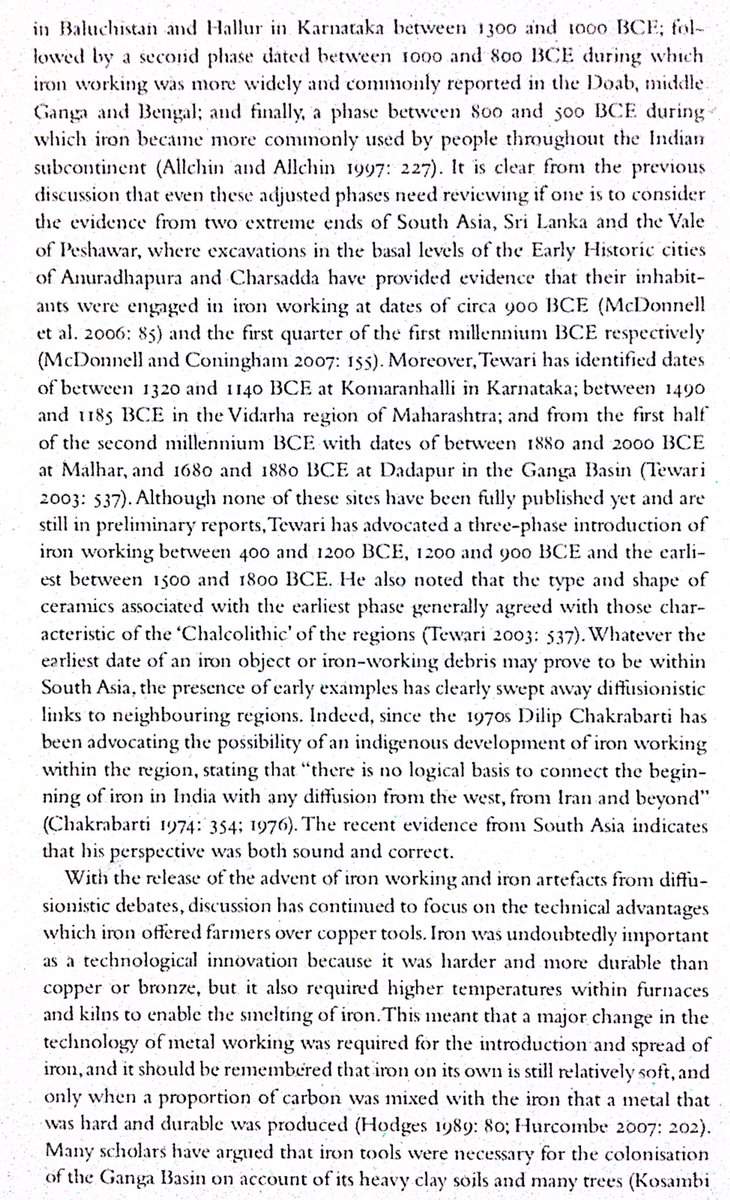
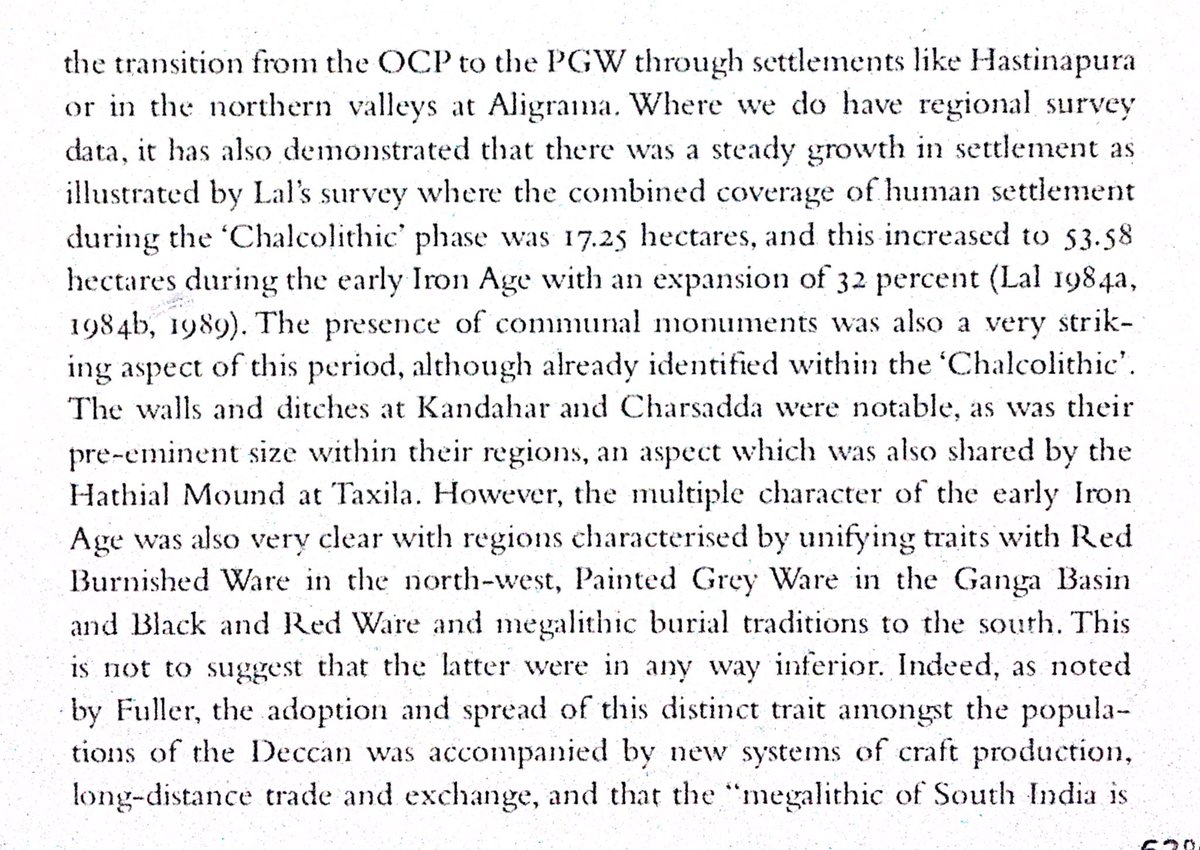
Several major cultures in India in early iron age. Red Burnished Ware in NW, Painted Grey War in Ganga River Basin, Black & Red Ware in the south. Also Megalith Builders in the south too. Population grew in early iron age.
Indian Ocean trade survived in the Bronze Age Collapse, though unknown to what extent.

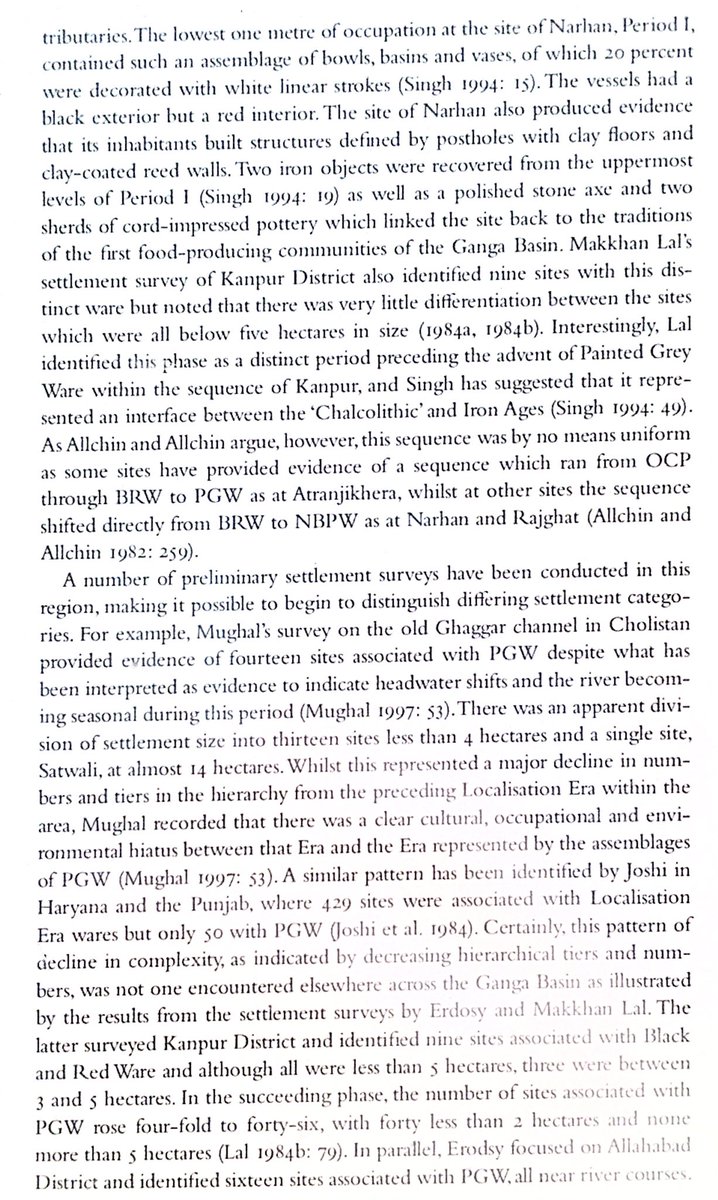
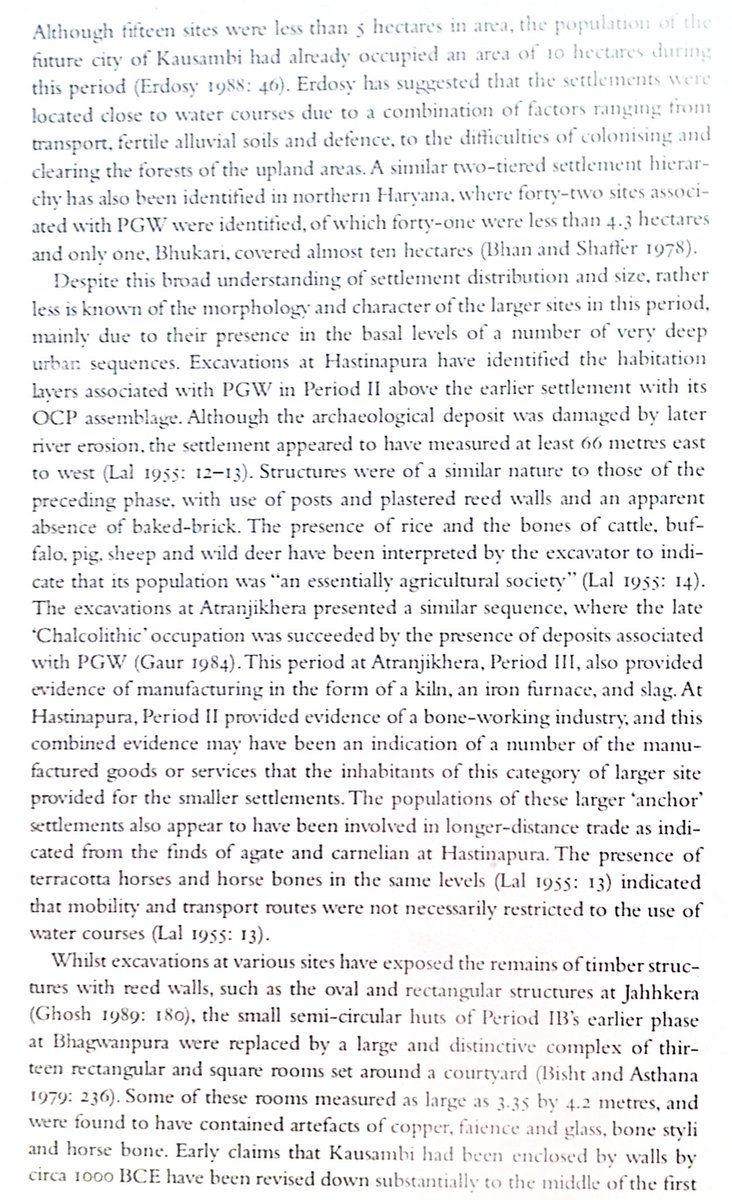
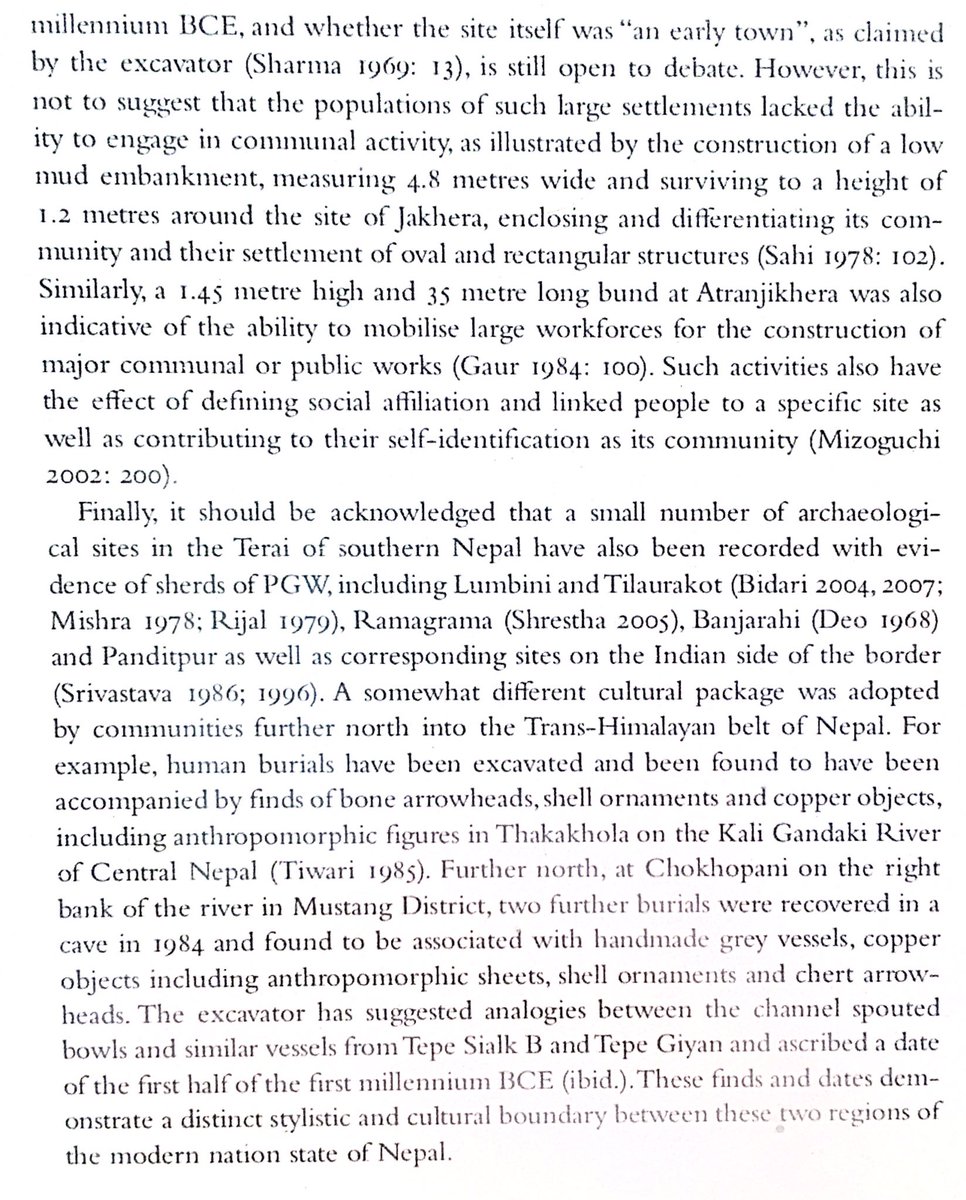
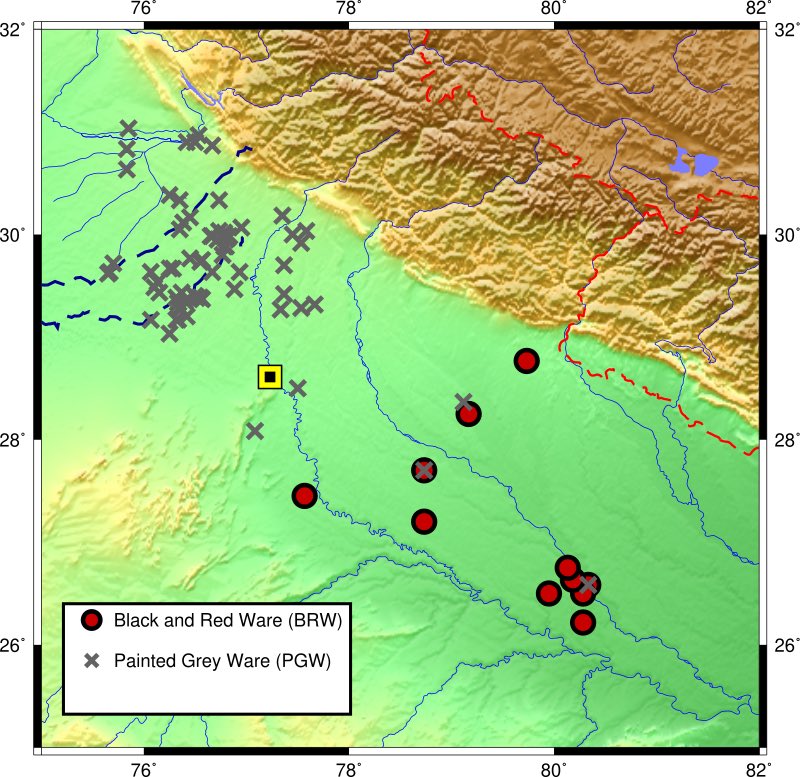
In late 2nd millennium BC Painted Grey Ware people neighbored the Black and Red Ware people to the west.
The Deccan experienced the Bronze Age Collapse. Economic and social complexity declined, and population shifted from farming to pastoralism. In spite (or because of?) this, metallurgy improved.
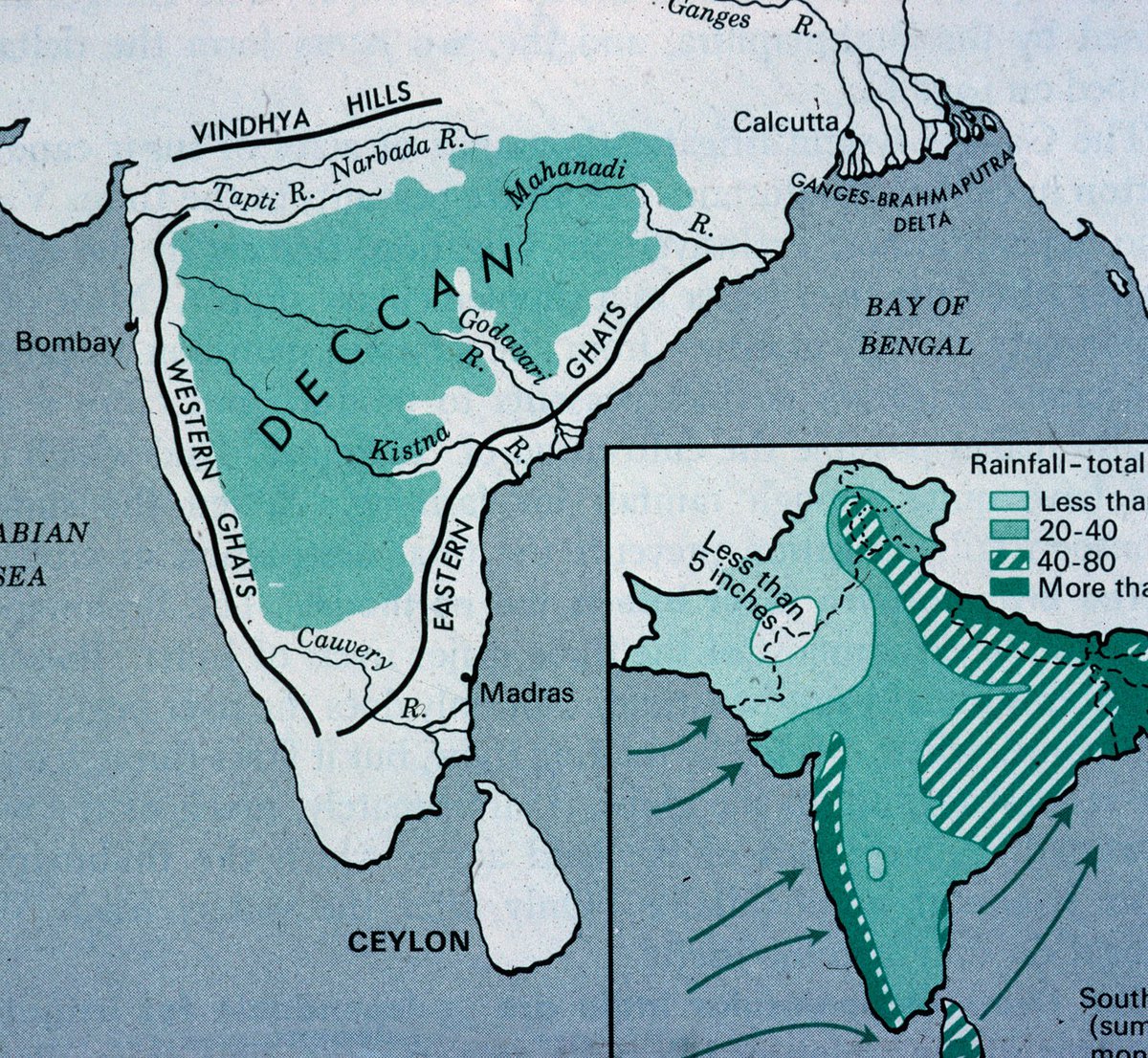
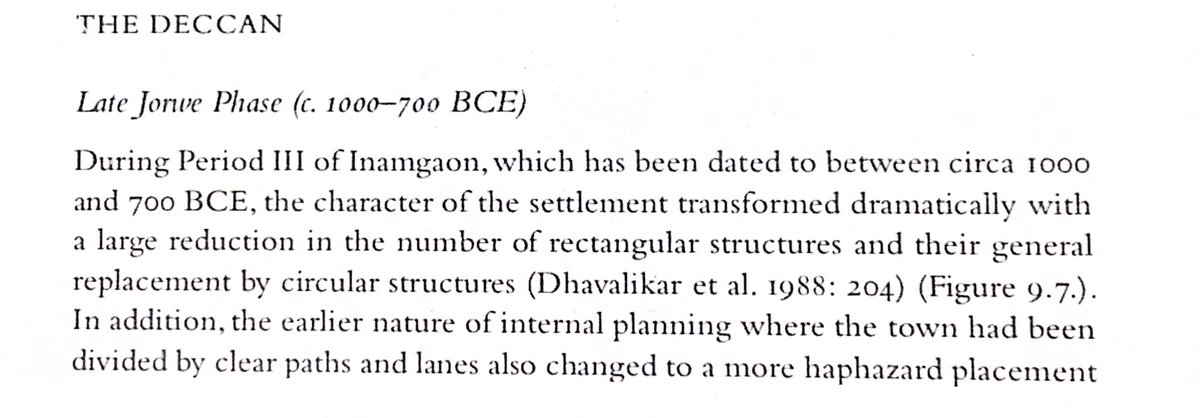
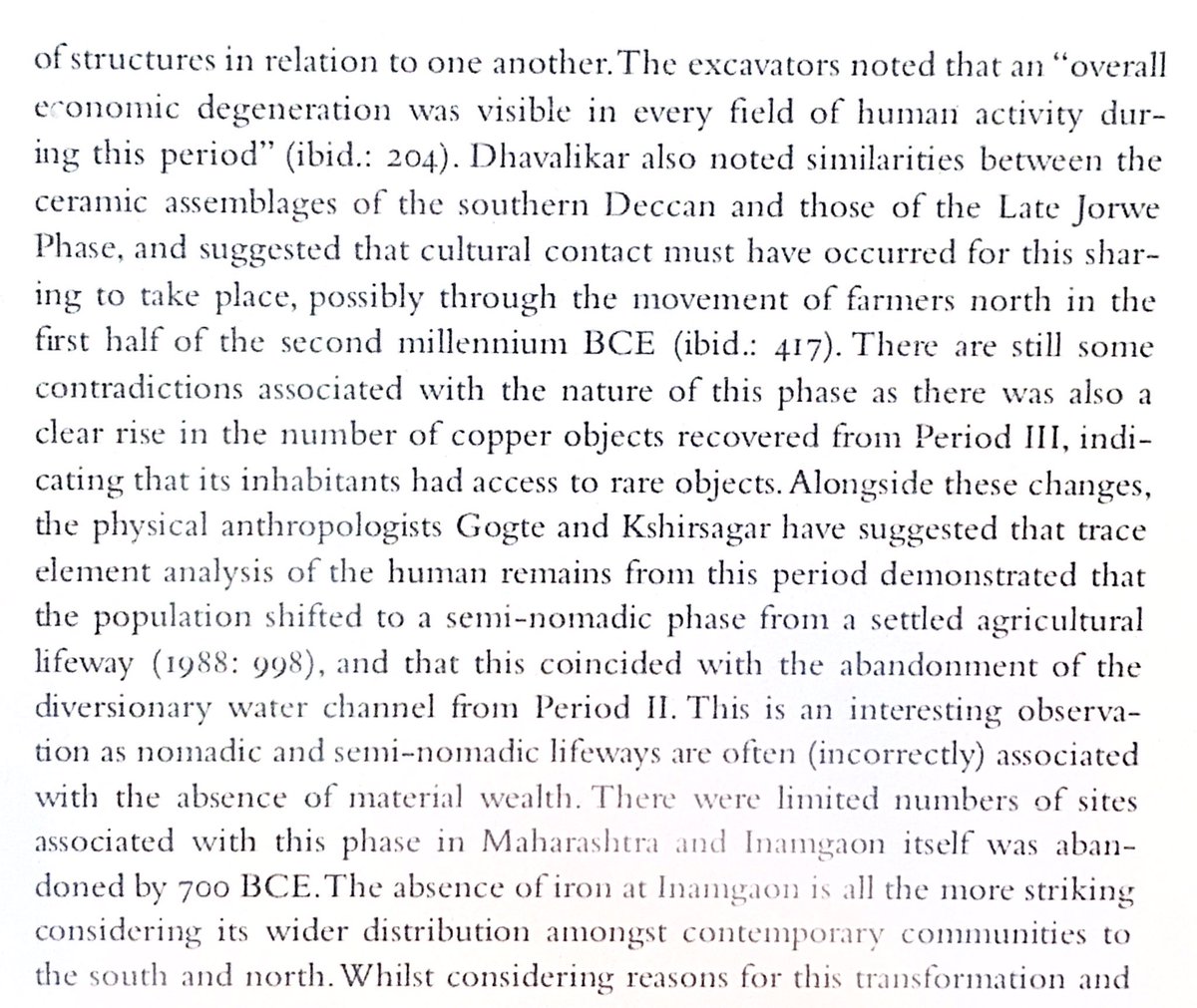

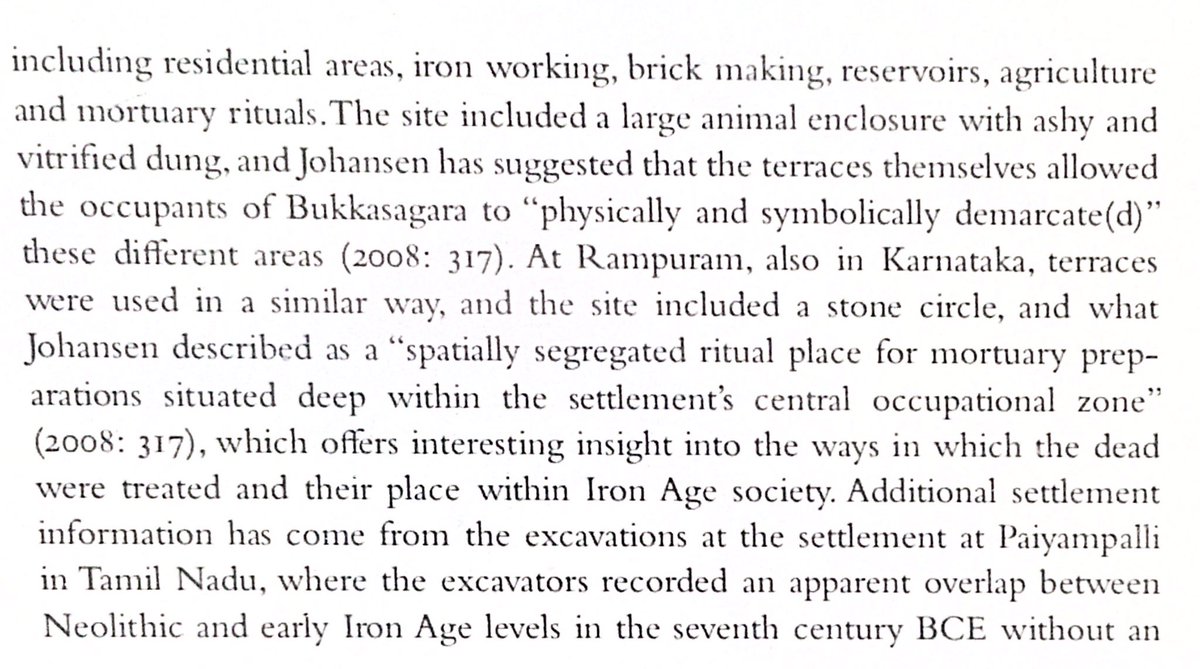
Mysore transitioned directly from Neolithic to Iron Age in late 2nd millennium BC. Tamil Nadu and Sri Lanka made same transition in early to mid-1st millennium BC, and had several relatively large settlements of over 1000 hectares, indicating massive population growth.
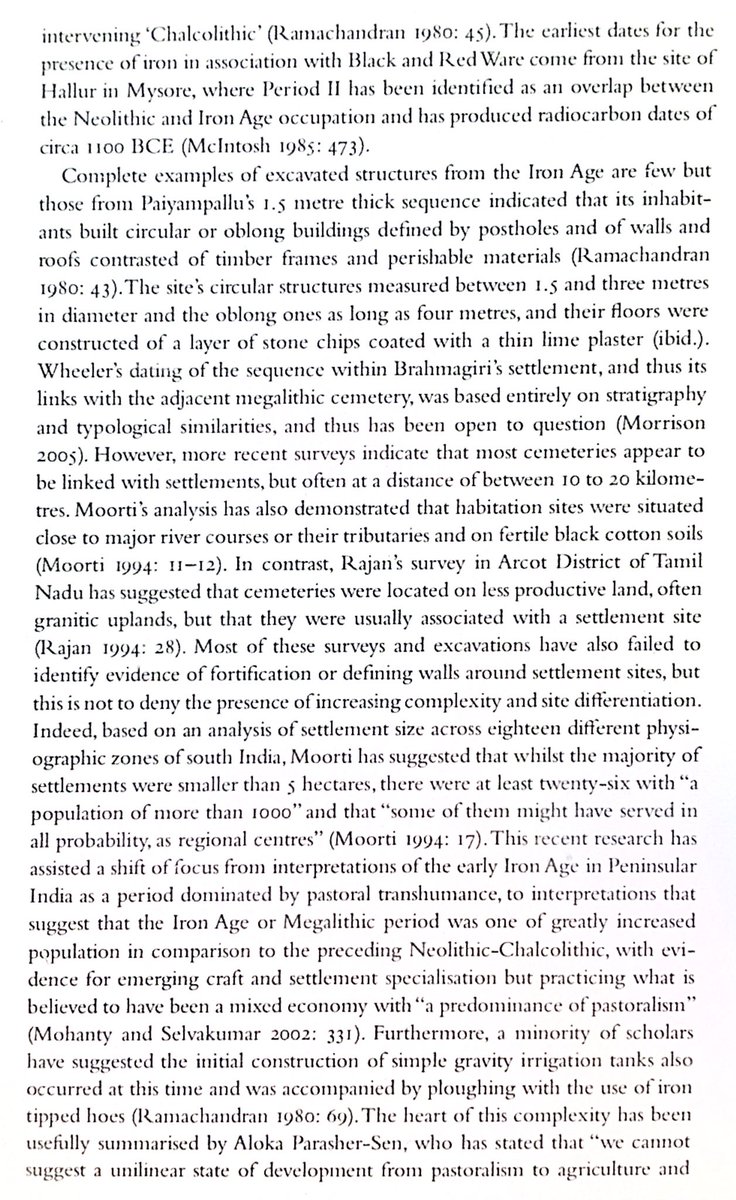
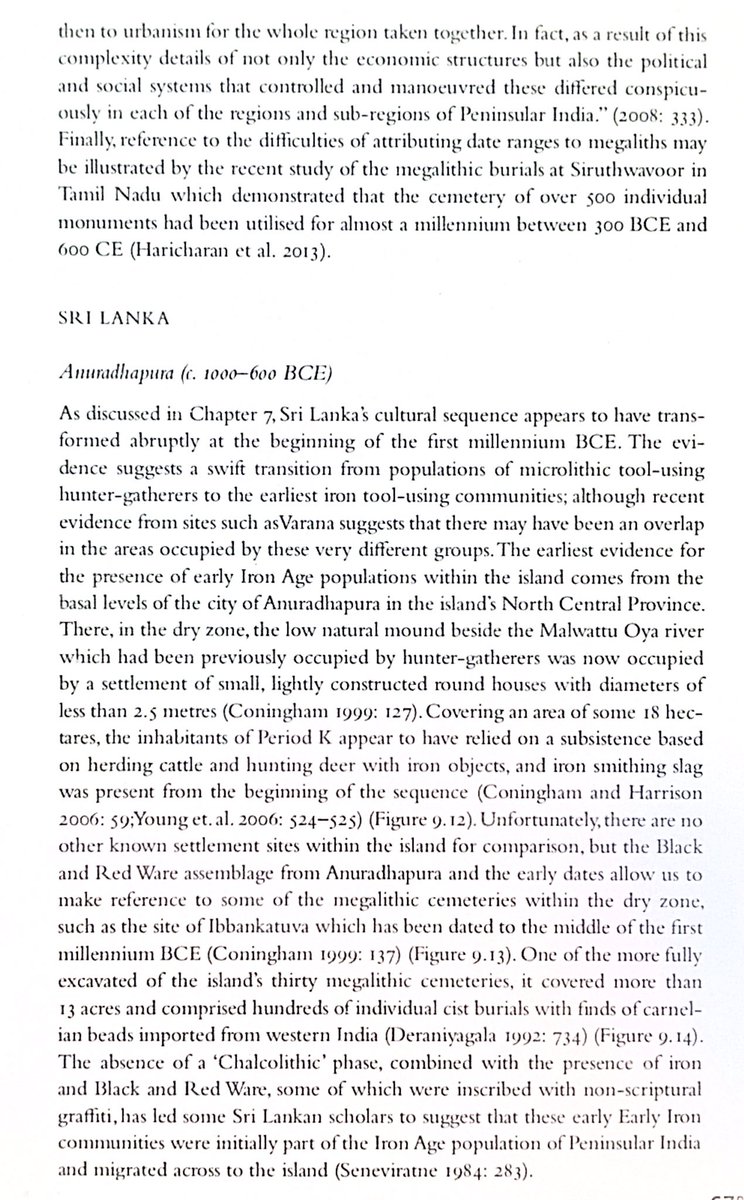
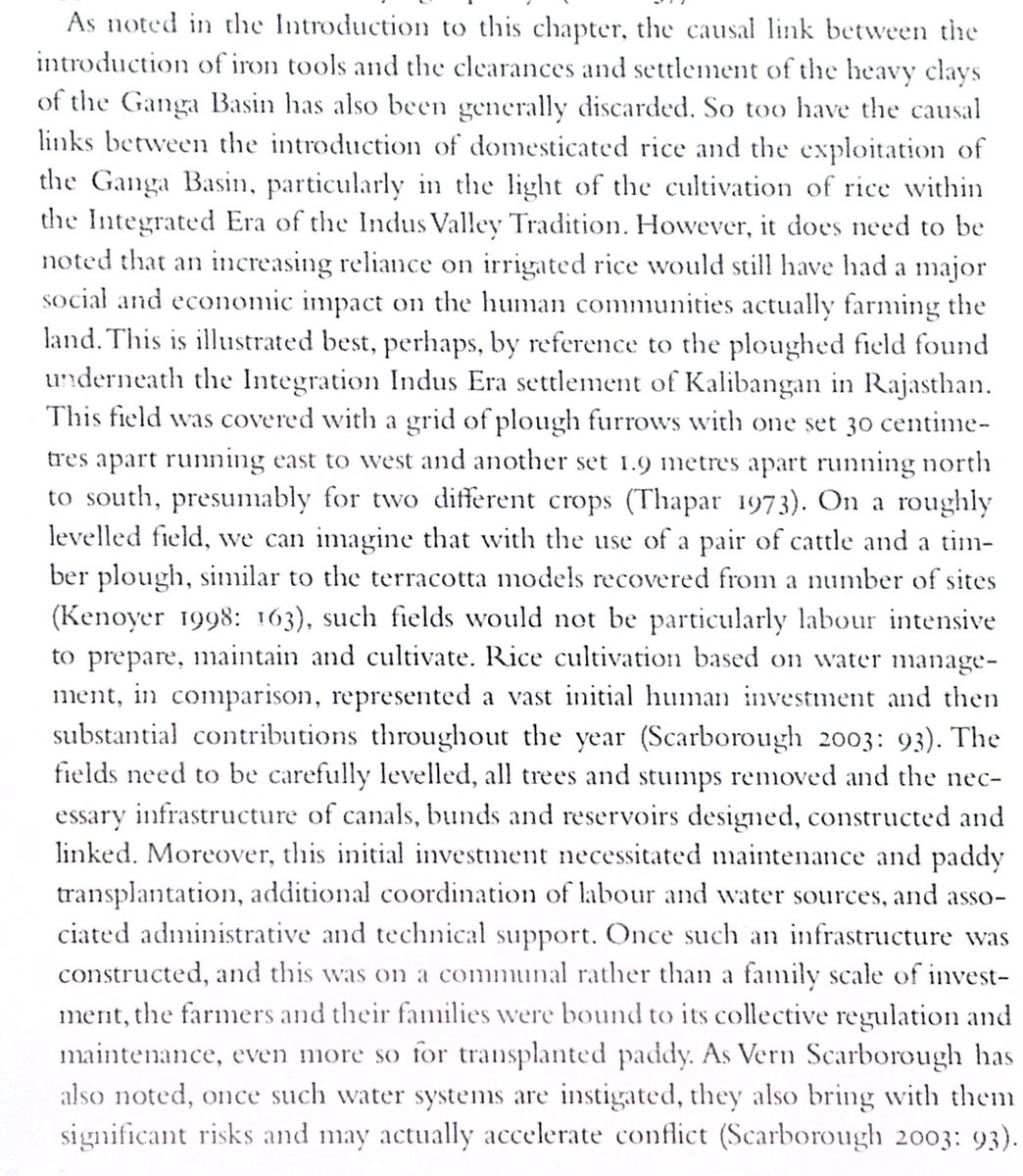
Spread of ironworking is no longer believed by archaeologists to be reason for clearance and agricultural exploitation of Ganga River Basin. Spread of rice farming forced adoption of both intensive labor practices & greater social complexity.
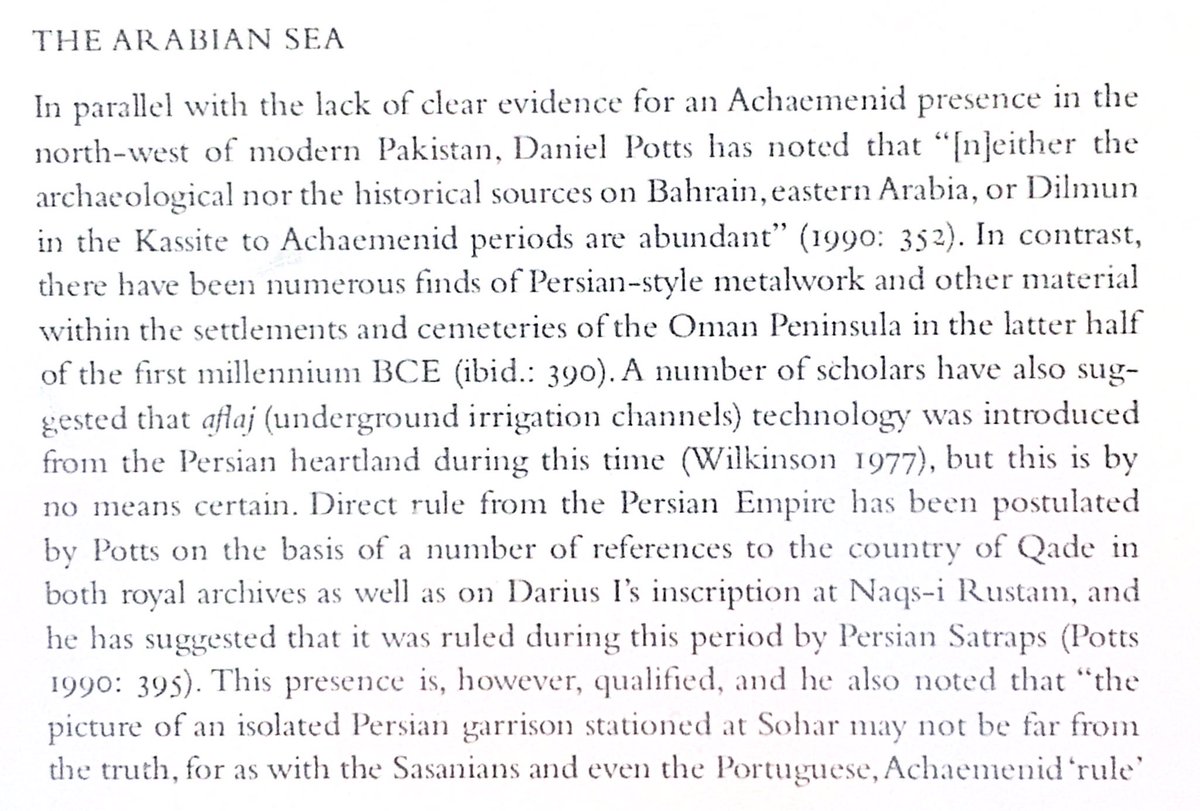
Persians controlled at least a foothold in Oman under the Achaemenids.

Like all books in the Cambridge World Archaeology series, this was extremely dense & I had to reread most passages several times while referencing wikipedia and maps. Very worthwhile though - I’ve learned a great deal from this series. cambridge.org
Loading suggestions...