

Mega 🧵 on Tatva Chintan.
What excites me. What is the biz. What am i gonna do about the co.
Now that company is listed with around 💯%+ gains, probably a good time to understand #tatvachintan
Let’s dive right in.
What excites me. What is the biz. What am i gonna do about the co.
Now that company is listed with around 💯%+ gains, probably a good time to understand #tatvachintan
Let’s dive right in.

Products.
First let us understand the types of products the company makes. This is a chemicals company. The primary line of products they are into is called PTC: Phase transfer agents. Before I explain what that is, let us do a small dive into chemistry.
First let us understand the types of products the company makes. This is a chemicals company. The primary line of products they are into is called PTC: Phase transfer agents. Before I explain what that is, let us do a small dive into chemistry.
The basic building blocks of matter (everything around you) are atoms. They come in 118 flavors, called elements. The water you drive is made of 2 Hydrogen atoms & 1 Oxygen atom: H2O.
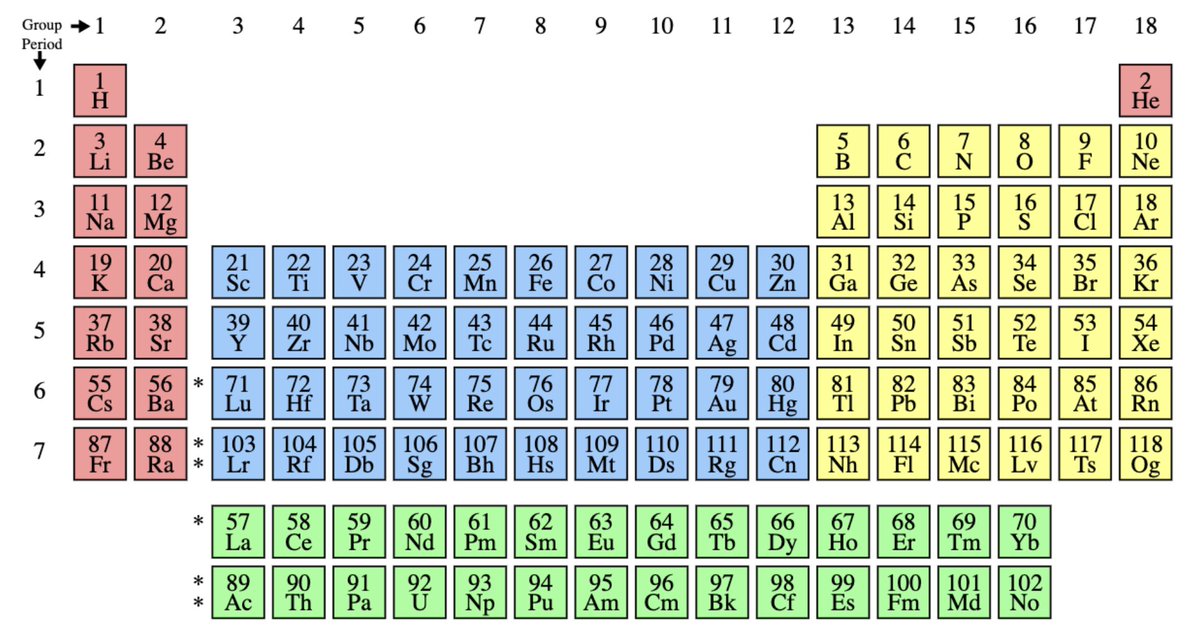
That right there, combination of atoms, leads to what are called molecules. Aggregates of These are typically what we observe in our daily life. Molecule is the smallest unit of matter which can exist ‘freely’.

At a broad level, there are 2 types of molecules: inorganic ones, & organic ones. Compounds of carbon & hydrogen (derivatives of methane: CH4) are organic compounds. Everything else is an inorganic compound.
The table salt you see is called NaCl: Sodium Chloride (Sodium atom + Chlorine atom). This is an inorganic molecule.

The property of matter is such that inorganic molecules are very well soluble in water. Organic molecules are most soluble in organic solvents like benzene.

Now what happens if a chemist or a pharmacist wants to perform a reaction between an inorganic molecule & an organic molecule. This is where PTC comes into play.

PTC is fundamental to chemistry and API synthesis. It would not be an exaggeration to say that PTC is a picks & shovels for pharma & chemical industry, like GMM. No wonder that the who’s who of these industries are TC clients. #Divis #Laurus #AsianPaints are all TC customers.

PTC helps reduce need for organic solvent and enables the use of water as a solvent, thus enabling greener chemistries. Lesser chemicals used. Simpler process.
eurekaselect.com
eurekaselect.com
Now PTC can be forward integrated into something called SDA: structure directing agents. These are used in the manufacturing of zeolites which are used in emission control for automobiles. BS 6 was a large application area for SDA.
Zeolite 3-D example below 👇
Zeolite 3-D example below 👇

SDA is a key ingredient for zeolites which are important to control emissions. Hence, quality of SDA is important to ensure that emissions are actually controlled.
I hope that by now the reader has started to appreciate that tatva chintan is the real ‘clean science’ ‘green chemistry’ in the house, regardless of what other companies might name themselves.
But TC does not stop here. They forward integrate SDA into something called Electrolyte salts (ES) for SCB (Super Capacitor Batteries). These ES enable SCBs to have very high energy density, making them the perfect solution for EVs as well as renewable energy storage.
Solar & wind energy are transient & thus need energy storage solutions to enable humans to draw power 24x7.
electronics360.globalspec.com
electronics360.globalspec.com
How many other chemical sub sectors do you know of which are growing at 20% Cagr at global level? Me: None
Tatva Chintan is the only maker of Electrolyte salts for SCB in India. Monopoly.

Oh, & btw their clients are so impressed by their chemistry skills that they asked TC to get into making pharma & agro, paints intermediates which use PTC as feedstock. This forms the fourth segment of their business.
All biz segments neatly summarised in this slide.

Opportunity size
In my investing framework, opportunity size is the largest contributor to an investment thesis. A large fish in a small pond is something I am not interested in.
In my investing framework, opportunity size is the largest contributor to an investment thesis. A large fish in a small pond is something I am not interested in.
Global PTC market was worth 1B$ in 2019 and expected to grow at 4-5%. TC revenues here are < 200 cr. Huge opportunity size. Already dominate indian market which is much smaller (~300cr).

Global battery electrolyte market is 5B$ expected to grow 8%. But inside this market lies the sub-market of electrolyte salts for SCBs. SCBs themselves are growing at 20% CAGR as I demonstrated previously.

This is the segment I am most excited about for TC. Only 1% contribution to topline right now. Only producer in India right now. And TC is so integrated as a chemical player (PTC to SDA to Electrolyte salts), that it is not easy to compete with them.

Durable competitive Advantages
1. Dominant player in a niche market who’s importance is growing due to focus on green chemistry & environment preservation.
2. Didnt file patents to preserve their process IP.
3. Spend 2% of sales on R&D. Planning to spend 3-4% going forward.
1. Dominant player in a niche market who’s importance is growing due to focus on green chemistry & environment preservation.
2. Didnt file patents to preserve their process IP.
3. Spend 2% of sales on R&D. Planning to spend 3-4% going forward.
4. Have an R&D center in Vadodara which has 7 scientists. Planning to grow the center & go to 25 scientists.
5. Takes 3-7 years for new players to enter supply chains where they are present. Talk about barriers to entry, switching costs & learning curve based moats.
5. Takes 3-7 years for new players to enter supply chains where they are present. Talk about barriers to entry, switching costs & learning curve based moats.

6. Efficient chemistry: Co utilizes electrolysis for manufacturing most of their products. No additional solvents or chemicals are used except basic RM like tertiary amines. Lowest possible process mass ratio (ratio of weight of RM to final products)
7. High backward & forward integration making it hard to compete for competitors. Competitors would need to product all steps in order to be cost competitive.
8. Ankleshwar facility is 0 discharge facility. No quarrels with GPCB.
9. Concentrated industry structure & profit pools.
8. Ankleshwar facility is 0 discharge facility. No quarrels with GPCB.
9. Concentrated industry structure & profit pools.
Key Growth triggers
1. Only utilizing 69% of current capacity & planning to double capacity (brownfield capex) going forward.
2. Planning to become debt free by FY24/35
3. Will start selling products in US & Europe which they dont do right now.
1. Only utilizing 69% of current capacity & planning to double capacity (brownfield capex) going forward.
2. Planning to become debt free by FY24/35
3. Will start selling products in US & Europe which they dont do right now.
4. Working on developing PTC for continuous flow chemistry. Enables even greener chemistry, larger share of customer wallets.
5. Electrolyte salts for SCBs is a huge area of growth. Renewable energy and EVs are both secular trends.
5. Electrolyte salts for SCBs is a huge area of growth. Renewable energy and EVs are both secular trends.
Key Financials
1. Manufacturing capacity has grown by 20% CAGR in the last 10 years.
2. Capex of 24cr on R&D center.
3. 70% sales from exports.
4. Have 500+ customers. 150+ added in last year
5. 33% ROCE. 17% PAT margins. 24% EBITDA margins. Gross margins: 45%
1. Manufacturing capacity has grown by 20% CAGR in the last 10 years.
2. Capex of 24cr on R&D center.
3. 70% sales from exports.
4. Have 500+ customers. 150+ added in last year
5. 33% ROCE. 17% PAT margins. 24% EBITDA margins. Gross margins: 45%

Valuations
Most tricky part. Huge runway, large growth, protected by R&D, green chemistry. Available at 100 P/E. Growing bottomline at 40%. I expect bottomline to grow at 30-40% for the next 4-5 years. Is it pricy? Yes. What else can we expect from bull market IPOs.
Most tricky part. Huge runway, large growth, protected by R&D, green chemistry. Available at 100 P/E. Growing bottomline at 40%. I expect bottomline to grow at 30-40% for the next 4-5 years. Is it pricy? Yes. What else can we expect from bull market IPOs.
Quality control
Why does it take 3-7 years for a new supplier to enter the supply chain of clients? Very high quality assurance & control. TC employees 76 people for QA (46) and QC(30). Just look at how low their rejection rates are for their products shipped
Why does it take 3-7 years for a new supplier to enter the supply chain of clients? Very high quality assurance & control. TC employees 76 people for QA (46) and QC(30). Just look at how low their rejection rates are for their products shipped

Risks
1. Valuations are sky high. Any disappointment on growth front would be a reason to sell for many investors.
2. Since processes are not patent protected, there is always risk of IP leaking out.
3. Client concentration risk. 60% revenue from top 10 clients.
1. Valuations are sky high. Any disappointment on growth front would be a reason to sell for many investors.
2. Since processes are not patent protected, there is always risk of IP leaking out.
3. Client concentration risk. 60% revenue from top 10 clients.
My strategy:
Continue to monitor closely. Very unique, niche company. No competitors in India. Worth monitoring closely. Definitely a good buying candidate in SIP mode or in a market fall.
If you must buy 100 p/e company why not at least look for supernormal bottomline growth
Continue to monitor closely. Very unique, niche company. No competitors in India. Worth monitoring closely. Definitely a good buying candidate in SIP mode or in a market fall.
If you must buy 100 p/e company why not at least look for supernormal bottomline growth
If you like the thread, please retweet the original/1st tweet so that it can benefit maximum investors. 🙏

Loading suggestions...