
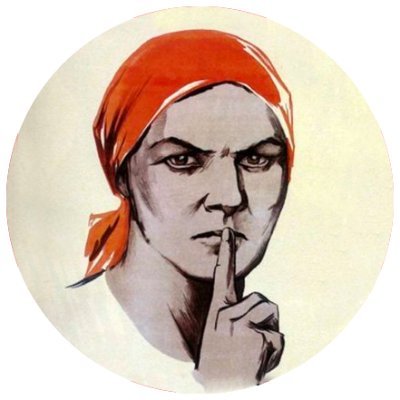
New podcast out now on Peruvian propaganda. Available on Spotify, Apple, Google etc. Also made a video displaying all the posters we discuss: youtu.be
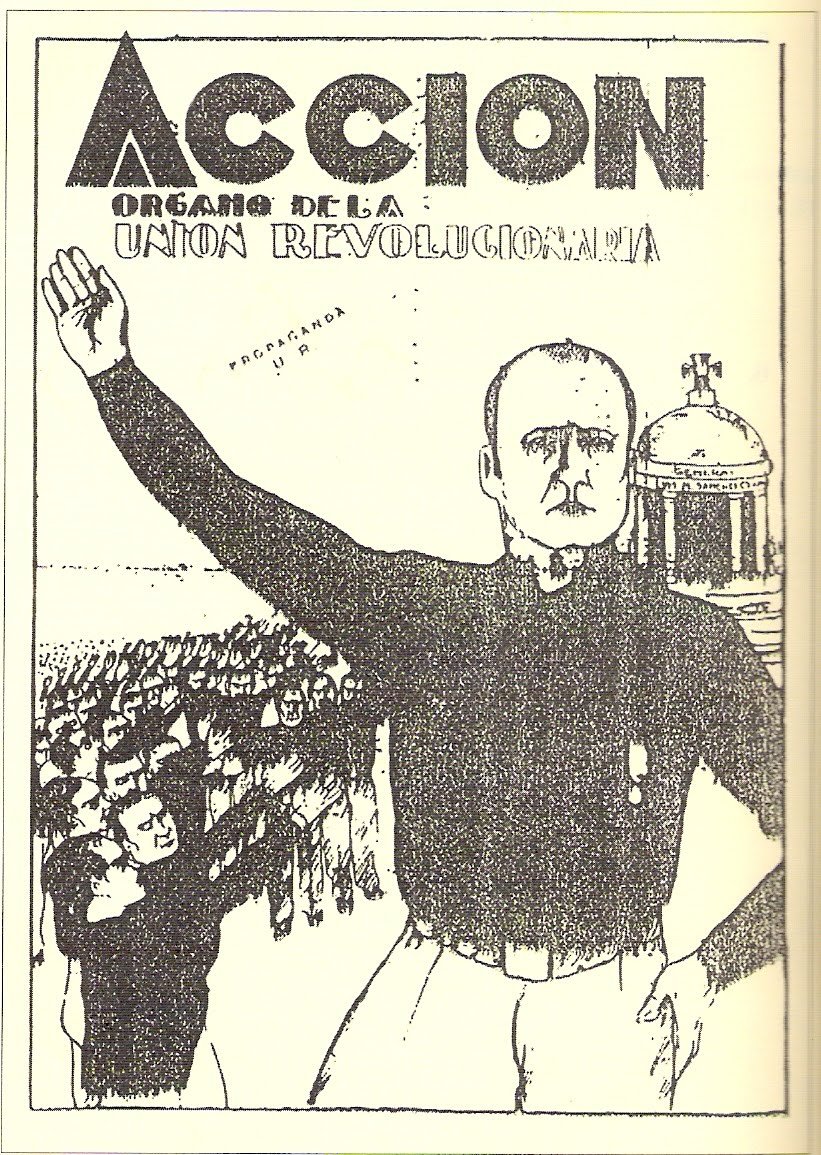
We start in the 1930s, discussing the propaganda of the fascist Revolutionary Union (UR) party. In this illustration, UR leader Luis A. Flores stands before a crowd giving the fascist salute. Published in Acción, the UR's official paper.
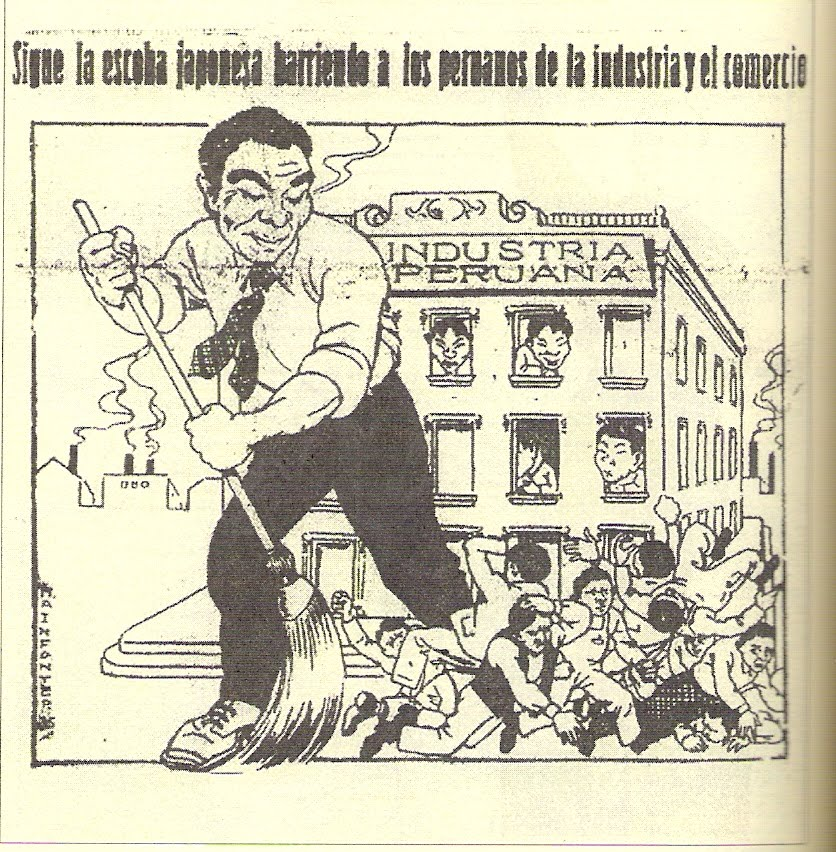
The UR was known for its anti-Japanese agitation. In this piece, published in Acción in 1941, a colossal Japanese man sweeps Peruvians away from "Peruvian industry". The caption reads: "The Japanese broom continues to sweep Peruvians out of industry and commerce".
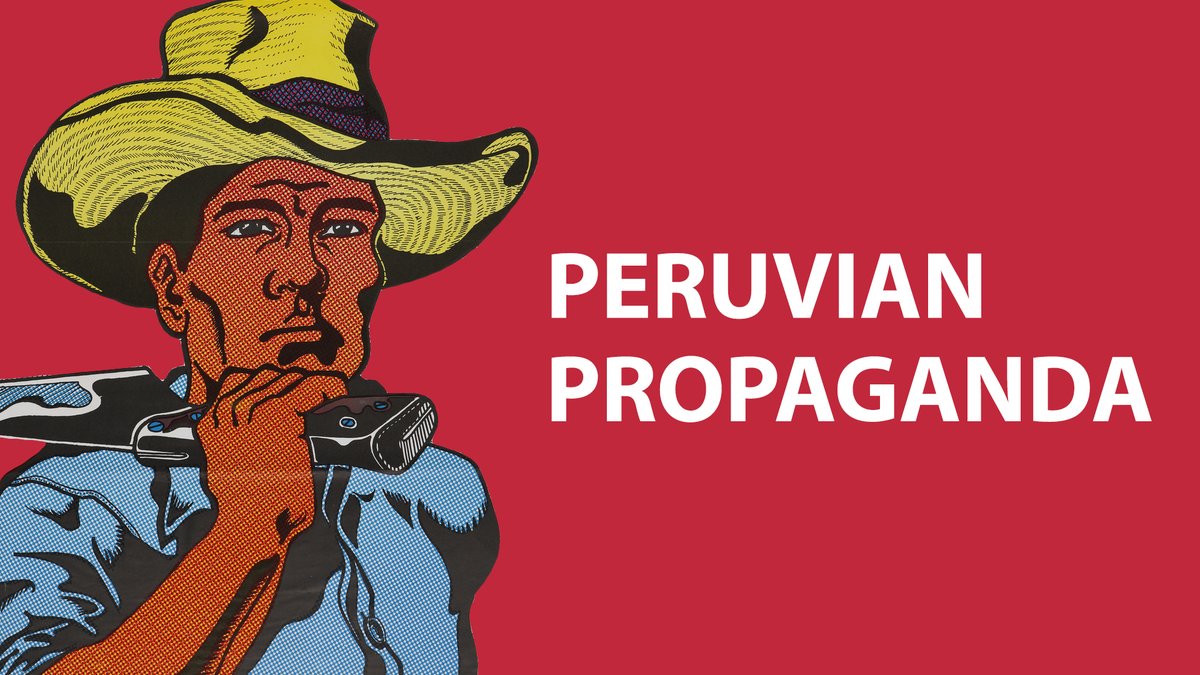
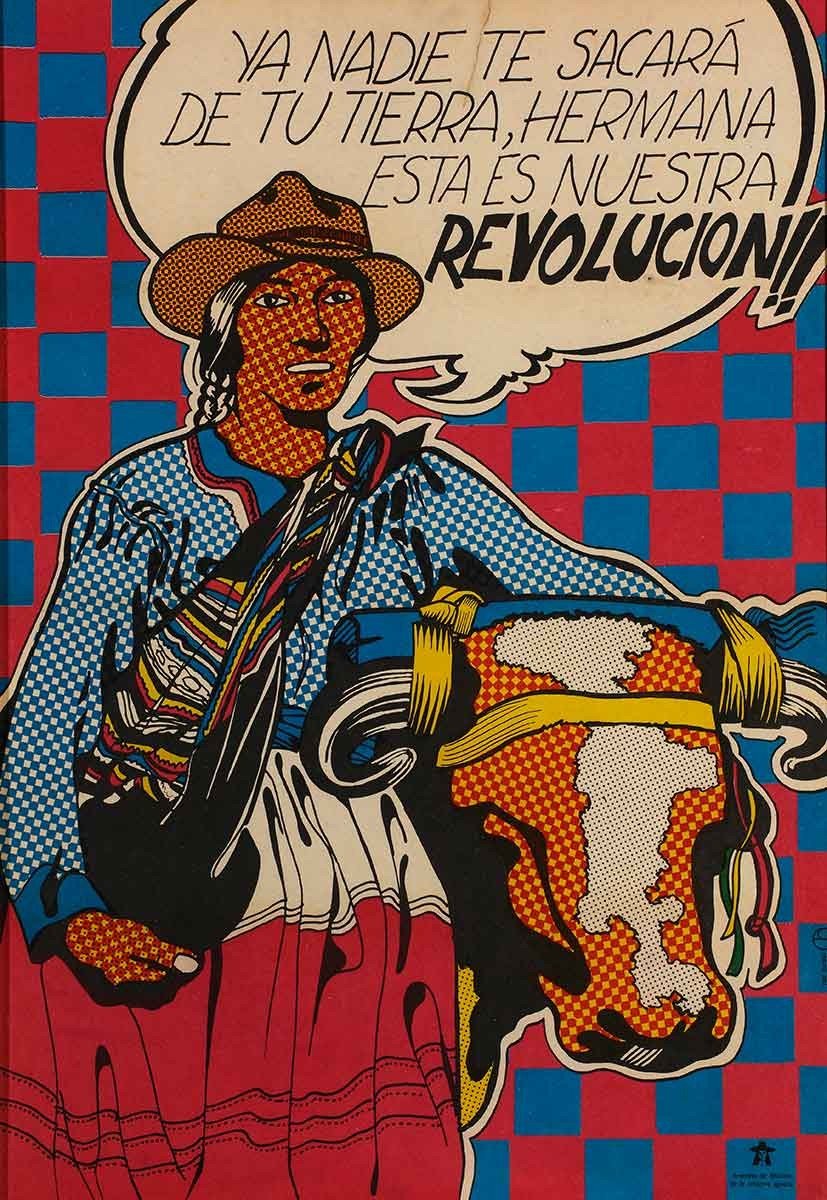
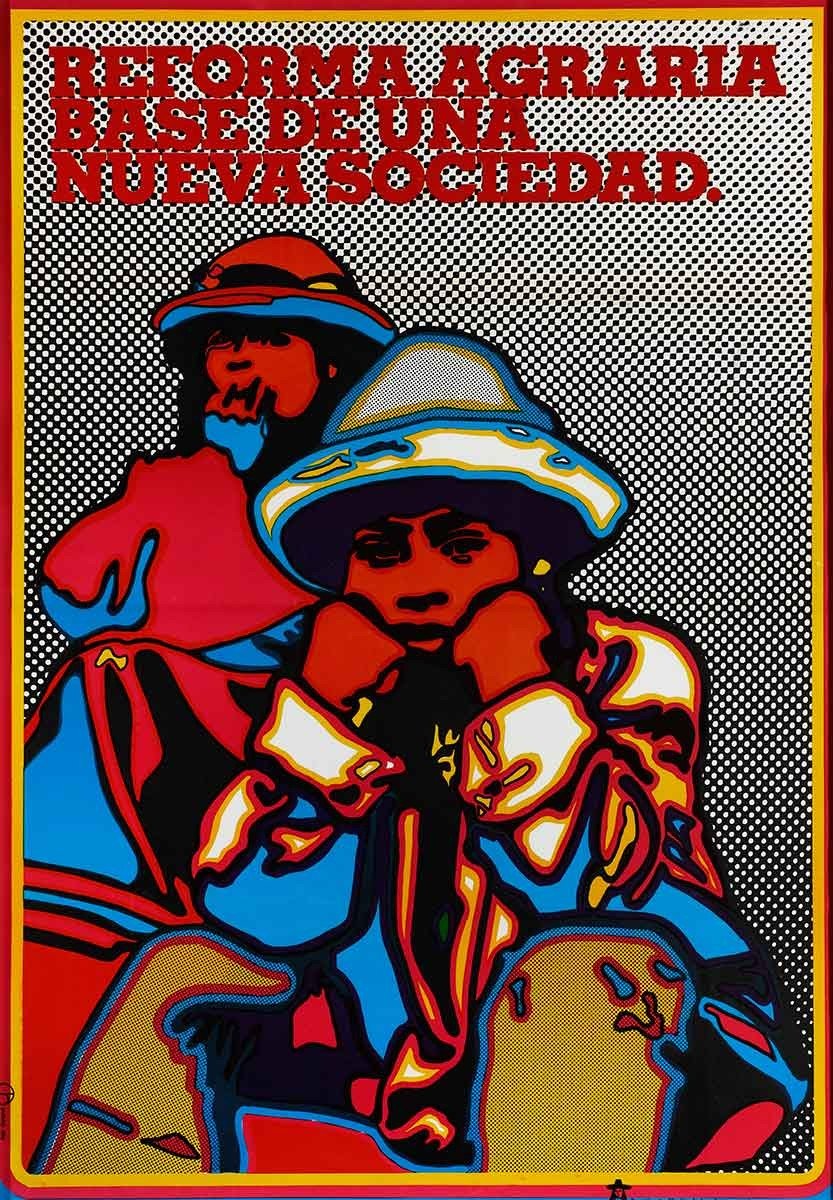
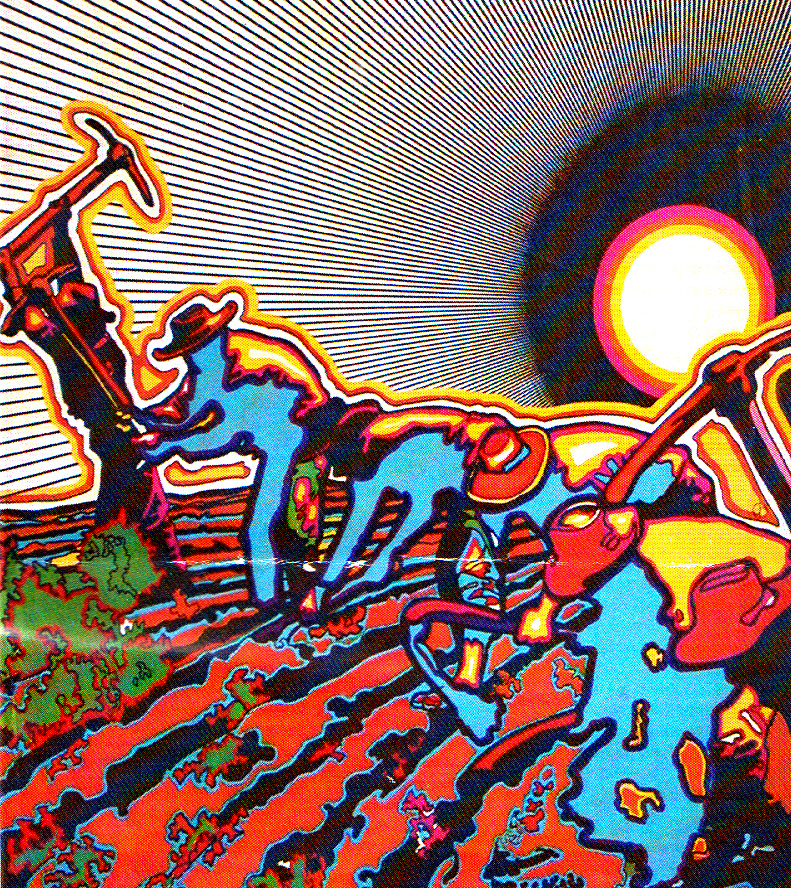
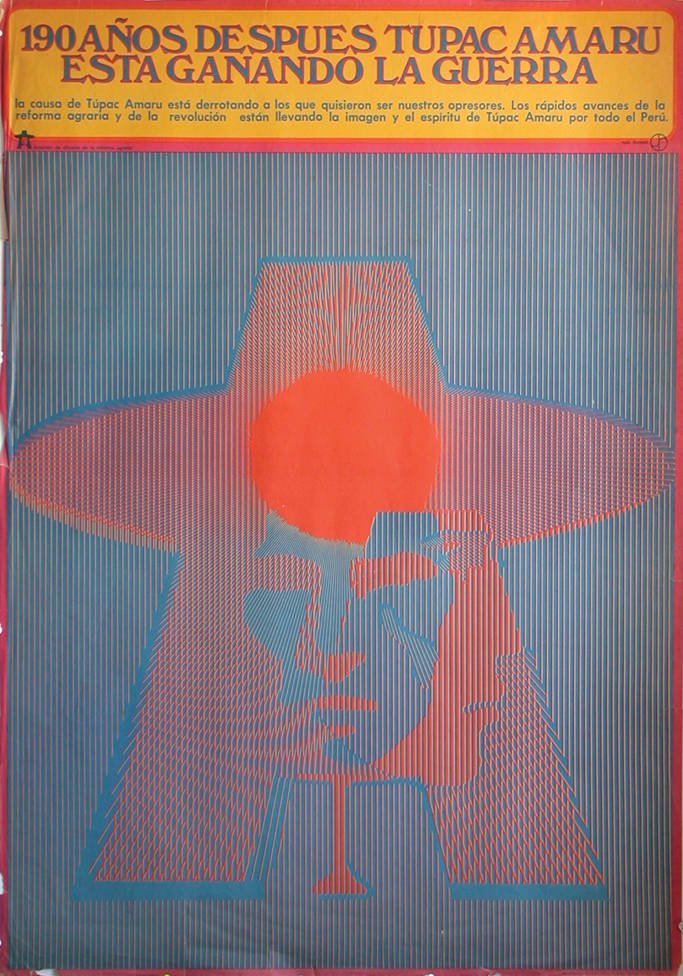
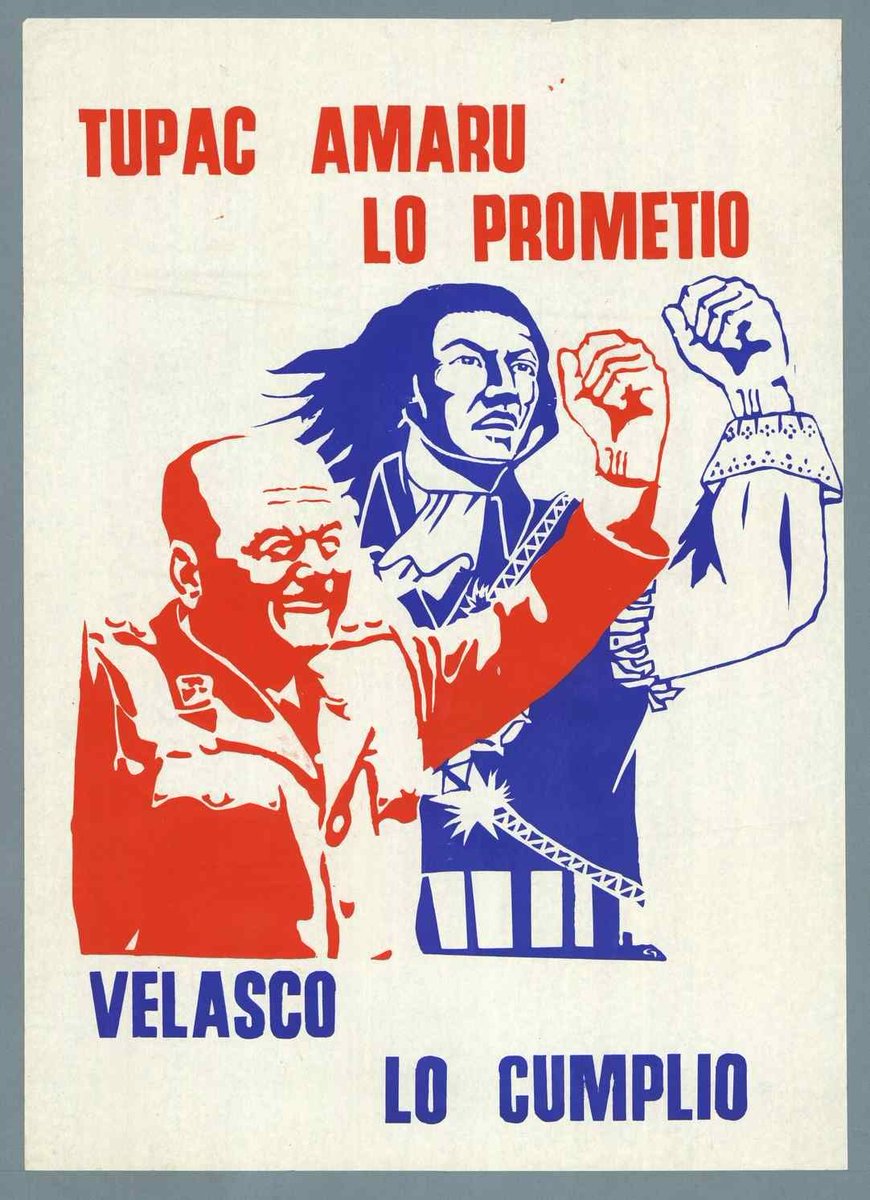
We then move onto the 60s/70s, specifically the agrarian reforms of Juan Velasco Alvarado's government. The reform program was – after Cuba – the largest of its kind in Latin America and was accompanied by a vast propaganda campaign.
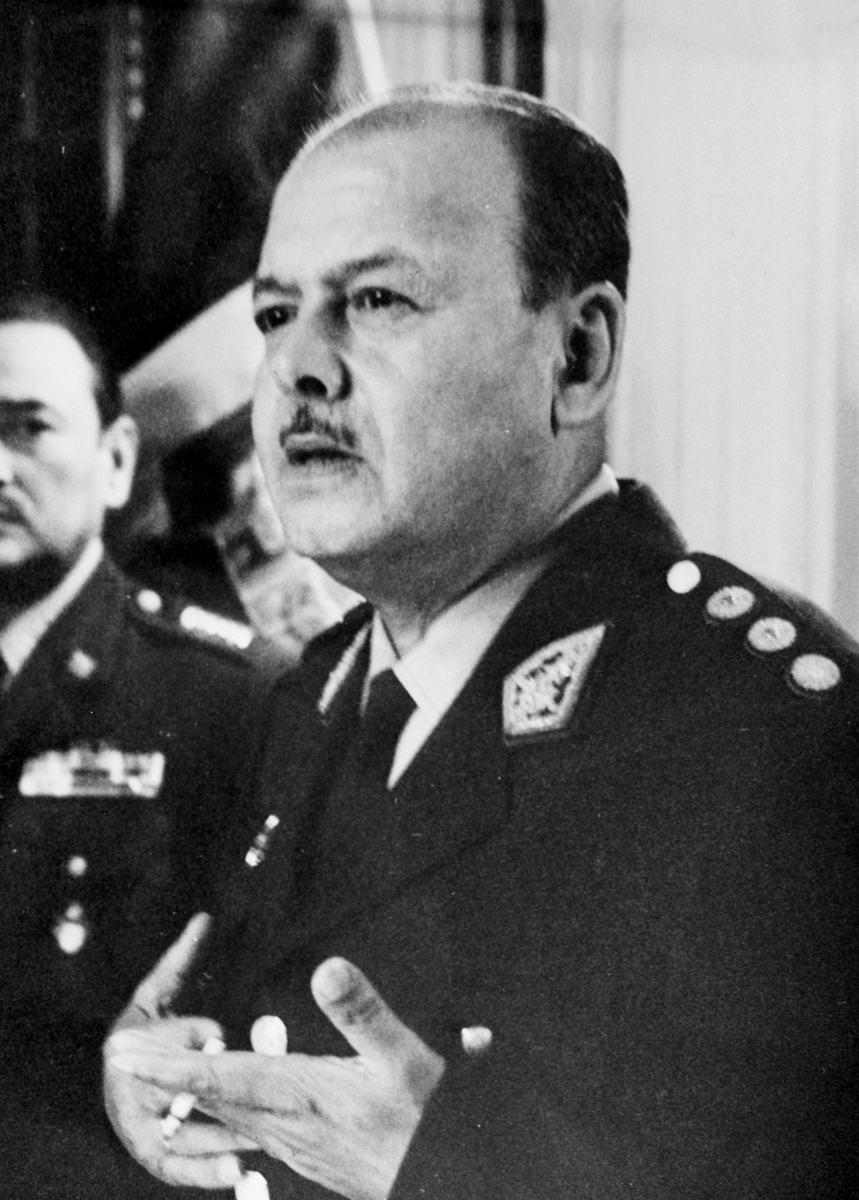

Most of the propaganda was produced by the Sistema Nacional de Apoyo a la Movilización Social, or SINAMOS. Founded specifically to propagandise for the agrarian reform program, SINAMOS printed tens of thousands of posters, often showing stylised workers.
The 18th century revolutionary Túpac Amaru II also became a symbol of the period's propaganda.
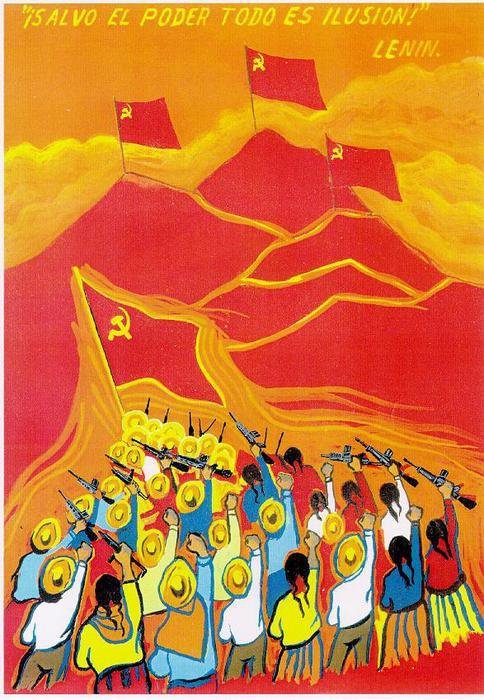
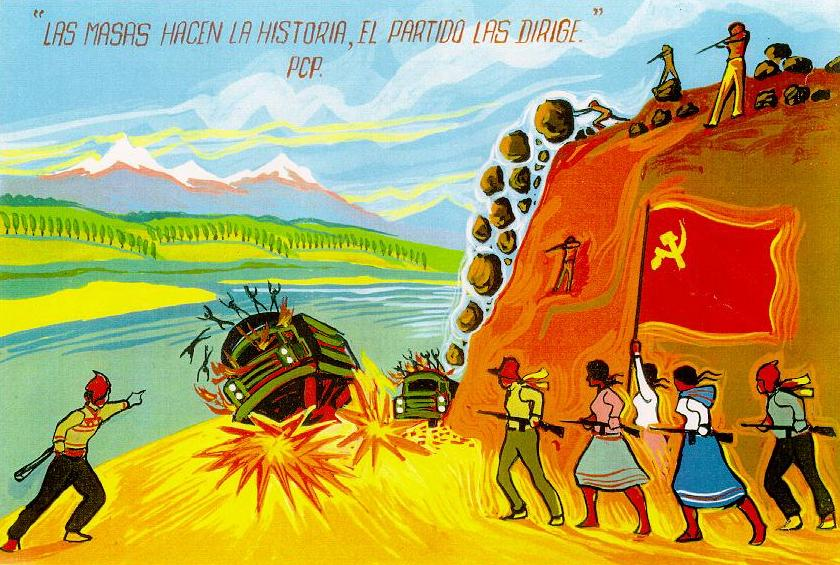
We finally move onto the 1980s and the Shining Path conflict. The Shining Path – officially the Peruvian Communist Party (PCP) – fought a brutal, decade-long war against the government through the 1980s.
Lenin quote at the top reads: "Everything except power is an illusion!"
Lenin quote at the top reads: "Everything except power is an illusion!"
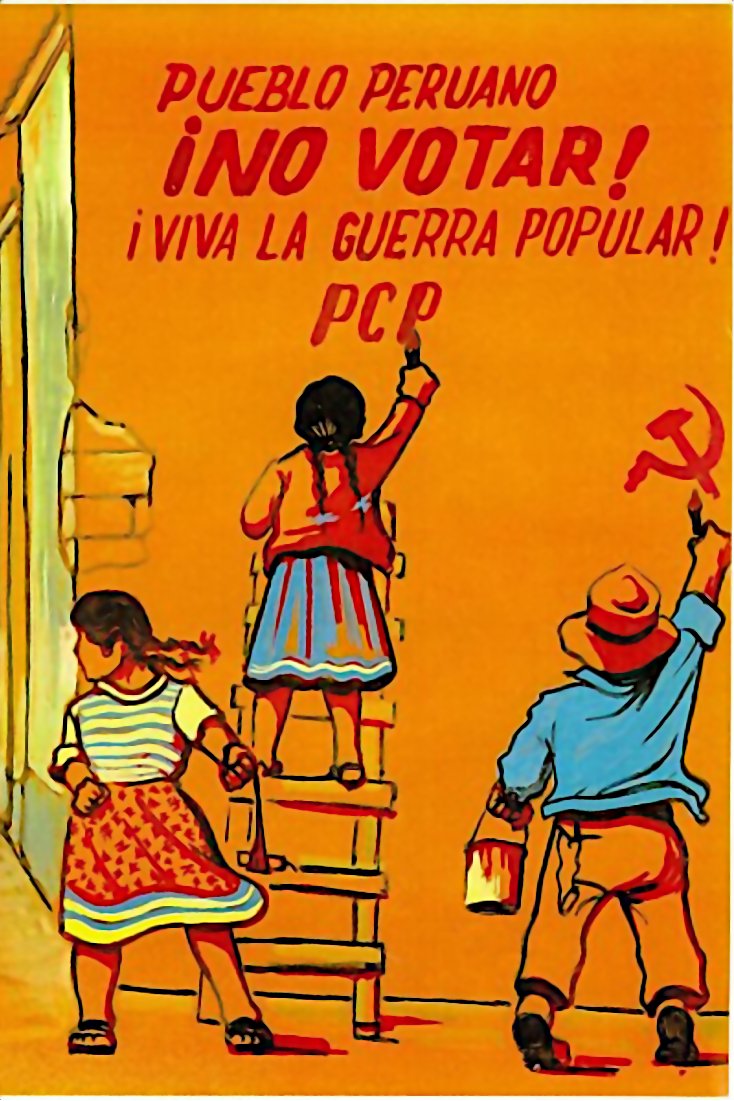
The conflict began in 1980 when the Shining Path boycotted the election and called for a people's war. This poster reads: "Peruvian people, don't vote! Long live the people's war!"
The party's founder and leader Abimael Guzmán featured prominently in Shining Path propaganda. He would lead the party until his sudden capture and arrest in 1992, that crippled the party and (largely) ended the conflict.

The government produced its own counter-propaganda, one of the most famous being this comic book titled "Confessions of a senderista" (senderista being a member of the Shining Path, or Sendero Luminoso).
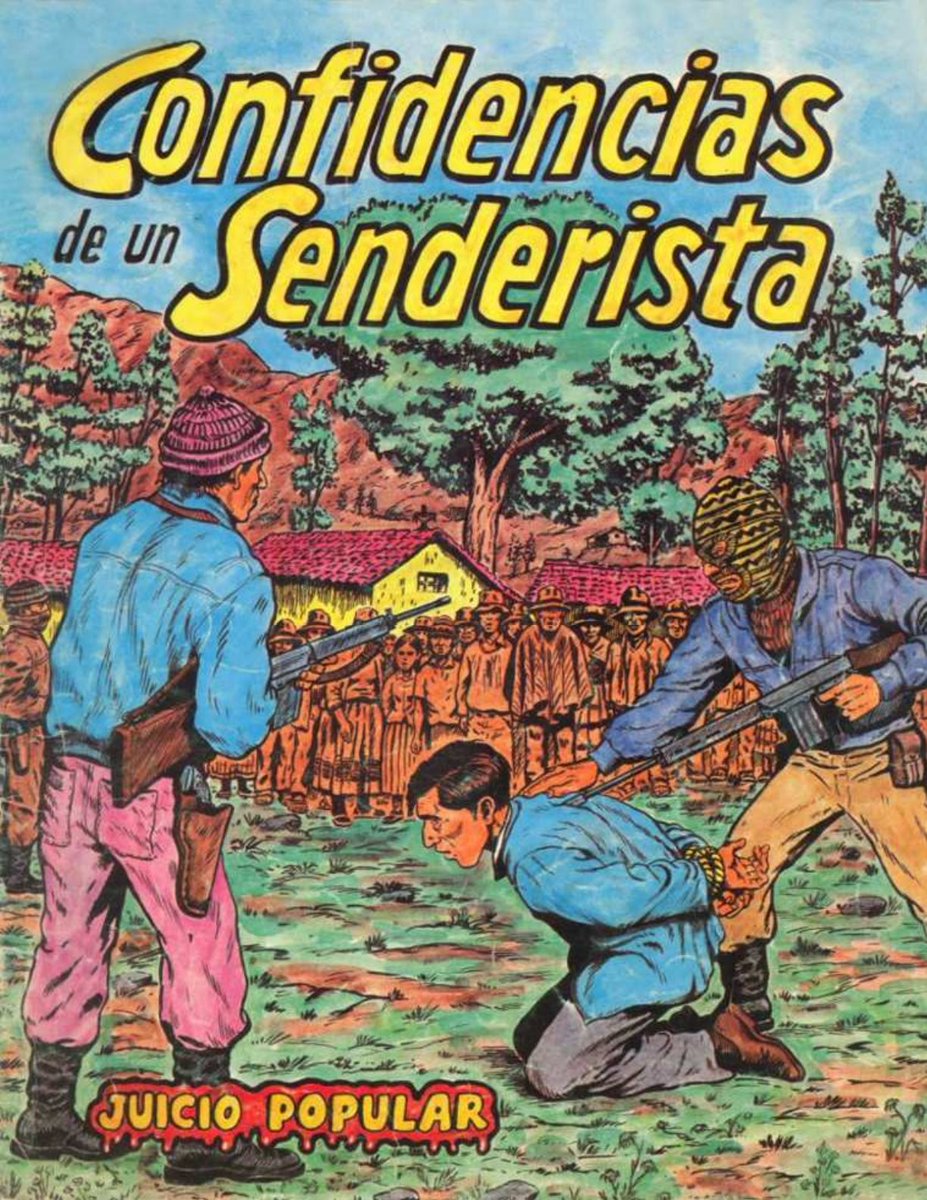
The comic book purports to be the testimony of an ex-senderista and includes a number of gruesome illustrations.
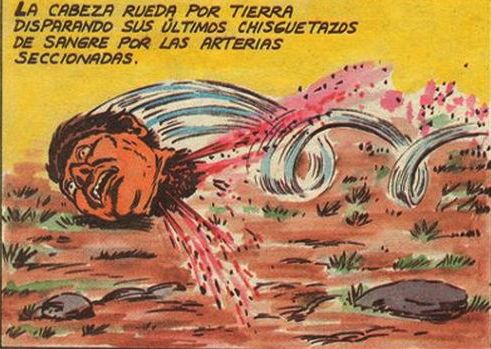
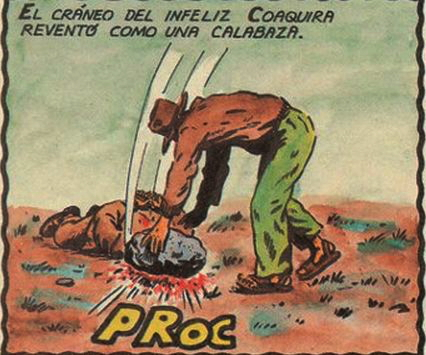
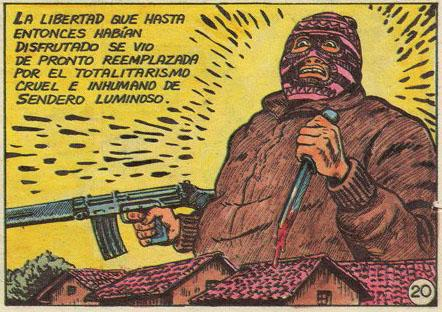
The conflict ended with Guzmán's capture, though some residual elements of the Shining Path persist to this day. The group massacred many throughout the conflict and was designated a terrorist organisation by the US, EU, Canada, Japan and others.
A Truth and Reconciliation Commission report concluded that close to 70,000 people were killed during the conflict, with the Shining Path responsible for around half (the government and other groups responsible for the rest). The report has been disputed.
Much more Peruvian history and art here: instagram.com
Loading suggestions...