

THREAD | the intricacies of Bernardo Silva's performance against Chelsea.
I indexed his actions in various phases by four categories: on-ball offence, on-ball defence, off-ball offence and off-ball defence.
I indexed his actions in various phases by four categories: on-ball offence, on-ball defence, off-ball offence and off-ball defence.
On-ball offence: the actions of a player who happens to be the ball carrier of his team in the possession phase.
On-ball defence: the actions of a player (whose team is not in possession) involving encounters with the opposition ball carrier.
On-ball defence: the actions of a player (whose team is not in possession) involving encounters with the opposition ball carrier.
Off-ball offence: the offensive actions of a player who doesn't have the ball at their feet (their team may be or may not be in possession).
Off-ball defence: the defensive actions of a player who is not directly involved in a duel with the opposition ball carrier.
Off-ball defence: the defensive actions of a player who is not directly involved in a duel with the opposition ball carrier.
Bernardo Silva played in the right side of the double pivot alongside Rodri. Which, frankly, was an interesting ordinance, but for Pep Guardiola, the concept of positions - the nominal stuff that pop up on our screens prior to lick kick-off - is negligible.
Off-ball Offence.
Silva occupies a strategic position in the blindside of Kovacic as the ball was played to Walker. If Kovacic jumped out to press the RB, which he did, Silva would be free.
Silva occupies a strategic position in the blindside of Kovacic as the ball was played to Walker. If Kovacic jumped out to press the RB, which he did, Silva would be free.
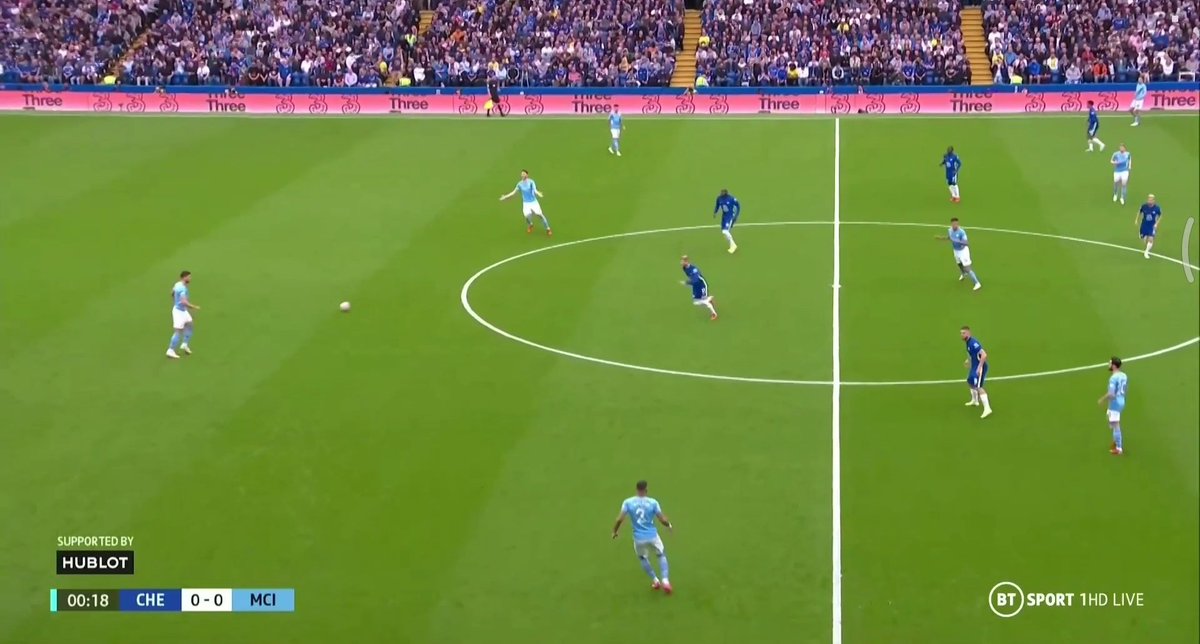
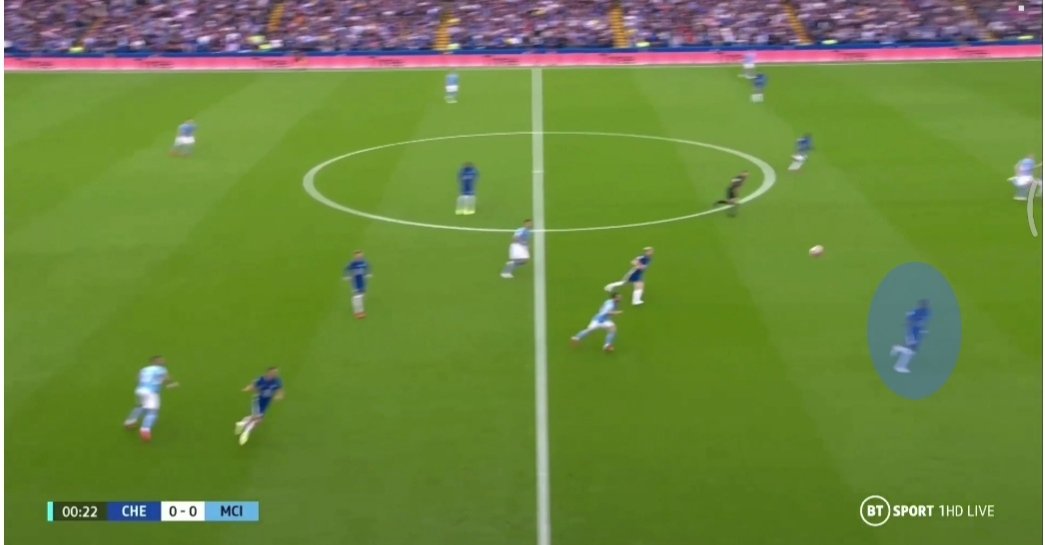
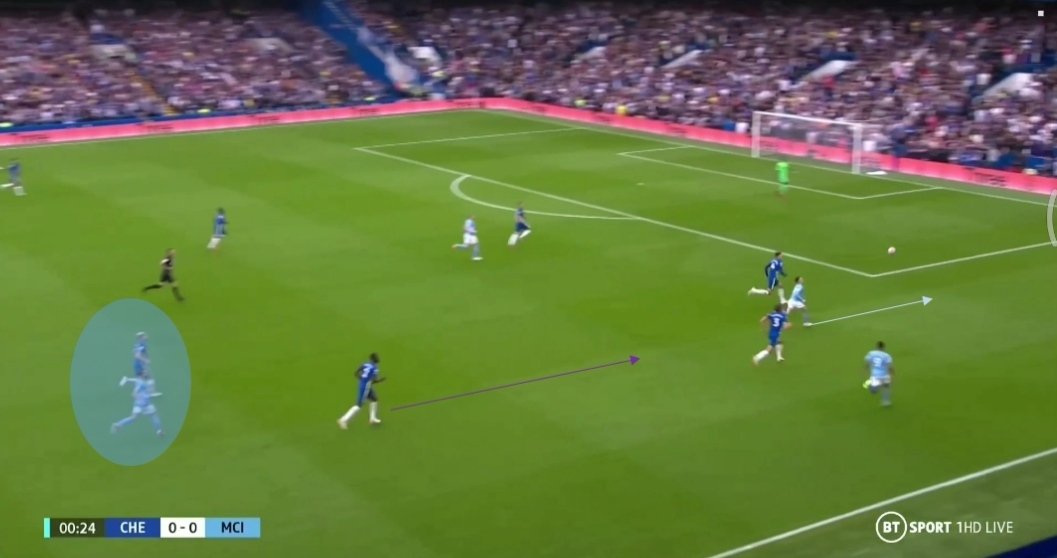
Because of this, Rudiger (and Jorginho, to a lesser extent) stepped into the midfield line, allowing Foden to make a run across the DEF to exploit the opening.
Walker used Alonso's momentum against him to get away from his reach. But Silva knew that if he remained where he was, he would be clogging up the space which may complicate things for Walker. So he moved away, taking Kovacic with him.
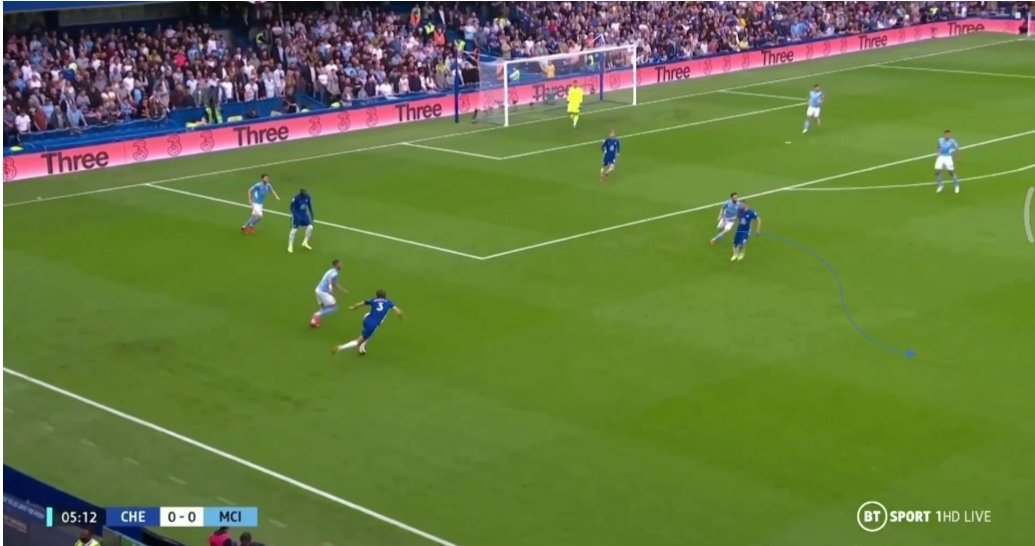
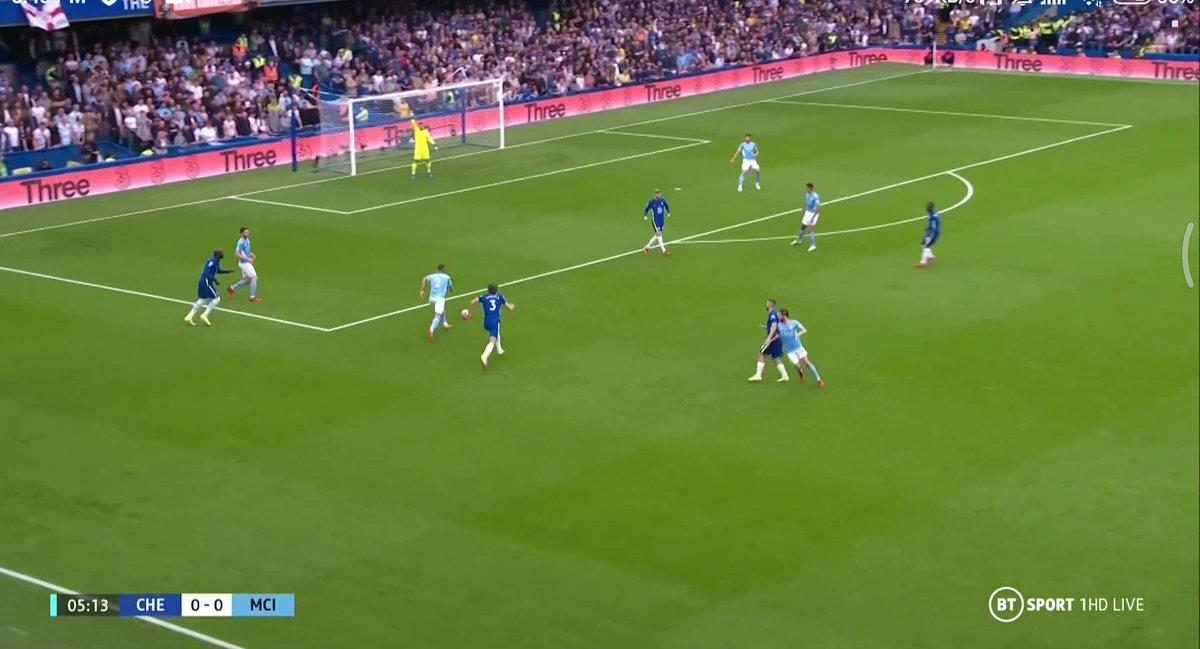
Diaz bore a closed body orientation. As a consequence, Kovacic pressed him aggressively, but the CB managed to get the ball out. Jesus then dropped deep to receive the ball, who was under pressure from Rudiger, and Silva gravitated him to provide support.
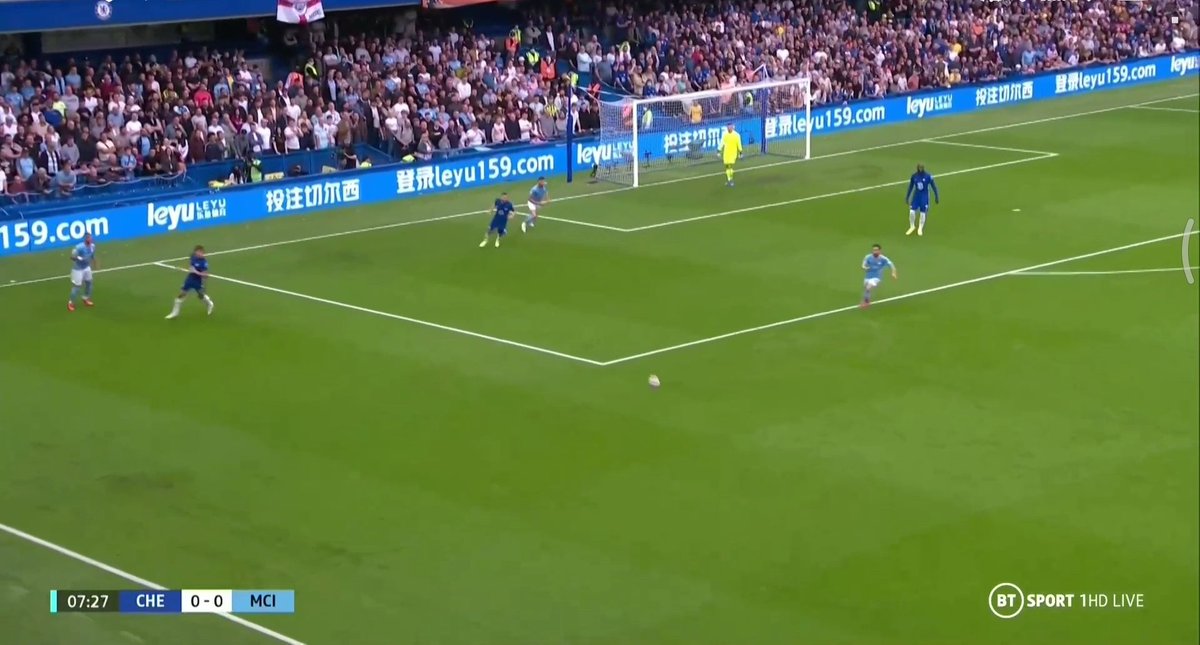
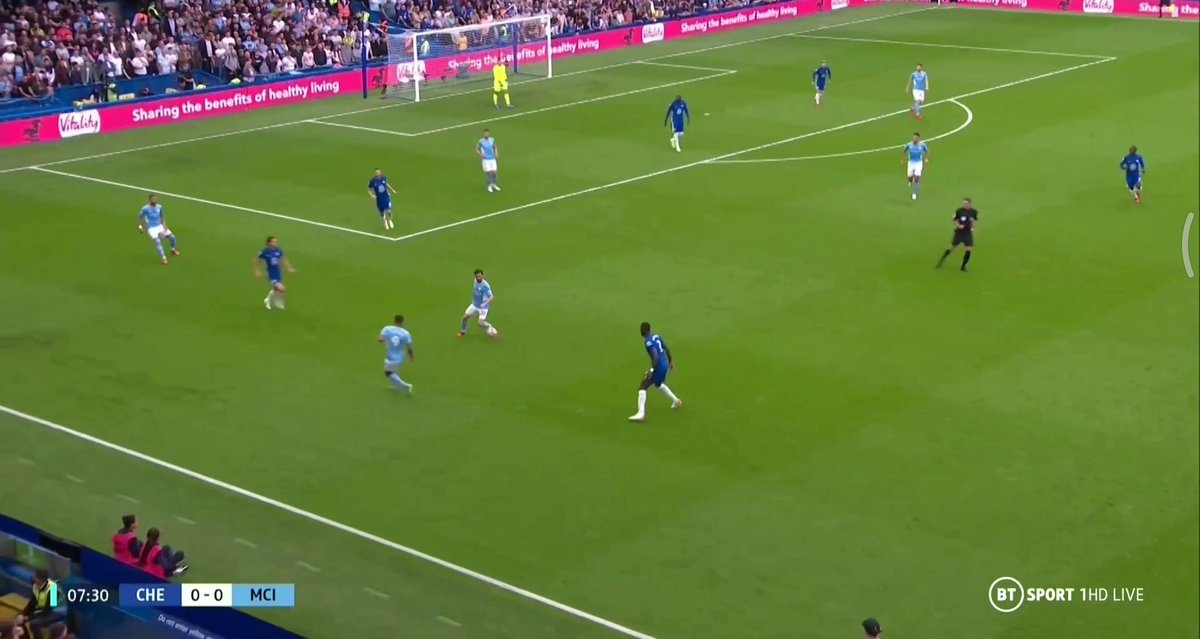
Silva veers to the right, with the intent to capitalize on the space Alonso had left behind, but City were not keen transitioning to attack. So after waiting for a while, he returned to his position (in relation to the team's structure).
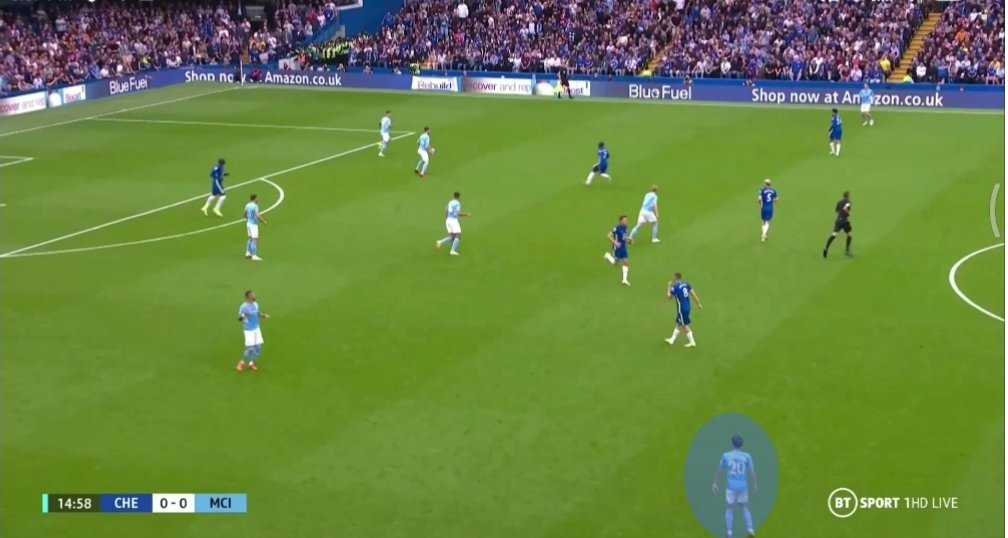
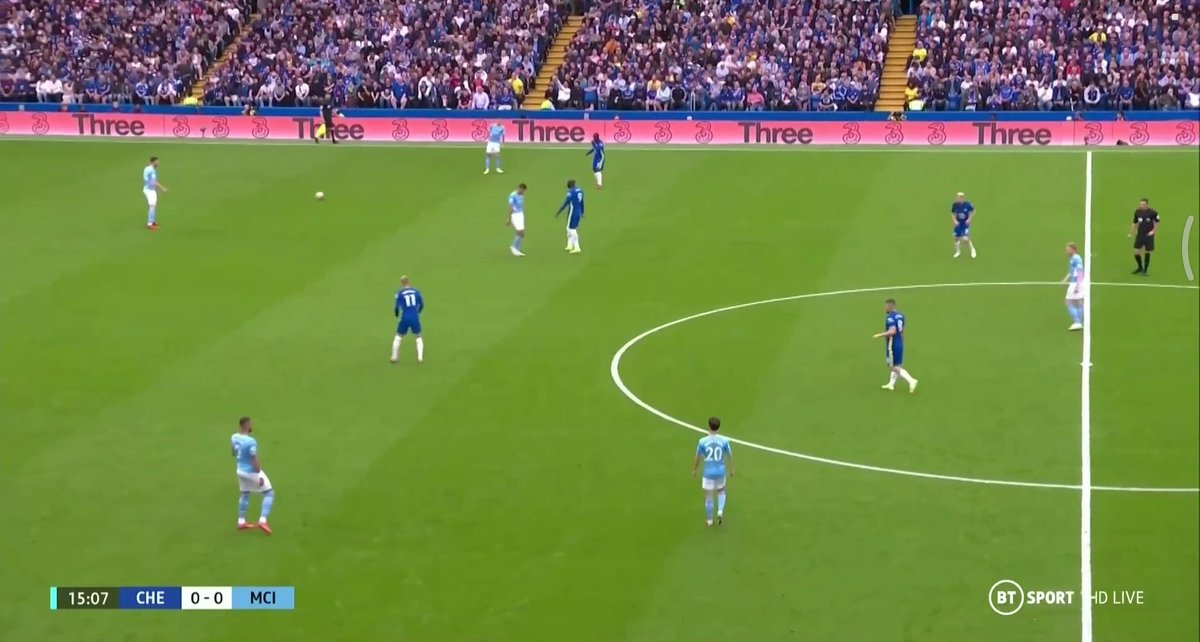
The City midfielder positioned himself behind Kovacic, who stepped out to press Walker, creating an overload momentarily. This motivated Rudiger to follow him, which opened up the gap for Foden to attack, although it didn't come to fruition.
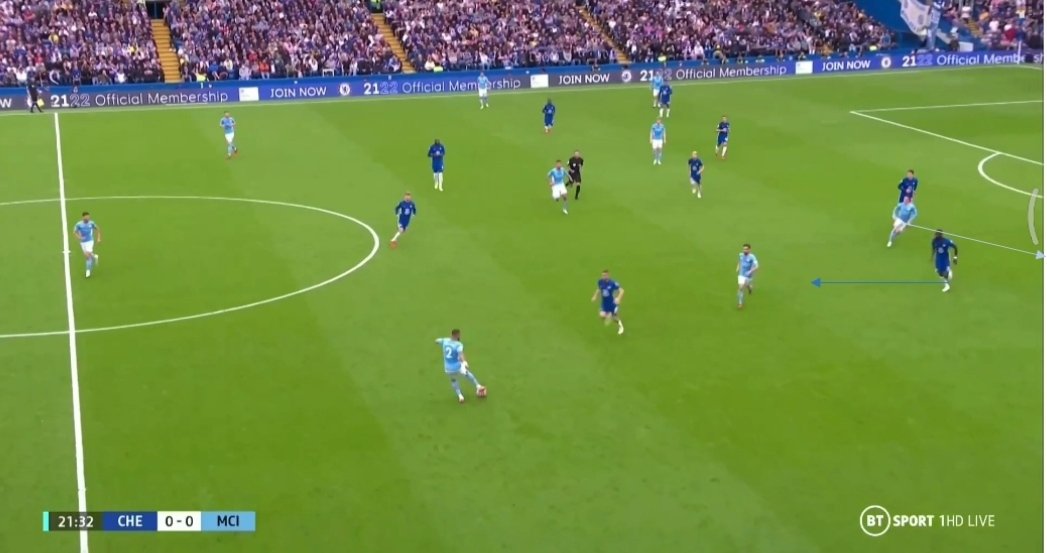
Silva drags Rudiger out of possession. Again.
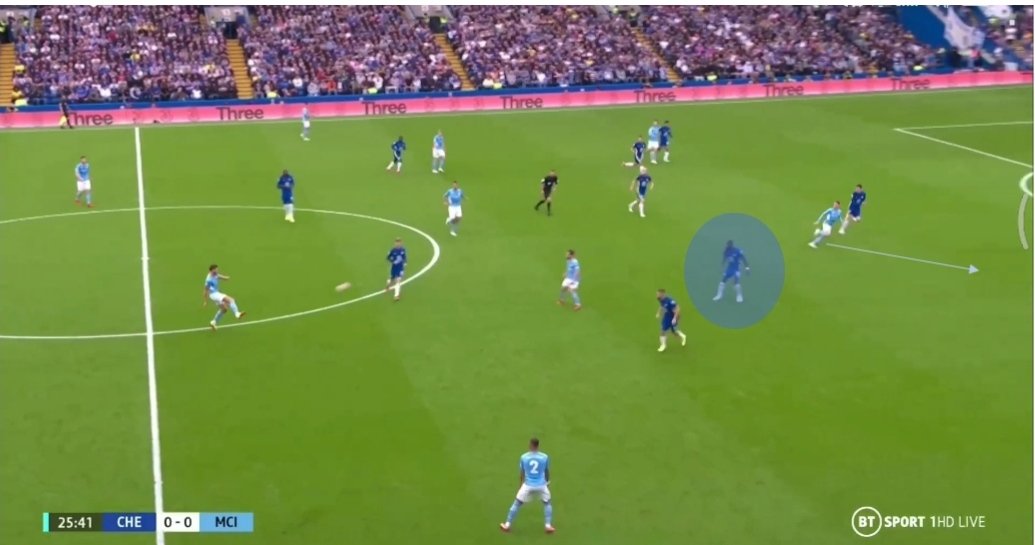
City were undergoing an attacking transition. De Bruyne's diagonal run (outside), and Silva's positioning afforded Rodri the opportunity to receive the ball with separation from the CHE midfielders, and then shoot on goal.
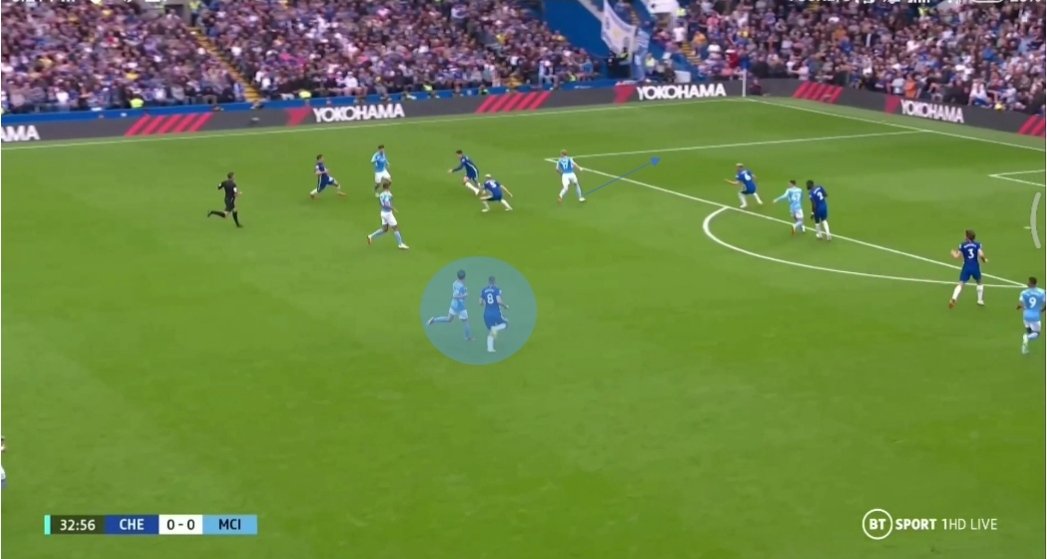
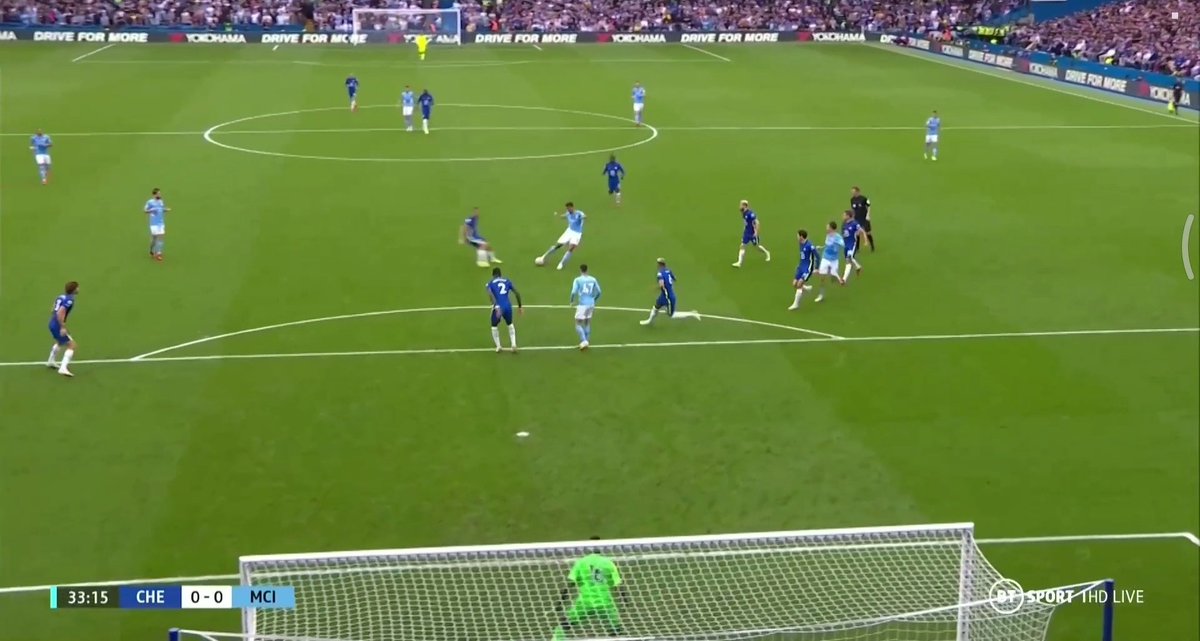
Silva and De Bruyne took up strategic positions that underpinned City's spatial occupation in this situation, which created a hole in the midfield, but they couldn't take advantage of it. The former did well to pull out Jorginho.
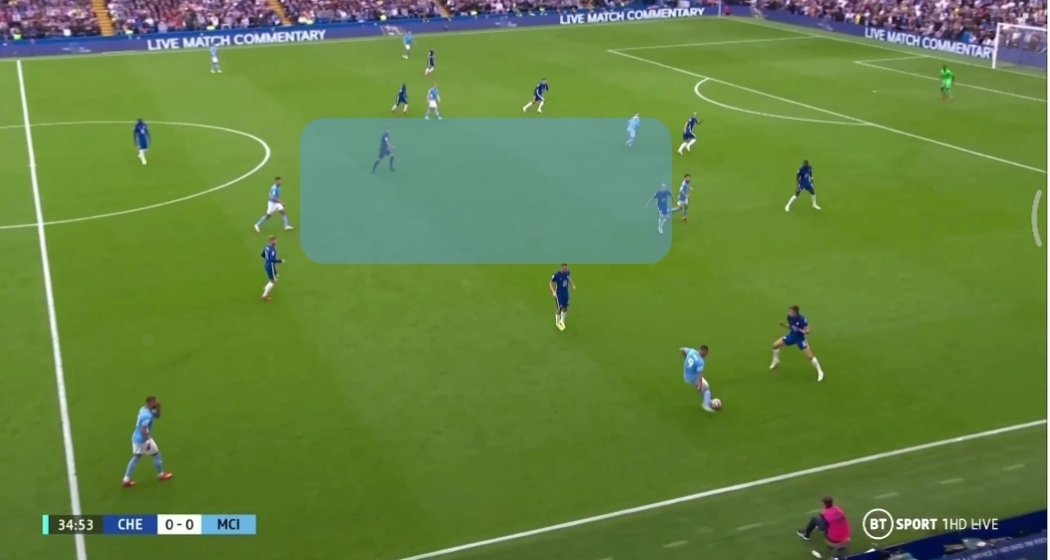
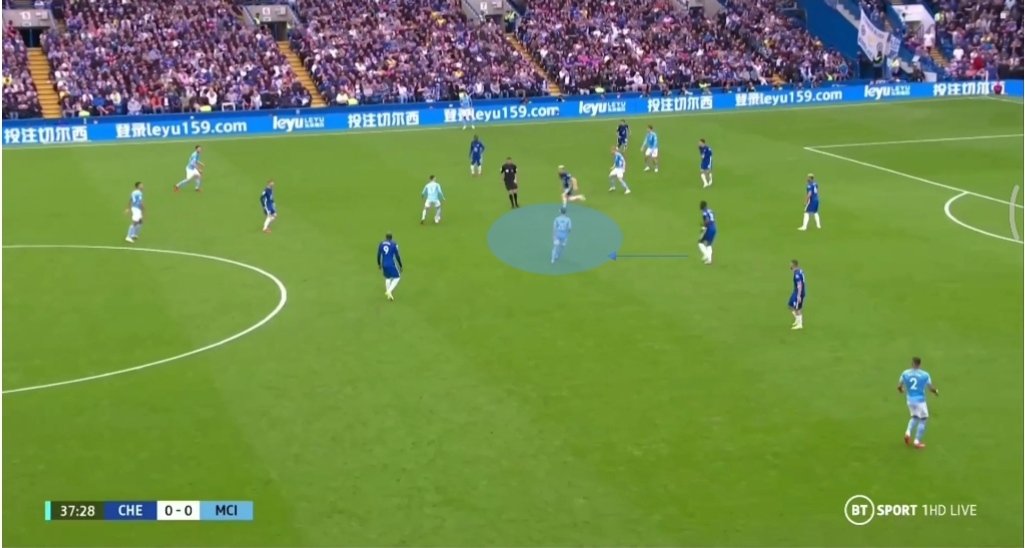
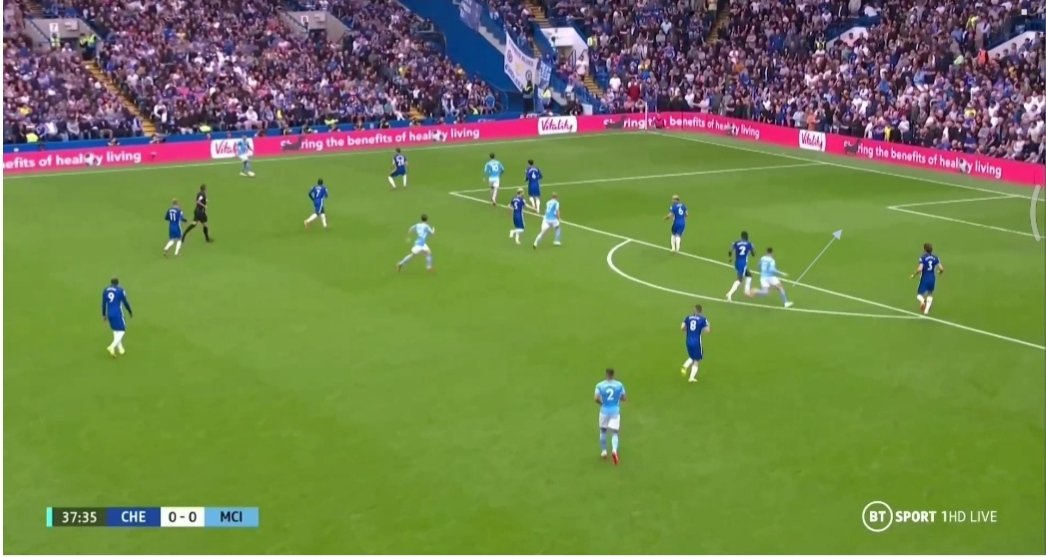
Silva attracts Rudiger. Yet again. Foden tried to attack the vacated space but to no avail. Personal opinion: given the frequency with which it occurred, one could argue that Tuchel trusted Christensen to deal with Foden's countermovements.
Off-ball Defence.
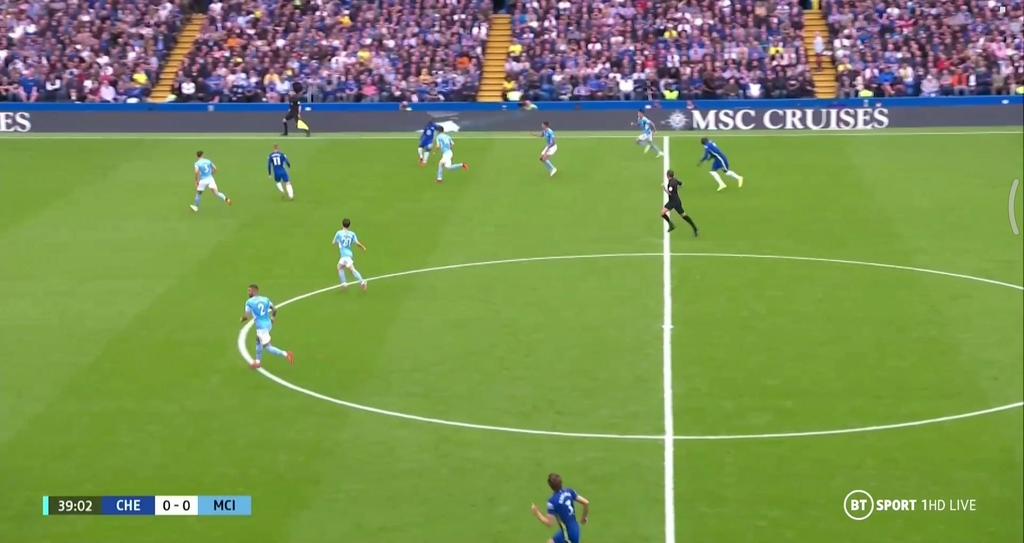
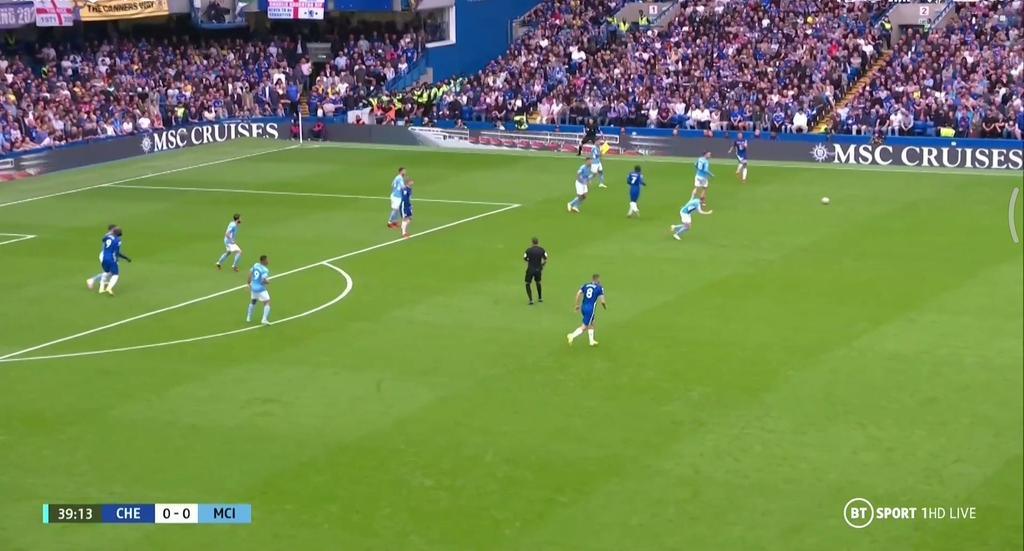
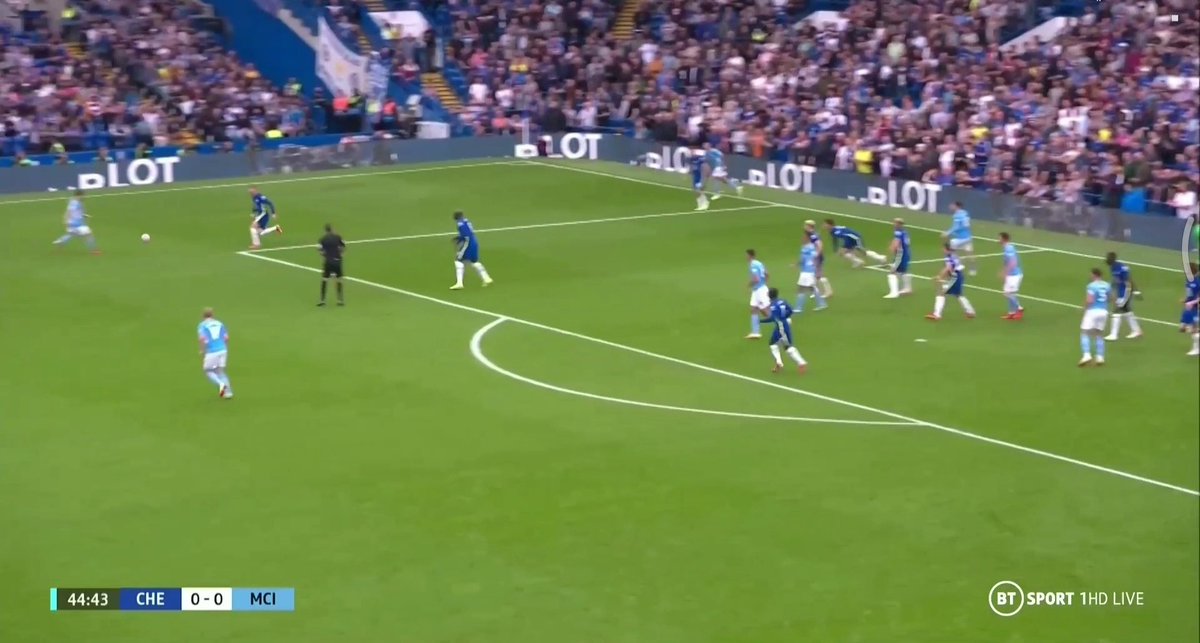
City launched a full-court press, and Silva was a part of the 2nd group who wasn't directly involved in it. His body position changed by the min - he faced to the right (Kovacic) or left (Lukaku) depending on the direction of play - in anticipation of an attack
City launched a full-court press, and Silva was a part of the 2nd group who wasn't directly involved in it. His body position changed by the min - he faced to the right (Kovacic) or left (Lukaku) depending on the direction of play - in anticipation of an attack
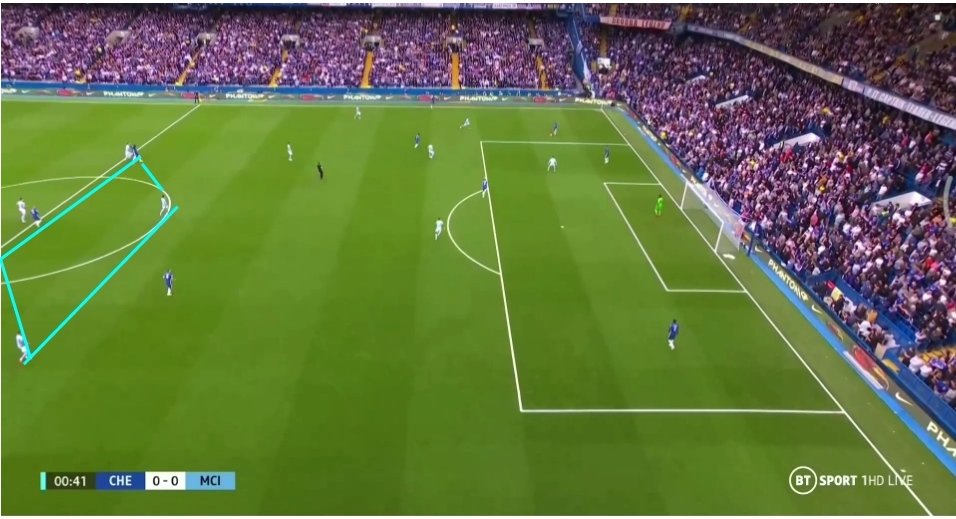
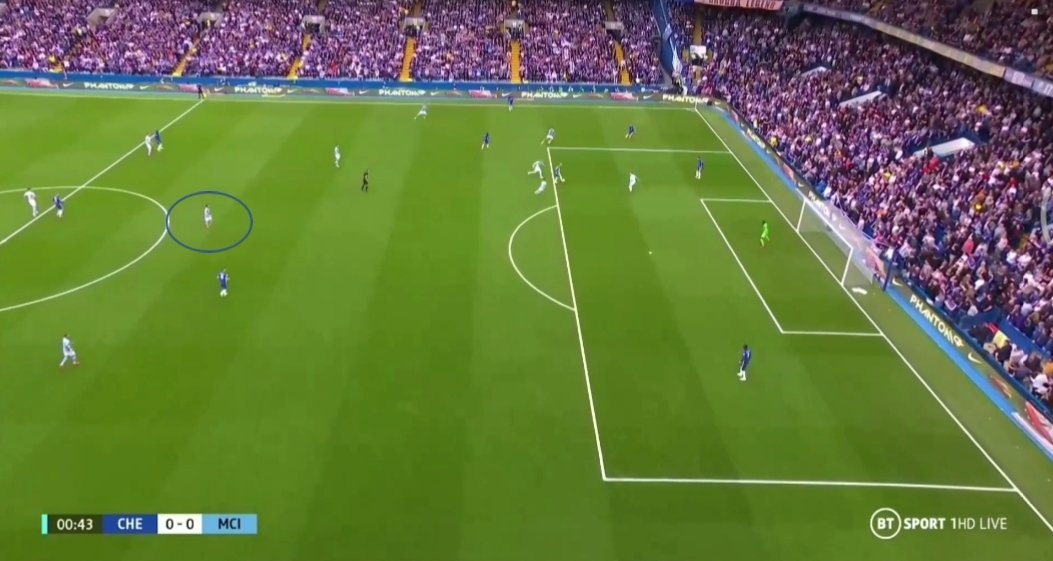
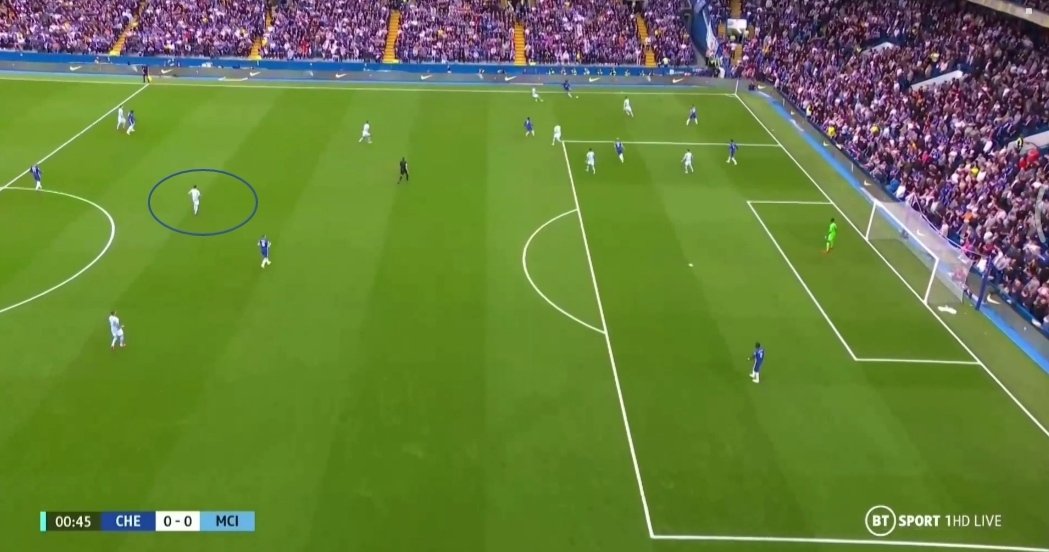
Eventually, though, the ball wound up in the wide right. But the situation was stable: Rodri had put his body across the ball and took it from Kante. From Silva's perspective, however, he was in a position to protect the designated space if the situation were to escalate.
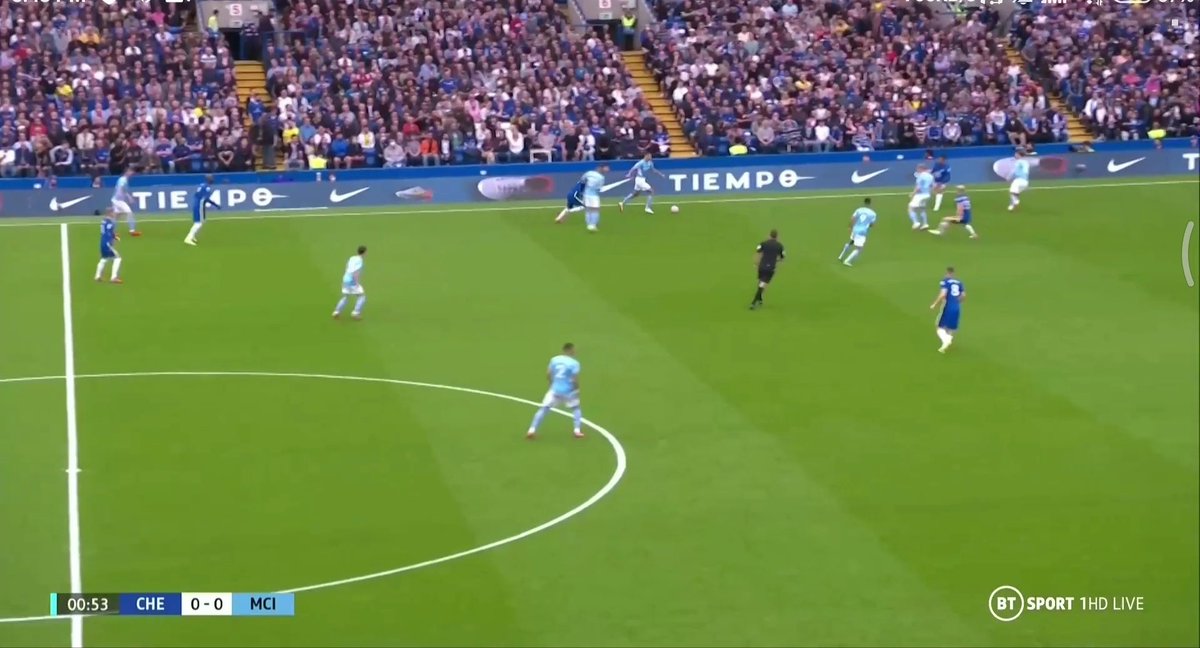
He enrolled in the pressing unit. The 2 reasons for this: the location of the ball and Kovacic's decision to drop into the false FB position. And his primary task was to man-mark Kovacic, but when he saw that Walker had the mid in his cover shadow, he blocked the central zones.
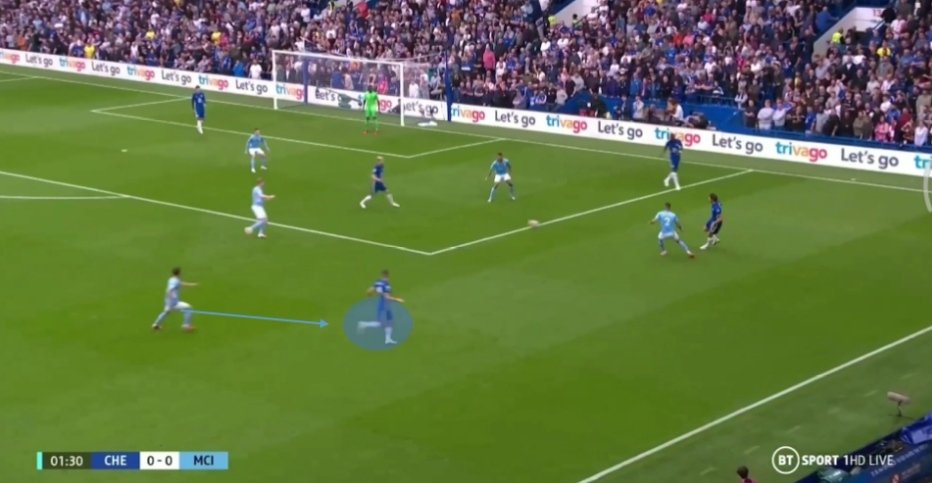
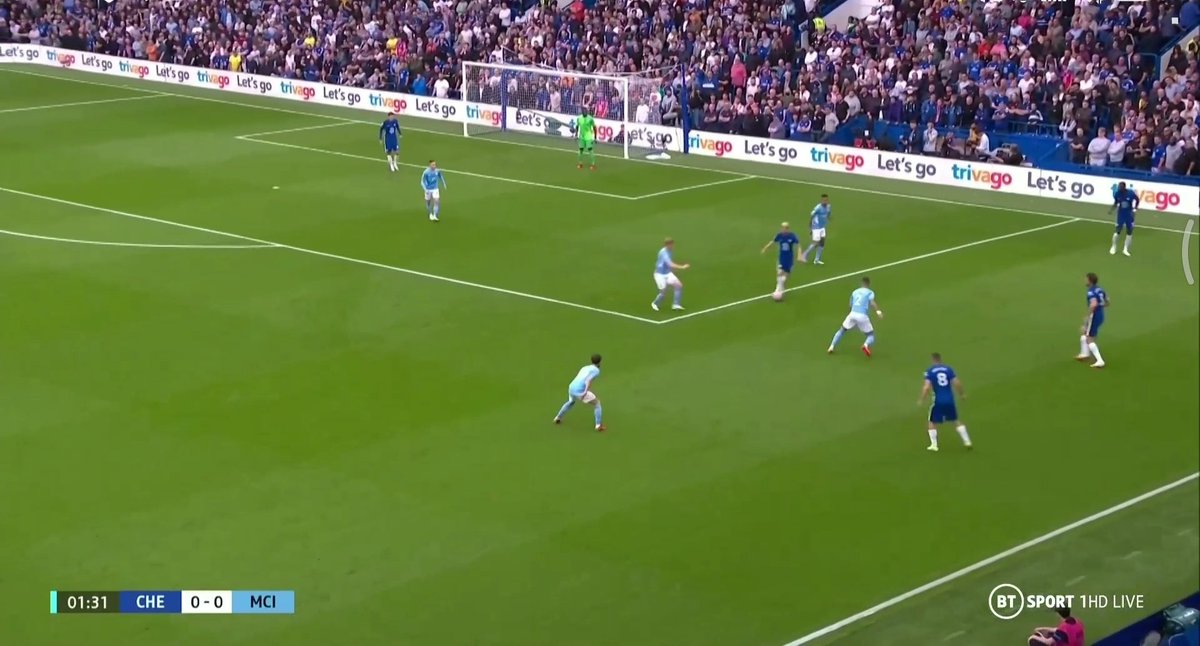
The change in Silva's positioning with regards to a reference point: his teammate. City laid out in a 2-3-5 shape. Silva, Rodri and Walker constituted the trifecta. He readjusted his positioning when Rodri drove forward with the ball - and a loss of possession seemed imminent.
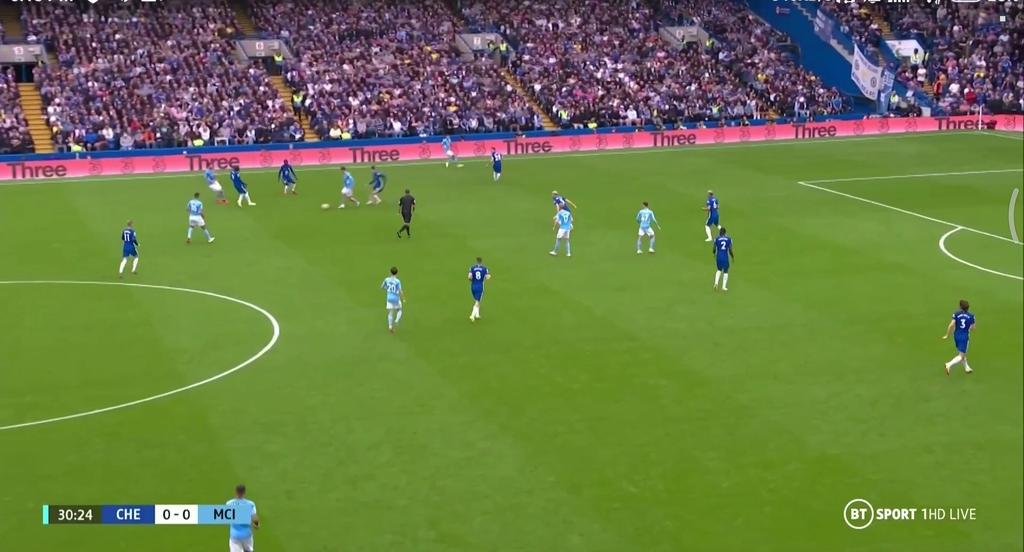
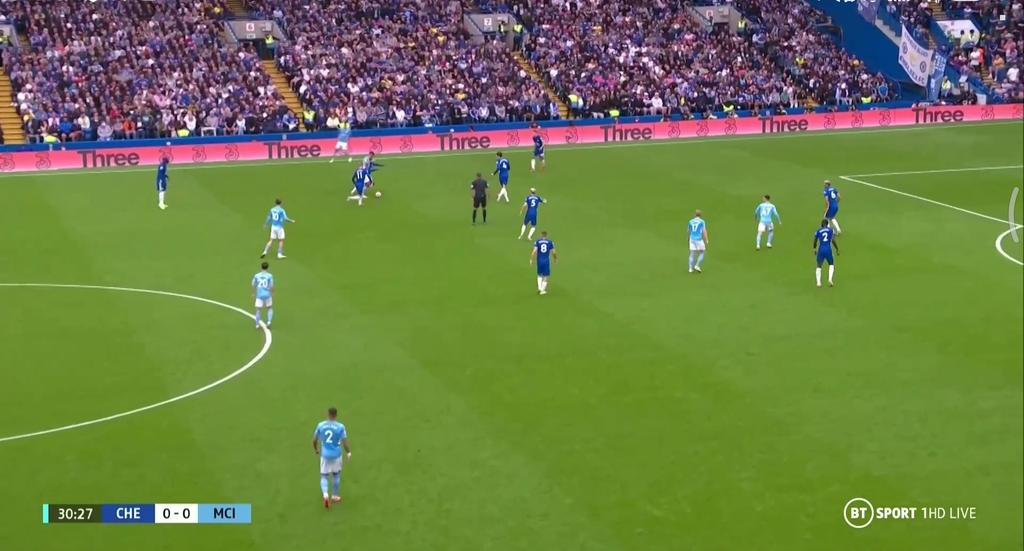
Laporte gets dragged out of position while duelling Lukaku, and Silva tracked back to fill in the void. It's an indication of his positional awareness.
On-ball Offence.
On the surface, Silva's actions may seem ordinary, but they're key to breaking down a low block. Chelsea can defend; their 5-2-3 med block exemplify the mechanics of shuffling. To create gaps within the framework, it's imperative that the ball is moved quickly.
On the surface, Silva's actions may seem ordinary, but they're key to breaking down a low block. Chelsea can defend; their 5-2-3 med block exemplify the mechanics of shuffling. To create gaps within the framework, it's imperative that the ball is moved quickly.
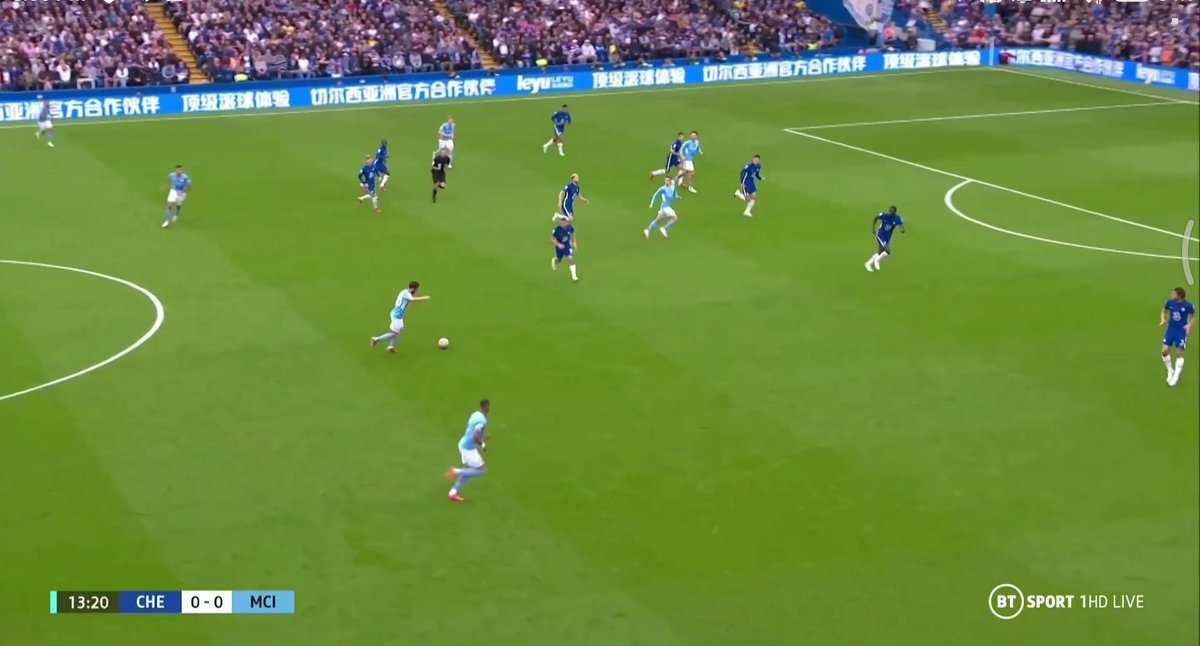
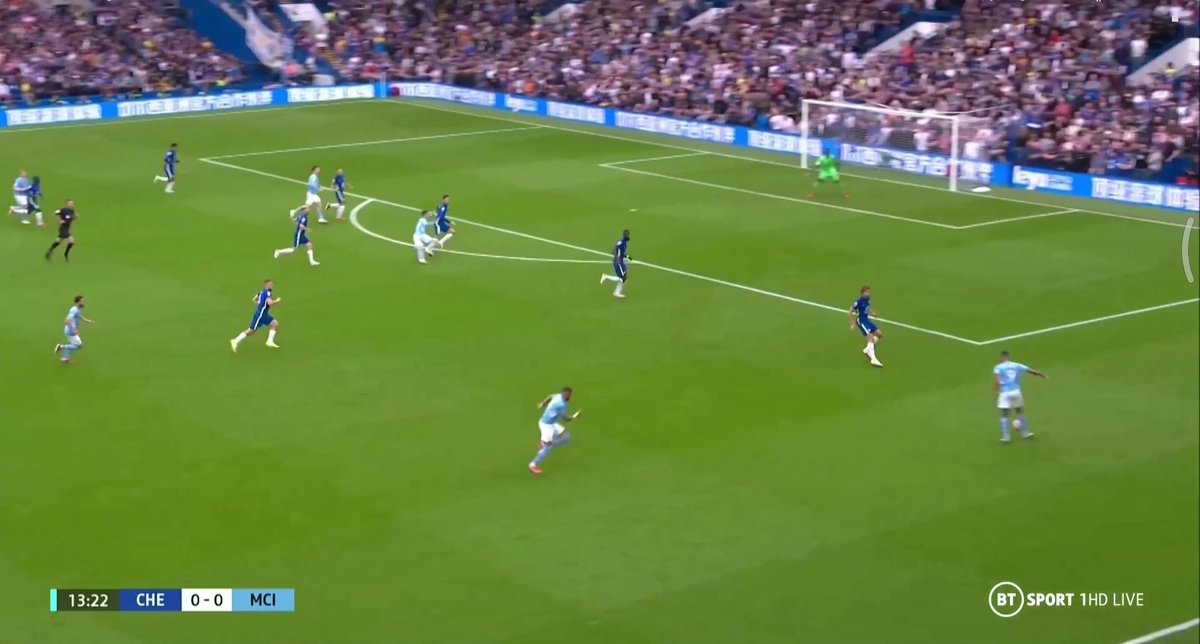
His pass was low and hard which sped up the tempo, and in addition to that, it was played to Jesus' front foot - the inside of his right foot - allowing "the winger" to face Alonso in a 1v1 situation without having to make several adjustments.
Chelsea had just lost possession in this situation. Thus, Kovacic tried to win the ball back immediately (it can't be classified as counterpress, as it is lacking in its core elements), but Silva had the presence of mind to escape the pressure by simply engaging in a give and go.
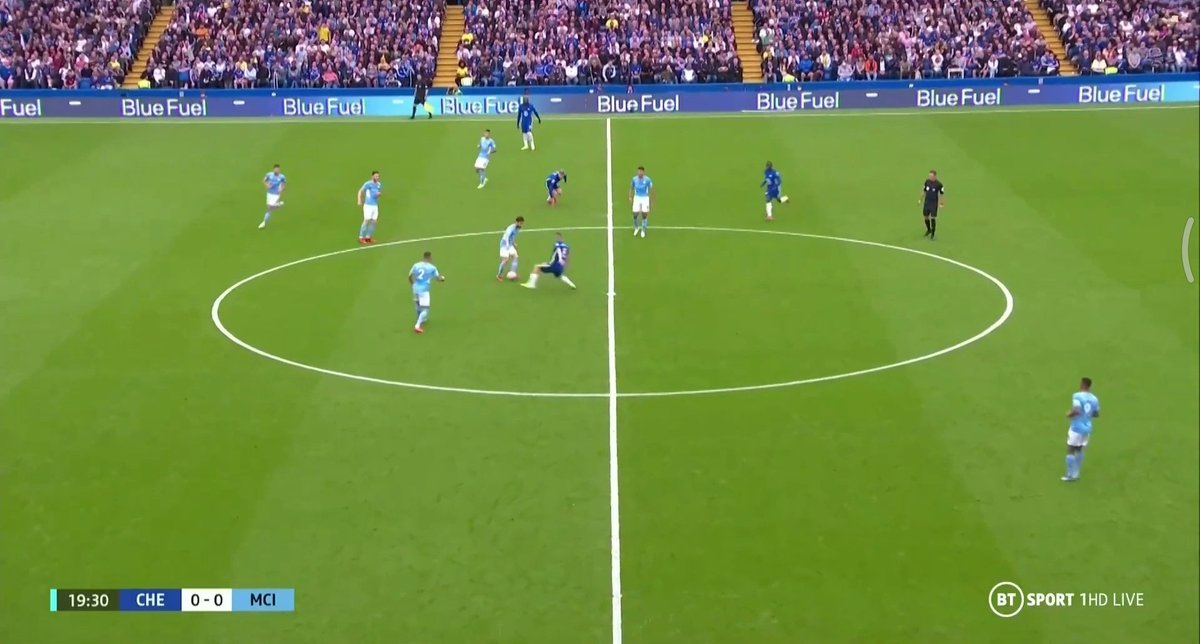
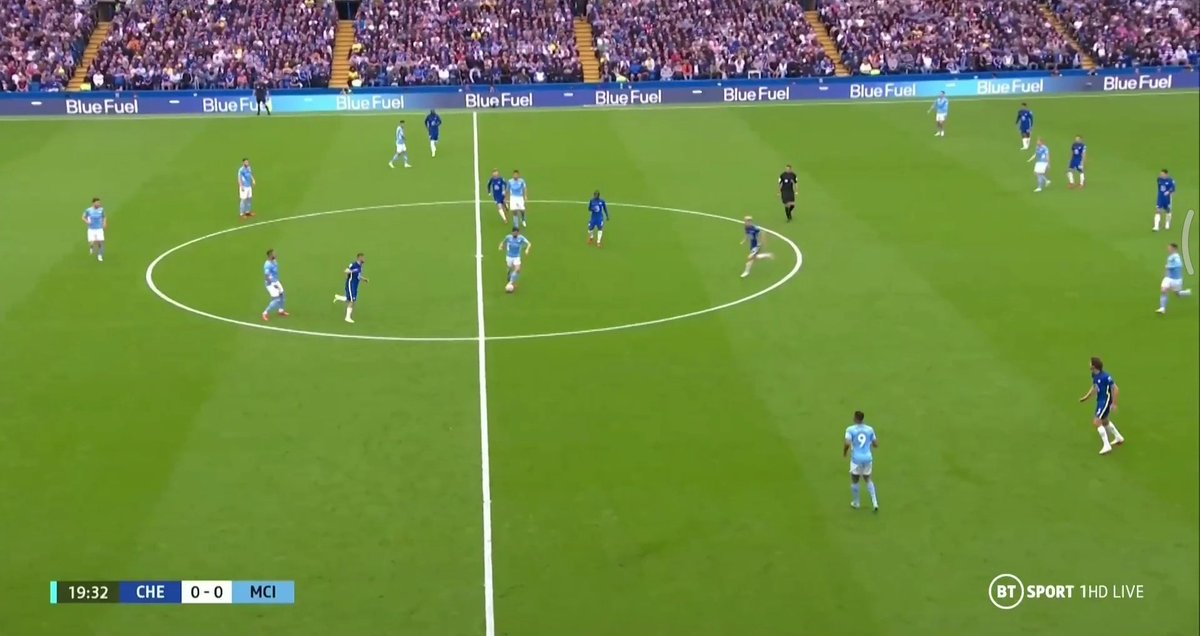
Not all passes are created equal. His ground level, forceful pass to Jesus connected with the inside of the winger's right foot, setting him up in a favourable situation against Rudiger were he to take on the defender.
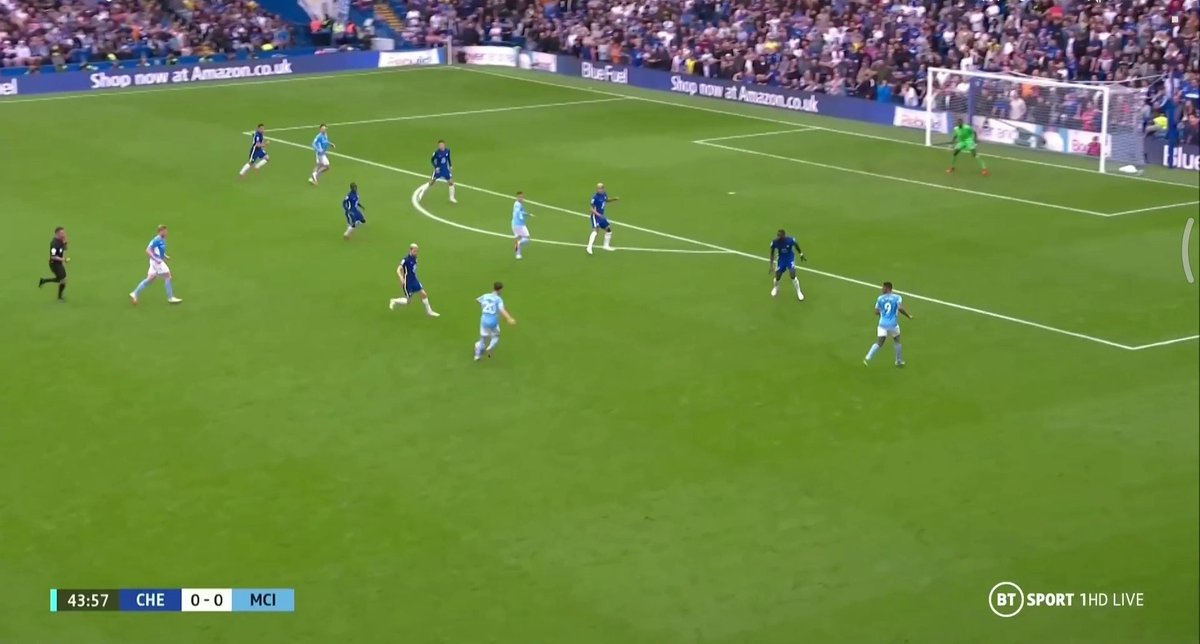
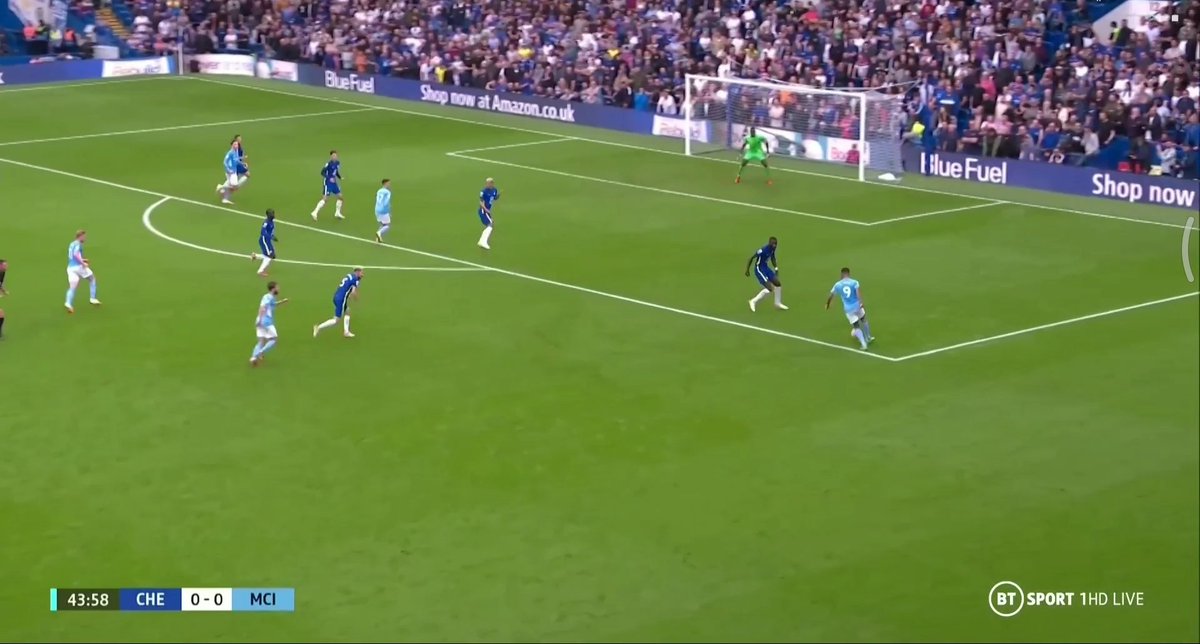
On-ball Defence.
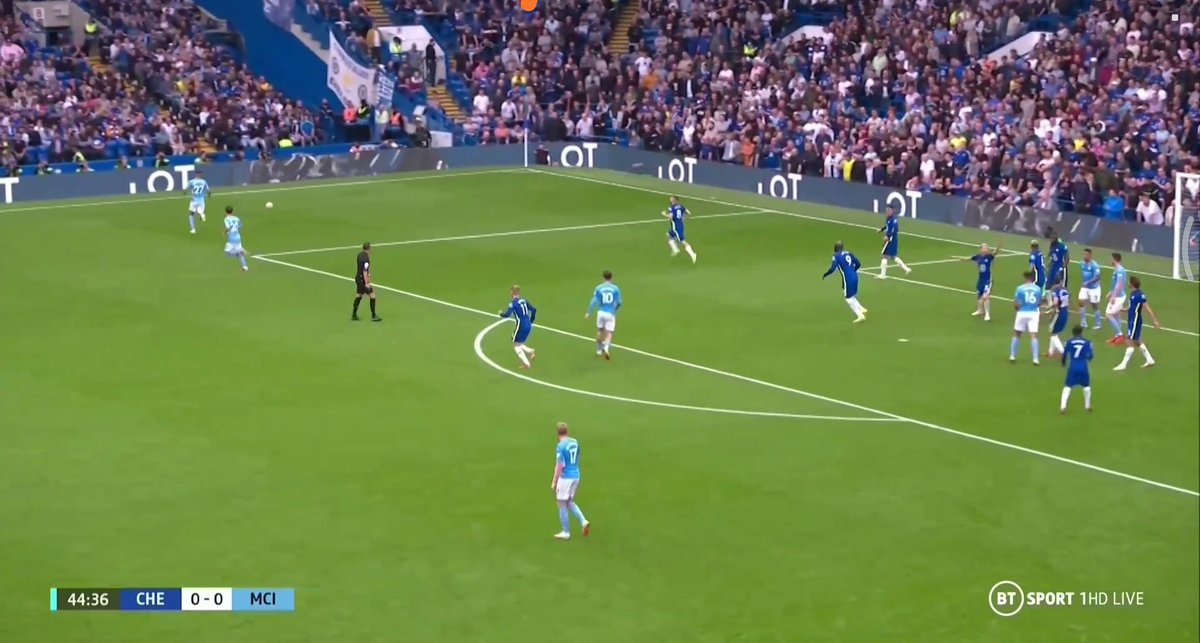
City had a corner. It skimmed past everyone. While all of this was unfolding, Silva checked his shoulder and then, covered the space behind Rodri. In the secs that followed, City lost the ball and Lukaku readied himself to attack the space, but Silva was there
City had a corner. It skimmed past everyone. While all of this was unfolding, Silva checked his shoulder and then, covered the space behind Rodri. In the secs that followed, City lost the ball and Lukaku readied himself to attack the space, but Silva was there
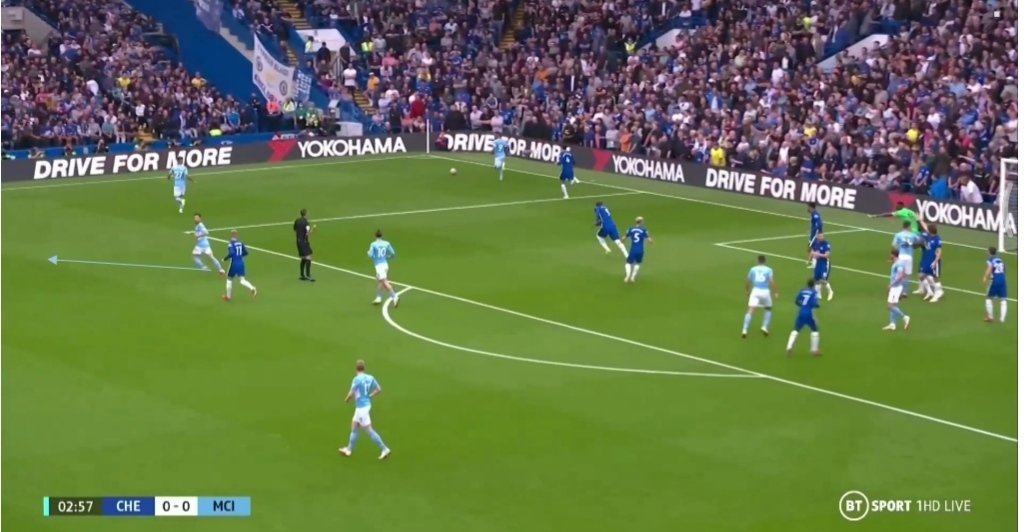
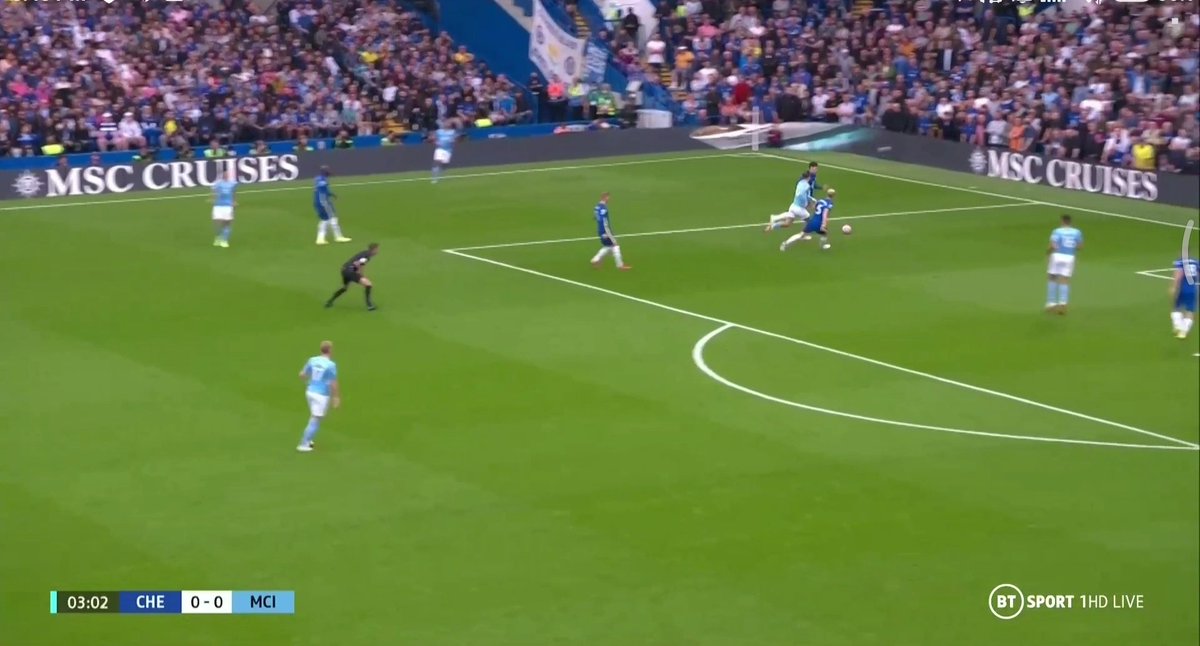
He seemed to have predicted the development with amazing prescience.
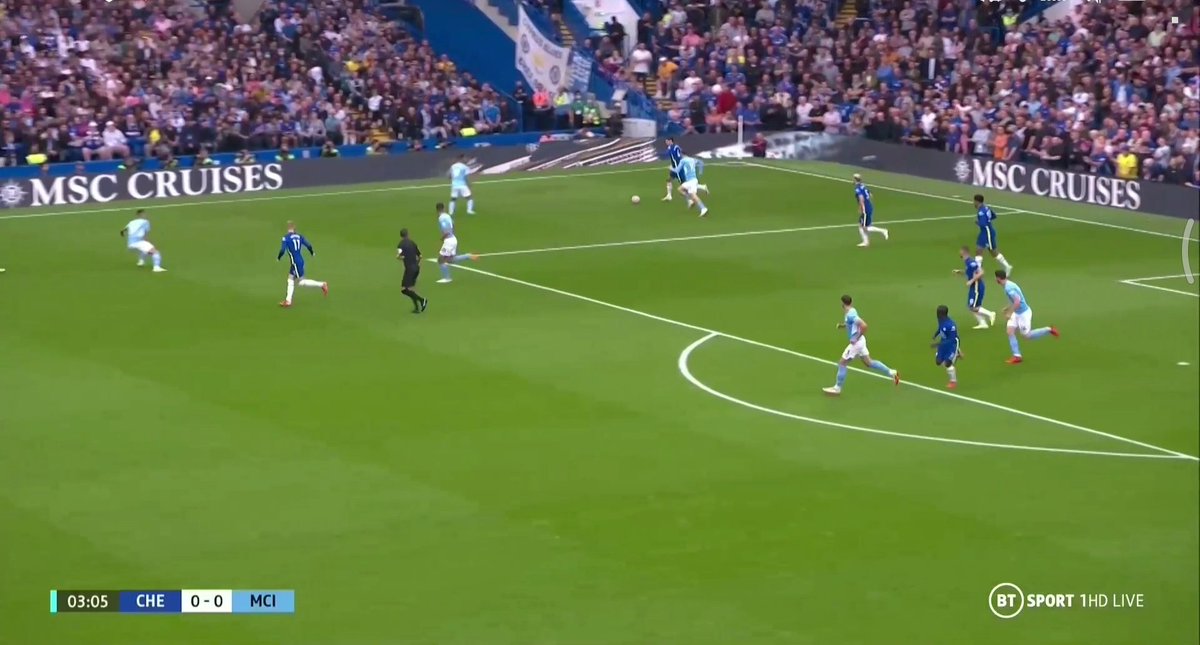
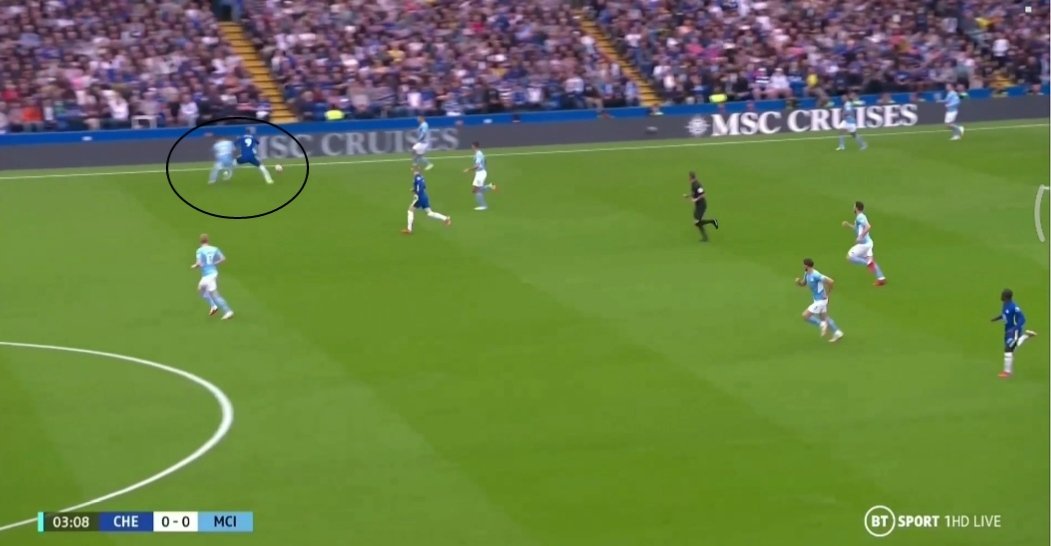
Silva noticed that Rudiger was dribbling into space (a latent desire for creating numerical superiority) and perhaps he reasoned that the wide CB had overrun himself, so he decided to dive in. Rudiger got away, and as a result of this, CHE had a 2v1 overload.

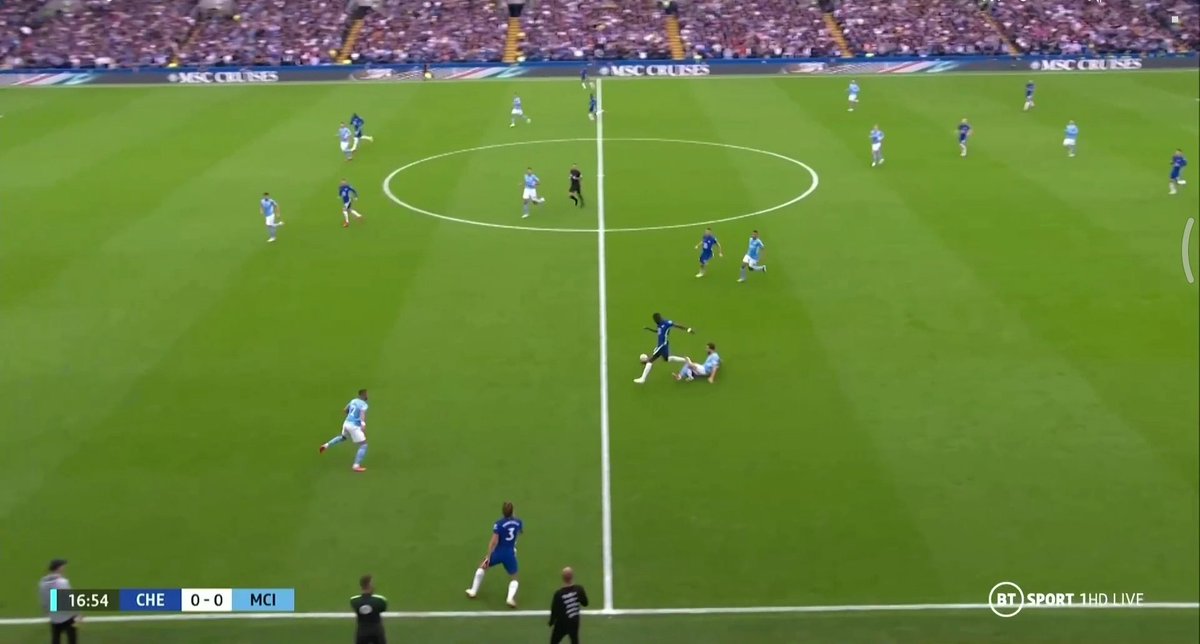
With the importance of "systems" in mind, one of the key battles of the match was between Bernardo Silva and Kovacic. In this instance, the former succeeded in driving his opposite number back.
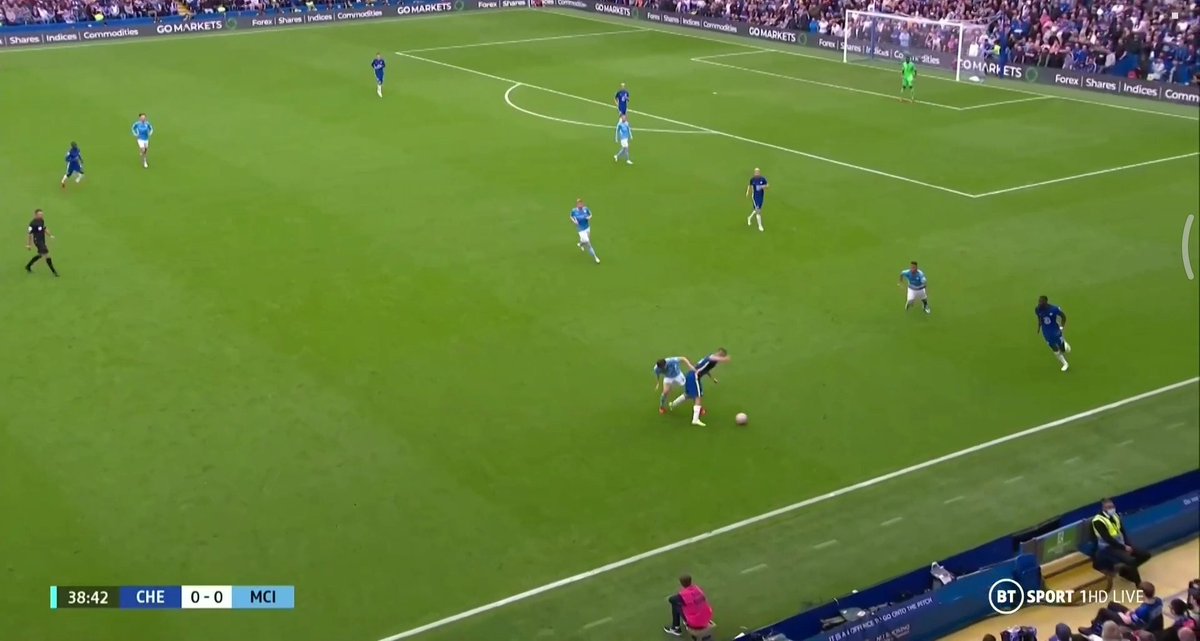
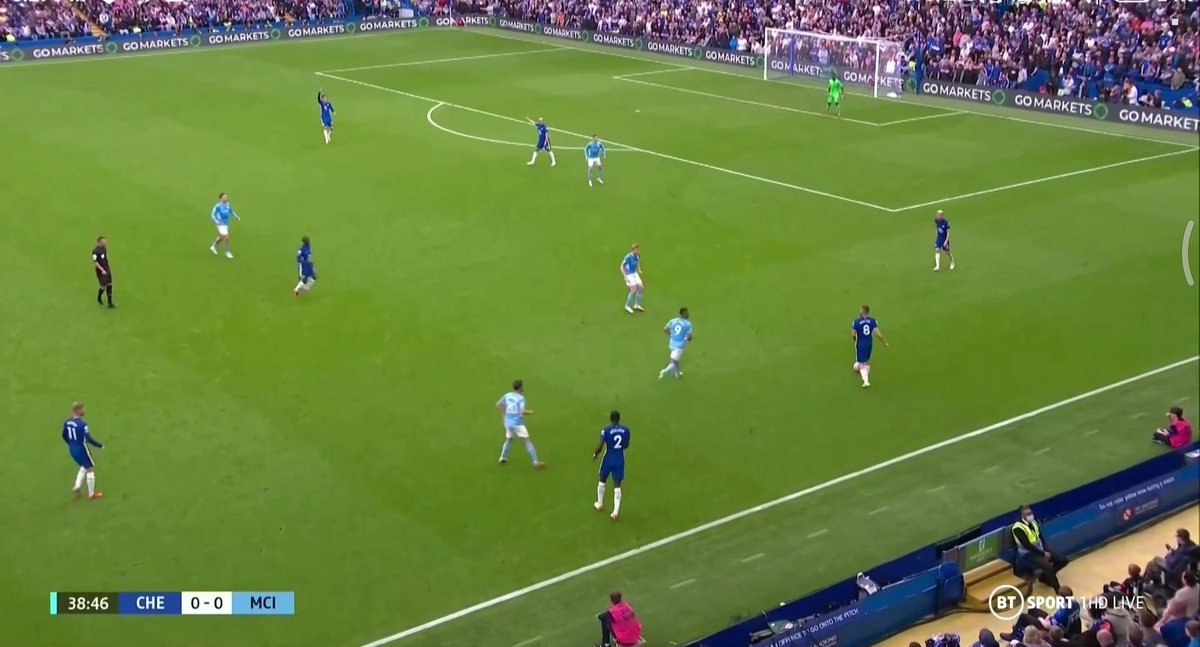
The first phase of the corner kick came to an end. While Cancelo ran to get the ball, Silva drifted wide to provide him support. Sure enough, when Christenen headed Cancelo's effort away, and Chelsea looked to attack, he was there to prevent it from occurring.
Note: the methodology was borrowed from @utdarena's scouting report on Amad Diallo.
Loading suggestions...