

1/ Salt as a potent antibacterial & antiviral agent ?
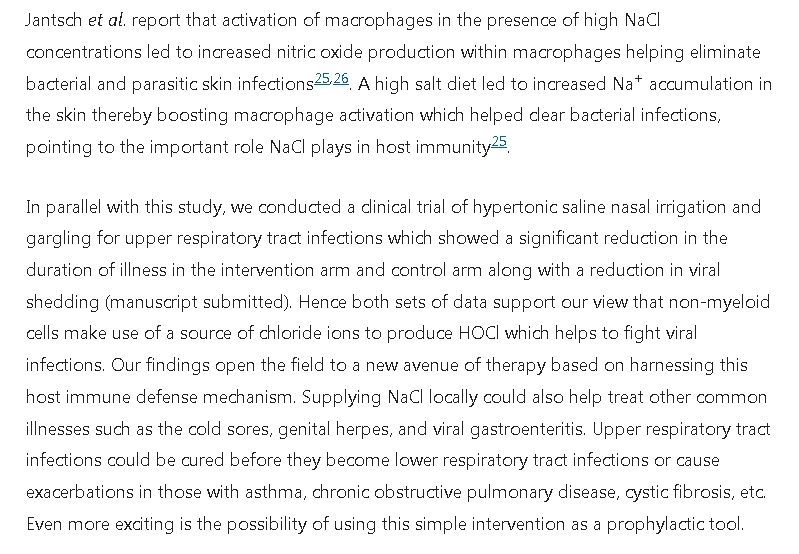
"Antiviral activity against a broad range of viral infections (HSV-1, MHV68, RSV, Influenza, HCoV-229E) can be augmented by increasing availability of NaCl."
Study was published in Nature in 2018:
nature.com
"Antiviral activity against a broad range of viral infections (HSV-1, MHV68, RSV, Influenza, HCoV-229E) can be augmented by increasing availability of NaCl."
Study was published in Nature in 2018:
nature.com


2/ Normally I would not pay much attention to it, but low chloride is associated with:
- low salt diets (think Dietary Guidelines)
- prescription drugs like antacids
- the use of baking soda, diuretics, water pills, laxatives, steroids
- metabolic alkalosis / dehydration
- low salt diets (think Dietary Guidelines)
- prescription drugs like antacids
- the use of baking soda, diuretics, water pills, laxatives, steroids
- metabolic alkalosis / dehydration
3/ Other associations include: low stomach acid, hypokalemia, lung diseases, heart, kidney or liver failure. Someone may ask, where am I going with this ? Well, who is most affected by our recent "pandemic" ? The answer is, people who are obese, with comorbidities & the elderly.
4/ Now, what causes low sodium (and low chloride as a result), particularly in elderly population ? Medications such as diuretics, antidepressants, antacids & anti-seizure medications. Decreased liver, heart & kidney function. Dehydration can also lead to pneumonia and sepsis.
5/ Elderly, particularly the ones in nursing homes, are also on both, low fat & low salt diets. As a result, they are prone to dehydration. Obese people on the other hand are more likely to abuse antacids, diuretics, water pills, laxatives which may lead to electrolyte imbalance.
6/ Many chronic diseases may also lead to electrolyte imbalance, particularly kidney issues. Same with certain prescription drugs. Also, if you have health problems (high blood pressure, heart issues) you will be recommended to switch to a low salt diet to protect your heart.
7/ Keep in mind that I am not saying that there is a causative effect there but some associations, as presented above, could impact certain groups of people by exacerbating disease severity and could even potentially lead to increase of fatal outcomes in some people.
8/ Supporting evidence:
"Chloride, the most abundant anion in the human body is an indispensable constituent of the myeloperoxidase (MPO)–H2O2–halide system that produces potent microbicide hypochlorous acid (HOCl)."
"Chloride flux in phagocytes" paper:
sci-hub.se
"Chloride, the most abundant anion in the human body is an indispensable constituent of the myeloperoxidase (MPO)–H2O2–halide system that produces potent microbicide hypochlorous acid (HOCl)."
"Chloride flux in phagocytes" paper:
sci-hub.se

9/ "Chloride serves as a substrate for the generation of the potent microbicide chlorine bleach by stimulated neutrophils and also contributes to regulation of ionic homeostasis for optimal antimicrobial activity within phagosomes."
PDF:
sci-hub.se
PDF:
sci-hub.se

10/ "When individuals infected with similar viruses (rhinovirus, coronavirus, enterovirus and influenza virus) were compared, 30% more individuals had reduction in viral shedding by ≥0.5 log10 per day in the intervention arm."
nature.com
nature.com

11/ "Cells lining the nose and throat can produce HOCL when they are bathed with chloride. One of the easiest ways to accomplish this exposure is using sodium chloride (salt). The more chloride presented to the cells, the more HOCL they generate."
thefederalist.com
thefederalist.com
12/ "Measures such as influenza vaccination, use of face masks & personal prayer carpet have no effect on incidence of respiratory tract infections. However, washing throat & mouth with salt water can be considered the most effective preventive measure."
ncbi.nlm.nih.gov
ncbi.nlm.nih.gov
13/ "Randomized controlled trial carried out in 2002-2003 winter season & analyzed in 2003 & 2004. Simple water gargling was effective to prevent URTIs among healthy people. This virtually cost-free modality would appreciably benefit general population."
pubmed.ncbi.nlm.nih.gov
pubmed.ncbi.nlm.nih.gov
14/ More evidence for the importance of salt, electrolyte balance & risks of dehydration during winter time.
"Dehydration is most commonly thought of as a hot-weather health concern, but in cold weather dehydration can also be a significant health risk."
eu.ithacajournal.com
"Dehydration is most commonly thought of as a hot-weather health concern, but in cold weather dehydration can also be a significant health risk."
eu.ithacajournal.com
15/ Dehydration & winter:
"In cold weather, the body’s thirst response is diminished by up to 40 percent even when dehydrated. The body is fooled into thinking it’s properly hydrated, e.g. you don’t feel as thirsty and your body doesn’t conserve water."
dripdrop.com
"In cold weather, the body’s thirst response is diminished by up to 40 percent even when dehydrated. The body is fooled into thinking it’s properly hydrated, e.g. you don’t feel as thirsty and your body doesn’t conserve water."
dripdrop.com
16/ Immune system and the importance of proper hydration:
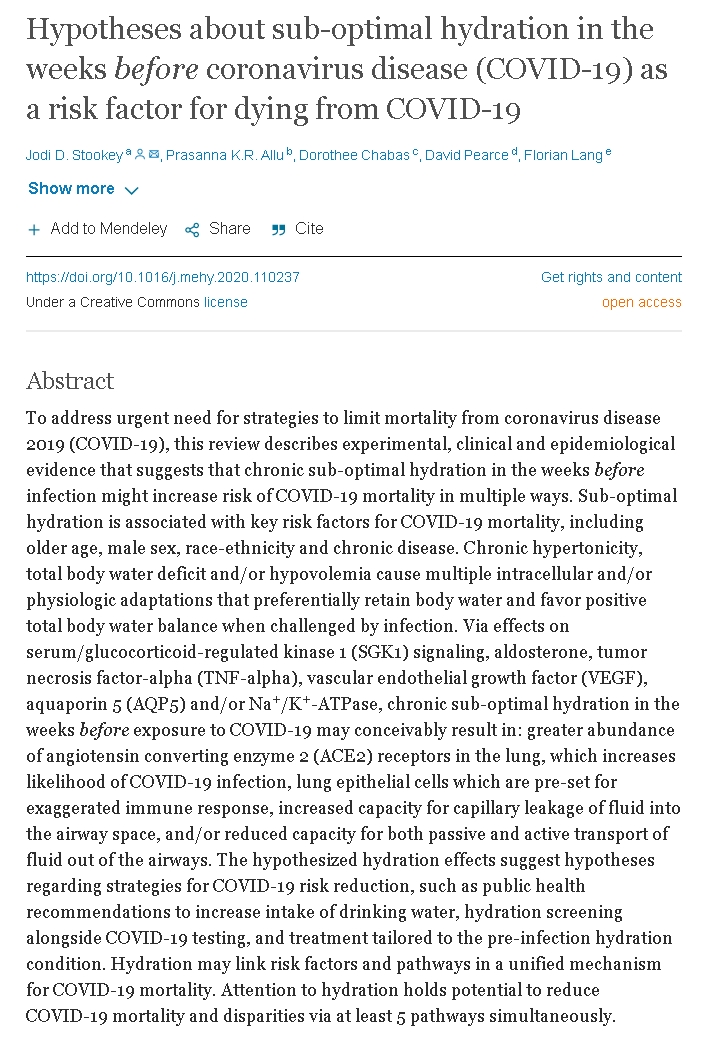
"Hypotheses about sub-optimal hydration in the weeks before coronavirus disease (COVID-19) as a risk factor for dying from COVID-19"
PDF:
sci-hub.se
"Hypotheses about sub-optimal hydration in the weeks before coronavirus disease (COVID-19) as a risk factor for dying from COVID-19"
PDF:
sci-hub.se
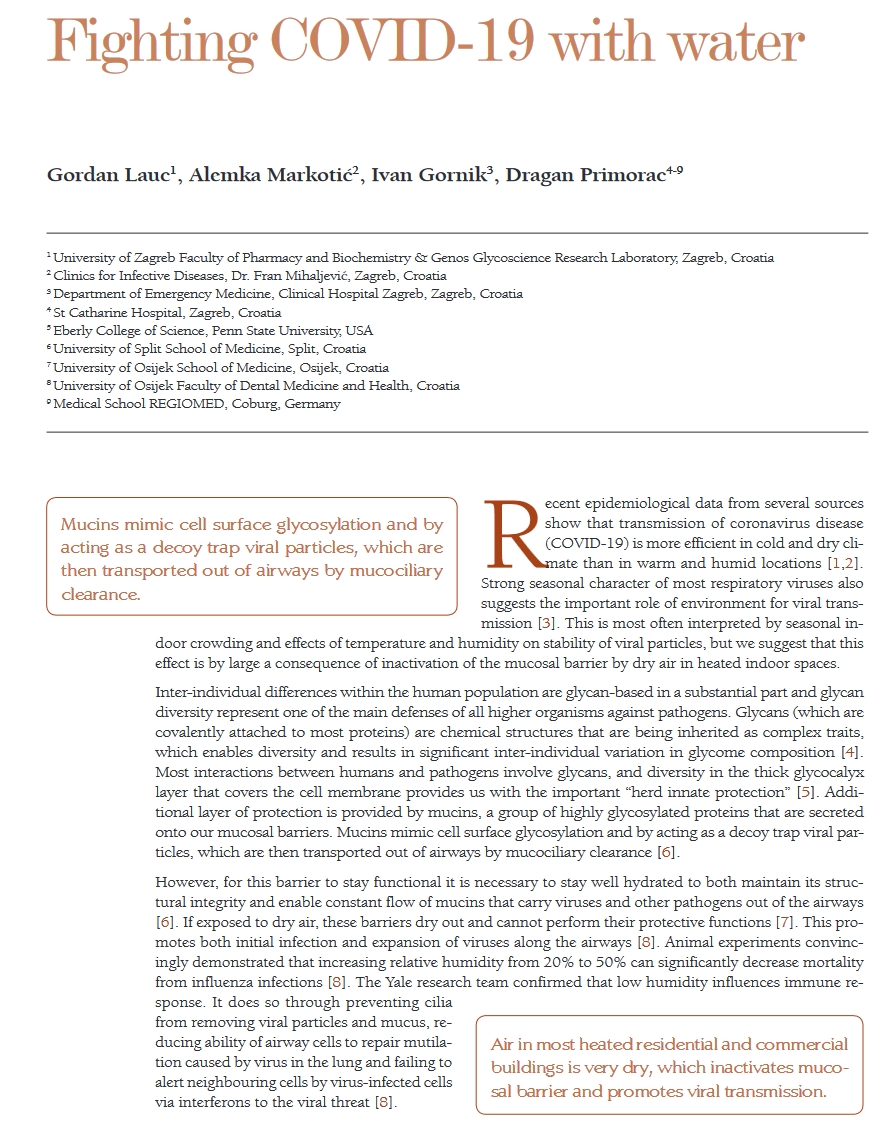
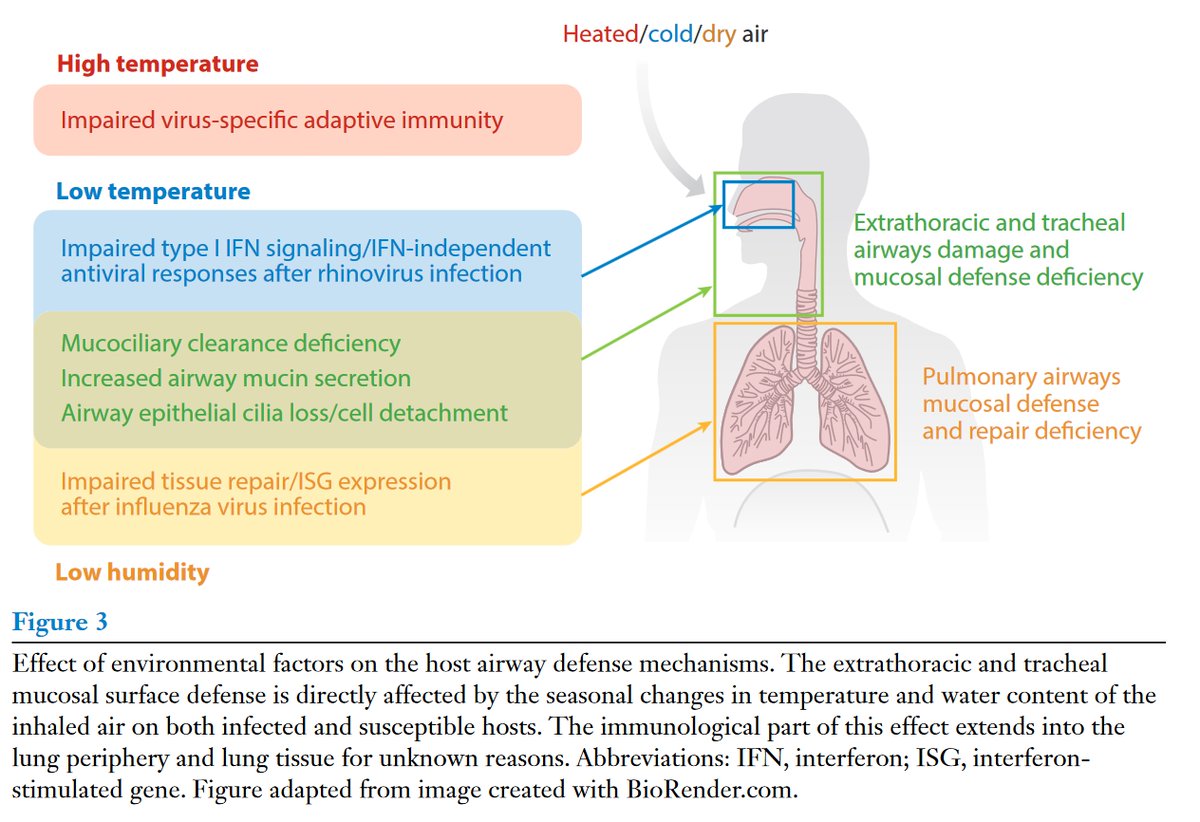
17/ Air humidity and dehydration in relation to mucosal immunity:
"Dehydration of mucosal barriers is frequent in heated spaces and may be one of the main reasons why respiratory infection show significant seasonality."
PDF:
sci-hub.se
"Dehydration of mucosal barriers is frequent in heated spaces and may be one of the main reasons why respiratory infection show significant seasonality."
PDF:
sci-hub.se
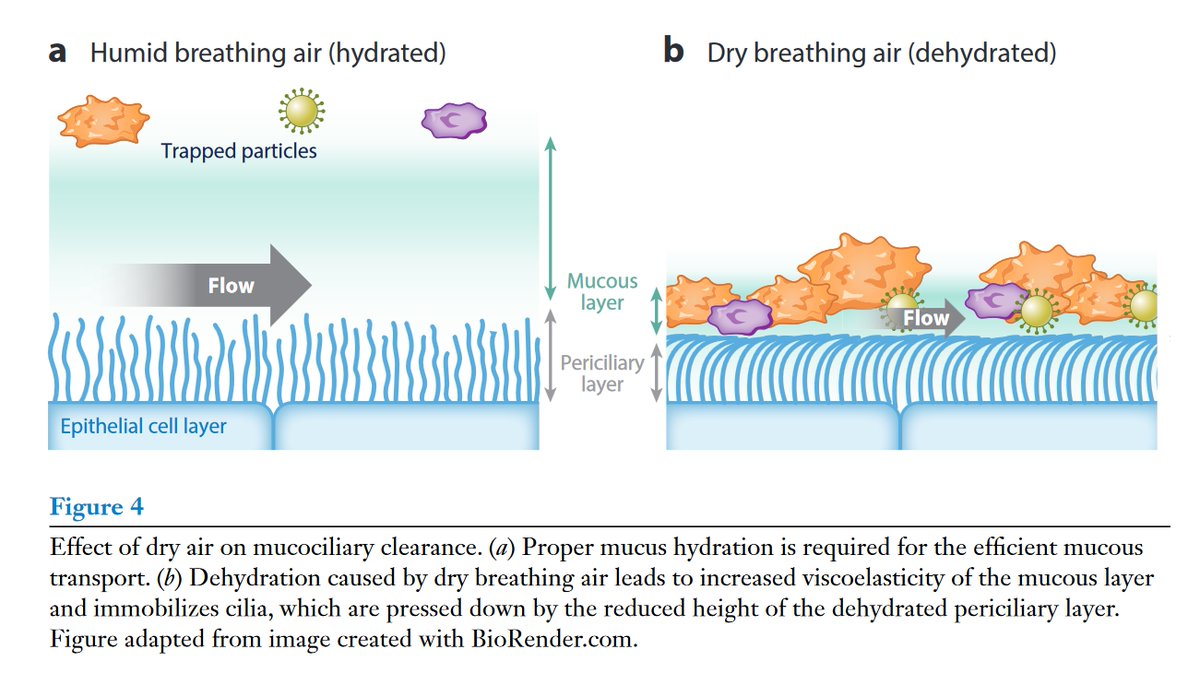
18/ More on the importance of keeping mucosal layers sufficiently hydrated:
"Annual Review of Virology: Seasonality of Respiratory Viral Infections - Miyu Moriyama, Walter J. Hugentobler, and Akiko Iwasaki"
PDF:
annualreviews.org
"Annual Review of Virology: Seasonality of Respiratory Viral Infections - Miyu Moriyama, Walter J. Hugentobler, and Akiko Iwasaki"
PDF:
annualreviews.org
Loading suggestions...