
⚔️Vikramaditya : The annihilator of Saka's ⚔️
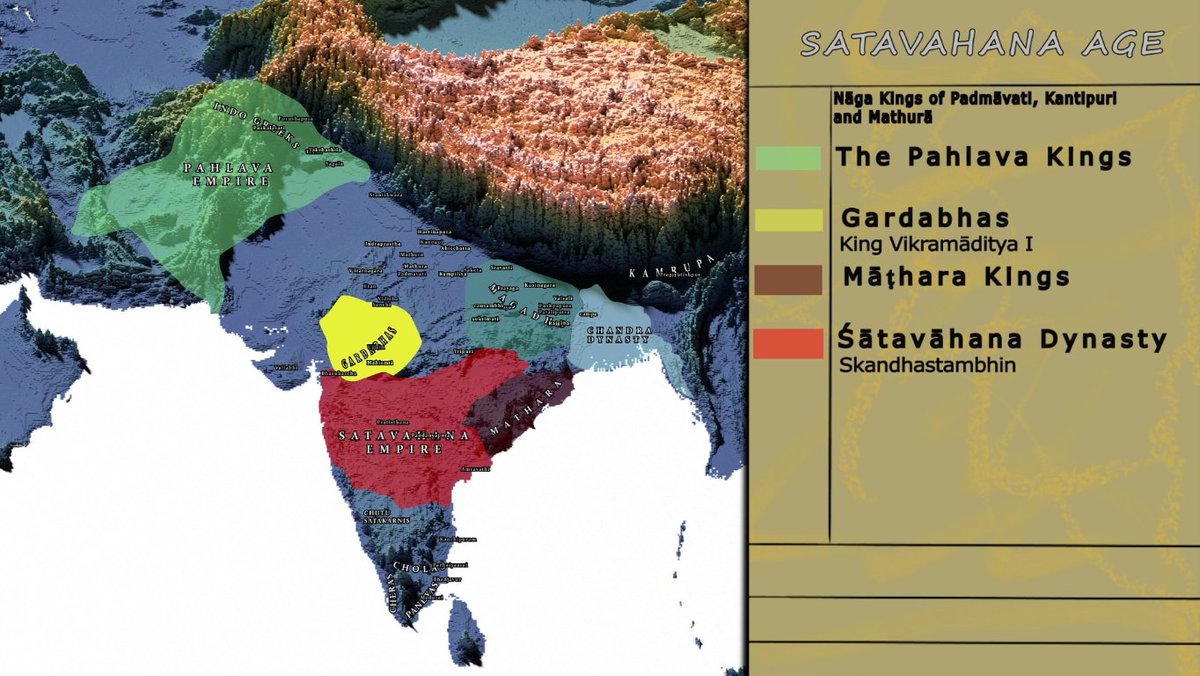
Gardabhas used to rule in Ujjain as feaudatories of Satavahanas. Vishnu Purāṇa and Vāyu Purāṇa also record that a family of seven Gardabhilla rulers was amongst the ruling dynasties contemporary of
the Āndhras. (1/n)
Gardabhas used to rule in Ujjain as feaudatories of Satavahanas. Vishnu Purāṇa and Vāyu Purāṇa also record that a family of seven Gardabhilla rulers was amongst the ruling dynasties contemporary of
the Āndhras. (1/n)

King Vairisiṁha of Dhārā had a son named Kālaka and a daughter named Sarasvati, both of whom embraced Jainism at an early age. They went to Ujjain which was the major centre of Jainism in Madhyadeśa. King Gardabhilla, the king of Ujjain at that time, was so smitten by (2/n)
Sarasvati’s beauty that he forcibly took her to his palace. e. All of Kālaka’s efforts and pleas to convince the king to release his sister with honour went in vain. Furious and frustrated Kālaka decided to avenge this humiliation. He went westward, crossed the Sindhu River(3/n)
and reached the country (modern Afghanistan) where a number of Śaka kśatraps were ruling as subordinate to the Indo-Parthian kings. He successfully persuaded 95 or 96 Śaka kśatraps to migrate to India and become independent rulers instead of ruling as subordinates. (4/n)
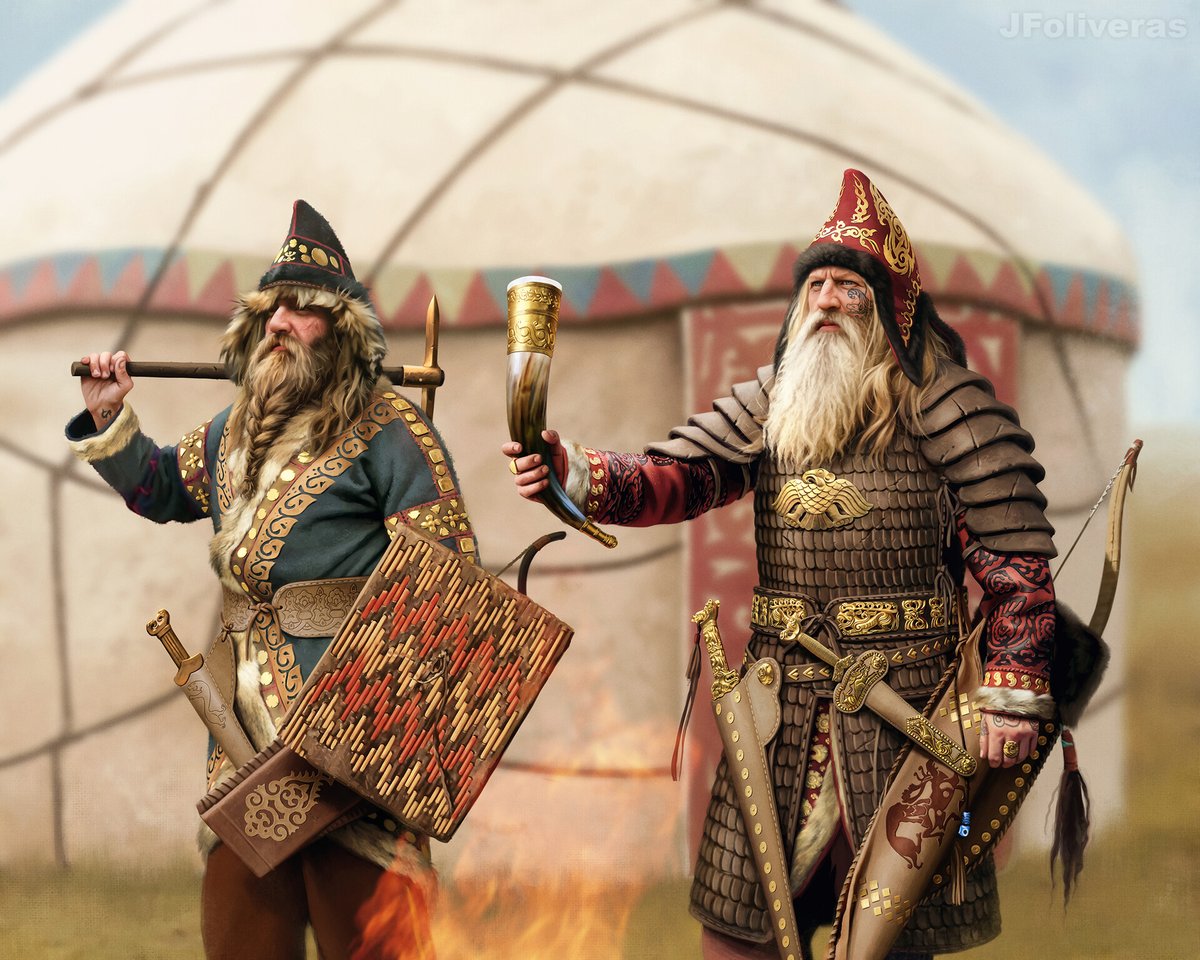
These Śaka kśatraps came to Ujjain accompanied by Kālaka and defeated the King Gardabhilla and imprisoned him. Kālaka thus avenged his
humiliation and liberated his sister Sarasvati. The Śaka kśatraps declared themselves the kings of Ujjain in Mahāvira-nirvāṇa saṁvat 466.(5/n)
humiliation and liberated his sister Sarasvati. The Śaka kśatraps declared themselves the kings of Ujjain in Mahāvira-nirvāṇa saṁvat 466.(5/n)
and had ruled for four years when Vikramāditya, the Great attacked the Śakas and drove them away. Vikramāditya became the king of Ujjain and founded the Kārttikādi era. According to legends, Vikramāditya married the daughter of a Śātavāhana king. Jain sources inform (6/n)
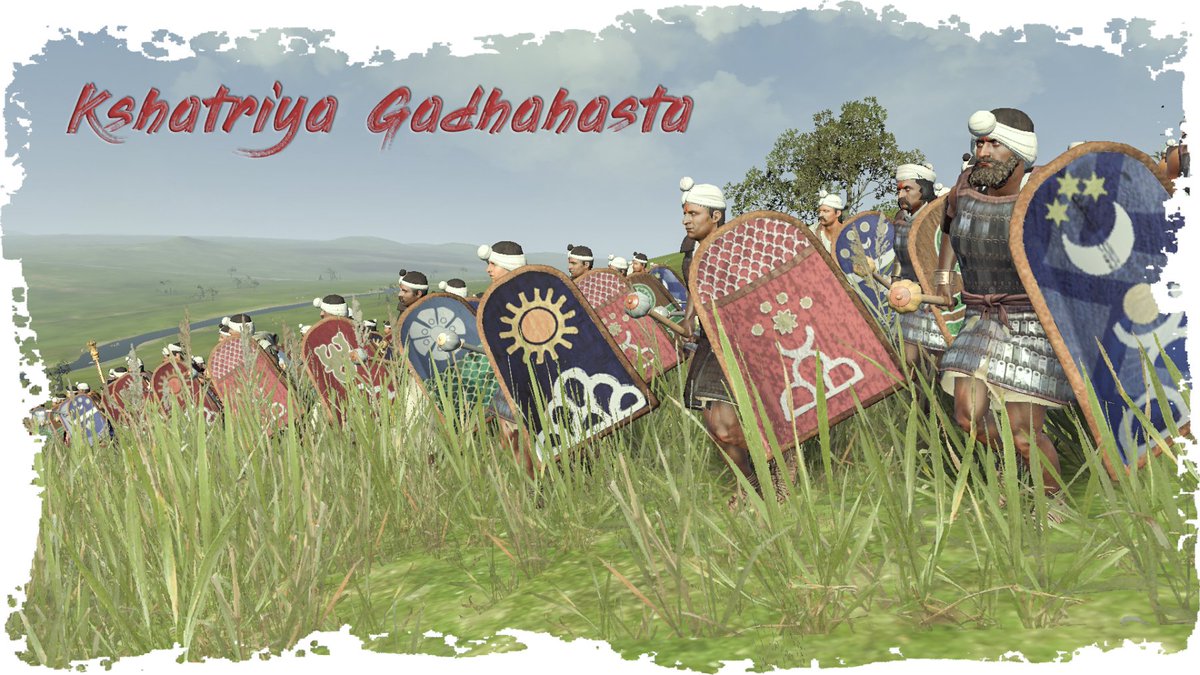
us that Vikramāditya reigned for 60 years. The people of Mālava who suffered considerably under the tyrannical four-year rule of the Śakas were liberated when Vikramāditya led the Mālava army and drove
away the Śakas, thus elevating Vikramāditya to the status of a legend (7/n)
away the Śakas, thus elevating Vikramāditya to the status of a legend (7/n)
not only in Mālava but over entire India as well. The people of Mālava considered the rule of Vikramāditya as a golden era.
It appears that these Śaka satraps did not go back to their native place after the defeat. (8/n)
It appears that these Śaka satraps did not go back to their native place after the defeat. (8/n)
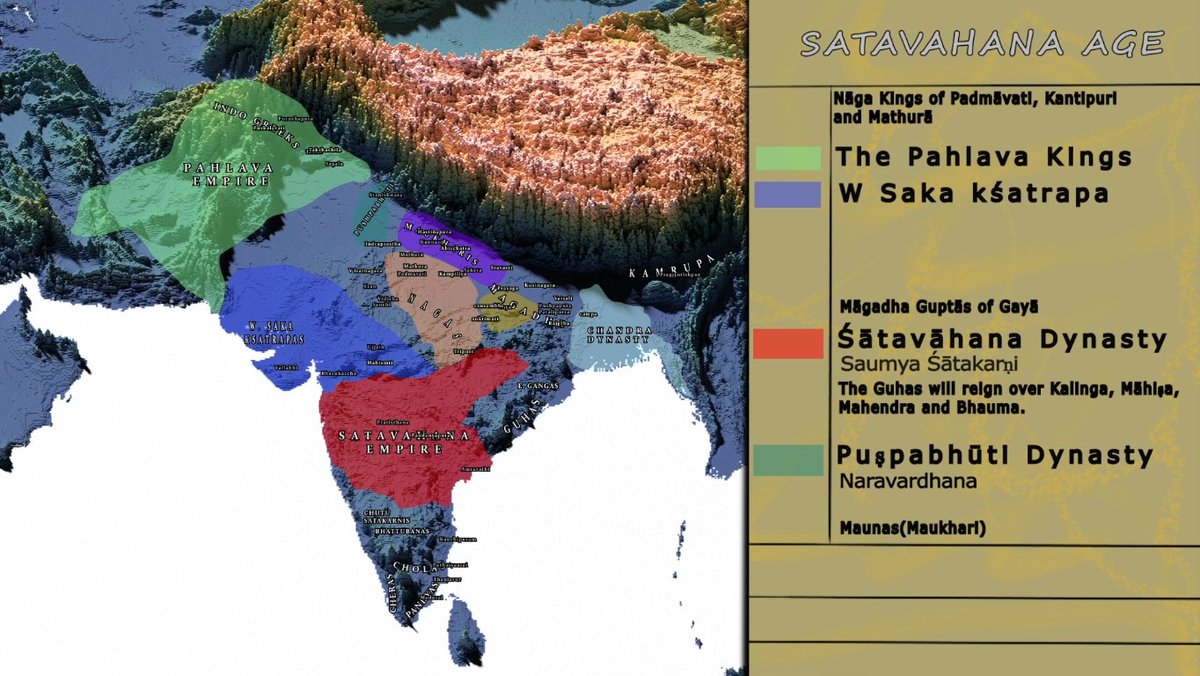
One group of these satraps (led by the forefathers of Caṣṭana) settled in the region close to Girnar, Gujarat whereas another group (led by the forefathers of Kśaharāta Bhumaka) settled in the region close to Nasik, Maharashtra. (9/n)
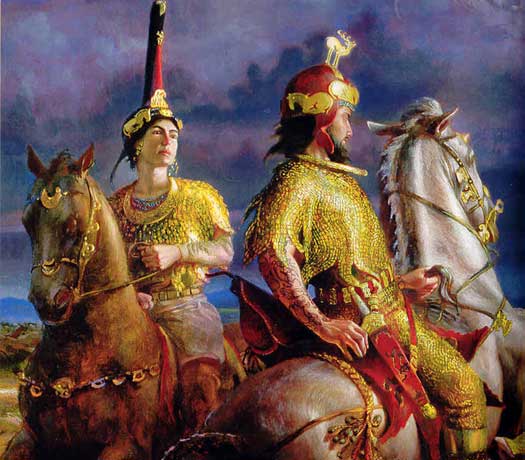
The meteoric rise of Shalivahana, was supported by these Saka Satraps. Shalivahana not only conquered Pratistanpura but also defeated Vikramaditya or his 1st successor. . In his time, there was a great disorder. Ancient fanes, rites and institutions were neglected. (10/n)
He overthrew all privileges which derived from King Vikramāditya. The three kings, Vīra Chola of the
Cholas, Ulara Cheran of the Cheras and Vajrāṅga Pāndyan of the Pāndyas came together and vowed to destroy Śālivāhana. Finally, these three kings
unitedly fought (11/n)
Cholas, Ulara Cheran of the Cheras and Vajrāṅga Pāndyan of the Pāndyas came together and vowed to destroy Śālivāhana. Finally, these three kings
unitedly fought (11/n)
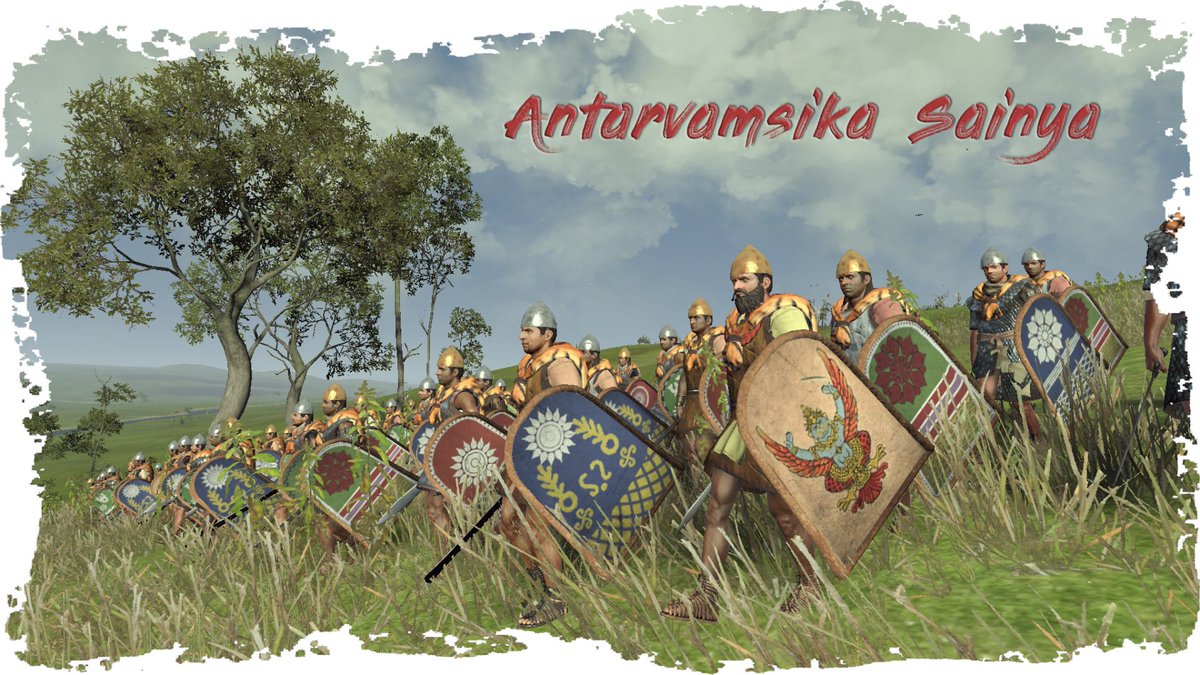
and killed Śālivāhana in Kali year 2443. After Vikramāditya, his four successors ruled for a period of 75 years and 5 months. Thus, the dynasty of Vikramāditya ruled for 135 years and 5 months. The Śaka kśatraps regrouped themselves and invaded Ujjain again after 135 years (12/n)
and 5 months and re-occupied Ujjain. It is quite probable that the Śaka Mahākśatrapa Caṣṭana was coronated as the king of Ujjain. And thus began the Saka Satavahana conflict. (13/n)
Primary Sources : Gurvāvali of Vṛddhagaccḥa, Jain Paṭṭāvalis, Kālakācārya-kathānaka, Vikramārka Charitram, Ananta’s Vīracharitra, Shivadasa’s Śālivāhana Charitra, Chola Purva Patayam, Prabhāvakacarita, Gathāśaptaśatī.
Loading suggestions...