
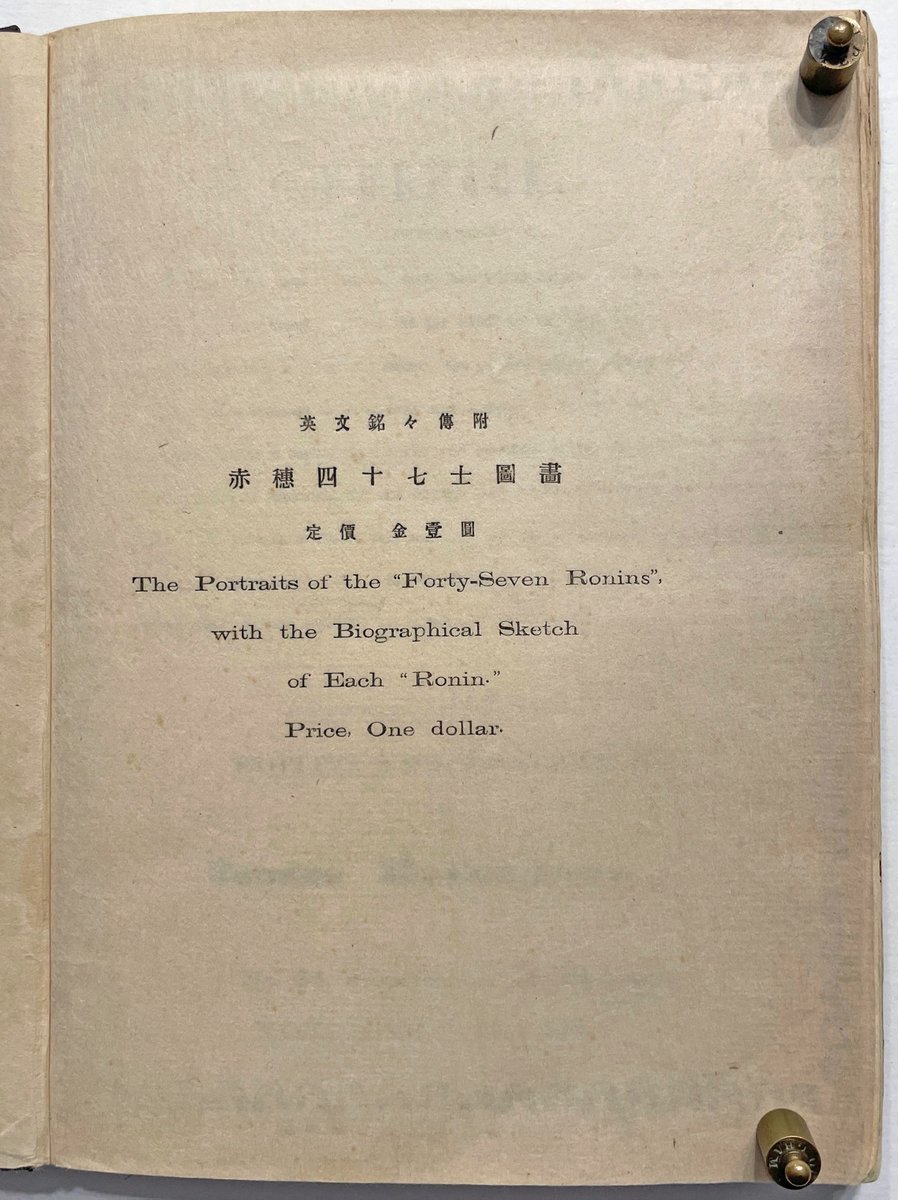
The Portraits of the "Forty-Seven Ronins" with the Biographical Sketch of each "Ronin". Price One dollar.
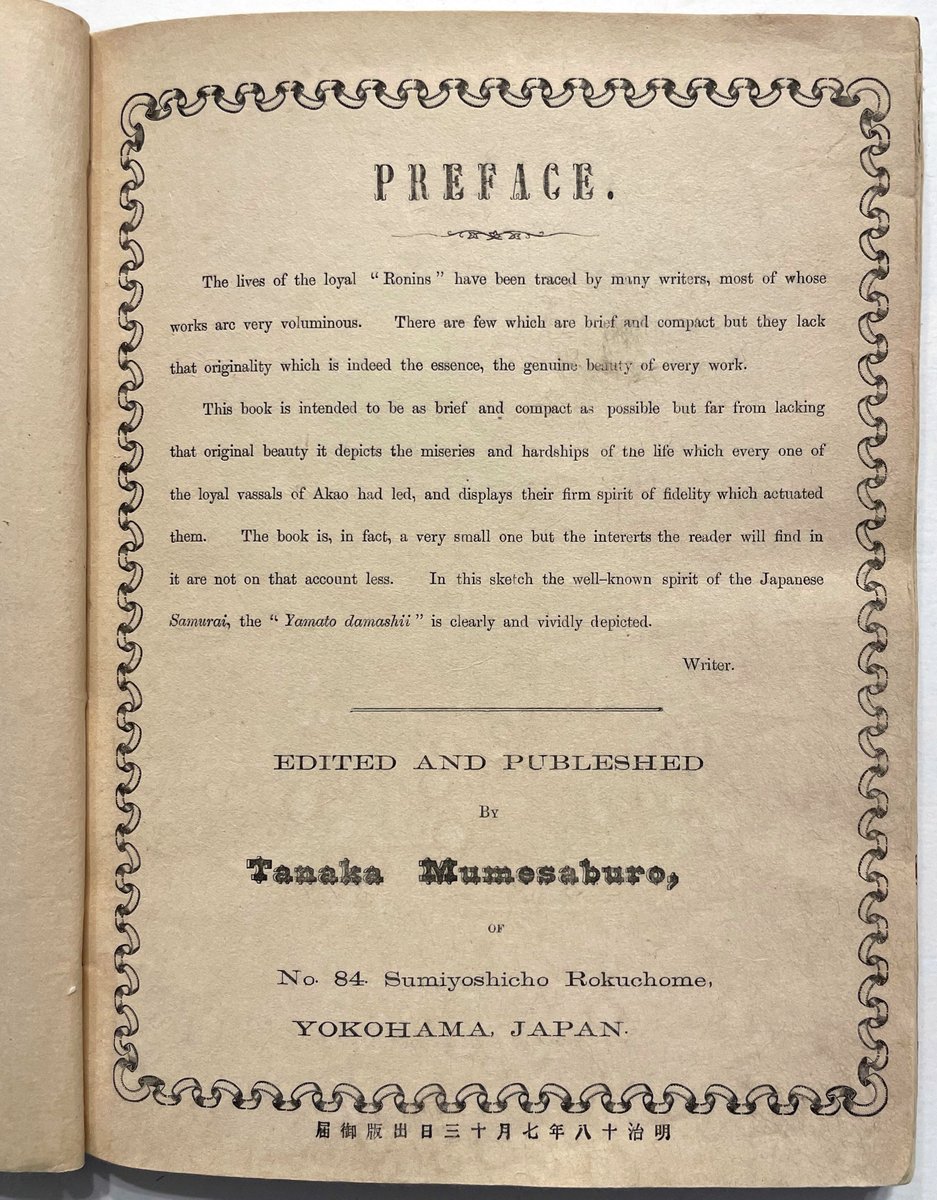
Published by Tanaka Mumesaburo, Yokohama, Meiji 18 (1885). Illustrated by Yoshitora Utagawa. 28 leaves, folded in Japanese style. Title, preface and colophon in English. 1/
Published by Tanaka Mumesaburo, Yokohama, Meiji 18 (1885). Illustrated by Yoshitora Utagawa. 28 leaves, folded in Japanese style. Title, preface and colophon in English. 1/
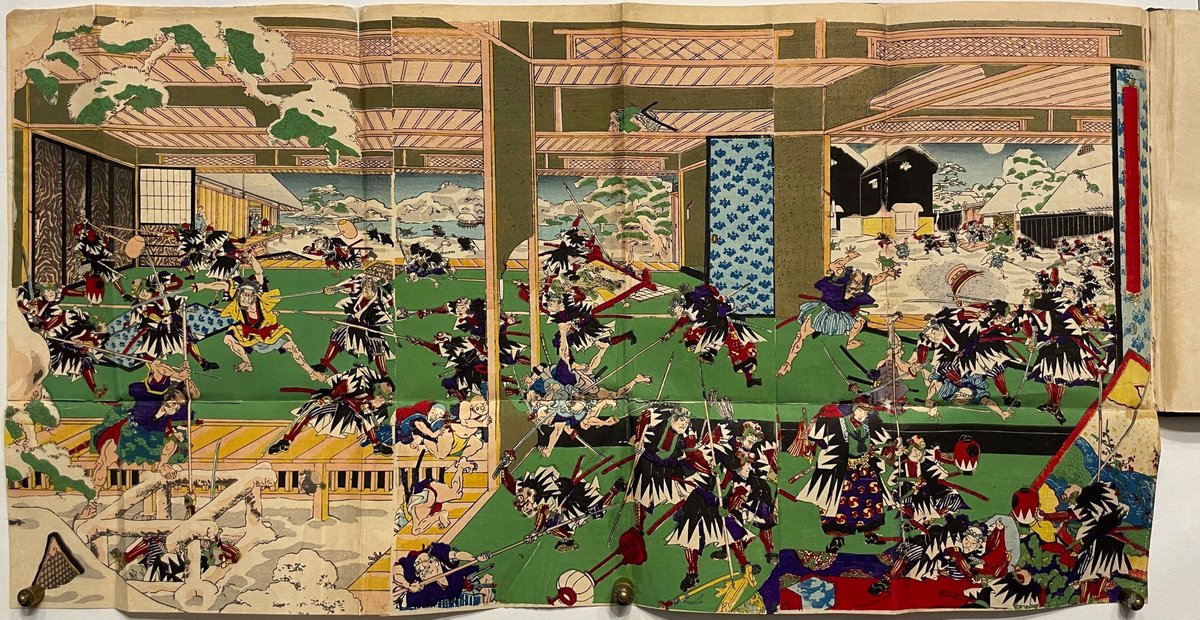
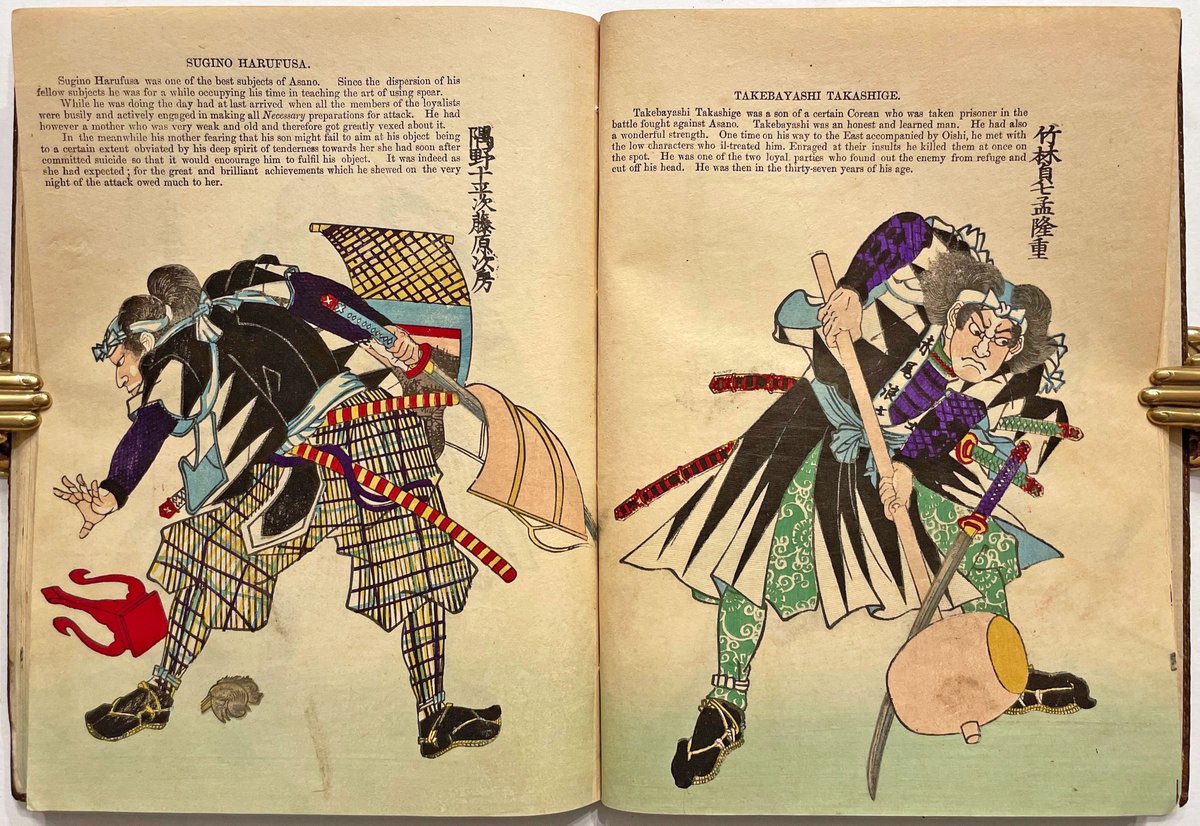
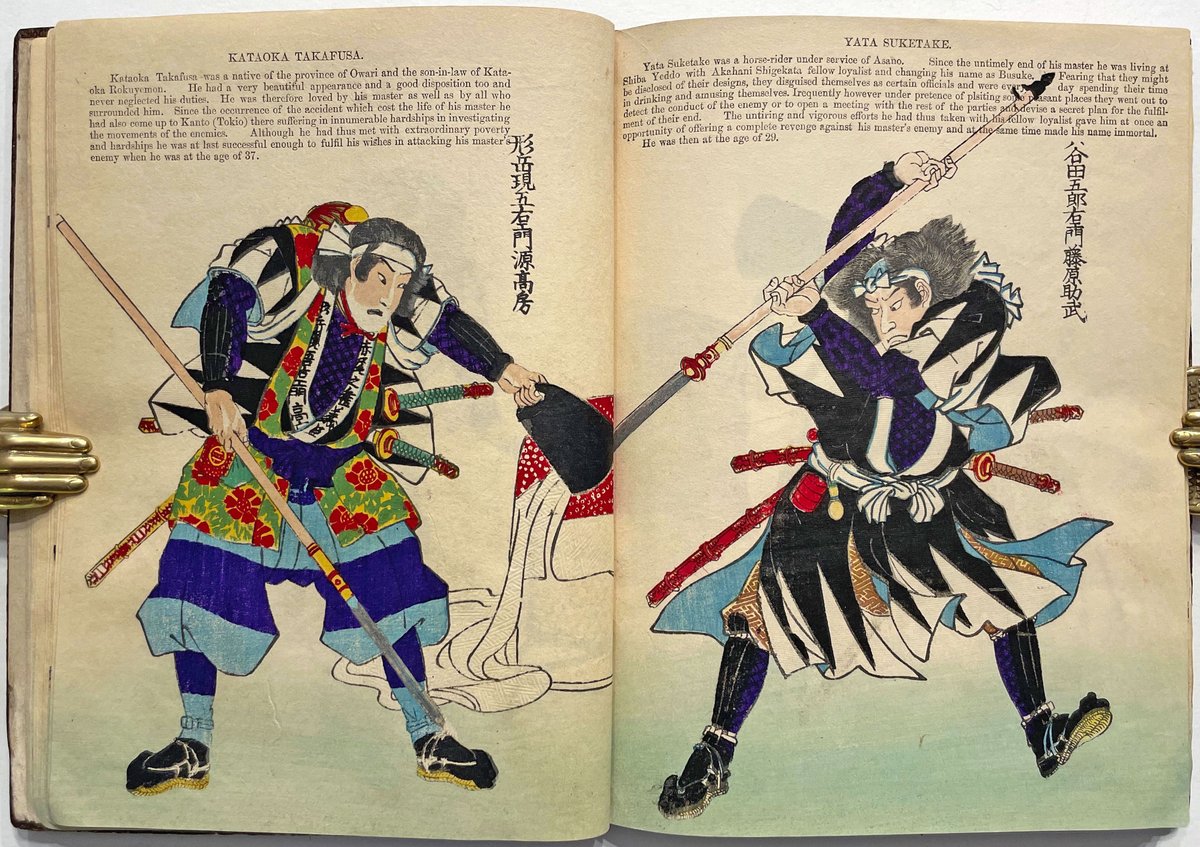
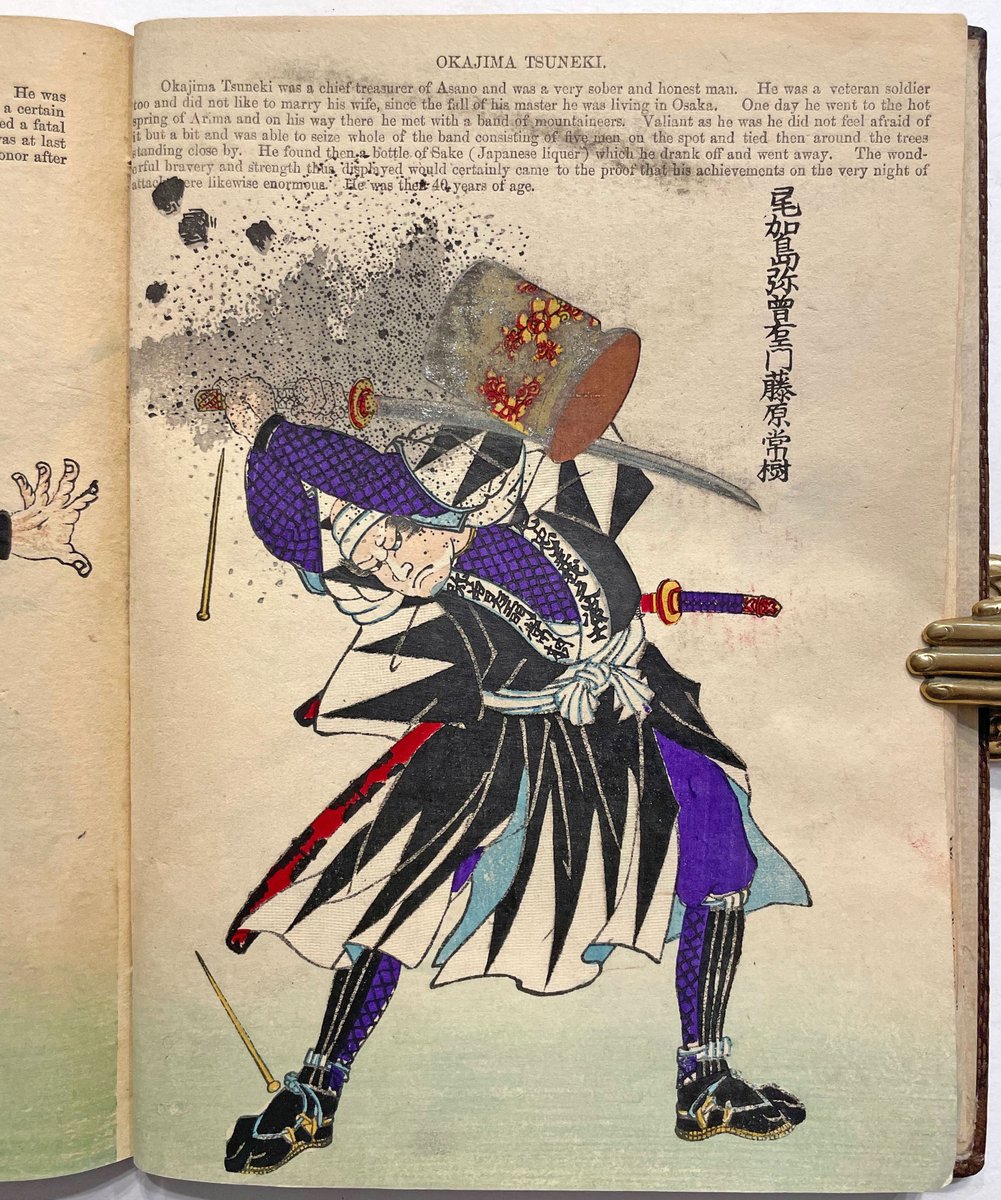
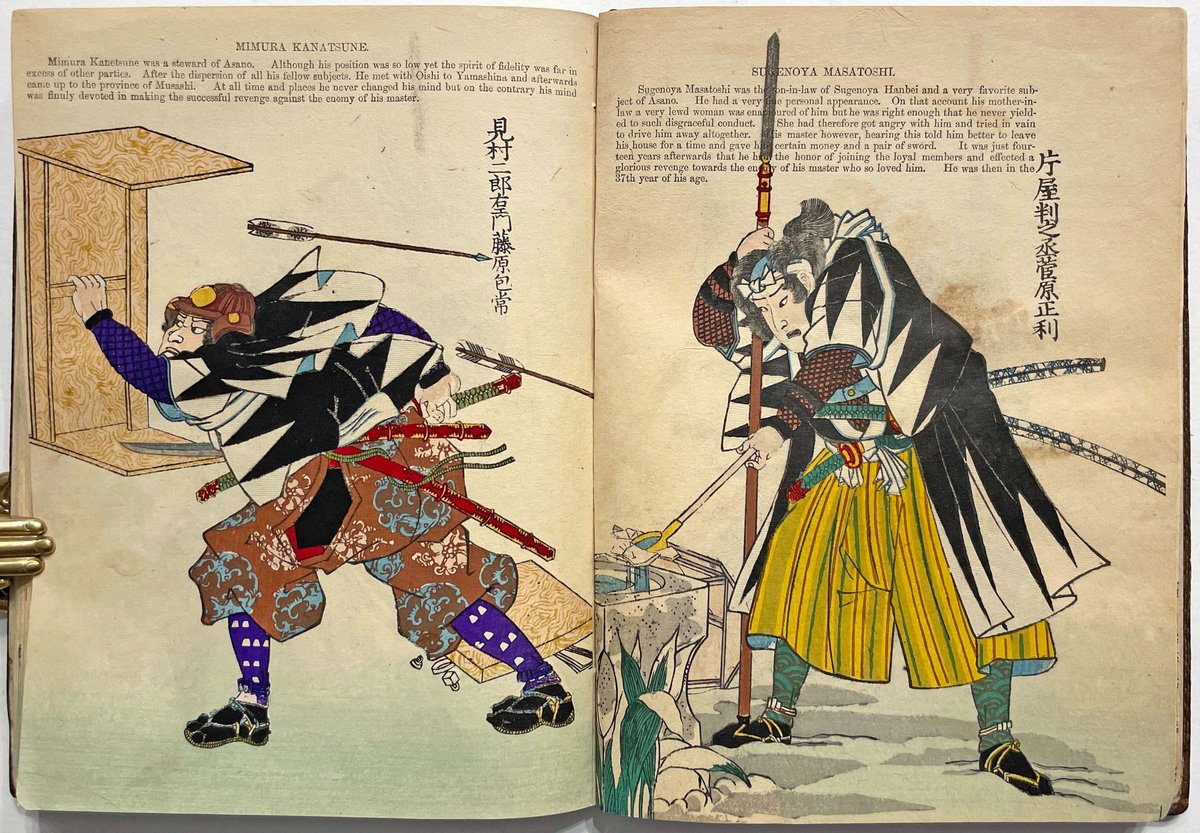
This 1885 edition, printed in Japan but aimed at the English-speaking market, has 50 fine colour woodblock-printed illustrations and one very large folding coloured plate (measuring 74 x 38 cm) showing the famous revenge scene. 2/
Chūshingura (忠臣蔵, The Treasury of Loyal Retainers) is the title given to fictionalized accounts in Japanese literature and theater that relate to the historical incident involving the forty-seven rōnin and their mission to avenge the death of their master, Asano Naganori. 3/
The revenge of the forty-seven rōnin (四十七士, Shijūshichishi), also known as the Akō incident (赤穂事, Akō jiken) or Akō vendetta, is an historical 18th century event in Japan in which a band of rōnin (leaderless samurai) avenged the death of their master. 4/
It is one of the three major adauchi vendetta incidents in Japanese history, alongside the Revenge of the Soga Brothers and the Igagoe vendetta. 5/
The story tells of a group of samurai who were left leaderless after their daimyō (feudal lord) Asano Naganori was compelled to perform seppuku (ritual suicide) for assaulting a powerful court official named Kira Yoshinaka. 6/
After waiting and planning for a year, the rōnin avenged their master's honor by killing Kira. They were then obliged to commit seppuku for the crime of murder. This true story was popularized in Japanese culture as emblematic of the loyalty, sacrifice, persistence, and honor. 7/
The popularity of the tale grew during the Meiji era, during which Japan underwent rapid modernization, and the legend became entrenched within discourses of national heritage and identity. 8/
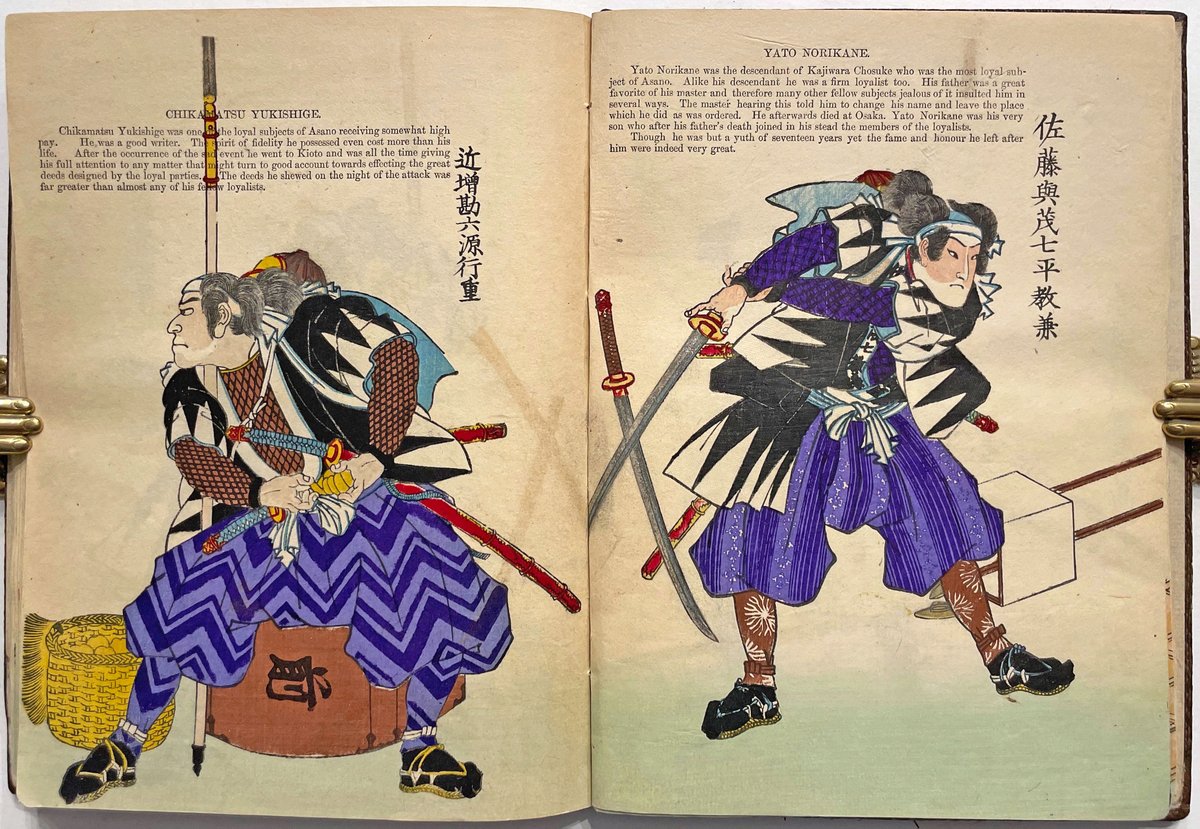
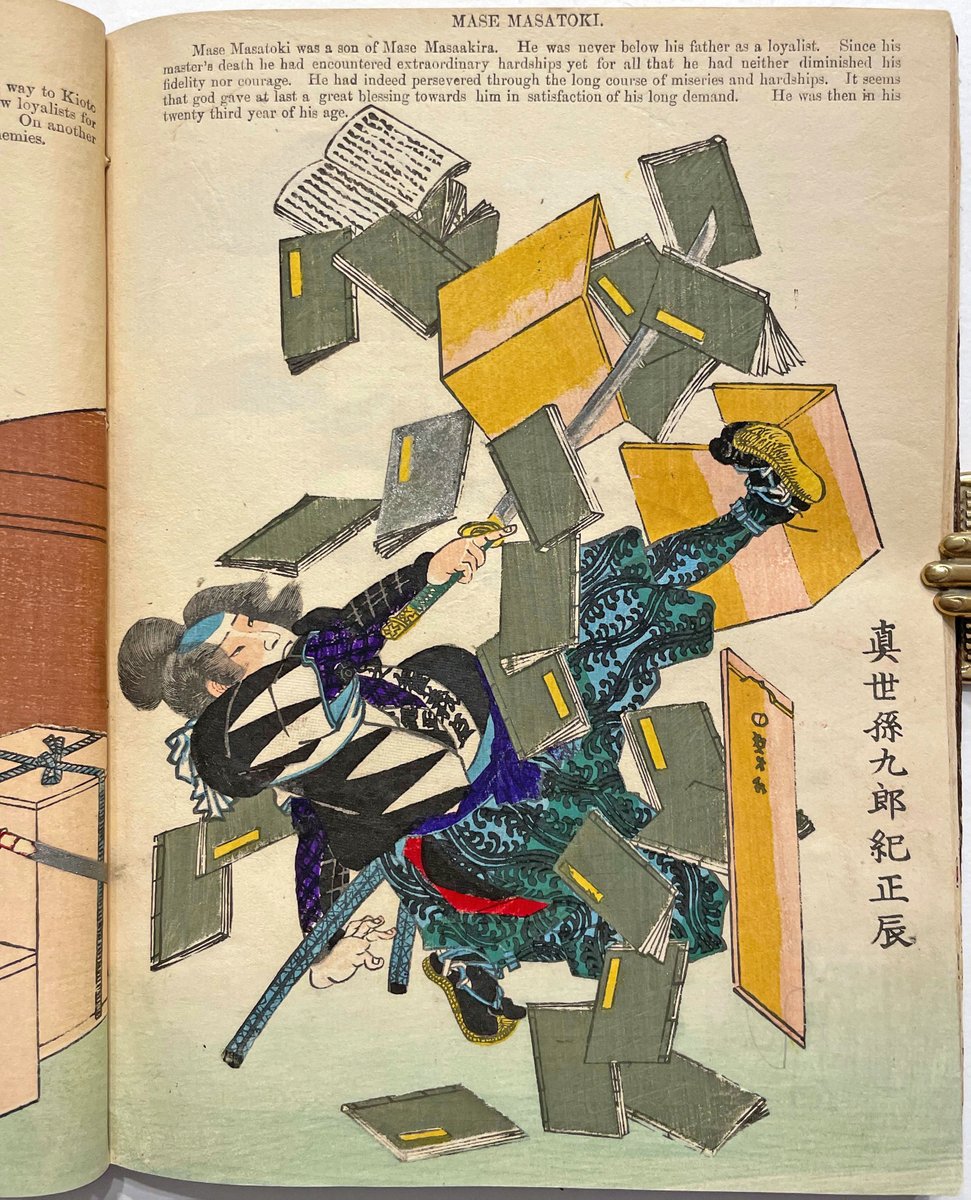
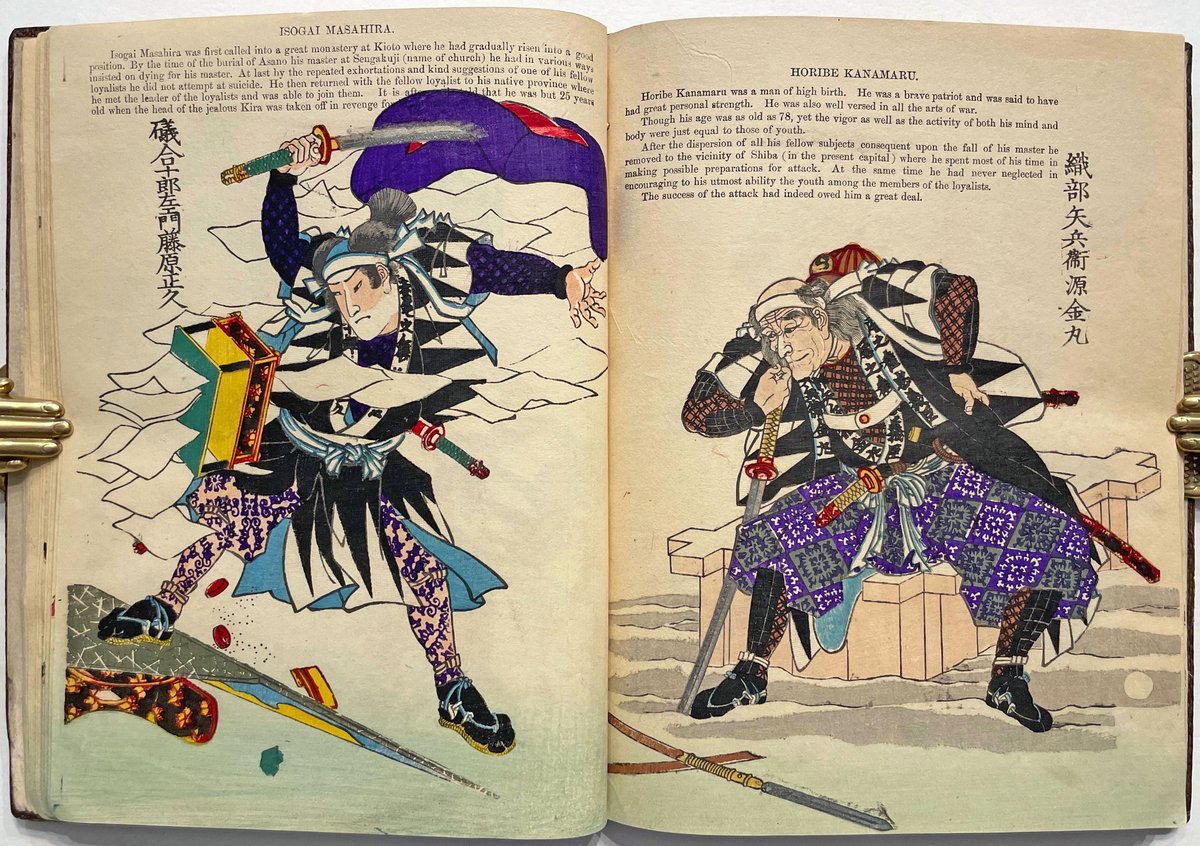
This edition comprises descriptions of Daimyo Asano and forty-nine rōnin, each hero shown in a traditional Japanese ceremonial robe along with a short biography in English. The dramatic and colourful illustrations are highlighted with gum arabic and silver metallic paint. 9/
Loading suggestions...