Francis Deng, MD
Francis Deng, MD

@francisdeng

9 Tweets 36 reads Dec 06, 2021
Where does the middle cerebral artery M1 segment become the M2 segment?
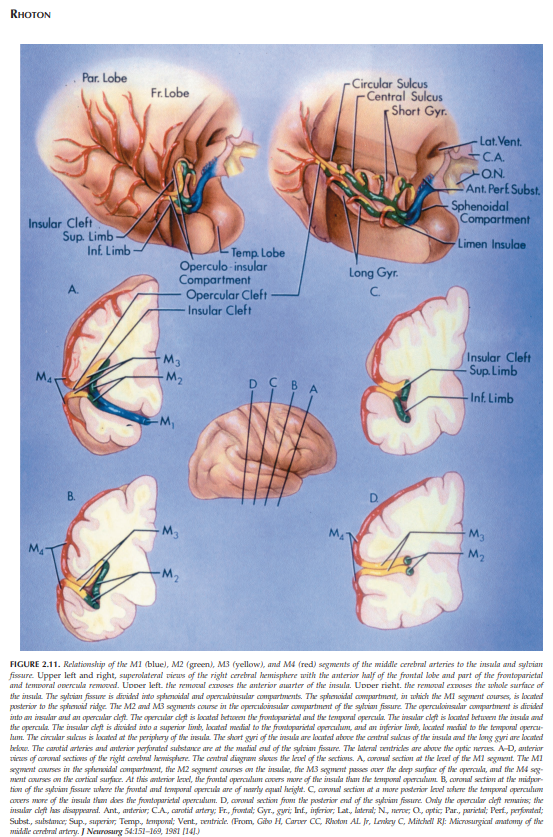
By genu, I mean where the vessel turns from coursing horizontally/laterally to coursing vertically/posteriorly, around the limen insulae. The bifurcation is classically at this point but in reality usually occurs proximal or distal to this point.
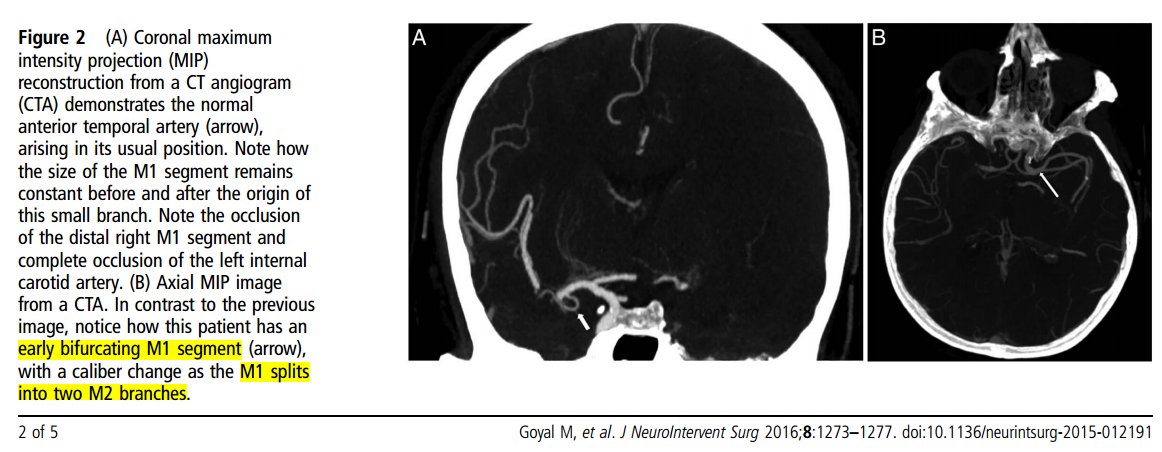
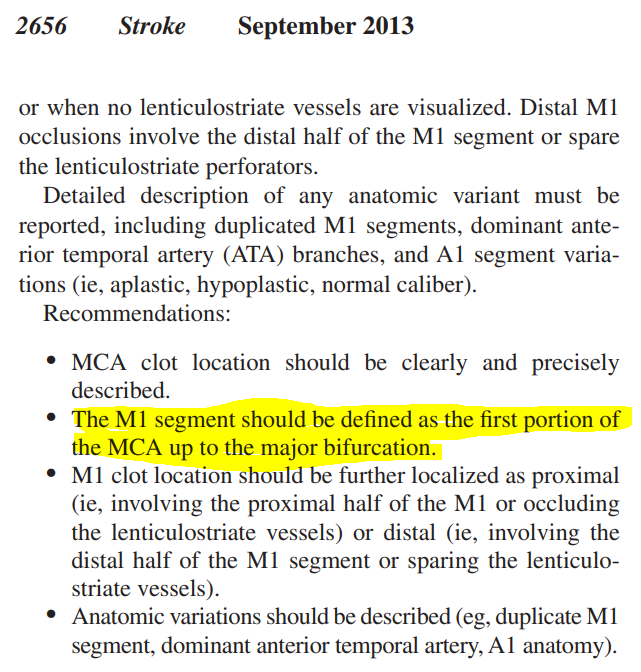
The question is so important that some of the big names in stroke wrote an entire article entitled "What constitutes the M1 segment of the middle cerebral artery?" doi.org
They avoided explicitly answering the question but implied they use the bifurcation.
The bifurcation-based approach has been supported by some stroke expert group statements doi.org doi.org
The classic definition, however, is based on the turn/genu the vessel makes as it enters the Sylvian fissure. Here's Rhoton's microsurgical description:
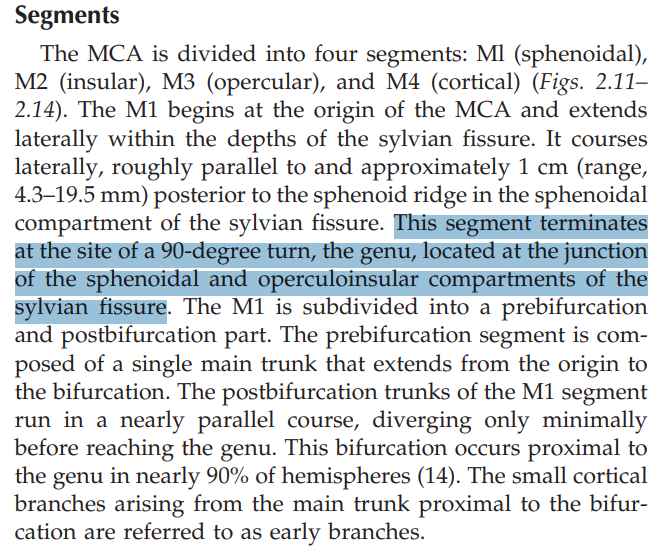
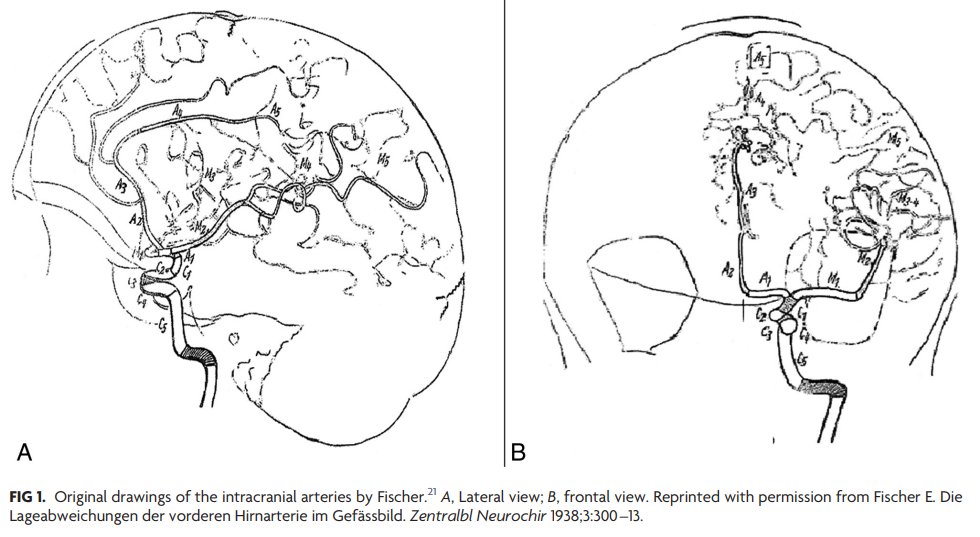
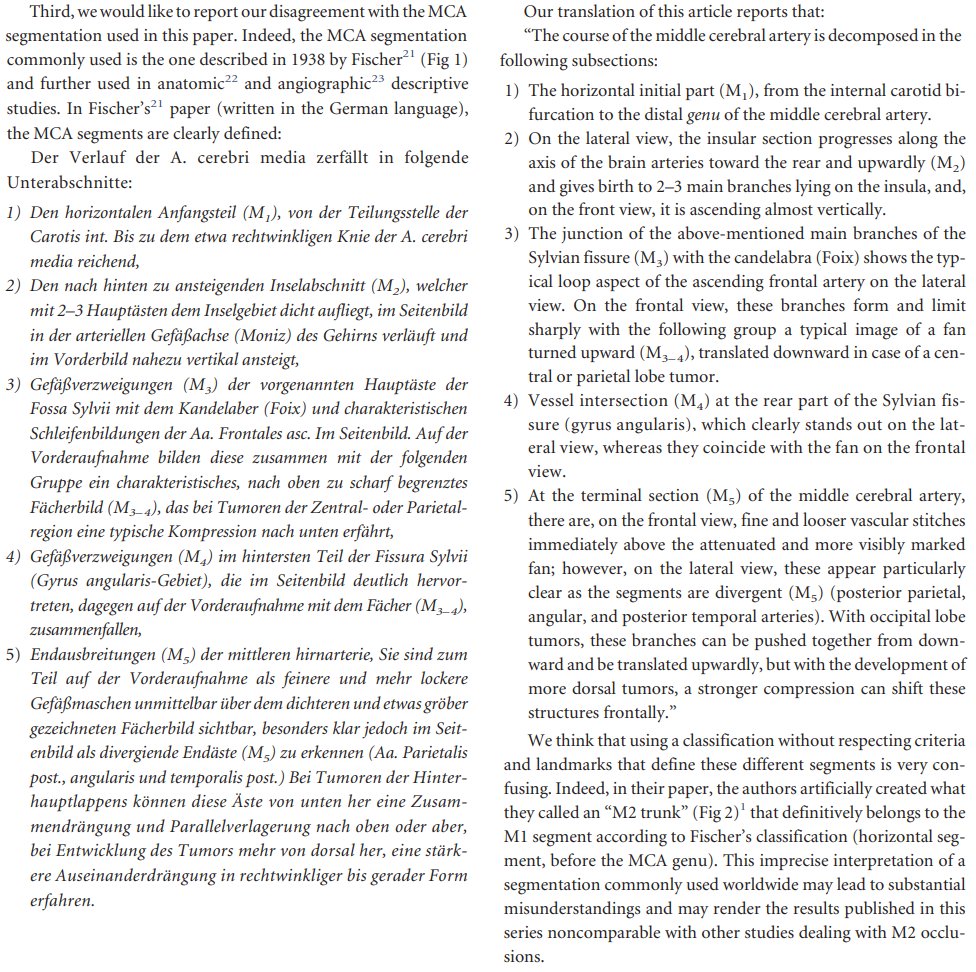
The genu-based nomenclature of the M1-M2 junction comes from the original creator of the segmental nomenclature, Erich Fischer in 1938. The description was reproduced and translated in a letter in @TheAJNR: doi.org
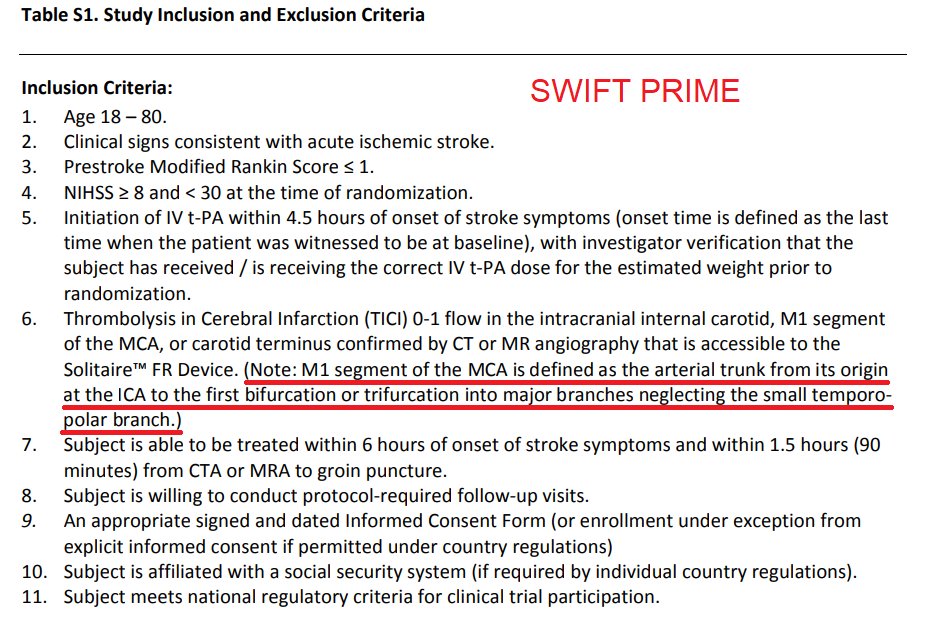
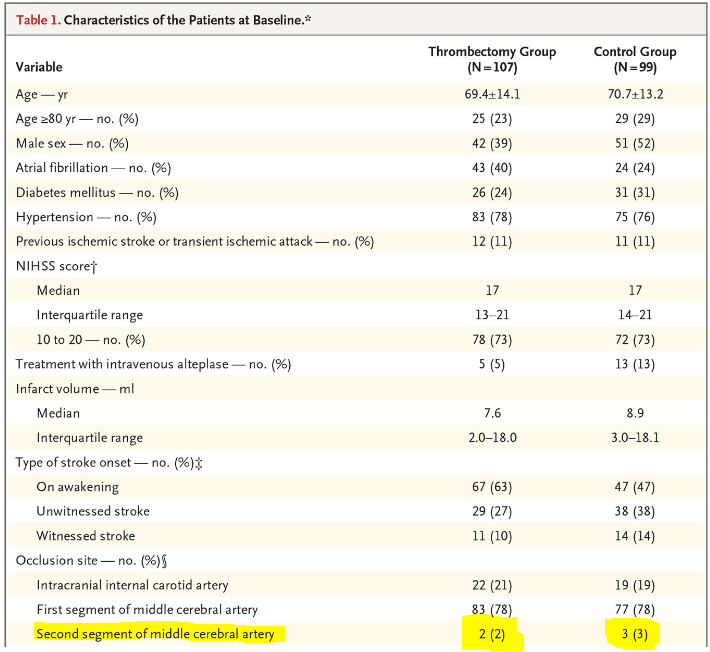
@TheAJNR The issue of defining M1 vs M2 of the MCA is so confusing that two papers analyzing the same trial (SWIFT PRIME) used different definitions. nejm.org
ajnr.org
In the DAWN trial, an inclusion criterion was ICA or MCA-M1 occlusion. M1-M2 junction was defined by the bifurcation. Some probably didn't get the memo: there were 5 patients enrolled (out of 206) that the core lab judged to actually have M2 occlusions. doi.org
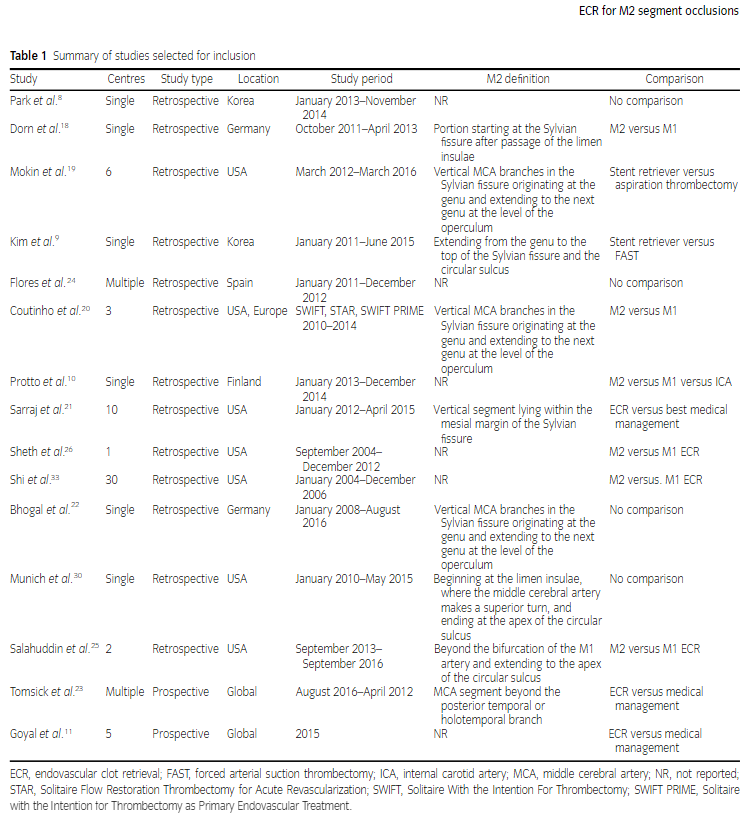
The trials that selected for M1 occlusions tended to use the bifurcation definition (eg, DAWN, REVASCAT, SWIFT PRIME), while retrospective studies on thrombectomy for M2 clots tended to use the genu definition (systematic review in image: doi.org). πŸ€”Arbitrary?

Loading suggestions...