
Technology
Finance
Cryptocurrency
Blockchain
Crosschain Interoperability
Token Bridging
Crosschain Smart Contracts
Multichain Ecosystem

1/ When people think about cross-chain interoperability, it's usually in reference to token bridges
But that's just the initial version of the multi-chain ecosystem
Cross-chain state synchronization and automation will enable a new generation of cross-chain smart contracts
But that's just the initial version of the multi-chain ecosystem
Cross-chain state synchronization and automation will enable a new generation of cross-chain smart contracts
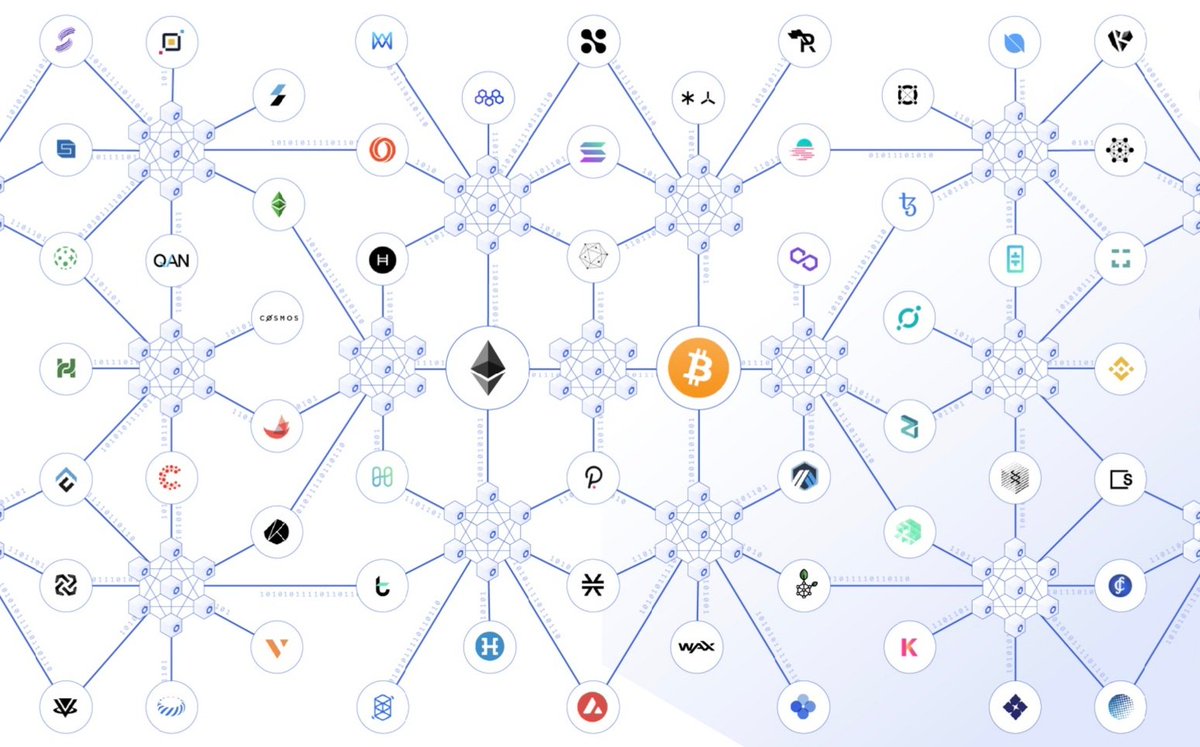
2/ Token bridging has allowed the multi-chain ecosystem to flourish as user can switch environments
But ironically, in many ways, this has lead to greater isolation
If your assets are on chainA, you can only use your assets within dApps on chainA
But ironically, in many ways, this has lead to greater isolation
If your assets are on chainA, you can only use your assets within dApps on chainA
3/ Sure you can manually bridge tokens to another environment, interact with dApps there, and then bridge your tokens back
But this involves a lot of friction, higher fees, and is generally not an ideal UX
Interacting across chains needs to be seamless
But this involves a lot of friction, higher fees, and is generally not an ideal UX
Interacting across chains needs to be seamless
4/ Cross-chain token bridges will continue to exist, no doubt about that
However, they will complimented and even extended with further functionality for both users and devs
There's two primary components to this
However, they will complimented and even extended with further functionality for both users and devs
There's two primary components to this
5/ Cross-chain state synchronization:
The ability for dApps to be split into modular components that live on different blockchains, while all staying in sync in regards to what the dApp's global state is (user balances, user roles, parameters, etc)
This can take many forms
The ability for dApps to be split into modular components that live on different blockchains, while all staying in sync in regards to what the dApp's global state is (user balances, user roles, parameters, etc)
This can take many forms
6/ One example of this is @synthetix_io, a synthetic asset protocol that exists on Ethereum and Optimism
Chainlink oracles will be used to sync the state of the debt pool across both chains, making synths on both chains fungible and backed by all stakers
blog.synthetix.io
Chainlink oracles will be used to sync the state of the debt pool across both chains, making synths on both chains fungible and backed by all stakers
blog.synthetix.io
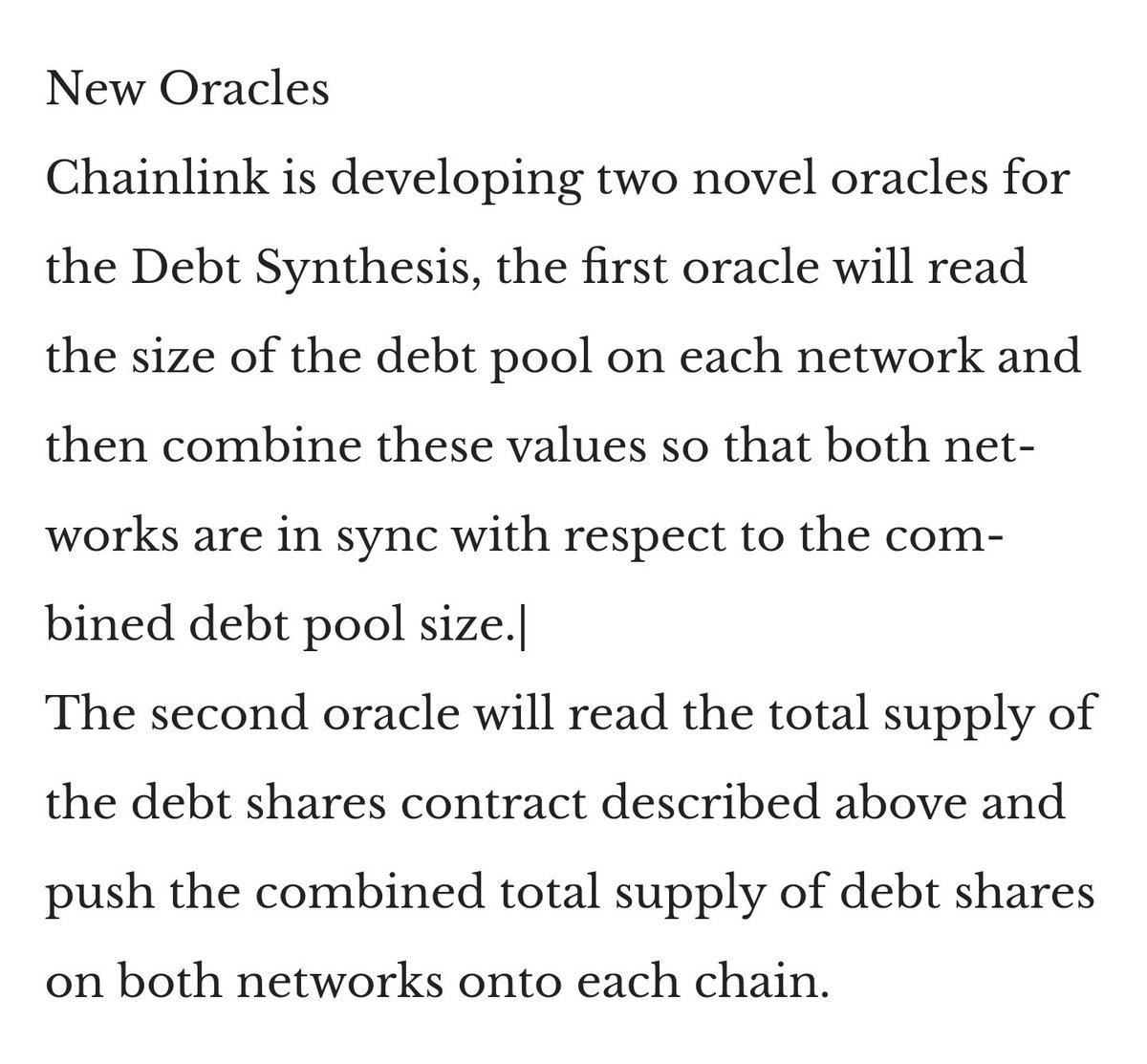
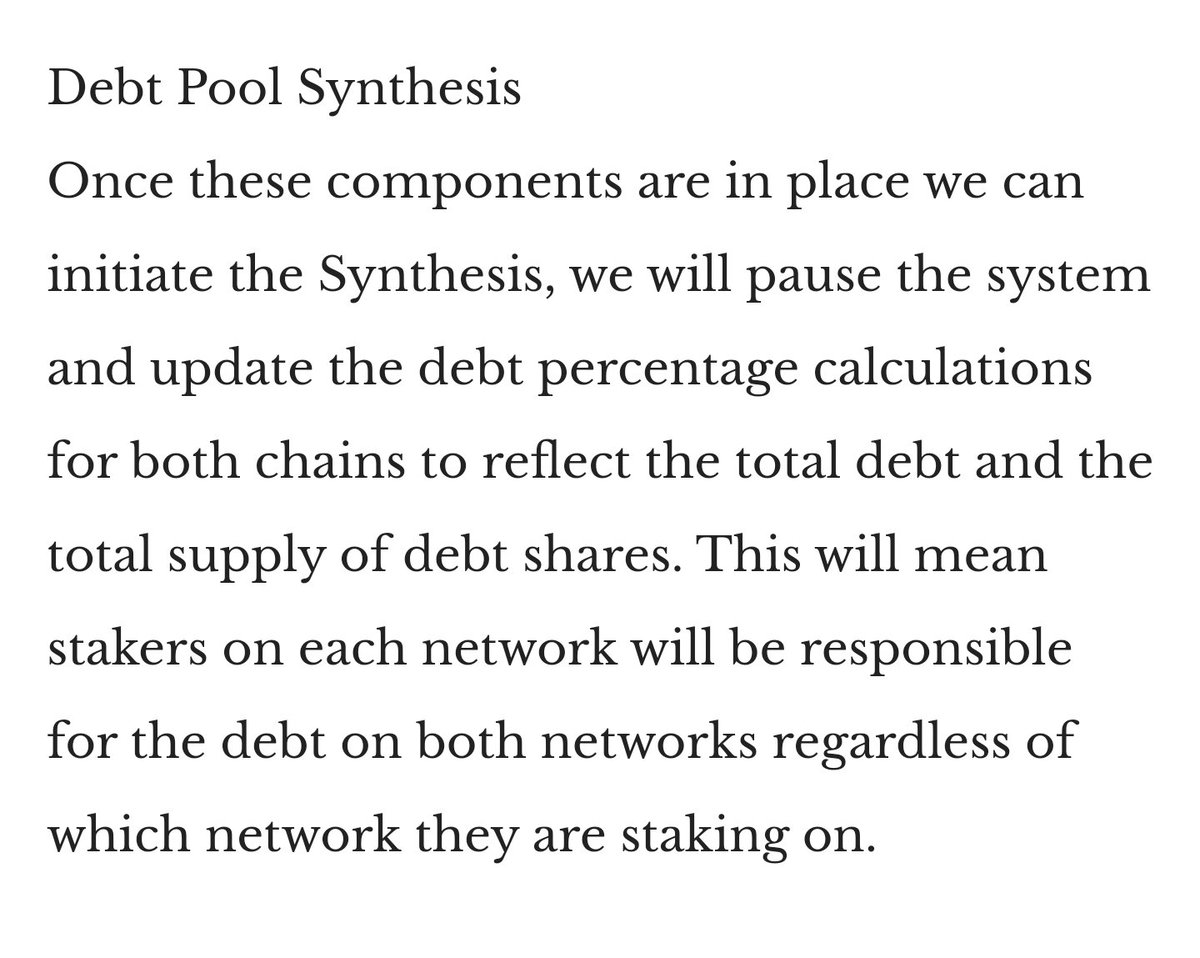
7/ As a result, stakers will be able to choose which network they want to stake on, and users can choose which network to trade synths on
Two deployments of the protocol, but both have the same view on the state of the debt pool
This can scale to more chains as well
Two deployments of the protocol, but both have the same view on the state of the debt pool
This can scale to more chains as well
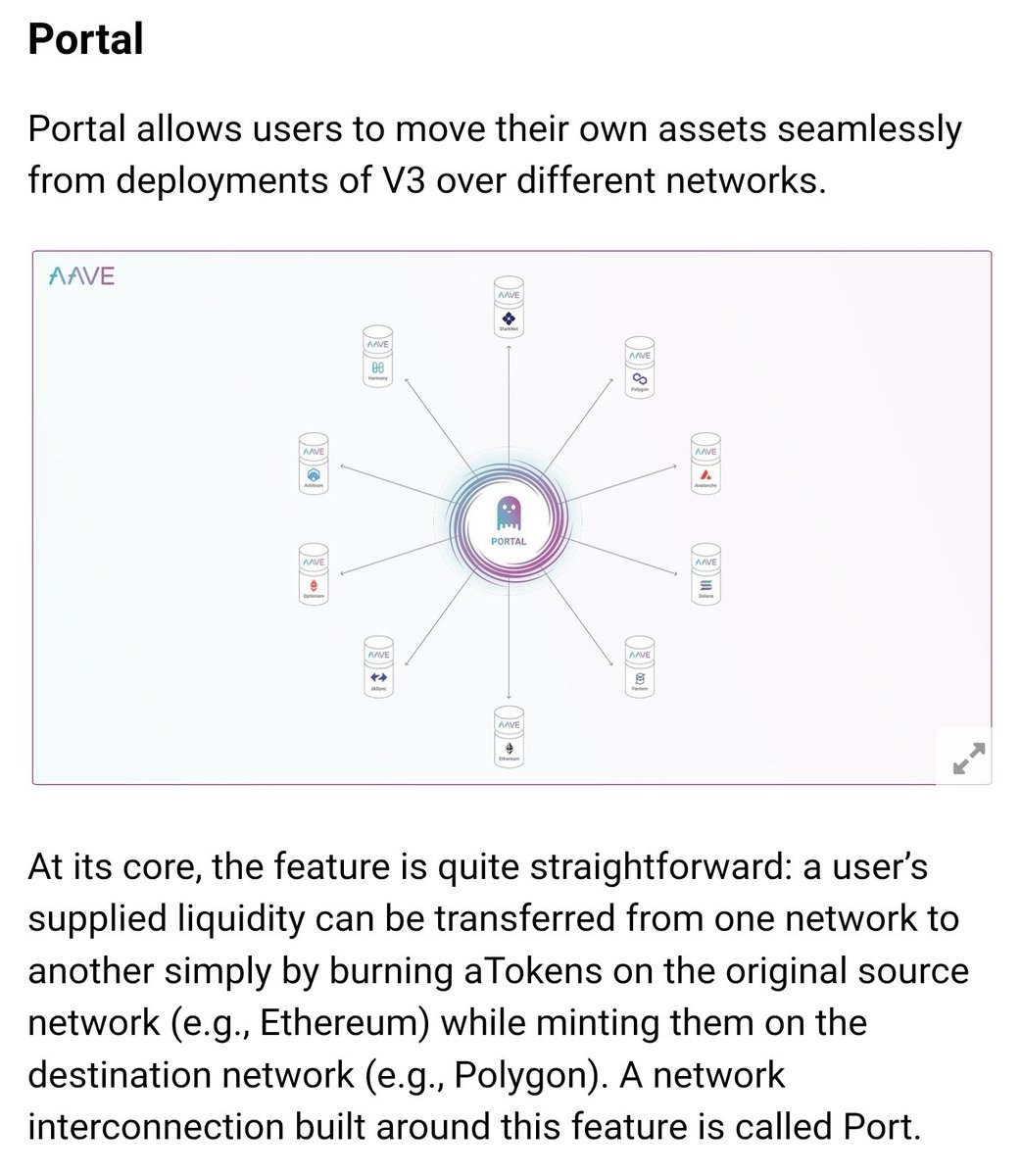
8/ @AaveAave is another example where deployments of Aave exist already exist on multiple chains (Ethereum, Polygon, Avalanche, etc)
Aave v3 will enable deposited liquidity to be transfered across chains without withdrawing by burning and minting tokens
governance.aave.com
Aave v3 will enable deposited liquidity to be transfered across chains without withdrawing by burning and minting tokens
governance.aave.com
9/ I believe this model could be further extended through cross-chain money markets, where users supply collateral on one chain and borrow tokens on another chains
State synchronization ensures ensures positions are collateralized and can be liquidated as necessary
State synchronization ensures ensures positions are collateralized and can be liquidated as necessary
10/ This would significantly reduce the friction of cross-chain yield farming by using your holdings as collateral and borrowing a different asset with the highest yield on another chain's DeFi ecosystem
Keep exposure to your asset of choice, farm where you like with any asset
Keep exposure to your asset of choice, farm where you like with any asset
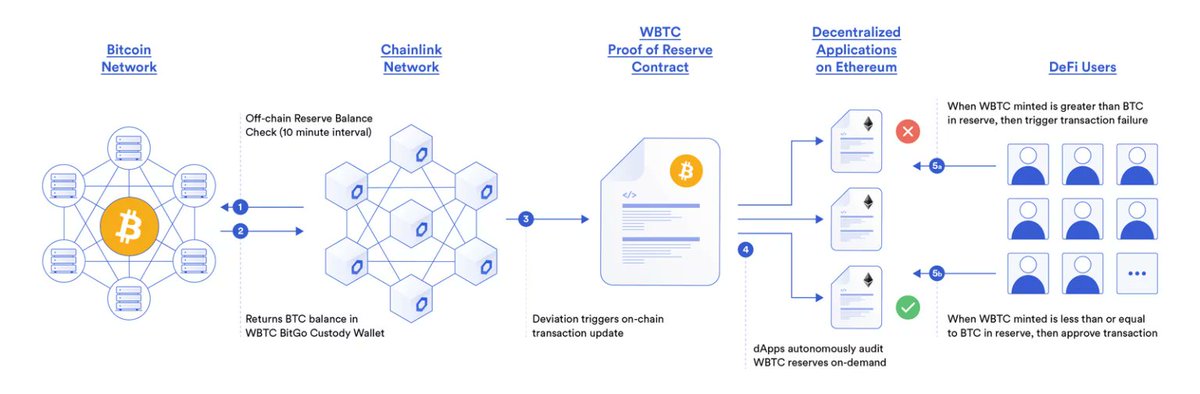
11/ Much of this is something that be achieved today with Chainlink, as the network already support multiple blockchains and can transmit data from any source
Proof of Resevere of cross-chain wrapped tokens is a practical application of this
blog.chain.link
Proof of Resevere of cross-chain wrapped tokens is a practical application of this
blog.chain.link
12/ Automation:
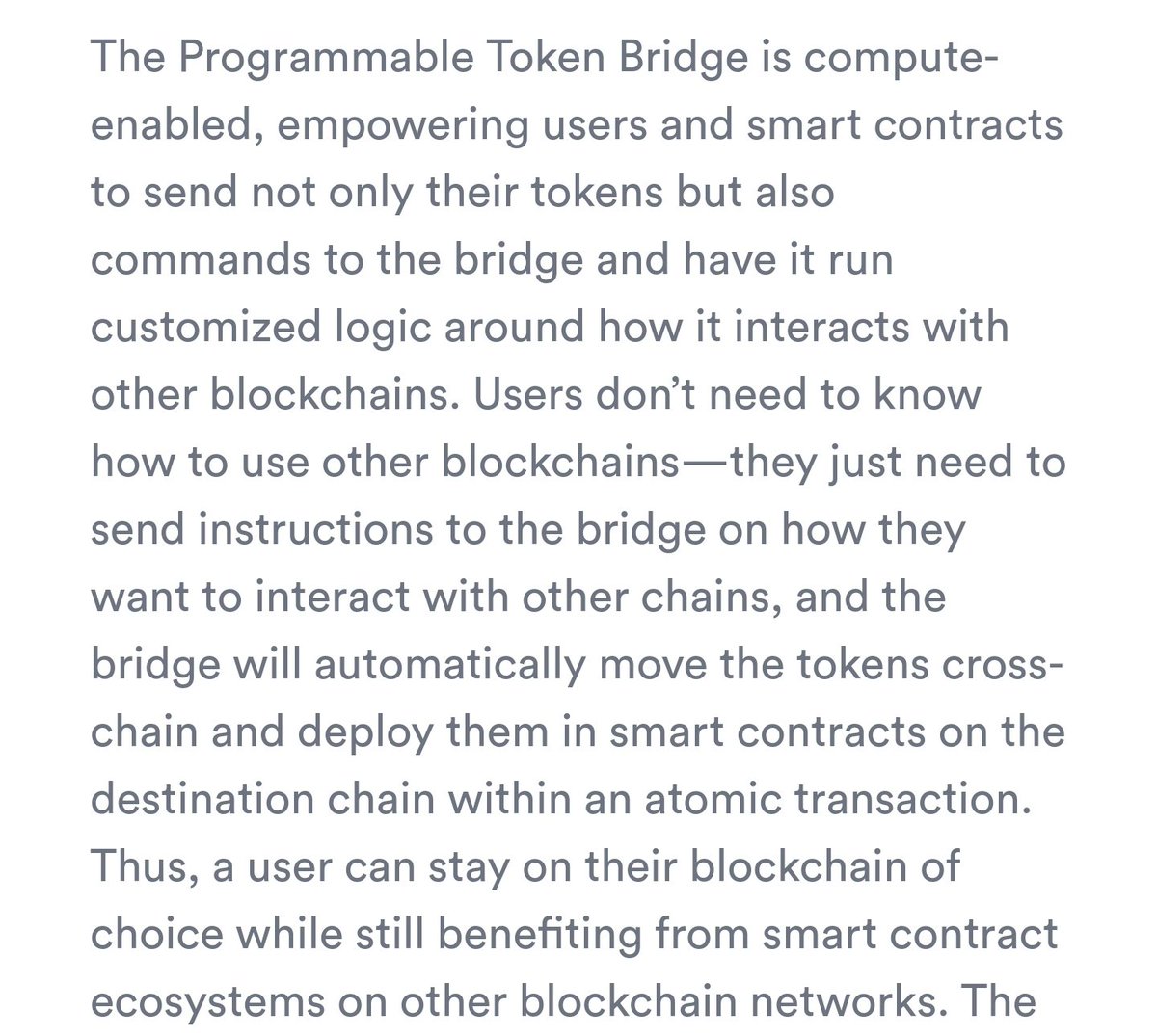
Token bridges can be extended further by supporting the transfer of both tokens and data/commands across chains
The latter can describe what to do with such tokens once bridged into the new environment
Token bridges can be extended further by supporting the transfer of both tokens and data/commands across chains
The latter can describe what to do with such tokens once bridged into the new environment
13/ At the most basic level, this allows users to stay within their preferred on-chain environment and yet gain the ability to interact with dApps on any blockchain
Users don't need to know how to use other blockchains or even know that they're using multiple blockchains
Users don't need to know how to use other blockchains or even know that they're using multiple blockchains
14/ If I have assets on chainA and want to deposit directly into a dApp on chainB, normally you'd have to manually bridge, wait, and then make another transaction
But this can be simplified so you make one transaction and now you're in the application
But this can be simplified so you make one transaction and now you're in the application
15/ This can also involve more advanced strategies such sending tokens to a bridge that then automatically allocates those tokens into yield farms with the highest yield, shifting across farms and chains as needed to chase yields, and returning the tokens after the yield is dry
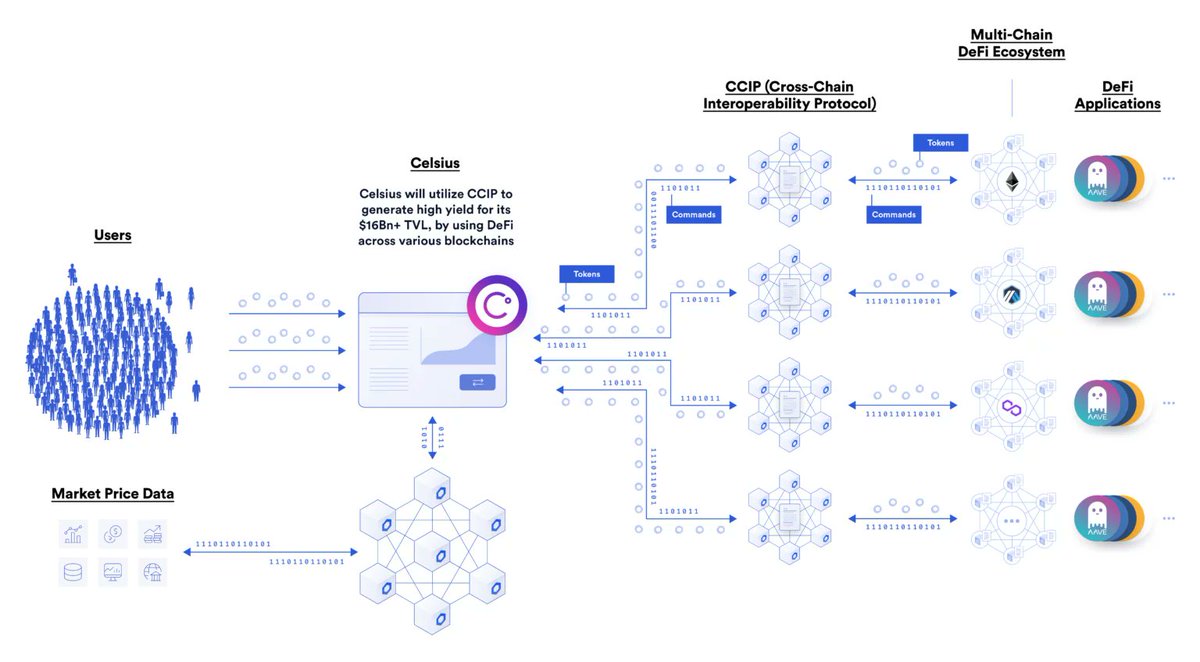
16/ This is exactly the type of functionality that's enabled by the Cross-Chain Interoperability Protocol (CCIP)
A standard for cross-chain messaging, on which any number of compute-enabled token bridges can be created
blog.chain.link
A standard for cross-chain messaging, on which any number of compute-enabled token bridges can be created
blog.chain.link
17/ With the introduction and evolution of CCIP, I believe we'll see more cross-chain smart contracts
As well as a significant decrease in friction when interacting with the multi-chain ecosystem
CCIP will power both bridges and dApps alike
As well as a significant decrease in friction when interacting with the multi-chain ecosystem
CCIP will power both bridges and dApps alike
18/ Ultimately, this goes back to the thesis that oracles provide not only data delivery
But also trust-minimized off-chain computation and cross-chain interoperability for any smart contract
Extending the capabilities of blockchains so they can reach their true potential
But also trust-minimized off-chain computation and cross-chain interoperability for any smart contract
Extending the capabilities of blockchains so they can reach their true potential
Loading suggestions...