
📣 December 25 is a BIG day for astronomy!
With the launch of @NASAWebb, a new and exciting era of science awaits.
But how is Webb different from Hubble? How will these telescopes work together?
🧵 Read on...
With the launch of @NASAWebb, a new and exciting era of science awaits.
But how is Webb different from Hubble? How will these telescopes work together?
🧵 Read on...

💡 Light
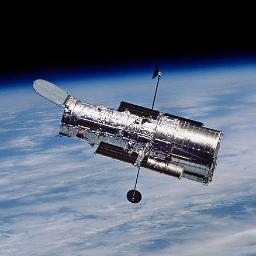
Hubble detects visible light (what our human eyes can see), along with some ultraviolet and near-infrared wavelengths.
Webb's extraordinary infrared vision will reveal longer and dimmer wavelengths of light, peering further into the universe and "back in time."
Hubble detects visible light (what our human eyes can see), along with some ultraviolet and near-infrared wavelengths.
Webb's extraordinary infrared vision will reveal longer and dimmer wavelengths of light, peering further into the universe and "back in time."

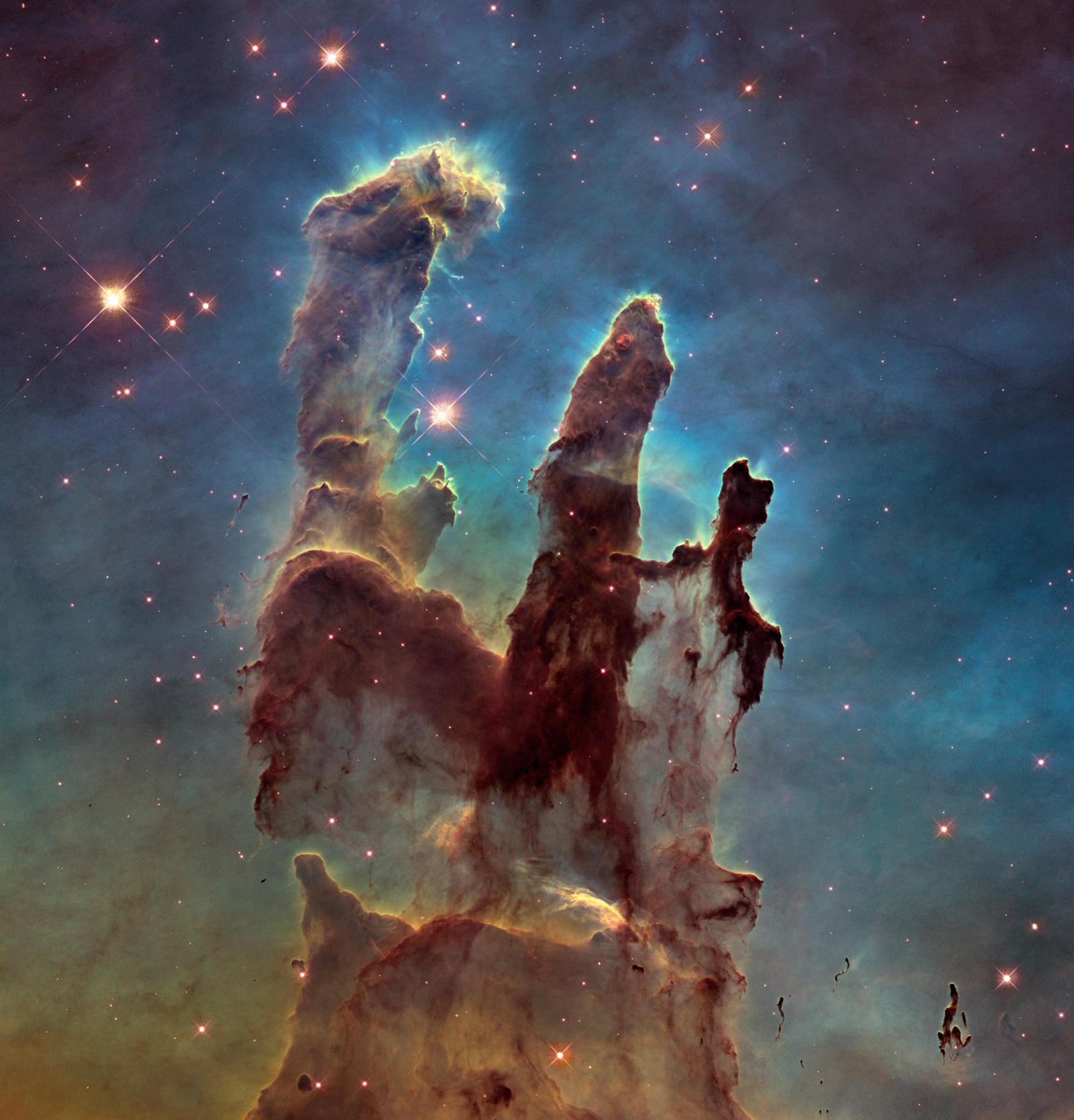
Infrared light also pierces through dust and gas, as seen in these two Hubble views of the Eagle Nebula.
The left image is in visible light, and the right is infrared.
Find out more about light: go.nasa.gov
The left image is in visible light, and the right is infrared.
Find out more about light: go.nasa.gov

🪞 Mirrors
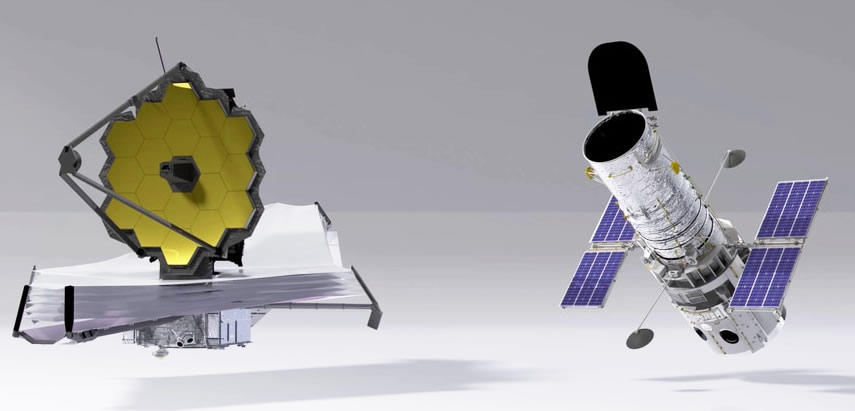
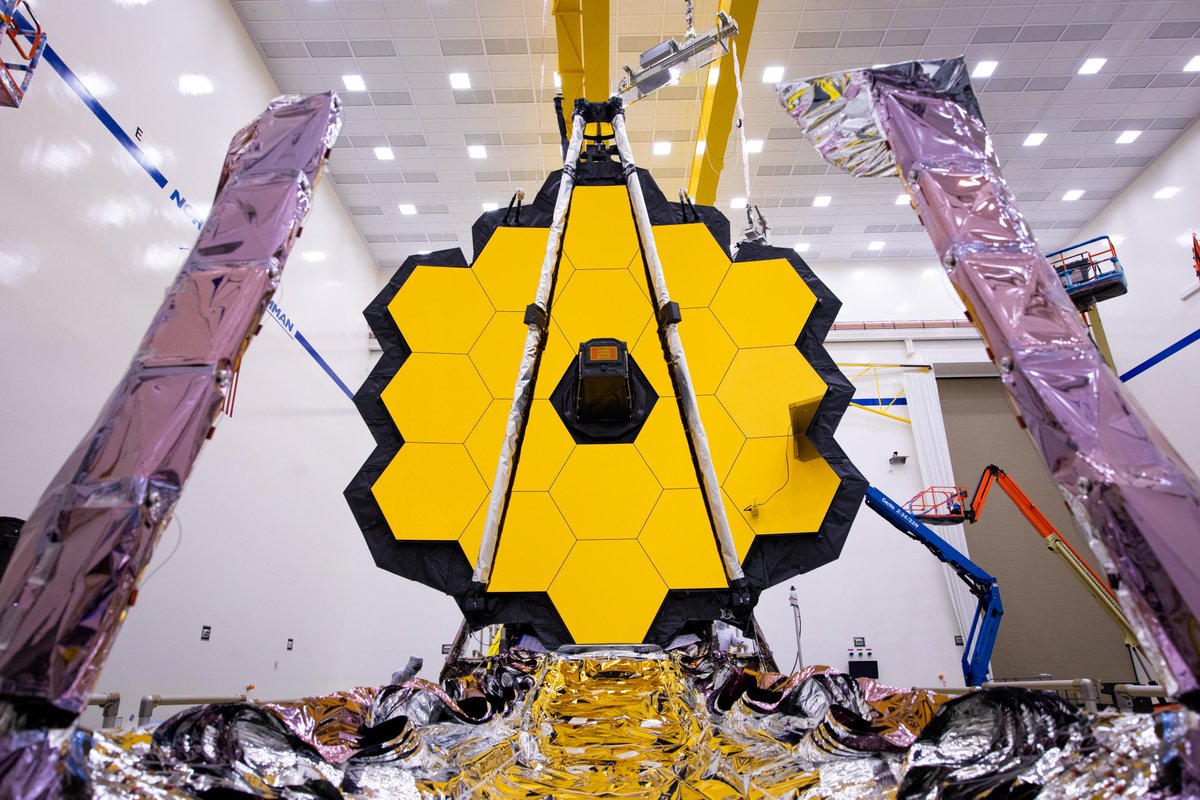
Both Webb and Hubble are reflecting telescopes. That means they collect their light from huge, curved mirrors rather than lenses.
However, Webb's primary mirror measures 21.3 feet, whereas Hubble's is 7.9 feet.
Both Webb and Hubble are reflecting telescopes. That means they collect their light from huge, curved mirrors rather than lenses.
However, Webb's primary mirror measures 21.3 feet, whereas Hubble's is 7.9 feet.

🌎 Orbits
Hubble orbits just above Earth's murky atmosphere at an altitude of about 340 miles, giving it a clear view of the universe.
Webb will orbit the Sun with Earth, roughly one million miles away from home around the second Lagrange or L2 point.
Hubble orbits just above Earth's murky atmosphere at an altitude of about 340 miles, giving it a clear view of the universe.
Webb will orbit the Sun with Earth, roughly one million miles away from home around the second Lagrange or L2 point.

👨🏽🚀 Servicing
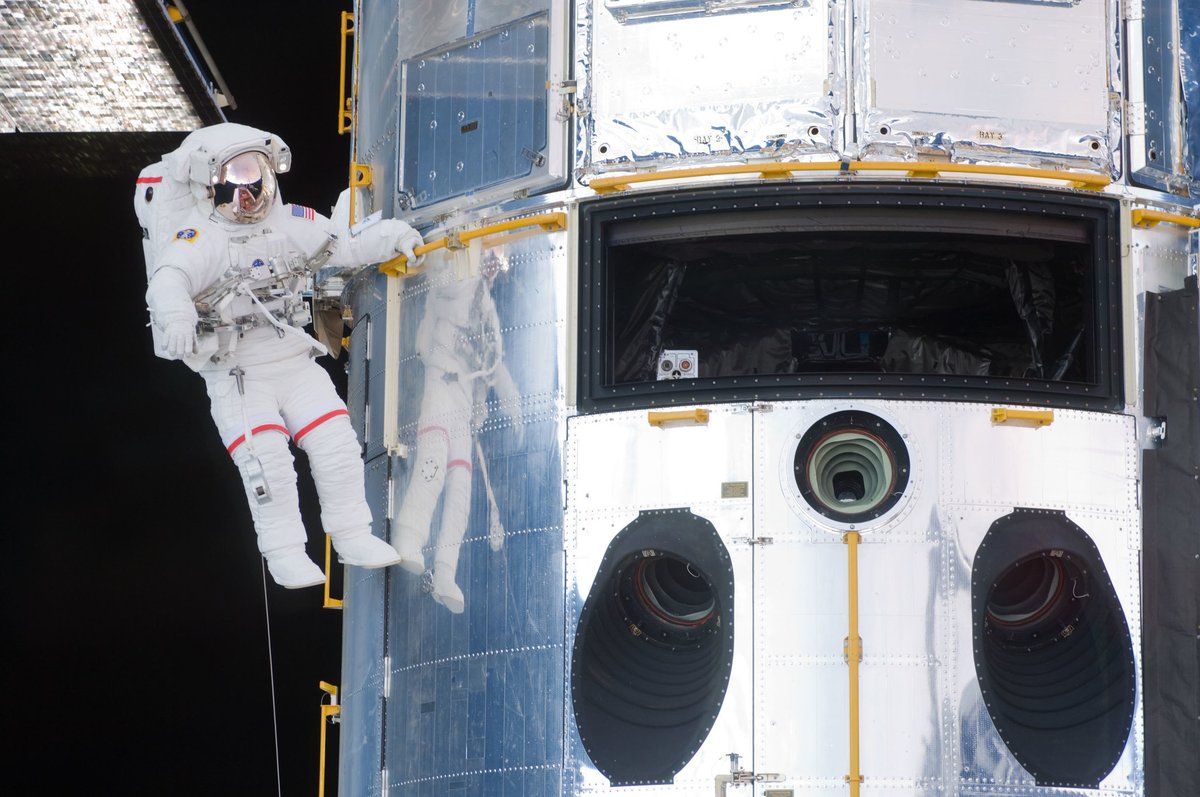
Hubble has lasted for 30+ years in large part due to its ability to be serviced by astronauts with the space shuttle. Astronauts visited Hubble five times to upgrade it!
Webb cannot be serviced, and has an expected lifespan of 5.5 to possibly over 10 years.
Hubble has lasted for 30+ years in large part due to its ability to be serviced by astronauts with the space shuttle. Astronauts visited Hubble five times to upgrade it!
Webb cannot be serviced, and has an expected lifespan of 5.5 to possibly over 10 years.
A common misunderstanding is that Webb is replacing Hubble.
But with their complementary abilities, the goal is for both Webb and Hubble to operate together for years to come!
Both of their powerful visions will help us gain a more complete understanding of our universe.
But with their complementary abilities, the goal is for both Webb and Hubble to operate together for years to come!
Both of their powerful visions will help us gain a more complete understanding of our universe.
Be sure to watch the launch of @NASAWebb as it begins its mission to #UnfoldTheUniverse!
Live coverage from @NASA begins Dec. 25 at 6 a.m. ET: go.nasa.gov
Live coverage from @NASA begins Dec. 25 at 6 a.m. ET: go.nasa.gov
Loading suggestions...