

A Thread
Prostate cancer
treatment is a great example of how oncology approaches develop over time through research and advancing knowledge.
It’s really useful to have an idea of what these drugs do and where they fit in for people.
Prostate cancer
treatment is a great example of how oncology approaches develop over time through research and advancing knowledge.
It’s really useful to have an idea of what these drugs do and where they fit in for people.

Prostate cancer is fuelled by androgens: testosterone, DHEA and DHT.
Historically it was taught that testosterone was the main culprit. Therapy to shut down testicular testosterone production.
There are a few ways to do this and these remain the mainstay of treatment.
Historically it was taught that testosterone was the main culprit. Therapy to shut down testicular testosterone production.
There are a few ways to do this and these remain the mainstay of treatment.

GHRH agonists act on the pituitary gland to stimulate the release of androgens.
Yikes! Isn’t that what we want to avoid? Well yes but it’s really clever. There is an initial pulse of LH and FSH production when first given- this can cause a “flare” in pain and symptoms
Yikes! Isn’t that what we want to avoid? Well yes but it’s really clever. There is an initial pulse of LH and FSH production when first given- this can cause a “flare” in pain and symptoms

This is quickly followed by a down regulation of GNRH receptors in the pituitary which leads to reduced FSH and LH, so reduced androgens and reduced cancer activity.
That initial flare needs a think through though
That initial flare needs a think through though

If someone has advanced disease or multiple spinal metastases, there is a risk of increased tumour activity leading to urinary retention, acute compression of the spinal cord or cauda equina.
In such a scenario a GNRH such as Degarelix can be used.
In such a scenario a GNRH such as Degarelix can be used.
The initial “flare” associated with GNRH antagonists can be reduced with cover for the first few weeks of treatment with an anti-androgen such as cyproterone acetate
Testosterone usually peaks after 2-4 days then settles over the coming 7-14 days.
Testosterone usually peaks after 2-4 days then settles over the coming 7-14 days.

Agonists and antagonists of GNRH cause similar side-effects:
Flushing, loss of libido, gynaecomastia, fatigue, low mood and osteoporosis.
These side-effects can have a significant impact on quality of life especially when coupled with the primary symptoms of prostate cancer
Flushing, loss of libido, gynaecomastia, fatigue, low mood and osteoporosis.
These side-effects can have a significant impact on quality of life especially when coupled with the primary symptoms of prostate cancer
These treatments usually produce a reduction in cancer activity reflected in a falling PSA level and symptom relief.
Over time however PSA levels and metastatic disease burden rises.
Why? Well androgens are also produced in the adrenal gland.
Over time however PSA levels and metastatic disease burden rises.
Why? Well androgens are also produced in the adrenal gland.

This return of disease activity is known as “castrate resistant” prostate cancer.
Well designed trials have advanced therapies in this setting.
Shutting down adrenal androgen production by disrupting the synthetic pathways in the adrenal cortex was the next development
Well designed trials have advanced therapies in this setting.
Shutting down adrenal androgen production by disrupting the synthetic pathways in the adrenal cortex was the next development

Abiraterone inhibits CYP17 which is involved in the conversion of substrates to androgens.
Combined with GNRH therapies this can extend disease progression survival by around 18 months.
It also reduces gluco/mineralocorticoid synthesis and prednisolone must be co-administered
Combined with GNRH therapies this can extend disease progression survival by around 18 months.
It also reduces gluco/mineralocorticoid synthesis and prednisolone must be co-administered

Enzalutamide is also used in the castrate resistant setting.
It works as both an androgen receptor antagonists and androgen receptor signalling inhibitor.
It may have less effects on sexual function than other androgen receptor antagonists.
It works as both an androgen receptor antagonists and androgen receptor signalling inhibitor.
It may have less effects on sexual function than other androgen receptor antagonists.
Side effects are similar to other androgen depletion therapies.
It can also cause neurological side-effects. There are reports of increased fatigue and risk of falls in some. It can cause a general slowing down and may reduce seizure threshold.
It can also cause neurological side-effects. There are reports of increased fatigue and risk of falls in some. It can cause a general slowing down and may reduce seizure threshold.

Chemotherapy has been another interesting area of development through the STAMPEDE trials
Historically this was used as a last option. However, in that setting many patients were already very frail and more susceptible to chemo side-effects. Many were not fit for the treatment
Historically this was used as a last option. However, in that setting many patients were already very frail and more susceptible to chemo side-effects. Many were not fit for the treatment
Early “up-front” chemotherapy with docetaxel followed with the previously mention treatment has been shown to extend prognosis and slow disease progression.
Further chemo with docetaxel or cabazitaxel may be offered should disease progress on other treatments.
Further chemo with docetaxel or cabazitaxel may be offered should disease progress on other treatments.

The use of the radio-isotope Radium-223 can be considered for patients with extensive bony pain due to metastatic disease. I believe this is mainly a palliative measure for pain control.
It can cause bone marrow suppression, nausea and fatigue.
It can cause bone marrow suppression, nausea and fatigue.
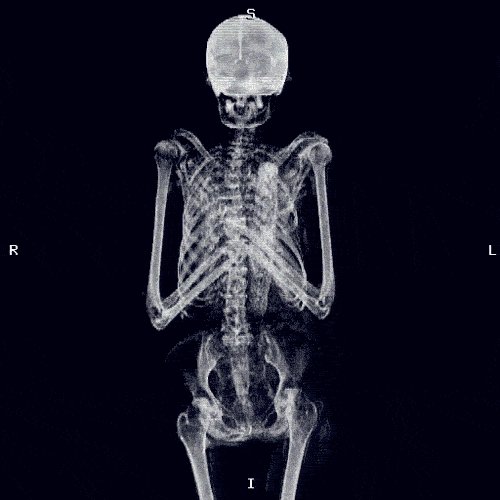
Bisphosphonate therapy and radiotherapy are also used to reduce the risk of vertebral fractures and reduce pain associated with these.
Hormone therapy and steroid use can compound back pain by increasing the risk of osteoporotic fractures.
Hormone therapy and steroid use can compound back pain by increasing the risk of osteoporotic fractures.

It’s a real success story for clinical trials and research. Other challenges have emerged as a result with people living longer with cancer and potentially increasing pain and other symptoms.
I’m not an oncologist so please let me know your thoughts and any amendments
I’m not an oncologist so please let me know your thoughts and any amendments

Loading suggestions...