

Chapter 6: Shipping and Trade in the Classical Period: Indian Commercial Interaction with the East
The following chapter will describe Indian commercial activities with Eastern regions like Indonesia, China, Japan, etc.
The following chapter will describe Indian commercial activities with Eastern regions like Indonesia, China, Japan, etc.
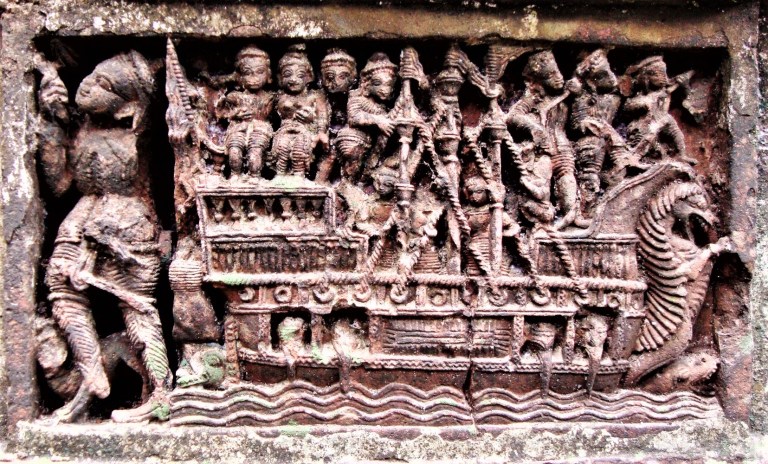
Throughout the period, when India was commercially engaged with Rome, she also maintained active commerce with the east.
The Tamil works like 'Paddinapplai', which states that ships from Kalakan ( in Myanmar) brought goods to Kavirippadinan, a great port at the mouth of Kaveri.
The Tamil works like 'Paddinapplai', which states that ships from Kalakan ( in Myanmar) brought goods to Kavirippadinan, a great port at the mouth of Kaveri.
Tamils have migrated throughout many centuries to Myanmar and are instrumental in forging strong ties between Myanmar and the mother country.
Even today, more than 1,00,000 people of Tamil origin live in Myanmar and are called 'Burmese Tamils'.
Even today, more than 1,00,000 people of Tamil origin live in Myanmar and are called 'Burmese Tamils'.
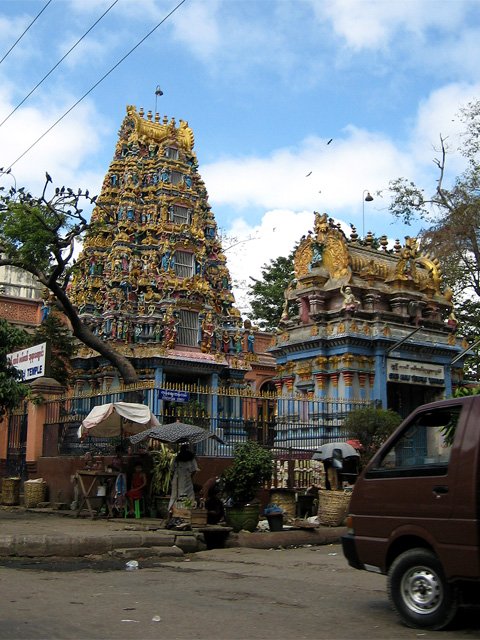
One of the main examples of Tamil architecture in Myanmar is the 'Shri Kali Temple' at Yangon, built by the local Tamil community in 1871.
The temple is known for its roof-architecture which contains images of various Hindu Gods and Goddesses.
The temple is known for its roof-architecture which contains images of various Hindu Gods and Goddesses.
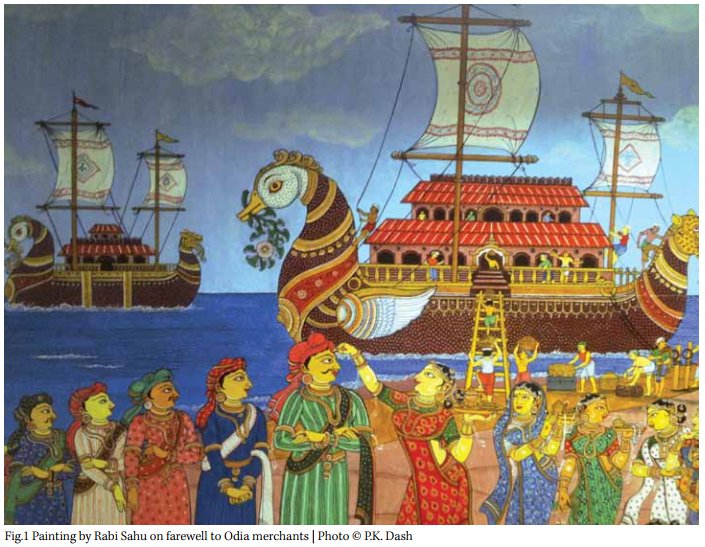
Next to Tamils, the eastern maritime activity of India was taken by ancient kingdom of Kalinga which was said to have been founded "atleast eight centuries before Christ."
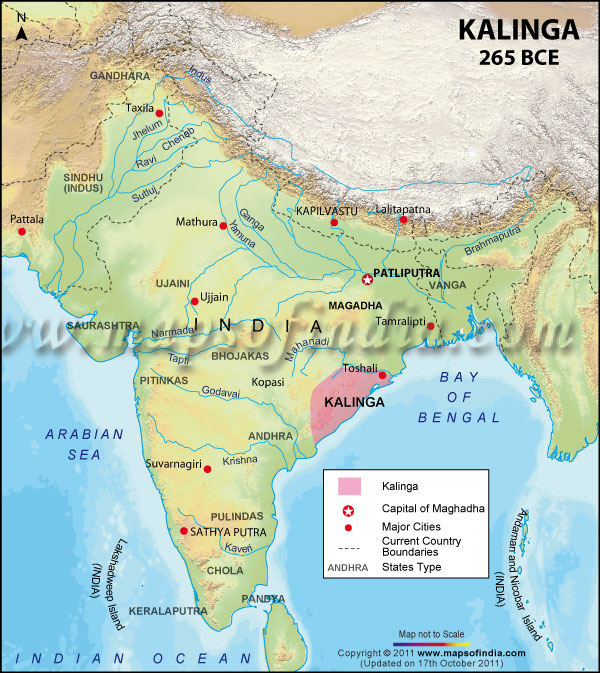
The Chilka lake in ancient times was an excellent harbor for anchorage.
From the evidence of 'Buddhagat' or the sacred inscriptions of Burma, it is clear that the steady commercial activity was formed by the Buddhist monks of Kalinga, which led to missionary activity in Myanmar
From the evidence of 'Buddhagat' or the sacred inscriptions of Burma, it is clear that the steady commercial activity was formed by the Buddhist monks of Kalinga, which led to missionary activity in Myanmar

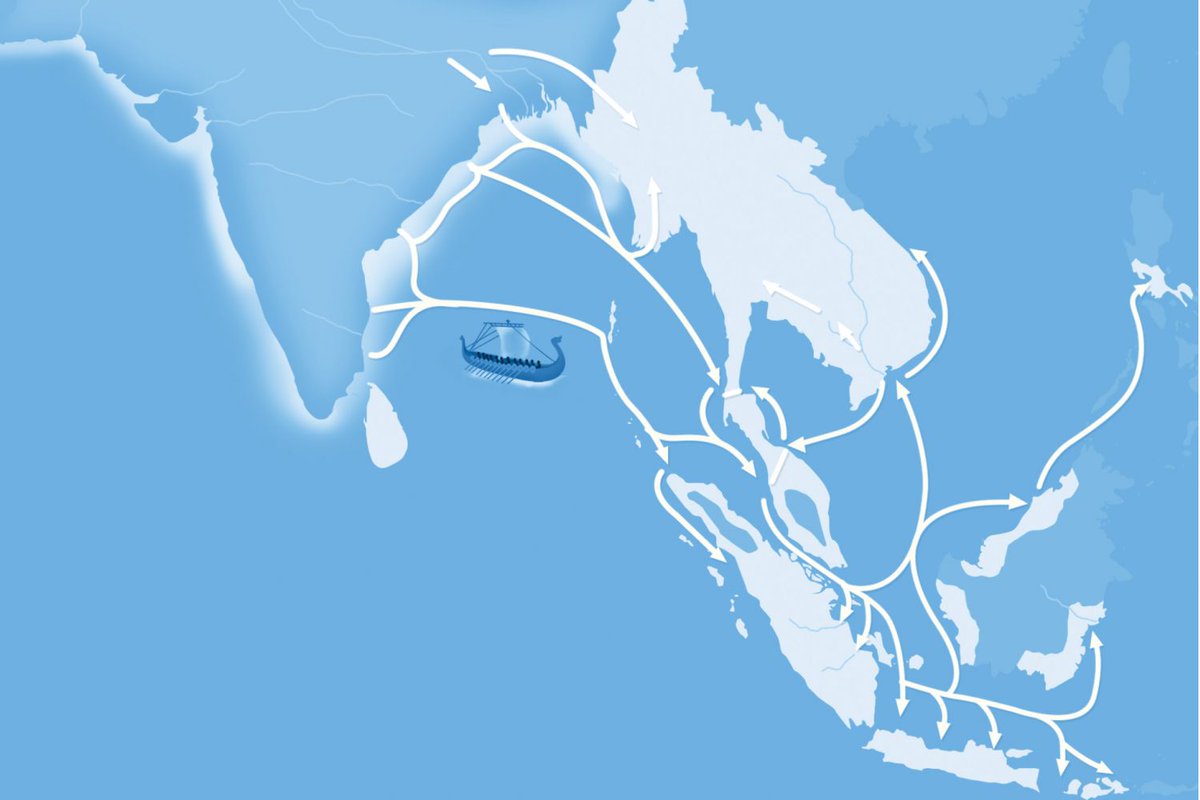
Perhaps the most interesting fact in connection with Indian maritime activity in the east is the Hindu colonization of Java.
The earliest record of this colonization is from around 75 AD, when Hindu navigators ventured out towards Indian Ocean, founding colonies & trade posts.
The earliest record of this colonization is from around 75 AD, when Hindu navigators ventured out towards Indian Ocean, founding colonies & trade posts.
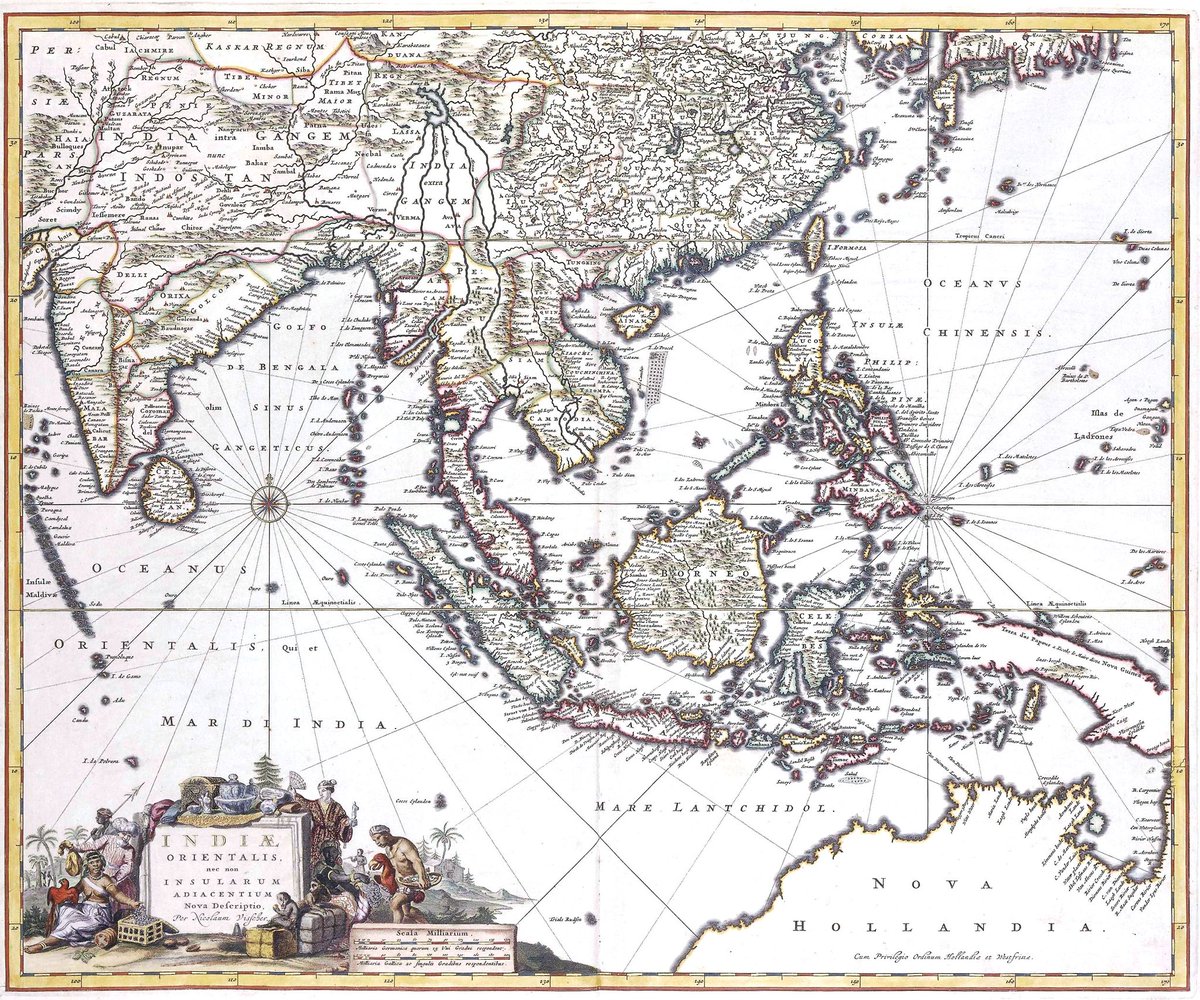
These adventurous navigators founded a colony in Java, built cities and developed trade relations with their mother country, i.e India, and other regions.
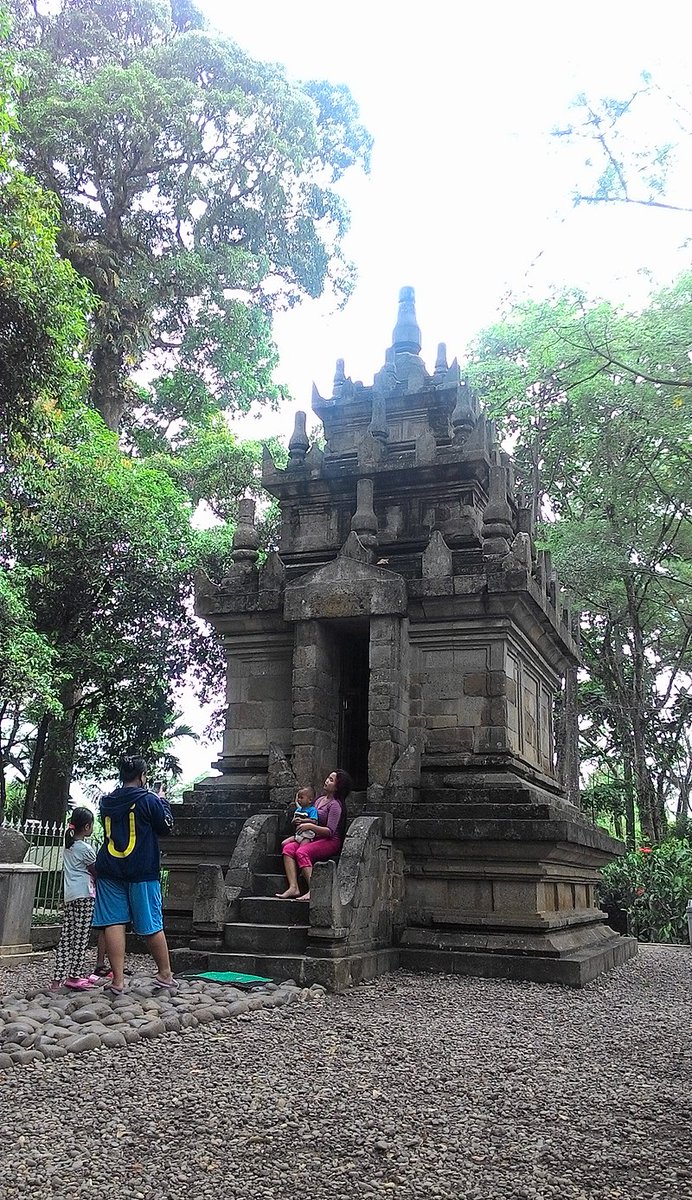
The truth of this narrative is found in many Hindu temples at Java.
Fa-Hien, while coming back from India in c. 415 AD, found Java entirely populated by Hindus.
He sailed towards China from Java in ship manned by Hindu crew.
Image of Cangkuang Shiva Temple, Java
Fa-Hien, while coming back from India in c. 415 AD, found Java entirely populated by Hindus.
He sailed towards China from Java in ship manned by Hindu crew.
Image of Cangkuang Shiva Temple, Java
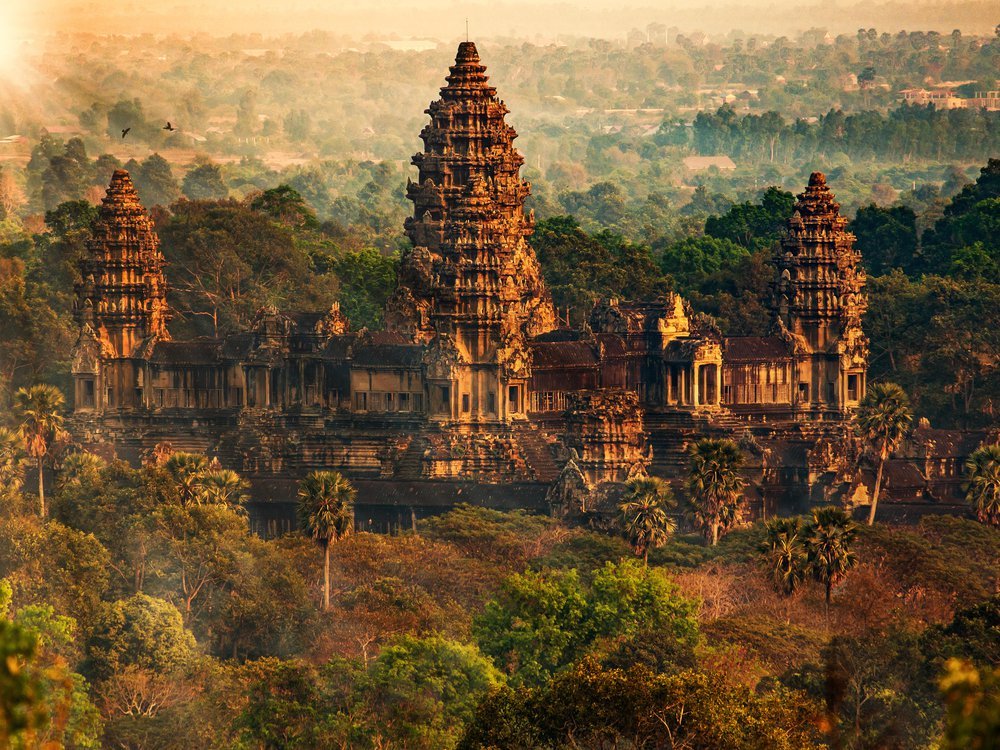
The ancient Indians not only colonized Java and Sumatra but also Cambodia, where the magnificent temple of Angor Wat was built.
Additionally, there is also a legend preserved in Java chronicles, which transfers this credit of colonization from Kalinga to the ports of Gujarat.
Additionally, there is also a legend preserved in Java chronicles, which transfers this credit of colonization from Kalinga to the ports of Gujarat.
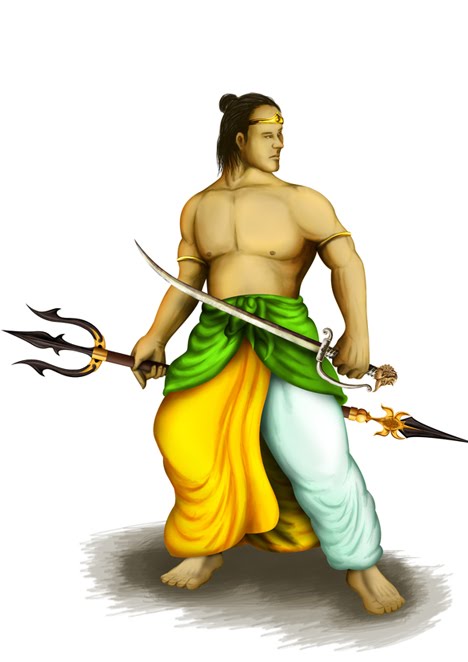
As per the legend, a great prince from Gujarat named Aji Saka made his descent on Java in 75 AD, but was compelled to retreat because of spread of disease.
The legend also tells about the origin of Javanese script.
The legend also tells about the origin of Javanese script.
Another more successful attempt at colonization was made from the ports of Gujarat.
In c. 603 AD, a ruler from Gujarat sent his son and 5,000 followers, including artisans, cultivators, physicians, warriors, etc in 6 large & 100 small vessels towards Java.
In c. 603 AD, a ruler from Gujarat sent his son and 5,000 followers, including artisans, cultivators, physicians, warriors, etc in 6 large & 100 small vessels towards Java.
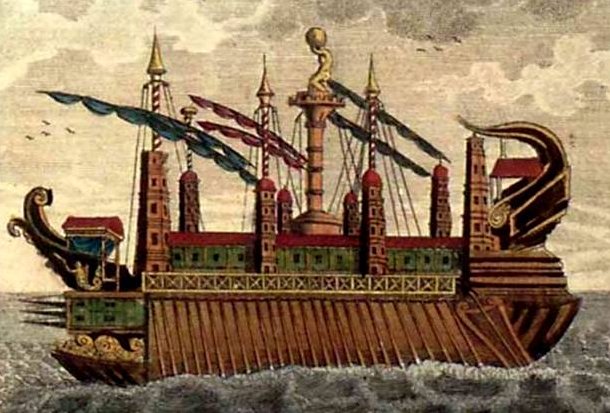
After some difficulties, they reached the Western coast of Java and founded the 'mythical' kingdom of 'Medang Kamulan'.
The prince sent for reinforcements, and his father sent him 2,000 men including architects of stone and brass.
#Indonesia
The prince sent for reinforcements, and his father sent him 2,000 men including architects of stone and brass.
#Indonesia

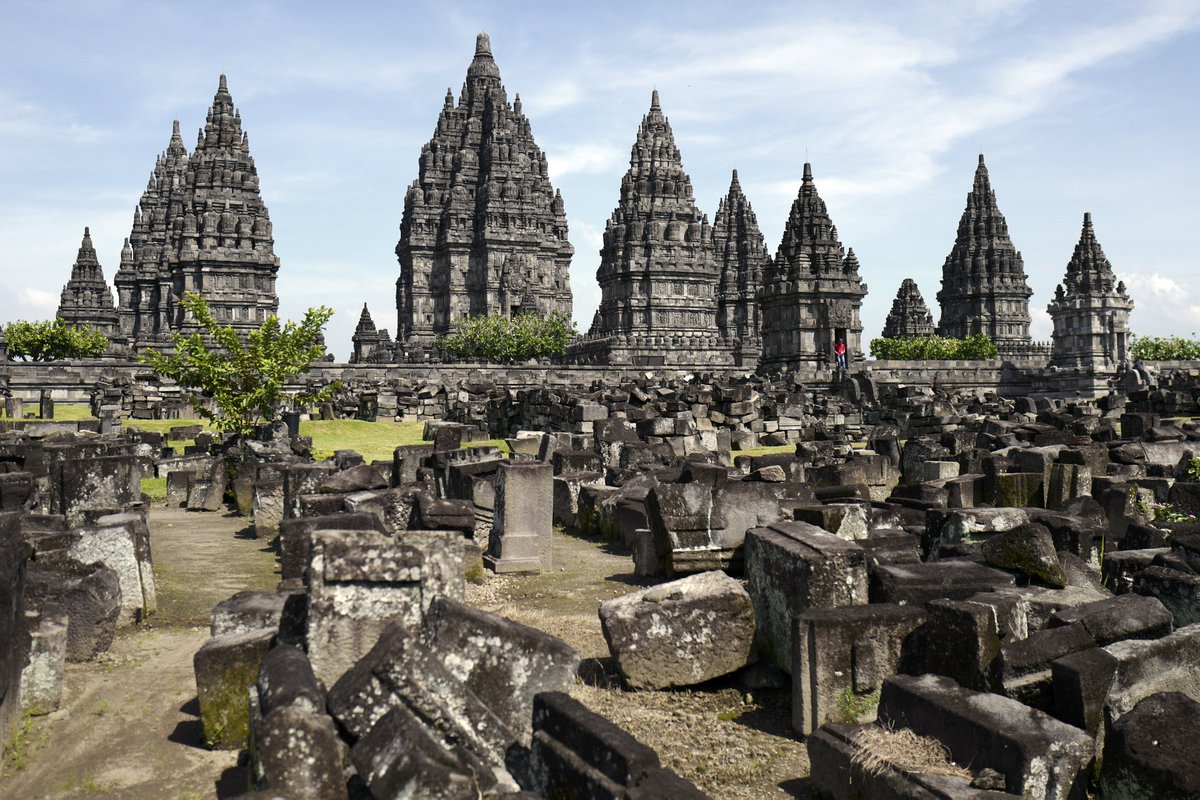
An extensive trade sprang up with Gujarat & other regions, and the foundations were laid of famous temples of Prambanan & Borobudur.
These legends are probably connected with some central event in a process that continued for 50 years after 600 AD -- a process of migration!
These legends are probably connected with some central event in a process that continued for 50 years after 600 AD -- a process of migration!
This migration which started after the beginning of 7th century AD, were directly influenced by the unstable political conditions of North India, just before the rise of Emperor Harsha.
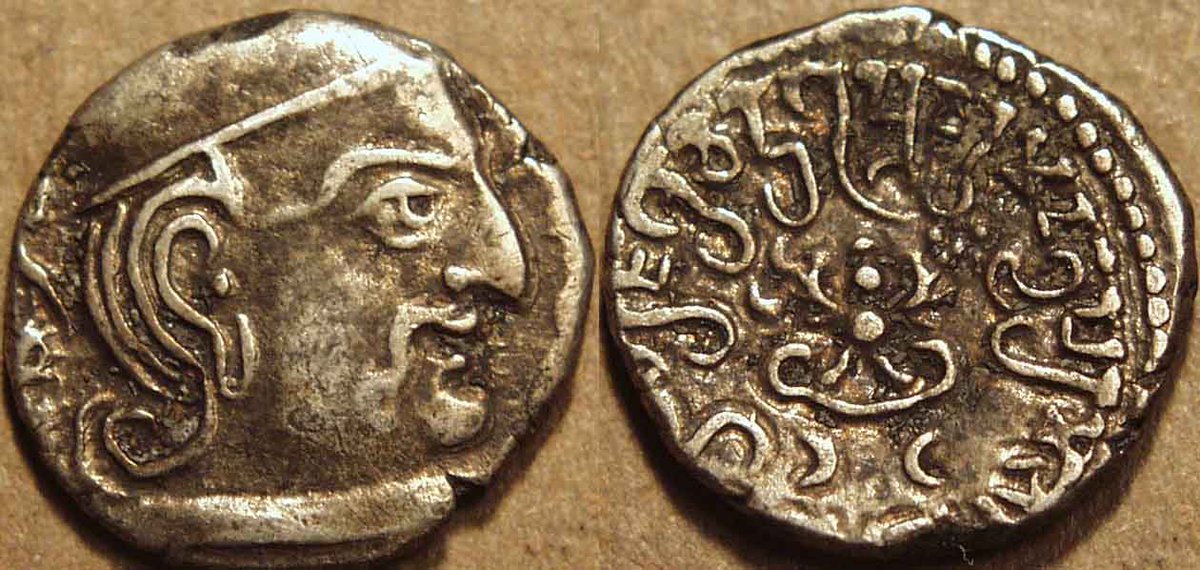
One of the main incidents which started this was the ending of Saka power in Western India, which had ruled that part of the country for 300 years starting 78 AD.
This region was conquered by Chandra Gupta Vikramaditya, and Hinduism supplanted Buddhism as a dominant religion.
This region was conquered by Chandra Gupta Vikramaditya, and Hinduism supplanted Buddhism as a dominant religion.
There were other forces at work which conspired to bring about a general movement of people
The defeat of Huns by Sassanids & Indians, & the victories of Prabhakarvardhana- father of Harsha, & by Harsha himself, so that there were swarms of refugees eager to escape the country.
The defeat of Huns by Sassanids & Indians, & the victories of Prabhakarvardhana- father of Harsha, & by Harsha himself, so that there were swarms of refugees eager to escape the country.
If one could see these incidents, along with overthrow of Buddhist King of Sindh by Chach in 632 AD, then we have a combination of circumstances which may explain the resulting migration of so many people to seek 'greener pastures' elsewhere.
The Contribution of Bengalis towards Indian Maritime History
There were other important people who played an important role in this sea-borne trade & colonizing activity of India towards the east.
The contribution of Bengalis to this maritime activity of India is overwhelming.
There were other important people who played an important role in this sea-borne trade & colonizing activity of India towards the east.
The contribution of Bengalis to this maritime activity of India is overwhelming.

The Bengalis of ancient India were known for their military prowess, and for their bravery in battle.
They were also known for taking risks and bearing perils of oceanic voyages in their armed vessels.
They were also known for taking risks and bearing perils of oceanic voyages in their armed vessels.
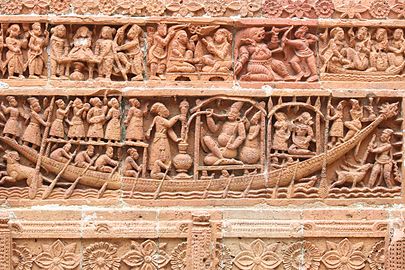
It is known that during first few centuries of the common era, an enthusiastic band of Bengalis, went as far as China, Korea and Japan, carrying with them Buddhist scholars like Dipankara, Atīsha, Silbhastara, and achieved fame throughout the Buddhist world.
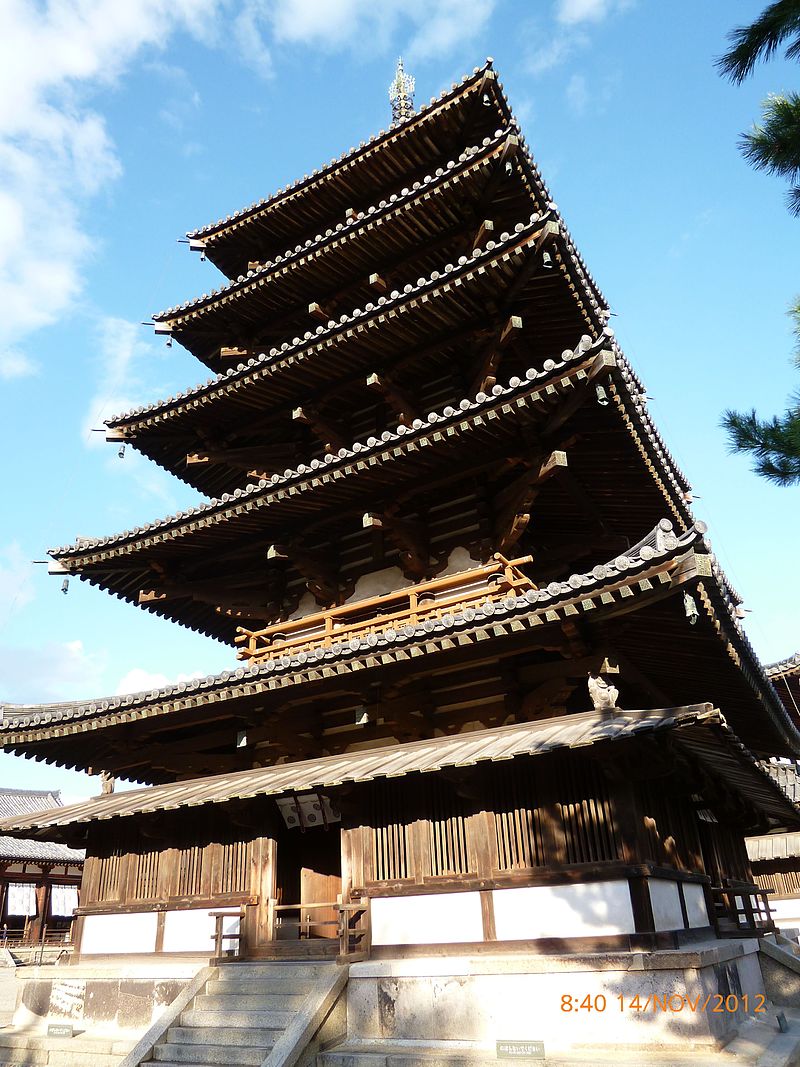
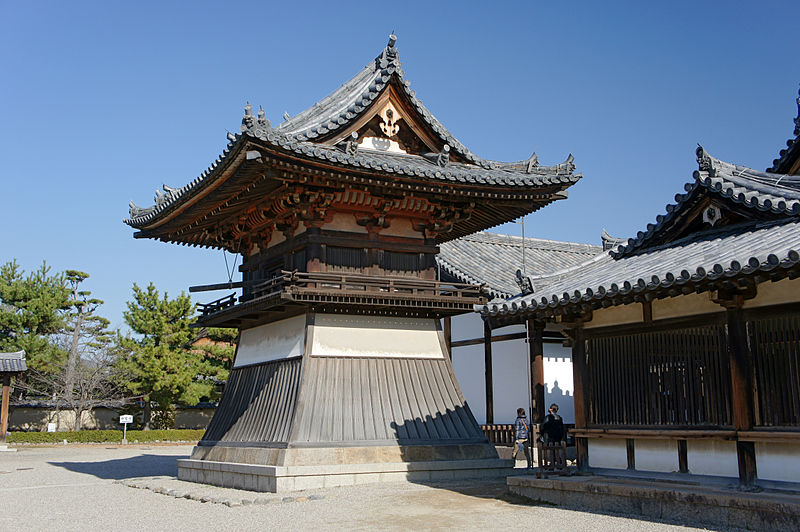
At the Hōryū-ji temple in Japan, the priests of the temple worship a Buddhist work called 'Usñisa Vijaya Dharmi', thus testifying to the vitality of Bengal religious activity that made itself felt in the 'Land of the Rising Sun'.
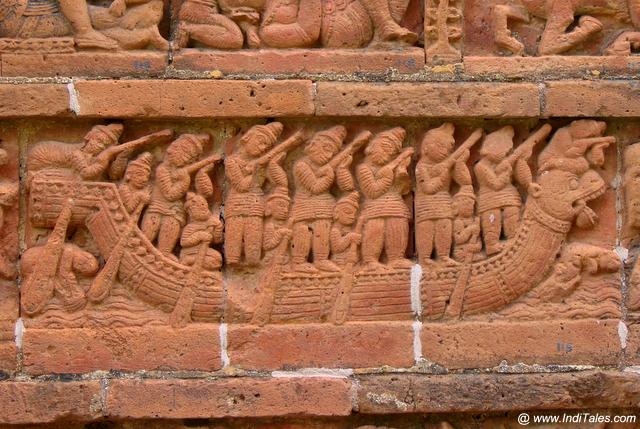
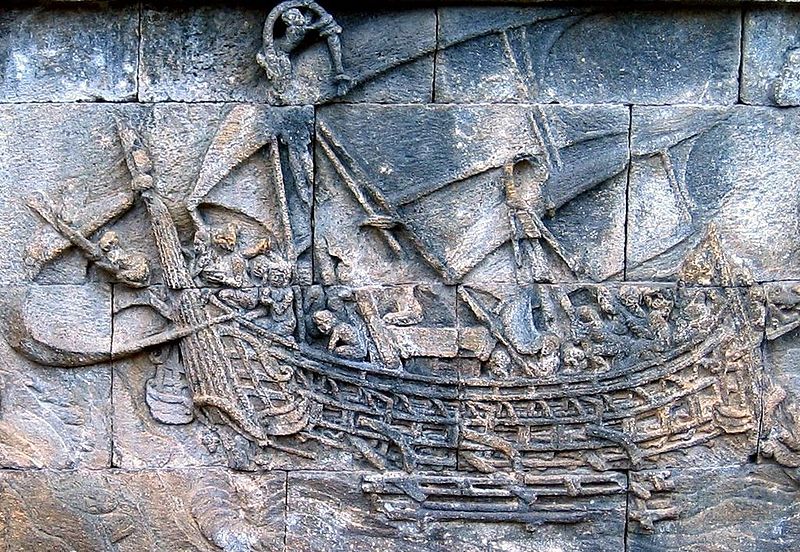
The numerous representations of ships at the Borobudur temple may reveal the the type of ships which the people of Bengal built and used in sailing towards Lanka, Japan, China, Java, Sumatra, etc.
The Mahāvamsa & other Buddhist works tells of Prince Vijaya of Bengal, who colonized Sri Lanka, & gave to the island the name of 'Sinhala' after that of his dynasty - an event which is the starting point of Sinhalese history.
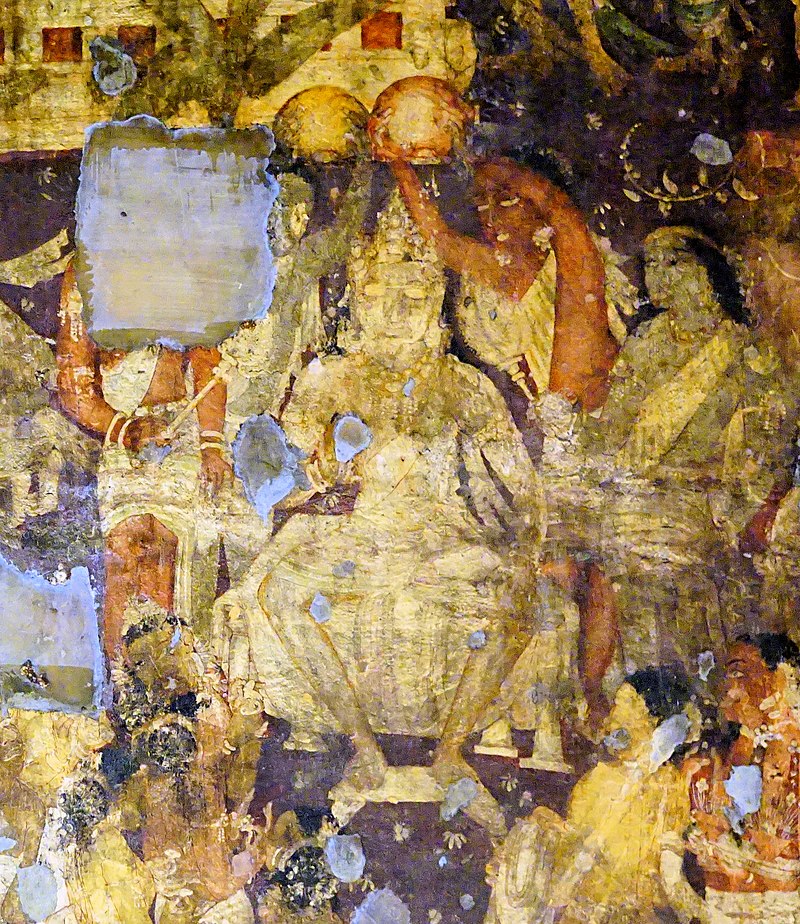
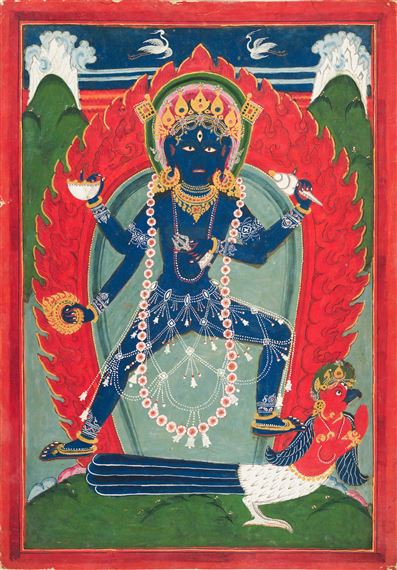
Bengali art may probably has also influenced Nepal through its painting, sculpture and numerous works of metal, and from Nepal these works of arts spread to China and other parts of Buddhist world.
This tradition of ancient Bengalis and their maritime activities is also well preserved in literature.
The volume of poetry evoked by devotion to Goddesses Chandi and Mansā, and they being contained in accounts of adventures of merchants like Dhanapati, S'rimanta, etc.
The volume of poetry evoked by devotion to Goddesses Chandi and Mansā, and they being contained in accounts of adventures of merchants like Dhanapati, S'rimanta, etc.
These accounts contain a nucleus of truth, inspite of some exaggeration, and point towards one of ways in which India expressed herself.
These accounts tell us of merchants like S'rimanta trading with Malabar coast, Lanka, Java, China, etc.
These accounts tell us of merchants like S'rimanta trading with Malabar coast, Lanka, Java, China, etc.
The vast collection of poems known as 'Mansamangala' is formed by the contribution of more than 50 authors, who have all described sea voyages.
About 8-9 poems form the group of poems celebrating Goddess Chandi & all of them contains description of sea travel.
About 8-9 poems form the group of poems celebrating Goddess Chandi & all of them contains description of sea travel.
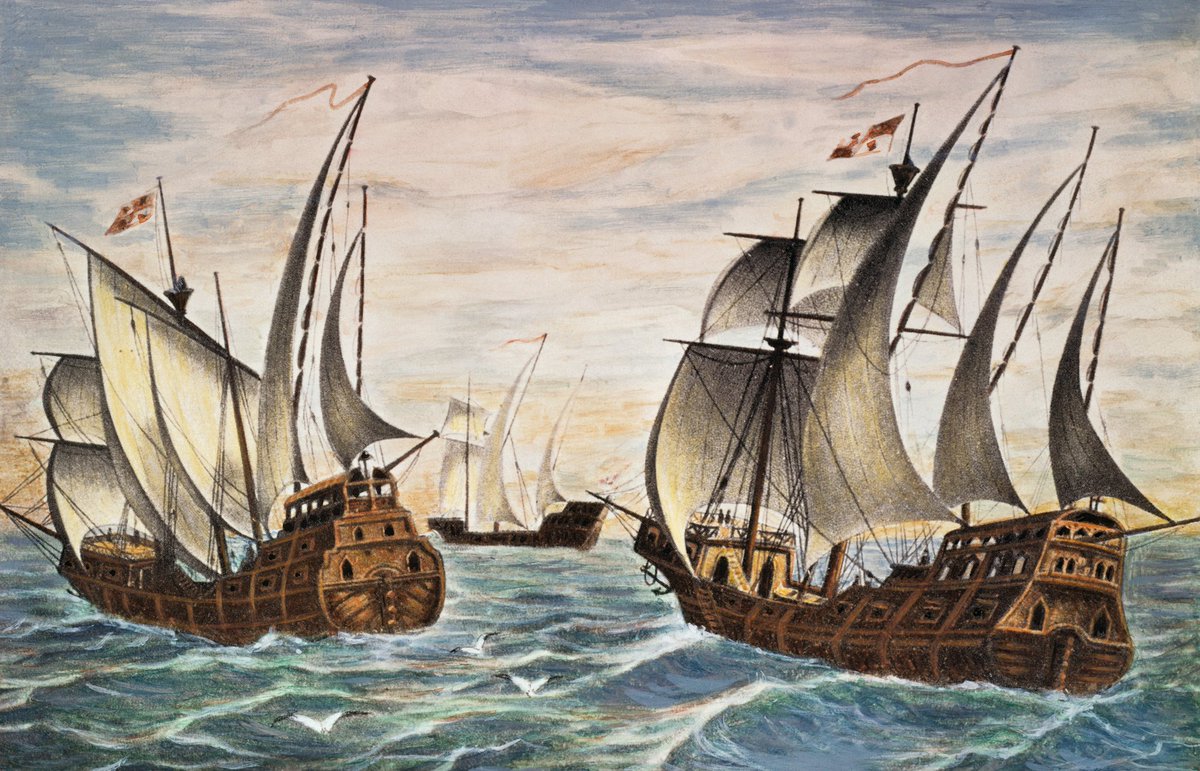
The oldest record in Bengali literature is that of Nārāyandeva, a poet of 13th century, & gives an account of sea voyages of a merchant named Chand Saodāgara.
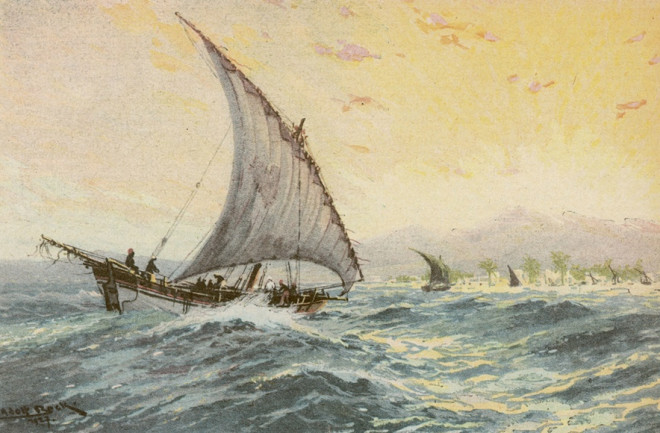
These poems together throw a light on the conditions of commerce in Bengal. Sailors recruited from 'Vanga' have been the object of banter in the writings of Kavikanka, Ketakdāsā, Kshemānanda, etc.
Ships had more poetical names in those days.
The 'Manasāmangala' poems has names of ships such as 'Gangaprasad', 'Sagarfena', Hansarava, etc.
The 'Manasāmangala' poems has names of ships such as 'Gangaprasad', 'Sagarfena', Hansarava, etc.
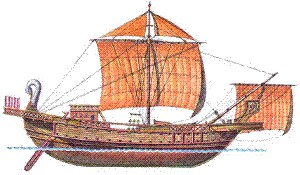
There is a detailed account of fleet of Dhanapati sailing towards Lanka. The ships in his fleet are named as Durgavara, Sankshachara, Chandrapāna, etc.
The whole fleet is described as sailing merrily, propelled by singing oarsmen.
The whole fleet is described as sailing merrily, propelled by singing oarsmen.

The great trading centre of Bengal in those days was 'Satgon' or Saptagram in the Hooghly district of Bengal.
It is described by Fa-Hien as ' Tcharitrapura', and also by Ptolemy as a royal city of immense size.
It is described by Fa-Hien as ' Tcharitrapura', and also by Ptolemy as a royal city of immense size.
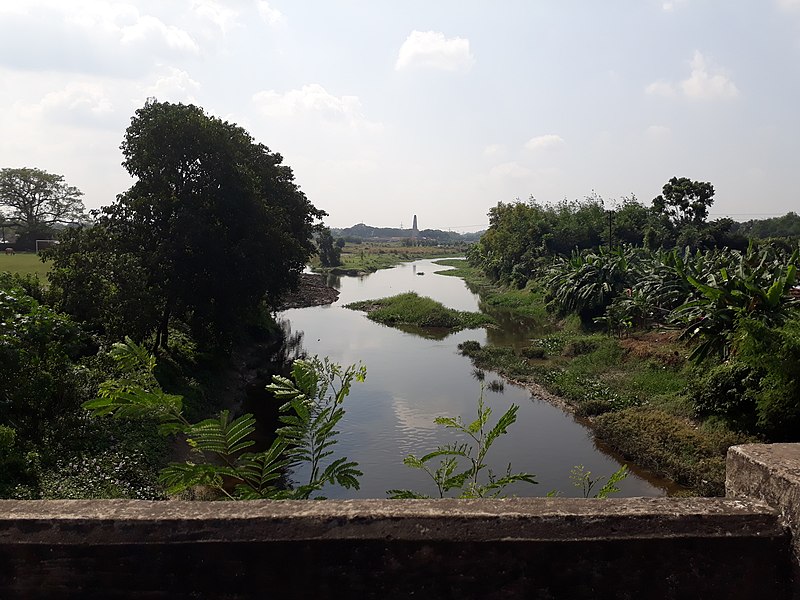
Bhāgalpur was also one of the commercial centres from which merchants sailed towards ' Suvarnabhumi'.
But by far the greatest port of Bengal was Tāmrālipti.
But by far the greatest port of Bengal was Tāmrālipti.
Tāmrālipti is refered in Mahavamsa as 'Tamalitta', and is probably refered in 'Periplus' which describes "a great commercial city on the mouth of the Ganges, which traded in cloth of delicate texture and extreme beauty."
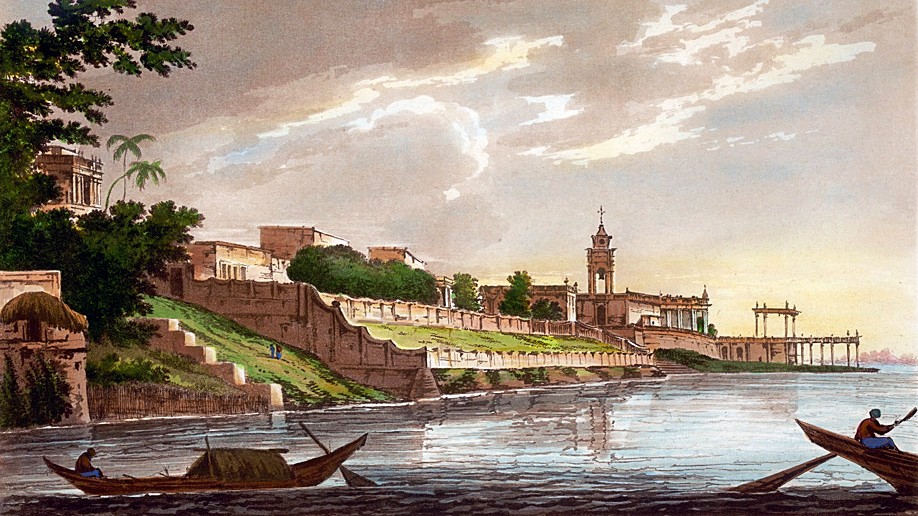
Xuanzang in c. 635 AD, speaks of Tamluk or Tāmrālipti as an important Buddhist harbour, with 20 monasteries, 1000 monks, and a pillar of Ashoka 200 feet high.
I-tsing, who came after Xuanzang states that:
" Tamalipti is forty yojanas south from the eastern limit of India.... There are 5-6 monasteries, people are rich... This is the place, where we embarked when returning to China."
" Tamalipti is forty yojanas south from the eastern limit of India.... There are 5-6 monasteries, people are rich... This is the place, where we embarked when returning to China."
@rattibha , compile
Loading suggestions...