

From the first century A.D through to early Byzantine period, it was the custom in Egypt to bury those who could afford it in mummies onto which were bound superb encaustic portraits of the deceased; in some cases full-length pictures were painted onto the winding sheet itself.

These portraits are still so astonishingly realistic and lifelike that even today, in reproduction, they can make you gasp as you find yourself staring eyeball to eyeball with a soldier who could have fought at Actium, or a society lady who may have known Cleopatra.
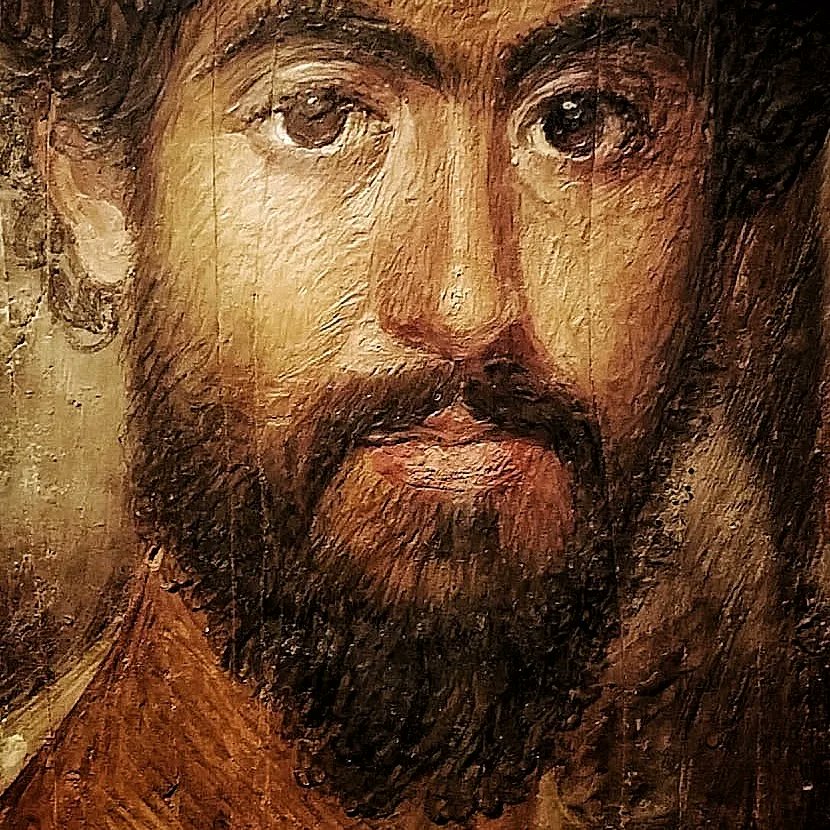
As Andre Malraux put it, the portraits 'glow with the flame of eternal life'.
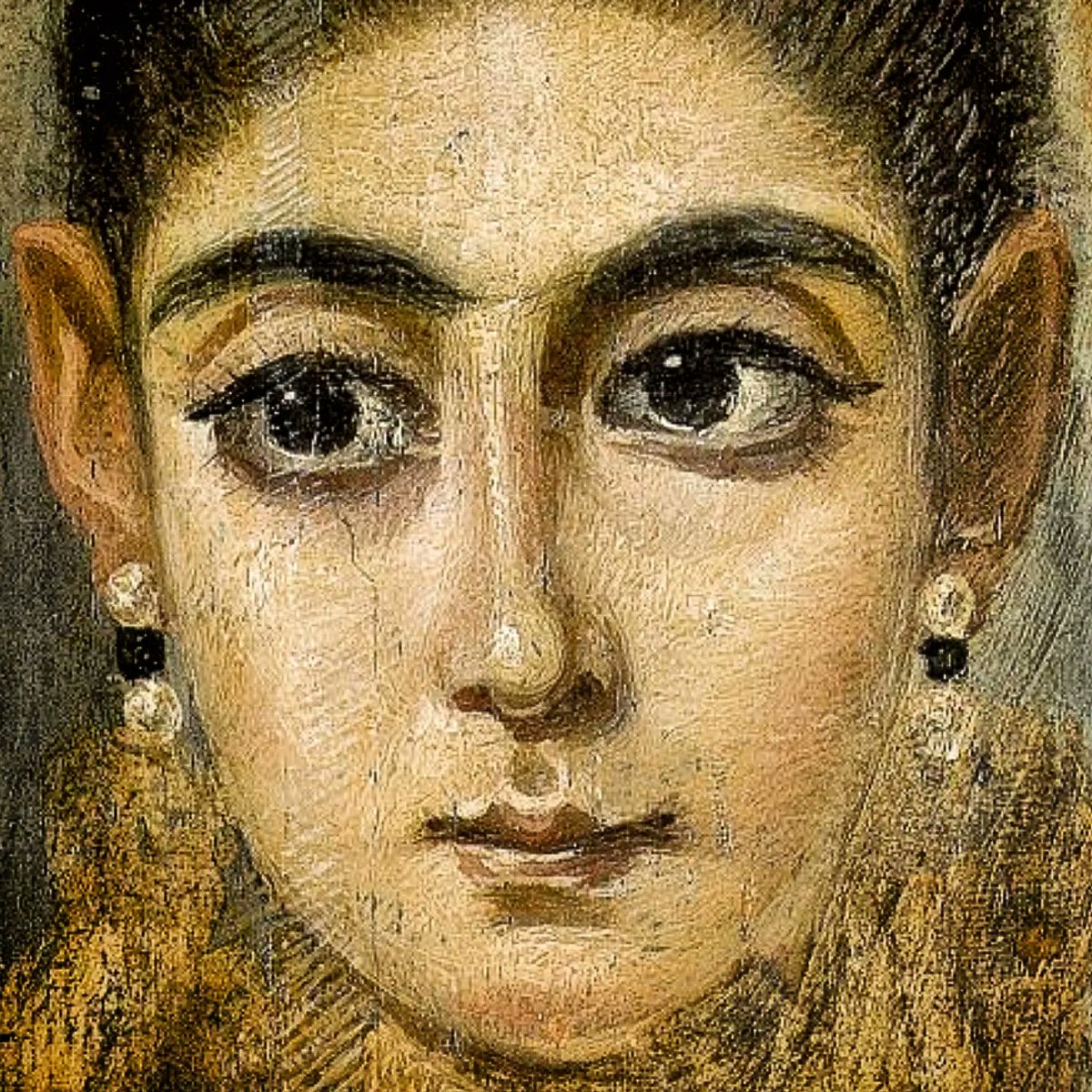
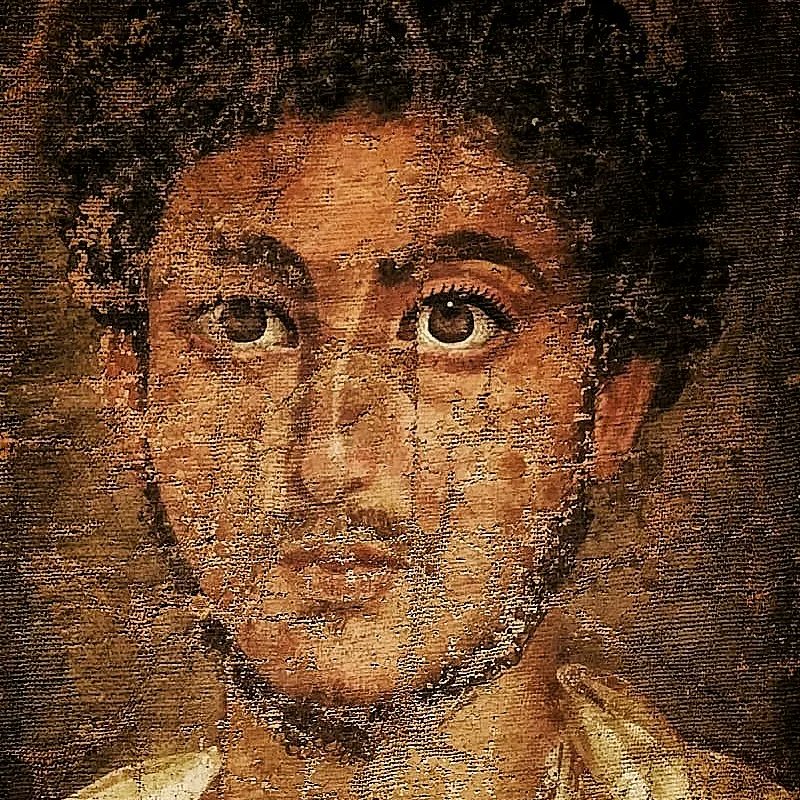
There is something deeply hypnotic about the silent stare of these sad, uncertain Graeco-Roman faces, most of whom appear to have died in their early thirties. Their fleeting expressions are frozen, startled, as if suddenly surprised by death itself.
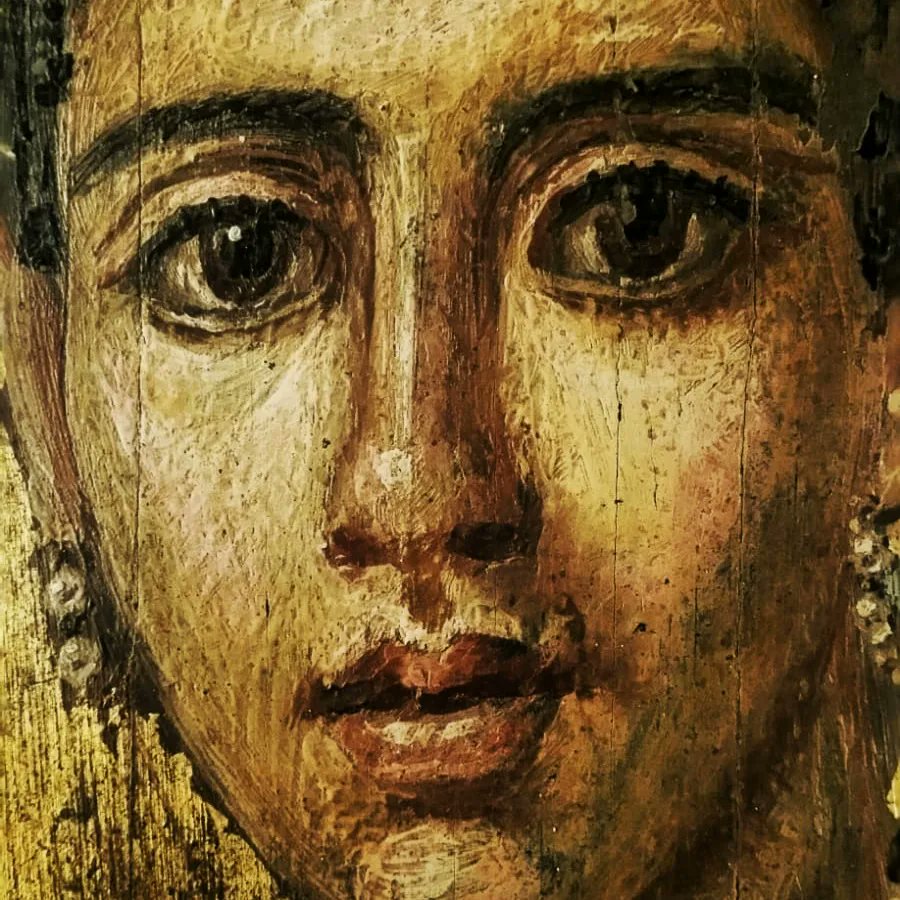
The viewer peers at them trying to catch some hint of the upheavals they witnessed and the strange sights they saw in late antique Egypt. But the smooth neo-classical faces stare us down.
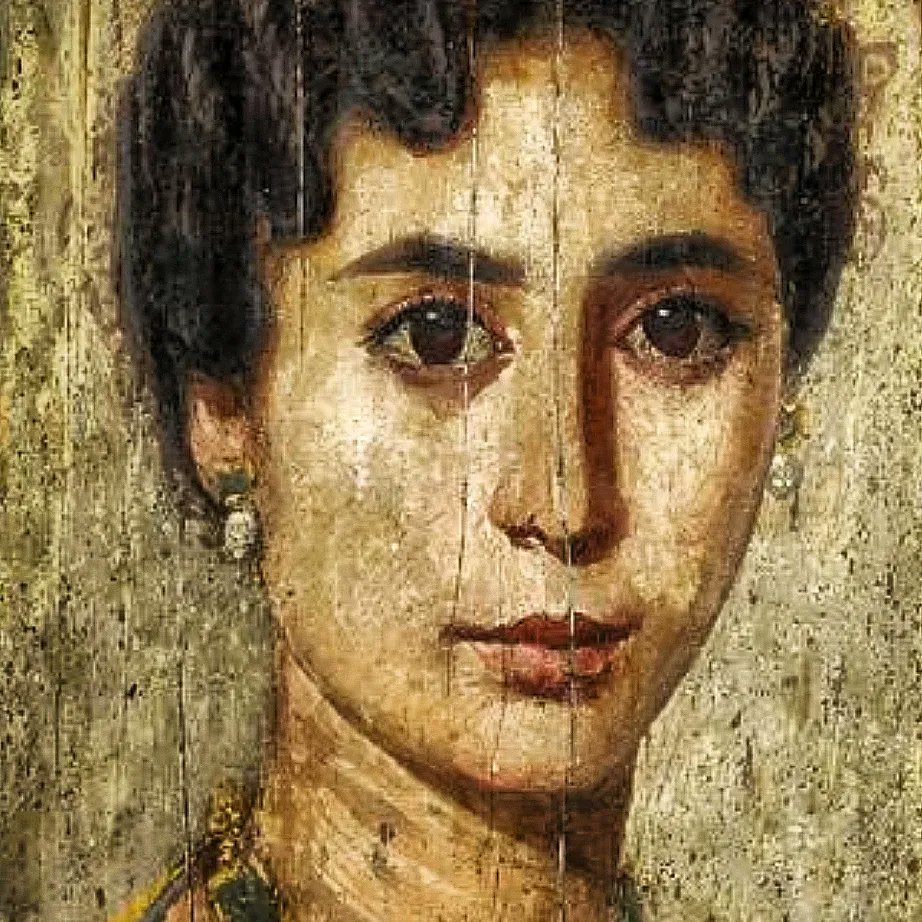
Perhaps the most disconcerting thing about these mummy portraits is that they appear so astonishingly familiar: the colours and technique of some of them resemble Frans Hals, others Cezanne.
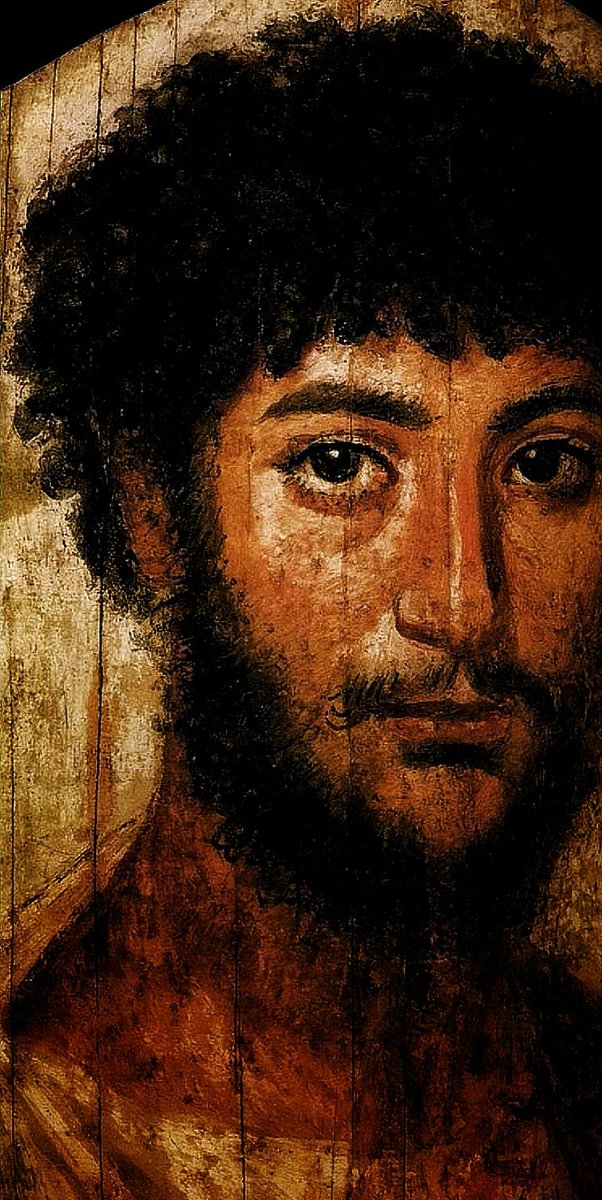
Two thousand years after they were painted the faces still convey with penetrating immediacy the character of the different sitters: the fop and the courtesan, the anxious mother and the tough man of business, the bored officer in the army and the fat nouveau-riche matron.
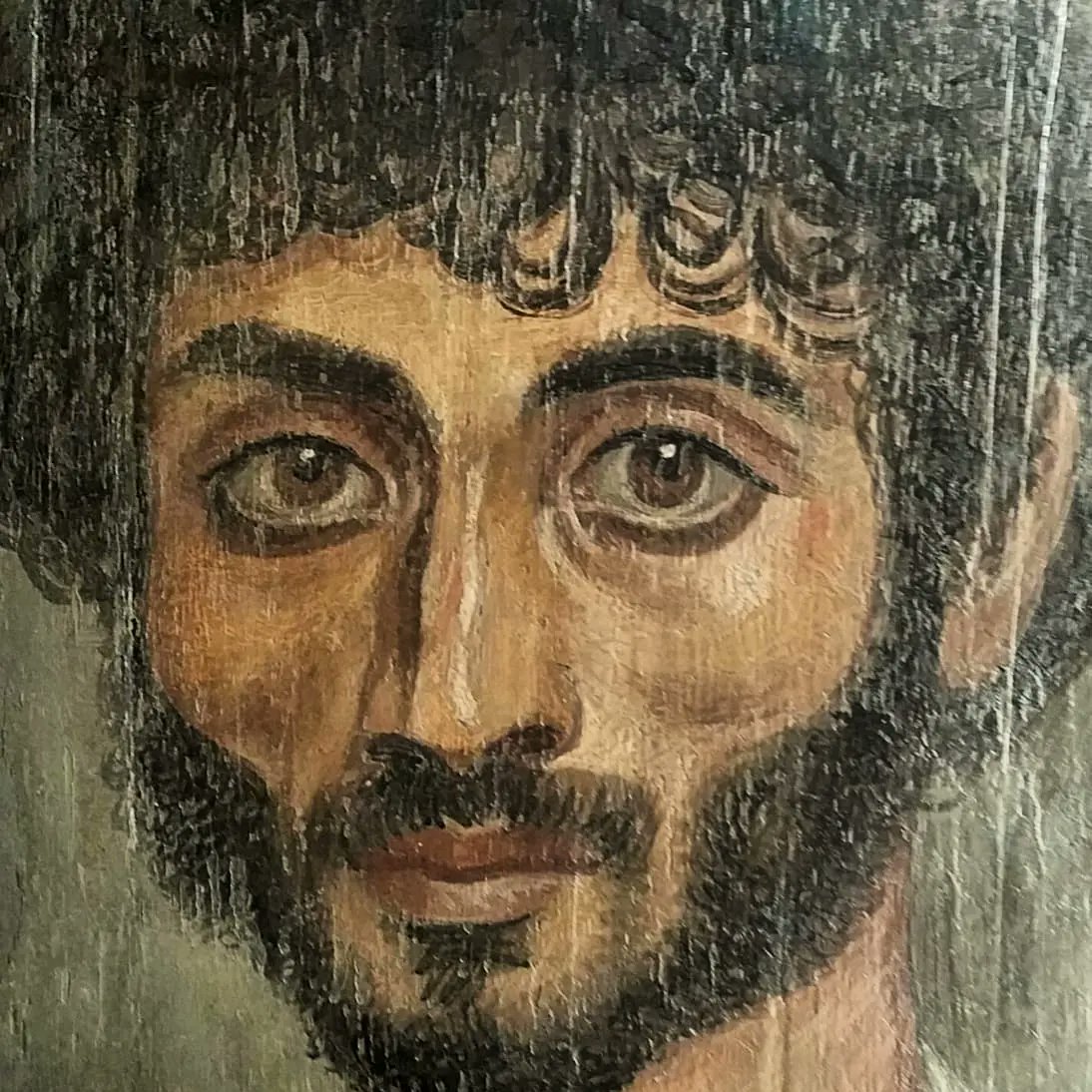
Indeed contemporary are the features, so immediately recognisable the emotions that play on the lips, that you have to keep reminding yourself that these sitters are not from our world, that they are masks attached to Egyptian mummies.
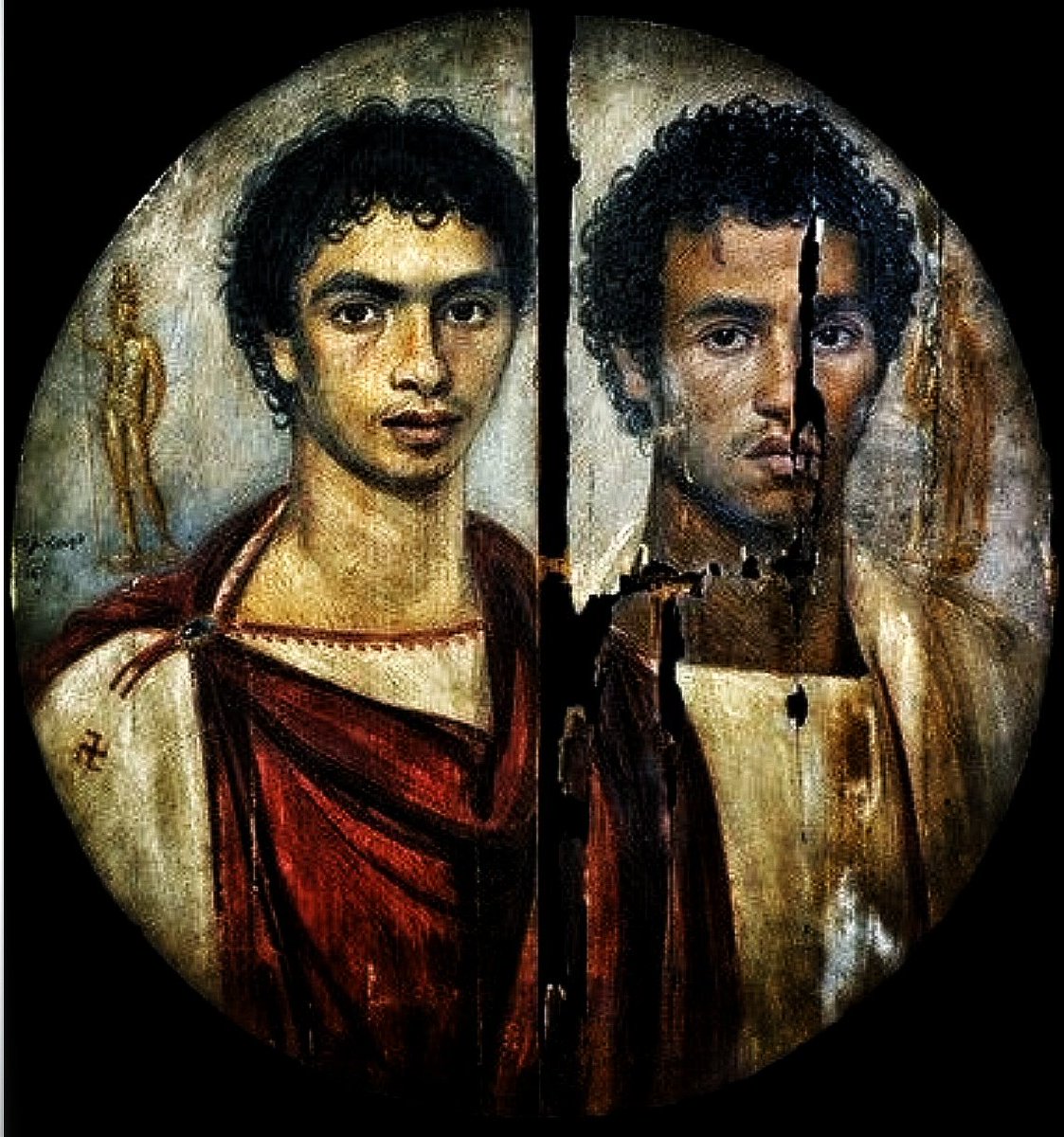
If as Otto Demus observed, 'the icon is the root-form of the European picture', in these mummy-portraits we see the immediate genesis of the icon
Loading suggestions...