

L2s are probably the most important part of Ethereum scaling over the next 12-24months. Even more than the merge. So I wanted to do a bit of research on how L2s are growing and what the path forward for them might look like. 🧵
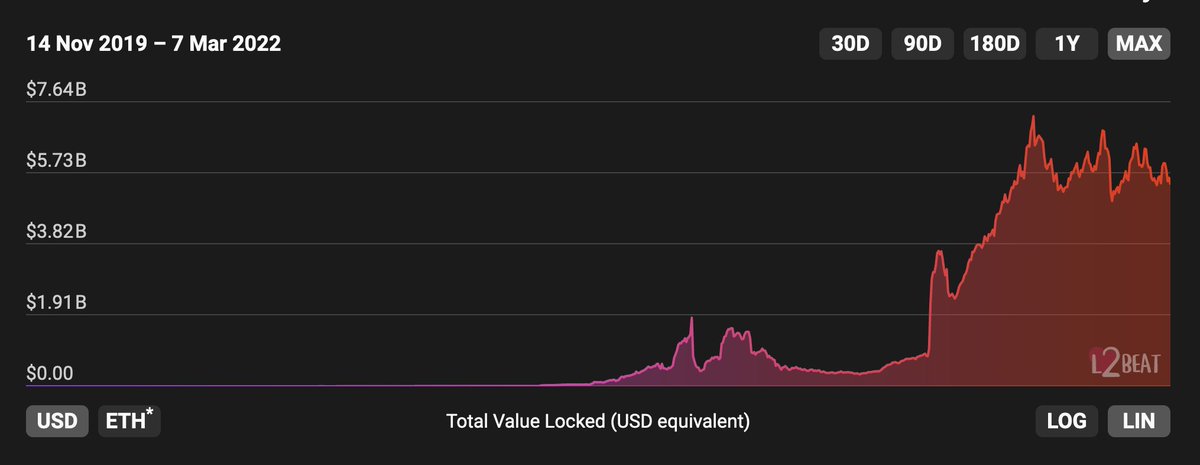
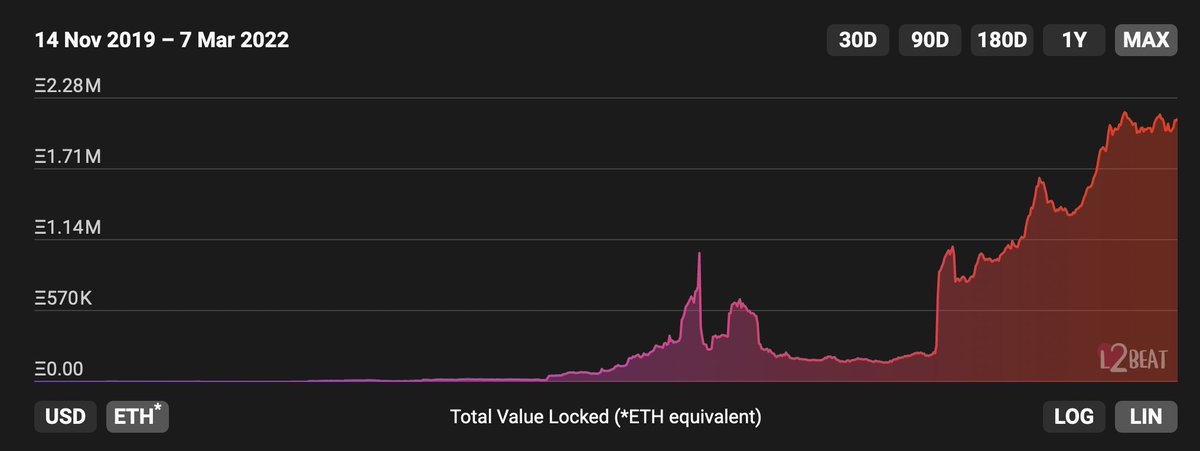
L2 growth has been pretty tremendous over the last 12 months. Growing ~100x from 50M in Jan 2021 to approximately 5.5B today. While it may look like TVL has dipped a bit in USD terms, TVL in ETH is close to ATHs
Source: l2beat.info
Source: l2beat.info
L2s are consuming a little bit under 1% of ETH gas a day on average. With the upgrades to @optimismPBC and @arbitrum (calldata compression), this chart may go down in the short term. Nitro was launched recently and the Optimism upgrade goes live next week.
Source: @PaoloRebuffo
Source: @PaoloRebuffo
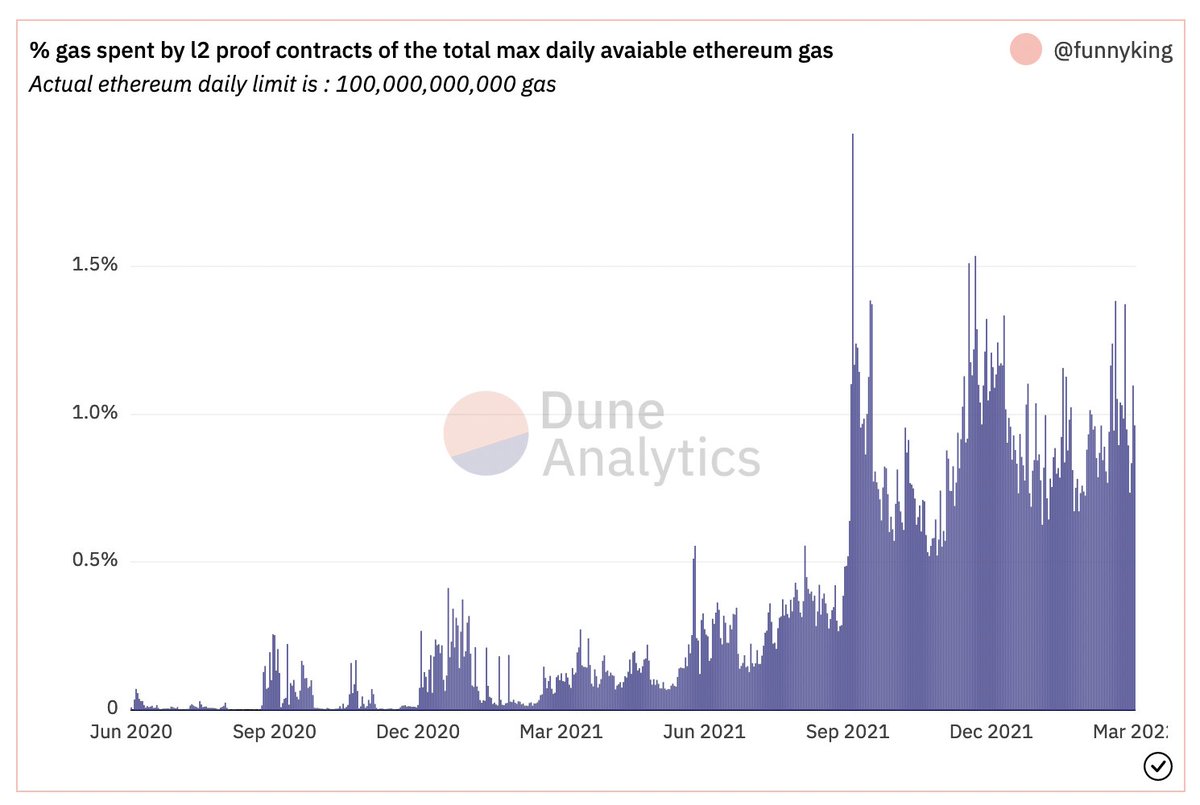
Calldata compression may cause L2 Ethereum gas usage to go down in the short term. Because the gas usage of rollups posting checkpoints to Ethereum L1 will go down. This is a good thing because it means that txs on rollups will get cheaper, even with the same # of txs
For rollups to really achieve scale and PMF, I would expect L1 gas usage to be more like 10-50% (and higher). What does the Ethereum ecosystem need to get us there?
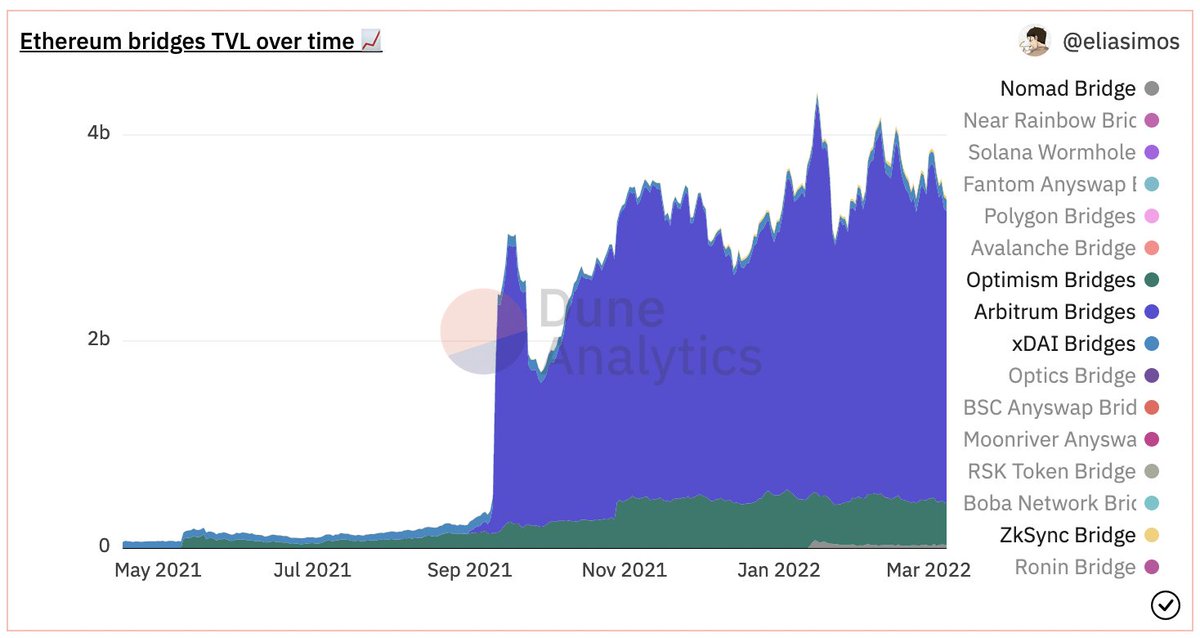
One important piece is bridges. Bridges allow users to move tokens from L1 -> L2. Bridge protocols had a huge 2021. Expect this to become even more bigger if hop launches a token/airdrop and we see better bridge support from exchanges @coinbase
Credit: @richardchen39&@eliasimos
Credit: @richardchen39&@eliasimos
Dapps & Infrasturcture are also important. A lot of DeFi apps have already deployed on L2. Expect to see more L2 deployments as bridges improve. Wallets are also important infra. M3tamask has had L2 support for a while now, and other popular wallets like @rainbow do too
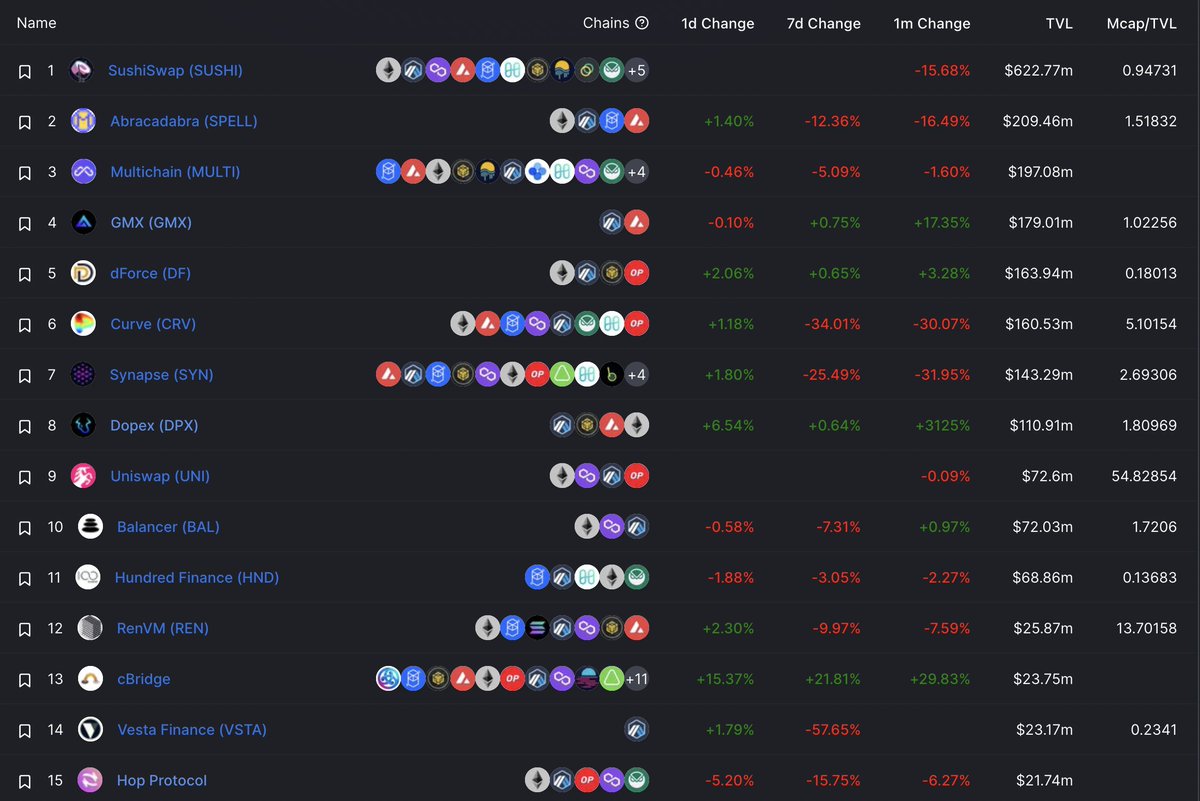
The UX around bridges and multichain asset tracking should improve dramatically in 2022. I think we will see most wallets race towards bridge aggregation, just like the raced towards DEX aggregation in the past.
This thread mainly focused on Optimistic rollups, because they are the most widely available and accessible rollups today, but ZK rollups are quickly gaining steam too. Watch out for @StarkWareLtd and @zksync in this category
My takeways from this thread:
* L2s are getting cheaper
* Bridge UX & availability is improving
* L2 scaling is more important than the merge for making Ethereum accessible to everyday users (low fees)
* L2 improvements create a flywheel where more usage means lower fees
* L2s are getting cheaper
* Bridge UX & availability is improving
* L2 scaling is more important than the merge for making Ethereum accessible to everyday users (low fees)
* L2 improvements create a flywheel where more usage means lower fees
Loading suggestions...