
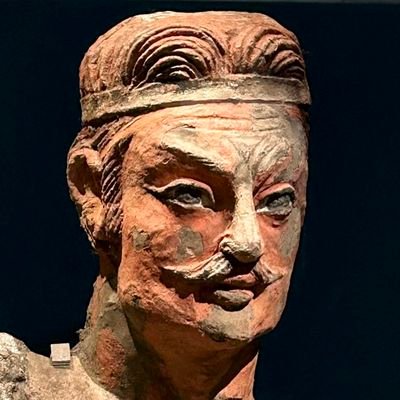
According to Bakker, the Aulīkara's association with Pāśupata Śaivism was not just a case of personal devotion, but also symbolized their resistance to the Hūṇas, who had overran much of North India by the time. The Aulīkaras drew strength from their faith.
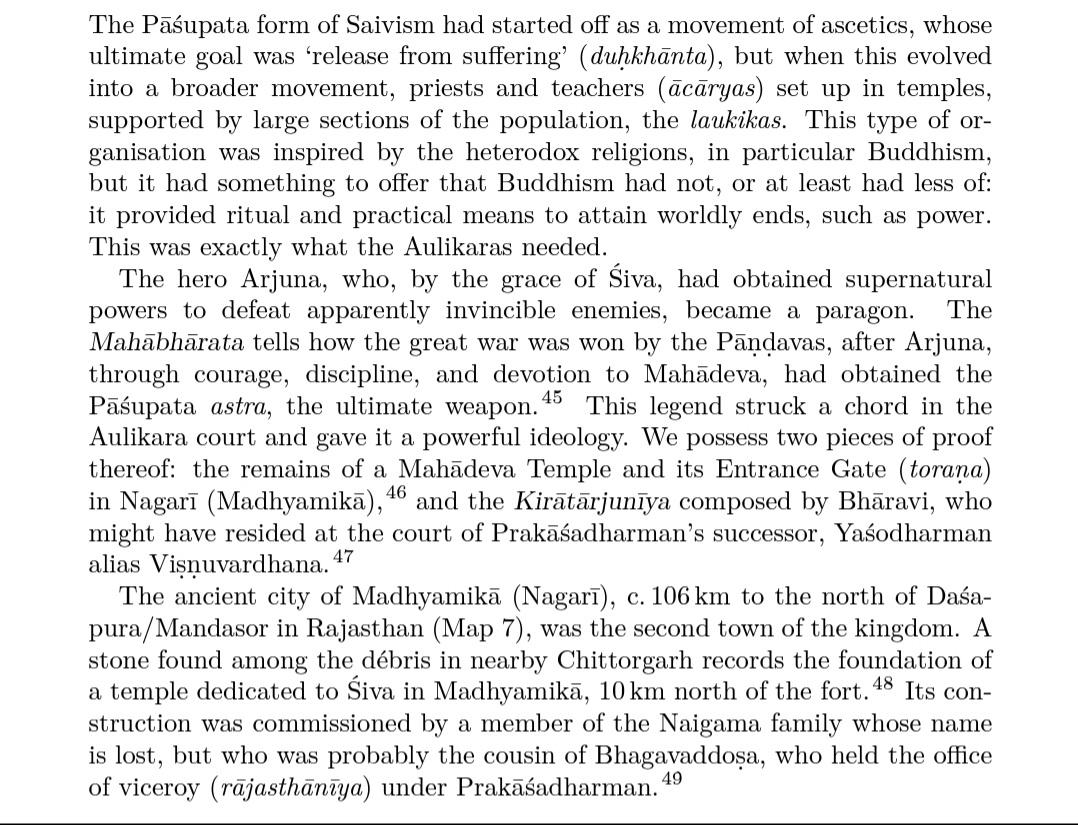
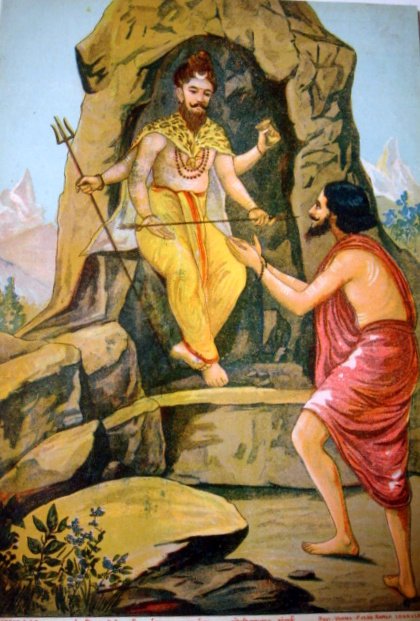
North India after the Guptas, and especially after Harṣavardhana, was divided in many states. The 3 great empires fought for the control of Kannauj in the Tripartite struggle, vassals often overthrew their overlords, new dynasties arose. An era marked by military adventurism.
The age saw the rise of Pāśupatas as major actors on the political scene. A lot of kings patronized Śaivism. One may argue that it was due to the ascetics ability to "sacralize" violence, that their royal patrons were acting in the way of Mahākāla.
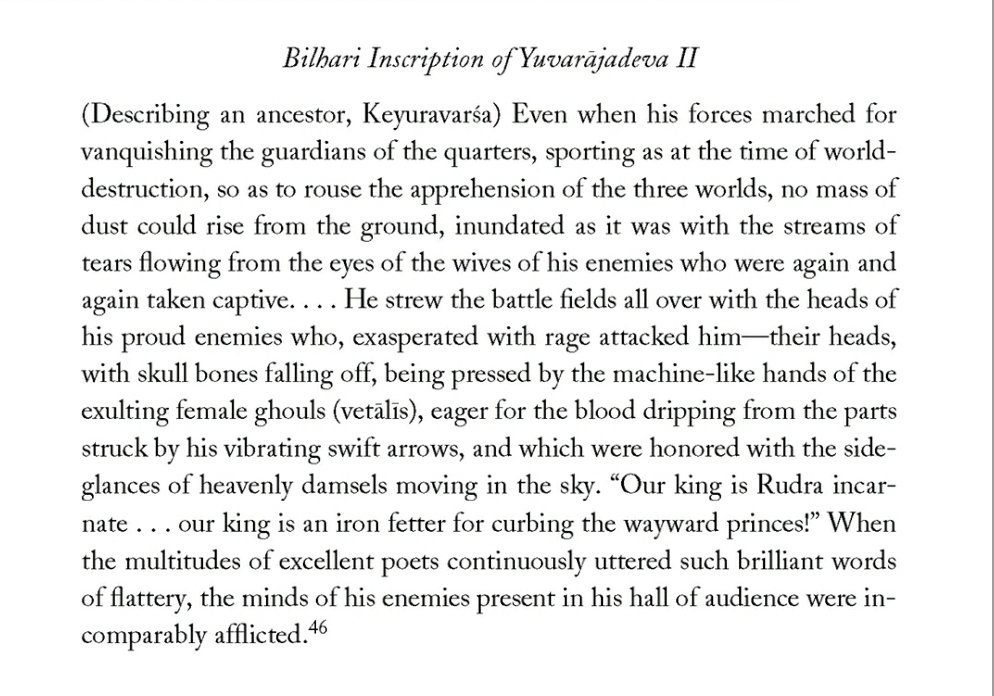
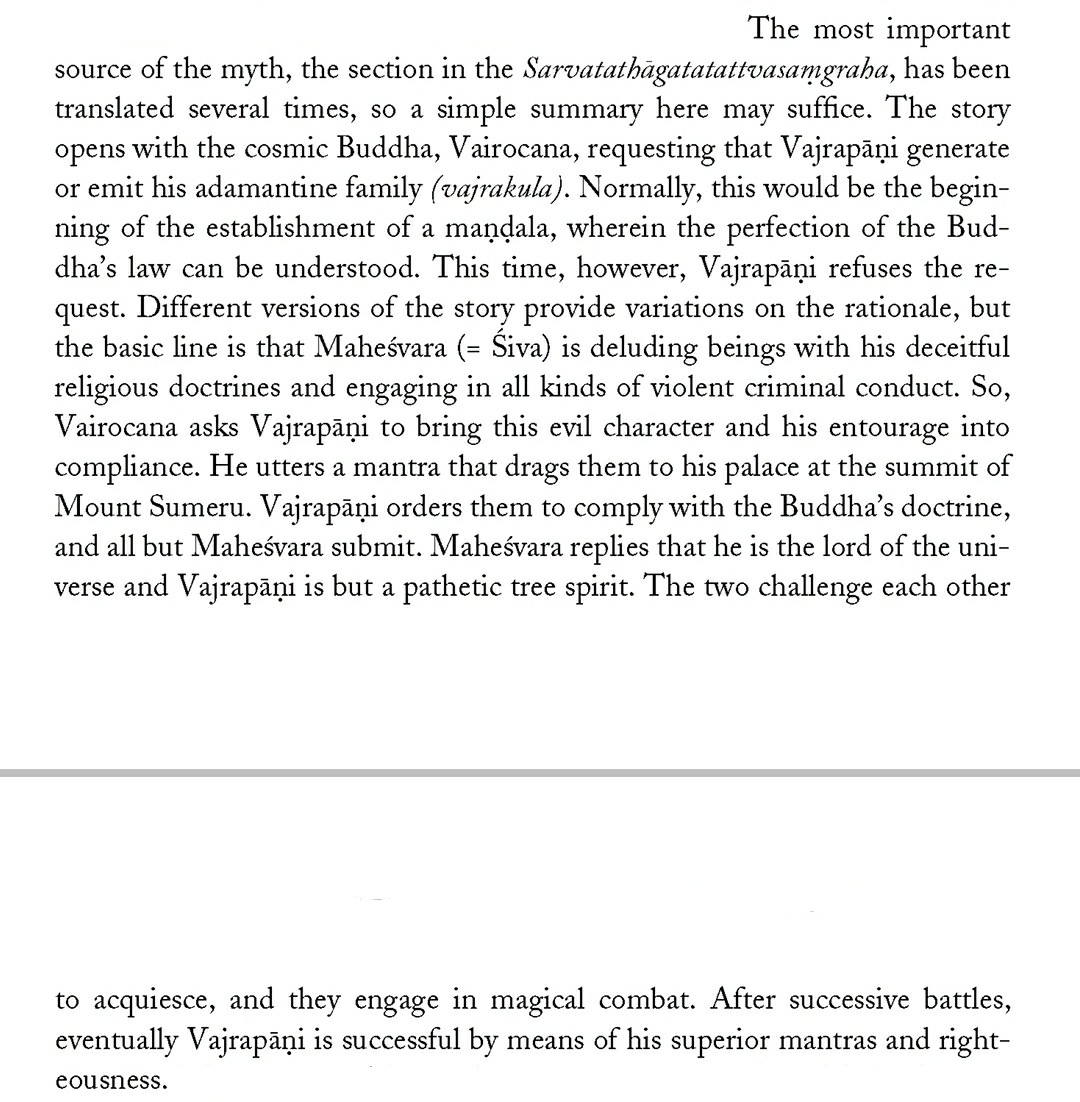
Śaivism was certainly a powerful force can be attested from the stories of Tantric Buddhists, who were also competing for royal patronage. In the stories of Vairocana (the cosmic Buddha) and Vajrapāṇi, Maheśvara is the primary antagonist.
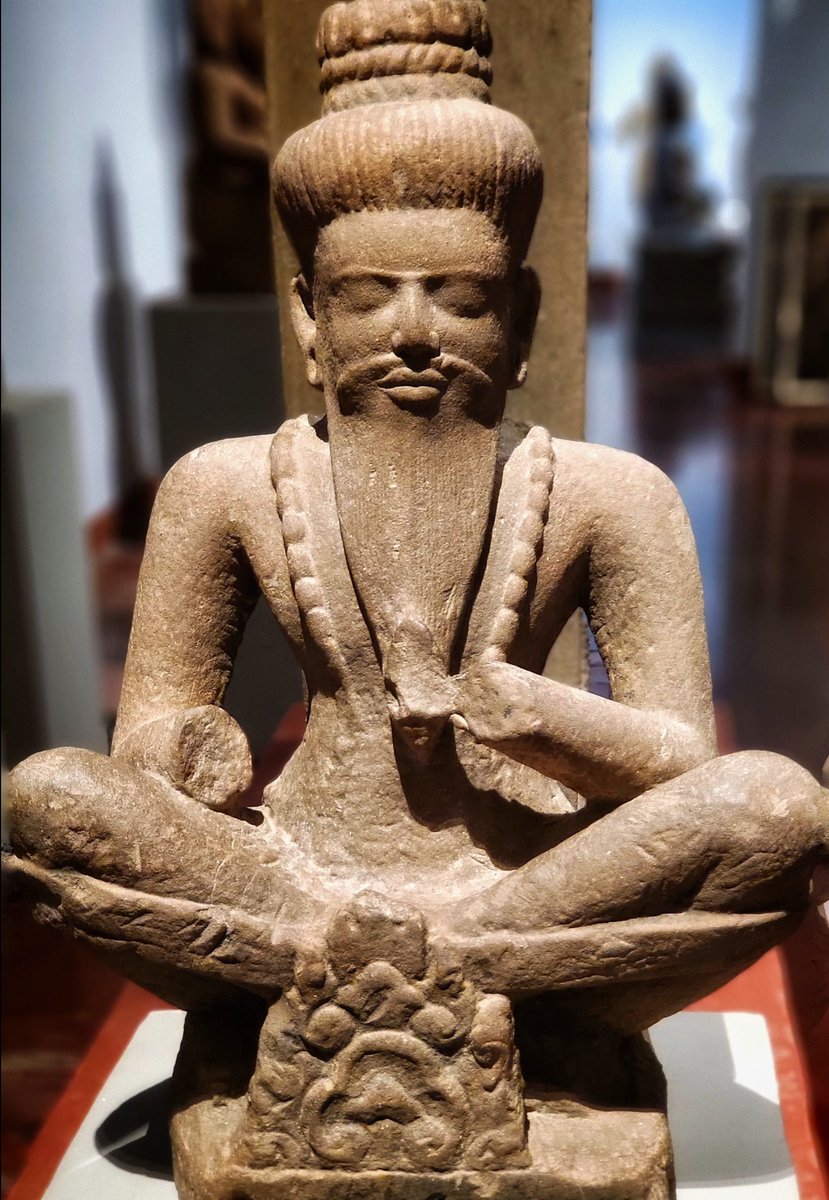
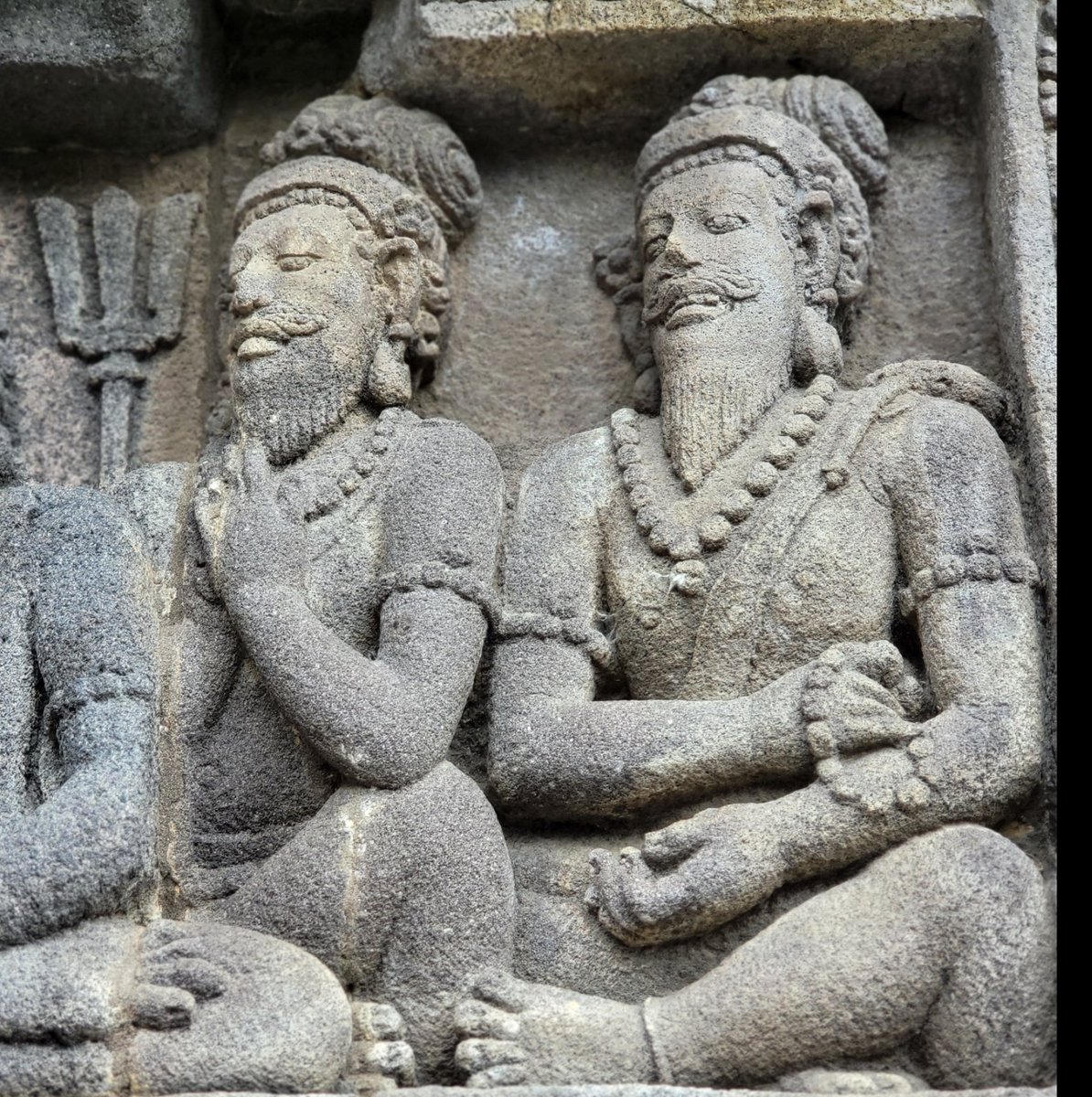
Pāśupata ascetics were not just limited to India, for they soon became royal priests and gained other positions of power in the Hindu kingdoms of Southeast Asia, especially Cambodia.
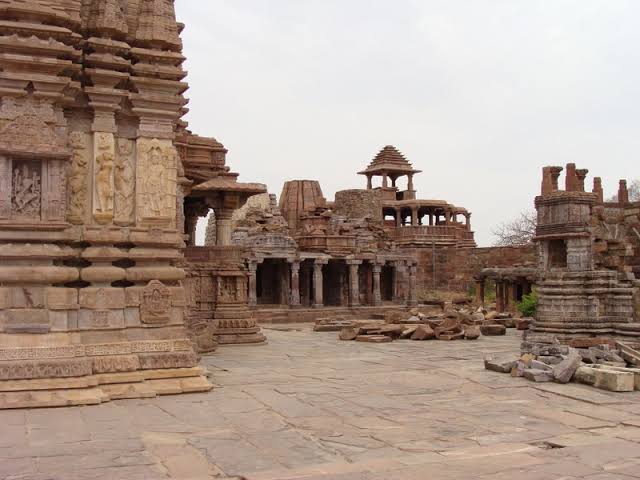
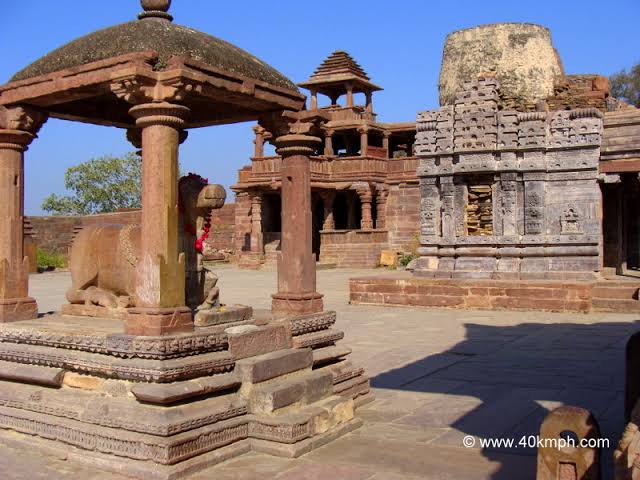
The Cāhamānas of Shakhambari were probably the last great patrons of Pāśupatas as seen from the Menal temple and monasteries in Rajasthan. Lakulīśa's images, inscriptions extolling Prithviraja II's wife, Sūhavadevī.
Now as per some sources, Cāhamāna's (the historical fig.) father—Virochana, was either a Malāva or was atleast their feudatory. In any case, this connection can explain the continuity of Pāśupata patronage in North, from Yashodharman to Prithviraja Chauhan.
Loading suggestions...