

Open Source Intelligence (#osint) is based on the use of hundreds of open source tools. In my experience, the main problem of good #opensource tools is extremely LOW number of users.
In this thread I will tell how independent developers find their audience (free)🧵🧵⬇️ (1/14)
In this thread I will tell how independent developers find their audience (free)🧵🧵⬇️ (1/14)

(3/14) Test your product on different operating systems
Ideally, you should install several virtual machines on your computer. VM images can be found here:
Linux - osboxes.org
Windows (legal, free 90 days) - developer.microsoft.com
MacOS - developer.apple.com
Ideally, you should install several virtual machines on your computer. VM images can be found here:
Linux - osboxes.org
Windows (legal, free 90 days) - developer.microsoft.com
MacOS - developer.apple.com

(4/14) Spend a LOT of time designing the #Github repository
Make at least 5 example commands to run
Describe EVERY function
Add pictures and tags
Describe any pitfalls you found when testing with different systems
Add your contact information
Make at least 5 example commands to run
Describe EVERY function
Add pictures and tags
Describe any pitfalls you found when testing with different systems
Add your contact information

(5/14) Create a project website with detailed documentation
For example, you can simply have a web page on Github Pages (this is very fast and not badly indexed by search engines).
You can also use special sites to host technical documentation (readthedocs.org etc)
For example, you can simply have a web page on Github Pages (this is very fast and not badly indexed by search engines).
You can also use special sites to host technical documentation (readthedocs.org etc)

(6/14) The more time you spend on the first four points, the more payback you will get on the next steps.
And if your tool doesn't run on #Ubuntu on the first try and doesn't have a proper README, the work described in the following steps is pointless!
And if your tool doesn't run on #Ubuntu on the first try and doesn't have a proper README, the work described in the following steps is pointless!
(7/14) Get product accounts on social media
Promoting something from scratch is a very long and arduous process.
Start with those platforms where you already have accounts with at least some readers and from where you can redirect people to your new page
Promoting something from scratch is a very long and arduous process.
Start with those platforms where you already have accounts with at least some readers and from where you can redirect people to your new page

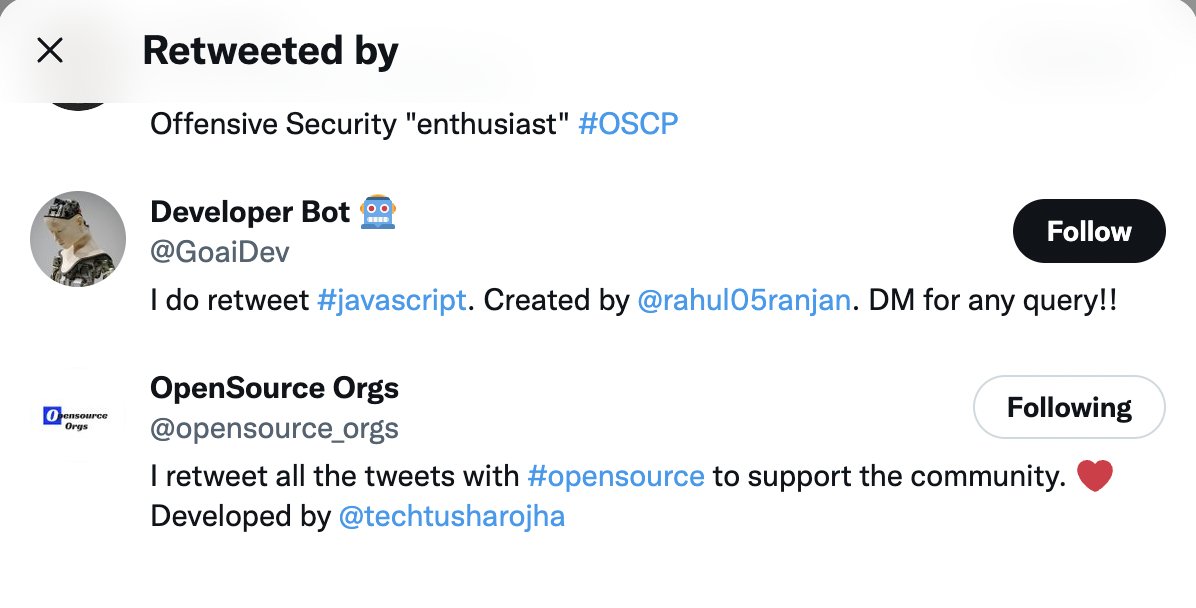
(8/14). Make tweets about your project and use the two main tricks (works even without followers):
1. Use tags that popular bots retweet - #python, #opensource, #javascript etc
2. Tag the accounts of popular tech bloggers who frequently tweet about tools similar to yours
1. Use tags that popular bots retweet - #python, #opensource, #javascript etc
2. Tag the accounts of popular tech bloggers who frequently tweet about tools similar to yours
(9/14) Make posts in themed subreddits on #Reddit:
For example:
reddit.com
reddit.com
reddit.com
reddit.com (but it's better to start with smaller subreddits)
For example:
reddit.com
reddit.com
reddit.com
reddit.com (but it's better to start with smaller subreddits)

(10/14) If your project has something to do with cybersecurity, try making a post on #HackerNews
news.ycombinator.com
It will probably only get a few dozen pluses, but they will be pluses from a quality audience.
news.ycombinator.com
It will probably only get a few dozen pluses, but they will be pluses from a quality audience.

(11/14) Look for related questions on #Quora, #Stackoverflow, #Stackexchange, #Askubuntu
Register accounts and add detailed answers to them with examples of commands and the name of your tool (best to avoid direct links to avoid being blocked)
Register accounts and add detailed answers to them with examples of commands and the name of your tool (best to avoid direct links to avoid being blocked)

(12/14) Ask to be added to themed collections
There are a lot of different themed collections on Github. Write to the contributors asking them to add your project. Not much traffic comes from collections, but, their owners are often have blogs and can make a post about your tool
There are a lot of different themed collections on Github. Write to the contributors asking them to add your project. Not much traffic comes from collections, but, their owners are often have blogs and can make a post about your tool

(13/14) Feel free to write to techno-journalists.
Google articles on the topic of your product over the last year, look at the profiles of their authors and write to them. They may not answer, but they may remember your tool and write about it when the opportunity arises.
Google articles on the topic of your product over the last year, look at the profiles of their authors and write to them. They may not answer, but they may remember your tool and write about it when the opportunity arises.
(14/14). Remember that promoting a software product is a very TRUE and LONG process. Especially if the product is highly specialized.
If you have more than 20-30 stars on Github after all the actions described above, you can consider it a great success.
If you have more than 20-30 stars on Github after all the actions described above, you can consider it a great success.
@threader compile
@threadreaderapp unroll
@threadrip unroll
@PingThread unroll
@threadreaders unroll
@TurnipSocial save
@readwiseio save thread
@tresselapp save thread
@rattibha unroll
@threadreaderapp unroll
@threadrip unroll
@PingThread unroll
@threadreaders unroll
@TurnipSocial save
@readwiseio save thread
@tresselapp save thread
@rattibha unroll
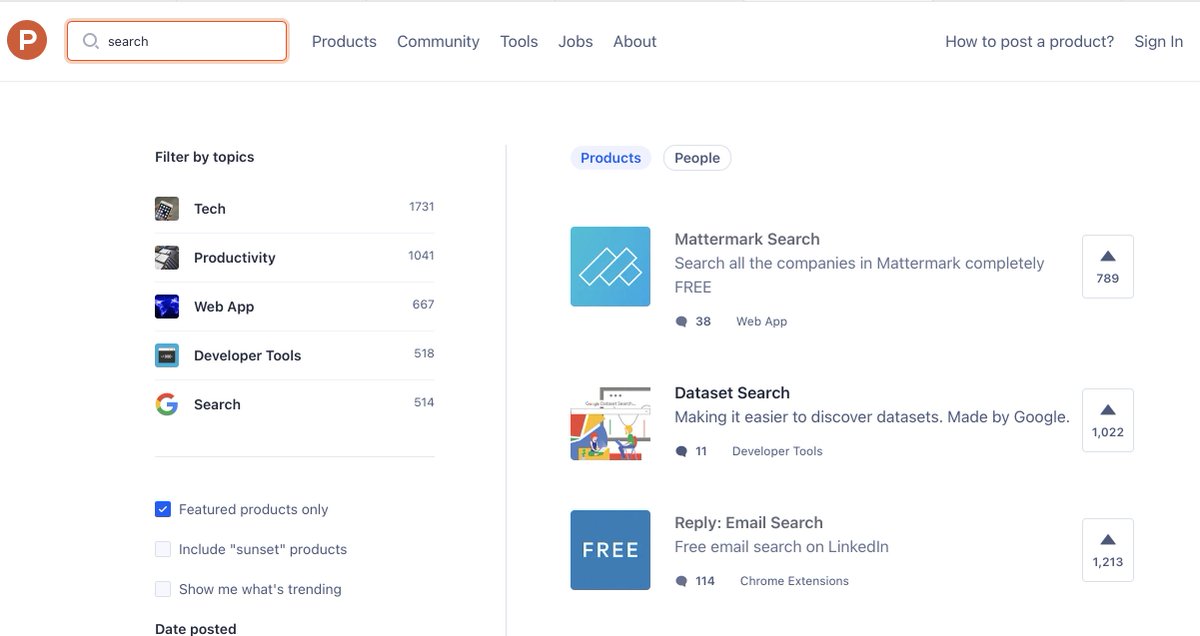
Also, single developers can make a page for their product on producthunt.com.
This will help get feedback (and if you get to the front page, LOTS of feedback). And most importantly, some of that feedback will NOT come from the developers.
🧵🧵
This will help get feedback (and if you get to the front page, LOTS of feedback). And most importantly, some of that feedback will NOT come from the developers.
🧵🧵
Loading suggestions...