

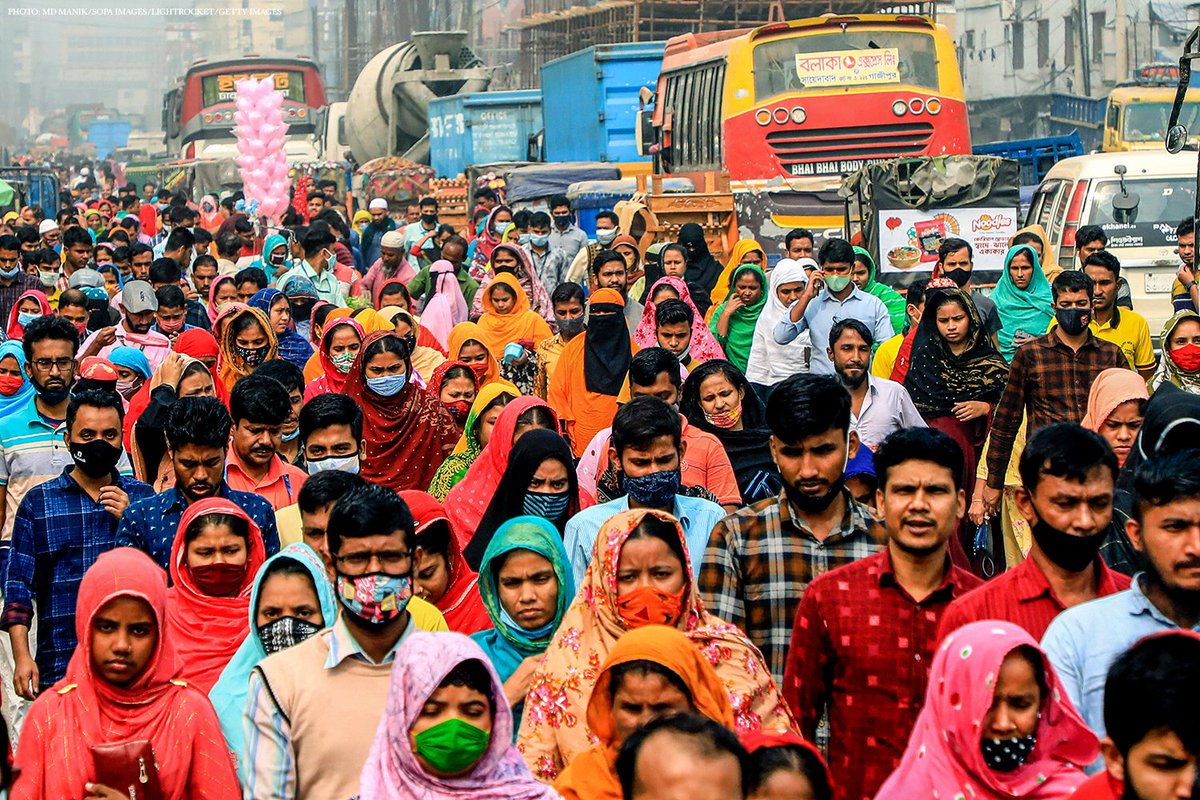
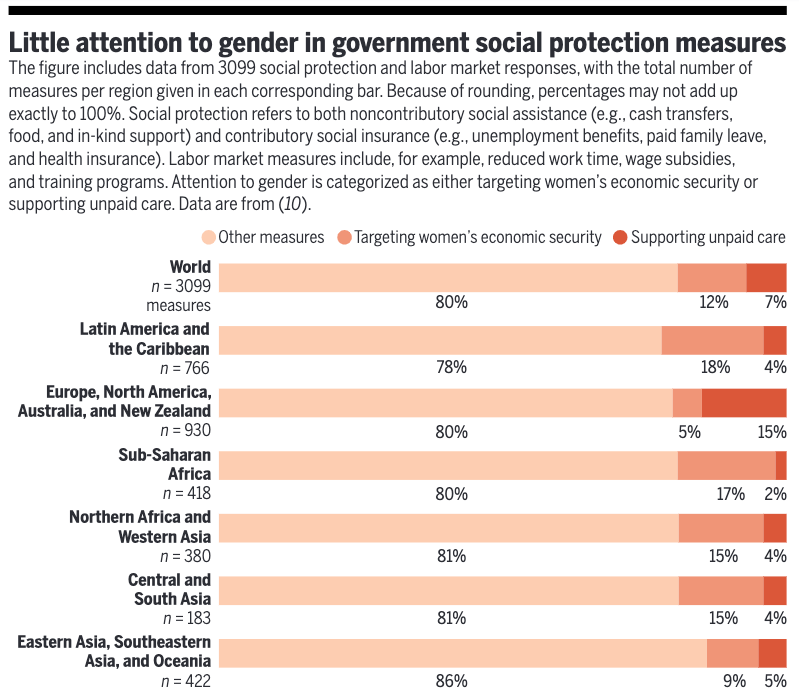
A new #SciencePolicyForum tackles how #COVID19 and the control measures used to mitigate its spread have had disproportionate detrimental impacts on the security, health, wellbeing, protection and economic opportunities of women and girls. fcld.ly
By understanding why and how zoonotic diseases emerge in humans and developing systems to track these potential events, it will be possible to be better prepared to prevent or mitigate future pandemics, argues a new #SciencePerspective. fcld.ly

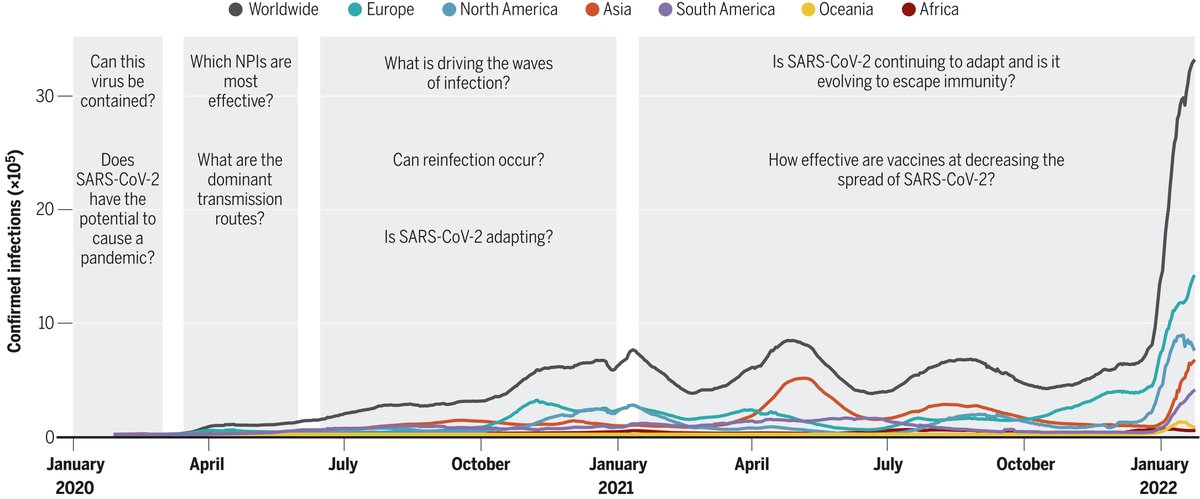
Over the past 2 years, epidemiologists and evolutionary biologists have come a long way in understanding the changing dynamics of #SARSCoV2. A new #ScienceReview retraces the steps through the questions scientists faced as the pandemic unfolded. fcld.ly
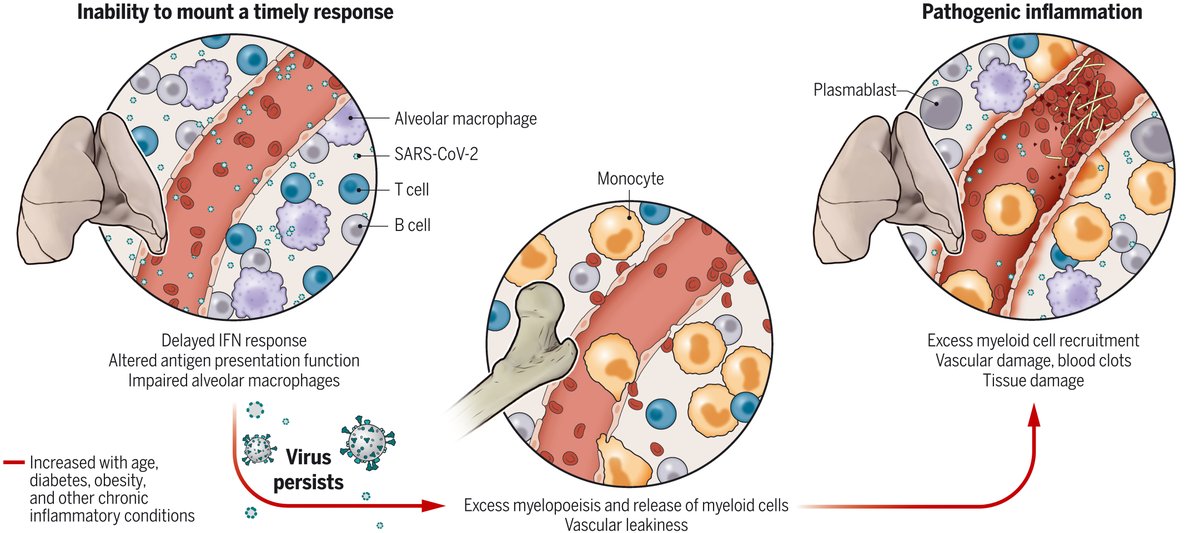
A new #ScienceReview highlights the unprecedented global research effort to decipher the immune response triggered upon #SARSCoV2 infections, identify the drivers of severe and fatal #COVID19, and understand what leads to #LongCovid. fcld.ly
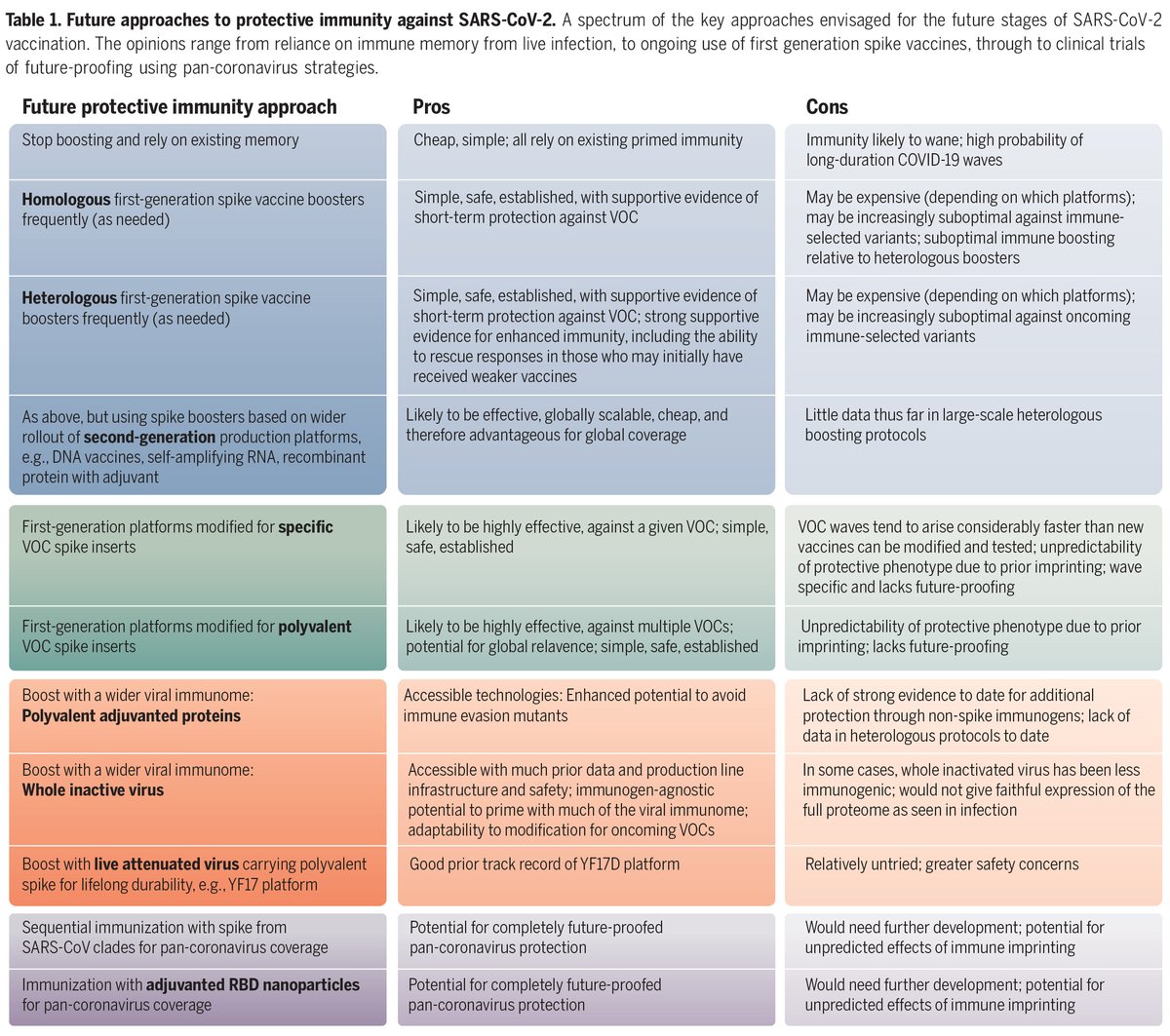
#SARSCoV2 vaccines have played a huge role in efforts to bring the #COVID19 pandemic under control, even though inequitable distribution still leaves many vulnerable. Additional challenges loom on the road ahead, argues a new #ScienceReview. fcld.ly
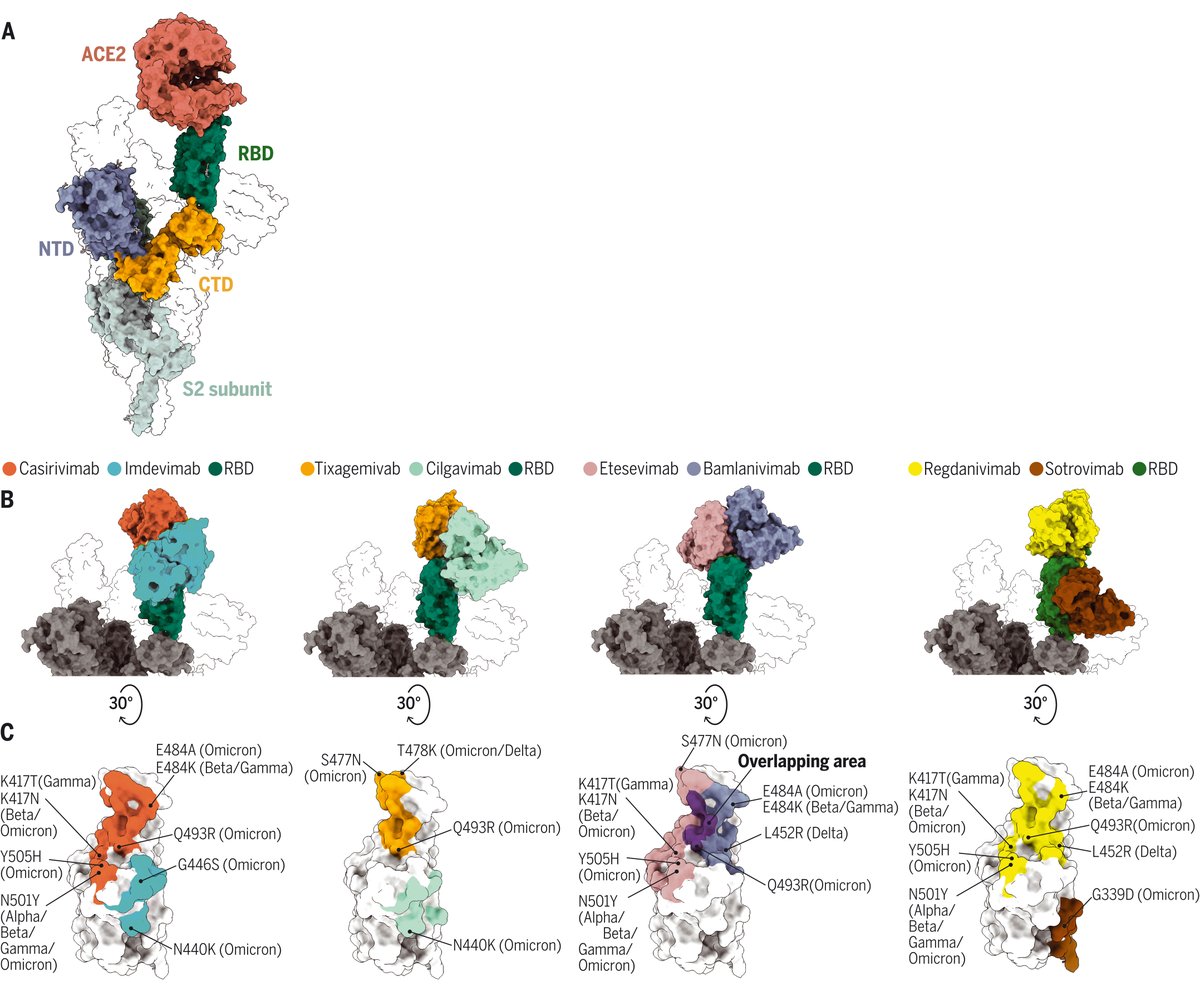
A new #ScienceReview looks at how each of the treatments approved for #COVID19 to date were built on decades of investment in technology and basic science—and recommends steps for future pandemic preparedness. fcld.ly
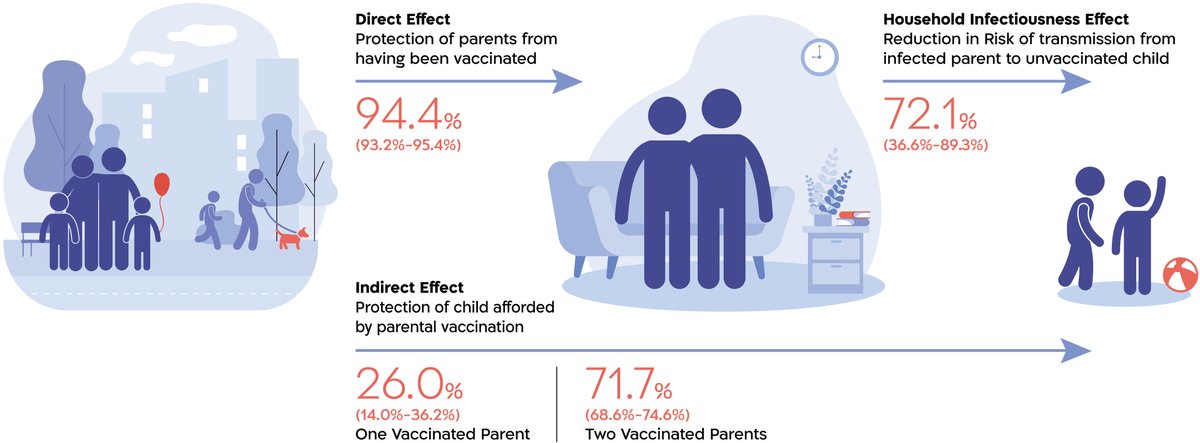
A #ScienceReport investigates whether older household members who received the Pfizer-BioNTech vaccine reduced the risk of #SARSCoV2 infection to younger children who are as yet ineligible for vaccination. fcld.ly
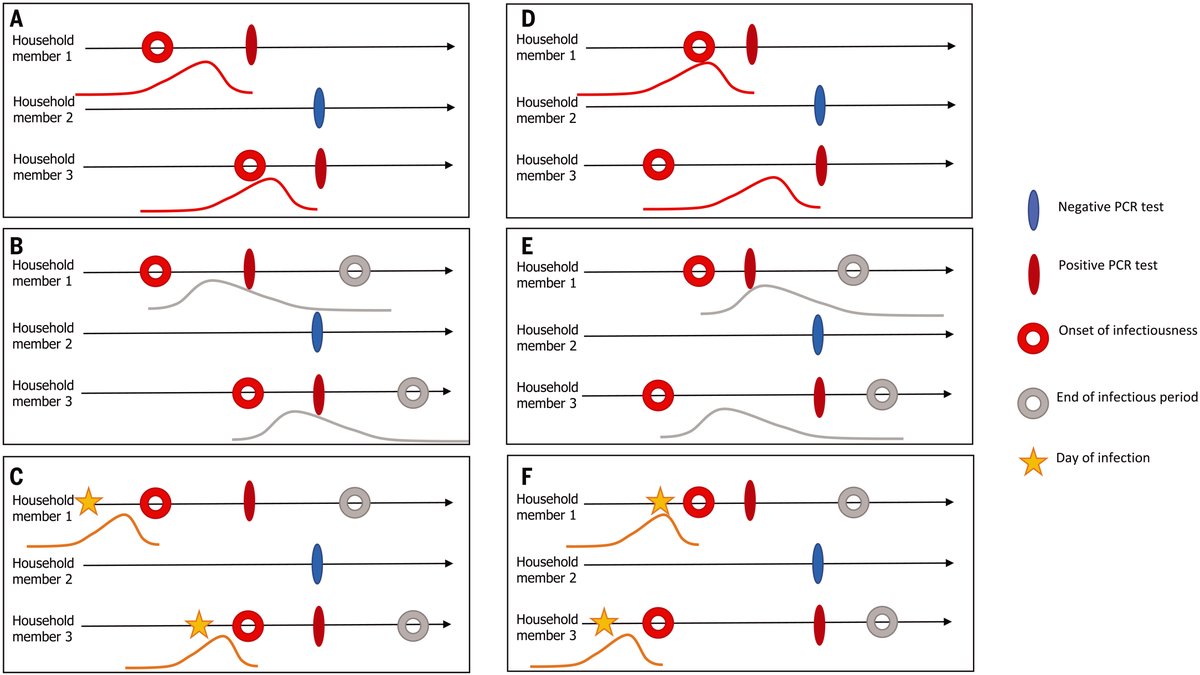
Vaccines directly protect the vaccinated but also indirectly protect the unvaccinated and immunocompromised by increasing population-level immunity. A new #SciencePerspective takes a closer look at what this means in terms of #COVID19 vaccination. fcld.ly
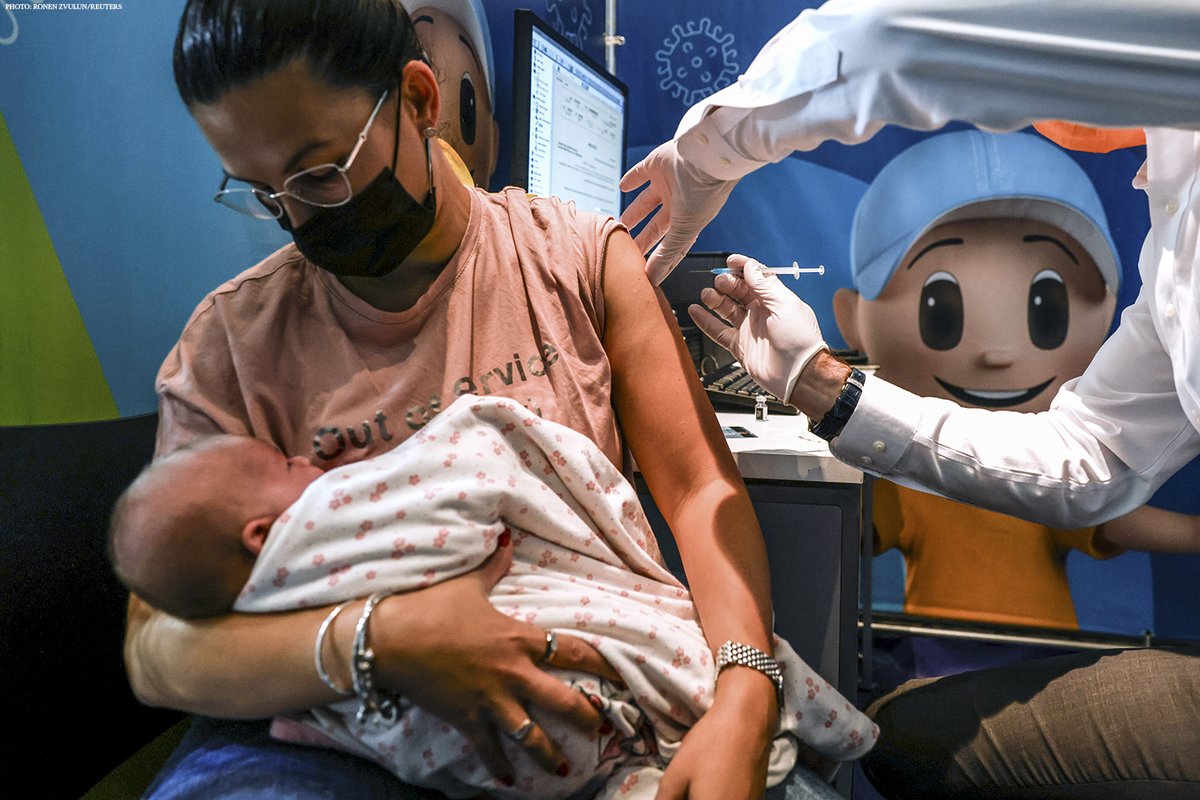
To reflect on the 2 years since #COVID19 was declared a global pandemic, #NextGenSci asked young scientists to imagine that they could go back in time and create a university course that would help scientists navigate 2020–2022.
Here's what they wrote: fcld.ly
Here's what they wrote: fcld.ly
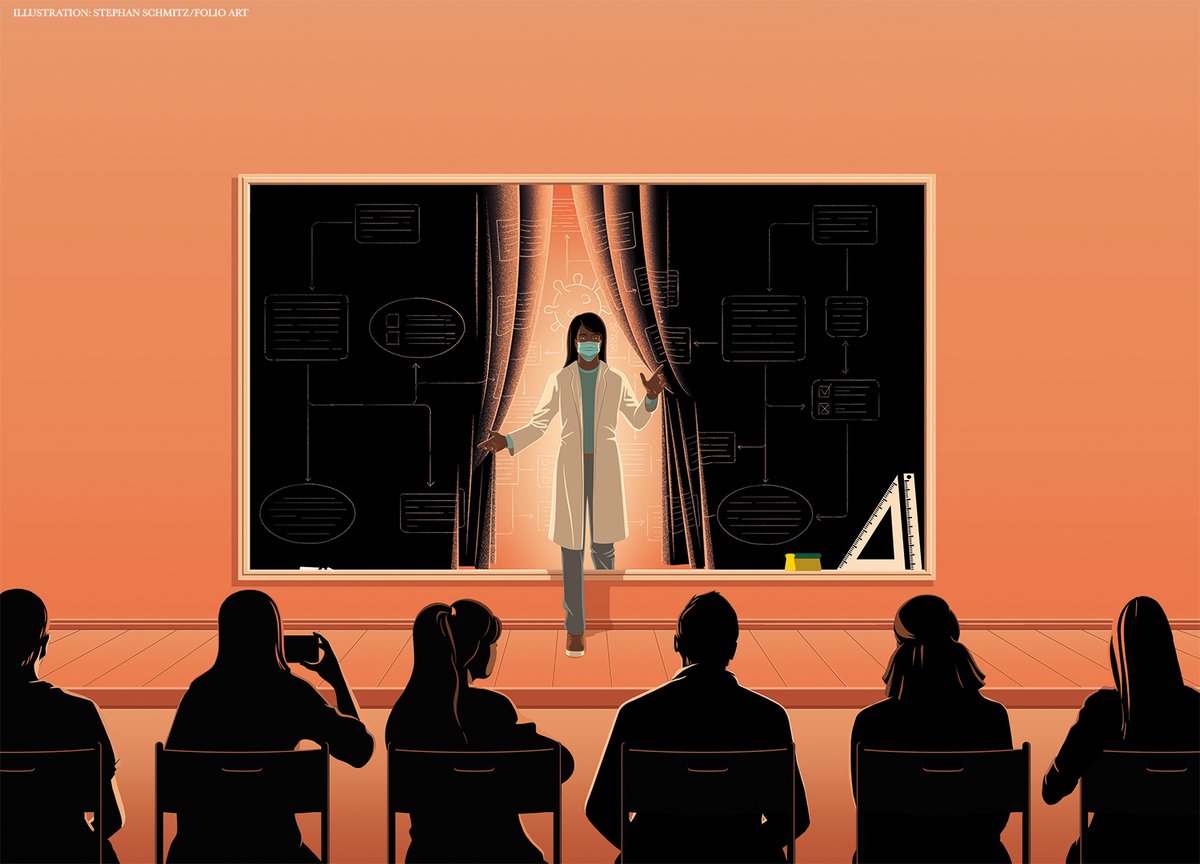
"It is imperative that the world uses science to inject [a] sense of immediacy for tackling the greatest challenges. The last 2 years have shown that together we can do great things, if we decide they are necessary," writes @chrischirp: fcld.ly #ScienceEditorial
!["It is imperative that the world uses science to inject [a] sense of immediacy for tackling the grea...](https://pbs.twimg.com/media/FN_FtwnXMAgBQfO.jpg)
Measuring #SARSCoV2 virus levels in wastewater can help track the #COVID19 pandemic. But how useful is that? A @NewsfromScience story took a closer look. fcld.ly
Deciding when to sound the all-clear on the #COVID19 pandemic is “not an enviable task,” but at some point—estimates range from months to years from now—@WHO will face a thorny decision.
Read the story from @NewsfromScience: fcld.ly
Read the story from @NewsfromScience: fcld.ly
Loading suggestions...