

THREAD: Muzaffar & Mubarak, Slavic eunuch-princes of Valencia
(1) Since its inception, the expansion of Islam into the former lands of Christendom has been a process of chaotic, kaleidoscopic interactions, from war to trade, conquest to discourse. Here follows one such story.
(1) Since its inception, the expansion of Islam into the former lands of Christendom has been a process of chaotic, kaleidoscopic interactions, from war to trade, conquest to discourse. Here follows one such story.
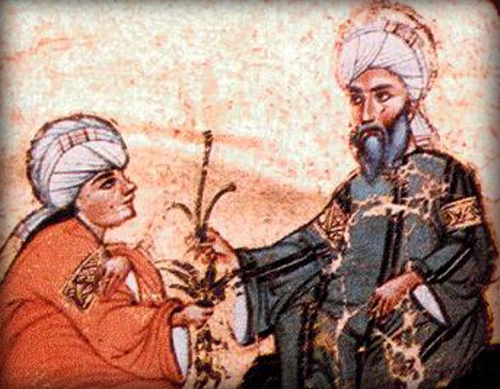
(2) As per my prior thread on the Slavs in Greece, large numbers were resettled to the Muslim frontiers. This, ofc, was not the end of the story. In time, those frontiers collapsed, and the Slavs that ended in the Muslim world became known as 'Saqaliba'
(3) In a grimly amusing parallelism, the word 'Saqaliba', like its Greek cognate 'slavos', took the same semantic course from an ethnic term to simply meaning "slave". This reflects the historical reality of the initial Slavic encounter with Islam - one marked by defeat & slavery
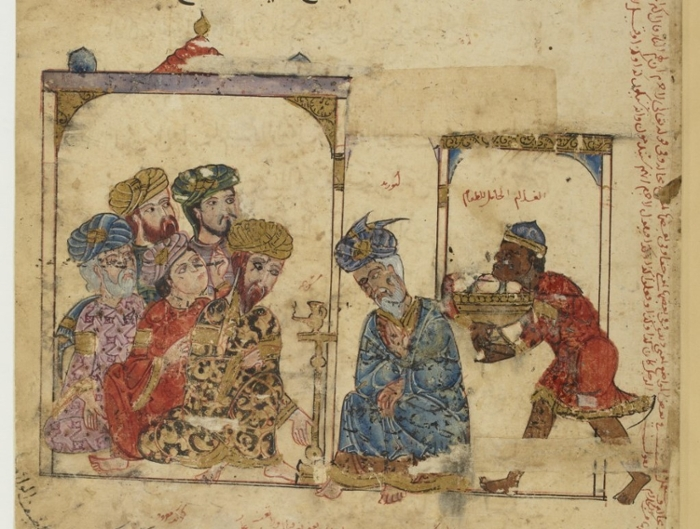
(4) At some point in the 10th century, two Slavic boys from Anatolia or the Balkans were kidnapped & sold into slavery. The brothers were castrated & instructed in the Muslim faith, being given the names Muzaffar and Mubarak. From this unpromising start, they would rise far.
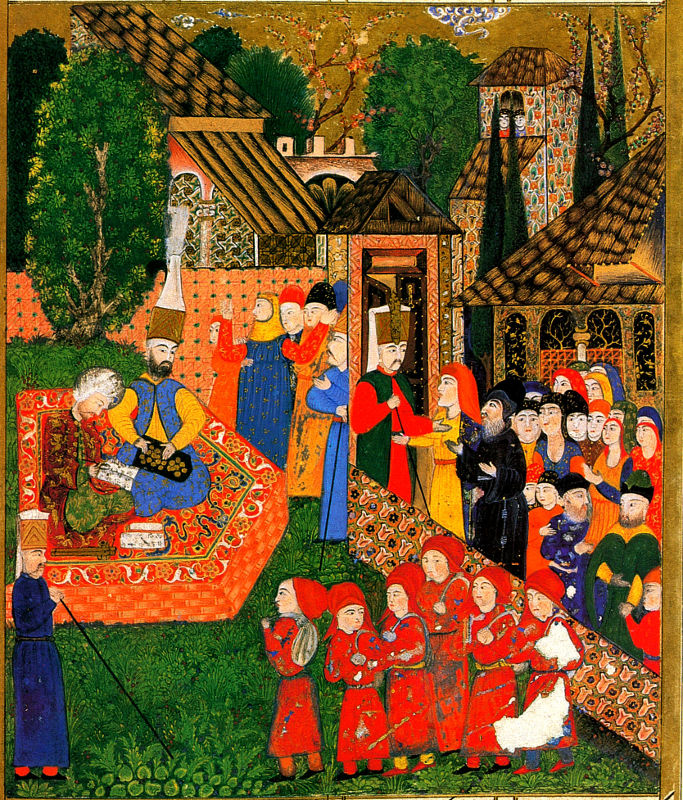
(5) The Muslim world was a cosmopolitan place, and the two boys, once sold on one of the many great slave markets, were sent far from their homes. They ended up in Iberia, in the late years of the Caliphate of Cordoba, in the palatial city of Madinat al-Zahra.
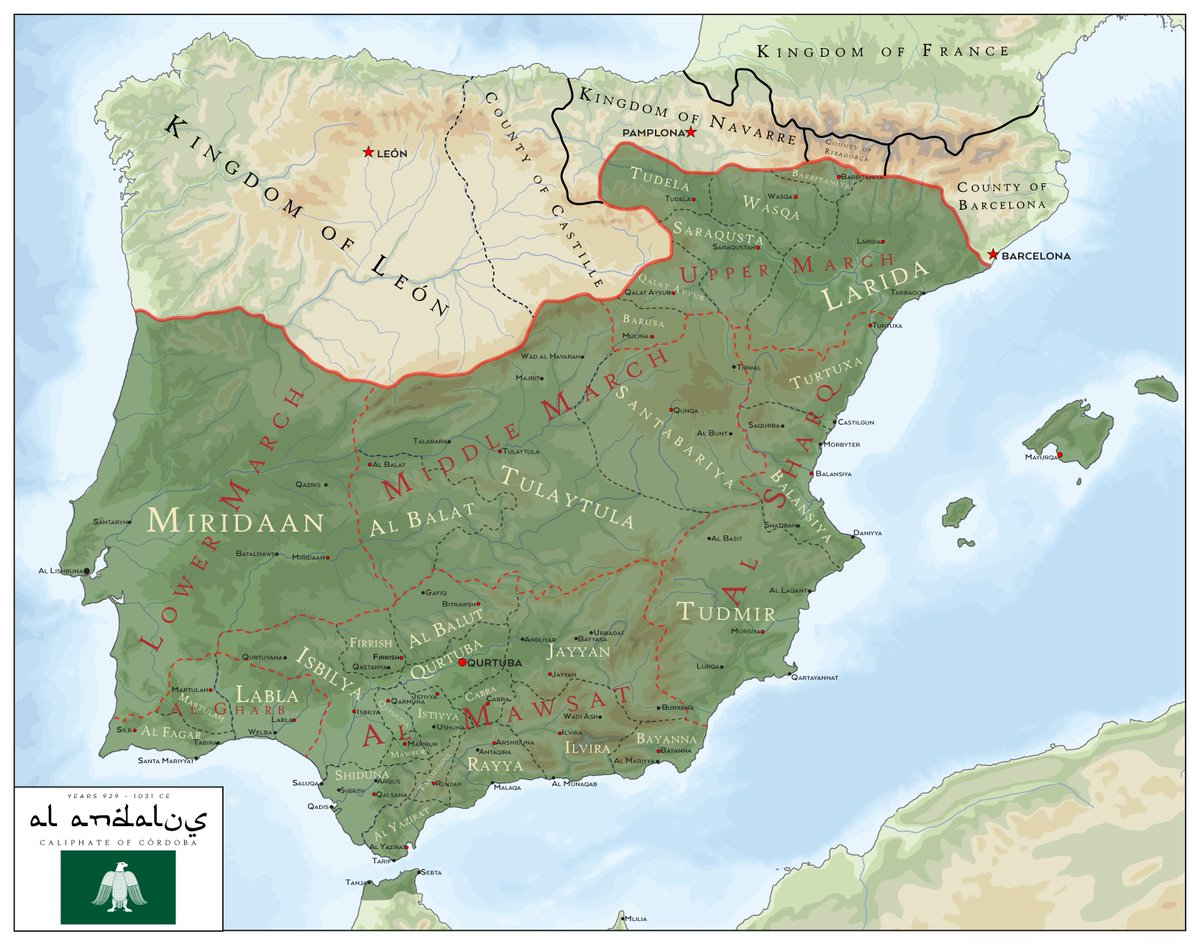
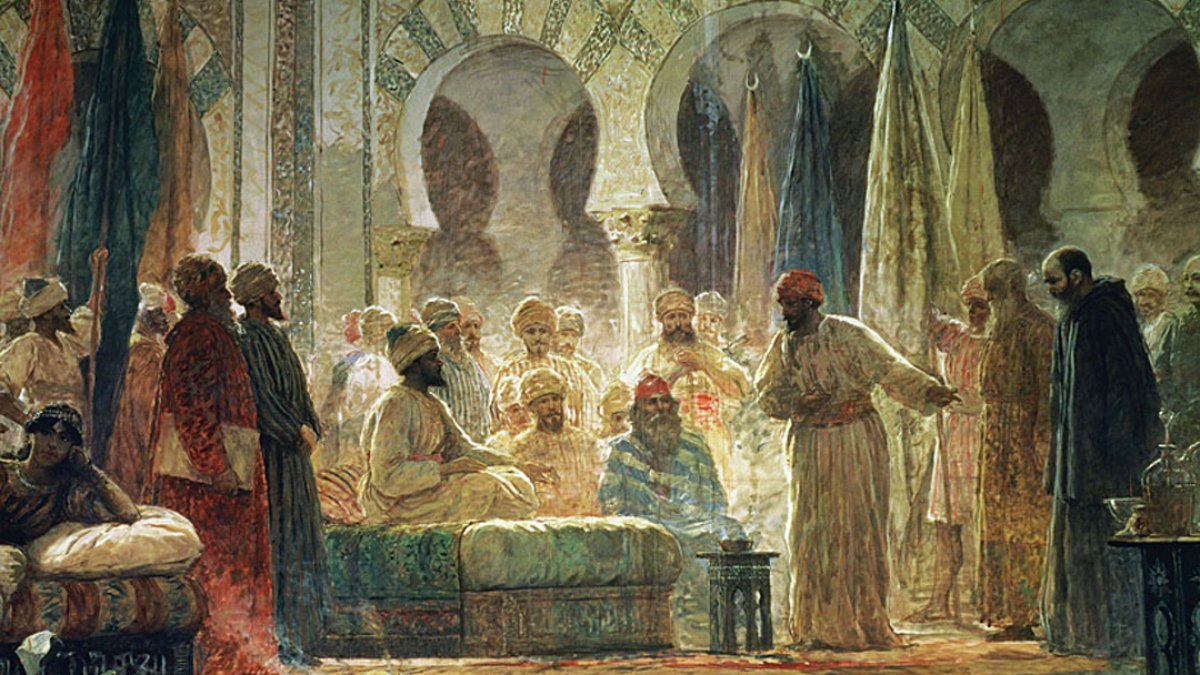
(6) There, they became the property of another slave, Mufarrij. Mufarrij, however, was an influential and well-respected man, despite his enslavement. He was the Sahib al-surta, or police-chief, of the capital. Under his tutelage (and ownership), the boys began their ascent.
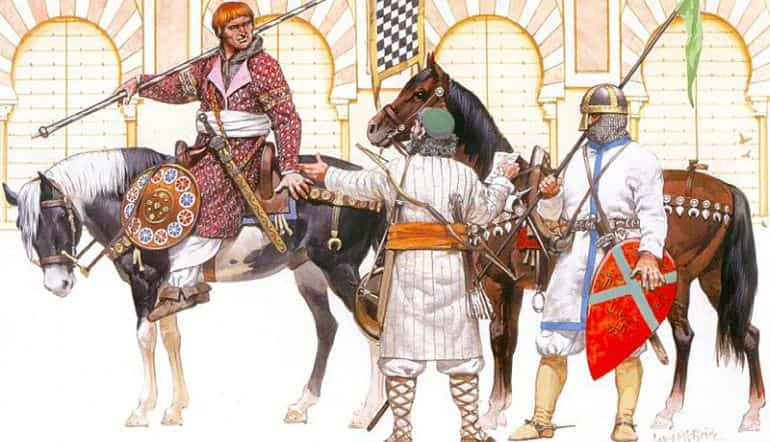
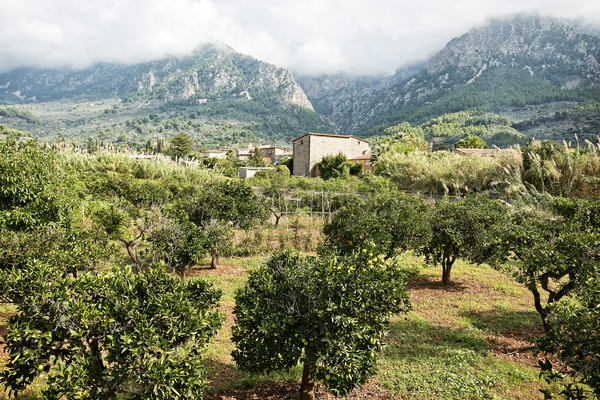
(7) Mufarrij had Muzaffar and Mubarak assigned to oversee the management of the irrigation of the orchards in Valencia - a rather cushy and privileged job, and one which would place them in an unforeseeably fortuitous position in the troubles to come.
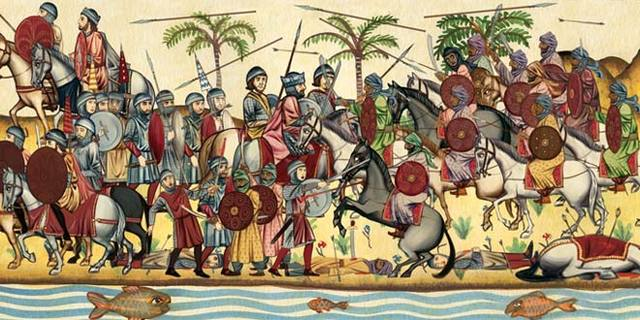
(8) In 1009, the death of Abd al-Rahman Sanchuelo, the Caliph's chief minister, would plunge Muslim iberia into a decades-long period of civil war known as the Fitna of al-Andalus. When at last the dust would settle, 22 years later, the Caliphate of Cordoba would be gone.
(9) The governor of Valencia, Abd al-Rahman, had long been an unfriend of Muzaffar and Mubarak. For years they had dodged his accusations while maintaining their post, and in 1010, a year after the outbreak of the Fitna, he was assassinated. A power-vacuum was left.
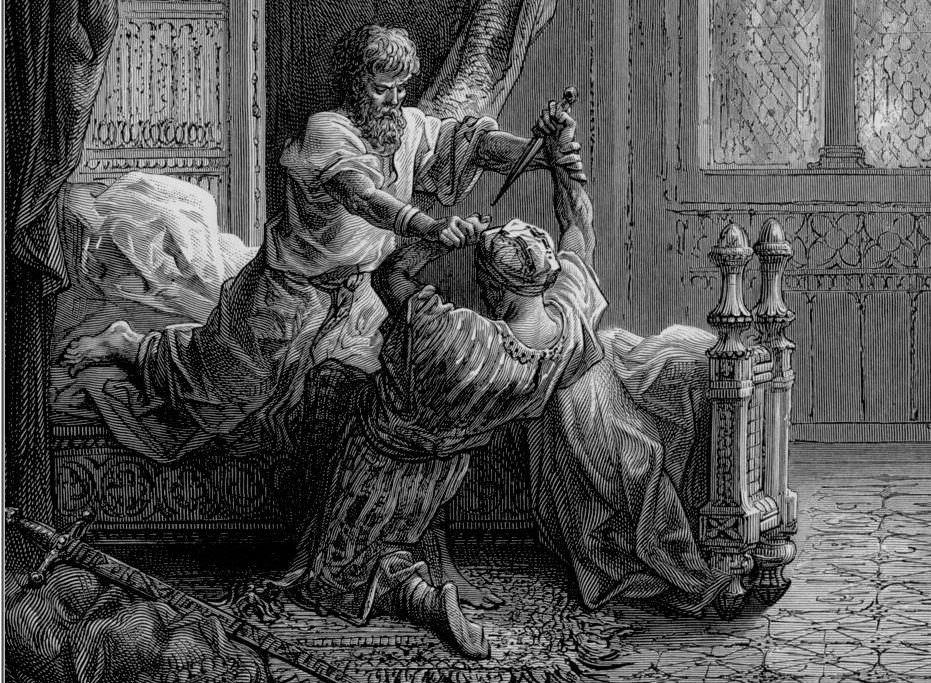
(10) The two eunuch-brothers were not the only people in Iberia of Christian, Eastern-European origin. One such dynasty of Saqlabi descent, the Amirids, had served the magistrates of the Caliphate for years. When the capital descended into war & chaos, many fled north.
(11) Muzaffar & Mubarak, having gained a position of influence in Valencia following the death of al-Rahman, invited many of the fleeing Saqlabi to seek refuge there. Consolidating their power around this sudden influx of supporters, the brothers declared themselves emirs.
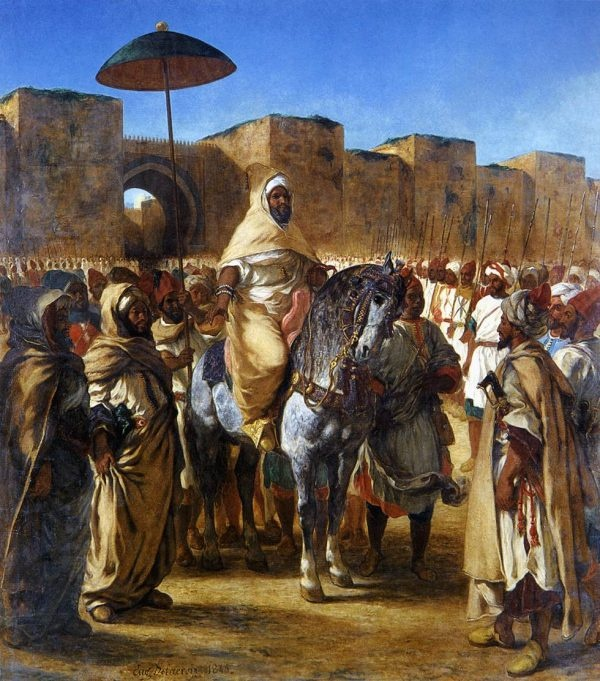
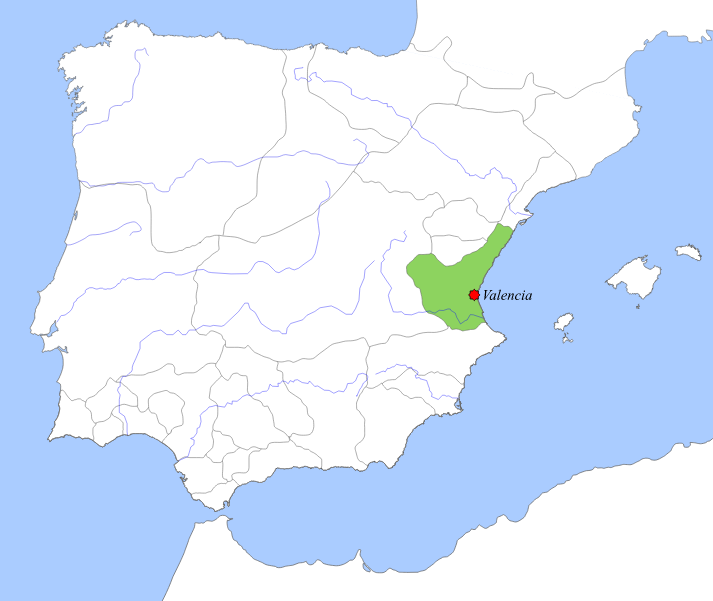
(12) Starting thus in 1010, the same year as al-Rahman's assassination, the Taifa of Valencia was founded. For a time, the co-emirs acknowledged the nominal overlordship of the presiding caliph in Cordoba, continuing to print coins in his name. This, however, was a mere formality
(13) The brothers at once set about reinforcing their position, constructing strong walls around Valencia and raising taxes to hitherto-unseen levels to fund their projects. More than 120,000 dinars a month were collected during certain periods.
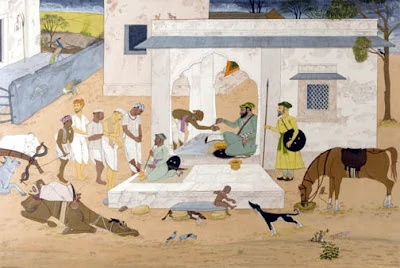
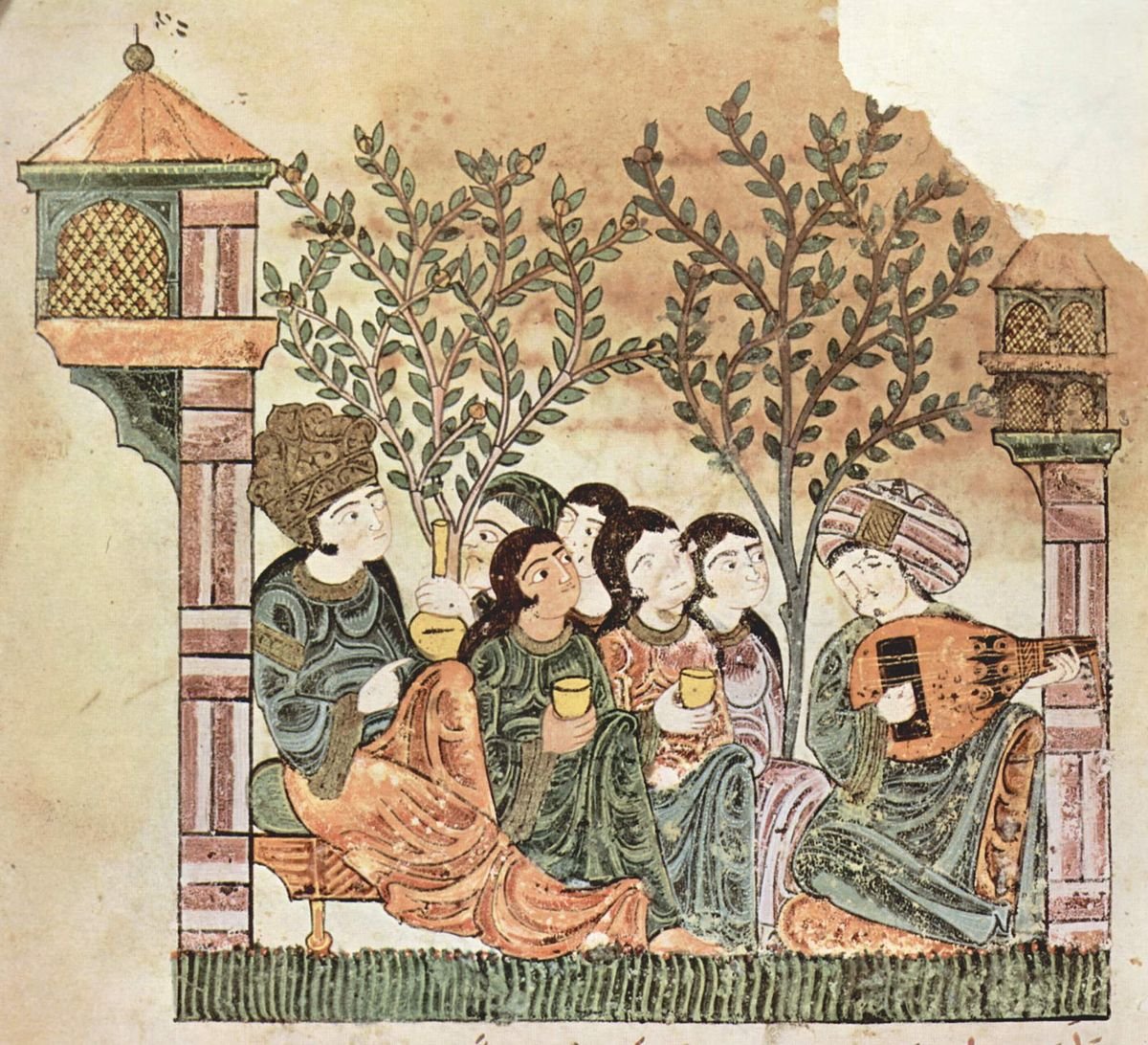
(14) As might be expected, this did little to cement their popularity with the locals. Indeed, it would in time be their undoing. In the short term, however, their stars were ascendant. The influx of people from the capital brought a flourishing of cultural life to Valencia.
(15) Of the brothers, Mubarak was the more influential, carrying the weight of administration. The brothers were close and loyal, however, and no split existed between them. They shared the same palace, wore the same clothing. Mubarak was also the first to die.
(16) In 1018, their luck at last turned. Mubarak fell from his horse while riding and was killed. Sources from his time and after attributed this event to divine retribution, a punishment for his cruel rule. In this harsh verdict we see also a foreshadowing of his brother's fate.
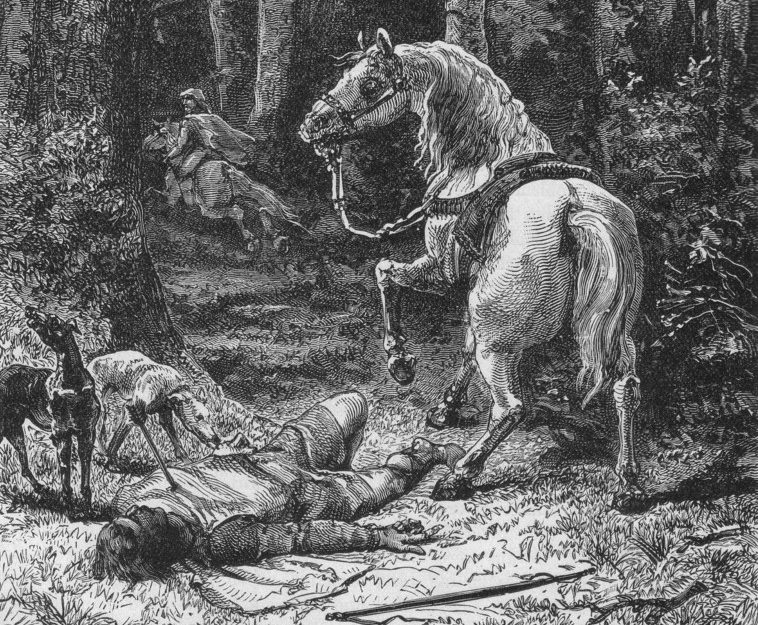
(17) Muzaffar had as noted always been inferior to Mubarak in matters of state and politics. Shortly after his brother's death, the situation deteriorated. The populous rose against Muzaffar, stormed his palace, and cut him down. No amount of courtly pomp would matter in the end.
(18) Following Mubarak and Muzaffar's death, they were succeeded by Labib al-Saqlabi, another former slave. Under the rule of him and his successors, the Taifa of Valencia would collapse and rise again several times, finally ending two centuries later. Such was their legacy.
(19) Ultimately, the story of Mubarak and Muzaffar was therefore not exactly a heroic one, nor with a happy ending. Yet it was remarkable. Eunuchs, slaves, stolen as children from Christian parents halfway across the known world, to end their lives as rulers in a war-torn Iberia.
Loading suggestions...