

It appears that #NephMadness is biased against 'all the other antigens'. I'm here to defend them - there's a lot of important disease associations and many have antibodies in serum. /1
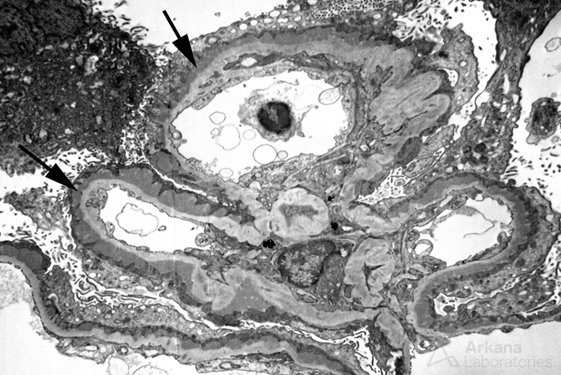
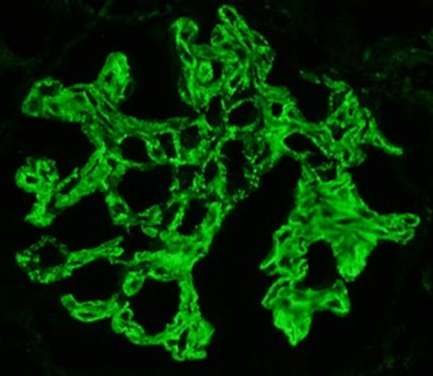
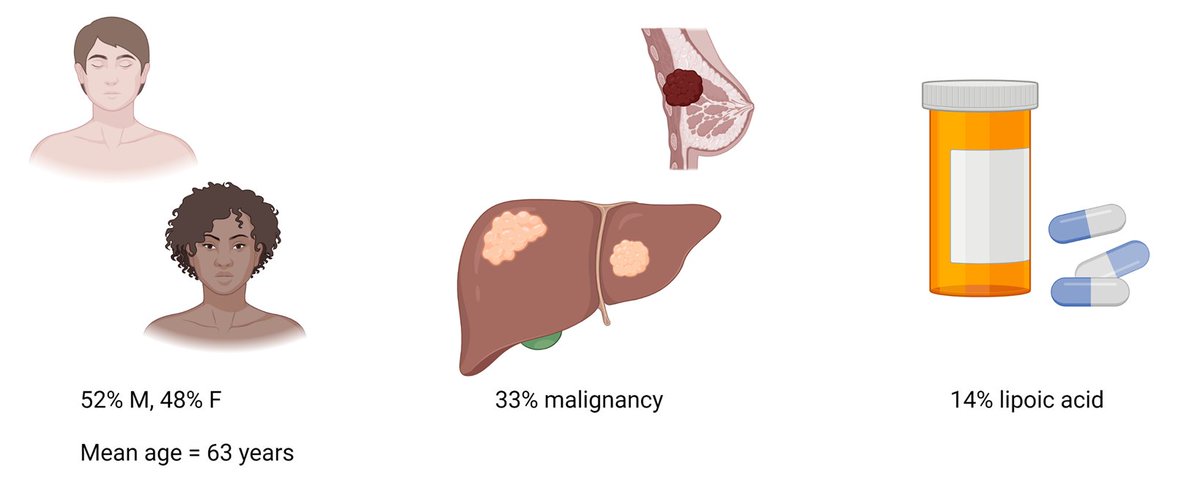
1/3 of NELL1 positive patients have an underlying cancer. Nearly half of malignancy-associated membranous isn't known at the time of dx and triggers screening.
Additionally, 14% are related to lipoic acid use - reversible cause.
Antibodies correlate with disease activity /2
Additionally, 14% are related to lipoic acid use - reversible cause.
Antibodies correlate with disease activity /2
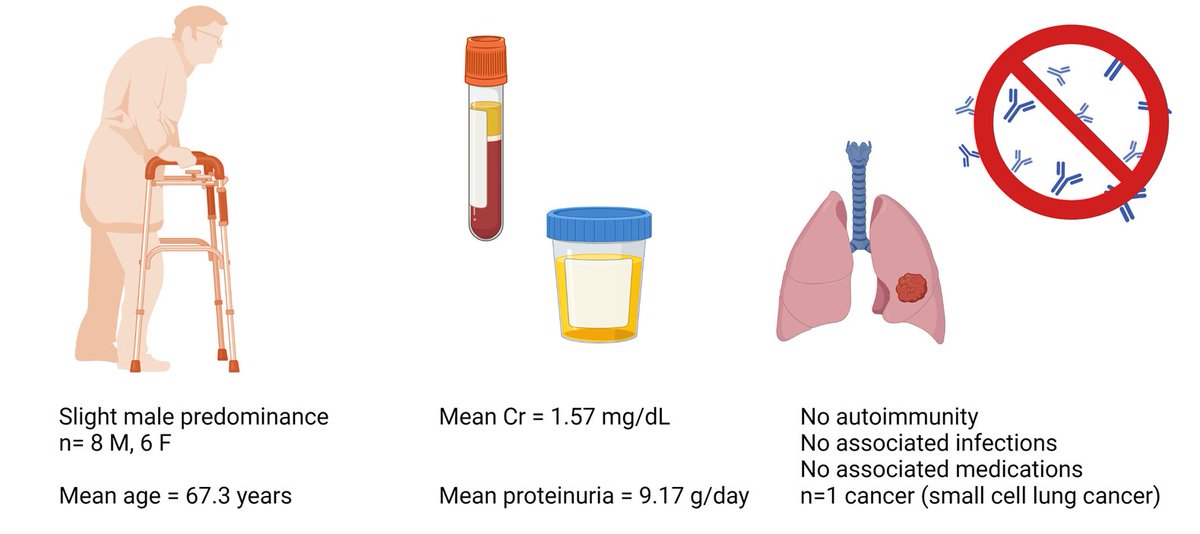
HTRA1 is a podocyte antigen where antibodies correlate with disease activity. It is an antigen primarily affecting elderly individuals. /3
@LaurenceHBeckJ1
@LaurenceHBeckJ1
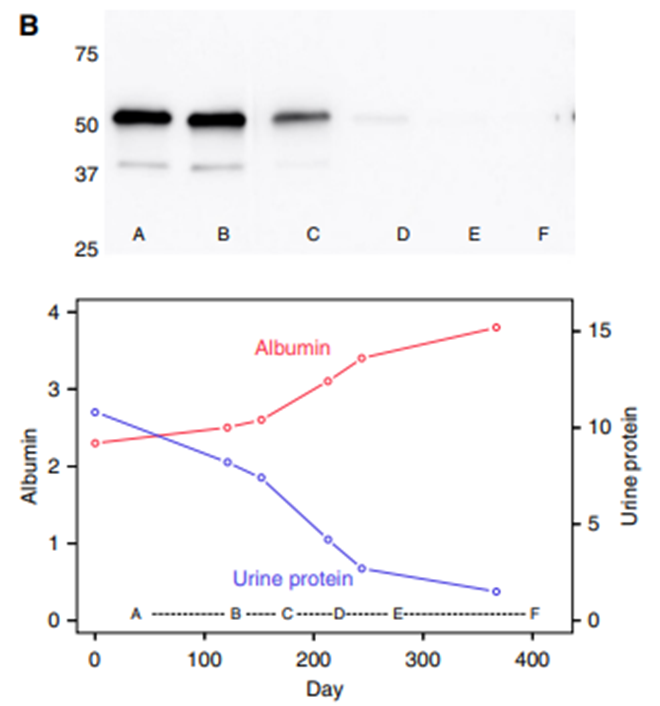
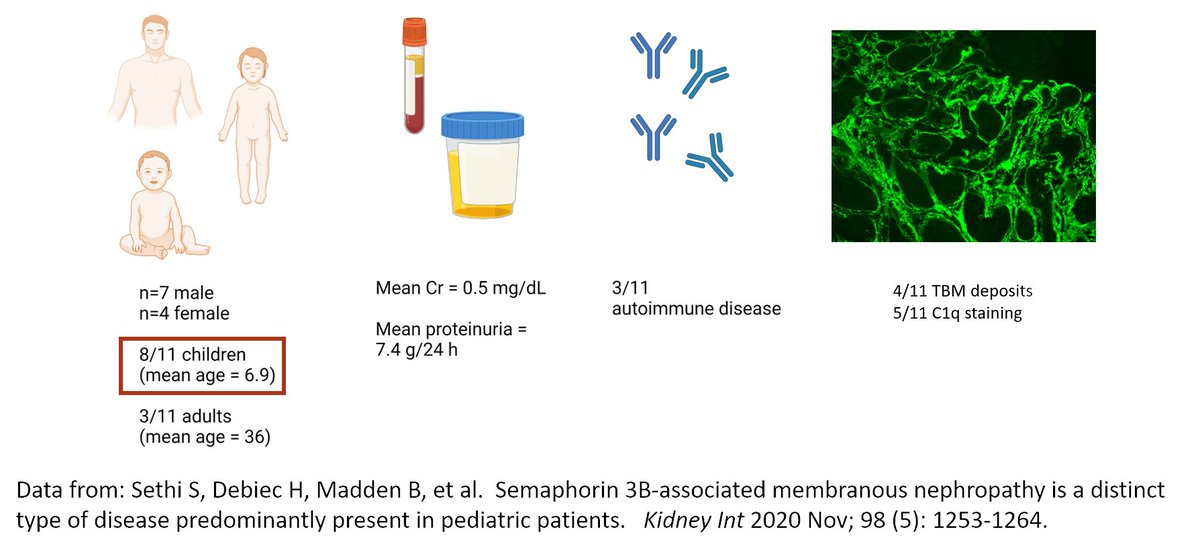
SEMA3B is a type of MN in children - 10% of childhood MN is SEMA3B+.
Antibodies correlate with disease activity.
There is a good prognosis. /4
@SethiRenalPath
Antibodies correlate with disease activity.
There is a good prognosis. /4
@SethiRenalPath
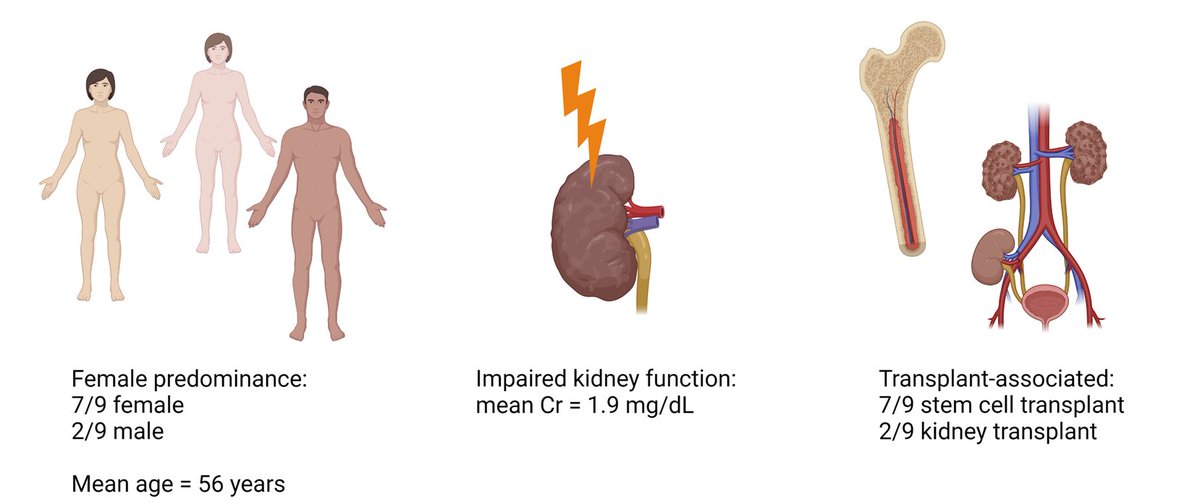
FAT1 is a newly identified antigen identified in the setting of stem cell transplant.
Antibodies are detected in serum. /5
@SethiRenalPath
Antibodies are detected in serum. /5
@SethiRenalPath
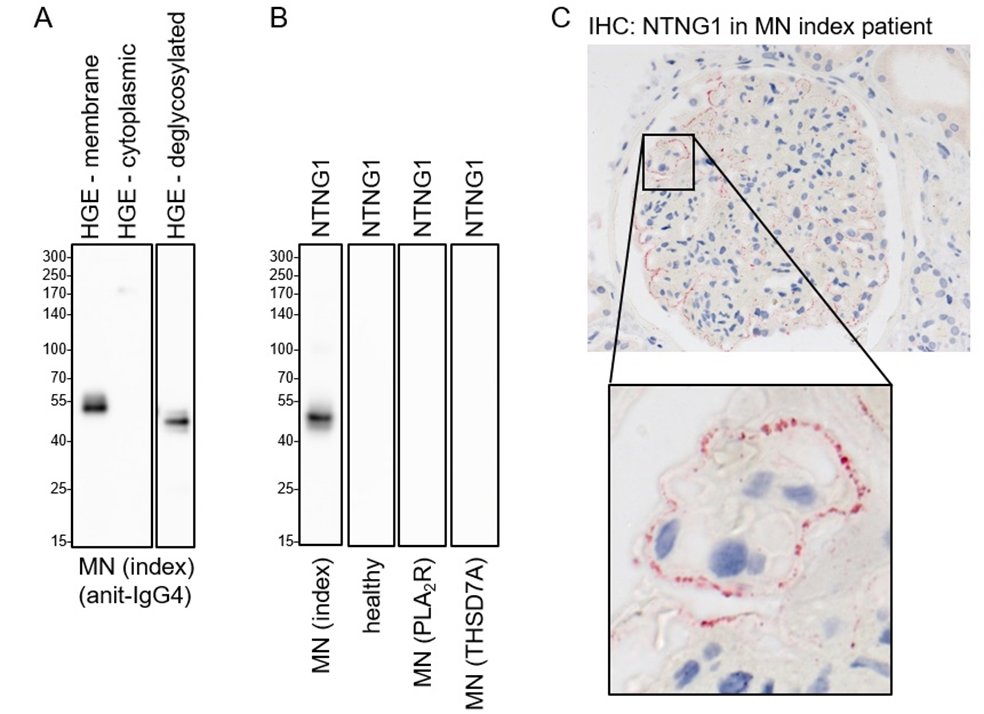
NTNG1-associated MN is a newly identified podocyte antigen just described at #kidneywk /6
Antibodies are detected in serum.
I'm sure there will be more to come on this one. . .
Antibodies are detected in serum.
I'm sure there will be more to come on this one. . .
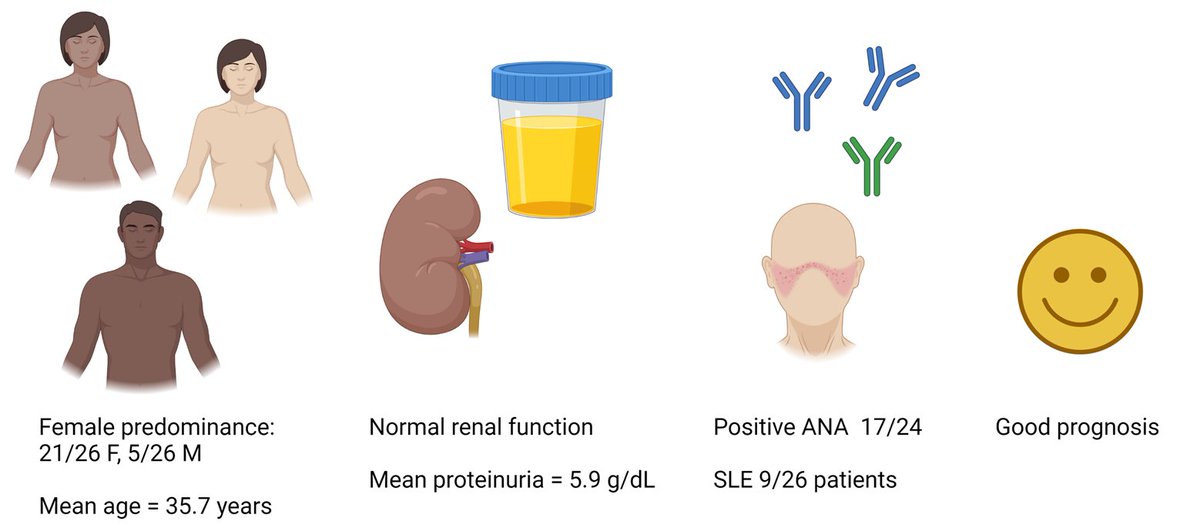
EXT1/2-associated MN is associated with autoimmunity.
This is seen in young women and could be a first sign of lupus. It has a really good prognosis, so test for it! /7
@SethiRenalPath
This is seen in young women and could be a first sign of lupus. It has a really good prognosis, so test for it! /7
@SethiRenalPath
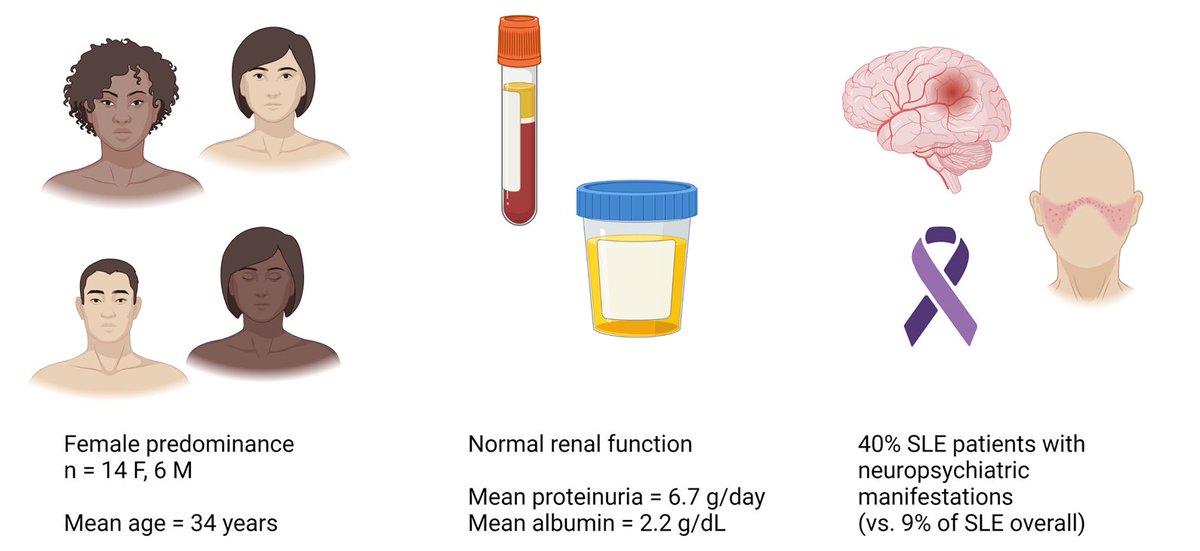
NCAM1-associated MN is highly associated with membranous lupus nephritis and affects young women.
There may be an association with neuropsychiatric lupus.
Antibodies are detected in serum. /8
@michaelkuperma3 @renalpathdoc
There may be an association with neuropsychiatric lupus.
Antibodies are detected in serum. /8
@michaelkuperma3 @renalpathdoc
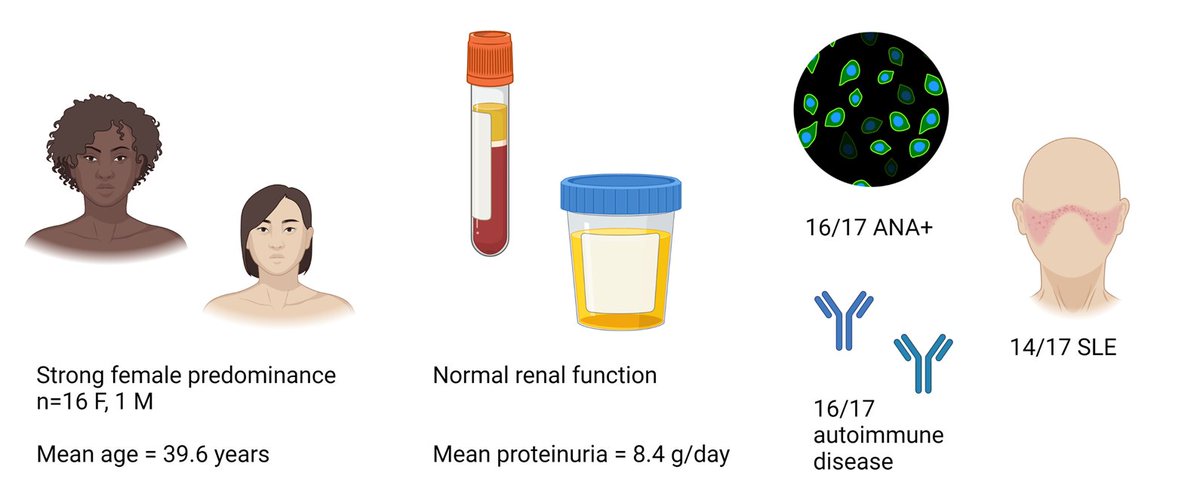
TGFBR3-associated MN, similarly to EXT and NCAM1, is highly associated with autoimmunity and affects young women. Nearly all patients have membranous lupus nephritis. /9
@renalpathdoc @DanielKenan3 @LaurenceHBeckJ1
@renalpathdoc @DanielKenan3 @LaurenceHBeckJ1
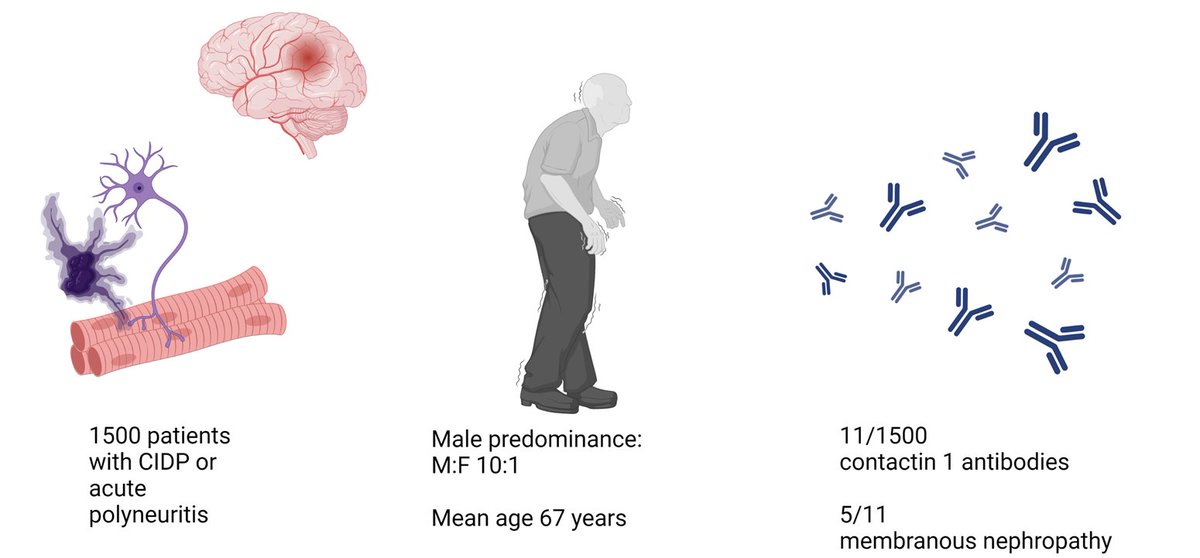
Contactin-1 associated MN is a new autoantigen identified in patients with chronic demyelinating polyneuropathy. Antibodies exist in sera too. /10
There's a rapid rate of discovery of new antigens in MN - it won't be long 'til we know them all! @LaurenceHBeckJ1 has compared this to Moore's law of technology expansion and I can totally see why. /11
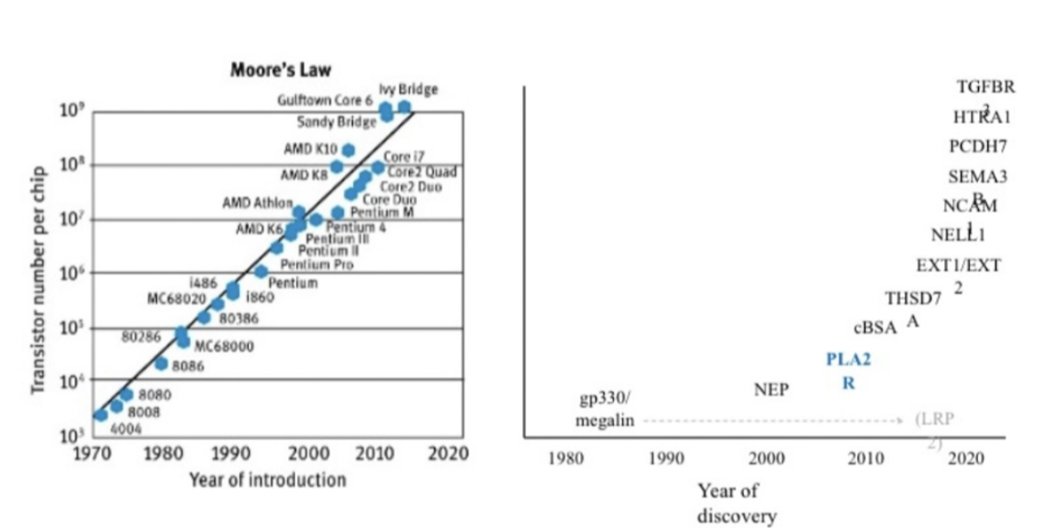
With these new associations, 'primary' vs. 'secondary' MN is going away to favor an antigen-approach. 'Secondary' associations of the new antigens can guide us to look for various underlying etiologies and associations. Don't discount the new antigens!! /12
Loading suggestions...