

Social media has given everyone a voice, but it has also unleashed a storm of negative effects—spreading disinformation, inciting hate, and endangering democracy.
News and commentary in Science explore the current state of #ScienceAndSocialMedia.
News and commentary in Science explore the current state of #ScienceAndSocialMedia.
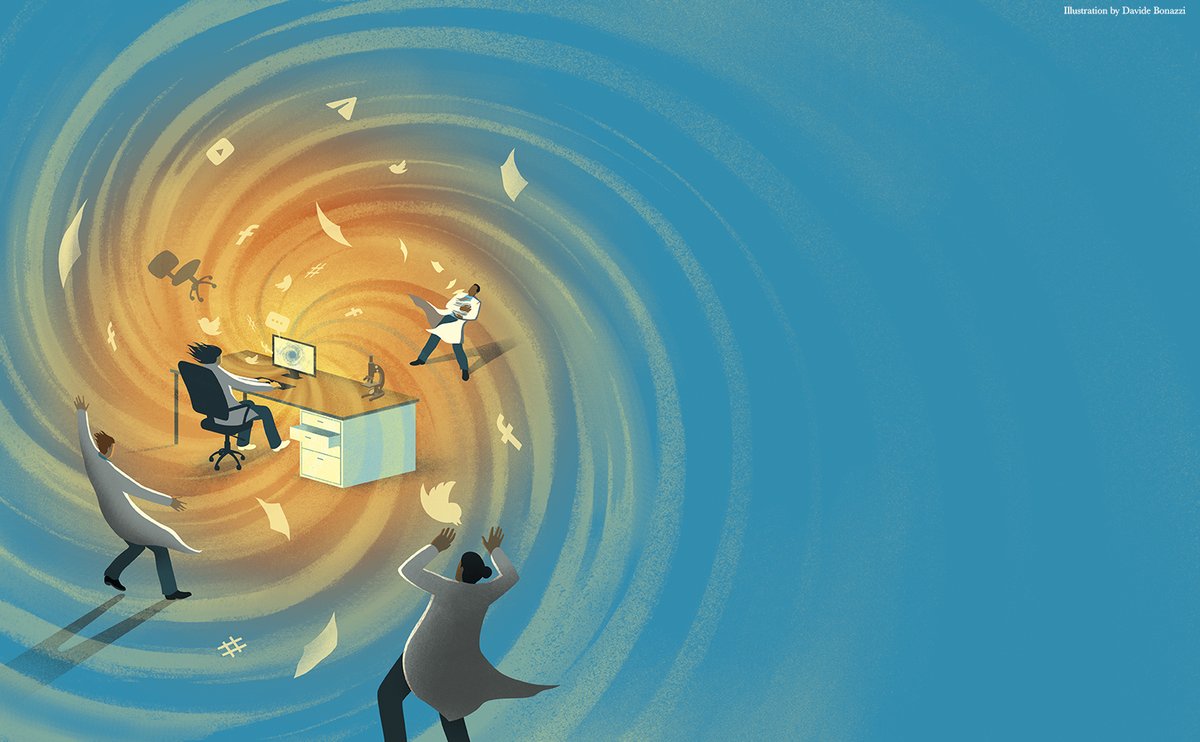
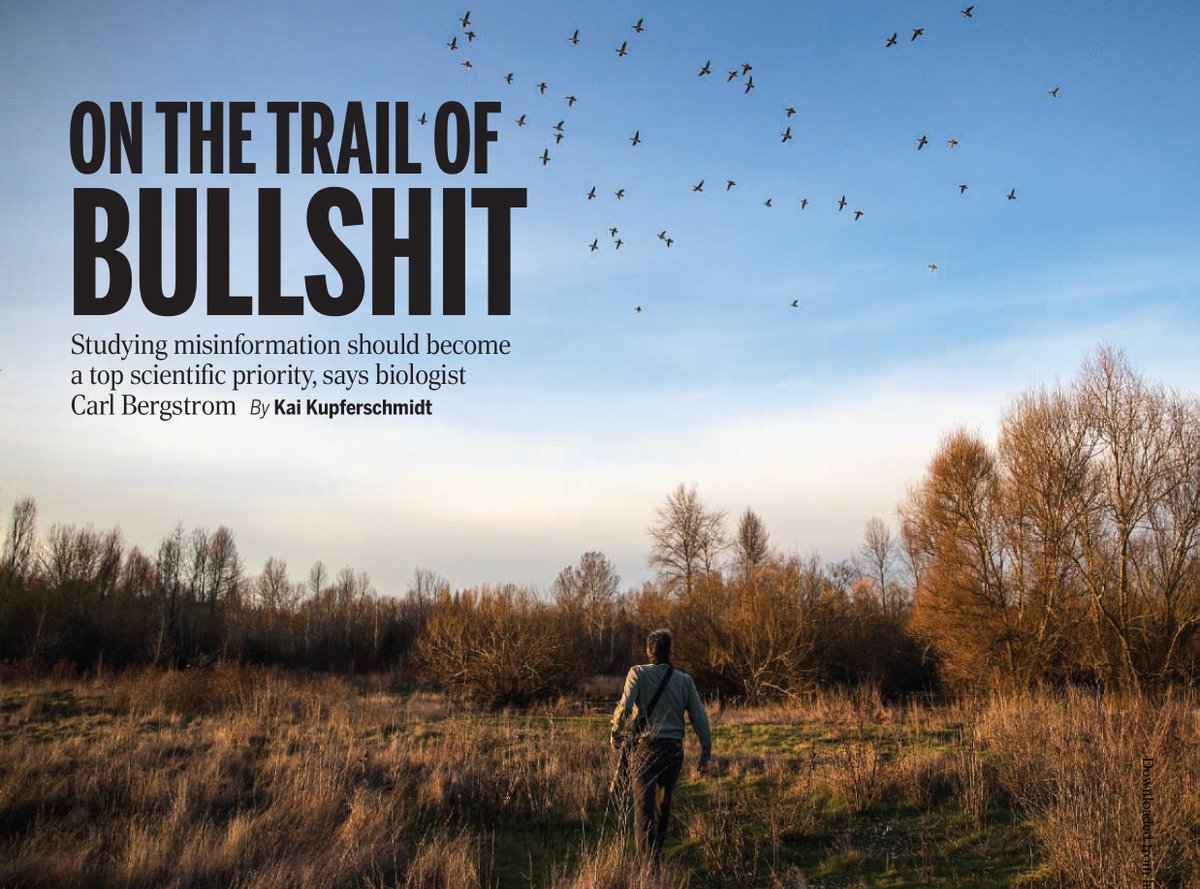
Over the past 5 years, evolutionary biologist @CT_Bergstrom has become more and more interested in how online misinformation cascades through our information ecosystems—and ways to fight it. fcld.ly
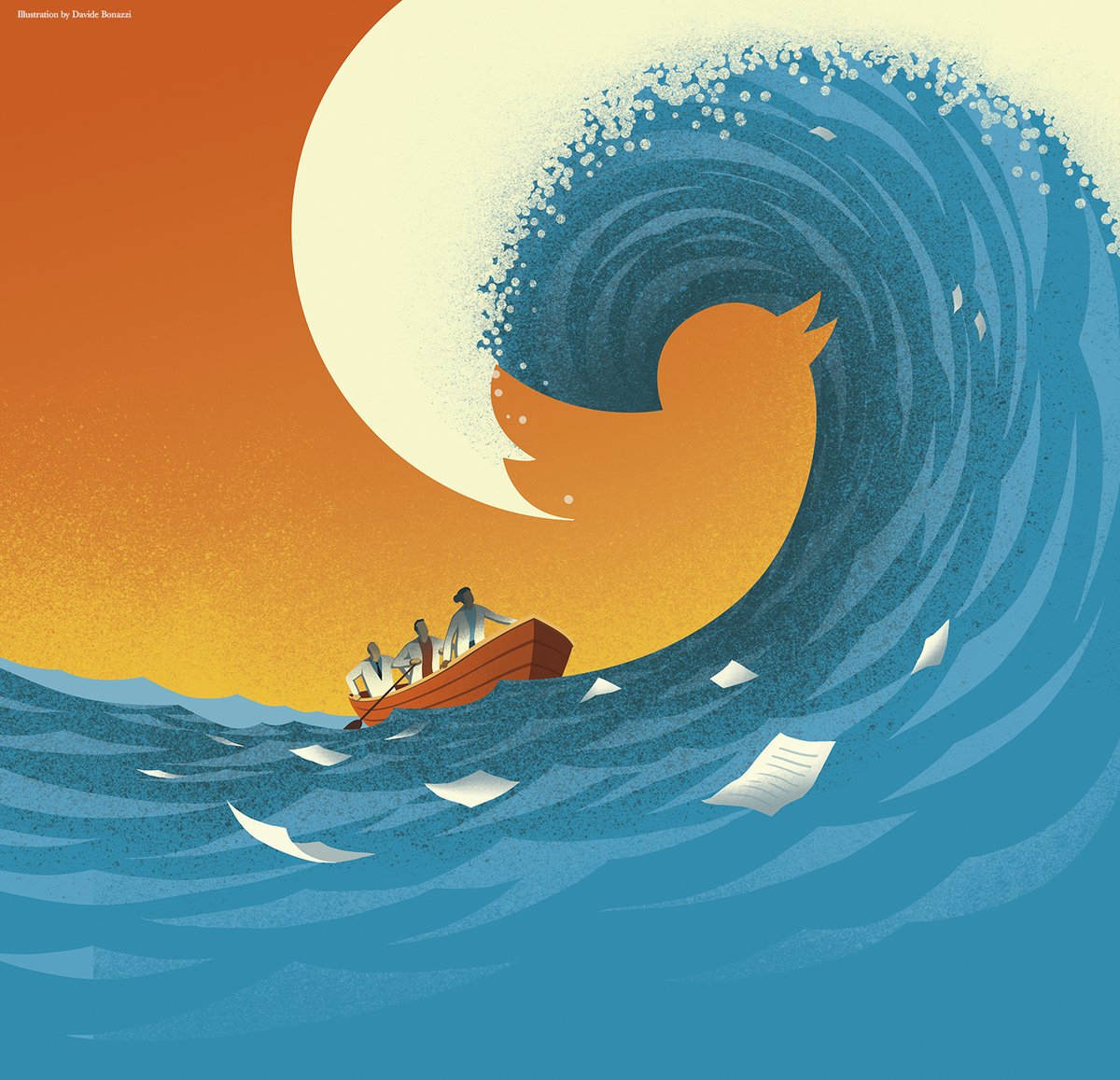
The #COVID19 pandemic has boosted the visibility and engagement of scientists on many online social media platforms. In a #ScienceEditorial, @hholdenthorp asks whether this newfound spotlight has been good or bad for science.
His answer: both. fcld.ly
His answer: both. fcld.ly
A #SciencePerspective highlights the ongoing challenge of communicating science online: "... conquering this challenge will require partnerships among the scientific community, social media platforms, and democratic institutions." fcld.ly
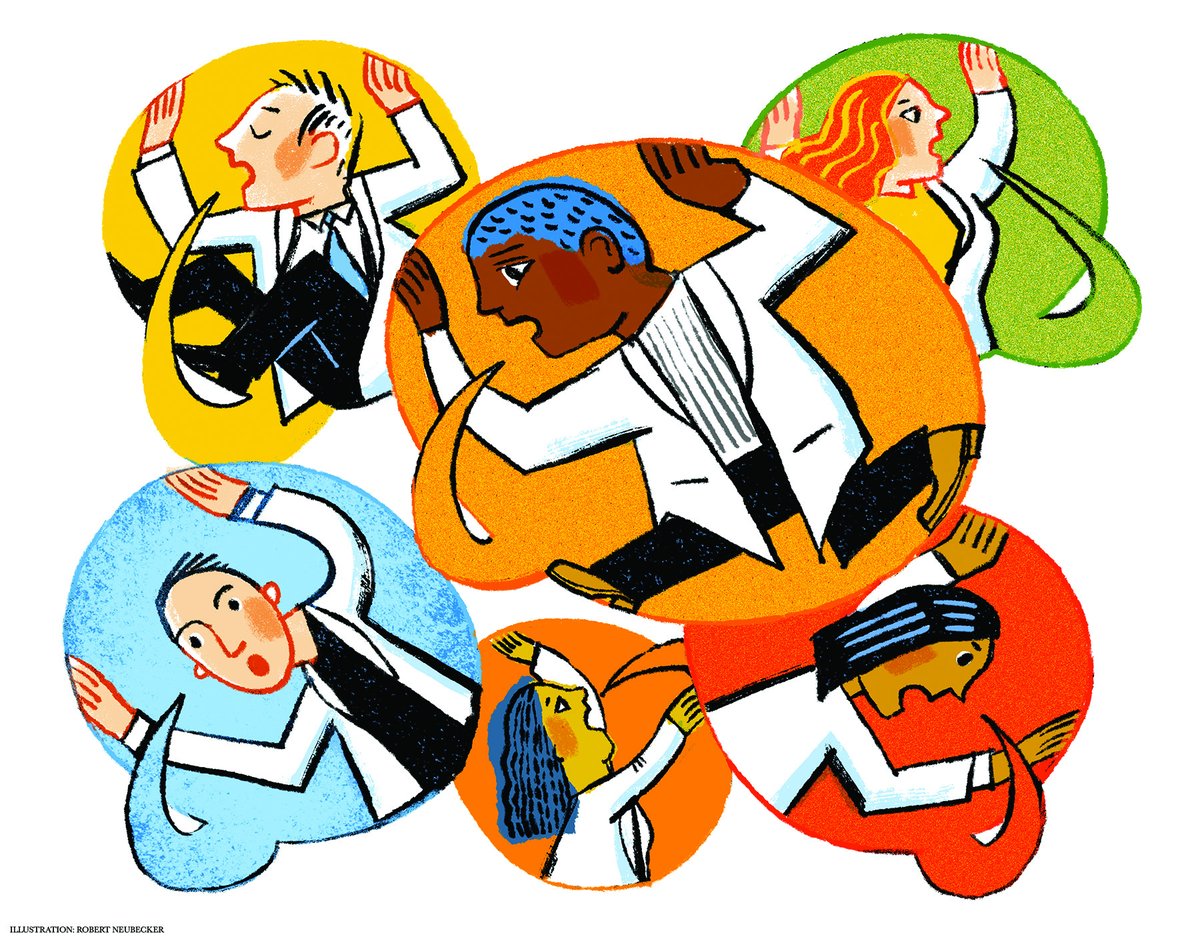
Is social media good or evil when it comes to #ScienceCommunication? We asked young scientists to answer this question in the form of a tweet.
Here's what they wrote. ➡ fcld.ly #NextGenSci
Here's what they wrote. ➡ fcld.ly #NextGenSci
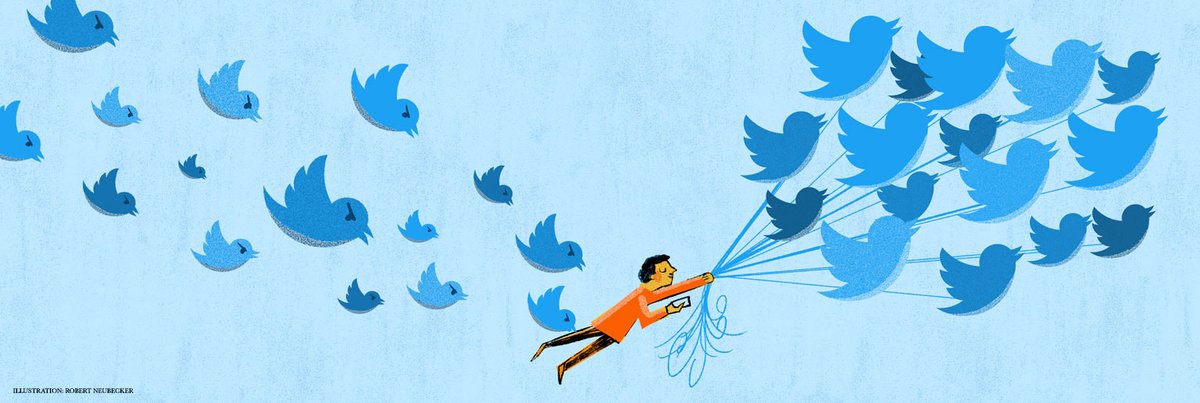
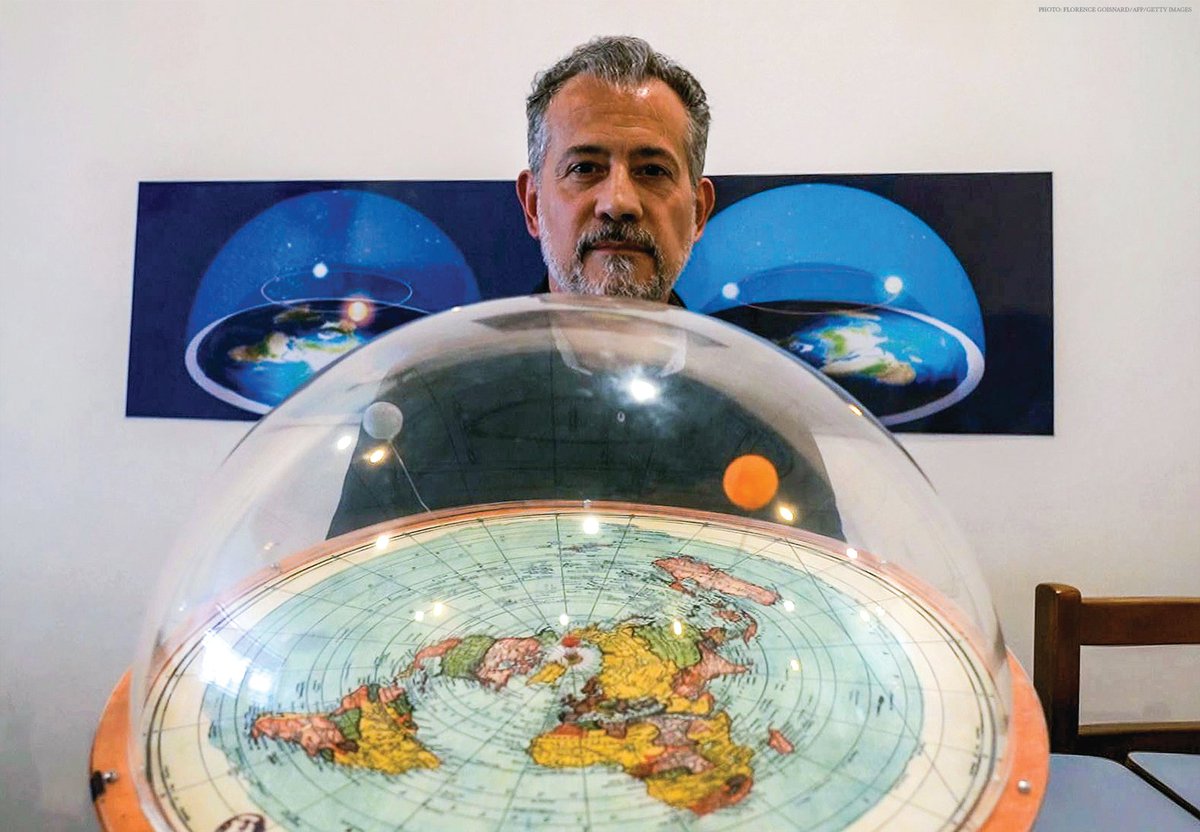
From @SciMagBooks: Off the Edge “brilliantly reveals how people fall into illogical beliefs, reject reason, destroy relationships, and connect with a broad range of conspiracy theories in the social media age.” fcld.ly
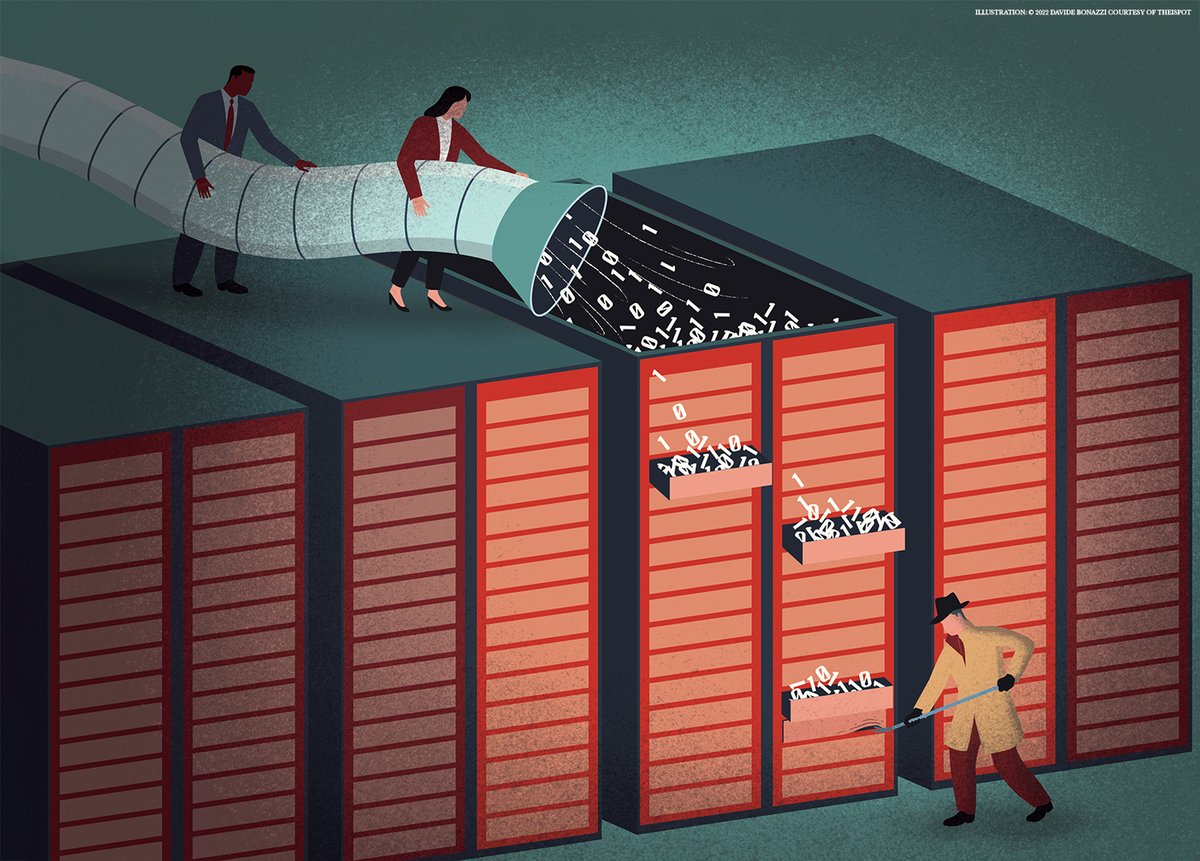
The vast amount of data compiled by social media companies could foster important research with great societal benefits. A #SciencePolicyForum highlights new legislation that seeks to make the data from these platforms more available to researchers. fcld.ly
Loading suggestions...