

🧕
ʿĀʾisha al-Bāʿūniyya (d. 1516) was perhaps the most prolific pre-modern female writer in Arabic, authoring more than twenty works of poetry, on Sufism, and praise of the Prophet.
A 🧵 on her, including a passage from a poem on love:
ʿĀʾisha al-Bāʿūniyya (d. 1516) was perhaps the most prolific pre-modern female writer in Arabic, authoring more than twenty works of poetry, on Sufism, and praise of the Prophet.
A 🧵 on her, including a passage from a poem on love:
Her father was the chief Shāfiʿī judge of Damascus, and she received an education in the Quran (memorized by age eight), literature, hadith, and jurisprudence.
She also studied Sufism, and her family were members of the Qādiriyya order. She wrote a treatise on Sufism dealing with repentance (tawba), sincerity (ikhlāṣ), recollection (dhikr), and love (maḥabba).
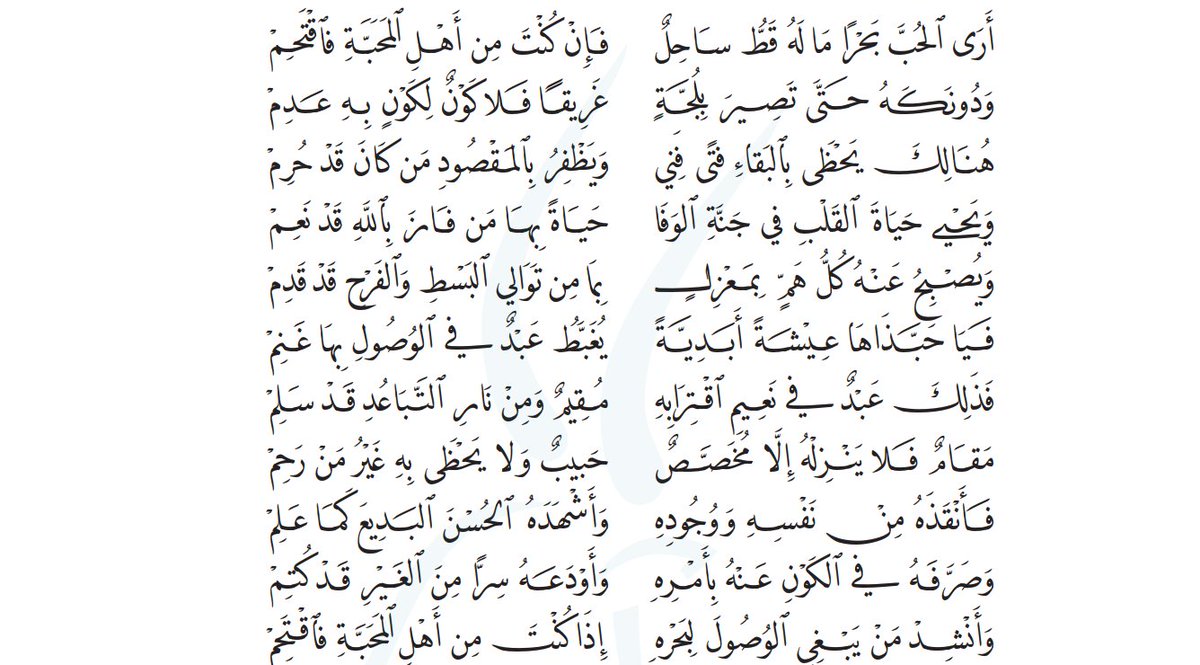
This excerpt is from that (first three lines):
This excerpt is from that (first three lines):
🌊
Love is a shoreless ocean;
If you’re a lover, plunge in.
Go and drown in its depths;
no being, being there, ceases to be.
You perish there into eternity,
you’re dispossessed to gain your desire.
Love is a shoreless ocean;
If you’re a lover, plunge in.
Go and drown in its depths;
no being, being there, ceases to be.
You perish there into eternity,
you’re dispossessed to gain your desire.
In the last years of her life, she moved to Cairo in 1513 to try to find a position for her son; they were robbed by bandits of everything, (including all her books 😧 ) in the Nile Delta.
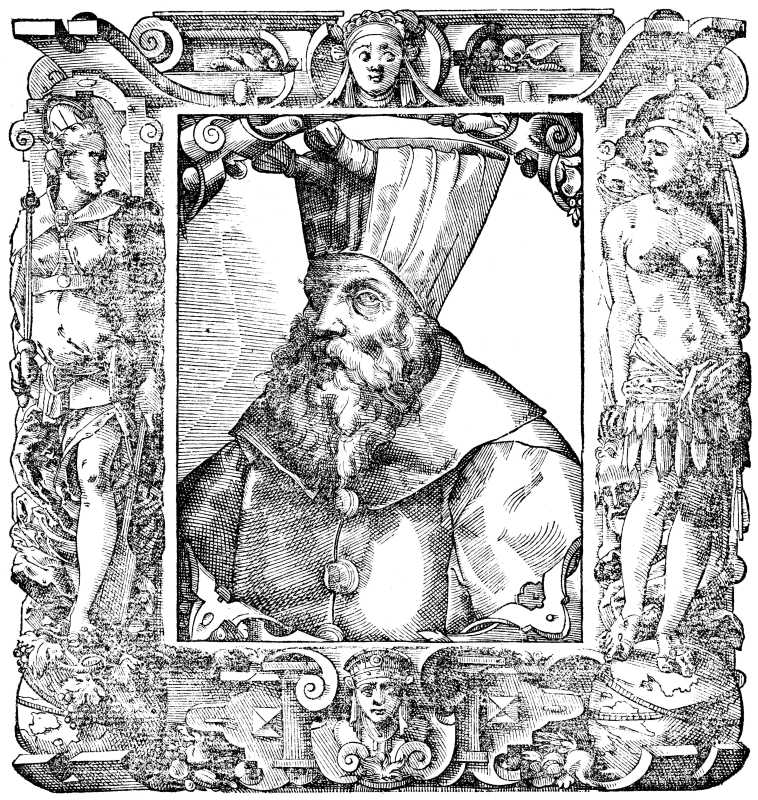
She got her son a job, studied with Cairene scholars, and returned to Damascus in 1516. Just before her death in 1517 the penultimate Mamluk sultan al-Ghawrī (seen here) requested an audience with her before going on to defeat at the hands of the Ottomans.
Her treatise on Sufism was edited, published, and translated by Emil Homerin, who died in late 2020 ( الله يرحمه ) and who spent the last twenty years or so of his life working on her manuscripts. The PDF is available through @LibraryArabLit
libraryofarabicliterature.org
libraryofarabicliterature.org
🖼️ CC from Wikipedia, etching by Paolo Giovio (1483-1552)
Poem except: p. 68 of Kitāb al-Muntakhab
Poem except: p. 68 of Kitāb al-Muntakhab
Loading suggestions...