
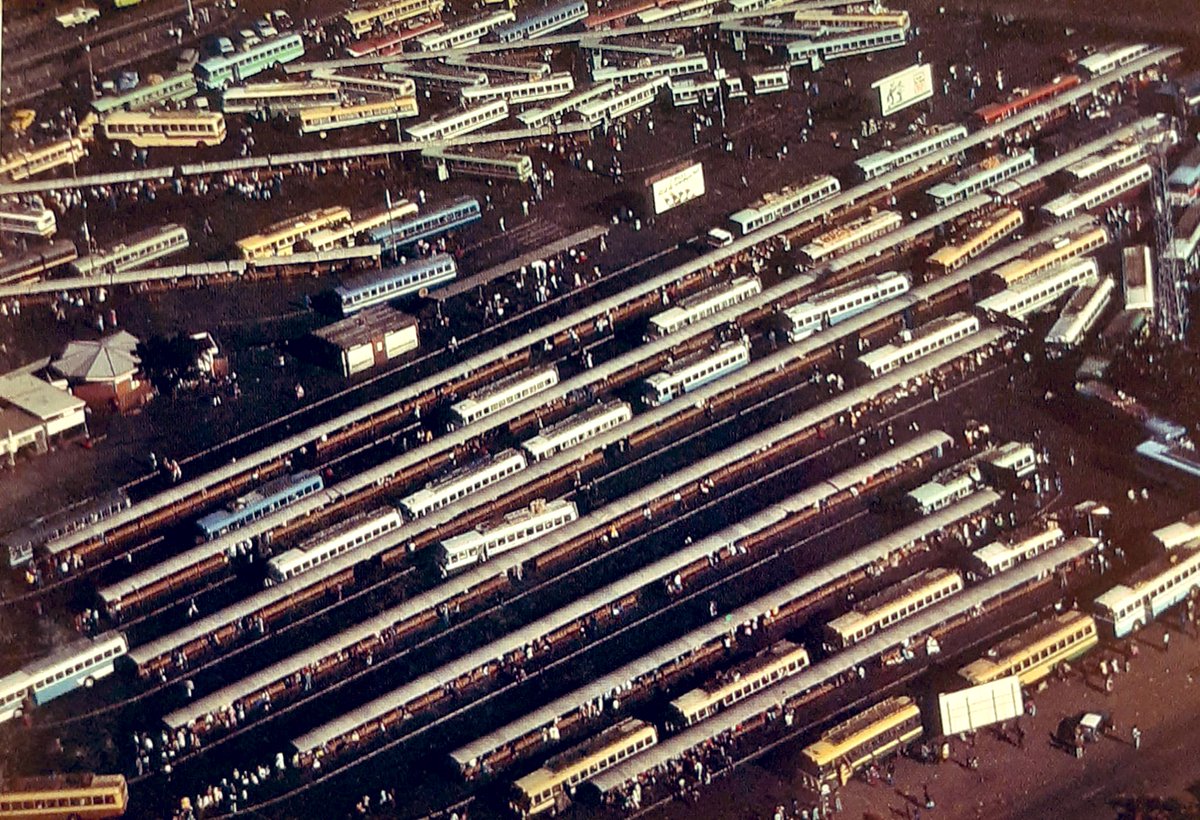
1. Zimbabwe had a working public transport system that was well organized.
This is Mbare Musika in 1990.
These buses were owned by millionaire black business men, most of whom made their break and fortune in Rhodesia.
The looting of the economy was very minimal at this point.
This is Mbare Musika in 1990.
These buses were owned by millionaire black business men, most of whom made their break and fortune in Rhodesia.
The looting of the economy was very minimal at this point.

2. Rural folk worked on their fields without ZANUPF handouts, yet life then was enjoyable for them than today because the economy worked.
Most of today’s private sector elites were educated by rural based parents, and they made it because at university level the State took over!
Most of today’s private sector elites were educated by rural based parents, and they made it because at university level the State took over!

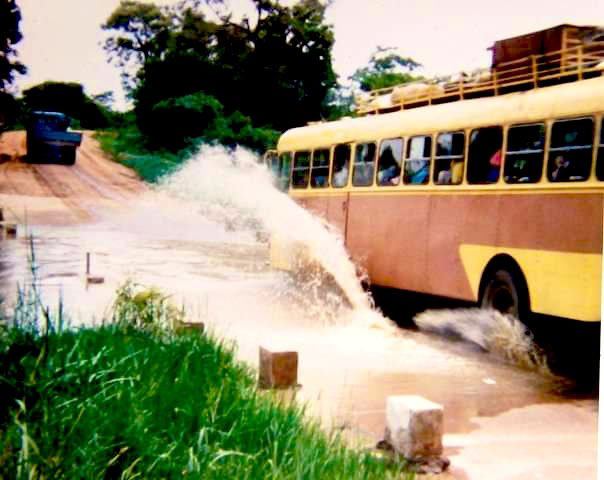
3. This is Runyararo bus service crossing a flooded Murereshi river in Magunje in 1988.
The bridges that we inherited from Ian Smith were well maintained unlike today because there was minimal LOOTING of public funds.
The dust roads were always maintained too unlike today.
The bridges that we inherited from Ian Smith were well maintained unlike today because there was minimal LOOTING of public funds.
The dust roads were always maintained too unlike today.
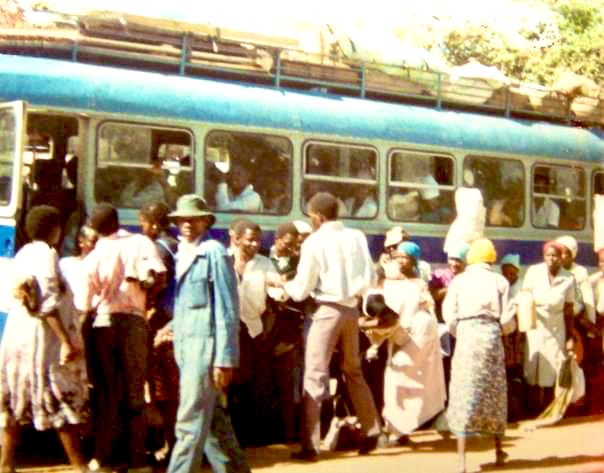
4. This is Mucheche bus service at Magunje Growth Point in 1988.
These buses were made in Zimbabwe, the parts were local & the economy grew because we had an industry which had been inherited from Rhodesia.
Smith was able to build it because of sanctions and a trade embargo.
These buses were made in Zimbabwe, the parts were local & the economy grew because we had an industry which had been inherited from Rhodesia.
Smith was able to build it because of sanctions and a trade embargo.
5. The Zimbabwean economy was so successful because of an import substitution policy to counter sanctions.
Unlike today’s targeted travel bans, Smith had an economic embargo.
However he used it to grow the local industries.
Read this letter to understand👇🏿
nehandaradio.com
Unlike today’s targeted travel bans, Smith had an economic embargo.
However he used it to grow the local industries.
Read this letter to understand👇🏿
nehandaradio.com
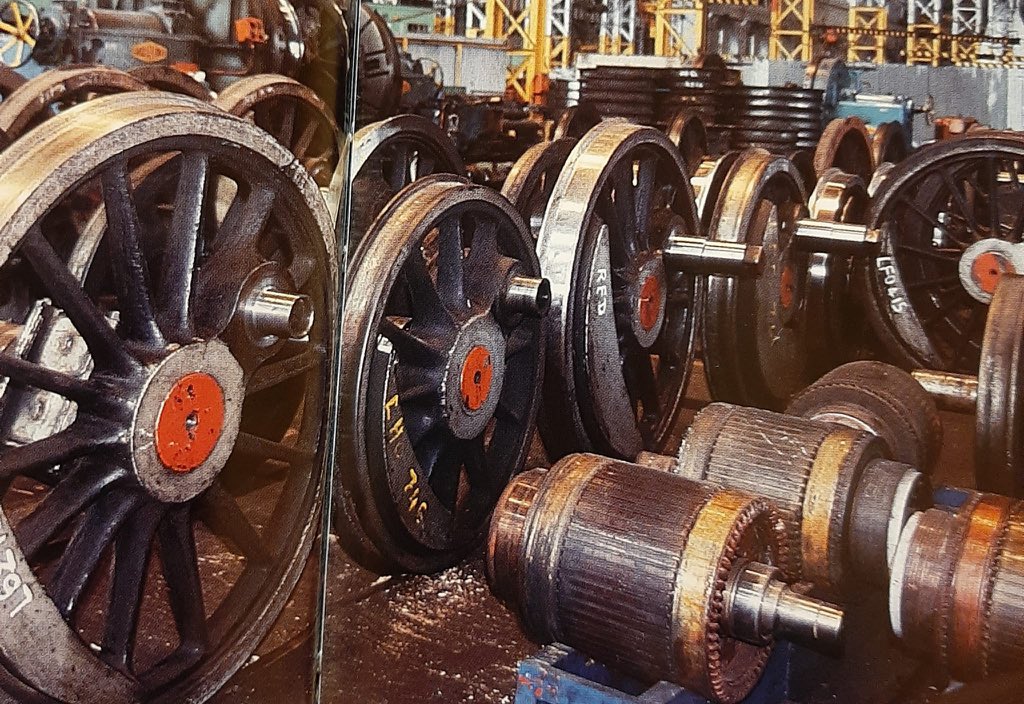
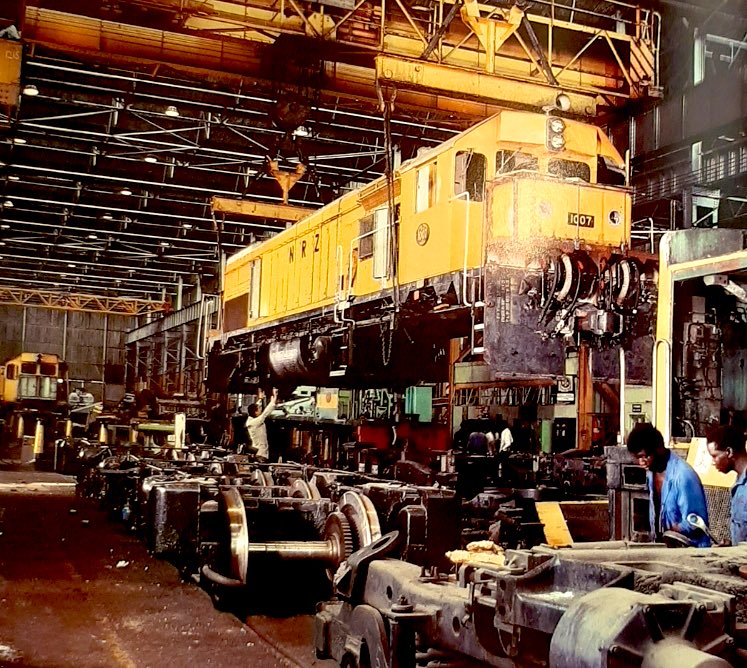
6. The privately owned buses were complemented by the State owned National Railways of Zimbabwe!
There was a daily train service from Harare to Bulawayo, and Harare to Mutare.
Below are NRZ engineers working on a diesel locomotive.
Zimbabwe’s railway was in top 3 in Africa!
There was a daily train service from Harare to Bulawayo, and Harare to Mutare.
Below are NRZ engineers working on a diesel locomotive.
Zimbabwe’s railway was in top 3 in Africa!
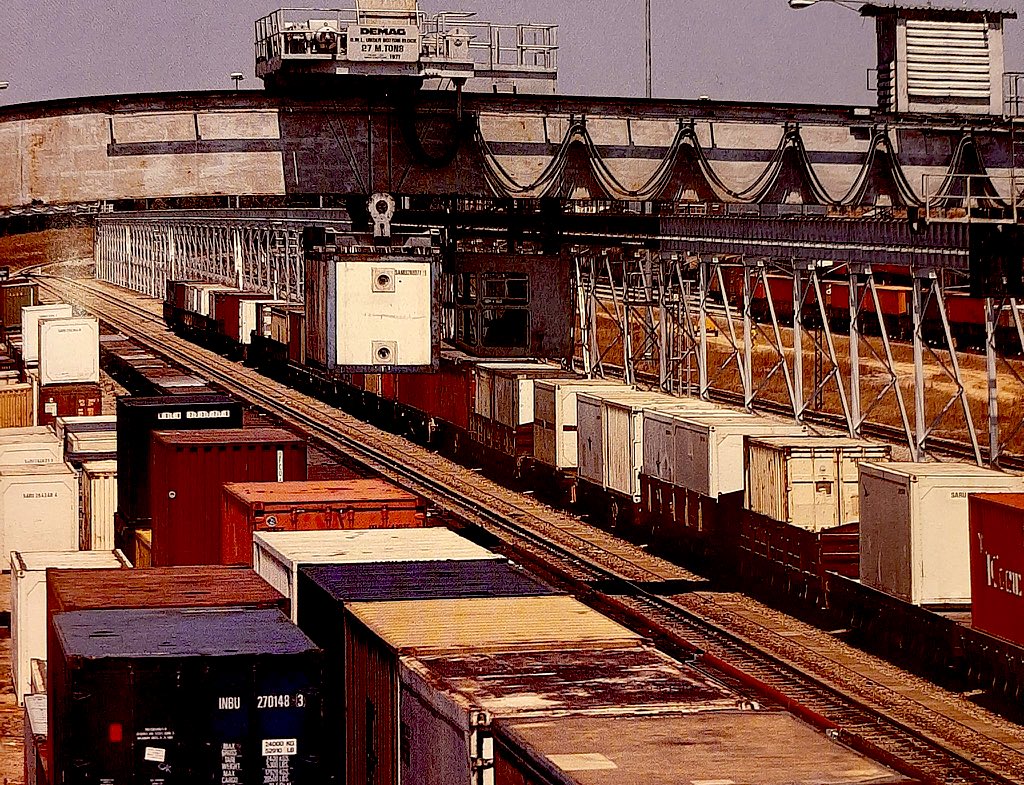
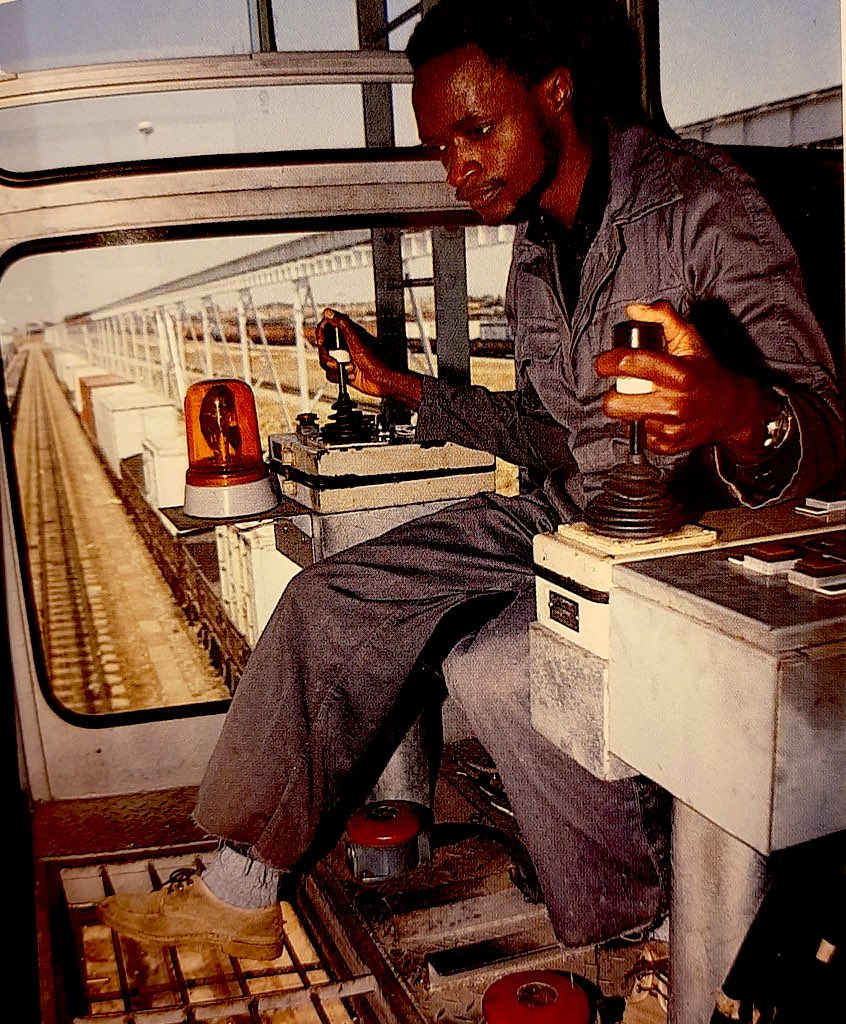
7. The trains ran on electricity between Harare & Dabuka after Gweru.
That is how advanced our railway system was, second only to South Africa in the region.
The 2 pictures are of Dabuka Marshaling Yard.
The 1st one shows the system used for sorting freight & 2nd one an operator
That is how advanced our railway system was, second only to South Africa in the region.
The 2 pictures are of Dabuka Marshaling Yard.
The 1st one shows the system used for sorting freight & 2nd one an operator
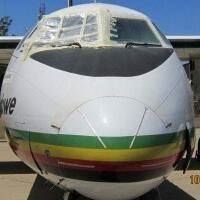
8. Away from ground transport, we inherited 22 planes from Rhodesian Airways.
Today we only have 1 plane flying.
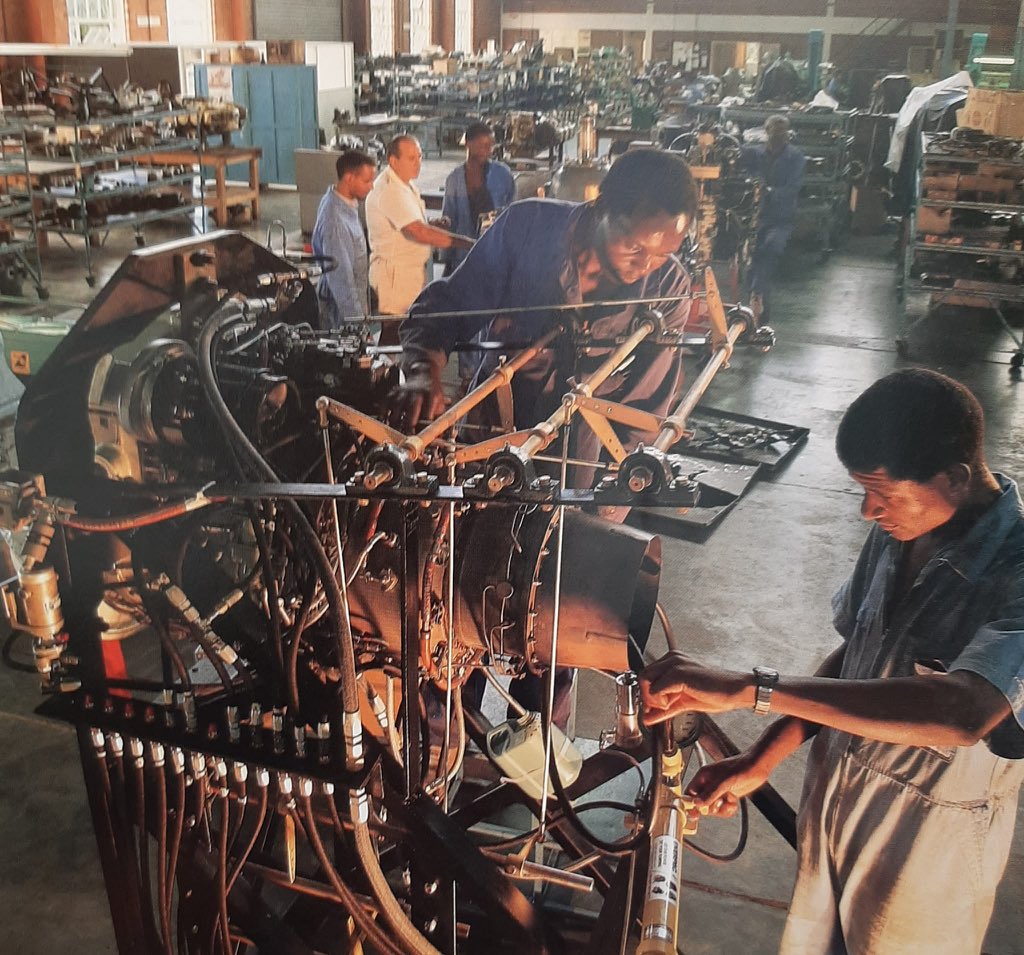
Below are Air Zim Engineers repairing an aircraft Jet engine in 1990.
Air Zim flew to London, Frankfurt and did charter flights in the region and beyond.
It’s gone!
Today we only have 1 plane flying.
Below are Air Zim Engineers repairing an aircraft Jet engine in 1990.
Air Zim flew to London, Frankfurt and did charter flights in the region and beyond.
It’s gone!
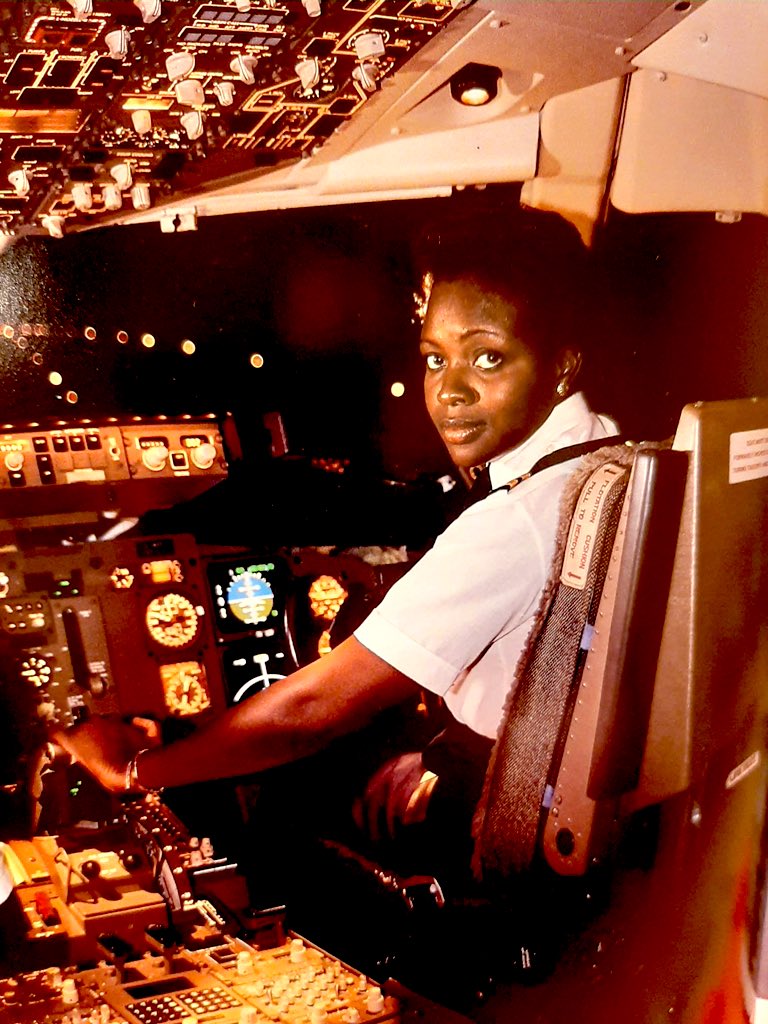
9. I had the pleasure of being on Emily Njovani’s flights.
She was Air Zimbabwe’s first female pilot.
All these pilots are now abroad after ZANUPF collapsed the airline through corruption, nepotism and mismanagement.
Njovani was 1st woman in Africa to captain the Boeing 767.
She was Air Zimbabwe’s first female pilot.
All these pilots are now abroad after ZANUPF collapsed the airline through corruption, nepotism and mismanagement.
Njovani was 1st woman in Africa to captain the Boeing 767.
10. It was possible to build such a formidable transport system because the executives were hired based on their competences not clansmanship.
Industries worked and grew.
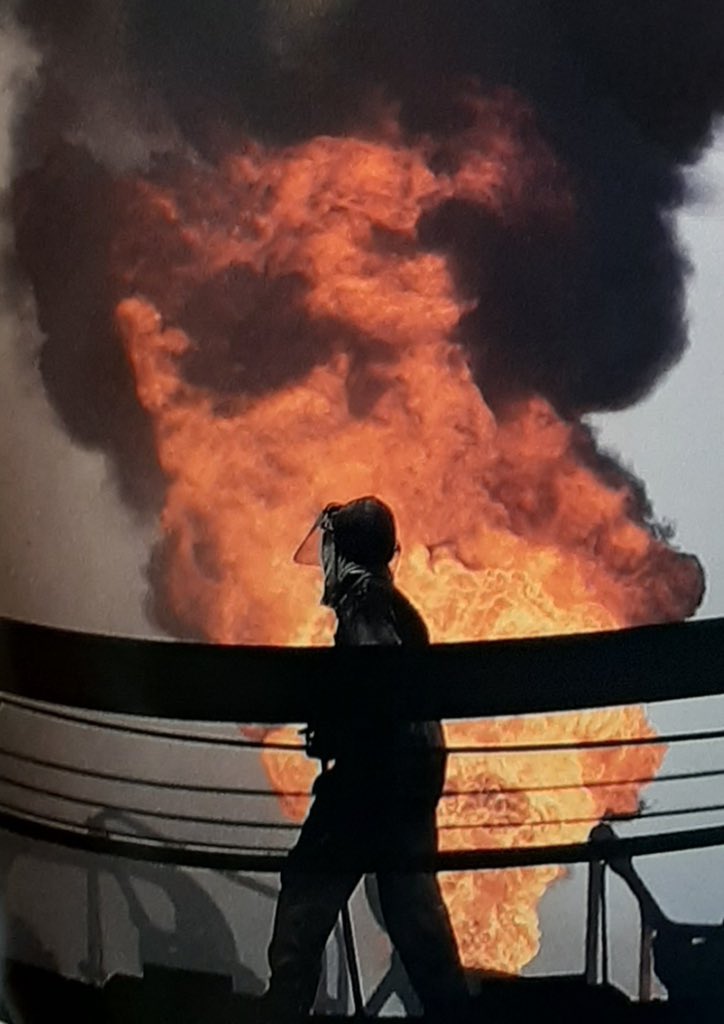
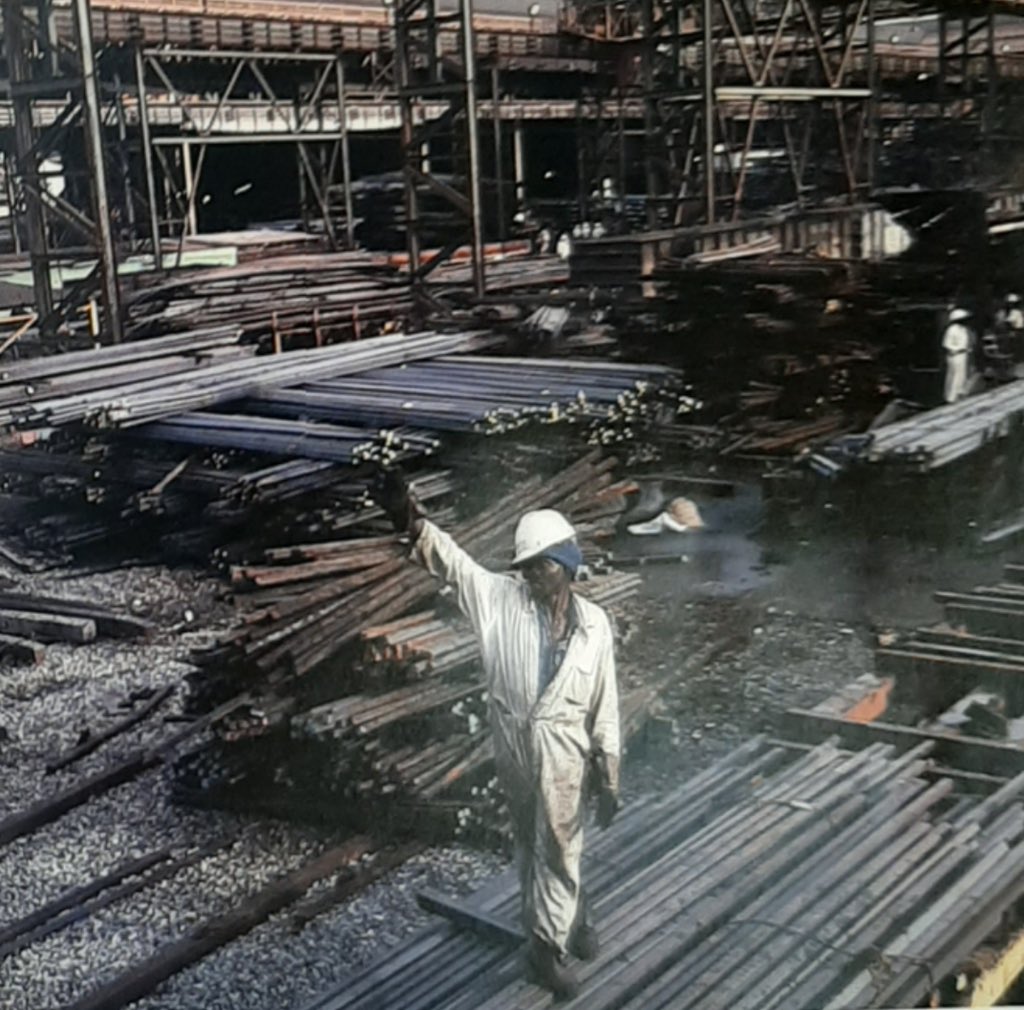
ZISCO steel produced many steel products using local raw materials and exporting these products for forex.
Industries worked and grew.
ZISCO steel produced many steel products using local raw materials and exporting these products for forex.
11. Companies like ZISCO used NRZ to move their consumables & products, but when industry dies, everything dies too!
This has been caused by misguided polices, ZANUPF LOOTING & plunder of the country’s natural resources.
National assets are being looted daily without consequences
This has been caused by misguided polices, ZANUPF LOOTING & plunder of the country’s natural resources.
National assets are being looted daily without consequences
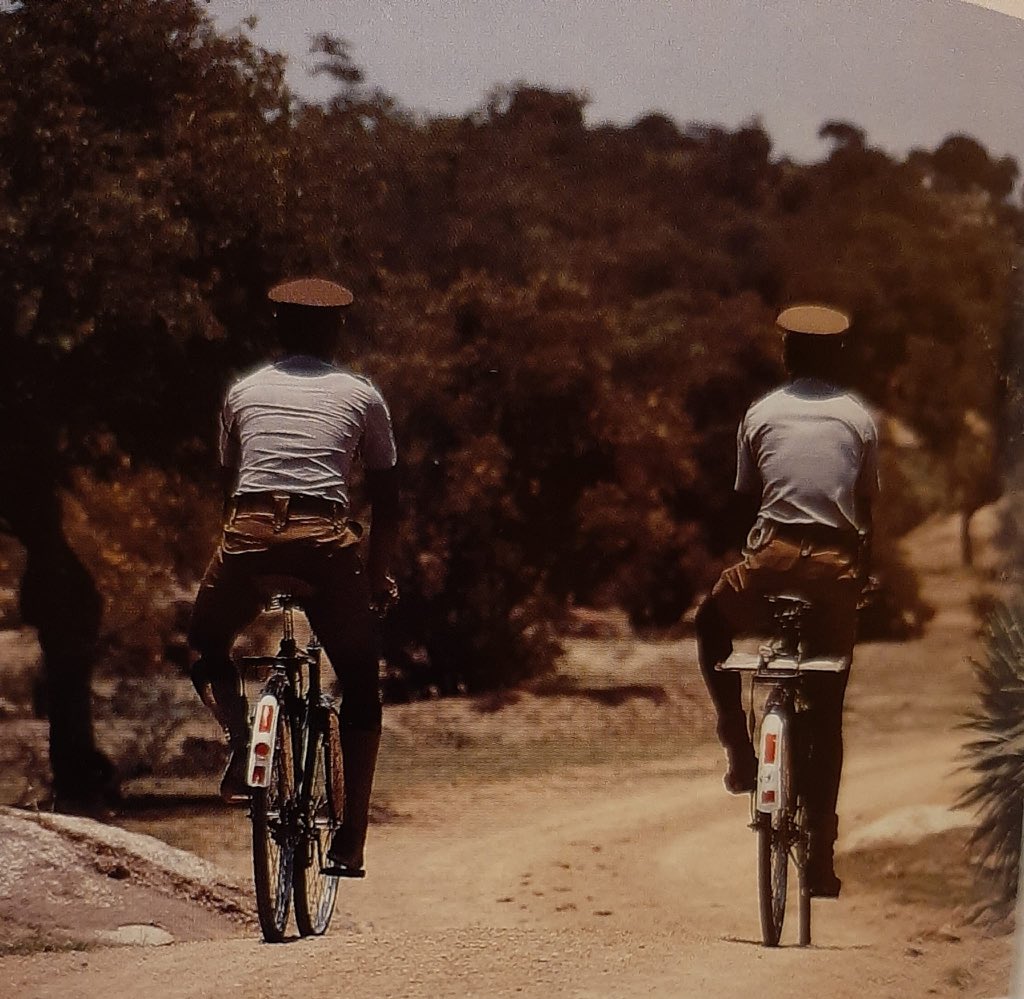
12. When the big things work, the small things will work too!
Like in big cities such as London and New York, Police officers in Zimbabwe had bicycles for patrolling their communities.
The bicycles were locally made creating employment!
Zimbabwe was a marvel before looting!
Like in big cities such as London and New York, Police officers in Zimbabwe had bicycles for patrolling their communities.
The bicycles were locally made creating employment!
Zimbabwe was a marvel before looting!
13. Today this is how Zimbabweans are moving around, packed in lorries that are not even supposed to be carrying people!
The whole public transport system from road, to rail to air has been destroyed, and it will only take a new Government to build it up again to where it was!
The whole public transport system from road, to rail to air has been destroyed, and it will only take a new Government to build it up again to where it was!

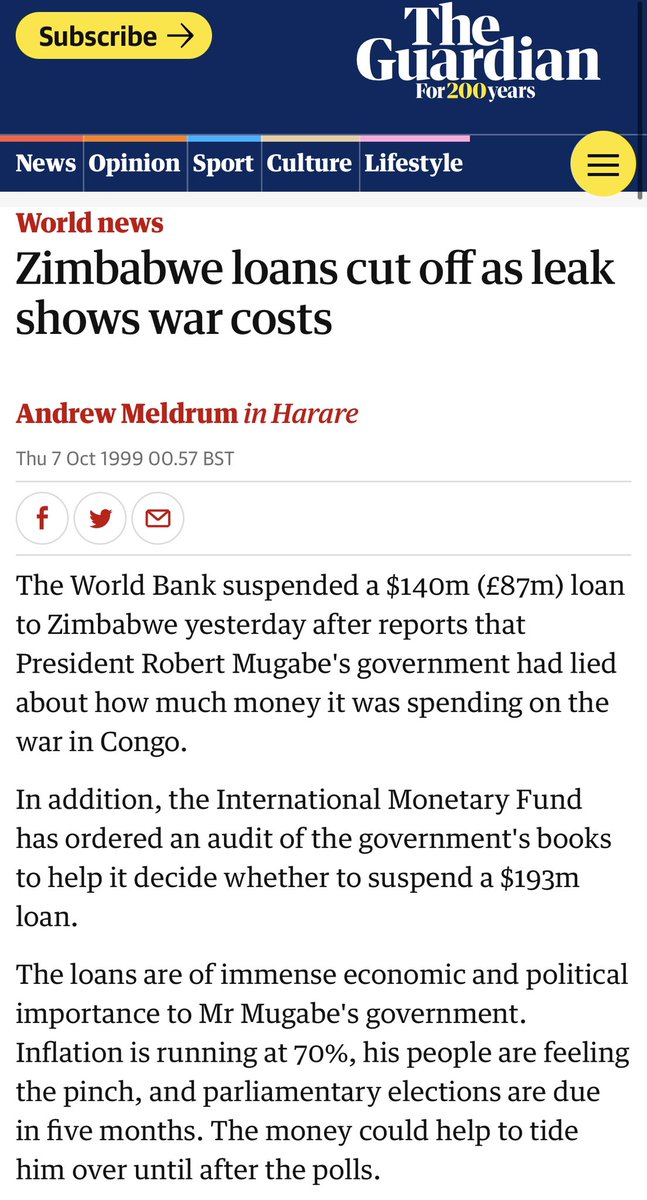
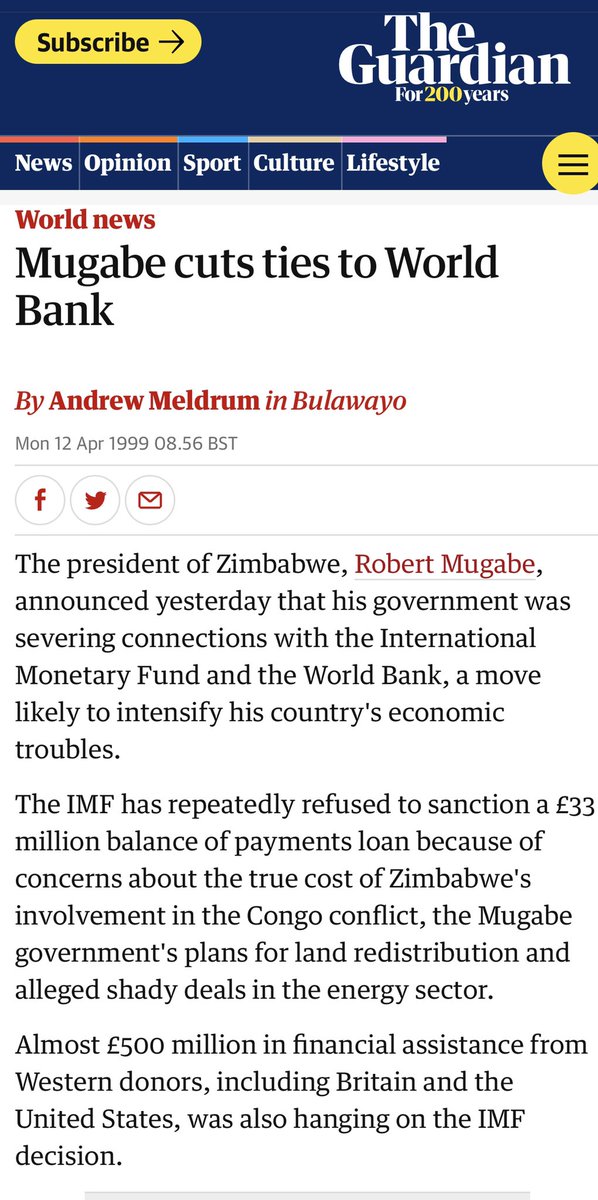
14. The Zimbabwean Government blames everything on sanctions, taking advantage of ignorance.
Targeted Sanctions only came in 2001, yet Zimbabwe had been kicked out of the world lending system in 1999 for not paying its debts, again because of LOOTING!
amp.theguardian.com
Targeted Sanctions only came in 2001, yet Zimbabwe had been kicked out of the world lending system in 1999 for not paying its debts, again because of LOOTING!
amp.theguardian.com
15. After ZANUPF destroyed the transport system throwing a collapse economy, thousands of jobs were lost at companies that manufactured buses, locomotive parts, and aircraft engineering at Air Zimbabwe.
Zimbabwe lost all its experienced pilots because there had no planes to fly!
Zimbabwe lost all its experienced pilots because there had no planes to fly!
16. The tragedy is how today’s Zimbabwean High School kids are growing up to go into an adult world with no opportunities for them, they end up in South Africa where they are not wanted.
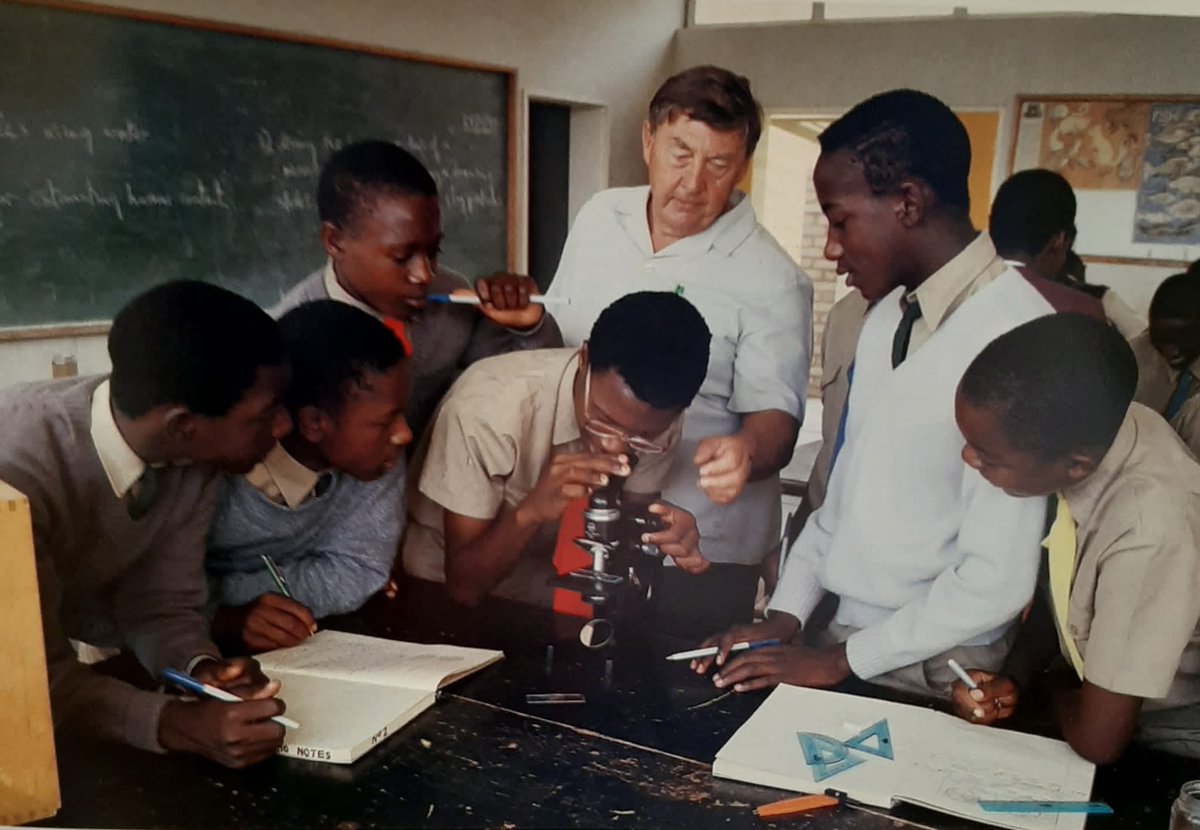
This was a science class at St Augustine’s in 1990, they had dreams fulfilled, not anymore!
This was a science class at St Augustine’s in 1990, they had dreams fulfilled, not anymore!
Loading suggestions...